
Choosing the right connectors for galvanized steel to pex transitions helps you prevent leaks and future pipe damage. Plumbing systems last longer when you pick materials that work well together. You need to think about the age of your pipes, water quality, and the risk of corrosion. Galvanized steel to pex connections can fail if you use the wrong connector or ignore warning signs. Safe plumbing starts with smart connector choices.
- Always check if your connector matches the pipe material.
- Look for signs of rust or wear before you begin.
Galvanized Steel to PEX: What You Need to Know
Direct Transition Challenges
When you switch from galvanized steel to pex, you face several challenges. Galvanized steel pipes often have rust and corrosion inside. This can cause leaks or blockages when you try to connect new pex pipes. You also need to use special transition fittings. These fittings help you join the two different materials safely. If you use the wrong fitting or install it incorrectly, leaks can happen.
Here is a table that shows the most common issues you may encounter during a galvanized steel to pex transition:
| Issue Category | Description |
|---|---|
| Corrosion | Galvanized steel pipes corrode as zinc coating wears off, leading to rust, leaks, and blockages. |
| Water Pressure | Rust buildup inside galvanized pipes reduces water flow, causing low water pressure. |
| Health Risks | Corroded galvanized pipes can release lead and harmful substances, posing health hazards. |
| Maintenance Costs | Frequent repairs and upkeep of galvanized pipes increase costs and inconvenience. |
| PEX Flexibility | PEX pipes are flexible, reducing the need for joints and simplifying installation. |
| PEX Resistance | PEX resists corrosion, scaling, and chlorine, maintaining integrity over time. |
| Installation Challenges | Transitioning requires removing old galvanized pipes and ensuring fitting compatibility. |
| Water Quality & Experience | Success depends on local water conditions and installer expertise. |
Tip: Always check the condition of your old pipes before starting any plumbing projects. Rust or buildup can make installation harder and affect water quality.
Why Proper Connector Selection Matters
Choosing the right connector for galvanized steel to pex is very important. If you pick the wrong type, you risk leaks and corrosion. You need fittings made for both galvanized steel and pex. These connectors must meet safety standards and handle the pressure and temperature of your system. Using the correct connector keeps your plumbing safe and reliable.
Galvanized steel pipes can corrode and release particles that may damage pex tubing. To prevent this, you should use dielectric unions or special transition fittings. These parts separate the two materials and lower the risk of corrosion. When you use the right connectors and follow the manufacturer’s instructions, you help your system last longer and avoid costly repairs.
Remember, installer experience also plays a big role. Even the best connector will fail if not installed correctly. Always follow local codes and guidelines for galvanized steel to pex transitions.
Compatibility with Other Materials in Galvanized Steel to PEX Connections
When you connect galvanized steel to PEX, you must think about more than just the two pipes. Many plumbing systems use other metals like copper or brass. Each material brings its own risks and benefits. Understanding compatibility with other materials helps you avoid problems like leaks, corrosion, and early pipe failure. Careful material considerations keep your plumbing safe and long-lasting.
Risks of Mixing Metals and Materials
Mixing metals in plumbing can cause serious trouble. Galvanic corrosion happens when two different metals, such as galvanized steel and brass, touch each other and water acts as an electrolyte. The less noble metal, often the galvanized steel, starts to corrode faster. This can lead to pipe wall thinning, leaks, and even system failure.
You might see this problem if you use brass pipe fittings on galvanized steel pipes. The zinc coating on the steel wears away first, then the steel itself starts to rust. In wet or coastal areas, this process speeds up. Sometimes, pipes can fail in just a few years. Even copper and brass pipe fittings can cause trouble when connected to galvanized steel.
Tip: Always check which metals you are connecting. If you must mix metals, use special pipe fittings or isolation methods to slow down corrosion.
Scientific studies show that corrosion from galvanized steel can send metal deposits like iron and manganese into PEX pipes. These deposits can stick to the inside of PEX, especially with hot water. Over time, this can damage the PEX and shorten its life. You need to think about these risks before choosing your pipe fittings.
Dielectric Unions and Corrosion Prevention
Dielectric unions help stop galvanic corrosion. These special pipe fittings keep different metals from touching each other. They use a non-conductive barrier, so electricity cannot flow between the metals. This stops the corrosion process.
You should use dielectric unions when you connect galvanized steel to copper or brass pipe fittings. Some plumbers also use them with PEX, especially if metal adapters are involved. The quality of the dielectric union matters. Good unions last longer and prevent leaks. Poor-quality unions may leak or fail, so always choose trusted brands.
- Dielectric nipples can work better than unions in some cases.
- Some plumbers use bronze valves or special pipe fittings instead of dielectric unions.
- Always use proper sealing materials, like Teflon tape, to help prevent leaks.
Water quality also affects how well dielectric unions work. If your water has high conductivity, corrosion can happen faster. Always check your local water conditions before choosing pipe fittings.
Local Plumbing Code Requirements
Local plumbing codes tell you what pipe fittings and materials you can use. Some areas require dielectric unions when you connect galvanized steel to other metals. Other places only recommend them. You must follow these rules to pass inspections and keep your plumbing safe.
Check your city or county’s plumbing code before you start. Codes may also set rules for which pipe fittings you can use with PEX. Some codes do not allow certain types of fittings, like push-to-connect fittings, for permanent installations. Always use pipe fittings that meet code and have the right certifications.
Note: If you are not sure about your local code, ask a licensed plumber or your building department. Using the wrong pipe fittings can lead to failed inspections and costly repairs.
A table can help you see which pipe fittings are allowed in common situations:
| Connection Type | Code Requirement Example | Commonly Allowed Fittings |
|---|---|---|
| Galvanized Steel to Copper | Dielectric union often required | Dielectric union, dielectric nipple |
| Galvanized Steel to PEX | Varies by location | Brass adapter, dielectric nipple, approved transition fitting |
| PEX to Brass | Usually allowed | Brass or plastic fitting |
| Galvanized Steel to Brass | Dielectric union recommended | Dielectric union, isolation fitting |
Always double-check your local rules before buying pipe fittings. This step saves you time and money.
Choosing the Right PEX Compression Fittings
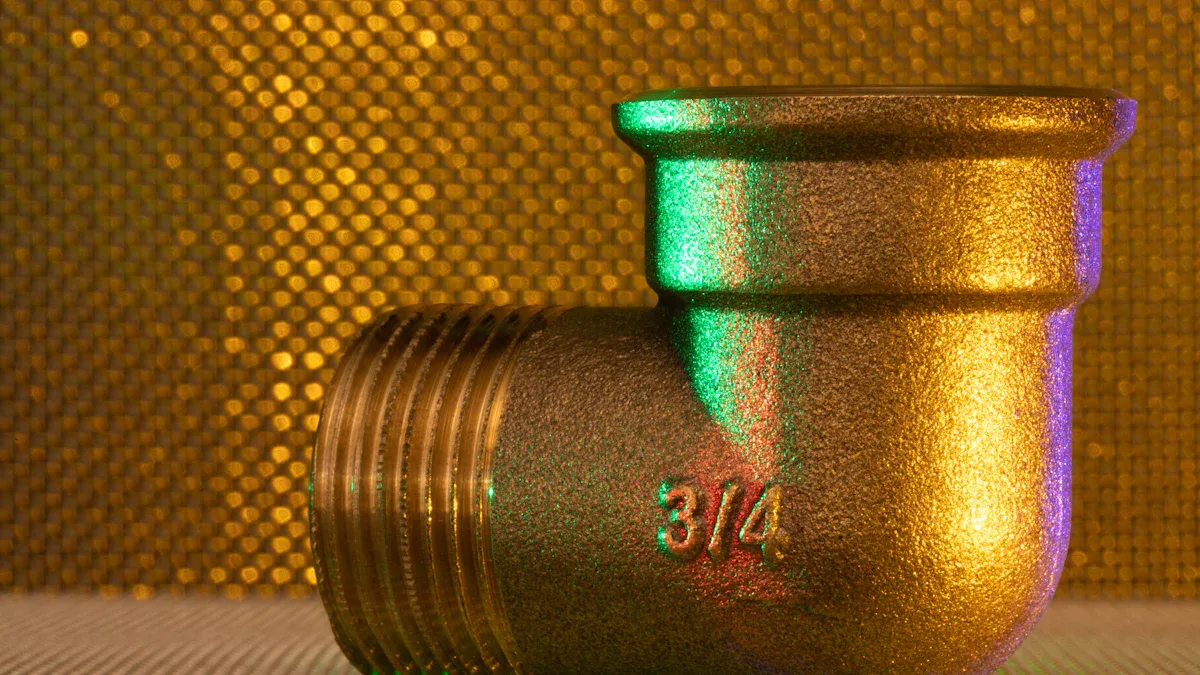
When you connect galvanized steel to PEX, you need to choose the right pex compression fittings. The right choice helps you avoid leaks, corrosion, and future repairs. You will find many types of pipe fittings in stores, but not all work for this job. Understanding the differences helps you make the best decision for your plumbing project.
Types of PEX Compression Fittings for Galvanized Steel
You have several options when you look for pex compression fittings to join galvanized steel and PEX. The most common types include threaded adapters, compression adapters, and transition unions. Each type serves a different purpose.
- Threaded adapters connect directly to the threads on galvanized steel pipes. You screw these pipe fittings onto the steel, then attach the PEX side using a compression ring or nut.
- Compression adapters use a nut and ferrule to create a tight seal. You slide the nut and ferrule over the PEX, then tighten them onto the fitting. This method works well when you want a strong, leak-free connection.
- Transition unions combine both threaded and compression ends. These pex compression fittings allow you to join galvanized steel and PEX in one step.
You should always check that your pex compression fittings are rated for potable water and meet local code requirements. Some fittings come with built-in dielectric barriers to prevent corrosion between metals. Look for these features when you shop for pipe fittings.
Tip: Always use new pex compression fittings for each project. Old or reused fittings may not seal properly and can cause leaks.
When to Use Brass, Copper, or Plastic Fittings
Choosing the right material for your pex compression fittings is just as important as picking the right type. Brass, copper, and plastic each have their own strengths and weaknesses.
- Brass valves and pipe fittings often connect directly to galvanized steel pipes. Many yard hydrants use brass and galvanized steel together for decades without problems. Brass and galvanized steel have a high anodic difference, but in practice, these combinations last a long time.
- Stainless steel and copper or brass have a low risk of galvanic corrosion. You can use stainless steel pipe fittings with brass or copper without much worry.
- Plastic pex compression fittings, such as polysulfone, work well when you want to avoid metal-to-metal contact. You can install plastic fittings into brass or copper components to prevent corrosion. Stainless steel fittings downstream also help reduce corrosion risks.
- Brass fittings can suffer from dezincification, which causes leaks over time. If you want the longest life, choose plastic or stainless steel pex compression fittings for transitions.
- Always use a non-metallic barrier, like a plastic bushing or dielectric fitting, to separate galvanized steel from PEX. PTFE thread seal tape does not stop galvanic corrosion because metal-to-metal contact still happens.
You should avoid direct contact between dissimilar metals whenever possible. If you must join them, use dielectric connections or non-metallic barriers to keep your plumbing safe.
Avoiding Incompatible Fittings Like SharkBite
Not all fittings work for galvanized steel to PEX transitions. SharkBite fittings, for example, are popular for PEX, copper, and CPVC pipes. However, they do not work with galvanized steel. SharkBite fittings need smooth, round pipe ends, but galvanized steel uses threaded connections.
Here are the main risks if you try to use SharkBite fittings with galvanized steel:
- SharkBite fittings do not fit galvanized steel pipes because the materials and connections are different.
- Galvanized pipes often have rust and corrosion. SharkBite fittings can make these problems worse and may not hold securely.
- Galvanized steel pipes need threaded connections with sealant. SharkBite fittings do not provide this seal, so leaks can happen.
You should always use pex compression fittings or threaded couplings made for galvanized steel. These pipe fittings seal tightly and prevent leaks. If you want to use SharkBite fittings, only use them with PEX, copper, or CPVC pipes. SharkBite PEX fittings are safe for hot and cold water and meet important safety standards, but they are not for galvanized steel.
Note: Always check the packaging and instructions for your pex compression fittings. If you are not sure, ask a professional plumber before you start your project.
Sizing and Measurement for Galvanized Steel to PEX
Measuring Galvanized Pipe Threads Accurately
Getting the right measurement for galvanized pipe threads is important before you connect to PEX. If you measure wrong, your fittings may not fit or seal well. You can follow these steps to measure threads correctly:
- Use a caliper, measuring tape, or ruler to check the diameter. Measure the inner diameter for female threads and the outer diameter for male threads.
- Match your measurement to a thread size chart. This helps you find the nominal pipe size.
- Identify the thread type. In the U.S., most pipes use NPT threads. In Europe, BSP threads are common.
- Check if the threads are male (outside) or female (inside).
- Look at the thread shape. Tapered threads (like NPT) need Teflon tape or pipe dope for sealing. Straight threads (like NPS) may need O-rings or gaskets.
- Clean the threads before you start. Make sure the fitting screws in smoothly to avoid cross-threading.
- Do not overtighten. This can damage the fitting, especially if you use plastic parts.
Tip: Always double-check your measurements and thread type before buying connectors.
Matching PEX Tubing Sizes to Existing Plumbing
You need to match PEX tubing sizes to your old galvanized pipes for a leak-free connection. Galvanized pipes use nominal sizes, but PEX tubing uses actual outside diameter. Always compare the size on the pipe with the size on the PEX tubing. Use a size chart if you are unsure. This step helps you meet size requirements and avoid leaks.
If your galvanized pipe is 3/4 inch nominal, you usually need 3/4 inch PEX tubing. Some adapters can help if the sizes do not match exactly. Always check the packaging for compatibility.
Adapting for Worn or Unusual Pipe Sizes
Old galvanized pipes can have worn threads or odd sizes. You can use special fittings to adapt to these pipes:
- Compression couplings use a nut and ring to seal around the pipe. They work well for repairs and odd sizes.
- Union couplings let you disconnect and reconnect pipes easily. These are good for maintenance.
- Slip couplings slide over the pipe and clamp down. You can use them for temporary or permanent fixes.
- Welding and flanges make strong, permanent joints. These work best for outdoor or high-pressure pipes.
- Saddle clamps attach a branch pipe without cutting or threading. Use these for small repairs.
Always cut, clean, and align the pipe before you install any fitting. This helps you get a tight, leak-free seal.
Quality and Certification of Galvanized Steel to PEX Connectors
Recognizing Certified and Approved Fittings
You need to check for certifications when you buy pipe fittings for galvanized steel to PEX transitions. Certified fittings help you meet plumbing codes and keep your water safe. Look for marks or labels on the packaging. These show that the pipe fittings passed tests for strength, safety, and clean water use.
Here is a table of common certifications and what they mean:
| Certification/Standard | Description |
|---|---|
| ASTM F1807 | Standard for copper crimp rings and crimp style PEX fittings (brass) |
| ASTM F877 | Standard for PEX tubing and fittings |
| ASTM F2159 | Standard for poly PEX fittings |
| ASTM F2098 | Standard for stainless steel clamps used in clamp (cinch) systems |
| NSF/ANSI 14 | Certification for plastic piping system components and related materials |
| NSF/ANSI 61-G | Certification for lead-free drinking water system components |
| NSF/ANSI 372 | Certification for lead content in plumbing products |
| UPC (IAPMO) | Uniform Plumbing Code listing by International Association of Plumbing and Mechanical Officials |
You should always choose pipe fittings with these certifications. They help you avoid problems with leaks or unsafe water.
Importance of Manufacturer Warranties
A good warranty shows that the maker trusts their pipe fittings. When you buy fittings with a strong warranty, you get extra protection. If the pipe fittings fail, the company may replace them or pay for repairs. Always read the warranty details before you buy. Some warranties only cover certain problems or last for a set time.
Tip: Keep your receipts and warranty papers in a safe place. You may need them if you have a problem with your fittings later.
How to Spot High-Quality Connectors
You can spot high-quality pipe fittings by looking at the material, finish, and weight. Good fittings feel solid and have smooth edges. The threads should look clean and fit well with other pipe fittings. Avoid fittings with rough spots, cracks, or thin walls. These signs mean the fitting may break or leak.
Check the packaging for clear labels and certifications. Trusted brands often print their name and standards right on the pipe fittings. If you see a fitting with no markings, you should not use it. High-quality fittings help your plumbing last longer and keep your water safe.
Installation Requirements and Best Practices for Galvanized Steel to PEX
Tools Needed for a Secure Connection
You need the right tools to make a strong and leak-free connection between galvanized steel and PEX. Start with a pipe wrench or adjustable wrench for loosening and tightening fittings. Use a tube cutter, hacksaw, or reciprocating saw to cut the galvanized pipe. A deburring tool or metal file helps you smooth rough edges after cutting. You also need PEX crimp tools or clamp tools for securing PEX rings. Always keep Teflon tape or pipe thread sealant handy for threaded joints. Safety gear like gloves and safety glasses protects you during the job.
Tip: Gather all your tools before you start. This helps you work faster and avoid mistakes.
Preparing and Cutting Galvanized Pipe Ends
You must prepare the galvanized pipe ends carefully before attaching PEX adapters. Follow these steps for best results:
- Mark the pipe where you want to cut. Make sure your mark goes all the way around for a straight cut.
- Choose the right cutting tool. You can use a tube cutter, hacksaw, reciprocating saw, or angle grinder with a metal blade.
- Secure the pipe with a vise, clamp, or pipe strap. This keeps the pipe from moving while you cut.
- If you use a power tool, start the blade before it touches the pipe. This prevents the tool from snagging.
- Cut with gentle, steady pressure. Do not rush or force the tool.
- After cutting, remove any burrs or sharp edges. Use a file, reamer, or coarse sandpaper, especially on the inside edge.
- Always wear safety glasses, gloves, and ear protection to protect yourself from metal fragments and noise.
Clean, smooth pipe ends help you get a tight seal and prevent leaks.
Attaching PEX Tubing to Adapters
Once you have prepared the pipe ends, you can attach the PEX tubing to the adapters. Slide the PEX ring or clamp over the tubing first. Push the tubing onto the adapter until it stops. Use a crimp or clamp tool to secure the ring or clamp in place. Check that the connection feels tight and does not move. For threaded adapters, wrap Teflon tape around the threads before screwing them into the galvanized fitting. Tighten with a wrench, but do not overtighten.
Note: Always follow the manufacturer’s instructions for your fittings and tools. This ensures a safe and reliable connection every time.
Pressure Testing and Leak Prevention
After you finish connecting galvanized steel to PEX, you need to check your work. Pressure testing helps you find leaks before you use the plumbing. This step protects your home from water damage and costly repairs.
Start by closing all valves and making sure the system is ready. Use a pressure gauge and a hand pump or air compressor. Fill the pipes with water or air, depending on local code. Raise the pressure to the level your plumbing system needs. Most homes use 40 to 80 psi, but always check your local rules.
Watch the gauge for at least 15 minutes. If the pressure drops, you may have a leak. Look at every joint and fitting. Use a dry paper towel to check for moisture. For air tests, spray soapy water on the connections. Bubbles mean a leak.
Here is a simple checklist for pressure testing:
- Close all valves and faucets.
- Attach a pressure gauge to the system.
- Fill the pipes with water or air.
- Raise the pressure to the required level.
- Watch the gauge for drops.
- Inspect all joints for leaks.
- Fix any leaks and retest.
Tip: Never skip pressure testing. This step ensures leak-free performance and keeps your plumbing safe.
If you find a leak, tighten the fitting or replace it. Always retest after making changes. Careful testing gives you peace of mind and helps your plumbing last longer.
Common Mistakes to Avoid in Galvanized Steel to PEX Transitions
Using the Wrong Type of Connector
You might think any connector will work, but using the wrong type can cause leaks and system failures. Many PEX connectors are proprietary, so you need to use only those approved by the PEX manufacturer. If you use pipe fittings not certified by ANSI or ASTM, you may fail inspection and risk water safety. Galvanized pipe interiors and male threaded ends often thin out over time. If you screw new female fittings directly onto these worn threads, leaks can happen quickly.
Always make transitions at existing female fittings when possible. This step helps you avoid leaks and keeps your system strong.
Here are some common mistakes to watch for:
- Using pipe fittings not rated for potable water.
- Skipping proper sealing with pipe thread tape and pipe dope.
- Choosing connectors that do not match the pipe material.
Over-tightening or Under-tightening Fittings
Getting the right tightness on your fittings is key. If you under-tighten, the clamp may not compress the PEX tubing enough, leading to leaks. Over-tightening can break the clamp band or even cause the PEX tubing to slip off the fitting. Both mistakes can result in water damage and costly repairs.
Make sure your tools are calibrated and always follow the recommended torque for pipe fittings. This practice helps you create a secure, leak-free connection.
Ignoring Pipe Condition or Existing Leaks
You should always check the condition of your pipes before starting any transition. Dust, debris, and accidental bumps during renovations can weaken pipe fittings and valves. If you ignore corrosion or existing leaks, you risk bigger problems later. Corroded galvanized steel pipes can cause rust-colored water, low pressure, and even water contamination.
- Protect valves and pipe fittings with wraps or covers during work.
- Control water pressure to avoid stressing old fittings.
- Replace pipes over 50 years old, even if they look fine.
Ignoring these steps can lead to leaks, water damage, and expensive repairs. Always inspect and address any issues before connecting new pipe fittings.
Skipping Permits or Inspections
You might feel tempted to skip permits or inspections when working on plumbing projects. This shortcut can lead to big problems later. Local building codes exist to keep your home safe. Permits and inspections make sure your work meets these codes.
If you skip the permit, you risk fines or penalties. Inspectors check your work for leaks, proper fittings, and safe connections. They help you catch mistakes before they cause water damage or health hazards. Many insurance companies will not cover damage from unpermitted work. If you sell your house, buyers may ask for proof of permits. Missing paperwork can delay or even stop the sale.
Tip: Always check with your city or county before starting any plumbing project. Ask if you need a permit for galvanized steel to PEX transitions.
Here are some reasons why you should never skip permits or inspections:
- Safety: Inspectors look for hidden dangers like cross-connections or faulty fittings.
- Code Compliance: You must follow local rules for pipe materials and installation methods.
- Insurance: Claims may get denied if you did not get the right permits.
- Resale Value: Proper documentation helps you sell your home faster and at a better price.
- Peace of Mind: You know your plumbing is safe and up to standard.
A simple checklist can help you stay on track:
| Step | Why It Matters |
|---|---|
| Get a permit | Legal requirement, avoids fines |
| Schedule inspection | Ensures safe, code-compliant work |
| Keep records | Needed for insurance and resale |
Skipping these steps may seem easier, but you risk much more in the long run. Always follow the rules and protect your investment.
When you choose connectors for galvanized steel to PEX, focus on corrosion-resistant materials and make sure the fittings match your pipe size. Industry experts suggest using specialized couplings made from zero-lead bronze or stainless steel for secure, leak-free connections. Always check your local plumbing codes before starting.
- Visit your local building authority’s website for code updates.
- Ask a licensed plumber if you have questions.
- Keep permits and inspection reports for your records.
If you feel unsure, reach out to a professional. This helps you keep your plumbing safe and up to code.
Perguntas frequentes
What is the safest way to connect galvanized steel to PEX?
You should use a brass or approved transition fitting. Always add a dielectric union to prevent corrosion. Check that your connector meets local plumbing codes.
Can you reuse old galvanized pipe threads for new connections?
No, you should not reuse old threads. Worn threads can leak or fail. Always cut back to solid pipe and use new fittings for a secure connection.
Do you need a permit to replace galvanized pipes with PEX?
Yes, most cities require a permit for this work. You should check with your local building department before starting. Permits help keep your plumbing safe and up to code.
How do you know if your PEX fitting is certified?
Look for marks like NSF, ASTM, or UPC on the fitting or packaging. Certified fittings meet safety standards. If you do not see these marks, choose another product.
Can you use push-to-connect fittings with galvanized steel?
No, push-to-connect fittings like SharkBite do not work with galvanized steel. You need threaded or compression fittings made for steel pipes.