
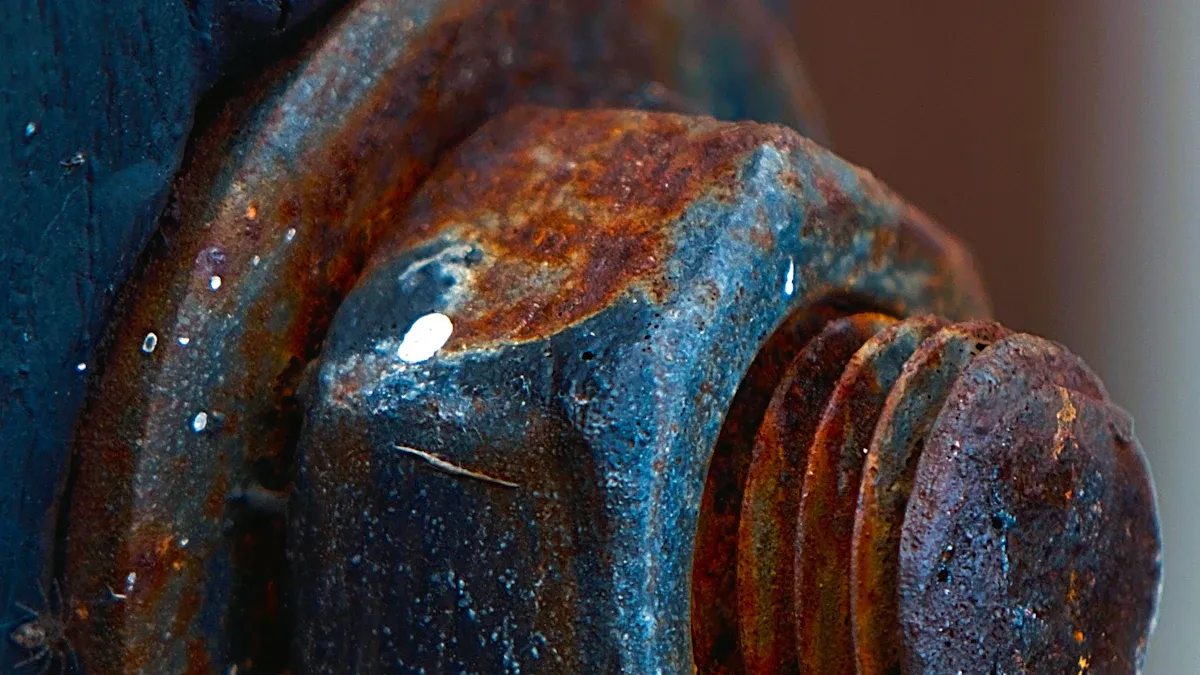
When you see rusting galvanized steel, you might wonder if it is safe to use in your home. Rust breaks down the protective zinc layer, which makes the metal underneath more likely to release harmful substances. You face risks like heavy metal leaching and toxic fumes when rusting galvanized steel comes into contact with food or water. Galvanized steel safety drops sharply once rust appears, so always stay alert to signs of corrosion.
What Is Galvanized Steel and Why Does It Rust
How Galvanized Steel Is Made
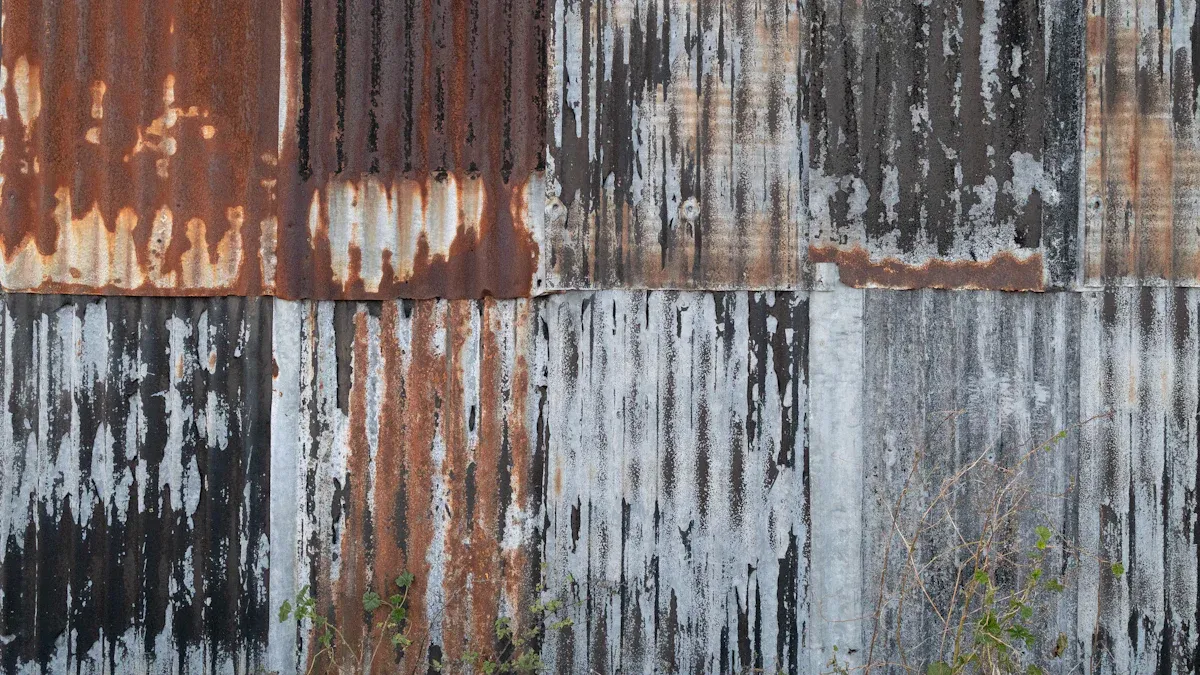
You may see galvanized steel in many places, from fences to water pipes. Manufacturers make galvanized steel by dipping regular steel into a bath of molten zinc. This process forms a protective zinc layer on the steel’s surface. The zinc coating gives galvanized steel its strong corrosion resistance. The thickness of the zinc layer depends on the temperature of the bath, how long the steel stays in the bath, and how quickly it is removed. Standards like ASTM and AASHTO set rules for coating thickness and quality. The zinc layer protects the steel underneath, even at temperatures up to 200°C (390°F). This makes galvanized steel a popular choice for outdoor and industrial uses where corrosion resistance is important.
Rusting Galvanized Steel and Its Effects
Even though galvanized steel has good corrosion resistance, it can still rust under certain conditions. When the zinc coating wears away or gets damaged, the steel underneath becomes exposed. Rusting galvanized steel happens faster in places with high humidity, pollution, or salty air. For example, in polluted cities, galvanized steel may need maintenance after about 72 years, but in clean rural areas, it can last over 100 years. The zinc acts as a sacrificial anode, meaning it corrodes first to protect the steel. Over time, the buildup of rust weakens the metal and reduces its corrosion resistance. The table below shows how different environments affect the rate of rusting galvanized steel:
| Environmental Condition | Specimen Type | Temperature (°C) | Humidity (%) | Corrosion Rate Trend / Key Findings |
|---|---|---|---|---|
| Natural exposure | Galvanized steel | Various | Variable | Corrosion rates vary by region; snow can slow corrosion; salt speeds it up |
| High humidity | Undamaged galvanized steel | 50, 70, 90 | 95 | Higher temperature increases corrosion rate; undamaged steel lasts longer |
| High humidity | Damaged galvanized steel | 50, 70, 90 | 95 | Damage speeds up rusting; at high temps, rusting galvanized steel can be worse than regular steel |
Is Galvanized Steel Toxic When Rusted
You might wonder, is galvanized steel toxic when it starts to rust? In its finished form, galvanized steel is usually safe for people, plants, and animals. The zinc coating gives it corrosion resistance and keeps harmful metals from leaching out. However, rusting galvanized steel loses this protection. When the zinc layer breaks down, the steel underneath can release zinc and iron into water or food. If you use old galvanized pipes or containers, you risk exposure to these metals. Ingesting too much zinc can cause stomach pain, vomiting, or fever. Acidic foods or drinks can speed up the leaching process. The EPA says drinking water should not have more than 5 mg/L of zinc. To stay safe, you should replace galvanized steel used for water or food after about 50 years. Always avoid using rusting galvanized steel for cooking or storing acidic foods. If you ask, is galvanized steel toxic, remember that rusting increases the risk, especially with direct contact.
Dangers of Galvanized Steel in Everyday Use
Heavy Metal Leaching and Toxicity
When you use galvanized steel in your home, you might not realize the risks that come with rust and corrosion. As the zinc coating breaks down, the leaching of contaminants becomes a real problem. You may ask, does galvanized steel contain lead or cadmium? In some older products, manufacturers used lead and cadmium in the galvanizing process. These heavy metals can enter your food or water if the coating wears away.
If you use rusted galvanized steel for drinking water or food storage, you risk exposure to toxins. Lead and cadmium are toxic to humans, even in small amounts. They can cause health problems like stomach pain, headaches, and even long-term health issues such as kidney damage or learning difficulties in children. Zinc poisoning can also occur if you ingest too much zinc from leaching. The dangers of galvanized steel increase when you use it for acidic foods or hot liquids, which speed up the leaching of contaminants.
⚠️ Note: Always check if your galvanized steel items are safe for food or drinking water. If you see rust or white powdery residue, replace the item right away.
Structural Weakness and Corrosion Risks
Galvanized steel is known for its corrosion resistance, but this protection does not last forever. When the zinc layer wears off, the steel underneath starts to rust. You may notice flaking, pitting, or holes in old pipes or containers. These signs mean the structure is getting weaker.
Scientific studies show that galvanized steel resists corrosion better than black steel. For example, research by Darwin and others found that galvanized steel can handle chloride levels 2 to 3 times higher than black steel before rust starts. In coastal areas, Maldonado’s study showed that galvanized steel lasted twice as long as black steel. The table below shows some key findings:
| Study / Author(s) | Key Findings | Notes |
|---|---|---|
| Darwin et al. | Galvanized steel resists 2–3× more chloride than black steel | Longer time to corrosion initiation |
| Maldonado | Time to corrosion initiation is 2× longer for galvanized steel | Coastal conditions |
| Hegyi et al. | Chloride threshold for galvanized bars is 3.1× that of black steel | High corrosion resistance |
Even with these benefits, once corrosion starts, the leaching of contaminants increases. You should not ignore rust, as it means the steel is losing its strength and safety. If you see damage, replace the item to avoid potential health concerns.
Is Galvanized Steel Toxic for Food and Water
You may wonder, is galvanized steel toxic when used for food or drinking water? The answer depends on the condition of the steel. New, undamaged galvanized steel offers good corrosion resistance and usually does not release harmful substances. However, as soon as rust appears, the leaching of contaminants becomes a risk.
Does galvanized steel contain lead or cadmium? Some older products do. If you use these items for drinking water or food, you could expose yourself to lead and cadmium. These metals can cause serious health effects, including nerve damage and developmental delays in children. Cadmium is especially dangerous because it builds up in your body over time.
If you use galvanized steel for drinking water, you should know that the EPA sets strict limits for heavy metals. Even small amounts of cadmium or lead can cause health effects. Acidic foods, like tomatoes or citrus, can make the leaching of contaminants worse. You should never use rusted galvanized steel for cooking, storing, or serving food and drinks.
🥤 Tip: Always choose food-safe containers for drinking water and food storage. Avoid using old or rusted galvanized steel in your kitchen.
Rusting Galvanized Steel in Common Household Uses
Food Contact and Kitchenware Safety
You may find galvanized steel in some kitchenware, such as buckets, trays, or storage bins. When this material starts to rust, it becomes unsafe for any food contact. Acidic foods like tomatoes or citrus can speed up the breakdown of the zinc layer. This process allows metals to leach into your food. If you use rusted galvanized steel for cooking or serving, you risk eating harmful metals. Galvanized steel kitchenware does not meet modern drinking water standards for food safety. Always choose containers labeled as food-safe. If you see rust or white powder on your kitchen items, replace them right away.
Water Pipes and Drinking Water Concerns
Many older homes still use galvanized steel plumbing for their water supply. Over time, these galvanized water pipes can rust inside. When this happens, metals like iron, zinc, and even lead or cadmium can enter your drinking water. Scientific studies show that iron levels in water from rusted galvanized steel can reach up to 6543 mg/L, and manganese can reach 20.8 mg/L. These numbers are much higher than drinking water standards allow. The EPA sets the limit for iron at 0.3 mg/L and zinc at 5 mg/L. If you notice a metallic taste, discoloration, or particles in your drinking water, your galvanized steel plumbing may be corroding. Testing your water after it sits in the pipes overnight can reveal hidden problems. Rusted galvanized steel in your water supply can put your health at risk, especially if you use the water for drinking or cooking.
💧 Tip: Replace old galvanized water pipes with safer materials to protect your drinking water quality.
Gardening, Planters, and Soil Safety
You might use galvanized steel containers or planters in your garden. When these items rust, they can release metals into the soil. Plants can absorb these metals, which may end up in your vegetables or herbs. Galvanized steel does not meet drinking water standards for soil or plant safety when rusted. If you use galvanized steel for gardening, check for rust often. Replace any corroded planters to keep your soil and crops safe. Choose planters made from food-safe plastic, ceramic, or stainless steel for the best results.
General Household Items and Exposure
You probably see galvanized steel in many household items every day. People use galvanized steel products for things like storage bins, shelving, buckets, trash cans, and even decorative pieces. These items look sturdy and last a long time because the zinc coating protects the steel underneath. Over time, though, you may notice rust spots or white powder on these surfaces. This means the protective layer is breaking down.
When you touch or handle rusted galvanized steel, you might worry about health risks. The American Galvanizers Association explains that zinc poisoning from everyday contact is rare. You would need to swallow or breathe in a large amount of zinc for it to cause harm. Most people do not get close to those levels just by touching or using galvanized steel products at home. If you accidentally touch or even lick a rusted surface, you are unlikely to get more zinc than the recommended daily limit of 40 mg.
Problems can happen if you use galvanized steel for storing acidic foods or liquids. Acid speeds up corrosion and can cause metals to leach out. For example, using a rusted galvanized steel bucket to hold lemonade or tomato sauce is not safe. You should also avoid using rusted galvanized steel products for pet food or water bowls. Pets can be more sensitive to heavy metals.
You do not need to panic if you see a little rust on a galvanized steel shelf or tool. Just avoid using these items for food, drinks, or anything that touches your mouth. If you see a lot of rust or flaking, it is best to replace the item. Choose safer materials like stainless steel or food-grade plastic for anything that comes in contact with food or water.
🏠 Tip: Always check your galvanized steel products for signs of rust or damage. Replace them if you plan to use them for food, water, or anything that touches your skin often.
| Common Household Items Made from Galvanized Steel | Safe When New | Unsafe When Rusted |
|---|---|---|
| Storage bins | ✔️ | ⚠️ |
| Trash cans | ✔️ | ⚠️ |
| Shelving | ✔️ | ⚠️ |
| Buckets | ✔️ | ❌ (for food/drink) |
| Pet bowls | ✔️ | ❌ |
Welding Galvanized Steel and Toxic Fumes
Health Risks from Welding or Cutting
When you work with galvanized steel, you need to know about the dangers of welding galvanized steel. The zinc coating on galvanized steel protects it from rust, but it also creates risks when heated. If you weld or cut galvanized steel, the heat causes the zinc to turn into zinc oxide fumes. Breathing in these fumes can lead to zinc poisoning, which is also called metal fume fever. You may feel chills, fever, nausea, or chest pain if you get zinc poisoning.
Welding galvanized steel produces more than just zinc oxide fumes. You also get metal oxide particles from the steel and the welding rods. These fumes can contain iron, manganese, chromium, nickel, lead, and copper. Toxic gases like ozone, nitrogen oxides, and carbon monoxide can also form. The mix of metals and gases makes the fumes very dangerous. Zinc poisoning is the main risk, but you can also get sick from other metals. Studies show that both animals and people can have lung problems after breathing these fumes. If you weld in a place with poor airflow, the risk of zinc poisoning goes up.
⚠️ Warning: Never ignore symptoms like coughing, headache, or fever after welding galvanized steel. These signs may mean you have zinc poisoning or another serious health problem.
Safe Handling and Protective Measures
You can lower your risk by following the right protective measures when working with galvanized steel. Always clean the steel before welding. Remove oil, dirt, and old paint. Use acid pickling to get rid of any leftover coating. Apply a special flux to keep the steel clean during welding.
Here are some steps you should follow to stay safe:
- Work in a well-ventilated area. Use fans or local exhaust systems to move fumes away from your face.
- Wear personal protective equipment. Use a respirator mask with an N95 filter or better, heat-resistant gloves, a welding helmet, safety boots, and a leather jacket.
- Stand so you do not breathe in the fumes directly. Keep clean air flowing around you.
- After welding, use zinc touch-up paint to protect the weld and stop rust.
- Get training on how to use your safety gear and learn about the risks of zinc poisoning.
- If you feel sick after welding, move to fresh air right away. Take off any dirty clothes and wash your skin. If you still feel bad, see a doctor.
Zinc poisoning is a real danger when you weld galvanized steel. Zinc oxide fumes can cause short-term sickness and long-term lung problems. You should never weld galvanized steel without the right protective measures. If you want to avoid zinc poisoning, always use good ventilation and the right safety gear.
🛡️ Tip: If you can, use other ways to join galvanized steel, like brazing or glue, to avoid zinc oxide fumes and lower your risk of zinc poisoning.
How to Identify and Replace Unsafe Rusted Galvanized Steel
Signs of Dangerous Corrosion
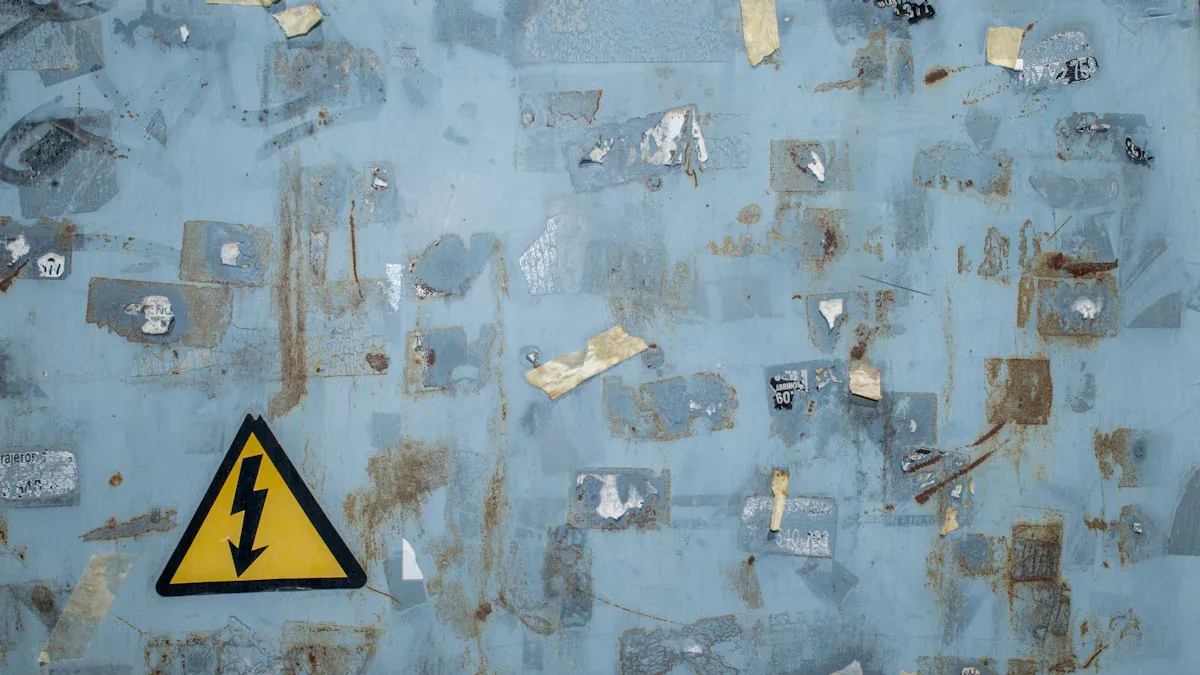
You can spot unsafe galvanized steel by looking for certain warning signs. Regular inspections help you catch problems early. Here is a simple checklist you can follow:
- Look for coating damage, such as scratches or peeling.
- Check for rust spots or areas where the surface looks rough or pitted.
- Measure the thickness of the zinc coating if you have the right tools.
- Test how well the coating sticks to the steel.
- Watch for changes in color or white powdery residue.
- Keep a record of when you installed the galvanized steel and any repairs you made.
- Clean and repair damaged spots as soon as you notice them.
You should check high-stress areas and joints more often. Welded sections need extra attention because they can rust faster. If you see holes, flaking, or deep rust, the galvanized steel is no longer safe.
🛠️ Tip: Schedule weekly visual checks and monthly detailed inspections to catch corrosion before it becomes dangerous.
When to Replace or Avoid Use
Knowing when to replace galvanized steel keeps you and your family safe. The lifespan of galvanized steel depends on where you use it and how well you maintain it. For example, galvanized steel in cooling towers lasts about 15–20 years with good care. Steel buildings can last over 100 years if you keep them dry and clean.
| Aspect | Details |
|---|---|
| Longevity | Galvanized steel in cooling towers: 15–20 years. Steel buildings: over 100 years with care. |
| Damage Thresholds | Replace if you see rust, holes, mold, or buckling. |
| Environmental Factors | Humid or salty air speeds up corrosion. |
| Maintenance Recommendations | Clean, inspect, and repair regularly. |
If you notice rust, holes, or weakened parts, replace the galvanized steel right away. Do not use rusted galvanized steel for food, water, or anything that touches your skin. This helps prevent galvanized steel poisoning and protects your health.
Safer Alternatives for Everyday Use
You have many choices when you want to avoid the risks of rusted galvanized steel. Stainless steel works well for kitchenware, water pipes, and planters. Food-grade plastic and ceramic also make safe options for storage and gardening. These materials do not rust or leach metals into your food or water.
Switching to safer materials reduces the environmental impacts of metal corrosion. You also lower the risk of heavy metal exposure in your home. Always choose products labeled as food-safe or drinking water-safe for the best protection.
🌱 Note: Replacing old galvanized steel with safer alternatives keeps your home healthy and helps the environment.
Rusted galvanized steel can put your health at risk in daily life. You should avoid using it for food, water, or anything that touches your skin. Scientific studies highlight key points:
- Galvanized steel resists corrosion better than uncoated steel, but rust weakens its toughness.
- Health risks mostly come from welding or heating, which can release toxic zinc fumes.
- The main danger is material breakdown, not direct poisoning.
Choose safer materials like stainless steel or food-grade plastic. Replace rusted items quickly to keep your home safe.
FAQ
Can you use rusted galvanized steel for drinking water?
You should not use rusted galvanized steel for drinking water. Rust breaks the protective zinc layer. Metals like zinc, iron, or even lead can leach into your water. This can harm your health.
Is it safe to cook with rusted galvanized steel pans?
No, you should avoid cooking with rusted galvanized steel pans. Acidic foods can cause metals to leach into your food. This can lead to zinc poisoning or exposure to other harmful metals.
How do you know if galvanized steel is unsafe?
Look for these signs:
- Rust spots or flaking
- White powdery residue
- Holes or pitting
If you see any of these, replace the item right away.
Can you touch rusted galvanized steel safely?
Touching rusted galvanized steel usually does not cause harm. Wash your hands after contact. Do not use these items for food, water, or anything that touches your mouth.
What are safer alternatives to rusted galvanized steel?
You can use:
- Rostfreier Stahl
- Food-grade plastic
- Ceramic
These materials do not rust or leach metals. They keep your food and water safe.