
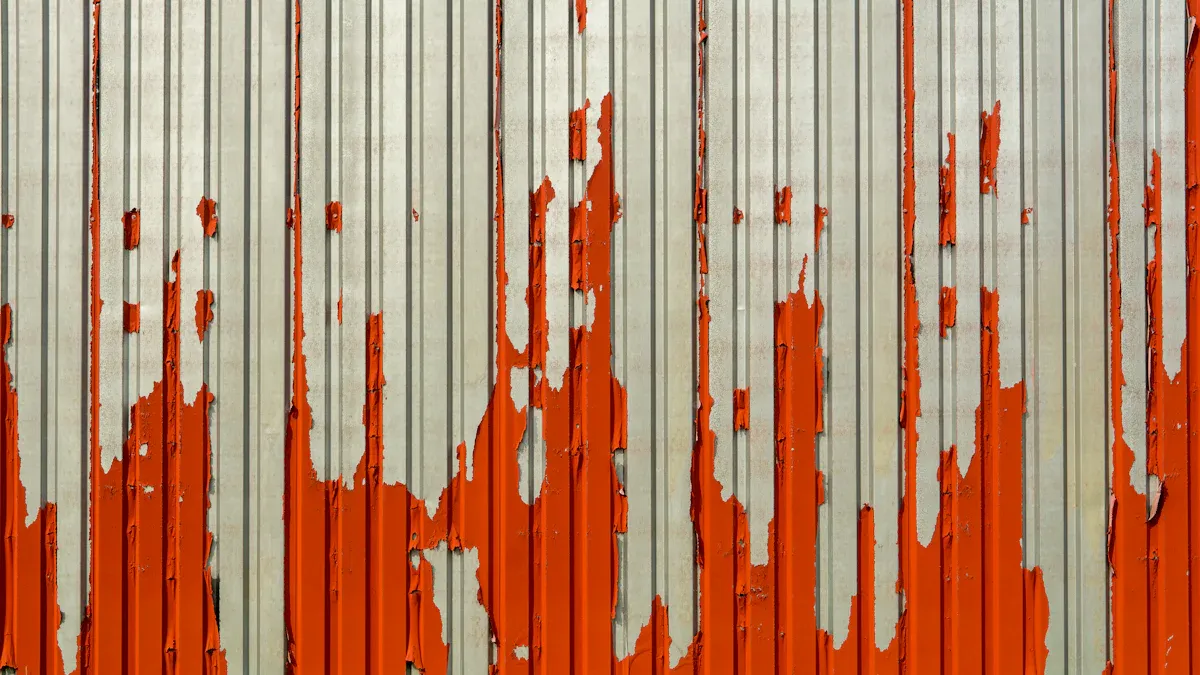
You might wonder, is galvanized steel toxic or a hidden danger in your home? Rust on galvanized steel can signal a risk, especially in older houses where pipes often corrode and leak. While not all rust means immediate hazard, some cases lead to water contamination or health concerns. For example, incidents in California show that rusted pipes sometimes cause water damage and mold.
Stay alert—recognizing rust early helps you protect your safety and avoid costly repairs.
Is Galvanized Steel Toxic? Understanding the Basics
What Is Galvanized Steel?
You see galvanized pipes in many homes. These pipes have a steel core with a zinc coating. The zinc protects the steel from rust and corrosion. Many people ask, is galvanized steel toxic? In most cases, you do not need to worry. Galvanized pipes do not release toxic substances under normal use. However, if you use them for water that touches acidic foods or drinks, zinc salts can form. These salts may cause zinc poisoning if you swallow large amounts. You should also know that old galvanized pipes sometimes contain lead in the coating or solder. Lead is toxic and can leach into your water, especially if the pipes rust.
Tip: If your home has old galvanized pipes, test your water for lead and zinc.
How Galvanized Steel Is Made
Manufacturers use a process called hot dip galvanizing to make galvanized pipes. They dip steel pipes into molten zinc. The zinc bonds to the steel and forms a protective layer. This layer keeps water and air away from the steel. Reports from industry experts show that this process involves careful control of temperature, material flow, and costs. Factories track every step, from raw material use to packaging and shipping. The finished pipes last longer and resist rust better than plain steel. Still, you should ask, is galvanized steel toxic when heated? If you heat galvanized pipes above 200°C, the zinc can release toxic fumes. Welders and workers must use safety gear to avoid breathing these fumes.
Why Galvanized Steel Rusts
Galvanized pipes resist rust, but they do not last forever. Over time, the zinc layer wears away. When this happens, water and air reach the steel and rust starts to form. Many factors speed up rust on galvanized pipes:
- High humidity and rainfall
- Air pollution, especially sulfur dioxide
- Salt in the air near the ocean
- Acidic water or soil
You may notice rust faster in industrial or tropical marine areas. In rural places, galvanized pipes last longer. The table below shows how different conditions affect rust and the service life of galvanized pipes:
| Environmental Condition | Effect on Rust and Service Life of Galvanized Pipes |
|---|---|
| High chloride soil | Increases rust, shortens pipe life |
| Hard water | Slows rust, extends pipe life |
| Acidic water | Speeds up rust, may release lead and zinc |
| Industrial air | Increases rust due to pollution |
| Rural air | Less rust, pipes last longer |
You should check your pipes often. If you see rust or flakes in your water, replace the pipes. Ask yourself, is galvanized steel toxic in my home? If you see rust, lead, or water discoloration, take action to protect your health.
Galvanized Steel Toxic to Humans: Health and Safety Risks
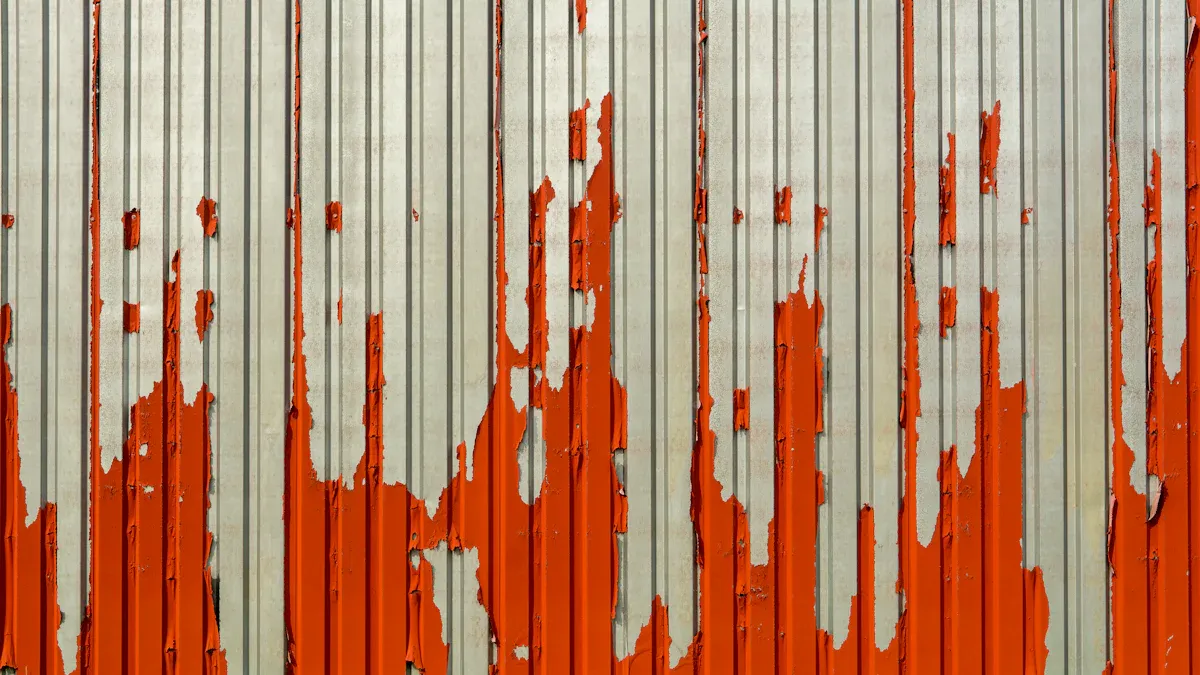
Health Risks from Rust and Coatings
You may not realize that rust on galvanized pipes can create a health hazard in your home. When the zinc coating on these pipes breaks down, you face toxic risks from both the rust and the chemicals in the coating. If you drink water from old galvanized pipes, you risk exposure to lead and zinc. Lead contamination is a serious problem. Even small amounts of lead in your water can cause poisoning, especially in children and pregnant women. You might see symptoms like stomach pain, headaches, or tiredness. Long-term health problems can include learning difficulties and nerve damage.
Zinc poisoning is another concern. If you swallow water with high levels of zinc, you may feel sick to your stomach or get cramps. Over time, too much zinc can hurt your immune system. The risk of zinc poisoning increases if you use galvanized pipes for water that touches acidic food or drinks. Acidic water can break down the zinc coating faster, leading to more contamination. You should also know that rust flakes can carry toxic metals into your water. This can make the water taste bad or look cloudy.
Note: If you notice a metallic taste, discoloration, or flakes in your water, you should stop drinking it and get your pipes checked for contamination.
Structural Safety Concerns
Galvanized pipes do not just pose a health risk. They can also threaten the safety of your home’s structure. When these pipes rust, they lose strength and can break or leak. Engineering studies show that corrosion in galvanized steel wires leads to lower strength and ductility. Tensile tests reveal that rust and corrosion pits make the pipes weaker and more likely to crack. Researchers use models to predict how long these pipes will last before they fail.
- Corrosion pits reduce the mechanical strength of galvanized pipes.
- Stress tests show that rusted pipes break more easily under pressure.
- Statistical studies link deeper corrosion pits to a higher risk of pipe failure.
- Real-world cases show that rusted galvanized pipes have caused leaks and even structural damage in bridges and buildings.
You should inspect your pipes for signs of rust and corrosion. If you see leaks or bulges, you may face a hazard. Replacing rusted galvanized pipes can prevent water damage and protect your home’s safety.
Galvanized Toxic to Food and Water
You need to pay special attention if you use galvanized pipes for food or water. These pipes can release toxic metals into your drinking water and food. Lead contamination is a major concern. Old galvanized pipes often contain lead in the coating or solder. When water flows through these pipes, it can pick up lead and carry it into your glass. Drinking this water can cause lead poisoning, which is dangerous for everyone, especially children.
Zinc poisoning can also happen if you use galvanized pipes for water that touches acidic food or drinks. Acidic water speeds up the breakdown of the zinc coating. This can lead to high levels of zinc in your water. Swallowing too much zinc can cause stomach pain, nausea, and other health problems. You should never use galvanized pipes for food processing or for water that you use in cooking.
- Do not use galvanized pipes for drinking water if your home has old plumbing.
- Avoid using these pipes for food or water storage.
- Test your water for lead and zinc if you have galvanized pipes.
Callout: Protect your health by replacing old galvanized pipes, especially if you use them for food or water. This simple step can prevent poisoning and keep your family safe.
Safety Guide: How to Identify Rusted Galvanized Steel in Your Home
Common Places to Find Rusted Galvanized Steel
You can find galvanized pipes in many parts of your home. These pipes often carry water to your kitchen, bathroom, and laundry room. You may also see them in your basement or crawl space. Some homes use galvanized pipes for outdoor faucets or sprinkler systems. Old homes built before 1960 often have these pipes. If you see discolored water or notice leaks, check these areas first. Rust can form inside the pipes, making your water look brown or yellow. Discolored water is a clear sign that you need to inspect your galvanized pipes for rust and leaks.
- Kitchen and bathroom plumbing
- Basement water lines
- Outdoor hose connections
- Laundry room pipes
Tip: If you spot discolored water or leaks, you should check your galvanized pipes right away to protect your safety.
Visual Signs of Rust and Corrosion
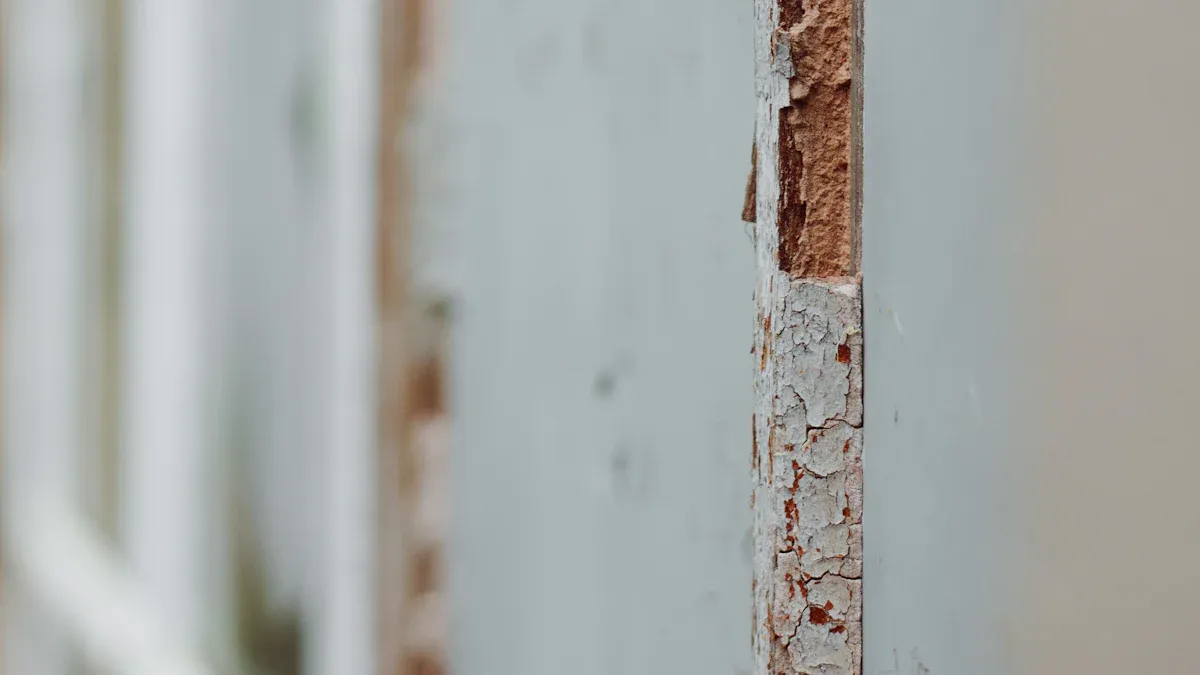
You can spot rust and signs of corrosion by looking closely at your pipes. Rust often appears as reddish-brown spots or streaks on the surface. Discolored water coming from your taps is another warning sign. You may also see white or gray powder, which means the zinc coating is breaking down. Wet spots or puddles near pipes can signal leaks. If you notice bulges or flaking metal, your pipes may have severe rust. Discolored water, especially if it happens often, points to rust inside the pipes. The inspection guidelines recommend looking for uncoated spots, brown staining, and wet storage stains. Brown staining can look like rust, but you can tell the difference by using a magnetic thickness gauge. If the coating is still thick, it is not true rust.
| Visual Sign | What It Means |
|---|---|
| Reddish-brown spots | Rust on galvanized pipes |
| White/gray powder | Zinc coating breaking down |
| Discolored water | Rust or corrosion inside |
| Wet spots/puddles | Possible leaks |
| Bulges/flaking metal | Severe rust and weakness |
Simple Tests for Galvanized Steel
You can use simple tests to check your galvanized pipes for rust and leaks. Tap the pipe gently with a metal object. If you hear a dull sound, rust may have weakened the pipe. Run your tap and collect some water in a clear glass. If the water looks discolored, you likely have rust inside the pipes. Discolored water can also mean leaks or breaks in the pipe. You can use a magnetic thickness gauge to measure the zinc coating. If the reading is low, rust has started to eat away the protection. Numerical modeling and experimental tests show that rust forms faster in acidic water. If you notice discolored water after running the tap for a few minutes, your pipes may have deep rust. Always check for leaks around pipe joints and connections. These simple steps help you detect leaks and keep your home safe.
Safety guide: Regular checks for rust, leaks, and discolored water help you avoid bigger problems and protect your family’s safety.
What to Do If You Find Rusted Galvanized Steel
When Is Maintenance Enough?
You can often manage rust on galvanized pipes with regular maintenance. If you see only small spots of rust or minor discoloration, you may not need to replace the pipes right away. Applying a protective paint or a wax-based coating can help slow down further corrosion. Studies show that coatings like Nox-Rust 1210HP protect galvanized steel much better than leaving it bare. You should focus on areas where the zinc coating has worn off, especially at joints and connections. These spots lose their protection first and can rust quickly. Routine inspections help you catch problems early and keep your water safe from contamination.
Tip: Schedule regular checks for rust and leaks. Early action can prevent bigger issues and protect your family from zinc poisoning or lead poisoning.
When Should You Replace It?
Sometimes, maintenance is not enough. You should replace galvanized pipes if you see deep rust, bulges, or leaks. If your water looks brown or has flakes, the pipes may have lost their protective layer. Old pipes can release metals into your water, raising the risk of poisoning. If you notice symptoms like stomach pain or a metallic taste, stop using the water and call a plumber. Pipes that show signs of severe corrosion or cause frequent water quality problems need replacement for your safety.
Here are signs that mean you should replace galvanized pipes:
- Water has a strong metallic taste or odor
- You see brown, yellow, or cloudy water
- Pipes leak or have bulges
- You or your family experience symptoms of zinc poisoning or lead poisoning
Safe Alternatives to Galvanized Steel
You have several safe options if you need to replace galvanized pipes. Many homeowners choose copper pipes because they last long and do not rust easily. PEX (cross-linked polyethylene) pipes are another good choice. They resist corrosion and do not add metals to your water. PVC pipes work well for cold water lines and are easy to install. These materials help you avoid the risk of poisoning and keep your water clean. Always choose materials that meet local building codes and support long-term safety in your home.
| Pipe Material | Rust Resistant | Safe for Drinking Water | Easy to Install |
|---|---|---|---|
| Kupfer | Yes | Yes | Moderate |
| PEX | Yes | Yes | Easy |
| PVC | Yes | Yes (cold water only) | Easy |
Note: Replacing old galvanized pipes with modern materials can prevent water contamination and protect your health.
Preventing Future Safety Risks
Regular Inspection Tips
You can stop many problems before they start by checking your pipes and metal fixtures often. Look for early signs of rust, such as reddish spots or white powder. If you see any leaks, fix them right away. Leaks can speed up rust and cause water damage. Use a flashlight to check hidden areas like basements and crawl spaces. Run your hands along pipes to feel for wet spots or bulges. If you find rust, scrub it off with a wire brush and vinegar. This simple step helps you prevent bigger issues and keeps your home safe.
- Check pipes and metal parts every few months.
- Remove rust as soon as you spot it.
- Watch for leaks, bulges, or wet spots.
- Use a dehumidifier in damp areas to slow down rust.
- Apply protective coatings to pipes in humid or coastal areas.
Tip: Routine inspections and quick repairs are some of the best protective measures you can take to prevent galvanized steel poisoning and keep your water clean.
Best Practices for Homeowners
You can make your home safer and extend the life of your metal fixtures by following a few smart habits. Choose rust-resistant materials like stainless steel or PEX for new installations. If you have a metal roof, keep it clear of leaves and debris. This stops moisture from building up and causing leaks. Inspect your roof for loose screws or worn paint. Repaint with protective coatings when you see chips or rust. Clean gutters and downspouts so water flows away from your house. Good attic ventilation also helps by reducing moisture that can lead to corrosion.
- Use rust-resistant materials for new pipes and roofs.
- Remove debris from roofs and gutters to prevent leaks.
- Repaint metal surfaces with weatherproof coatings as needed.
- Replace loose or rusty screws on metal roofs.
- Make sure your attic has good airflow.
Note: Regular care and smart choices help you avoid leaks, protect your property value, and improve safety for everyone in your home.
You face real risks when rusted galvanized steel appears in your home. Corrosion can show up in less than 25 years, leading to leaks, low water pressure, and even health problems from lead. Regular inspections help you spot issues early. The table below highlights why you should stay alert:
| Aspect | Details |
|---|---|
| Lifespan Range | 20 to 80 years, but corrosion can start earlier |
| Health Risks | Lead exposure, property damage, stained appliances |
| Replacement Cost Range | $2,000 to $15,000 |
If you feel unsure, ask a professional for help to keep your home safe.
FAQ
What are the main signs of corrosion on galvanized steel in my home?
You may see reddish spots, white powder, or flaking metal. Discolored water from your taps can also signal a problem. These signs of corrosion show that the protective layer has worn away. You should check pipes and fixtures often to detect leaks early.
Is galvanized steel toxic to humans if used for drinking water?
Old galvanized pipes can cause lead contamination and other toxic risks. You may face a health hazard if you drink water from these pipes. Testing your water helps you avoid exposure. Replacing old pipes is one of the best protective measures for your family.
Can galvanized steel be toxic to food and water in the kitchen?
Yes, using galvanized pipes for food or water can lead to contamination. Acidic foods or drinks may break down the coating. This can release metals into your water or food. You should avoid using these pipes for cooking or food storage.
How do I prevent galvanized steel poisoning in my home?
You can prevent galvanized steel poisoning by replacing old pipes, inspecting for signs of corrosion, and using safe materials. Regular checks help you spot discolored water or leaks. Quick repairs and good maintenance protect your health and reduce long-term health risks.
What should I do if I notice discolored water or a metallic taste?
Stop using the water right away. Discolored water or a metallic taste can mean contamination or exposure to toxic metals. Call a plumber to inspect your pipes. Follow a safety guide to detect leaks and take action to protect your family from health hazards.