
You see stains on galvanized steel almost everywhere, from rust streaks to gray patches. Cleaning galvanized steel can seem tricky, but you have safe and fast options in 2025. Stain types include rust stains, dross protrusions, and even matte gray coating. These marks often come from humidity, pollution, or contact with rusty surfaces. If you clean galvanized steel the right way, you slow down corrosion and keep your galvanized items looking new. Try new cleaning galvanized steel hacks to tackle each stain and protect your metal for years.
Quick-Start Cleaning Galvanized Steel Hacks
Fast Fixes for Everyday Stains on Galvanized Steel
You often see stains on galvanized steel from dirt, oil, or even small spots of rust. You can clean these quickly with the right method. Start by checking the surface for any dirt or grease. Use mild household cleaners like dish soap or Simple Green mixed with warm water. This method works fast for light stains and keeps your galvanized items looking bright.
Here is a quick comparison of cleaning methods for everyday stains:
| Cleaning Method | Example Products | Suitable Stains | Cleaning Time & Results Summary |
|---|---|---|---|
| Mild Household Cleaners | Dish soap, Simple Green, Comet | Light dirt, oil, grease | Fast and easy for everyday stains. Quick application and rinsing. Effective for light cleaning. |
| Commercial Cleaners | Kean-Strip, Lift Off4 | Heavy oil, marker, paint | Takes more time. Needs careful application and rinsing. Removes deeper stains. |
| Acid Cleaners | Vinegar, Phosphoric acid | Rust stains | Slower process. Needs safety steps. Works well on rust stains. |
Tip: Always rinse and dry the galvanized steel after cleaning. This step prevents new stains and stops rust from forming.
You should avoid harsh chemicals and abrasive tools. These can damage the zinc coating and make stains or rust appear faster. For best results, let the surface dry for 1 to 2 hours before painting or storing.
DIY Cleaning Solutions for Galvanized Steel at Home
You can make your own cleaning solutions for galvanized steel using common household items. Recent tests show that some ingredients work better than others for removing stains and rust without harming the metal.
- Lime juice and white vinegar remove wet storage stains from galvanized steel. They do not damage the coating.
- For grease or oil, you can use bleach. Vinegar also works, but it may change how the coating looks.
- Commercial cleaners like Comet, Goof Off, Simple Green, and The Must for Rust help with tough organic stains.
- Always test your cleaner on a small spot first. This step helps you avoid damage to the galvanized coating.
- Before cleaning, make sure the area has good airflow and no standing water. This helps with removing wet storage spots and prevents new stains.
Note: Never mix bleach and vinegar. This combination creates dangerous fumes.
You can follow these simple cleaning instructions:
- Mix your chosen cleaner with warm water.
- Apply it to the stained area using a soft cloth.
- Rinse well with clean water.
- Dry the surface completely.
Using Microfiber and Soft Brushes to Clean Galvanized Steel
You protect your galvanized steel best when you use the right tools. Microfiber cloths and soft brushes work better than traditional cleaning tools. They do not scratch the surface or damage the protective zinc layer.
Microfiber cloths remove up to 99% of bacteria and dirt. They are non-abrasive and lint-free, so you do not leave marks or scratches. You also use fewer chemicals, which keeps your cleaning safe for you and the environment. Microfiber cloths last longer than cotton cloths and dry faster, making them a smart choice for cleaning galvanized steel.
Remember: Never use steel wool, wire brushes, or scrapers. These tools scratch the surface and make rust appear faster.
Here are some advantages of using microfiber and soft brushes:
- Microfiber cleans without scratching or damaging the galvanized surface.
- You use less cleaning solution, which is safer for you and the environment.
- Microfiber cloths are reusable and save money over time.
- They dry quickly and help prevent new stains or rust.
When you follow these tips, you keep your galvanized steel clean and strong for years.
Deep Cleaning Galvanized Steel for Tough Corrosion
Step-by-Step Guide for Heavy Corrosion on Galvanized Steel
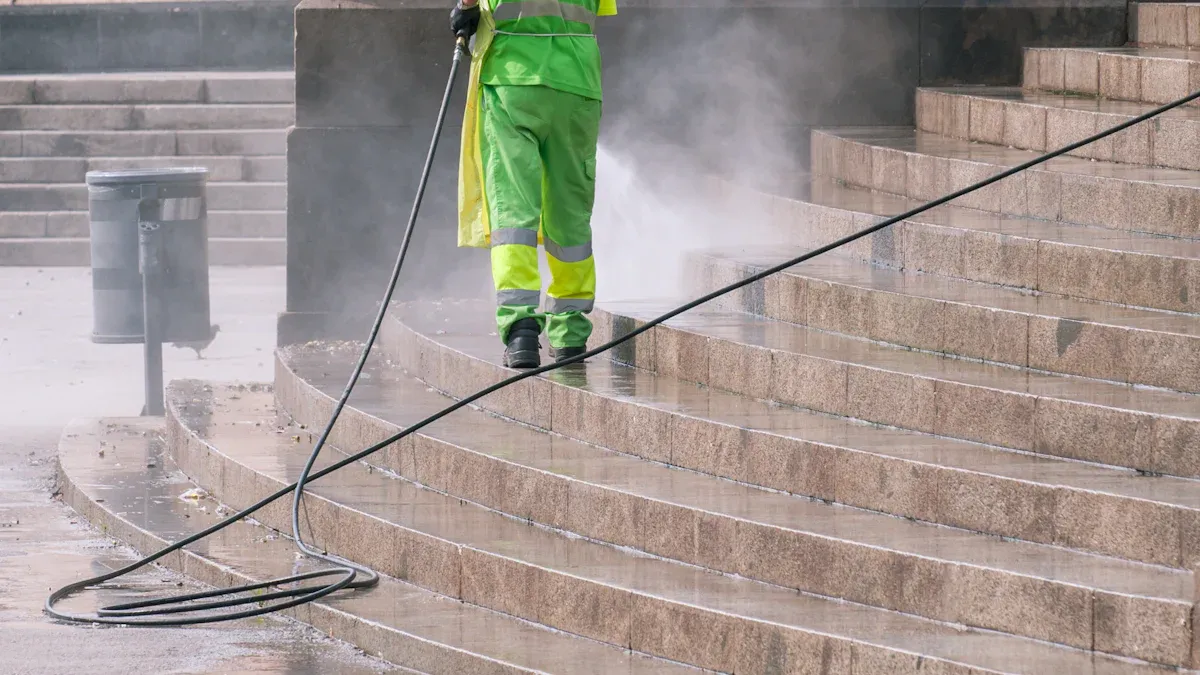
You may notice heavy rust or white powdery spots on your galvanized steel. These signs mean you need a deep cleaning process. Start by checking the surface for bumps, drips, or rough spots. Use a hand tool to smooth these areas, but do not remove the zinc coating. Next, remove grease and oil with a solvent or an alkaline cleaner. You can use a pressure washer set below 1450 PSI for this step.
Follow these steps for best results:
- Identify the type of rust. White rust means the zinc is reacting with water. Red rust shows the steel is exposed.
- For white rust, scrub with a soft brush and a weak acid like vinegar. For red rust, use a phosphoric acid cleaner.
- Rinse the area with clean water right after using any acid.
- Dry the surface quickly. You can use a pressure washer for rinsing and drying.
- If you plan to paint, apply an acid wash primer to help the paint stick.
Tip: Always check the surface after cleaning. Make sure you do not see any loose zinc or rough patches.
Surprising 2025 Techniques and Products for Cleaning Galvanized Steel
In 2025, you have new products and methods for cleaning galvanized steel. Great Lakes Laboratories released Clean ‘n Etch, an acid-based detergent. You mix one part detergent with two parts water. Spray it on the galvanized surface and wait 20 minutes. Rinse well to avoid leaving any residue. This product helps remove the passivation film and prepares the steel for painting.
You can also use the GalvaCheck Passivator Test Kit. This kit checks if your galvanized steel is ready for coating. For stains, products like CLR, lime juice, and naval jelly work well. Always test cleaners on a small spot first. Use mild dish soap and warm water for routine cleaning. For oily spots, try automotive cleaners that are safe for zinc.
| Product/Technique | Use Case | Special Note |
|---|---|---|
| Clean ‘n Etch | Remove passivation film | Rinse thoroughly after use |
| GalvaCheck Test Kit | Check surface readiness | Use before painting |
| CLR, lime juice, vinegar | Remove stains and white rust | Test on small area first |
| Automotive cleaners | Remove oily residues | Safe for zinc surfaces |
When to Seek Professional Help for Corroded Galvanized Steel
Sometimes, cleaning galvanized steel at home is not enough. You should look for these signs:
- Rust or corrosion on pipes or joints
- Brown or rust-colored water
- Low water pressure
- Leaks or odd noises in plumbing
- Metallic taste in tap water
If you see these problems, call a professional. Experts have the right tools to check and fix corrosion. They can tell if you need cleaning or full replacement. Replacement costs range from $2,000 to $15,000, depending on the size and materials. Modern options include copper, PVC, or PEX pipes. Regular checks and cleaning help you avoid big repairs.
Note: If you feel unsure or see major damage, always ask a professional for help. Your safety comes first.
Safe and Eco-Friendly Cleaning Galvanized Steel Solutions
Non-Toxic Cleaners for Galvanized Steel
You can clean galvanized steel safely with non-toxic cleaners. Many studies show that some products work well without harming the metal or your health. Microbial cleaning solutions use friendly bacteria to break down dirt and oil. These cleaners work at a near-neutral pH, so they do not damage the metal or attached parts like rubber or plastic. You also protect the original finish.
Here is a table of safe and effective cleaners:
| Cleaner Category | Examples of Cleaners | Effect on Hot-Dip Galvanized Steel Appearance |
|---|---|---|
| Approved Cleaners That Do Not Affect Appearance | CLR®, Lime juice, Naval Jelly® Rust Dissolver, Picklex™ 10G, White Vinegar | Safe and effective without altering HDG appearance |
| Cleaners That Are Effective but May Affect Appearance | Ammonia, Bleach, Muriatic Acid, Goof Off®, Simple Green®, The Must for Rust®, Stainless Steel Cleaner, Klean-Strip® Graffiti Remover, Mötsenböckers Lift Off 4® | Effective but may damage or alter HDG coating appearance |
Tip: Always test a new cleaner on a small, hidden spot before using it on the whole surface.
Green Cleaning Hacks for Galvanized Steel
You can use green cleaning hacks to keep your metal clean and protect the environment. Many people now choose plant-based cleaners. These break down dirt without leaving harmful residues. Biodegradable surfactants help keep soil and water safe. You can also use natural waxes like beeswax to create a water barrier on the metal.
Some popular green cleaning hacks include:
- Using mild dish soap and warm water with a soft sponge.
- Applying beeswax or natural wax to block moisture.
- Choosing water-based rust preventatives that do not release harmful fumes.
- Storing metal in air-tight containers with desiccants to keep it dry.
- Pressure washing with eco-friendly, biodegradable solutions.
Using galvanized steel buckets for cleaning supports sustainability because they are recyclable and plastic-free.
Protecting Health and the Environment While Cleaning Galvanized Steel
You protect your health and the planet by choosing safe cleaning methods. Traditional cleaners often contain heavy metals like mercury or lead. These can harm people and pollute water and soil. Eco-friendly options use bacteria or plants to break down toxins. This process, called bioremediation, lowers health risks and helps the environment.
Follow these steps for safer cleaning:
- Use mild soap and warm water.
- Avoid abrasive tools and harsh chemicals.
- Rinse with clean water and dry the surface.
- Store metal in dry, well-ventilated places.
- Wear gloves and work in a space with good airflow.
Regular cleaning and careful storage help you keep your galvanized steel strong and safe for years.
Preventing Future Stains and Corrosion on Galvanized Steel
Simple Maintenance Routines for Galvanized Steel
You can keep galvanized steel in top shape with a few easy habits. Regularly check surfaces for scratches, chips, or damaged coatings. These weak spots let moisture reach the metal and start rust. Clean away debris like bird droppings or tree sap. These trap water and speed up corrosion. Use a soft brush to remove wet storage stain once the surface dries. Improve drainage and airflow around your items. This step helps prevent water from pooling and causing rust. Experts recommend using rust converters on small spots and replacing badly corroded sections for long-term protection. These routines work because rust forms when coatings break and water touches steel. Simple checks and cleaning help you avoid big repairs.
Protective Coatings and Sealants for Galvanized Steel
You can add extra protection to galvanized steel with modern coatings. Hot-dip galvanizing covers every surface, even inside hollow parts, and lasts for decades with little care. For roofs or outdoor items, advanced coatings like Silicone-Modified Polyester (SMP) and Polyvinylidene Fluoride (PVDF) keep color bright and resist weather damage. Powder coating gives strong abrasion and corrosion resistance. It stands up to scratches and keeps the finish looking new. Clear polyurethane sprays or silicone-based sealants also help block moisture. These coatings work best when you apply them to clean, dry surfaces. They help prevent wet storage stain and keep your steel looking good for years.
Smart Storage and Usage Tips for Galvanized Steel
Proper storage stops stains and rust before they start. Always store galvanized steel under cover in a dry, well-ventilated place. Avoid stacking pieces tightly; use spacers to let air flow between them. Elevate bundles outdoors and incline them for drainage. Never store items on wet soil or near decaying plants. Dry small items before packing and use dehumidifiers in sealed containers. If you see wet storage stain, brush it off with stiff bristles once the metal dries. Remove wet packs right away to allow drying and avoid more stains. For long-term storage, wrap coils in special paper or plastic and check for moisture often. These steps help with removing wet storage spots and keep your galvanized steel strong.
Common Mistakes to Avoid When Cleaning Galvanized Steel
Cleaning Products That Damage Galvanized Steel
You might think any cleaner will work on galvanized steel, but some products actually cause harm. Bleach, even in weak solutions, can dull the surface and speed up corrosion. Chlorine-based cleaners, aluminum cleaners, and acidic substances like vinegar or fruit juice also attack the protective zinc layer. If you use these, you risk more than just a stain—you can damage the metal itself. Greases, oils, and waxes from animals or plants should be avoided, while mineral-based lubricants are safer. Road salts and fertilizers with ammonia or phosphate ions become corrosive when wet. Quicklime is safe when dry but turns dangerous if it gets wet.
Always check the label before using any cleaner. Choose mild, pH-neutral soaps and rinse thoroughly to keep your galvanized steel safe.
Scrubbing Tools to Avoid on Galvanized Steel
The wrong tool can do more harm than good. Steel wool, wire brushes, and abrasive pads scratch the zinc coating. These scratches let water and air reach the steel, which leads to rust and stains. High-pressure washers can also break the protective layer, making it easier for a stain to form. Instead, use soft cloths, sponges, or nylon brushes. These tools clean without damaging the surface.
| Tool Type | Effect on Galvanized Steel | Safe to Use? |
|---|---|---|
| Steel wool, wire brush | Scratches, exposes steel | ❌ |
| Abrasive pads | Removes zinc layer | ❌ |
| High-pressure washer | Breaks protective coating | ❌ |
| Soft cloth, sponge | Gentle, keeps coating intact | ✅ |
| Nylon brush | Removes dirt, safe for surface | ✅ |
Missteps That Lead to Faster Corrosion of Galvanized Steel
You can avoid many problems by following a few simple rules. Here are common mistakes that speed up corrosion:
- Using harsh chemicals or abrasive tools that strip away the zinc layer.
- Ignoring small scratches or chips, which can turn into larger rust spots or stains.
- Leaving the surface wet or letting harsh cleaners sit too long.
- Skipping regular cleaning, which allows dirt and stain buildup.
- Mixing cleaning products or not following manufacturer instructions.
If you see a stain or spot, act quickly. Clean with gentle products and tools, rinse well, and dry the surface. Inspect your galvanized steel often, especially if you live near the coast or in an industrial area. Promptly repair any damage with zinc-rich paint to keep your steel strong and stain-free.
You now know the top hacks for cleaning galvanized steel in 2025. Try these easy steps for spotless, long-lasting results:
- Wipe with a vinegar solution and dry completely to prevent stains.
- Lightly sand the surface before painting for better adhesion.
- Use non-toxic cleaners and soft brushes to protect the zinc coating.
- Store steel in dry, well-ventilated spaces.
Regular care and eco-friendly cleaning help your galvanized steel last for decades while supporting a healthier planet.
SSS
What is the safest way to clean galvanized steel at home?
You should use warm water and mild dish soap. Wipe the surface with a soft cloth or sponge. Rinse with clean water. Dry the steel completely. This method protects the zinc coating and keeps your steel looking new.
Can you remove rust from galvanized steel without damaging it?
Yes. You can use white vinegar or lime juice for light rust. Apply with a soft brush. Rinse and dry the area. For heavy rust, try a phosphoric acid cleaner. Always test on a small spot first.
How often should you clean galvanized steel?
You should clean galvanized steel every few months. If you see stains or dirt, clean them right away. Regular cleaning helps prevent corrosion and keeps your steel strong.
Which cleaning products should you avoid on galvanized steel?
Avoid bleach, chlorine-based cleaners, and strong acids. These products damage the zinc layer. Use only pH-neutral soaps or approved cleaners. Always check the label before using any product.
Can you use a pressure washer on galvanized steel?
You can use a pressure washer, but keep the pressure below 1450 PSI. Use a wide spray tip. Hold the nozzle at least 12 inches from the surface. High pressure can damage the protective coating.