
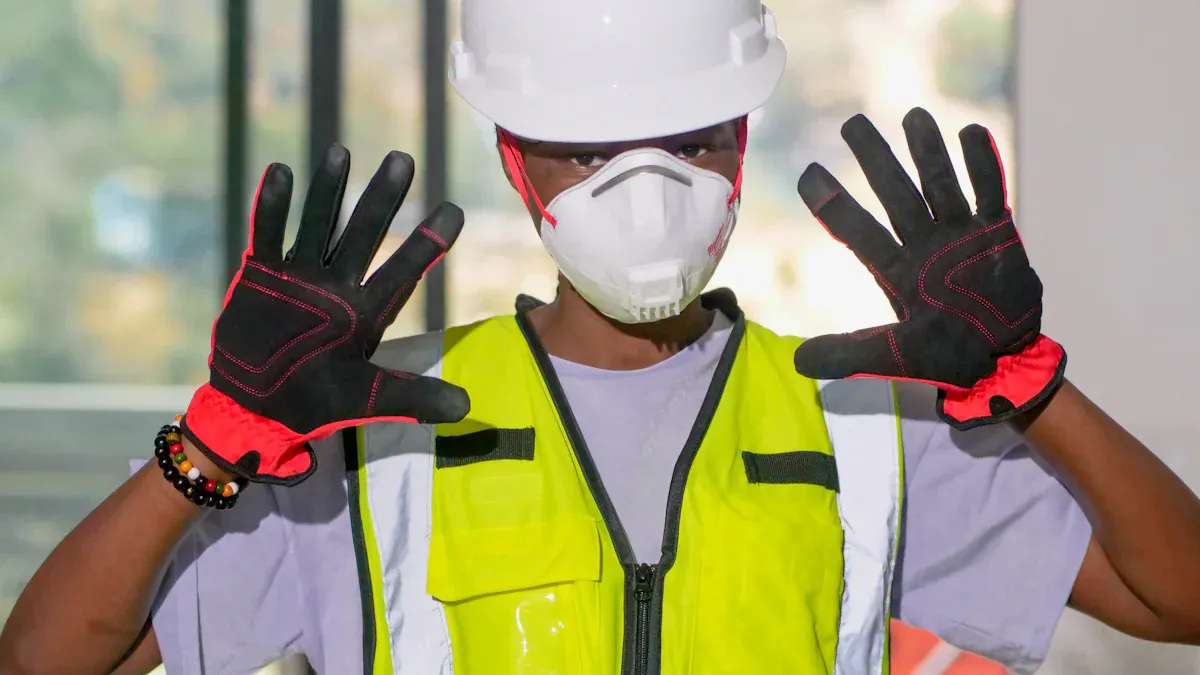
You face real risks when you handle galvanized steel. Breathing in zinc oxide fumes can lead to metal fume fever, cough, and even long-term lung problems. Check out the table below to see how common lung issues are among exposed workers:
| Hazard | Exposed Workers | Reference Group |
|---|---|---|
| Lung function impairment | 100% | 10.5% |
| Cough with phlegm | 24.3x more likely | N/A |
To protect yourself, always wear proper safety gear and make sure your workplace has good ventilation. OSHA now requires stricter rules for PPE and exposure limits. Learn how to tell if steel is galvanized before you start.
How to Tell if Steel is Galvanized
Visual and Physical Identification Methods
You need to know how to tell if steel is galvanized before you start any work. Galvanized steel has a zinc coating that protects it from rust. You can spot this coating by looking for certain signs:
- Fresh galvanized steel can look bright and shiny, matte gray, or even have a spangled pattern.
- Over time, all galvanized steel turns a uniform matte gray as a zinc patina forms.
- You might see rough coatings, ridges, or a mix of shiny and dull areas. These changes come from the steel’s chemistry and how it was processed.
- Sometimes, you will notice shiny edges and dull centers or stripes. These are normal for galvanized steel.
If you want to check more than just the surface, you can use some simple tests:
- Use a magnetic or eddy current gauge to measure the coating thickness. This test is quick and does not damage the steel.
- Try adhesion tests like cross-hatch, bend, or peel tests. These show how well the coating sticks to the steel.
- For a sure answer, a lab can cut and examine a cross-section under a microscope. This test shows the special layers that only form in galvanized steel.
Knowing how to tell if steel is galvanized helps you choose the right safety steps.
Why Identification Matters for Safety
If you do not know how to tell if steel is galvanized, you risk your health. When you weld or heat galvanized steel, the zinc coating turns into fumes. Breathing these fumes can make you sick right away. You might get chills, fever, or body aches. Long-term exposure can hurt your lungs or even cause cancer.
Misidentifying galvanized steel means you might skip important safety steps. You could forget to use fume extraction or not remove the zinc coating before welding. This mistake exposes you to more toxic fumes. Always check how to tell if steel is galvanized before you start. This habit keeps you and your team safe every time you work with metal.
Pre-Work Preparation: Workplace Safety Tips
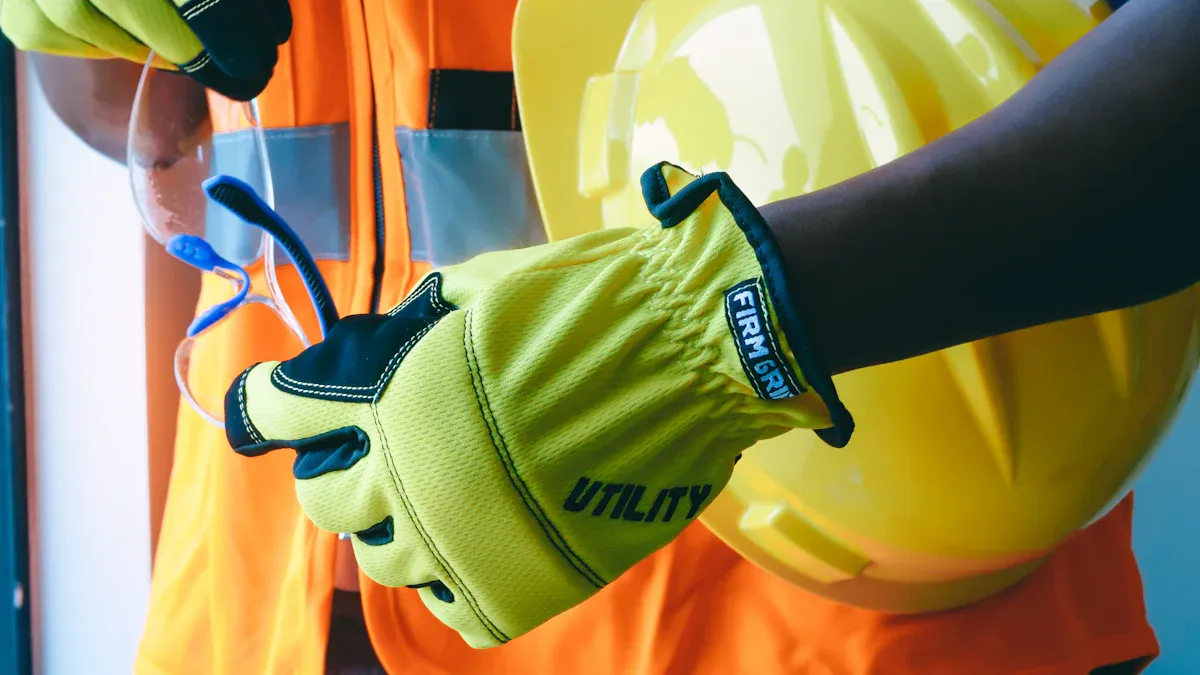
Wear Personal Protective Equipment
Before you start any galvanized steel work, you must wear personal protective equipment. PPE protects you from burns, toxic fumes, sharp edges, and loud noise. Always use proper safety gear for every job. You need a welding helmet, safety glasses, gloves, fire-resistant clothing, and welding boots. Use a certified respirator or an approved respirator that fits under your helmet. Paper dust masks do not protect you from zinc fumes. Face shields and hearing protection add another layer of personal protection. Check for white dust inside your welding shield. This dust means your respirator may not work well. Never eat, drink, or smoke in areas with welding fumes. Wash your hands and face with soap and water after you finish.
Workspace Setup for Safety
A safe workplace keeps you and your team healthy. Set up your workspace with these workplace safety tips:
- Keep your area clean and free of clutter.
- Make sure you have good ventilation. Use local exhaust systems close to the welding spot. This setup removes zinc oxide fumes before you breathe them in.
- Aim for at least 100 feet per minute of air movement near the welding arc.
- Do not let air recirculate in the workspace.
- Store galvanized steel in dry, ventilated places to prevent rust.
- Clean up spills and debris right away. Dispose of waste as hazardous material.
Proper training helps you use PPE and handle galvanized steel safely. Certified welder training teaches you how to avoid injuries and follow workplace safety tips.
Equipment Checks and Readiness
Check all your equipment before you begin. Inspect your PPE for damage. Make sure your respirator fits and works. Test your ventilation system. Choose the right type for your workspace. High-vacuum low-volume or low-vacuum high-volume systems both work if you maintain them. Look at your welding tools and make sure they are ready. Handle and store galvanized steel with care. Use safe lifting techniques to avoid injuries. Training and regular checks keep your workplace safe and your protection strong.
During Work: Safety Steps for Welding Galvanized Steel
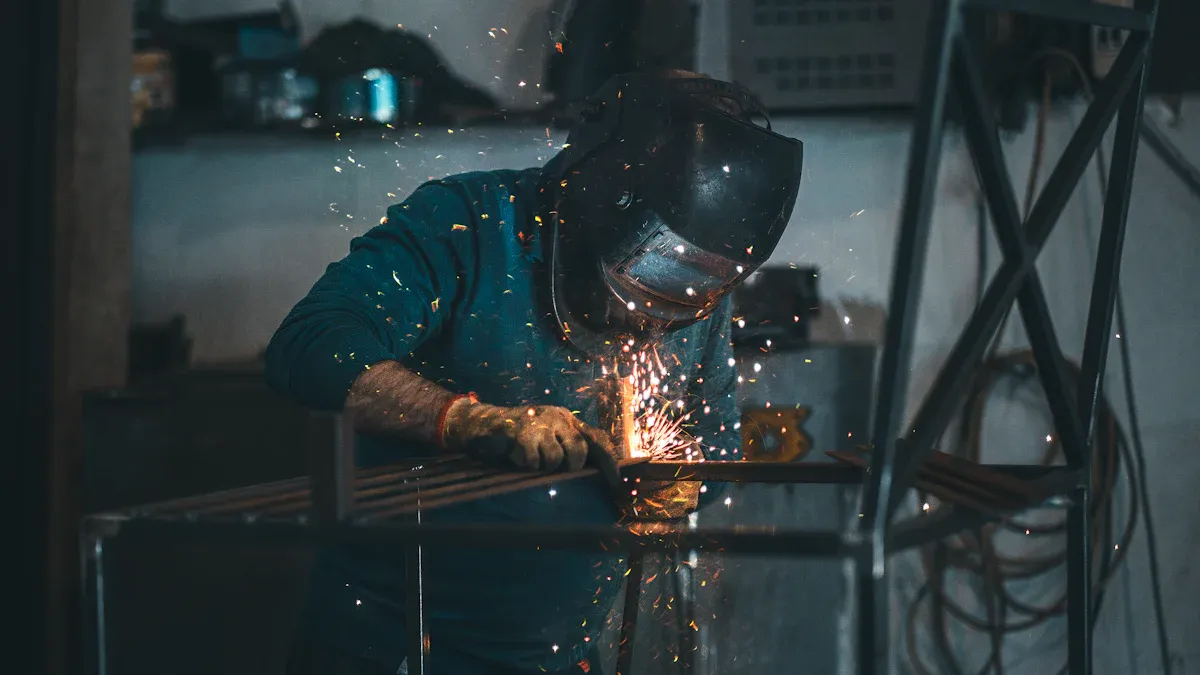
Ventilation and Fume Control
Welding galvanized steel creates fumes that can harm your health. These fumes contain zinc oxide, which can cause metal fume fever. You may feel chills, fever, or headaches after breathing zinc fumes. To protect yourself, always work in a well-ventilated area. Local exhaust ventilation is the best way to remove fumes from your breathing zone.
- Use adjustable fume extraction arms or booths with down-draft or back-draft ventilation.
- Place the extraction arm 6 to 15 inches from the welding arc for the best results.
- Make sure the air moves at least 100 feet per minute near the arc.
- For small parts, use fixed enclosures or booths with airflow of 1,000 CFM or more.
- Regularly check and adjust your ventilation system to keep fume levels low.
- If ventilation cannot control fumes, wear a respirator approved for metal fumes.
- Avoid welding in confined spaces, as fumes can build up quickly.
Tip: Combine ventilation with personal protective equipment and training for the best protection against metal fumes.
Welding galvanized steel can also release fumes from other metals, such as aluminum, magnesium, chromium, cadmium, copper, and lead. Some of these can cause serious health problems. Always monitor air quality and adjust your safety measures as needed.
Safe Handling Techniques
You must handle galvanized steel safely to prevent injuries and reduce risks during welding. Follow these steps to keep yourself and others safe:
- Make sure your workspace has proper ventilation before you start welding.
- Use a respirator designed for metal fumes if ventilation is not enough.
- Place the workpiece on a fire-resistant surface, such as firebrick, at a comfortable height.
- Never weld directly on concrete floors. This can cause steam explosions.
- Use metal tongs or pliers to handle hot metal and avoid burns.
- Mark cooled metal with “HOT” using soapstone to warn others.
- Keep welding cables away from sparks, molten metal, grease, oil, and walkways.
- Clean the metal surface before welding to reduce risks and help the arc start safely.
- Use insulating mats and rubber gloves under your welding gloves if you work in wet or damp conditions.
- Remove electrodes from holders and disconnect power when you pause or finish welding.
Note: Always check your tools and cables for damage before you begin. Good preparation helps prevent accidents and keeps your safety strong.
Posture and Ergonomics
Good posture and ergonomics help you avoid injuries while welding galvanized steel. Poor posture and repetitive motions can cause muscle pain and long-term problems.
- Avoid forceful gripping and repetitive movements. This reduces strain on your hands and arms.
- Do not bend, twist, squat, or reach overhead while welding. These actions can hurt your back and shoulders.
- Keep tools and materials within 17 inches of your body to limit reaching.
- Place heavy items between hand and shoulder height. Do not lift from the floor or above your head.
- Use adjustable workstations or seats to lower strain on your back and legs.
- Stand on floor mats if you work at a standing station to reduce fatigue.
- Choose hand tools with slip-resistant grips and the right handle size.
- Use tools with spring return and straight handles to lower hand strain.
- Use carts or dollies to move heavy galvanized steel instead of lifting by hand.
Tip: Watch for signs of discomfort or pain. Early action can prevent serious injuries and keep you working safely.
Ergonomic design in your workspace and tools helps you stay comfortable and safe. You protect your health and reduce the risk of musculoskeletal injuries by following these steps during welding.
Chemical and Fire Precautions
You must take special care when working with galvanized steel because of the chemicals and fire risks involved. The zinc coating on galvanized metal can create dangerous fumes during welding. These fumes can harm your lungs and make you feel sick. Always follow safety precautions to protect yourself and your team.
Key Chemical and Fire Precautions:
- Always check the area for flammable materials before you start welding. Remove paper, rags, and other items that can catch fire.
- Store chemicals, paints, and solvents away from your work zone. Keep them in closed containers and in a safe place.
- Use a respirator approved for metal fumes. This device helps you avoid breathing in toxic fumes from galvanized coatings.
- Never use gasoline or other flammable liquids to clean galvanized steel. These chemicals can catch fire easily.
- Keep a fire extinguisher nearby. Make sure you know how to use it before you start welding.
- Avoid harmful chemicals by reading all labels and safety data sheets. Follow the instructions for safe use and storage.
- Watch for sparks and hot metal. Sparks can travel far and start fires in hidden places.
- Use fire-resistant blankets or barriers to protect nearby areas from sparks and heat.
- Let hot metal cool in a safe spot. Do not touch or move it until you know it is safe.
- Clean up spills right away. Some chemicals can react with galvanized coatings and create more fumes.
Tip: Always have a fire watch person if you weld near flammable materials. This person can spot fires early and help keep everyone safe.
You need to stay alert to both chemical and fire hazards when welding galvanized steel. Good safety habits and the right precautions help you avoid accidents. You protect your health and your workspace when you follow these steps.
Post-Work Safety: Hygiene and Monitoring
Personal Hygiene After Galvanized Steel Work
You must take care of your health after working with galvanized steel. Wash your hands and face with soap and water as soon as you finish. Change out of your work clothes before leaving the workplace. This step prevents you from carrying metal fumes or dust home. Shower if possible, especially if you notice dust on your skin or hair. Clean under your nails and avoid touching your face until you have washed up. Good hygiene helps you avoid injuries and keeps your family safe from harmful conditions.
Area Cleanup and Waste Disposal
Proper cleanup protects both you and the environment. Follow these steps to handle galvanized steel waste safely:
- Wear gloves, safety goggles, and a mask during cleanup.
- Make sure the area has good ventilation if you use chemicals or heat.
- Check the Safety Data Sheets for all chemicals and follow their instructions.
- Clean surfaces with a neutral solution, such as diluted alkaline or fresh water, to remove leftover chemicals.
- Dispose of all waste, including metal scraps and chemical residues, according to local rules.
- Pour out residues and wastewater safely to prevent environmental harm.
- Store cleaned items in a dry, ventilated place to stop corrosion.
- If needed, treat the metal with passivation or re-galvanizing.
Improper disposal of galvanized waste can pollute soil and groundwater. Dangerous waste from the galvanizing process can harm communities and ecosystems. Always follow safety rules to protect the environment.
Symptom Monitoring and Health Checks
After working with galvanized steel, watch for symptoms of metal fume fever. You may feel chills, a mild fever, tiredness, nausea, sore throat, or body aches. These symptoms often appear after breathing metal fumes and usually last about a day. Report any symptoms right away to your supervisor. Early action helps prevent serious health problems. Regular health checks help you spot conditions caused by exposure to fumes. Stay alert to changes in your health after each job.
Incident Reporting Procedures
When you work with galvanized steel, you must know how to report any safety incident. Quick reporting helps your team fix problems and keeps everyone safe. You should never ignore accidents, near-misses, or health symptoms. Every report helps improve safety for you and your coworkers.
Follow these steps if you see or experience an incident:
Stop Work Immediately
If you get hurt or see something unsafe, stop what you are doing. Make sure you and others move to a safe area.Get Medical Help
If someone is injured or feels sick, call for medical help right away. Use the first aid kit if needed.Tell Your Supervisor
Report the incident to your supervisor as soon as possible. Give clear details about what happened, where, and when.Fill Out an Incident Report Form
Most workplaces have a form for reporting incidents. Write down what you saw, what you did, and any injuries or damage. Be honest and include as many facts as you can.Collect Evidence
Take photos of the area, equipment, or injuries if it is safe to do so. Save any damaged tools or materials for review.Follow Up
Ask your supervisor about the next steps. You may need to talk to safety staff or help with an investigation.
Tip: Always report near-misses, not just injuries. A near-miss is an event that almost caused harm. Reporting these helps prevent future accidents.
You play a key role in workplace safety. Your quick action and honest reporting protect you and your team. Never feel afraid to speak up about safety concerns. Your report could save a life.
Quick Reference Checklist for Galvanized Steel Safety
Pre-Work Quick Check
- Make sure you and your team have completed all safety training for galvanized steel tasks.
- Review the site safety plan and job hazard assessment before starting work.
- Label and document all confined spaces in your workplace.
- Complete exposure assessments and check that everyone has the right respiratory protection.
- Keep copies of your company safety program and hazard communication plan on site.
- Inspect all personal protective equipment (PPE) for damage and fit before use.
- Assign a competent person to check safety rules and inspect the area.
- Hold a safety briefing or pre-task meeting each day.
- Check environmental conditions like heat or cold and set up safeguards.
- Inspect scaffolding, ladders, and walking surfaces for safety and stability.
- Label all hazardous material containers and make safety data sheets easy to find.
- Coordinate with other workers to keep the workplace safe for everyone.
- Provide water and cooling areas to prevent heat illness.
Tip: Never skip your pre-work checklist. These steps help protect yourself and your team from common mistakes, like missing fall protection or using unsafe equipment.
During Work Quick Check
- Measure the zinc coating thickness at several points to check for proper galvanization.
- Test the coating for strong adhesion and look for any flaking or chipping.
- Remove the zinc coating from welding areas to lower fume risks.
- Use the right welding technique and filler materials for galvanized steel.
- Keep your arc length, angle, and speed steady for strong welds.
- Inspect welds for cracks or defects using visual or special testing methods.
- Watch for hazards in confined spaces and follow entry permits if needed.
- Wear the correct PPE for each task and check it often.
- Keep fire extinguishers and first aid kits nearby.
- Stay alert for unsafe surfaces or equipment and tag anything that needs repair.
Note: Do not drill through protective coatings or use the wrong clamps. These mistakes can weaken the structure and cause safety problems in your workplace.
Post-Work Quick Check
- Inspect all welds and galvanized surfaces for damage or missing coating.
- Repair any exposed or disturbed areas with zinc-rich paint or spray.
- Make sure all materials meet galvanization standards before leaving the site.
- Clean up your work area and dispose of waste safely.
- Check for any signs of rust or corrosion on finished work.
- Report any incidents or near-misses to your supervisor right away.
- Review your checklist and update it if you find new hazards.
🛡️ Always follow your post-work checklist to protect yourself and keep your workplace safe from future risks.
You protect your health when you follow each step in this checklist. Review these safety tips before every job. Chronic exposure to zinc fumes can cause lasting lung problems and even neurological effects. Recent ASTM updates focus on safer coating practices and better handling of galvanized steel. Many training programs and plant tours help you and your team stay current. Share best practices and use clear checklists to keep everyone safe.
SSS
How can you tell if steel is galvanized?
You can look for a shiny or matte gray finish. Sometimes, you see a spangled pattern. Use a magnet or a coating gauge for a quick test. If you are unsure, ask a supervisor or use a lab test.
What PPE do you need for working with galvanized steel?
You need a welding helmet, safety glasses, gloves, fire-resistant clothing, and welding boots. Always use a respirator approved for metal fumes. Never use a simple dust mask. Add hearing protection and a face shield for extra safety.
Why is ventilation important when welding galvanized steel?
Ventilation removes harmful zinc oxide fumes from the air. Without good airflow, you can breathe in toxic fumes. This can make you sick. Use local exhaust systems or fume extractors to keep the air safe.
What should you do if you feel sick after working with galvanized steel?
If you feel chills, fever, or body aches, stop working right away. Tell your supervisor and get medical help. Early action helps prevent serious health problems. Always report your symptoms, even if they seem mild.