
You can repair galvanized steel and restore its corrosion protection by following a careful process. Galvanised metal often faces rusting of galvanized steel when the zinc coating wears off. You need to clean galvanised surfaces, remove rust, and use the right repair work methods to bring back the protection. Regular care helps keep galvanised steel strong and safe.
- Galvanised steel lasts longer when you keep up with repairs.
- Always check for damage and act quickly.
Understanding Rusting of Galvanized Steel
Causes of Rust on Galvanized Steel
You may notice rusting of galvanized steel when the protective zinc layer breaks down. This can happen for several reasons:
- Saltwater and coastal air wear away the zinc coating, especially if the layer is thin or scratched.
- High humidity and acid rain speed up the rusting of galvanized steel.
- Mechanical damage, such as scratches or dents, exposes the steel underneath. This leads to faster rusting of galvanized steel.
- Sunlight and UV rays can weaken the protective finish over time.
- Pollution, dust, and chemicals in the air increase the risk of rusting of galvanized steel.
- High temperatures and moisture together make rusting of galvanized steel happen more quickly.
You should know that rusting of galvanized steel happens faster in harsh environments. For example, a galvanized steel sheet near the ocean or in a city will rust sooner than one kept indoors. If you see damaged galvanized steel, it often means the zinc layer has worn away or been scratched.
Common Signs of Rust and Damage
You can spot rusting of galvanized steel by looking for certain signs. These signs help you decide when to repair or replace the metal. Here is a table to help you identify common issues:
| Visual Indicator | Description | Notes |
|---|---|---|
| Rust Bleeding | Brown or red stains leaking from joints | Shows trapped moisture or chemicals |
| Rough Surface Texture | Bumpy or uneven surface | May not affect use unless it feels sharp or unsafe |
| Runs | Thick zinc spots that look like drips | Usually safe, but can be smoothed if needed |
| Oxide Lines | Light-colored lines or streaks | Only affects looks, not strength |
| Touch Marks | Bare or shiny spots where zinc is missing | Repair these areas to stop further rusting |
| Sand Embedded in Castings | Gritty or bare patches | Clean and repair these spots |
You might also see reddish-brown spots or patches on the surface. If you wipe the area with a clean cloth and see a rusty color, this means rusting of galvanized steel has started. Damaged galvanized steel can lose strength over time. If you notice holes or deep pits, the metal may not be safe to use. Always check for these signs to keep your galvanized steel strong and safe.
Tools and Materials for Repairing Galvanized Steel
Before you start any repair, you need to gather the right tools and materials needed for the job. Using the correct items helps you clean and restore a galvanized steel sheet without causing more damage. You can make the process easier and safer by preparing everything in advance.
Essential Tools for Cleaning Galvanized Surfaces
You want to clean the surface of your galvanized steel sheet before you begin any repair. A brass wire wheel attached to a drill press works well for this step. When you use it at high speed, it removes mild rust and powdery buildup without scratching the metal. Sometimes, this tool can even make the surface look almost new again.
You should also have these items ready:
- Soft-bristle brushes for gentle cleaning
- Clean rags or microfiber cloths to wipe away dust
- Buckets for mixing cleaning solutions
- Safety goggles and gloves to protect yourself
Tip: Always test a small area first when using any new cleaning product on galvanised metal.
Recommended Materials to Remove Rust and Restore Galvanised Metal
You need the right products for removal of rust and stains from galvanised surfaces. Some cleaners work best for grease, while others target rust or tough marks. The table below shows which products you can use for each cleaning purpose:
| Cleaning Purpose | Recommended Products/Tools | Notes |
|---|---|---|
| Organic Contaminants | Comet®, Bleach, Goof Off®, Simple Green®, The Must for Rust®, Stainless Steel Cleaner | Remove grease/oil without damaging galvanized coating; test small area first |
| Wet Storage Stain | CLR®, Lime juice, Naval Jelly® Rust Dissolver, Picklex 10G, White vinegar | Effective for medium to heavy stains; prevent by airflow and drying |
| Mechanical Cleaning | Brass wire wheel on drill press | Removes rust or heavy powder without scratching surface |
| Other Effective Chemicals | Kean-Strip, Graffiti Remove, Motsenbockers Lift Off4 | Removes permanent marker, oil, grease, spray paint |
When you repair a galvanized steel sheet, you also need zinc-rich primers and protective topcoats. These products help restore the galvanised layer and keep the metal safe from future rust. Always follow the instructions on each product for the best results.
Step-by-Step Guide to Repair Galvanized Steel
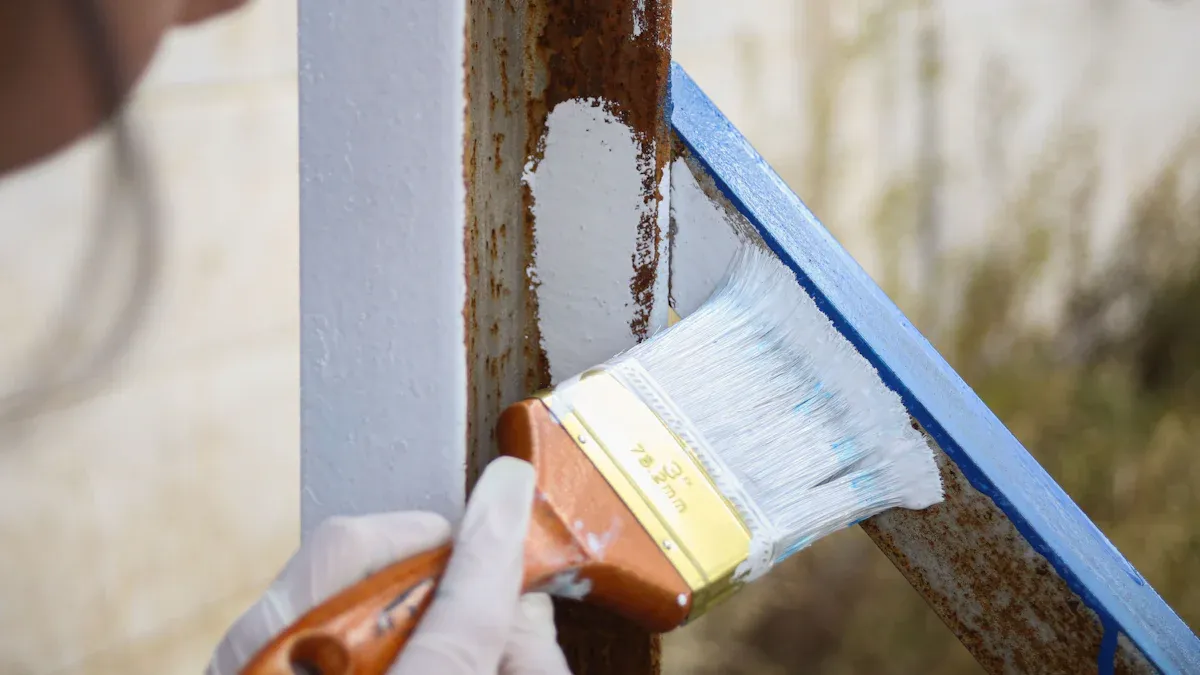
Inspect and Assess the Rusting of Galvanized Steel
You should always start with a careful inspection before you repair any galvanised steel. This step helps you find out how much damage the rust has caused and where you need to focus your work. Use both your eyes and your hands to check the surface. Look for:
- Rust spots, stains, or discoloration
- Scratches, blisters, or peeling areas
- Wet storage stains or greasy patches
- Uneven coating or rough textures
Run your hand gently over the surface to feel for bumps or rough spots. This tactile check helps you find hidden rust or contaminants. Visual inspection is the first step recommended by professional guidelines and ASTM standards. It gives you a clear idea of the condition of the galvanized coating before you begin cleaning or testing for paint adhesion.
Tip: Take notes or photos of any problem areas. This record helps you track repairs and spot future issues.
Cleaning Galvanized Surfaces Before Repair
You need to clean the surface before you start any rust removal. Cleaning galvanized surfaces removes dirt, grease, and stains that can block repair materials from sticking. Always begin with the gentlest cleaning method and only use stronger cleaners if needed.
Follow these steps for best results:
- Mix mild dish soap with warm water to make a gentle cleaning solution.
- Use a soft cloth or sponge to wipe the surface. Avoid steel wool or abrasive brushes, which can scratch the zinc coating.
- For stubborn stains or white rust, use a solution of equal parts white vinegar and water. Soak a soft cloth in the solution and place it on the stain for several minutes.
- Gently scrub the area with a soft brush or cloth.
- Rinse the surface with clean water to remove any leftover cleaner.
- Dry the metal completely with a clean towel to stop new rust from forming.
If you find oily spots, use automotive cleaners that are safe for zinc coatings. Always test any cleaner on a small, hidden area first. Never use harsh chemicals like strong acids or bleach, as these can damage the galvanised layer.
Note: Pressure washing works for large surfaces, but use moderate pressure and a fan spray nozzle to avoid damaging the metal.
Remove Rust from Galvanized Steel
After cleaning, you need to remove rust from the affected areas. The right rust removing method depends on how much rust you see and where it is located. You can use mechanical, chemical, or electrochemical techniques. Each method has its own benefits and safety rules.
| Technique Type | Tools/Chemicals Used | Process Summary | Notes and Safety |
|---|---|---|---|
| Mechanical Rust Removal | Wire brushes, abrasive pads, sandpaper, power tools | Scrape or sand away rust; start with coarse grit, then smooth the area. | Wear gloves, goggles, and a mask. Brush along the grain to avoid scratches. |
| Chemical Rust Removal | Phosphoric acid, oxalic acid, vinegar, lemon juice | Apply chemical, let it sit for 30+ minutes, scrub, rinse, and dry thoroughly. | Good for light to moderate rust. Always work in a ventilated area and follow product instructions. |
| Electrolytic Rust Removal | Electrolyte solution, power source, sacrificial anode | Submerge item and anode, apply current, then rinse and dry. | Best for delicate items. Needs special setup and care. |
You can see that mechanical methods work well for loose or heavy rust. Chemical methods help with light or moderate rust and are often safer for the zinc layer. Electrolytic removal is gentle and works for small or detailed parts.
Safety Alert: Always wear gloves, goggles, and a respirator mask when you remove rust. Work in a well-ventilated area, especially if you use chemical rust removers. Follow all instructions on the product label.
Common mistakes during rust removal include using abrasive tools that damage the zinc layer or skipping the cleaning step before painting. Always use gentle methods first and avoid harsh chemicals or tools. Treat rust spots quickly to stop corrosion from spreading. If you combine galvanised steel with other metals, use protective coatings to prevent galvanic corrosion.
By following these steps, you can restore galvanised metal and keep it strong for years.
Neutralize Chemicals After Rust Removal
After you remove rust from galvanised steel, you need to neutralize any leftover chemicals. This step keeps the surface safe and ready for the next repair stage. If you skip this step, leftover acids or cleaners can damage the new zinc coating or cause more rust.
Follow these steps to neutralize chemicals safely:
- Put on gloves and eye protection. Work outside or in a space with good airflow.
- If you used acid, such as muriatic acid, pour or spray it onto the galvanised steel.
- Let the acid react for 15 to 20 minutes. You can gently move the steel or stir the solution to make sure all areas get covered.
- Mix water and baking soda. Add this mixture to the container with the steel to stop the acid reaction.
- Rinse the galvanised steel with plenty of clean water. Make sure you wash away all chemicals and baking soda.
Tip: Always rinse longer than you think is needed. Any leftover acid or cleaner can harm the new coating or paint.
You protect yourself and your project by following these steps. Neutralizing chemicals helps you restore galvanised metal and prepares the surface for drying and coating.
Dry the Surface Thoroughly
You must dry the galvanised steel completely before you apply any primer or paint. Even a small amount of moisture can cause coating failure or new rust. Drying the surface well helps the zinc-rich primer stick and last longer.
You have several ways to dry the surface:
- Air drying works well for small parts or warm, dry days. Place the steel in a spot with good airflow.
- Use oil-free compressed air or an electric leaf blower to speed up drying. This method removes water from cracks and corners.
- Heated drying is best for large or thick pieces. You can use a heat gun, hair dryer, or hot air blower. Hot air drying after rinsing stops new rust and gets the surface ready for coating.
Note: Never use open flames or high heat, as this can damage the galvanised layer.
Check the surface by touching it. If it feels cool or damp, keep drying. Only move to the next step when the steel feels dry and warm.
Apply Zinc-Rich Primer or Zinc Spray to Restore Galvanised Metal
Now you can restore the protective zinc coating by applying a zinc-rich primer or spray. This step is key to keeping your galvanised steel safe from future rust. Zinc-rich primers contain a high amount of zinc dust, which gives strong cathodic protection. This means the zinc will corrode first, saving the steel underneath.
Here is a table to help you choose the right product:
| Type of Primer/Paint | Key Features | Best Use Case |
|---|---|---|
| Epoxy Zinc-Rich Primers | Easy to use, good adhesion, sacrificial cathodic protection | General restoration, needs topcoat |
| Inorganic Zinc-Rich Primers | Stronger protection, requires perfect surface prep | New construction or tough environments |
| Zinc-Rich Paints / Cold Galvanizing Sprays | High zinc content (~95%), active protection, sacrificial layer | Touch-ups, small repairs, harsh/coastal areas |
| Aluminium Phosphosilicate-Based Wash Primers | Strong adhesion, environmentally safer than zinc chromate | Large or sensitive surfaces |
| Rust Converters | Converts rust into protective layer | Spot treatment |
| Alkyd or Iron Oxide Primers | Blocks moisture and oxygen, extra barrier | Under paint for additional protection |
You should pick a zinc-rich primer with at least 80% zinc content for the best results. Cold galvanizing sprays work well for small repairs or touch-ups. For large or badly rusted areas, you may need to use zinc spray metallizing, which gives a zinc coating almost as strong as hot-dip galvanizing.
- Prepare the surface by brushing or sanding until it is clean and dry.
- Apply the zinc-rich primer by spray or brush, following the product instructions.
- Let the primer dry fully before adding a topcoat.
Callout: Zinc-rich primers protect your galvanised steel by sacrificing themselves. They stop rust from coming back and help your repair last for many years.
When you restore galvanised metal with a zinc-rich primer, you rebuild the protective barrier. This keeps your steel strong and safe, even in tough environments.
Finish with a Protective Topcoat
You need to finish your repair by applying a protective topcoat. This step seals the zinc-rich primer and gives your galvanised steel extra defense against rust, weather, and chemicals. A good topcoat keeps the surface looking clean and helps the repair last much longer.
You can choose from several types of protective coatings. Each one works best in different situations. Here are some of the most durable options:
- Vinyls and vinyl acrylics stick well to zinc-rich primers. They stay flexible and resist cracking, even when the metal bends.
- Urethanes and polyurethane coatings create a tough, waterproof barrier. These work well in places with lots of rain or saltwater.
- Epoxy coatings offer strong chemical resistance. You can use them in factories or near roads where chemicals might touch the metal.
- Duplex coating systems combine galvanised metal with paint or powder coating. This method can make your repair last more than twice as long as a single coating.
- Quality brands like Rust Grip® protect steel for up to 30 years, even in harsh environments.
Tip: Always let the zinc-rich primer dry fully before you add a topcoat. This helps the layers bond and stops peeling.
You can see the main types of topcoats and their best uses in the table below:
| Topcoat Type | Best For | Key Benefit |
|---|---|---|
| Vinyl/Vinyl Acrylic | Outdoor and marine use | Flexibility and adhesion |
| Urethane/Polyurethane | Saltwater, rain, or chemicals | Waterproof and durable |
| Epoxy | Factories, chemical exposure | Strong chemical resistance |
| Duplex System | Any harsh environment | Longest service life |
Some products, like ZIRP®, use a special epoxy resin that dries fast and resists chemicals. You can recoat these in just a few hours. When you use a topcoat over this kind of primer, you get even better protection, especially near the ocean or in places with lots of pollution.
You should always follow the instructions on the paint or coating label. Use a brush, roller, or spray for even coverage. Make sure you cover all edges and corners, since these areas rust first. If you want the best results, apply two thin coats instead of one thick coat.
Regular care keeps your galvanised steel strong. Clean the surface, check for damage, and touch up any chips with zinc-rich paint or cold galvanizing spray. This routine helps your protective coatings last longer and keeps rust away.
Callout: A strong topcoat is your best defense against rust. It locks in the zinc layer and keeps your galvanised metal safe for years.
Safety Precautions and Best Practices for Repairing Galvanized Steel
Personal Protective Equipment for Cleaning and Rust Removal
You must protect yourself when working with galvanized steel. Cleaning and rust removal can expose you to chemicals and sharp edges. Always wear the right personal protective equipment (PPE) to stay safe:
- Wear acid-resistant gloves, such as neoprene or nitrile, to keep chemicals off your skin.
- Use safety goggles or a face shield to protect your eyes from splashes and fumes.
- Put on protective clothing, like an apron or lab coat, to shield your body.
- Use a dust mask or respirator if you work in a space with poor airflow.
- Work in a well-ventilated area. Keep an emergency eyewash and safety shower nearby if possible.
- Rinse your skin and hands after handling chemicals or rust removers.
Tip: Always use diluted solutions for cleaning galvanized metal. This helps prevent damage to the zinc coating and reduces your risk of injury.
Safe Handling of Chemicals and Rust Removers
Chemicals and rust removers can harm both you and the galvanized steel. You need to know which substances are safe and how to handle them. The table below shows common chemicals, their risks, and important handling notes:
| Chemical / Substance | Risk to Galvanized Steel | Handling Notes / Effects on Coating |
|---|---|---|
| Bleach (dilute, ≤1%) | Corrosive; can dull surface | Minimize contact time; rinse and dry thoroughly |
| Chlorine | Corrosive; increases corrosion rates | Avoid long exposure; use with care |
| Aluminum cleaners | Extremely aggressive; damage zinc coating | Do not use on galvanized steel |
| Acidic substances | Aggressively attack coating | Avoid contact with galvanized surfaces |
| Quicklime (wet) | Highly corrosive; exothermic reaction | Keep dry; avoid moisture |
| Fertilizers (moist/damp) | Highly corrosive with moisture and heat | Prevent moisture exposure |
| Pressure washing (>1450 psi) | Mechanical damage to coating | Use lower pressure to avoid damage |
When you finish using chemicals, you must dispose of waste safely. Follow these steps:
- Never pour chemical waste down drains or into the trash.
- Store waste in leak-proof, labeled containers.
- Keep different types of chemical waste separate.
- Contact a hazardous waste vendor or your local Environmental Health and Safety office for pickup.
- Leave space in containers to prevent spills or pressure buildup.
Tips for Effective Application and Long-Lasting Results
You want your repair to last as long as possible. The way you apply coatings and primers makes a big difference. The table below shows the best techniques for each repair method:
| Repair Method | Application Technique | Key Features for Longevity |
|---|---|---|
| Zinc-Based Solders | Preheat area, apply zinc alloy at ~600°F (315°C) | Matches original coating, blends well, very durable |
| Zinc-Rich Paints | Brush or spray on clean, dry steel; 50% thicker than surrounding coating | High zinc content, inorganic binders, strong protection |
| Zinc Spray (Metallizing) | Spray molten zinc for thick, even coating | Uses pure zinc, matches original thickness, very protective |
Tip: Always touch up bare or damaged spots right away. This keeps the zinc barrier strong and stops rust from spreading. Clean and dry the surface before applying any coating for the best results.
Maintenance Tips to Prevent Rusting of Galvanized Steel
Regular Inspection and Cleaning Galvanized Surfaces
You can keep galvanized steel strong by following a good maintenance and cleaning routine. Start by inspecting your galvanised surfaces every six months if you live in a normal environment. If you live near the coast or in an industrial area, check every three months. Look for scratches, dents, white rust, or any signs of damage, especially in corners and joints where dirt and water collect.
- Clean galvanized steel at least twice a year. In humid or salty places, clean every three months.
- Use mild soap or car shampoo with a soft brush or cloth. Avoid rough or abrasive tools that can scratch the zinc layer.
- Rinse the surface with clean water and dry it well to stop moisture from causing rust.
- Remove any cement, mortar, or hard debris right away using gentle hand tools and oxalic acid if needed.
- If you see red rust, act quickly. This means the zinc coating has failed and needs repair.
Tip: Always avoid harsh chemicals and never let galvanized steel touch copper or brass. This can cause galvanic corrosion and damage the metal.
Preventive Coating Applications to Restore Galvanised Metal
You can add extra corrosion protection by applying special coatings. These coatings help your galvanised steel last longer, especially in tough environments. Before you apply any coating, clean and dry the surface. For best results, roughen the area with a gentle sweep blast.
| Preventive Coating Type | Best Use Case | Notes on Effectiveness |
|---|---|---|
| Cold spray zinc coating | Small scratches or minor repairs | Strong protection, easy to apply |
| Moisture-cured urethane paint | High corrosion areas | Superior rust resistance, prep needed |
| Vinyl-based paint | Light scratches, quick fixes | Good for low corrosion environments |
| Zinc-rich epoxy primers | Large repair areas | Works well with galvanisation |
Apply coatings with a brush or spray, making sure to cover all bare spots. Always follow the instructions on the product label. Duplex systems, which combine galvanising and paint, can double the service life of your steel. Scientific tests show that these coatings help galvanized steel last much longer than uncoated steel.
Note: Regular inspections and maintenance, along with proper coatings, keep your galvanized steel safe from rust for many years.
You protect galvanized steel best when you act quickly. Regular inspections and prompt repairs stop small problems from turning into expensive damage. Timely maintenance can cut long-term costs by up to 30% and add years to your structure’s life.
- A step-by-step repair process keeps rust away and restores the zinc coating.
- You help your steel last decades by preventing corrosion and reducing the need for replacements.
- Consistent cleaning and care make galvanized steel more economical and sustainable.
Remember: Quick action and proper repair keep your galvanized steel strong for years to come.
SSS
How often should you inspect galvanized steel for rust?
You should check galvanized steel every six months. If you live near the ocean or in a city, inspect it every three months. Look for rust, scratches, or peeling. Early detection helps you prevent serious damage.
Can you paint over repaired galvanized steel?
Yes, you can paint over repaired galvanized steel. Use a zinc-rich primer first. Let it dry completely. Then apply a protective topcoat. This method gives you strong, long-lasting protection.
What is the best way to remove rust from small areas?
Use a brass wire brush or fine sandpaper for small rust spots. Gently scrub the area until you see clean metal. Wipe away dust. Apply a zinc-rich primer to protect the spot.
Is it safe to use vinegar to clean galvanized steel?
You can use diluted vinegar for light stains. Soak a cloth in a mix of vinegar and water. Place it on the stain for a few minutes. Rinse and dry the area well. Do not use strong acids.
What should you do if rust keeps coming back?
If rust returns, check for trapped moisture or damaged coatings. Clean the area again. Dry it fully. Reapply zinc-rich primer and a topcoat. Regular maintenance helps stop rust from coming back.