
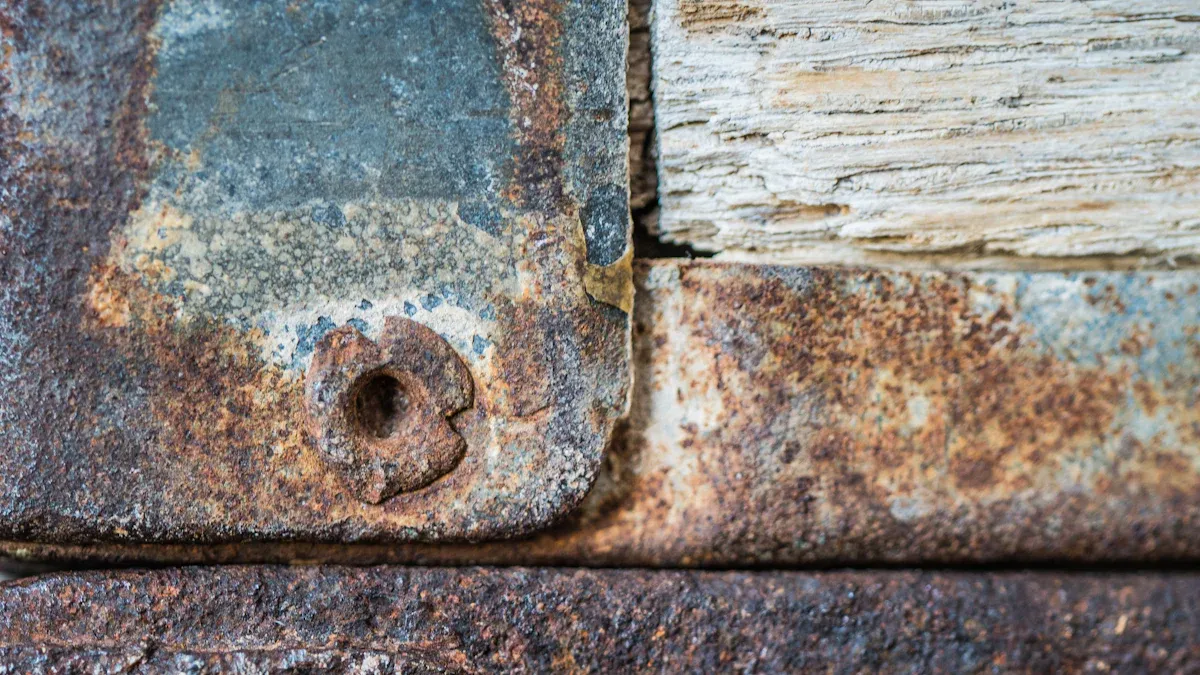
You can achieve a strong and lasting finish when you prepare galvanized steel the right way. Each step helps the paint stick better and keeps it from peeling. When you clean, treat, and prime the surface, you give galvanized steel paint the best chance to last for years. Careful preparation also keeps the metal looking smooth and bright.
Cleaning and Degreasing Galvanized Steel
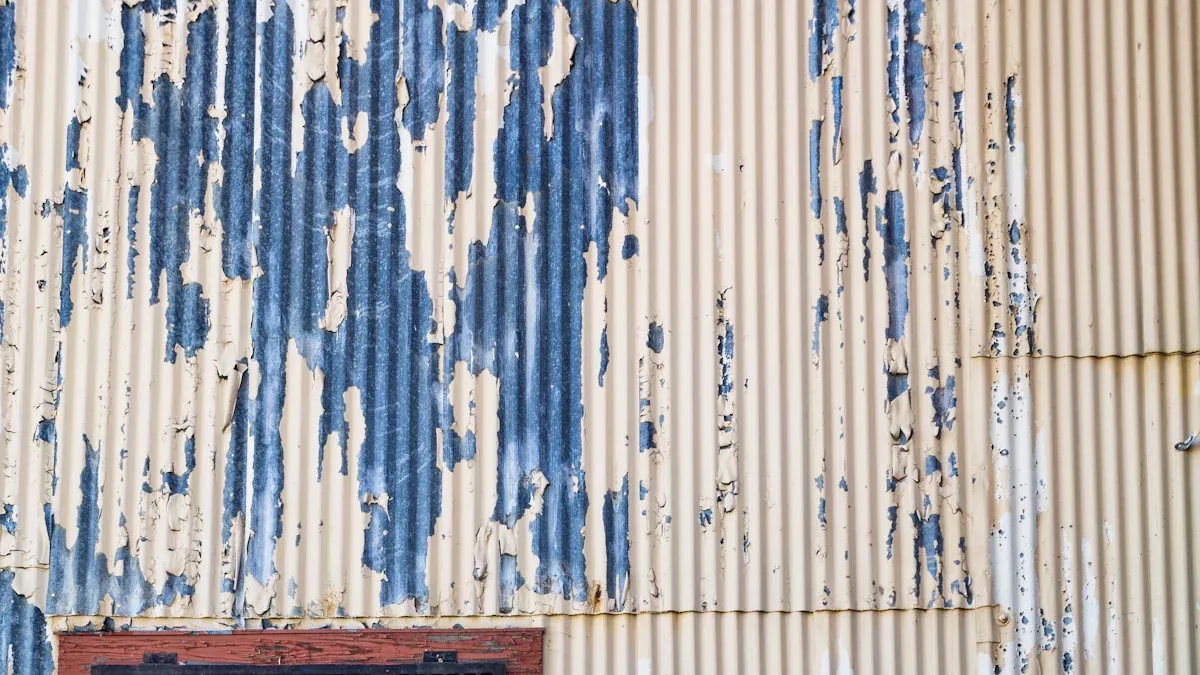
Why Cleaning Matters for Painting Galvanized Steel
You need to clean and prep the galvanized metal before you paint it. Dirt, oil, and grease can stop paint from sticking. If you skip cleaning and preparation, the paint may peel or flake off. Many paint failures on galvanized steel happen because people do not clean the surface well. When you clean your steel, you remove grease, oil, and any wet storage stains. You also get rid of surface irregularities. If you roughen the surface a little, you help the paint grip better. This step is important for prepping metal surfaces and makes your paint job last longer.
Thorough cleaning and surface preparation, including removing contaminants and roughening the surface, greatly improve paint adhesion on galvanized steel. Parts that have been quenched after galvanizing often have adhesion problems if not cleaned well.
Best Products for Cleaning Galvanized Steel Paint Surfaces
You can find many products to help clean and prep the galvanized metal. Some work better than others. Here are some facts about how these products perform:
- Paint I sticks better to galvanized steel with some zinc corrosion products left on the surface.
- Paint M gives strong corrosion resistance because of its cross-linked structure, but it does not hold up as well if scratched.
- Both paints lose adhesion if there are too many brittle corrosion products.
- If the galvanized layer is more than 52% gone or salt density is above 25 mg/m², paint does not stick well. You need extra cleaning in these cases.
- High-pressure water cleaning works for light zinc corrosion, but not for heavy buildup.
- Lower levels of zinc corrosion and salt mean better coating performance.
Choose a cleaner that matches the level of dirt and corrosion on your metal. Always follow the product instructions for best results.
Step-by-Step Cleaning Process for Galvanized Metal
You should follow a careful process to clean and prep the galvanized metal before painting. These steps help you get the best finish:
- Inspect the surface by sight and touch. Make sure you remove all grease, oil, stains, and rough spots.
- Measure the thickness of the galvanized coating before and after cleaning. Use ASTM E376 to check that the coating stays within the right range.
- Check the surface profile using ASTM D4417 and SSPC-PA 17. This ensures the surface is rough enough for paint to stick.
- Test abrasives and air for contamination using ASTM D7393 and ASTM D4285. This keeps oil and moisture away during blast cleaning.
- Follow SSPC-SP16 for abrasive blast cleaning. This standard helps you clean without removing too much of the galvanized layer.
- Keep records and watch the time between cleaning and painting. ASTM D6386 says you should paint within 1 to 8 hours after cleaning.
- Monitor the weather. Humidity, temperature, and dew point can cause zinc salts to form, which hurt paint adhesion.
- Inspect the paint job using ASTM D4541, D3359, and D6677. These tests check that the paint sticks well and lasts.
By following these steps, you make sure you clean galvanized metal before painting and get a strong, lasting finish.
Surface Treatment Before Painting Galvanized Steel
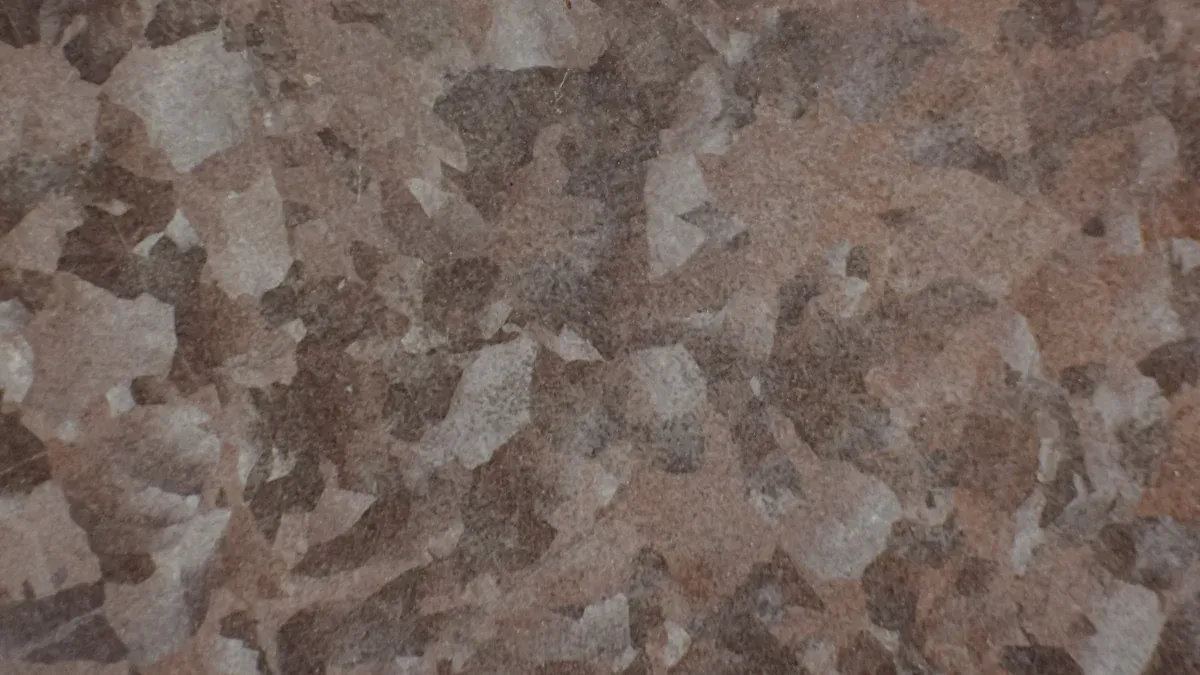
Understanding the Galvanized Steel Surface
When you prepare galvanized steel for painting, you need to understand what makes its surface unique. Galvanized steel has a zinc coating that protects it from corrosion. This zinc layer reacts with the environment and can form oily or passivated films, especially on newly galvanised steel. These films stop paint from sticking well. If you see white rust, which is zinc oxide or hydroxide, you must remove it before painting.
Tip: Always check for oily residues or white rust on newly galvanised steel. These can cause paint to peel or fail.
The zinc coating can also react with some paint types, like alkyd or oil-based paints. This reaction, called saponification, creates a soapy film that leads to poor adhesion and peeling. You should always use the right surface preparation for painting to avoid these problems. Cleaning methods like water-based cleaners remove oil, while wire brushing helps get rid of white rust. Environmental conditions, such as cold or humid weather, can slow down paint curing and cause wrinkling or peeling.
Research shows that duplex systems, which combine hot-dip galvanizing with paint, last much longer than either coating alone. For example, a galvanized coating that lasts 70 years and a paint that lasts 10 years can work together to protect steel for at least 120 years. This synergy comes from proper preparation and surface treatment, which improve corrosion resistance and extend the maintenance cycle.
Using T-Wash and Mordant Solution for Paint Galvanised Steel
You can use T-Wash or Mordant solution as a professional surface pre-treatment for newly galvanised steel. These solutions chemically react with the zinc surface, turning it dark grey or black. This color change shows you that the treatment worked. T-Wash is one of the best pre-treatment methods for painting galvanized steel, especially when you want strong adhesion and long-lasting results.
Comparative studies and industry experience confirm that T-Wash and Mordant solutions provide excellent results for surface preparation for painting. The Galvanizers Association of Australia recognizes T-Wash as a reliable choice for industrial projects. When you use T-Wash, you help the paint stick better and prevent corrosion from starting under the paint layer.
Here’s a simple process for using T-Wash or Mordant solution:
- Clean the surface to remove oil, dirt, and white rust.
- Apply the T-Wash or Mordant solution evenly with a brush or sponge.
- Wait for the surface to turn dark grey or black.
- Rinse the surface with clean water and let it dry completely before painting.
Note: Always follow the manufacturer’s instructions for safety and best results.
Etch Primers for Painting Galvanised Steel
Etch primers give you another professional surface pre-treatment option for newly galvanised steel. These primers contain special chemicals, like phosphoric acid, that react with the zinc surface. This reaction creates a rough, grippy layer that helps paint stick. Etch primers work well on non-ferrous metals and provide temporary protection against corrosion until you apply the final paint.
Research and technical documents show that etch primers improve adhesion on galvanized steel. They often use polyvinyl butyral resins and sometimes include pigments like zinc phosphate. These ingredients help the primer bond tightly to the zinc layer. You should always overcoat etch primers with a fully pigmented primer for the best corrosion protection.
| Step | Action | Purpose |
|---|---|---|
| 1 | Clean and dry the surface | Remove contaminants |
| 2 | Apply etch primer evenly | Promote adhesion |
| 3 | Allow primer to dry | Prepare for next paint layer |
| 4 | Overcoat with main primer | Ensure full corrosion resistance |
When you use etch primers as part of your surface preparation for painting, you help prevent underfilm corrosion and make sure your paint job lasts. This step is especially important for newly galvanised steel, which can be hard for paint to grip without proper preparation.
Remember: Proper preparation with T-Wash, Mordant solution, or etch primer is key to strong adhesion and long-term corrosion protection.
Sweep Blasting and Abrasive Methods for Galvanized Steel Paint Prep
You can use sweep blasting and other abrasive methods to prepare galvanized steel for painting. These techniques help you remove surface contaminants and create a texture that helps paint stick. Sweep blasting uses a gentle, controlled abrasive process. You clean the steel and roughen the surface without damaging the zinc layer that protects against corrosion.
When you sweep blast, you remove white rust, passivation residues, and other impurities. This process creates a uniform surface profile. The roughness helps paint grip the steel and prevents bubbles or craters from forming. You should use angular stainless steel grit, such as Ervin AMAGRIT, for the best results. Keep the blasting pressure between 2.0 and 3.0 bar. This range helps you avoid removing too much zinc, which could reduce corrosion protection.
Tip: Always measure the thickness of the galvanized coating before and after blasting. You want to keep zinc loss below 15 microns to maintain strong corrosion resistance.
Abrasive blast cleaning, following SSPC-SP 16 standards, ensures you remove all visible contaminants. You create a matte grey finish with a dense profile. This finish is essential for paint adhesion and long-term corrosion protection. If you over-blast, you risk uneven surfaces and weaker corrosion resistance. If you under-blast, you may leave contaminants that hurt paint performance.
Sweep blasting works especially well when you plan to use heavy-duty coatings, such as epoxy paints, in harsh environments. You get a secure and effective surface for painting. Operator training and careful control of blasting parameters help you achieve the best results. When you follow these steps, you prepare galvanized steel for a paint finish that resists corrosion and lasts for years.
Weathering Techniques for Painting Galvanized Steel
You can use weathering as a natural way to prepare galvanized steel for painting. This method lets the steel sit outdoors, exposed to the elements, for a set period. During this time, the zinc surface reacts with air and moisture. The reaction forms a stable layer of zinc carbonate, which helps paint stick and improves corrosion resistance.
Weathering works best when you allow the steel to age for at least six months. Rain and sun help wash away oils and passivation chemicals. The surface becomes dull and slightly rough. This texture gives paint a better grip and helps prevent peeling. You should always inspect the steel before painting. If you see white rust or heavy corrosion, clean the surface with a stiff brush and water.
Note: Weathering does not work well in dry or indoor environments. You need moisture and fresh air for the zinc to react and form a protective layer.
After weathering, you should rinse the steel with clean water and let it dry. This step removes any loose corrosion products. You can then apply primer and paint. Weathering is a simple, low-cost method for improving paint adhesion and corrosion protection. It works well for outdoor projects where you have time to let the steel age naturally.
Choosing the Right Surface Treatment for Your Project
You need to choose the best surface treatment for your galvanized steel project. The right method depends on the steel’s age, the environment, and the type of paint you plan to use. Each treatment offers different benefits for corrosion protection and paint adhesion.
Here is a quick guide to help you decide:
| Yüzey İşlem | Best For | Key Benefit | When to Use |
|---|---|---|---|
| Sweep Blasting | New or passivated steel | Strong paint adhesion | Industrial, harsh settings |
| T-Wash/Mordant Solution | Newly galvanized steel | Chemical surface activation | Quick turnaround needed |
| Etch Primer | Non-ferrous metals | Temporary corrosion barrier | Before main primer |
| Weathering | Outdoor, non-urgent projects | Natural corrosion layer | Time allows for aging |
If you work with new, shiny galvanized steel, sweep blasting or T-Wash gives you the best results. These methods remove passivation layers and create a surface that resists corrosion and holds paint well. For older steel, weathering can provide a natural, stable base for painting. Etch primers work well when you need extra grip or temporary corrosion protection.
Always match your surface treatment to your project’s needs. Proper preparation ensures your paint finish lasts and protects against corrosion for years.
You can achieve a durable, attractive finish when you select the right surface treatment. Each method helps you fight corrosion and keep your galvanized steel looking its best.
Priming for Galvanized Steel Paint Adhesion
Why Priming Is Critical for Painting Galvanised Steel
You need to prime the galvanized metal to get strong paint adhesion. The zinc coating on galvanized steel can react with some paints, causing peeling or flaking. A high-quality primer acts as a bridge between the metal and the paint. This step helps you avoid problems like saponification, which happens when oil-based primers react with zinc. If you skip priming, your paint may not last, and you could see rust or bubbling. When you prime the galvanized metal, you give your paint a solid base and help it resist weather and wear.
Tip: Always prime the galvanized metal soon after cleaning and surface treatment. This keeps the surface free from new contaminants and helps the primer bond well.
Types of Primers for Galvanized Steel Paint
You have several options when you need to prime the galvanized metal. Each primer type offers different levels of adhesion and corrosion resistance. The GM 9540P Accelerated Corrosion Test shows that primer performance depends on the quality of surface preparation and the type of primer used. High-performance coatings can handle less-than-perfect prep better than low-grade primers.
| Primer Type | Adhesion Quality | Korozyon Direnci | Best Use |
|---|---|---|---|
| Oil/Alkyd | Poor | Limited | Not for galvanized steel |
| Zinc-rich | Good adhesion | Good | Damaged or welded areas |
| Latex | Good adhesion | Good (indoors) | Interior, stable settings |
You should avoid alkyd or oil-based primers because they do not provide good adhesion and can react with the zinc. High-performance acrylic bonding primers work best for most projects. Some trusted products include ULTRASHIELD Galvanized Metal Primer and XIM UMA. These primers help you get good adhesion and long-lasting protection.
How to Apply Primer for Painting Galvanized Steel
You must follow the right steps to prime the galvanized metal. Start by cleaning the surface with a mild alkaline or acidic solution. Rinse well and let it dry. Use sweep blasting or a wash primer if you need extra surface texture. Always check that the surface is free from oil, dust, and moisture.
- Apply the primer by brush or spray for even coverage.
- Make sure you use the right thickness, as recommended by the manufacturer.
- Let the primer dry fully before you paint over it.
Note: Always confirm that your primer matches both the galvanized steel and your chosen paint. Check product labels or ask the manufacturer if you are unsure.
When you prime the galvanized metal with care, you set the stage for good adhesion and a lasting finish. This step protects your project from rust and keeps your paint looking fresh.
How to Paint Galvanized Metal for a Lasting Finish
Selecting the Right Paint for Galvanized Steel
You need to choose the correct paint for galvanized steel paint projects. Not all paints work well on zinc-coated surfaces. When you select the right product, you help the paint the galvanized metal last longer and resist peeling. Water-based acrylic paints work well for interiors and are environmentally friendly. Epoxy paints give you strong adhesion and protect against corrosion. Polyurethane paints offer weather resistance and keep their gloss outdoors. Cyclic corrosion testing shows that even with thinner galvannealed coatings, the right paint can still protect the steel. This means you can save on materials without losing durability.
Tip: Always use primers made for galvanized steel, like zinc epoxy yellow primer or zinc phosphate primer. These primers help the paint grip the surface and prevent rust.
Application Methods for Painting Galvanised Steel
You can use different methods when painting galvanised steel. Brushing works well for small areas and touch-ups. Rolling covers large, flat surfaces quickly. Spraying gives you a smooth, even finish and works best for big projects. No matter which method you choose, make sure you cover every part of the surface. Overlap each stroke to avoid missed spots.
- Clean and dry the surface before you start.
- Stir the paint the galvanized metal thoroughly.
- Apply the paint in thin, even layers.
- Let each coat dry before adding the next.
Proper application helps you get strong adhesion and a smooth finish. If you want to properly paint galvanised steel, always follow the paint manufacturer’s instructions.
Number of Coats and Coverage Tips for Galvanized Steel Paint
You should apply two to three coats when painting galvanised steel. Each coat adds protection and improves the look. Let each layer dry fully before you add another. This step helps the paint the galvanized metal bond well and prevents peeling. Using the correct paint and allowing proper curing time increases durability and corrosion resistance.
A simple table can help you plan your project:
| Step | Action | Why It Matters |
|---|---|---|
| First Coat | Prime and seal the surface | Improves adhesion |
| Second Coat | Build up color and coverage | Adds protection |
| Third Coat | Optional for harsh settings | Maximum durability |
Note: Always check the paint can for coverage rates. This helps you buy enough galvanized steel paint for your project.
When you follow these steps, you learn how to paint galvanized metal for a lasting finish. You get strong adhesion, bright color, and long-term protection. Painting galvanised steel the right way keeps your project looking great for years.
Drying and Curing Painted Galvanized Steel
Importance of Proper Drying for Paint Galvanised Steel
You need to let paint dry properly on galvanized steel if you want a strong, lasting finish. When you rush the drying process, you risk trapping moisture under the paint. This can cause bubbles, peeling, or even rust. Paint that dries too quickly or too slowly may not stick well. You want the paint to form a solid bond with the metal.
Scientific studies show that the way you dry and weather galvanized steel affects how long the paint lasts. When you let the surface weather and dry, it becomes rougher. This roughness gives the paint more places to grip. Fresh, shiny galvanized steel often has poor paint adhesion. A weathered and well-dried surface helps the paint stick better and last longer. Tests that use wet–dry cycles and UV light prove that a balanced drying period leads to the best results.
Tip: Always check that the surface feels dry to the touch before you add another coat. If you see any shine or feel any tackiness, wait longer.
Curing Times and Best Conditions for Painting Galvanized Steel
You must give painted galvanized steel enough time to cure. Curing means the paint hardens and reaches its full strength. Most paints need at least 24 hours to dry to the touch, but full curing can take up to a week. Always read the paint can for exact times.
The best conditions for drying and curing include:
- Temperature between 50°F and 85°F (10°C to 30°C)
- Low humidity (below 60%)
- Good airflow
A simple table can help you remember:
| Step | Ideal Condition | Why It Matters |
|---|---|---|
| Drying | Warm, dry air | Prevents moisture traps |
| Curing | Steady temperature | Builds paint strength |
| Ventilation | Open windows/doors | Speeds up drying |
If you paint in cold, damp, or windy weather, the paint may not cure right. This can lead to weak spots or peeling. You get the best results when you follow the recommended drying and curing times. Proper drying and curing help your paint job last for years and protect the steel from rust and damage.
Common Mistakes When Painting Galvanized Steel
Skipping Surface Preparation for Galvanized Steel Paint
You might feel tempted to skip surface preparation, but this mistake leads to serious problems. When you do not clean or treat the metal, you leave behind dirt, oil, and other contaminants. These substances stop galvanized steel paint from sticking. You will see weak coating adhesion, which causes paint failure and costly rework. Corrosion can start quickly if you leave contaminants on the surface. This weakens the steel and shortens its life.
- Poor surface preparation leads to weak coating adhesion and paint failure.
- Contaminants left on the surface speed up corrosion and cause early failure.
- Pinhole defects and bare spots often appear when you skip proper cleaning.
- You may face higher costs because of delays and extra work.
- Mechanical and chemical cleaning methods help remove contaminants and create a better surface for painting.
- Advanced coatings like powder coating will not last if you skip preparation.
A metallurgical study found that skipping surface prep can cause pinholes and bare spots. These defects come from contamination at the steel surface, which blocks the formation of layers needed for strong adhesion. Always prepare your surface before you paint galvanised steel.
Using the Wrong Products for Painting Galvanised Steel
Choosing the wrong products for painting galvanised steel can ruin your project. Some paints and primers do not work with zinc coatings. Oil-based or alkyd paints often react with the zinc, causing peeling and poor adhesion. If you use the wrong primer, you risk corrosion and paint failure.
- Inadequate rust removal leads to poor adhesion.
- Skipping primer before painting with oil-based or vinyl latex paints causes problems.
- Not sanding glossy surfaces makes paint peel off.
- You need to remove rust, use the right primer, and pick paints made for galvanized steel.
When you use the correct products, you protect the steel from corrosion and get a finish that lasts.
Painting in Poor Conditions or Too Soon
Painting in the wrong conditions or before the surface is ready leads to many problems. If you paint when the steel is wet or dirty, you trap moisture and contaminants under the paint. This causes blistering, peeling, and corrosion.
| Problem | Cause | Result |
|---|---|---|
| Blistering | Surface contamination and moisture | Paint lifts and peels |
| Poor adhesion | Oxidation or early painting | Paint failure and corrosion |
| Underfilm corrosion | Soluble salts under paint | Rust forms under the coating |
Research shows that painting too soon or in poor weather increases the risk of adhesion loss. You need to let the surface dry and cure before painting. Always check for clean, dry, and properly treated steel before you start. Good preparation and timing help you avoid corrosion and keep your galvanized steel paint looking great.
To get a lasting paint finish on galvanized steel, you should follow these steps:
- Clean the surface well.
- Treat the metal for better paint grip.
- Apply the right primer.
- Paint with care.
- Let the paint cure fully.
Careful preparation gives you a strong, attractive result. Take your time with each step. You will see better results and protect your project for years.
SSS
How long should you wait before painting new galvanized steel?
You should wait at least 24 hours after cleaning and treating the steel. This gives the surface time to dry. If you use a weathering method, let the steel age for six months outdoors before painting.
Can you paint over old paint on galvanized steel?
You need to remove loose or peeling paint first. Sand the surface to smooth rough spots. Clean the steel well before you apply new primer and paint. This helps the new paint stick and last longer.
What type of paint works best on galvanized steel?
You get the best results with water-based acrylic, epoxy, or polyurethane paints. These paints stick well and protect against rust. Always use a primer made for galvanized steel before painting.
Do you need to use a primer every time?
Yes, you should always use a primer. Primer helps paint stick to the zinc coating. It also stops rust and peeling. Skipping primer can cause your paint to fail quickly.
How can you tell if the surface is ready for painting?
Touch the steel. It should feel dry and clean. Look for a dull, even finish. If you see oil, dust, or shiny spots, clean the surface again before painting.