
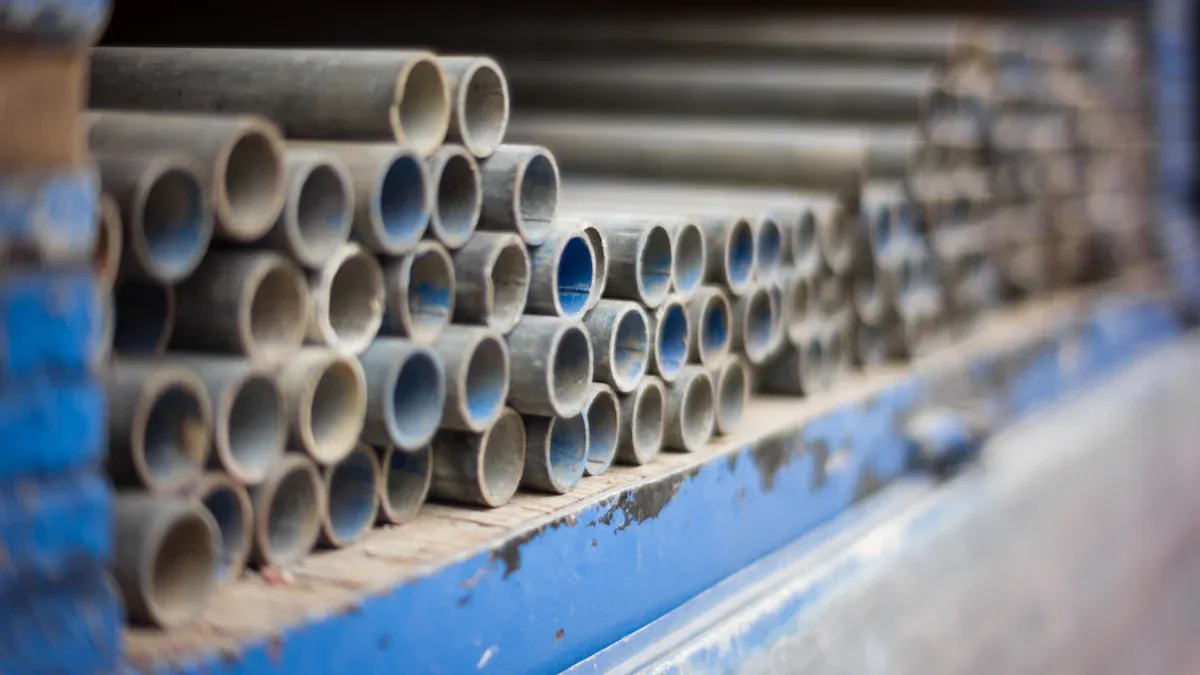
You may notice that 1 1/2 galvanized steel pipe does not meet most plumbing needs in 2025. Many experts see higher failure rates in galvanized steel pipes, especially in the first 15 years.
- Galvanized iron pipes show a failure probability of 0.48 in urban areas and need more frequent maintenance than modern pipes.
- Wet environments increase corrosion risks, making galvanized steel less reliable for water systems.
Recent research highlights that water quality and factors like pipe age and acidity speed up corrosion in galvanized steel pipes. You should always weigh the pros and cons before choosing galvanized steel for your plumbing needs.
Pros of 1 1/2 Galvanized Steel Pipe in Plumbing
Durability and Strength of Galvanized Steel Pipe
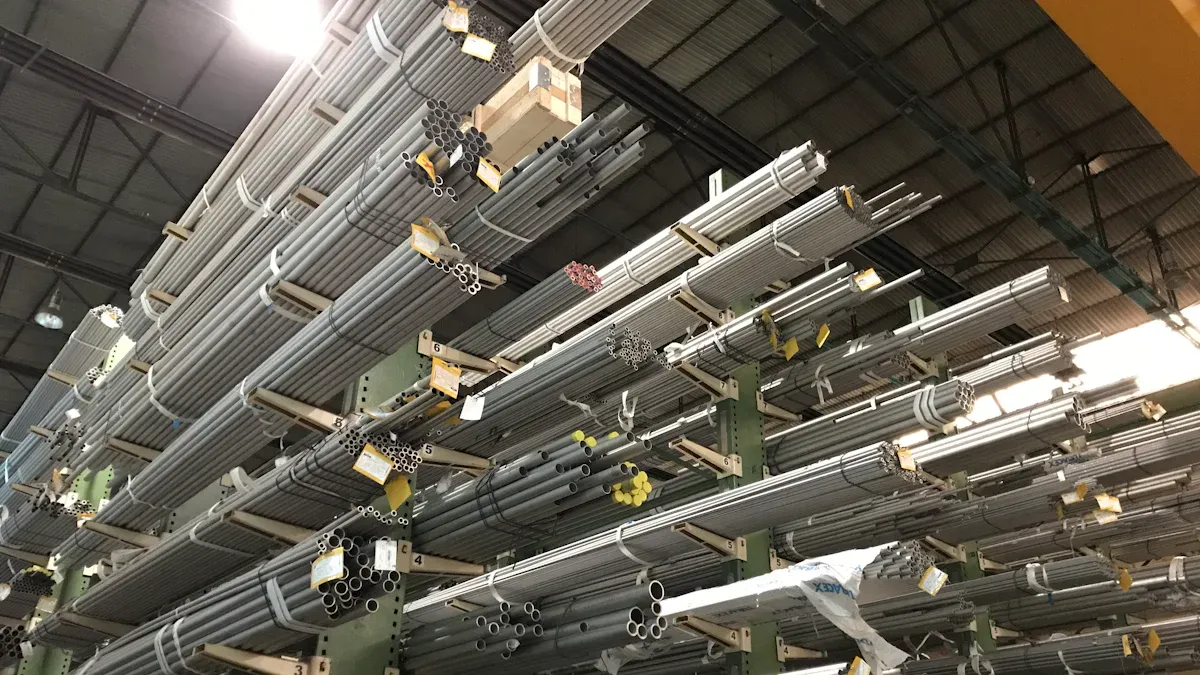
When you choose 1 1/2 galvanized steel pipe for plumbing, you get a product known for its durability. Galvanized steel pipes have a strong metal core. This strength helps them handle high water pressure and heavy loads. You can use these pipes in places where you need extra support, such as in commercial buildings or large homes. The steel construction gives you peace of mind because it resists bending and breaking. Many older buildings still have galvanized steel pipes that work well after decades of use. This long-lasting nature is one of the main pros of galvanized steel pipe.
Initial Corrosion Resistance in Plumbing Applications
Galvanized steel pipes stand out for their initial resistance to corrosion. The zinc coating on the outside and inside of the pipe acts as a shield. This layer helps prevent rusting and protects the steel from water and air. Early tests on new galvanized pipes, made to strict ASTM standards, showed that the zinc coating can handle tough plumbing conditions. These tests used water with high copper levels and long contact times, just like in real homes. The zinc layer works as a sacrificial barrier, meaning it will corrode first and protect the steel underneath. Field inspections of pipes from the late 1800s and early 1900s show that some galvanized steel pipes stayed in good shape for over 50 years. You can see the pros and cons of this material, but the initial rust protection is a clear benefit. If you want a pipe that can prevent rusting in the early years, galvanized steel pipe offers this advantage.
Cost-Effectiveness and Availability of Galvanized Steel Pipes
You might find that 1 1/2 galvanized steel pipe is more affordable than some modern options at the time of purchase. Galvanized steel pipes are widely available at most hardware stores and plumbing suppliers. This easy access can save you time when you need to start a project quickly. The initial cost is often lower than copper pipes. However, you should consider the pros and cons over the long term. Modern pipes like PPR and PEX offer lower maintenance costs, better resistance to corrosion, and fewer repairs. The table below compares galvanized steel pipes to PPR pipes, a popular modern choice:
| Aspect | Galvanized Steel Pipes | PPR Pipes (Modern Polymer) |
|---|---|---|
| Устойчивость к коррозии | Prone to galvanic corrosion, structural loss in 10-20 years | Highly resistant, no rust formation, lifespan >50 years |
| Maintenance Costs | Higher due to corrosion and leaks | Lower due to durability and fewer failures |
| Thermal Efficiency | Poor insulation, higher heat loss | Built-in insulation reduces heat loss by up to 25%, saving energy costs |
| Installation | Heavier, requires threaded/soldered joints, longer labor | Lightweight, fusion welding joints, faster assembly reducing labor costs by ~30% |
| Failure Rate | Higher failure rates (10-15%) | Low failure rate (~1%), reducing repair and insurance costs |
| Environmental Impact | Complex recycling, higher carbon footprint | Nearly 100% recyclable, lower lifecycle emissions |
| Cost-Benefit Over 25 Years | Higher lifecycle costs due to maintenance and replacements | Lower lifecycle costs, long-term savings outweigh initial costs |
You can see that galvanized steel pipes have some pros, such as strength and initial cost savings. Still, you need to weigh these against the long-term costs and maintenance. If you want a pipe that is easy to find and install for short-term use, galvanized steel pipe remains a practical choice in some plumbing applications.
Pressure Handling and Structural Support in Plumbing Systems
When you look at plumbing systems, you want pipes that can handle high pressure and give strong support. Galvanized steel pipe stands out in this area. You can trust it to keep your water flowing safely, even when the pressure rises. Many engineers choose galvanized steel pipe for large buildings and places where water pressure changes often.
Galvanized steel pipe has a strong metal wall. This wall helps the pipe resist bending and breaking. You can use it in plumbing systems that need to carry heavy loads or support other parts of the building. The steel core gives extra strength, so you do not have to worry about sudden bursts or leaks.
Tip: If you have a plumbing system with high water pressure, galvanized steel pipe can give you peace of mind. It can handle more stress than many modern plastic pipes.
Recent engineering studies tested how different pipes react to water hammer effects. Water hammer happens when water suddenly stops or changes direction. This can cause a big spike in pressure inside the pipe. The tests used real plumbing conditions, with pressure ranging from 5.5 bar to 8.3 bar. Researchers used special tools like pressure transducers and strain gauges to measure how the pipes reacted.
Here is what the studies found:
- Galvanized steel pipe showed the highest safety factor of 60.22. This number was much higher than copper (5.43), polypropylene (7.18), uPVC (6.98), and GRP (5.69).
- The high safety factor means galvanized steel pipe can handle much more pressure before it fails.
- The tests followed strict ASTM standards. Researchers checked the strain in the steel using tensile tests to make sure the data was correct.
- The studies used elasticity theory and special equations to show how the pipe walls hold up under pressure.
You can see that galvanized steel pipe gives you strong structural support. It works well in plumbing systems where you need to move a lot of water or deal with sudden pressure changes. Many older buildings still use galvanized pipes for this reason. The steel material keeps the pipes safe and steady, even after many years.
If you want a pipe that can handle tough jobs, galvanized steel pipe is a smart choice. It may be heavier than plastic pipes, but you get extra strength and support. For plumbing systems in schools, hospitals, or factories, you can rely on galvanized steel to keep everything running smoothly.
Cons of Using 1 1/2 Galvanized Steel Pipe for Plumbing
Corrosion and Rust Over Time in Galvanized Steel Pipes
You may notice that one of the biggest cons of using 1 1/2 galvanized steel pipe is its tendency to develop corrosion and rusting as time passes. When you first install galvanized steel pipes, the zinc coating protects the steel from rusting. Over the years, this protective layer wears away. Water with dissolved oxygen, minerals, or acidic substances speeds up this process. Once the zinc is gone, the steel underneath becomes susceptible to corrosion. You might see brown or yellow water coming from your taps. This happens because rust and mineral buildup block the inside of the pipe. Your water flow slows down, and leaks or even bursts can occur.
Long-term studies show that galvanized steel pipes can last for decades, but their corrosion resistance is not permanent. Hot water makes the problem worse. You need to check these pipes often and plan for repairs or replacement. In some areas, experts do not recommend galvanized steel pipes because of these corrosion risks. The pros and cons of galvanized steel pipe show that while you get strength at first, you also face serious maintenance problems later.
Water Quality and Health Concerns in Plumbing
Another major con of galvanized steel pipes is the risk to water quality and your health. As these pipes age, rusting and corrosion release metals into your water. You may notice strange tastes, odors, or even visible particles in your water. Sometimes, the zinc coating on old pipes contains lead. When this coating breaks down, lead can enter your drinking water. Lead exposure is dangerous, especially for children and pregnant women. It can cause learning problems, kidney issues, and other health risks.
The table below shows some of the water quality issues and health risks linked to galvanized steel pipes:
| Category | Details |
|---|---|
| Water Quality Indicators | Discolored water, metallic taste, strange odors, visible contamination |
| Physical Pipe Problems | Rust, leaks, bursts, mineral buildup, blockages |
| Health Risks – Lead | Lead from old zinc coating; risks include cognitive delays, kidney and heart problems |
| Other Metal Contaminants | Iron, zinc, cadmium, copper from pipe corrosion |
| Usage & Regulations | Common in homes before 1960; not approved in modern codes; seen as a public health risk |
| Recommended Actions | Test water for lead, use filters, plan to replace pipes |
You should always test your water if you have galvanized steel pipes. If you see signs of water quality issues, you may need to install a filter or replace your pipes. The pros and cons of galvanized steel pipe make it clear that water safety is a big concern.
Heavy Weight and Installation Challenges of Galvanized Steel Pipe
You will also face challenges with the heavy weight of galvanized steel pipe. The zinc coating adds extra weight to the steel, making each pipe section hard to lift and move. This means you need more workers and more time to install the pipes. Heavy pipes can increase the risk of injury for workers. You may also need special tools or supports to hold the pipes in place during installation. These factors raise the cost and time needed for your plumbing project.
Field reports show that the heavy weight of galvanized steel pipes often leads to longer installation times and higher labor costs. If you need to replace or repair these pipes, the job can disrupt your home or business for days. The cons of using galvanized steel pipes include not just the risk of rusting and corrosion, but also the practical problems of handling and installing such a dense material.
Note: If you want a plumbing system that is easy to install and maintain, you may want to choose lighter materials instead of galvanized steel.
Maintenance and Repair Issues with Galvanized Steel Pipes
You may find that maintaining galvanized steel pipes brings many challenges. Over time, these pipes show signs of wear that you cannot ignore. When you look at your plumbing, you might see rust spots or areas where the pipe looks corroded. These visible problems often mean that the inside of the pipe is also breaking down.
You may notice several common issues with galvanized steel pipes:
- Water pressure drops in your home, making showers and sinks less effective.
- Water from your taps looks brown or yellow, which signals rust and mineral buildup.
- Leaks appear more often, sometimes causing water stains or even mold patches on your walls or ceilings.
- You hear odd noises from your plumbing, like banging or whistling, which can mean the pipes are clogged or damaged.
- Patch repairs may seem like a quick fix, but they often fail. You end up paying for repeated repairs that do not solve the root problem.
Repair costs for galvanized steel pipes add up quickly. At first, you might pay less for a patch, but these costs keep coming back. Over time, you may spend more on repairs than you would on a full replacement. Replacing all the pipes in a home can cost between $2,000 and $15,000, depending on the size of your house and the materials you choose. If you wait too long, you risk water damage and even health hazards from lead or rust in your water.
You should schedule regular inspections with a professional plumber. These checks help you find hidden corrosion before it causes big problems. If you see any of these warning signs, you should plan for a replacement soon. A damaged galvanized steel pipe can lead to expensive repairs and unsafe water.
Tip: Replacing old galvanized pipes with modern materials like copper, PVC, or PEX often saves money and trouble in the long run. You get a more reliable and long-lasting plumbing system.
Limited Lifespan Compared to Modern Plumbing Materials
When you compare the lifespan of galvanized steel pipes to modern options, you see a clear difference. Galvanized pipes usually last between 20 and 50 years. This may sound like a long time, but it falls short when you look at other materials. The zinc coating on galvanized pipes wears away over time. Once this happens, the steel inside faces moisture and starts to rust. This rust blocks water flow and lowers water pressure. You may need to replace the pipes sooner than you expect.
Here is a table that shows how long different plumbing materials last:
| Pipe Material | Average Lifespan |
|---|---|
| Galvanized Steel | 20 to 50 years |
| Медь | 50 to 70+ years |
| PEX | 40 to 50 years |
Copper pipes can last more than 50 years because they resist corrosion very well. PEX pipes also offer a long lifespan and do not rust or scale inside. These modern materials give you better longevity and fewer problems over time.
You should think about the pros and cons before choosing galvanized steel pipes. While they offer strength at first, their lifespan is shorter than copper or PEX. The risk of corrosion and leaks grows as the pipes age. If you want a long-lasting plumbing system, you may want to pick a material with proven longevity. Modern pipes help you avoid the hassle and cost of frequent repairs.
Note: Galvanized steel pipes may seem strong, but their shorter lifespan and maintenance needs make them less attractive for new plumbing projects in 2025.
Comparing Galvanized Steel Pipe to Modern Plumbing Alternatives
Galvanized Steel Pipe vs. Copper Pipe in Plumbing
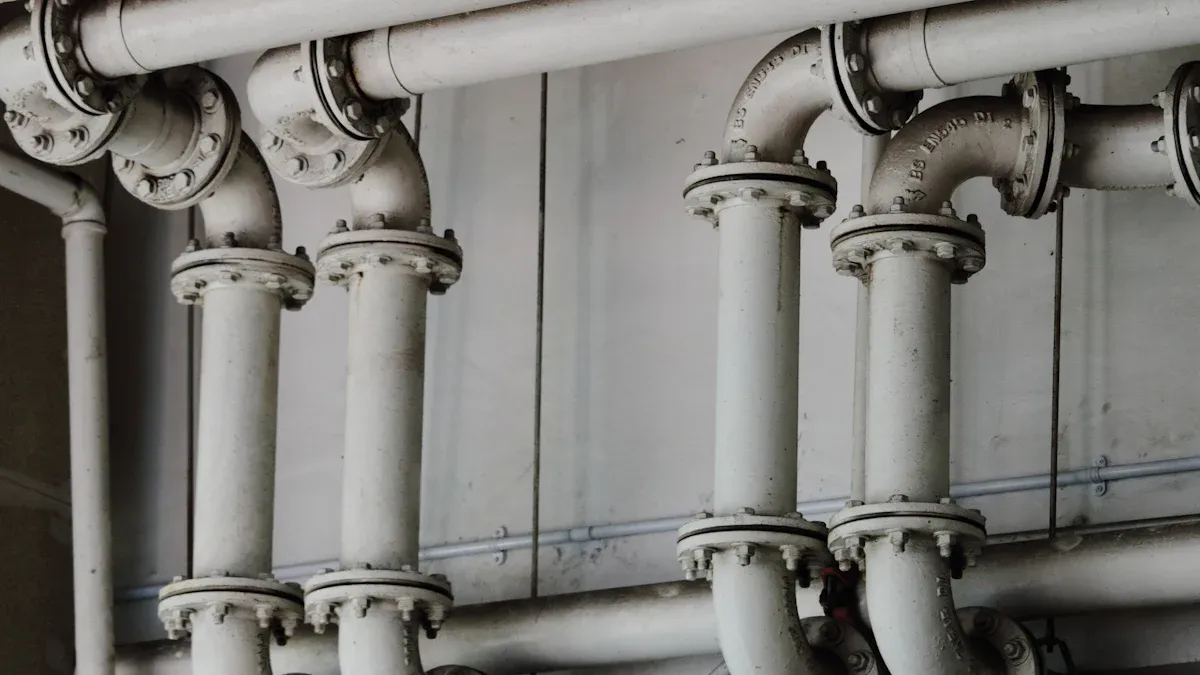
You might wonder how galvanized steel pipe compares to copper pipe in plumbing. Copper pipes have become popular because they resist corrosion and last a long time. You can use copper for both hot and cold water lines. Copper does not rust inside, so your water stays clean and clear. Galvanized steel pipes, on the other hand, can rust over time. This rust can block water flow and affect water quality. Copper pipes are lighter than galvanized pipes, which makes them easier to install. You may pay more for copper at first, but you save money on repairs and replacements later. If you want a plumbing system that lasts and keeps your water safe, copper is a strong choice.
Galvanized Steel Pipe vs. PVC Pipe in Plumbing
PVC pipes have changed the way you think about plumbing materials. These pipes are made from a plastic called polyvinyl chloride. You can see the differences between galvanized steel pipes and PVC pipes in the table below:
| Aspect | Galvanized Steel Pipes | PVC Pipes |
|---|---|---|
| Material Composition | Steel with zinc coating (galvanization) | Thermoplastic polymer (Polyvinyl Chloride) |
| Устойчивость к коррозии | Good due to zinc coating, but susceptible to internal rusting over time | Excellent chemical corrosion resistance |
| Долговечность | Strong and durable, extended lifespan compared to uncoated steel | Durable but susceptible to thermal deformation |
| Installation | Requires cutting with saws, joined with threaded fittings | Lightweight, easy to install with solvent cement joints |
| Термостойкость | Suitable for outdoor and industrial water systems, but internal rusting can occur | Limited use in high-temperature applications due to warping risk |
| Common Applications | Gas distribution, outdoor plumbing, industrial water lines | Irrigation, cold water lines, sanitary drainage, vent piping |
| Pros | Corrosion resistance, strength, extended lifespan | Lightweight, chemical resistance, cost-effective |
| Cons | Internal rusting, potential blockages, declining use in new installations | Thermal deformation, not suitable for hot water, limited sizing options |
You can see that PVC pipes are much lighter than galvanized steel pipes. You can cut and join them quickly, which saves time and labor. PVC does not rust, so your water stays clean. However, you should not use PVC for hot water lines because it can warp. Galvanized pipes work better in places with high pressure or outdoor use, but they need more care over time.
Galvanized Steel Pipe vs. PEX Pipe in Plumbing
PEX pipe is another modern option for plumbing. You can bend PEX easily, which helps you fit it into tight spaces. PEX does not rust or corrode, so your water stays fresh. You can use PEX for both hot and cold water lines. The installation process is simple because PEX is flexible and lightweight. You do not need heavy tools or special skills. Galvanized steel pipe is much heavier and harder to work with. You may find that PEX costs less to install and needs fewer repairs. If you want a plumbing system that is easy to maintain and lasts a long time, PEX is a smart choice.
Tip: When you choose plumbing materials, think about how easy they are to install, how long they last, and how they affect your water quality.
Where 1 1/2 Galvanized Steel Pipe Still Excels
You may find that 1 1/2 galvanized steel pipe still works well in certain plumbing situations. If you need strong support in a building, this pipe gives you excellent structural strength. You can use it in outdoor plumbing where pipes face physical damage or need to carry heavy loads. Galvanized steel pipes also handle high water pressure better than many plastic pipes. In some industrial settings, you may need a pipe that resists impact and does not bend easily. Galvanized steel pipe stands up to these challenges.
Some older buildings still use galvanized steel pipes because they last for decades with proper care. The zinc coating on these pipes slows down corrosion, making them more durable than untreated steel. If you work in an area with low water acidity and good maintenance, galvanized pipes can serve you well for many years. You may also choose galvanized steel pipe for temporary plumbing or for projects where cost is a big concern at the start.
Tip: If you need a pipe for outdoor use, high-pressure systems, or places where pipes might get hit or crushed, galvanized steel pipe can be a smart choice.
Where Galvanized Steel Pipes Fall Short
You will notice that galvanized steel pipes have several weaknesses compared to modern plumbing materials. These pipes often cause water quality problems, such as brown or yellow water from rust and corrosion. Older galvanized pipes may even contain lead in the zinc coating, which can make your water unsafe. Heavy weight and rigid structure make installation harder and slower than with flexible pipes like PEX.
The table below shows some of the main shortcomings and statistics for galvanized steel pipes:
| Shortcoming / Statistic | Description / Quantitative Data |
|---|---|
| Health Concerns | Older galvanized pipes may contain lead in zinc coatings, posing health risks through water contamination. |
| Water Quality Issues | Rust and corrosion cause discoloration (brown/yellow water), affecting water safety and appearance. |
| Maintenance Challenges | Internal rust and mineral buildup reduce water flow; regular maintenance needed. |
| Installation Difficulties | Heavy weight and rigidity increase labor and complexity compared to lighter, flexible materials like PEX or copper. |
| Corrosion in Hard Water Areas | Hard water accelerates scale buildup and corrosion, reducing pipe diameter and flow. |
| Lifespan | Variable lifespan from 40 to 100 years depending on environment and maintenance. |
| Corrosion Rate | Zinc coating slows corrosion to about one-thirtieth the rate of untreated steel. |
| Compatibility Issues | Special fittings required to prevent galvanic corrosion when connecting with modern materials, adding cost/complexity. |
Scientific studies show that even with a zinc coating, galvanized steel pipes can corrode from coating defects and bacteria in the water. Sulfate-reducing bacteria speed up this process, making the pipes break down faster than modern materials. You may face more repairs, water flow problems, and health risks if you use galvanized steel pipes in your plumbing system today.
Who Should Use 1 1/2 Galvanized Steel Pipe in Plumbing
Best Applications and Environments for Galvanized Steel Pipe
You should consider 1 1/2 galvanized steel pipe if you need plumbing that can handle tough environments. This type of pipe works best where you face high levels of salt, moisture, or chemicals. For example, you might use it in marine or coastal areas, under bridges, or in water treatment plants. The zinc coating on galvanized steel pipes gives them a much higher resistance to corrosion than regular steel. This means they last longer when exposed to harsh conditions.
Here is a table that shows where galvanized steel pipes perform best:
| Environment/Use Case | Why Galvanized Steel Pipe Works Well |
|---|---|
| Marine/Coastal Areas | High corrosion resistance against salt and moisture |
| Buried or Immersed Settings | Protective zinc layer prevents rust |
| Infrastructure Projects | Strong bond and load support in concrete |
| Water Treatment Facilities | Handles chemicals and high-pressure water |
| Bridge Decks and Tunnels | Proven long service life in harsh conditions |
You can rely on galvanized steel pipe for structural support in concrete or when you need water supply lines that must last for decades. The zinc coating forms a special layer that protects the steel, even if the coating gets scratched. This makes galvanized pipes a smart choice for outdoor or industrial plumbing where durability matters most.
Tip: If you work in a coastal city or need pipes for a dock, marina, or buried line, galvanized steel pipes offer the strength and protection you need.
When to Avoid Galvanized Steel Pipes in Plumbing Projects
You should avoid using galvanized steel pipes for interior plumbing in most homes and businesses. These pipes can rust from the inside over time, which lowers water quality and causes blockages. If you want clean water for drinking or cooking, you may want to choose other materials. Galvanized pipes are also heavy and hard to install, so they are not the best choice for quick or simple plumbing jobs.
You may face problems if you use galvanized steel pipes in areas with soft or acidic water. These conditions speed up corrosion and shorten the pipe’s lifespan. Modern plumbing materials like PEX or copper often work better for indoor water supply lines because they resist rust and are easier to handle.
- Avoid galvanized pipes for:
- Interior plumbing in new homes
- Areas with soft or acidic water
- Projects where you need lightweight or flexible pipes
Note: If you want a plumbing system that is easy to install and keeps your water clean, look for modern alternatives instead of galvanized steel.
Plumbing Standards and Regulations for Galvanized Steel Pipes in 2025
Building Codes and Compliance for Galvanized Steel Pipe
You need to know the current building codes before you choose galvanized steel pipes for your plumbing project. In 2025, many local and national codes have changed to reflect new safety and health standards. Most codes now limit the use of galvanized steel pipe for drinking water lines. You will often see these pipes allowed only for non-potable water, outdoor irrigation, or fire sprinkler systems.
Building inspectors look for compliance with the latest rules. If you use galvanized steel pipes in places where codes do not allow them, you may face fines or be forced to replace the pipes. Always check your city or county’s plumbing code. Some areas require you to use modern materials like PEX or copper for all new water supply lines.
Tip: Ask your plumber or contractor about the latest code updates before starting your project. This step helps you avoid costly mistakes.
Insurance and Resale Impacts of Galvanized Steel Pipes
You should also think about how galvanized steel pipes affect your home’s insurance and resale value. Many insurance companies see galvanized pipes as a risk. They know these pipes can rust and leak, which may lead to water damage. Some insurers charge higher premiums or refuse coverage if your home has old galvanized pipes.
When you sell your house, buyers often ask about the plumbing. If you have galvanized steel pipes, you may need to lower your price or offer to replace the pipes. Real estate agents report that homes with modern plumbing sell faster and for more money.
Here is a quick list of impacts:
- Higher insurance costs or denied coverage
- Lower resale value
- More questions from buyers and inspectors
You can protect your investment by upgrading to newer plumbing materials when possible.
You have seen that 1 1/2 inch galvanized steel pipe does not meet most plumbing needs in 2025. Modern pipes like PEX, copper, and PVC give you better safety, longer life, and easier care.
Tip: Always check your local plumbing codes before you choose a pipe. Think about your long-term costs and water quality.
- Pick the material that fits your home and keeps your water safe.
Часто задаваемые вопросы
What is the main reason people replace galvanized steel pipes?
You often replace galvanized steel pipes because they rust inside. This rust blocks water flow and can make your water look brown. You may also worry about lead or other metals getting into your water.
Can you mix galvanized steel pipes with PEX or copper pipes?
You can connect galvanized steel pipes to PEX or copper, but you need special fittings. These fittings stop corrosion where the metals meet. Always ask a plumber for help to avoid leaks or damage.
How do you know if your home has galvanized steel pipes?
You can check your pipes by looking at them. Galvanized steel pipes look gray and have threaded ends. If you scratch the pipe, you see shiny silver metal. You may also notice rust or water stains near joints.
Are galvanized steel pipes safe for drinking water in 2025?
You should avoid using galvanized steel pipes for drinking water. Old pipes may release lead or rust into your water. Many experts and building codes now recommend safer materials like PEX or copper for water you drink.