

When you heat, weld, or cut galvanized steel, zinc fumes fill the air. Breathing these fumes can cause galvanized steel poisoning, also called metal fume fever. You might notice symptoms like fever, cough, or muscle aches within hours of exposure. Studies show that most people who inhale zinc fumes at 5 mg/m³ for two hours develop mild fever and other symptoms. Even small amounts of zinc fumes can trigger changes in your body. Metal fume fever is a real risk you should not ignore.
What Is Galvanized Steel Poisoning?
Definition and Causes of Galvanized Steel Poisoning
Galvanized steel poisoning happens when you breathe in zinc fumes that come from heated galvanized steel. This condition is also called metal fume fever. You may hear people call it welding fume fever, especially if it happens while working with hot metal. The main cause is inhaling zinc oxide fumes, which your body reacts to as a harmful substance.
You can find many cases and studies that show how this poisoning affects workers.
- In 2024, a painter got sick after breathing zinc-containing aerosols, even at room temperature.
- Since the 1830s, doctors have reported metal fume fever in people who work with galvanized steel.
- Scientists have set exposure limits and studied how your body reacts to zinc fumes.
- Reports from groups like the American Galvanizers Association show that normal use of galvanized steel does not cause toxic risk in the environment.
- The Washington Department of Ecology gives advice on how to lower risks in workplaces and the environment.
You face the most risk when you heat, weld, or cut galvanized steel. Microbes, like sulphate reducing bacteria, can also cause corrosion on galvanized steel. These bacteria form biofilms and produce substances that break down the metal, which can release zinc into the air. Even though zinc is toxic to some bacteria, it does not stop them from causing corrosion and creating more risks for you.
How Zinc Fumes Are Produced from Galvanized Steel
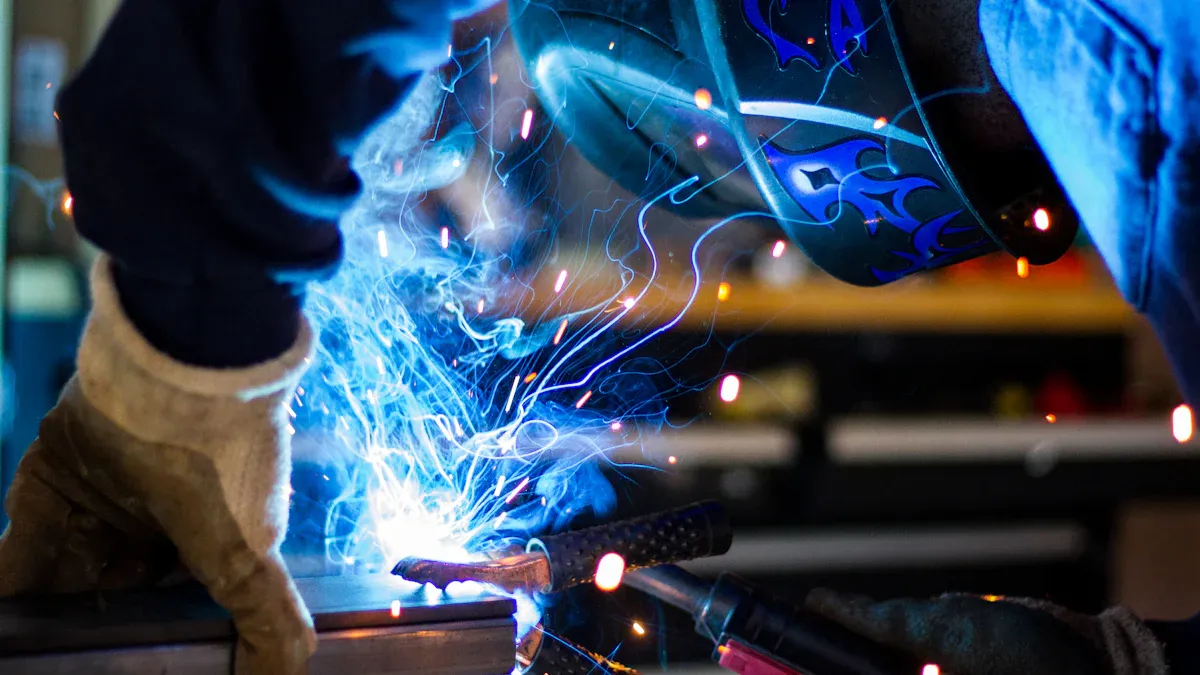
When you heat galvanized steel, the zinc coating gets so hot that it turns into vapor. This vapor cools down and forms tiny zinc oxide particles, which float in the air as zinc fumes. If you breathe these in, you can get metal fume fever.
Laboratory studies show how these fumes form. Scientists use special microscopes to look at welding fumes. They see that the fumes are made of tiny, chain-like particles. These particles come from the metal and the coating, including zinc oxide fumes from galvanized steel. The amount and type of fumes depend on how you weld, what gases you use, and how clean the metal is.
Here is a table that shows some of the main metal oxides you might breathe in during welding:
| Metal Oxide / Element | Source / Use | Associated Hazard or Effect |
|---|---|---|
| Zinc | Galvanized steel, paint | Causes metal fume fever, common in welding galvanized steel |
| Iron | Steel welding | Causes siderosis |
| Хром | Stainless steel alloy | Lung carcinogen |
| Медь | Alloy and coating material | Respiratory irritant, metal fume fever |
| Magnesium | Light metal alloy | Respiratory irritant, metal fume fever |
| Cadmium | Plating and brazing alloy | Respiratory irritant, metal fume fever, carcinogen |
You should know that zinc fumes are the main cause of galvanized steel poisoning. These fumes are a serious occupational health hazard for anyone working with hot metal.
Why Heating or Welding Galvanized Steel Is Risky
You face high risks when you heat or weld galvanized steel. The zinc coating vaporizes at high temperatures, making zinc fumes that you can easily breathe in. These fumes are very fine and stay in the air for a long time. If you inhale them, you may get metal fume fever. Symptoms include chills, fever, headache, and nausea. Sometimes, the exposure can be so severe that it becomes life-threatening.
You can spot zinc fume exposure by looking for yellowish-green smoke or white powdery dust near your work area. If you notice these signs, you should stop working and get fresh air right away. Experts recommend using proper ventilation and wearing a respirator to lower your risk. Removing the zinc coating before welding also helps reduce hazards.
Tip: If you start to feel sick after working with galvanized steel, drink milk and seek medical help. Milk may help your body remove some of the zinc.
Regulatory agencies like OSHA and NIOSH set limits for zinc fumes to protect you from toxic risk. You should always follow safety rules and use the right equipment to avoid the risks of metal fume fever and other health problems.
How Exposure to Zinc Fumes Happens

Common Activities Leading to Galvanized Steel Poisoning
You can face zinc fume exposure during many common tasks. Welding, cutting, or heating galvanized steel releases zinc fumes into the air. When you breathe these fumes, you risk developing metal fume fever. The ATSDR toxicological profile and other reports show that inhalation is the main way you get exposed. If you work in jobs like welding, you often spend hours near hot metal. A controlled study with healthy volunteers found that breathing zinc- and copper-containing welding fumes for six hours caused inflammation and airway problems. This shows that even short-term exposure can affect your health. You should always watch for hazards when working with galvanized steel.
Who Is Most at Risk of Exposure
You are most at risk of zinc fume exposure if you work as a welder, especially in industries like vehicle manufacturing or shipbuilding. Occupational health research shows that welders face higher risks because they work with metals that release zinc fumes. Studies found that welders had higher levels of metals in their blood and signs of stress in their bodies. Chronic exposure to zinc fumes can disturb your body’s balance of important metals. If you spend many hours each day welding or cutting galvanized steel, your risk increases. You should know that the materials and methods you use can change the amount of zinc oxide fumes you breathe in.
The Role of Poor Ventilation
Poor ventilation makes zinc fume exposure much more dangerous. If you work in a small or closed space, zinc fumes can build up quickly. Several case reports show that welders developed serious lung problems after working in areas without proper ventilation. For example, a welder got chemical pneumonitis after working in an underground ditch with little airflow. Even with a mask, poor ventilation increased his risk. Other cases show that lack of proper ventilation and protective equipment led to severe lung damage. You should always use proper ventilation and wear protective gear to lower your risks. Good airflow helps remove zinc fumes from your work area and protects you from hazards.
Tip: Always check your workspace for proper ventilation before you start welding or cutting galvanized steel. This simple step can help you avoid serious health risks.
Symptoms and Health Risks of Galvanized Steel Poisoning
Immediate Symptoms of Metal Fume Fever
You may notice symptoms of metal fume fever within a few hours after zinc fume exposure. These symptoms of galvanize poisoning often feel like the flu. You might get chills, fever, muscle aches, and a sore throat. Some people also feel tired, have nausea, or even shortness of breath. Health experts say that these symptoms of metal fume fever happen because your body reacts to the zinc fumes. Your immune system releases chemicals that cause fever and inflammation. Doctors often see increased white blood cells in your blood tests. Chest X-rays usually look normal, but sometimes you may have mild changes in your lungs. Most cases of metal fume fever are acute and last only one or two days after you stop the exposure. If you get exposed again, your body may build some tolerance, but you should not rely on this.
If you feel sick after working with galvanized steel, move to fresh air and rest. Most people recover quickly, but you should watch for any serious symptoms.
Long-Term Health Effects of Zinc Fume Exposure
Chronic zinc fume exposure can lead to more serious health effects. If you breathe in zinc fumes often, you may develop chronic health risks. These include ongoing cough, repeated chest infections, and changes in your lung function. Some workers report feeling tired or weak for weeks after repeated exposure. Chronic exposure can also disturb your body’s balance of metals, leading to zinc toxicity. You may notice zinc toxicity symptoms like stomach pain, diarrhea, and headaches. Over time, chronic health risks can affect your respiratory system and lower your quality of life. You should always limit your exposure to zinc fumes to avoid these long-term health effects.
How Serious Is Galvanized Steel Poisoning?
Galvanized steel poisoning can be mild or severe, depending on how much zinc fume exposure you have. Most cases of metal fume fever are acute and go away in a day or two. However, repeated or high-level exposure increases your risks. Severe cases can cause breathing problems and may need medical care. Chronic exposure raises your risk for long-term health effects, including zinc toxicity and damage to your respiratory system. You should always take steps to protect yourself from zinc poisoning and other health effects. Using proper safety gear and working in well-ventilated areas lowers your risks.
Remember: The best way to avoid symptoms of metal fume fever and other health effects is to prevent exposure in the first place.
Prevention and Preventing Metal Fume Fever
Safe Work Practices for Prevention
You can prevent galvanize poisoning by following safe work practices every time you handle galvanized steel. Always prepare your work area before you start. Remove as much of the zinc coating as possible if you need to weld or cut. This step lowers the amount of zinc fumes released. Train yourself and your coworkers to recognize the symptoms of metal fume fever. If you feel sick, stop working and get fresh air right away. Drink milk if you start to feel symptoms, as it may help your body remove zinc. Keep your workspace clean and store galvanized steel safely to avoid damage and corrosion. Clean up spills quickly and follow hazardous waste rules. These steps help you prevent galvanize poisoning and keep everyone safe.
Tip: Training and education are key parts of prevention. Make sure you know the risks and how to protect yourself.
Protective Equipment and Respiratory Protection
Wearing the right protective equipment is one of the best ways to prevent metal fume fever. Always use gloves, safety goggles, and flame-resistant clothing when working with galvanized steel. Choose a NIOSH-approved respirator that fits well and matches your task. Respiratory protection is important if you cannot avoid zinc fumes or if ventilation is not enough. OSHA rules require employers to provide proper training, fit testing, and medical checks for anyone who needs a respirator. Check your equipment often and replace anything that is damaged. Good safety habits and the right gear protect you from breathing in harmful fumes.
| Equipment Type | Purpose |
|---|---|
| Respirator | Protects lungs from zinc fumes |
| Safety goggles | Shields eyes from sparks and dust |
| Gloves | Prevents skin contact with chemicals |
| Flame-resistant suit | Protects body from heat and splashes |
Ventilation and Environmental Controls
Proper ventilation is a must for preventing metal fume fever. Good ventilation removes zinc fumes from your work area and keeps the air safe to breathe. Use local exhaust systems, such as fume extraction arms or downdraft tables, near the source of fumes. General ventilation, like fans or open windows, helps move fresh air into the space. Always check that your ventilation system works before you start. Studies show that poor ventilation increases the risk of lung problems and makes it harder to prevent exposure. Regularly inspect and maintain your ventilation equipment. Clean and repair systems as needed to keep them working well. Good ventilation, along with other safety steps, gives you the best chance to prevent metal fume fever.
Note: Ventilation is your first line of defense. Never ignore signs of poor airflow in your workspace.
What to Do If Exposed to Galvanized Steel Poisoning
Immediate Actions After Inhaling Zinc Fumes
If you breathe in zinc fumes, you need to act quickly. First, move to fresh air right away. This step helps you stop breathing more zinc fumes and lowers your risk of zinc toxicity. Stay calm and take slow, deep breaths. If your clothes have dust or smoke on them, take them off to prevent more exposure. If your eyes or skin feel irritated, rinse them with clean water. Watch for signs like headache, fever, chills, or a metallic taste in your mouth. These symptoms can appear soon after exposure to zinc fumes.
Tip: Always let someone nearby know if you feel sick after working with galvanized steel. Quick action can help you recover faster.
When to Seek Medical Help
You should watch your symptoms closely after exposure to zinc fumes. If you notice that your headache, fever, or chills do not go away, you need to see a doctor. Medical research suggests these steps:
- Move to fresh air immediately to reduce further inhalation of zinc fumes.
- Remain calm and breathe slowly and deeply to help clear the lungs.
- Remove any clothing contaminated by fumes to prevent ongoing exposure.
- Rinse eyes and skin with clean water if irritation occurs.
- Monitor for symptoms such as headache, nausea, fever, chills, or metallic taste, which may indicate metal fume fever.
- Seek professional medical help promptly if symptoms persist or worsen after initial first aid.
Doctors can check for zinc toxicity and help you manage your symptoms. If you have trouble breathing or your symptoms get worse, do not wait—get medical help right away.
Recovery and Follow-Up Steps
Most people recover from zinc fumes exposure with rest and simple care. You should rest in bed, drink plenty of fluids, and use medicine for pain or fever if needed. Doctors usually treat metal fume fever by helping you feel better, not with special drugs. If you had a severe reaction, doctors may use extra treatments, but this is rare. Symptoms from zinc fumes often go away in a day or two. If you have repeated exposure, you may develop chronic problems like asthma, so your doctor may want to check your lungs over time. There are no strict rules for follow-up, but you should always tell your doctor if you feel sick again.
Note: Avoid working with galvanized steel until you feel completely better. This helps prevent more zinc toxicity and protects your health.
You can prevent metal fume fever by following strong safety habits every time you work with galvanized steel. Always use the right safety equipment and check that your workspace has good airflow. Experts say that open communication, regular hazard checks, and ongoing safety training help everyone stay safe.
- Wear protective gear
- Report any safety concerns
- Take part in safety training
- Assess exposure risks before starting work
Stay alert for symptoms of metal fume fever. Quick action protects your health and supports a safer workplace.
Часто задаваемые вопросы
What should you do if you accidentally inhale zinc fumes?
Move to fresh air right away. Remove any clothing with dust or fumes. Rinse your eyes or skin if they feel irritated. Watch for symptoms like fever or chills. Tell someone nearby and seek medical help if you feel sick.
Can you get galvanized steel poisoning from touching the metal?
You cannot get galvanized steel poisoning just by touching galvanized steel. The risk comes from breathing in zinc fumes when the metal gets hot. Always wear gloves to protect your skin from sharp edges or chemicals.
How long do symptoms of metal fume fever last?
Most symptoms go away within 24 to 48 hours after you stop exposure. You may feel tired or achy for a day or two. If symptoms last longer or get worse, see a doctor.
Is it safe to weld galvanized steel if you use a mask?
A proper respirator can help protect you from zinc fumes. Make sure your mask fits well and meets safety standards. Always use good ventilation and follow safety rules. Do not rely on a simple dust mask.