
When you try to paint galvanized steel, you face unique challenges. The zinc layer on galvanized surfaces can make adhesion difficult. Choosing the right primer matters. Epoxy and etch primers work best for galvanized steel because they help paint stick and prevent peeling. Industry studies show strong results when you use these primers:
| Feature/Aspect | Epoxy Coatings on Galvanized Steel | Etch/Zinc-Rich Primers on Galvanized Steel |
|---|---|---|
| Adhesion | Excellent with proper preparation | Primers create a strong bonding layer |
| Долговечность | Very high in tough environments | Primers improve system durability |
| Resistance to Peeling | Strong if applied correctly | Essential for preventing peeling |
If you skip the right primer, you may see flaking or poor adhesion. Understanding how do you paint galvanized steel starts with using the right primer for the job.
How Do You Paint Galvanized Steel: Adhesion Challenges
The Zinc Coating Barrier
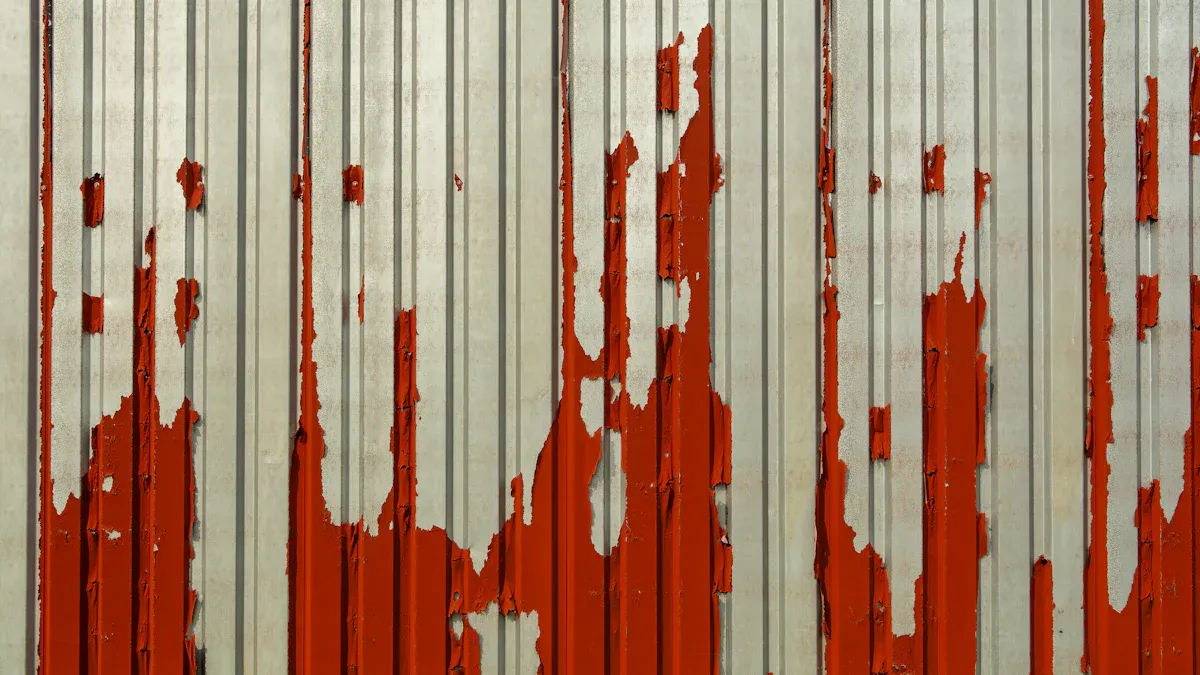
When you look at galvannealed steel, you see a surface covered in zinc. This zinc layer protects the metal from rust, but it also makes it hard for paint to stick. If you want to know how do you paint galvanized steel, you need to understand this barrier. The zinc reacts with air and forms layers of oxide, hydroxide, and carbonate. These layers can stop paint from bonding well.
Tip: Always check for a passivation or quenching layer on galvannealed steel. This invisible film can block paint adhesion. Removing it is tricky, but it is necessary for a strong finish.
You may notice that the way the galvannealed steel was made affects how paint sticks. Some surfaces get a water or chrome quench, which can leave a film that stops coatings from bonding. Light blasting helps remove oxidation without harming the zinc. Good surface preparation is the first step in learning how do you paint galvanized steel.
Typical Paint Adhesion Issues
You might run into several problems when painting galvannealed steel. Here are some common issues:
- Oil-based residue left on the surface can stop paint from sticking. You need to clean it with a strong detergent.
- If you skip surface preparation, rust or old coatings can stay behind and cause peeling.
- Not sanding glossy or baked-on finishes makes it hard for new paint to grip.
- If you do not use a primer, especially on galvannealed steel, the paint may flake or blister.
Galvannealed steel often fails when you use the wrong preparation steps. Scientific studies show that moisture, salts, and dirt on the surface can lead to paint delamination. You should always use a corrosion-resistant primer after cleaning and sanding. This step replaces the protective oil film and helps the paint bond tightly.
If you want to know how do you paint galvanized steel, focus on careful preparation. Clean, roughened galvannealed steel gives you the best chance for long-lasting adhesion.
Etch Primers for Galvanized Steel
Etch Primer Mechanism
When you use etch primers on galvannealed steel, you start a chemical process that helps paint stick. Etch primers, sometimes called wash primers, work by reacting with the surface of galvannealed steel. These primers contain two parts. One part has a resin and pigment, and the other part has an activator with phosphoric acid. When you mix them, the acid reacts with the zinc layer on galvannealed steel. This reaction removes surface oxides and creates a rough, active surface. The primer etches into the galvannealed steel, making it easier for paint to bond. You get better adhesion because the primer cleans and prepares the surface at the same time. Some etch primers use zinc phosphate or zinc tetroxychromate to improve the process. You can also find water-based formulas that meet environmental rules.
Pros and Cons of Etch Primers
Etch primers offer many benefits when you paint galvannealed steel, but they also have some limits. Here is a quick look:
| Aspect | Advantages | Disadvantages / Limitations |
|---|---|---|
| Purpose | Promote adhesion, especially on non-ferrous metals including galvanized steel | Must be overcoated with a fully pigmented primer; do not provide full protection alone |
| Сочинение | Polyvinyl butyral resins, sometimes with phosphoric acid or phenolic resins; pigmented with zinc tetroxychromate or zinc phosphate | N/A |
| Adhesion Improvement | Improves adhesion on galvanized steel and other metals | N/A |
| Protection | Provides temporary protection to ferrous metals | Alone, etch primers do not prevent corrosion or intercoat failures on galvanized steel |
| Specific Challenges | N/A | Zinc coatings can react with acidic oil fragments causing corrosion and intercoat failures; etch primers must be part of a complete coating system |
| Environmental Concerns | N/A | Some traditional primers (e.g., calcium plumbate based) phased out due to lead concerns |
You get strong adhesion and a good base for paint. However, you must use another primer or paint layer on top. Etch primers alone do not stop rust or protect galvannealed steel for a long time.
Best Applications for Etch Primers
You should use etch primers when you want to paint galvannealed steel or other galvanized surfaces. These primers work best after you clean and lightly sand or sweep blast the surface. Here are some tips for using etch primers on galvannealed steel:
- Etch primers create a solid foundation for paint on galvannealed steel.
- Sweep blasting the surface improves texture for better adhesion.
- Apply a thin, even coat of etch primer for full coverage.
- Let the primer cure before you add paint.
- Use industrial-grade paint in thin coats for best results.
- Always finish with a full curing process for lasting performance.
Note: Direct painting on galvannealed steel without a primer often leads to poor adhesion and peeling.
Etch primers help you get a strong, lasting finish on galvannealed steel. You see the best results when you follow each step and use the right products for your project.
Epoxy Primers on Galvanized Steel
Epoxy Primer Bonding Process
When you use epoxy primers on galvannealed steel, you create a strong chemical bond. The primer contains amine curing agents that react with the oxide layers on the surface. These agents attach to zinc, copper, and zirconium oxides found on galvannealed steel. This process forms a tight link between the primer and the metal. You get even better results if you use a Zr-based conversion coating first. This coating adds more roughness and oxygen, which helps the primer stick. Spectroscopic tests show that amine molecules prefer to bond with zinc atoms and copper sites. This chemical reaction gives you a solid base for paint and improves rust resistance.
Advantages and Disadvantages of Epoxy Primers
Epoxy primers offer many benefits when you paint galvannealed steel. You get excellent corrosion resistance and strong adhesion. These primers form a dense, waterproof barrier that keeps out water, acids, and alkalis. You can use them in harsh environments, such as coastal areas or places with high humidity. Field and laboratory tests show that epoxy primers on galvannealed steel resist peeling and blistering. In automotive tests, you must scrape the coating to see failure, which means the bond is very strong. Salt spray and immersion tests also show good anticorrosive behavior. However, if you lower the VOC content or increase the dry film thickness, you may see less chip resistance. All samples can fail under long salt spray exposure, so you need to use them as part of a complete system.
Note: Always prepare the galvannealed steel surface well before applying epoxy primers. Good preparation improves both adhesion and corrosion resistance.
When to Use Epoxy Primers
You should choose epoxy primers for galvannealed steel when you need extra protection. These primers work best in tough environments where you face acids, alkalis, or salt. You can use them on construction sites, machinery plants, or anywhere you want strong rust resistance. Epoxy primers also help when you want a smooth, decorative finish, such as in hotels or exhibition halls. Make sure you clean and treat the galvannealed steel before you start. Proper curing gives you the best results and long-lasting performance.
- Use epoxy primers for:
- High humidity or coastal areas
- Industrial or mechanical settings
- Projects needing strong corrosion resistance and rust resistance
- Decorative or high-end indoor applications
Acrylic Primers for Galvanized Steel
Acrylic Primer Performance
When you want to paint galvannealed steel, you need a primer that can handle the smooth zinc surface. Acrylic primers work well on galvannealed steel because they stick to the zinc coating. The fresh zinc on galvannealed steel feels glassy and slick, so paint does not grip easily. Over time, the zinc changes and paint can stick better, but you may not want to wait months. You can use acid etching or sanding to help the acrylic primer bond to galvannealed steel. Acrylic primers, especially waterborne types, dry fast and clean up with water. They give you strong adhesion on galvannealed steel, even when the surface is hard to coat. Some acrylic-urethane primers, like INSL-X STIX, are made for glossy galvannealed steel and offer great durability. You get a balance of adhesion, rust resistance, and easy use when you pick acrylic primers for galvannealed steel.
Benefits and Drawbacks of Acrylic Primers
Acrylic primers bring many benefits to your galvannealed steel projects. You get quick drying times and easy cleanup. These primers do not have strong odors, so you can use them indoors or outdoors. Acrylic primers resist rust and stick well to galvannealed steel, even when the surface is not perfect. They also work better than alkyd or oil-based primers, which can peel or react with the zinc on galvannealed steel. However, acrylic primers may not protect as long as epoxy primers in harsh weather. You need to prepare the galvannealed steel well by cleaning and sanding. If you skip this step, the primer may not stick, and the paint could peel. Acrylic primers give you a good mix of performance and safety for most galvannealed steel jobs.
| Feature | Acrylic Primers on Galvannealed Steel |
|---|---|
| Drying Time | Fast |
| Adhesion | Excellent with proper prep |
| Rust Resistance | Good |
| Odor | Low |
| Cleanup | Soap and water |
| Best For | Mild to moderate exposure |
Ideal Uses for Acrylic Primers
You should use acrylic primers on galvannealed steel when you want a simple, safe, and effective solution. These primers work best for both indoor and outdoor galvannealed steel surfaces that do not face extreme weather. You can use them on fences, doors, gutters, and even on industrial galvannealed steel parts. Acrylic primers like Vers-Acryl 300 give you flexibility and keep their color and shine. They are great for projects where you want easy maintenance and quick touch-ups. If you need to paint galvannealed steel in places where alkyd primers fail, acrylic primers are the right choice. Always clean and prepare the galvannealed steel before you start. You get the best results when you pair acrylic primers with acrylic or epoxy topcoats. For mild to moderate industrial settings, acrylic primers on galvannealed steel give you lasting protection and a smooth finish.
Zinc-Rich Primers and Galvanized Steel
Zinc-Rich Primer Interaction
When you use zinc-rich primers on galvannealed steel, you get a special kind of protection. These primers have zinc dust mixed into a silicate resin. The resin cures with moisture and forms a hard layer that holds the zinc in place. Here is how zinc-rich primers work on galvannealed steel:
- The zinc in the primer acts as a shield. It corrodes first, so the steel underneath stays safe. This is called cathodic protection.
- Moisture helps the zinc send electrons to the steel. This keeps the steel from rusting, even if the zinc layer is not perfect.
- The silicate resin lets the zinc react with air and water. This forms zinc carbonate salts that fill small holes in the coating and make it stronger.
- The zinc in the primer bonds to the galvannealed steel with the help of the resin. This bond is chemical and mechanical, not like the metallurgical bond in hot-dip galvanizing.
- Over time, the resin cures and the adhesion gets better. This is different from galvanizing, where paint adhesion can get worse.
You get both a barrier and sacrificial protection when you use zinc-rich primers on galvannealed steel. This helps improve paint adhesion and boosts corrosion resistance.
Strengths and Weaknesses of Zinc-Rich Primers
Zinc-rich primers offer many benefits for galvannealed steel, but you should know their limits. The table below shows the main strengths and weaknesses:
| Aspect | Strengths | Weaknesses |
|---|---|---|
| Protection Mechanism | Dual protection: sacrificial zinc and barrier from zinc salts. | Needs high zinc content (≥80%) for best cathodic protection. Lower zinc means less protection. |
| Zinc Content | New additives let you use less zinc (30-36%) and still get good corrosion resistance. | Too much zinc can cause poor adhesion, low gloss, and weak mechanical properties. |
| Primer Type | Organic zinc-rich primers are easy to apply and cure. | Epoxy-based types give shorter protection than ethyl silicate-based ones. |
| Zinc Particle Characteristics | Different shapes and sizes of zinc particles improve adhesion and corrosion resistance. | High zinc can make the coating porous and less sticky. |
| Additives and Modifications | Nanomaterials and zinc alloys can make the primer last longer and stick better. | Cathodic protection does not last as long in water or salty conditions. |
| Environmental and Mechanical | New formulas are better for the environment and have improved adhesion and gloss. | High zinc content can make the coating hard to mix and apply. |
| Overall Performance | Modified primers can match or beat old types with better rust resistance and easier use. | Old high-zinc primers have problems with sticking and smoothness. |
You get strong corrosion resistance and better adhesion with the right zinc-rich primer on galvannealed steel. Watch out for too much zinc, as it can make the coating weak.
Suitable Situations for Zinc-Rich Primers
You should use zinc-rich primers on galvannealed steel in certain situations to get the best results:
- Prime galvannealed steel right after cleaning. This stops zinc oxide from building up and hurting paint adhesion.
- Use zinc-rich primers when regular paints do not stick well to galvanized surfaces.
- Choose these primers for large steel parts where hot-dip galvanizing is too hard or costly.
- Pick zinc-rich primers for marine or salty environments. The porous binder gives more zinc surface area and better corrosion resistance.
- Use them for touch-ups on welds in galvannealed steel. Welds are the most likely spots to rust.
- Zinc-rich primers make it easier to coat galvannealed steel without waiting for long weathering periods.
You get better rust resistance and easier application when you use zinc-rich primers in these cases. Always make sure the surface is clean before you start. This helps the primer stick and gives you the best corrosion resistance for your galvannealed steel project.
Comparing Primer Types for Galvanized Steel
Adhesion Strength Comparison
When you choose a primer for galvanized steel, you want the best adhesion. Each primer type sticks to galvanized surfaces in a different way. Epoxy primers give you the strongest bond. They form a chemical link with the zinc layer. This bond helps the coating stay on the metal, even if you bump or scratch it. Etch primers also work well. They use acid to roughen the surface, so the paint can grip better. Acrylic primers stick to galvanized steel if you clean and sand the surface first. Zinc-rich primers help the coating attach, but they work best when you use them as a base for other paints.
Here is a quick look at how each primer compares:
| Primer Type | Adhesion Strength on Galvanized Steel | Notes |
|---|---|---|
| Epoxy | ⭐⭐⭐⭐⭐ | Best for strong, lasting adhesion |
| Etch | ⭐⭐⭐⭐ | Good, especially after surface prep |
| Acrylic | ⭐⭐⭐ | Needs clean, sanded surface |
| Zinc-Rich | ⭐⭐⭐ | Good as a base, not always for topcoats |
Tip: For the best adhesion, always clean and prepare the galvanized surface before you apply any primer.
Durability and Longevity
You want your coating to last a long time on galvanized steel. Epoxy primers give you the highest coating durability. They protect against water, chemicals, and weather. This makes them a top choice for outdoor or industrial projects. Etch primers help paint stick, but they do not give much corrosion resistance by themselves. You need to add another layer for full protection. Acrylic primers resist rust and fading, but they may not last as long in harsh weather. Zinc-rich primers offer strong corrosion resistance. They protect the steel by sacrificing their own zinc, which slows down rust.
You can see how each primer performs over time:
- Epoxy: Lasts many years, even in tough places.
- Etch: Needs a topcoat for long life.
- Acrylic: Good for mild weather, easy to touch up.
- Zinc-rich: Best for stopping rust, especially on large galvanized parts.
Note: If you want the best corrosion resistance, use epoxy or zinc-rich primers as part of your coating system.
Application Ease
You should think about how easy each primer is to use. Epoxy primers need careful mixing and exact timing. You must follow the instructions, or the coating may not cure right. Etch primers go on in thin coats and dry fast. You can use them with a brush, roller, or spray. Acrylic primers are the easiest. You can clean up with soap and water. They dry quickly and do not smell strong. Zinc-rich primers can be tricky. You need to keep the zinc dust mixed well, or the coating will not protect the steel.
Here is a simple list to help you decide:
- Acrylic: Easiest to use and clean up.
- Etch: Quick to apply, but needs a topcoat.
- Epoxy: Needs careful mixing and curing.
- Zinc-rich: Needs good mixing and skill.
If you want a simple job, pick acrylic or etch primers. For the best protection, use epoxy or zinc-rich primers, but follow the steps closely.
Environmental Factors
When you paint galvanized steel, you need to think about the environment around your project. The weather, air quality, and even the surface of the metal can change how well your primer works. If you want your paint job to last, you must pay attention to these details.
Here are some important environmental factors that affect primer performance on galvanized surfaces:
- Primer Compatibility: Always pick primers made for galvanized steel. Epoxy-polyamide cured primers work well, especially when you follow guides like SSPC Guide 19.
- Application Quality: Make sure you apply the primer evenly. If you let it puddle or sag, you can get weak spots where paint may peel.
- Temperature and Humidity: You need to control the temperature and humidity when you paint. If it is too cold or too damp, the primer may not cure right. This can trap moisture and cause the paint to bubble or flake.
- Surface Preparation: Clean the galvanized surface well. Use solvent wiping or sweep blasting to remove dirt and oils. This step helps the primer stick and keeps the paint from peeling.
- Active Monitoring: Watch the weather and air conditions while you work. Changes in temperature or humidity can cause problems with adhesion.
- Standard Practices: Follow painting standards and guides. These help you match the right primer to the environment where your galvanized steel will be used.
Tip: If you work in a place with salty air, acid rain, or lots of pollution, you need a primer that can handle those tough conditions. Inorganic zinc primers often protect better in these environments because of their special chemistry.
You can see how different environmental factors impact primer performance in the table below:
| Environmental Factor | Impact on Primer Performance on Galvanized Steel |
|---|---|
| Surface Brightness | Shiny surfaces can make it harder for the primer to stick. |
| Grain Size and Orientation | The way the metal grains line up can change how well the coating holds. |
| Surface Roughness | Rougher surfaces help the primer grip better. |
| Surface Contaminants | Dirt, oil, or salt on the surface can cause the paint to fail early. |
| Salt Spray, Water, Humidity | These can break down the primer and cause rust if the coating is not strong enough. |
| Temperature Fluctuations | Big changes in temperature can make the coating crack or peel. |
| Pre-treatment Quality | Good cleaning and pre-treatment help the primer stick and protect against rust. |
| Curing Conditions | Some primers, like inorganic zinc, need moisture to cure. If you do not control the environment, the coating may split or fail. |
| Environmental Pollutants | Salt, acid rain, and air pollution can speed up rust and damage the coating. |
You should always match your primer choice to the environment where your galvanized project will live. If you work near the ocean or in a city with lots of pollution, you need a primer that can resist salt and chemicals. If you paint indoors, you may not need as much protection, but you still need to prepare the surface well.
Remember: There is no one-size-fits-all solution. You must look at your specific environment and choose the right primer for your galvanized steel.
Choosing the Right Primer for Galvanized Steel Projects
Key Selection Factors
When you start a project with galvanized steel, you need to think about several important factors before you choose a primer. Good preparation helps you get the best results and long-lasting protection.
- Always clean the galvanized surface first. Remove dirt, oil, and any other contaminants. You can use white vinegar or acetone for this step.
- Sometimes, you need to roughen the zinc coating. Light sanding or etching helps the primer stick better.
- Pick a primer made for galvanized surfaces. These primers bond well and stop peeling.
- Follow the instructions from the paint supplier or manufacturer. They know which products work best together.
- Make sure the primer and topcoat come from the same brand. This helps you avoid problems with compatibility.
- Think about where you will use the galvanized steel. If you expect high humidity or saltwater, you need a primer that can handle tough conditions.
- Choose the right method for applying the primer. Some primers work better with a brush, roller, or spray.
Tip: If you want to know how do you paint galvanized steel, always start with careful surface preparation. This step makes a big difference in how well the primer and paint will last.
Here is a table to help you remember what to check:
| Selection Criteria | What to Look For |
|---|---|
| Surface Preparation | Clean, degreased, and etched surface |
| Primer Type | Formulated for galvanized steel |
| Environmental Conditions | Humidity, temperature, and exposure to chemicals or salt |
| Application Method | Brush, roller, or spray |
| Compatibility | Primer and topcoat from the same manufacturer |
| Desired Performance | Durability, corrosion resistance, and appearance |
You can achieve high-quality painted finishes on galvanized steel by choosing the right primer and following best practices. Epoxy and etch primers give you the best adhesion and durability.
- Always clean and prepare galvanized surfaces before priming.
- Use primers made for galvanized metal to avoid peeling and extra maintenance.
- Project needs and environment affect your primer choice and the lifespan of your coating.
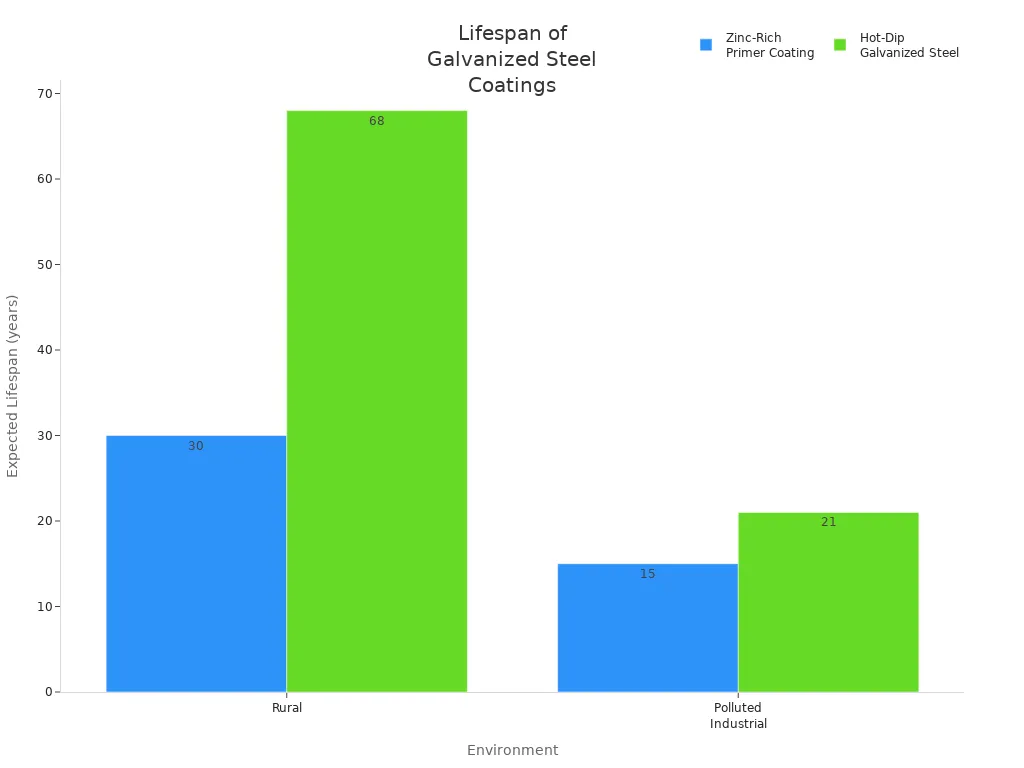
Remember: Skipping proper steps leads to more frequent repainting and higher costs.
Часто задаваемые вопросы
What happens if you paint galvanized steel without a primer?
You will see poor adhesion. The paint may peel or flake quickly. The zinc coating blocks the paint from sticking. Always use a primer made for galvanized steel.
Can you use regular primers on galvanized steel?
No, regular primers do not bond well. You need a primer designed for galvanized surfaces. These primers help paint stick and protect the metal from rust.
How long should you let primer dry before painting galvanized steel?
Most primers need at least 2 to 4 hours to dry. Always check the label for exact times. Dry primer gives you the best paint adhesion.
Do you need to sand galvanized steel before priming?
Yes, light sanding helps the primer stick. Use fine-grit sandpaper. Clean the surface after sanding to remove dust and oils.
Which primer works best for outdoor galvanized steel projects?
Epoxy primers work best outdoors. They resist weather, water, and chemicals. You get long-lasting protection and strong paint adhesion.