
Choosing the right steel for your project means thinking about where you will use it, how much you want to spend, and how long you need it to last. Galvanized steel works well for indoor spaces or outdoor projects with mild weather. Stainless steel stands up to tough conditions and keeps its look over time. The table below shows how galvanized vs steel options compare in key areas:
| Factor | Нержавеющая сталь | Galvanized Steel |
|---|---|---|
| Corrosion | Very high | Good |
| Долговечность | Over 50 years | 25-50 years |
| Cost | Higher upfront | Lower upfront |
| Maintenance | Minimal | Needs upkeep |
You should always look at your project’s location, weather exposure, and long-term needs before choosing between galvanized or stainless steel.
Galvanized vs Steel: What’s the Difference?
Galvanized Steel Overview
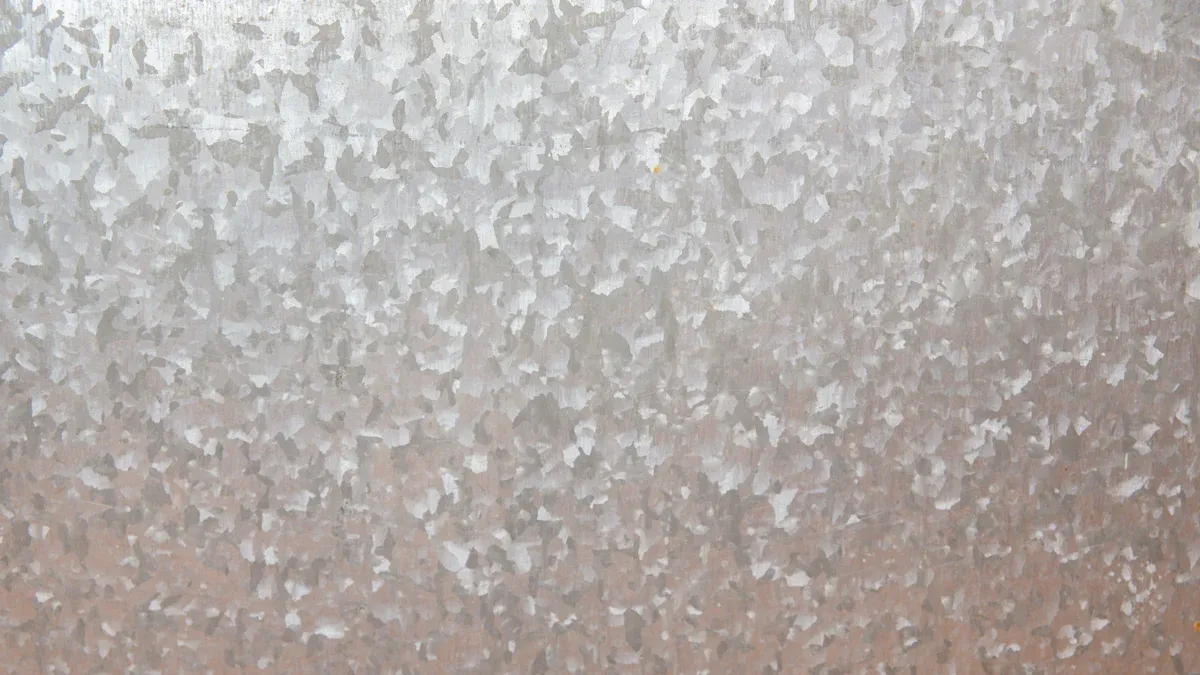
When you look at galvanized steel, you see a material made for protection. Manufacturers start with low-carbon steel and coat it with zinc using a process called hot-dip galvanization. This means they dip the steel into molten zinc, which forms a strong, protective layer. The zinc acts as a shield, stopping rust and corrosion from reaching the steel underneath. You often find galvanized steel in fences, ductwork, and building frames. The zinc layer can wear down over time, especially if you scratch or bend the steel. If you use galvanized steel outdoors, the zinc coating will slowly break down, but it still gives you years of service.
Stainless Steel Overview
Stainless steel stands out because it resists rust and keeps its shine. This metal contains chromium, which forms a thin, invisible layer on the surface. This layer protects the steel from water, air, and chemicals. You see stainless steel in kitchen sinks, medical tools, and even in boats. Different grades of stainless steel exist, such as 304 for general use and 316 for marine environments. Each grade has its own strengths, but all stainless steel types offer strong protection against corrosion. You can weld, cut, or shape stainless steel, and it keeps its protective layer even after these processes.
Key Differences Between Galvanized and Stainless Steel
When you compare galvanized vs steel, you notice several important differences. Galvanized steel uses a zinc coating to protect the base metal. This coating acts as a sacrificial barrier, meaning it will corrode first before the steel does. Stainless steel, on the other hand, relies on chromium to create a lasting, self-healing film that blocks rust. The zinc layer on galvanized steel can wear away, especially in salty or humid places, while the chromium layer on stainless steel stays strong. If you put galvanized steel and stainless steel together in a wet area, the zinc can corrode faster because of a reaction called galvanic corrosion. This happens because the two metals have different electrical charges when moisture is present.
Tip: For projects in harsh or coastal environments, stainless steel gives you better long-term protection. For indoor or less demanding uses, galvanized steel offers a budget-friendly option.
The choice between galvanized vs steel depends on where you use it, how much you want to spend, and how long you need it to last. Both materials are strong, but their protection methods and best uses are different.
Galvanized Steel vs Stainless Steel: Property Comparison
Устойчивость к коррозии
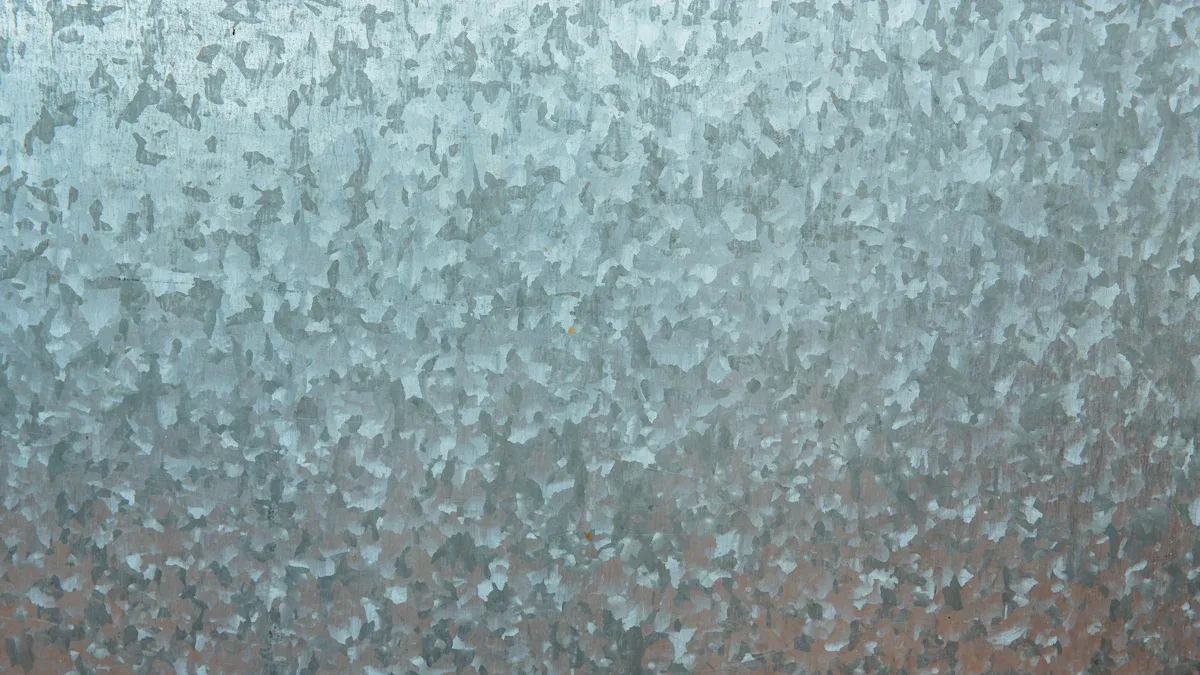
When you choose a metal for your project, corrosion resistance matters a lot. Galvanized steel uses a zinc coating as a protective coating. This layer blocks oxygen and moisture, giving you good corrosion resistance in many settings. If you scratch the surface, the zinc still protects the steel underneath by acting as a sacrificial barrier. However, in salty or marine environments, galvanized steel starts to corrode faster. Warm seawater speeds up this process, and over time, the zinc coating wears away. Once the coating is gone, rust forms quickly.
Stainless steel gives you much better corrosion resistance. The chromium in stainless steel creates a thin, invisible layer called chromium oxide. This layer stops rust and repairs itself if scratched. Higher grades of stainless steel, like those with more chromium, offer even stronger protection. You often see stainless steel used in boats and places with lots of salt or chemicals because it keeps its look and strength for a long lifespan. Stainless steel also looks more attractive than galvanized steel in most cases.
Note: If you need rust protection in harsh or wet places, stainless steel is the best choice. For indoor or less demanding uses, galvanized steel works well and saves money.
Strength and Durability
You want a strong metal that lasts. Stainless steel stands out as a strong metal with high strength and durability. It handles heavy loads and tough conditions. For example, stainless steel bolts have a tensile strength between 100,000 and 150,000 PSI. This makes them perfect for high-stress jobs and places where safety matters.
Galvanized steel is also a strong metal, but its strength comes from the base carbon steel, not the zinc coating. Galvanized bolts usually have a tensile strength around 62,000 PSI. This is enough for many projects, but not as high as stainless steel. The zinc coating does not add strength, but it does help with protection against rust. In harsh environments, galvanized steel loses its durability faster because the coating wears off, exposing the steel to corrosion.
Cost Differences
Cost often plays a big role in your decision. Galvanized steel usually costs less upfront. The process to add a zinc coating is simple and keeps prices low. For projects with a tight budget, galvanized steel offers a good balance of protection and cost. You get a long lifespan in mild conditions without spending too much.
Stainless steel costs more at first. The extra chromium and special alloys raise the price. However, you spend less on maintenance and repairs over time. Stainless steel’s long lifespan and strong rust protection mean you do not need to replace it as often. If you want the best durability and protection, the higher cost of stainless steel pays off in the long run.
Maintenance Requirements
When you choose between galvanized steel and stainless steel, you should think about how much work you want to do to keep your project in good shape. Galvanized steel stands out for its low maintenance needs. The zinc coating on galvanized steel acts as a self-healing shield. If you scratch the surface, the zinc layer repairs itself and keeps rust away. Over a 10-year period, you rarely need to worry about repainting or recoating. Most maintenance for galvanized steel involves fixing spots with fire damage or heavy abrasion. You do not need to repaint because the zinc coating stays part of the metal.
Here is a quick look at the maintenance needs for galvanized steel:
| Aspect | Galvanized Steel Details |
|---|---|
| Lifespan | Over 50 years; 40 years in industrial areas; up to 80 years in dry areas |
| Maintenance Frequency | First maintenance expected after 50 years; average cycle ~15 years |
| Устойчивость к коррозии | Zinc coating protects for 30+ years; corrosion rate 0.1-0.2 microns/year (seaside), 0.01-0.02 (inland) |
| Maintenance Requirements | Minimal; mainly repair fire damage or abrasion; no repainting needed |
| Cost-effectiveness | Saves about 20% annually on maintenance costs compared to painted materials |
Stainless steel also offers strong rust protection. The chromium in stainless steel forms a thin layer that blocks rust and keeps the surface clean. You will find that stainless steel needs even less maintenance than galvanized steel. You do not need to worry about the coating wearing off. Stainless steel keeps its protection even after scratches or cleaning. Over time, you spend less on repairs and upkeep.
Tip: For projects where you want to avoid frequent maintenance, both galvanized steel and stainless steel give you reliable protection. Stainless steel may cost more at first, but it saves you time and effort in the long run.
Appearance and Finish
The look of your project matters, especially if you want it to stand out or match a certain style. Galvanized steel has a unique finish because of its zinc coating. You often see a matte or spangled pattern on the surface. This finish works well for industrial, rustic, or vintage designs. Some people age or blacken galvanized steel to create a historic look. The surface does not show fingerprints easily, which makes it practical for busy areas.
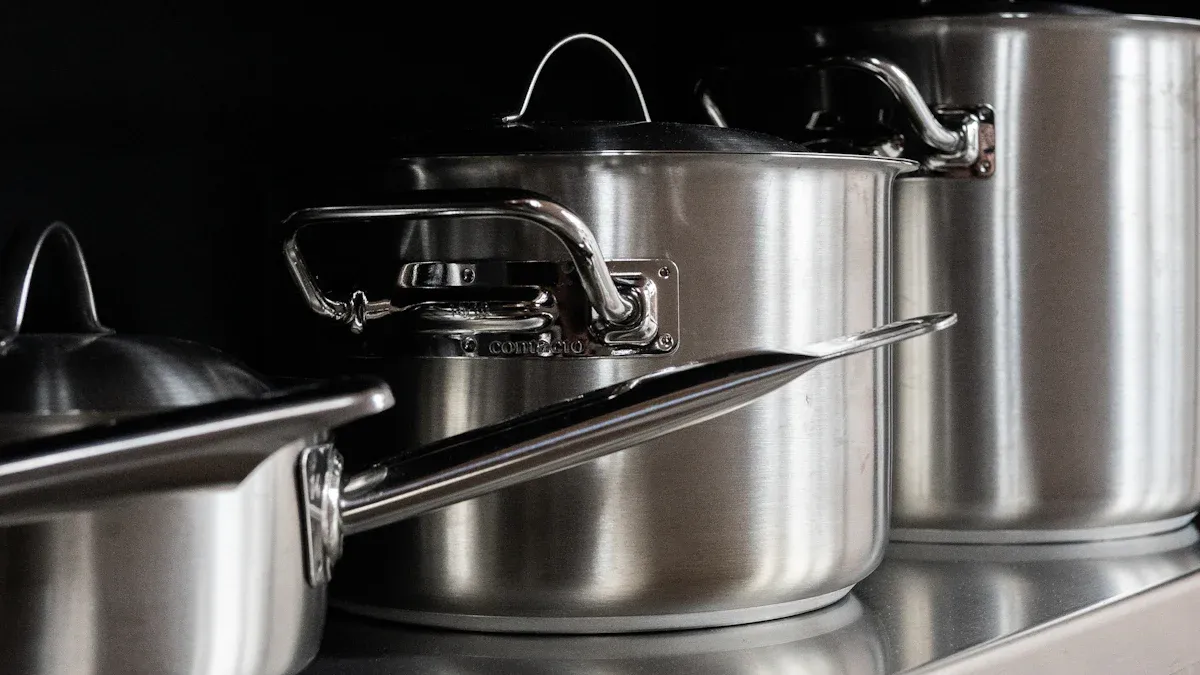
Stainless steel gives you more choices for appearance. You can pick from brushed, shiny, or even mirror-like finishes. These finishes make stainless steel perfect for modern, clean, and high-end designs. Many architects use stainless steel for its bright, smooth look. You can add a protective PVC layer to keep the surface free from marks. Stainless steel is easy to clean, but you may need to wipe it more often to keep it shiny.
- Galvanized steel fits projects with a tight budget or an industrial theme.
- Stainless steel works best when you want a polished, modern, and durable finish.
Note: If you want a surface that hides marks and needs little cleaning, galvanized steel is a smart choice. For a sleek, eye-catching look, stainless steel stands out.
Matching Galvanized Steel or Stainless Steel to Your Project
Outdoor vs Indoor Applications
You need to think about where you will use the metal before you choose. Galvanized steel works well for outdoor jobs that face rain, wind, or humidity. The zinc coating gives strong protection against rust and weather. You often see galvanized steel in construction, like beams, roofing, and outdoor furniture. It also appears in HVAC systems and farm equipment. This makes galvanized a smart choice for outdoor use when you want good durability and a long lifespan without spending too much.
Stainless steel stands out when you want a clean look and less maintenance. You find it in kitchens, factories, and tall buildings. It also works well outdoors, especially where you want a polished finish or need to handle heat and heavy use. Stainless steel costs more, but it gives you better long-term value because it needs less upkeep and keeps its appearance. Both galvanized and stainless steel can handle outdoor environments, but stainless steel gives you more protection and a longer lifespan in tough conditions.
Here is a table to help you match each type to your project:
| Steel Type | Recommended Environment | Typical Applications |
|---|---|---|
| Galvanized Steel | Outdoor | Construction (beams, roofing), automotive parts, outdoor furniture, electrical equipment, HVAC, agriculture |
| Нержавеющая сталь | Indoor or Outdoor | Kitchens, factories, tall buildings, marine applications, areas with heat or heavy use |
| Non-Galvanized Steel | Indoor | Indoor structures, machinery, tools, decorative metalwork |
Tip: For most outdoor jobs, galvanized steel gives you solid protection and saves money. For projects where appearance and minimal maintenance matter, stainless steel is the better choice.
Budget and Cost Considerations
Cost plays a big role in your decision. Galvanized steel is more affordable at first. The process to make it is simple. Manufacturers dip steel into molten zinc, which keeps the price low. This makes galvanized a top pick for large construction projects or when you need to cover a lot of space. For example, you might pay $15 for a long piece of galvanized steel, while a short piece of stainless steel could cost over $100.
Stainless steel costs more because it uses expensive metals like chromium and nickel. The process to make it is complex. You pay more upfront, but you get better durability and less maintenance. Over time, stainless steel can save you money because you do not need to repair or replace it as often. This gives you better long-term value, especially in harsh environments.
| Aspect | Galvanized Steel | Нержавеющая сталь |
|---|---|---|
| Initial Cost | Lower due to simple zinc coating | Higher due to costly alloying elements and process |
| Maintenance | May need more repairs if coating is damaged | Less maintenance needed |
| Lifecycle | Repairs or replacements may be needed | Longer lifespan, lower total cost over time |
- Galvanized steel is best when you need to control costs and cover large areas.
- Stainless steel is worth the higher price if you want less maintenance and a longer lifespan.
Note: If your project has a tight budget, galvanized steel is a smart choice. If you want to invest in durability and value, stainless steel pays off in the long run.
Environmental Factors (Humidity, Chemicals, Salt)
The environment around your project affects how long your metal will last. Galvanized steel does well in many outdoor settings because the zinc coating blocks moisture and slows down rust. In places with high humidity, the zinc layer protects the steel, but if the air stays wet for a long time, the coating can wear away faster. Saltwater, like in coastal or marine areas, speeds up corrosion. Salt mixes with moisture and eats away at the zinc, exposing the steel underneath. Chemicals in the air, such as those from factories, can also break down the zinc coating.
Stainless steel gives you stronger protection in harsh environments. The chromium in stainless steel forms a thin layer that stops rust, even if you scratch the surface. Grades like 304 work well for general use, but for marine applications or places with lots of salt and chemicals, grade 316 is better. It has more molybdenum, which helps fight off pitting and corrosion from saltwater. Stainless steel lasts longer and needs less care in tough conditions.
- High humidity makes galvanized steel corrode faster, especially if the coating is thin or damaged.
- Saltwater and chemicals break down the zinc layer on galvanized steel, so it may not last as long in these places.
- Stainless steel, especially grades 304 and 316, resists corrosion from humidity, salt, and chemicals. It keeps its protection and lifespan even in marine or industrial settings.
- For marine applications or projects near the ocean, choose stainless steel for the best durability and protection.
Callout: If your project faces high humidity, salt, or chemicals, stainless steel is the safer choice. Galvanized steel works well in less aggressive environments but may need more maintenance over time.
Intended Use and Load Requirements
When you plan your project, you need to think about how you will use the metal and what kind of weight it must support. Both galvanized steel and stainless steel offer strong options for many applications. You can use them in places where you need to support heavy loads, such as bridges, walkways, or industrial floors.
- Galvanized steel grating has a zinc coating that boosts its structural integrity. This makes it a good choice for areas with heavy foot traffic or even vehicles. You often see galvanized steel in construction sites, parking garages, and outdoor platforms.
- Stainless steel grating uses a special alloy mix. This gives it excellent strength and durability. You can rely on stainless steel for impact resistance and for supporting heavy loads in places like factories or marine docks.
- Load-bearing needs do not rule out either material. You should also think about corrosion resistance, maintenance, cost, and the environment.
- Galvanized steel works well in industrial and outdoor settings. It gives you cost savings and good corrosion resistance for most weather conditions.
- Stainless steel is the best choice in high humidity or corrosive environments. Its self-healing oxide layer keeps it strong and looking good, even near saltwater or chemicals.
Tip: Always match the metal to your project’s needs. If you expect heavy-duty applications or harsh weather, check both the load requirements and the environment before you decide.
Practical Project Examples
You can see how galvanized steel and stainless steel work in real-world projects. The table below shows where people often choose galvanized steel and why it fits those jobs:
| Industry Sector | Example Projects/Uses | Reason for Choosing Galvanized Steel |
|---|---|---|
| Infrastructure | Bridges, highways, tunnels | Longevity, resistance to environmental elements, minimal maintenance |
| Automotive Industry | Vehicle bodies, structural components | Rust resistance, strength, extended vehicle lifespan, reduced repair costs |
| Agriculture | Barns, fencing, grain silos | Weathering resistance, protection against corrosive materials like animal waste and fertilizers |
| Residential & Commercial Construction | Beams, roofing, exterior cladding | Durability, cost-effectiveness, structural protection |
You often see galvanized steel in construction because it stands up to the weather and lasts for years. In the automotive industry, galvanized steel helps vehicles resist rust and stay strong. Farmers use galvanized steel for barns and fencing because it handles rain, sun, and even animal waste. In homes and offices, builders use galvanized beams and roofing for their durability and low cost.
Stainless steel appears in marine applications, chemical plants, and places with lots of moisture. You might see stainless steel railings on a dock or equipment in a food factory. These projects need extra protection from salt, chemicals, or water. Stainless steel gives you that protection and keeps its shine.
Note: Choose galvanized steel for most outdoor construction, farming, or automotive jobs. Pick stainless steel for marine, chemical, or food-related applications where corrosion is a big risk.
Common Concerns with Galvanized Steel and Stainless Steel
Drawbacks of Galvanized Steel
You might choose galvanized steel for its cost and rust protection, but it does have some drawbacks. One main issue comes from the steel’s chemical makeup. If the steel has high silicon, the zinc coating can become too thick and brittle. This brittle layer may flake or peel off, especially if you bend or scratch the metal. For example, on a small bridge, experts found peeling zinc layers and rust where moisture got through seams. When the coating fails, you see white zinc corrosion and red rust on the steel underneath.
Galvanized steel piping can also fail over time. As the zinc wears away, corrosion speeds up. Hard water, low pH, and mixing galvanized pipes with other metals can make things worse. You might notice leaks, blockages, or lower water pressure. Sometimes, metals like lead or iron can get into the water, which is a health risk. Galvanic corrosion happens when you connect galvanized steel to other metals. The zinc corrodes first, but once it is gone, the steel rusts quickly.
Problems can also come from how you design or build with galvanized steel. Using the wrong type of steel, not venting parts during galvanizing, or rough handling can damage the coating. If you use galvanized steel near the ocean, salt can speed up corrosion. Good design and careful work help prevent these issues, but you still need to watch for coating damage and rust.
Note: Always check for peeling, flaking, or rust on galvanized steel, especially in wet or salty places.
Drawbacks of Stainless Steel
Stainless steel gives you strong rust protection, but it is not perfect. Some problems can be hard to spot. Stress corrosion cracking and crevice corrosion can happen when the metal faces constant pulling or sits in tight spaces. These cracks often start small and stay hidden. You may not see any damage until the part fails. Warm, salty air makes these problems worse, especially for bolts and fasteners.
Other issues include:
- Pitting from dirt or scratches on the surface.
- Corrosion from heat during welding or cutting.
- Galvanic corrosion if you connect stainless steel to metals like brass or copper, especially in wet places.
- Damage from dents, warping, or poor cleaning.
Chloride in water, even in small amounts, can cause stress corrosion cracking. If you use stainless steel bolts with brass or copper, you might see sudden failure. Regular checks and good cleaning help prevent these problems. You should also avoid using stainless steel where it will touch other metals in wet spots.
Tip: Inspect stainless steel parts often, especially if they face stress, heat, or salty air.
Making the Right Choice: Galvanized vs Steel Decision Guide
Quick Decision Checklist
You can make a smart choice between galvanized steel and stainless steel by following a simple checklist. This helps you match the metal to your project’s needs and avoid costly mistakes.
- Check the environment. Will your project face moisture, salt, or chemicals? Stainless steel works better in harsh or coastal areas. Galvanized steel fits most outdoor and indoor uses with less exposure.
- Think about load and strength. Heavy loads or high safety needs may require stainless steel for extra durability.
- Review your budget. Galvanized steel costs less at first, but stainless steel saves money over time with less maintenance.
- Look at fabrication needs. Stainless steel needs special welding and cleaning. Galvanized steel loses its zinc coating when cut or welded, so you must repair those spots.
- Inspect quality. Make sure the steel meets standards like ASTM A123 or ISO 1461. Check for even coatings and no defects.
- Match the look. Choose a finish that fits your design, whether you want a shiny, modern look or a matte, industrial style.
- Plan for sourcing. Make sure you can get the material on time from a trusted supplier.
Tip: Use this checklist as a guide for selecting the right material for your project. It helps you balance cost, performance, and appearance.
When to Consult a Professional
Sometimes, you need expert help to make the best choice. You should talk to a structural engineer or materials expert if:
- Your project must support heavy loads or meet strict safety rules.
- The environment has high moisture, salt, or chemicals.
- You need to follow special codes or standards.
- The project involves high temperatures or pressure, like in boilers.
- You feel unsure about which steel type fits your needs.
A professional can help you avoid problems like corrosion, failure, or extra costs. They know how to match the right steel to your project’s demands.
Both galvanized steel and stainless steel give you different benefits. Stainless steel lasts longer, needs less maintenance, and works better in harsh places. Galvanized steel costs less at first and fits projects with lower risks. You can see the main differences below:
| Feature | Нержавеющая сталь | Galvanized Steel |
|---|---|---|
| Lifespan | Up to 80 years | 25–50 years |
| Maintenance | Minimal | Regular upkeep |
| User Satisfaction | High | Moderate |
When you feel unsure, choose the option that offers better long-term safety and durability. Use the checklist to help you make a smart, confident decision.
- Stainless steel suits tough environments and long-term use.
- Galvanized steel fits budget-friendly, moderate projects.
- Both materials are recyclable, helping the environment.
Часто задаваемые вопросы
What is the main difference between galvanized steel and stainless steel?
Galvanized steel has a zinc coating that protects it from rust. Stainless steel contains chromium, which forms a protective layer. You get better corrosion resistance from stainless steel, especially in harsh environments.
Can you weld galvanized steel and stainless steel?
You can weld both metals, but you must take care. Welding galvanized steel releases zinc fumes, which are harmful. Always work in a well-ventilated area and wear safety gear. Stainless steel needs special welding rods for best results.
Which steel should you use near the ocean?
You should use stainless steel near the ocean. Saltwater breaks down the zinc coating on galvanized steel quickly. Stainless steel, especially grade 316, resists salt and lasts much longer in marine environments.
Is galvanized steel safe for drinking water?
Galvanized steel pipes can release zinc and other metals into water over time. This can affect water taste and safety. For drinking water, you should choose stainless steel or approved plastic pipes.
How do you maintain galvanized and stainless steel?
You should clean both metals with mild soap and water. For galvanized steel, check for scratches or rust spots and repair them. Stainless steel needs less care, but you should wipe it to keep its shine.