
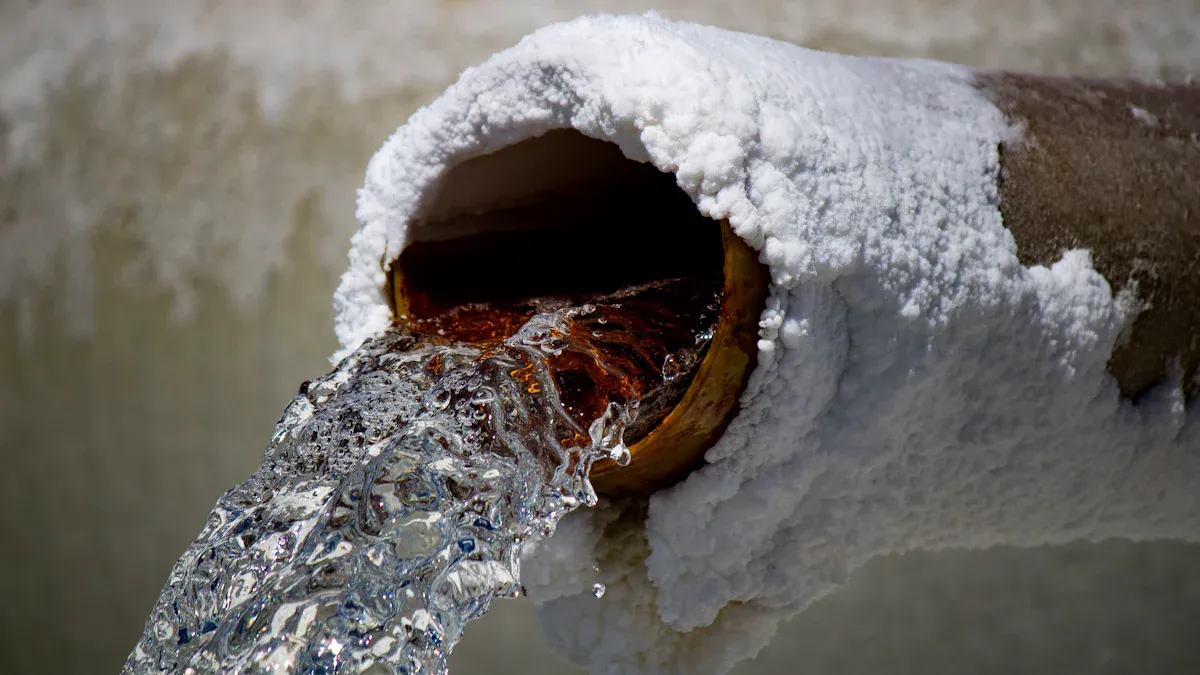
You might have galvanized steel water pipes in your home if you notice grayish pipes with threaded joints near your water meter or basement. Galvanized steel pipes appear in almost half of sampled buildings, showing they remain common. These pipes can hold up to 2% lead in their coating. Studies link galvanized steel water pipe systems to higher lead levels in drinking water, which puts your health at risk. The Flint water crisis showed how galvanized pipes can raise lead exposure and harm children. Replacing galvanized water pipes protects you and your property.
Identifying Galvanized Steel Water Pipes
Visual Clues for Galvanized Steel Water Pipe
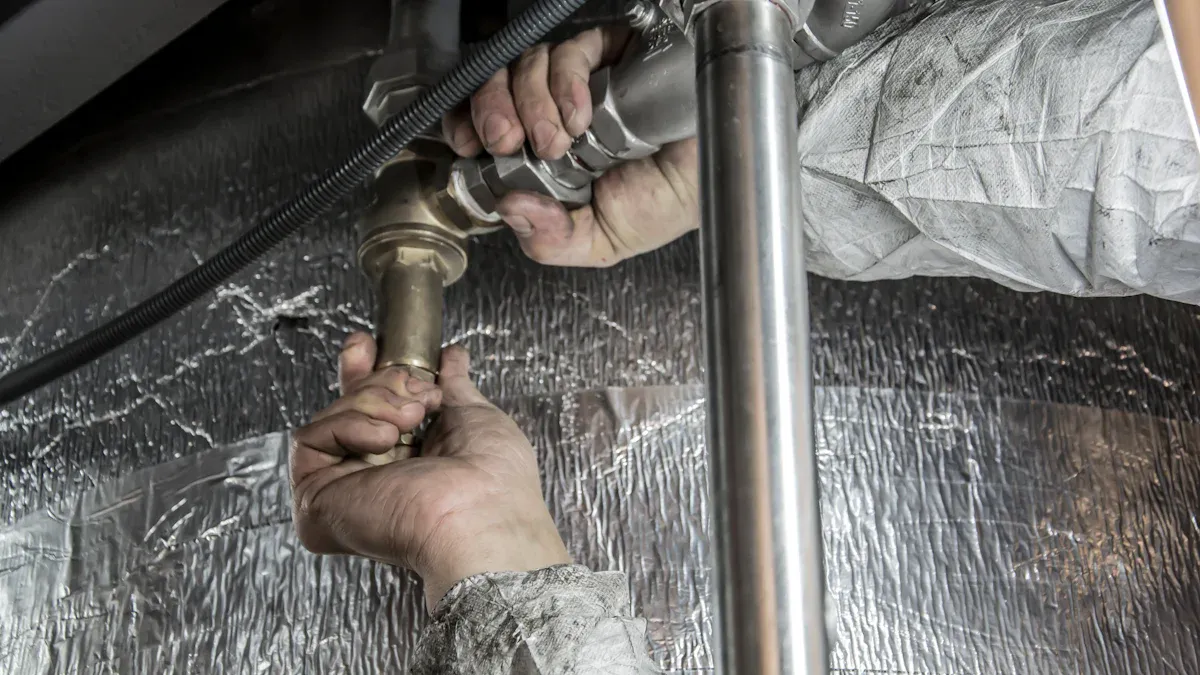
You can spot a galvanized steel water pipe by looking for certain features. These pipes have a dull, silver-gray color and often show rust stains. You may see threaded fittings where the pipes connect. If you tap a galvanized steel water pipe, it makes a metallic “clinging” sound. These pipes look different from copper, lead, or plastic pipes.
Here is a table to help you compare common water supply piping materials:
| Pipe Material | Visual Color | Physical Indicators | Magnetic Properties | Fittings/Connections | Additional Notes |
|---|---|---|---|---|---|
| Galvanized Steel | Dull, silver-gray | Threads at fittings; rust stains | Magnet sticks to pipe | Threaded fittings | Metallic “clinging” sound when tapped |
| Lead | Dull gray | Soft, scratches easily | Magnet does NOT stick | Large, ball-shaped or flared ends | Dull sound when tapped |
| Медь | Penny-like, may patina | Hard surface | Magnet does NOT stick | Soldered, compression, or crimped | May have greenish patina |
| Plastic | Blue, white, or black | Non-metallic, text stamped on pipe | Magnet does NOT stick | Solvent weld, crimping, compression | Dull sound when tapped |
Tip: If you see gray pipes with threaded joints near your water meter or basement, you likely have galvanized steel pipes in your water supply system.
At-Home Tests for Identifying Galvanized Steel Pipes
You can use simple tests to check your water supply piping. Start by looking at the pipe. If it is metallic, try a scratch test with a key or coin. If you see a silver color under the scratch, you may have a galvanized steel water pipe. Next, use a strong magnet. If the magnet sticks, you have found galvanized steel pipes. If the magnet does not stick, the pipe could be lead or copper.
Follow these steps for identifying galvanized steel pipes:
- Check if the pipe is plastic or metal.
- If metal, scratch the surface with a coin.
- Brown or gold color means copper or brass.
- Silver color means you should try the magnet test.
- Place a magnet on the pipe.
- If it sticks, you have a galvanized steel water pipe.
- If it does not stick, the pipe is likely lead.
Note: The American Water Works Association found that about 7.5% of homes have steel or galvanized steel service lines. Studies in Flint, Michigan, used these tests to confirm pipe materials during water supply inspections.
Where to Find Galvanized Steel Water Pipes in Your House
You often find galvanized steel water pipes in older homes. Builders used these pipes for water supply lines many decades ago. Look for them where the main water supply enters your house. This could be through the side of the building, a crawl space, or a slab foundation. Sometimes, you see galvanized pipes near the water meter or in the basement.
- Galvanized water pipes usually run from the street to your home’s water meter.
- The pipes may continue from the meter into your basement or crawl space.
- If your home has old water pipes, check the exposed supply lines for gray, threaded, and magnetic pipes.
- Old galvanized water distribution pipes may be hidden behind walls or under floors, making them hard to spot.
Many water utilities now help customers identify galvanized pipes in their supply lines. You can ask your utility for help or use these steps for how to check your piping material.
If you want to know how to check your piping material, start by looking at the pipes near your water meter and main shutoff valve. Use the scratch and magnet tests to confirm if you have old galvanized pipes in your water supply system.
Community water supply surveys, like those in Flint, used both professional and homeowner inspections to find galvanized steel pipes. These efforts help protect your water quality and health.
Warning Signs and Risks of Galvanized Steel Water Pipes
Water Discoloration and Staining from Galvanized Steel Water Pipes
You may notice your water turning brown, red, or yellow. This is one of the most common signs that you have issues with galvanized steel pipes. When corrosion happens inside these pipes, iron ions enter your water supply. These ions react with oxygen and form rust particles. The rust causes your water to look cloudy or dirty. You might also see stains in your sinks, tubs, or toilets.
- Corrosion of galvanized steel pipes releases iron into your water supply.
- Iron ions oxidize and create rust, which leads to red or brown water.
- Rust particles settle and stain your fixtures.
- Water quality changes with pH, chlorine, and other chemicals in your supply.
- Staining and discoloration are direct signs your galvanized pipes need to be replaced.
If you see these signs, you should inspect for leaks and other issues with galvanized steel pipes.
Low Water Pressure and Flow Issues Caused by Galvanized Steel Water Pipes
You may experience low water pressure when you turn on your faucets or shower. This happens because corrosion and rust build up inside the pipes. Over time, the inside of galvanized steel pipes narrows as minerals and rust collect. This restricts the flow of water through your supply lines. The problem gets worse at threaded joints, where corrosion is faster. Hard water deposits can also clog your pipes and make the issues worse. If you notice weak water flow, especially when using more than one fixture, you likely have issues with galvanized steel pipes.
Leaks, Corrosion, and Pipe Failure Risks
Leaks are a serious risk with galvanized water pipes. Corrosion weakens the pipe walls and causes small holes or bursts. You may not see leaks right away, but they can cause water damage over time. The risk of leaks and failures increases with the age of your supply system and the type of soil around your pipes.
| Factor | GI Pipe Failure Probability Highlights |
|---|---|
| Pipe Material & Diameter | High failure rates for most sizes except very large pipes |
| Land Use | About 0.48 failure probability in both urban and rural supply areas |
| Soil Corrosivity | Highest failure in mildly corrosive soils; rapid failures in harsh soils |
| Water Type Distribution | 99.65% failure probability in fresh water supply |
Other issues with galvanized steel pipes include:
- Galvanic corrosion when pipes connect to other metals, causing leaks.
- Internal rust buildup (tuberculation) leads to deep pitting and pipe wall loss.
- Moisture on cold water pipes can cause hidden external corrosion.
- Pitting at pipe threads allows leaks even if the pipe looks solid.
These issues can also increase the risk of lead contamination in your water supply. Watch for these signs to protect your home and health.
Step-by-Step Guide to Replacing Galvanized Steel Pipes
Preparing for Replacement of Galvanized Steel Water Pipes
You need to prepare carefully before you start replacing galvanized steel pipes. Begin with a thorough inspection of your water supply system. Start at the main water supply line and check each section up to the individual fixtures. Look for signs of corrosion, leaks, and worn-out pipe material. Take notes and photos of any problem areas. This documentation helps you decide which sections need replacement and supports your maintenance records.
Tip: Use a digital tool or app to organize your inspection notes and photos. This makes it easier to share information with a plumber or contractor.
The Environmental Protection Agency (EPA) has guidelines for replacing galvanized steel water pipes, especially when they are part of a lead service line. These guidelines require you to replace the entire length of the affected pipe, not just a section. Partial replacements can leave old pipe behind, which may still cause water quality problems. Always plan for a full replacement when possible.
Here is a checklist to help you prepare for repiping your home:
- Inspect all visible water supply piping for corrosion and leaks.
- Document the condition of each pipe with notes and photos.
- Identify which pipes are galvanized steel and which are other materials.
- Check the main water shutoff valve and make sure it works.
- Plan for water supply interruptions during the replacement.
- Contact your local water utility for information about your service line.
A careful inspection and good documentation help you avoid surprises during the replacement process.
Choosing Modern Replacement Materials
When you replace galvanized pipes, you have several modern materials to choose from. Each material has its own strengths and weaknesses. You want a material that lasts a long time, resists corrosion, and keeps your water safe.
Here is a comparison of common piping materials:
| Материал | Longevity & Durability | Corrosion Resistance & Safety | Key Advantages | Key Drawbacks |
|---|---|---|---|---|
| Galvanized Steel | Durable at first, but rusts over time | Prone to internal rusting, affects water quality | Strong, good for outdoor use | Rust causes blockages, not used in new homes |
| PEX | Long service life, flexible | Excellent corrosion resistance, no pinhole leaks | Easy to install, flexible, safe for water | Not for outdoor use, needs special tools |
| Медь | Very durable, long-lasting | Excellent corrosion resistance, safe for drinking | Good for hot and cold water, safe | Costs more, needs skilled installation |
| Cast Iron | Lasts over 50 years, very strong | Resists fire and high pressure | Reduces noise, very strong | Heavy, hard to install |
Modern materials like PEX and copper usually last longer and keep your water supply safer than galvanized steel. PEX is flexible and easy to install, which can lower labor costs. Copper is strong and safe for drinking water, but it costs more and needs a skilled installer. Cast iron is very durable but is heavy and best for large buildings.
Note: Stainless steel pipes also last longer than galvanized steel, especially in harsh environments. They resist corrosion better and need less maintenance.
Choose the material that fits your budget, your water supply needs, and your local building codes.
Removing Old Galvanized Steel Water Pipes
You must remove the old galvanized steel water pipes before installing new ones. This step can be challenging, especially in older homes where pipes may be hidden behind walls or under floors. Start by shutting off the main water supply. Drain the water from your pipes by opening the lowest faucet in your home.
Follow these steps to remove old galvanized steel pipes:
- Turn off the main water supply and drain the system.
- Use a pipe wrench to loosen the threaded joints on the galvanized pipes.
- Cut the pipes into sections if needed, using a reciprocating saw or pipe cutter.
- Remove each section carefully to avoid damaging nearby pipes or fixtures.
- Check for hidden pipes behind walls or under floors. You may need to open up walls or ceilings to reach all the old piping.
- Dispose of the old galvanized steel pipes according to local regulations.
Caution: Old galvanized pipes can be heavy and may contain rust or lead. Wear gloves and a mask to protect yourself from dust and debris.
Some homeowners consider repairing only the most damaged sections of pipe. This approach can save money in the short term. For example, using nitrogen to control corrosion costs much less than full replacement and can extend the life of your pipes by up to four times. However, this method only works if most of your pipes are still in good condition. If you want to avoid future leaks and water supply problems, full replacement is usually the best choice.
Here is a table comparing the costs and benefits of repair versus full replacement:
| Step/Factor | Details/Values |
|---|---|
| Corrosion Localization | Only 20-25% of piping usually severely corroded |
| Repair Strategy | Replace only the most damaged sections |
| Corrosion Control Method | Nitrogen inerting to remove oxygen |
| Cost Comparison | Nitrogen costs less than 10% of full replacement |
| ROI Period | Under 2 years |
| Annual Savings | Substantial savings possible |
| Cost Metrics | Replacement: $3.00-$5.00 per sq ft; Nitrogen: $0.20-$0.40 per sq ft; Repair costs vary |
| Service Life Multiplier | 4X life extension with nitrogen corrosion control |
| Decision Variables | Tolerance for leaks, severity of corrosion, cost, and corrosion location |
Most experts recommend full replacement if you want to protect your water supply and avoid future repairs. Repiping your home with modern materials gives you peace of mind and better water quality for years to come.
Installing New Pipes and Ensuring Proper Replacement
You have removed the old galvanized steel pipes. Now you need to install new pipes and make sure the replacement is done right. This step is important for the safety and reliability of your water supply. You want to follow industry standards and proven techniques to avoid leaks and future problems.
Start by choosing the right type of pipe for your home. PEX and copper are the most common choices for repiping. PEX is flexible and easy to install. Copper is strong and lasts a long time. Make sure you follow your local building codes when selecting materials.
When you begin installing the new pipes, use these steps to ensure proper replacement:
- Measure and cut the new pipes to fit the layout of your home.
- Dry-fit all sections before making permanent connections. This helps you check for proper alignment.
- Use threaded fittings with Teflon tape or pipe dope on all threads. This prevents leaks at the joints.
- Tighten each connection by hand first, then use a wrench for a snug fit. Do not overtighten, as this can damage the threads.
- After assembling each section, test for leaks by turning on the water supply slowly. Watch each joint closely.
- If you find a minor leak, try tightening the connection slightly. If the leak continues, disassemble the joint, inspect for damage, and reapply Teflon tape before reconnecting.
- Replace entire sections if you see corrosion or repeated leaks.
- Conduct a final inspection of all new pipes and joints before closing up walls or floors.
Regular inspections and maintenance help extend the life of your new pipes. You should check for leaks and corrosion every year.
Some homes use trenchless rehabilitation methods like Cured-in-Place Pipe (CIPP) or sliplining. These techniques create a new pipe inside the old one. They reduce the need for digging and can last 50 years or more. If you want less disruption during replacement, ask your plumber about these options.
Repiping your home with modern materials gives you better water quality and fewer plumbing problems. You protect your property and your health by following these steps.
When to Call a Professional for Replacing Galvanized Steel Pipes
You may wonder when should you replace galvanized steel pipes yourself and when to call a professional. Some jobs are too complex or risky for a DIY approach. Professional plumbers have the tools and experience to handle difficult situations.
Consider calling a professional if you notice any of these signs:
- You see visible rust spots or crusts on your pipes.
- Your water looks discolored or smells bad.
- You have low water pressure in several areas of your home.
- Water tests show iron or lead contamination.
- You find leaks in hard-to-reach places, such as behind walls or under floors.
Replacing galvanized steel pipes often requires cutting into walls, working in tight spaces, and handling heavy materials. Mistakes can lead to water damage or expensive repairs. Many cities require licensed plumbers for this type of work. Professionals know how to avoid damaging other pipes, yard fixtures, or tree roots during excavation.
When you hire a plumber, follow these tips:
- Verify the plumber has up-to-date insurance and a valid license.
- Check online reviews and testimonials to see if others trust their work.
- Confirm the plumber has experience with similar replacement projects.
- Ask for a free estimate before agreeing to the job.
- Do not choose based only on price. Consider the plumber’s reputation and experience.
A professional inspection and water quality test can help you decide if you need full replacement or just repairs. Plumbers use special tools to measure water pressure and check for hidden leaks.
If you feel unsure about any part of the repiping process, it is safer to call a professional. You protect your home and your family’s health by making the right choice.
Costs, Safety, and Challenges of Replacement
Typical Costs for Replacing Galvanized Steel Pipes
You may wonder how much it costs to replace galvanized steel water pipes. The price can change a lot based on your home’s size and the complexity of your plumbing. For a small home, you might pay around $4,500 for a full replacement. Larger homes or more complex jobs can cost up to $15,000 or more. These prices include both labor and materials.
Here is a table to help you understand the main cost factors:
| Cost Component | Cost Range / Percentage |
|---|---|
| Galvanized Steel Pipe Material | $2 to $10 per linear foot |
| Labor Share of Total Cost | 35% to 40% |
| Trenched Water Line Replacement | $50 to $250 per linear foot |
| Trenchless Water Line Replacement | $50 to $200 per linear foot |
Labor makes up a big part of the total cost. The method you choose, such as trenchless or trenched replacement, also affects the price. Always ask for a detailed estimate before starting work.
Safety Considerations During Replacement
Safety should be your top priority during any pipe replacement project. You need to turn off the main water supply before you begin. Wear gloves and a mask to protect yourself from dust and old pipe debris. Old galvanized pipes can contain rust and sometimes even lead. If you plan to cut into walls or floors, make sure you know where electrical wires and gas lines are located.
Tip: If you feel unsure about any step, call a licensed plumber. Professionals have the right tools and training to handle safety risks.
Keep your work area clean and remove any sharp pieces of old pipe right away. This helps prevent injuries and keeps your home safe during the project.
Common Challenges in Replacement and How to Overcome Them
You may face several issues when replacing galvanized steel pipes. Corrosion is a major problem. It can cause pipes to break or stick together, making removal harder. Sometimes, you find hidden pipes behind walls or under floors. These spots can be tough to reach.
Other common issues include:
- Poor material selection in the past, which can lead to faster corrosion.
- Changes in water chemistry, such as low pH or high chloride levels, that speed up pipe damage.
- Improper maintenance, which can cause more leaks and blockages.
- Old pipes that break apart during removal.
To overcome these challenges, choose the right materials for your new pipes. Monitor your water quality and schedule regular maintenance. Clean your pipes and fixtures to control buildup. If you run into problems you cannot fix, contact a professional plumber for help.
Regular inspections and good planning help you avoid most replacement issues and keep your water system working well.
You gain many benefits of replacing galvanized pipes in your home.
- You get improved water quality and fewer leaks.
- Modern pipes last longer and need less maintenance.
- Your home’s value increases, and buyers feel more confident.
Watch for signs like low water pressure or rusty water. Regular inspections help you spot these signs early.
If you see leaks or hidden corrosion, call a licensed plumber for help. Acting now protects your health and property.
Часто задаваемые вопросы
How do you know if your pipes are galvanized steel?
You can check the color and fittings. Galvanized steel pipes look gray and have threaded joints. Try a magnet. If it sticks, you likely have galvanized steel. Scratch the pipe. If you see silver under the surface, it is probably galvanized steel.
Can you replace only part of the galvanized steel pipes?
You can replace just a section, but experts recommend full replacement. Old sections left behind can still rust and leak. Full replacement gives you better water quality and fewer future problems.
How long does it take to replace galvanized steel pipes?
Most homes need one to five days for a full replacement. The time depends on your home’s size and how easy it is to reach the pipes. Professionals work faster and safer than most DIY projects.
Is it safe to drink water from galvanized steel pipes?
Water from galvanized steel pipes can contain rust and sometimes lead. Drinking this water may not be safe, especially for children. You should test your water and consider replacing old pipes for better safety.
What is the best material to replace galvanized steel pipes?
Most plumbers recommend PEX or copper. PEX is flexible and easy to install. Copper lasts a long time and keeps water safe. Always check your local building codes before choosing a material.