
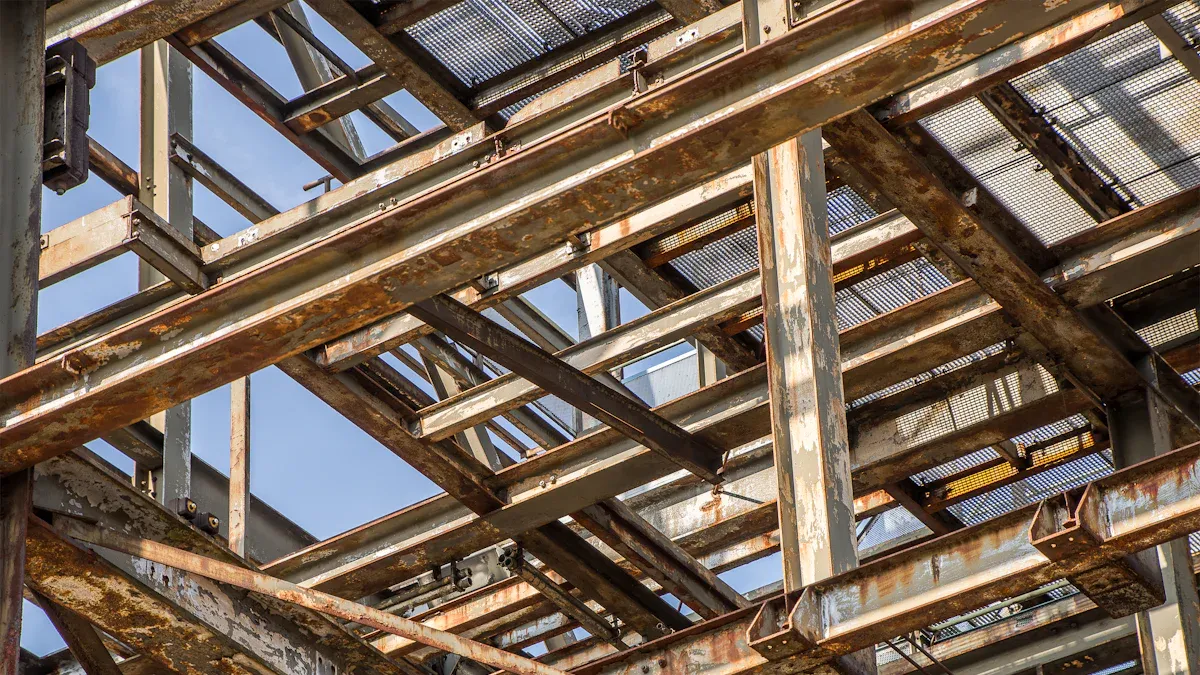
When you allow steel and aluminum to come into direct contact, you set the stage for galvanic corrosion. This process involves an electrochemical reaction that can cause serious problems in building projects. You may notice the following issues:
- Compromised structural integrity from weakened metal parts
- Aesthetic damage like staining or pitting
- Impaired functionality in joints and connections
Steel aluminium galvanic corrosion often leads to higher repair costs and safety concerns. Preventing contact between these metals helps you avoid these risks.
Prevent Galvanic Corrosion: Key Steps for Construction
Avoid Direct Metal-to-Metal Contact with Insulating Materials
You can prevent galvanic corrosion by stopping direct contact between steel and aluminum. When these metals touch, especially in the presence of moisture, you create a path for dissimilar metal corrosion. This process can quickly damage your building project. To break this path, use insulating materials as barriers.
Some of the most effective insulating materials include:
- Plastic washers
- Rubber gaskets
- Teflon coatings
These non-conductive barriers keep steel and aluminum apart. They stop the flow of electrical current that causes dissimilar metal corrosion. You should never rely on paint alone as an insulator. Paint can chip or wear away, allowing contact and starting the corrosion process. Always use a physical barrier to separate dissimilar metals.
Tip: Always check that your insulating materials cover the entire area where steel and aluminum might touch. Even a small gap can allow galvanic corrosion to start.
Use Plastic Washers, Gaskets, and Corrosion Protection Tapes
Plastic washers and rubber gaskets act as shields between steel and aluminum. They prevent direct contact and block the electrical current that leads to dissimilar metal corrosion. You can also use corrosion protection tapes, such as polypropylene tape, to wrap joints and fasteners. These tapes create a thin but strong barrier.
Here is a simple checklist for using these materials:
- Place plastic or nylon washers and sleeves on all fasteners joining steel and aluminum.
- Add EPDM or rubber gaskets between metal surfaces.
- Wrap exposed joints with corrosion protection tape for extra safety.
Combining these steps with regular maintenance helps you prevent galvanic corrosion. You should also use coatings like epoxy or anti-corrosion primers on both metals for added protection. Remember, using several layers of defense works better than relying on just one method.
Apply Corrosion-Inhibiting Pastes and Sealants
You can add another layer of defense by using corrosion-inhibiting pastes and sealants. While primers and coatings are the main tools for corrosion protection, sealants help keep out moisture at joints and seams. Moisture is a key factor in dissimilar metal corrosion, so blocking it is important.
For steel, you should use zinc-rich primers or epoxy-based coatings. For aluminum, anodizing with a sealed finish and epoxy primers works well. These coatings form a barrier that slows down galvanic corrosion. In some cases, you can use sealants to fill gaps and keep water away from metal joints. This step is especially useful in harsh environments, like coastal areas.
Note: Always prepare surfaces before applying any paste, sealant, or coating. Clean, dry surfaces help these products stick better and last longer.
By following these steps, you can prevent galvanic corrosion and protect your building project from costly repairs. Using the right insulating materials, washers, tapes, and coatings gives you the best chance to stop dissimilar metal corrosion before it starts.
Protective Coatings to Stop Steel Aluminium Galvanic Corrosion
Paints, Primers, and Anodizing for Aluminum
You can protect aluminum from steel aluminium galvanic corrosion by using paints, primers, and anodizing. The Aluminum Design Manual recommends painting or coating aluminum surfaces, especially when they touch concrete or other metals. Powder coating gives you a tough, even layer that stands up to UV rays, moisture, and chemicals. This method works well for building projects because it creates a strong barrier. Anodizing thickens the natural oxide layer on aluminum. This process makes the surface harder and more resistant to corrosion. In harsh environments, anodizing can extend the life of aluminum parts much longer than untreated metal. Paints and primers on aluminum siding usually last about 8-12 years, while on general surfaces, they last 4-6 years. Anodized aluminum often lasts even longer, especially if you seal the finish.
Coating Galvanized Steel Before Contact
Galvanized steel uses a zinc coating to protect against steel aluminium galvanic corrosion. This zinc layer acts as a shield, keeping water away from the steel. If the coating gets scratched, the zinc corrodes first, saving the steel underneath. You often see galvanized steel and aluminum used together in building panels. In mild environments, this combination does not cause much extra corrosion. In very humid or salty areas, you should add electrical insulation or extra coatings. Zinc-rich paints or alloy coatings like Galvalume give even more protection. These coatings form hard oxides and provide sacrificial protection, which means the zinc corrodes instead of the steel or aluminum.
Application Tips for Lasting Protection
You get the best results by following good practices when applying coatings. Always clean and dry the metal surfaces before you start. Use powder coating for a tough, scratch-resistant finish. Galvanizing adds a sacrificial layer that protects both steel and aluminum. Paints and varnishes block moisture and oxygen from reaching the metal. Regular cleaning and inspection help you spot damage early. Fix any scratches or cracks in the coating right away. Design your project to avoid places where water can collect. Use corrosion-resistant fasteners and seal joints well. Insulate dissimilar metals to stop direct contact. These steps help you keep strong corrosion resistance and prevent steel aluminium galvanic corrosion in your building projects.
Tip: Regular maintenance and quick repairs keep your coatings working and extend the life of aluminium and galvanized steel assemblies.
Choosing Compatible Fasteners and Materials to Prevent Galvanic Corrosion
Select Stainless Steel Fasteners with Insulation
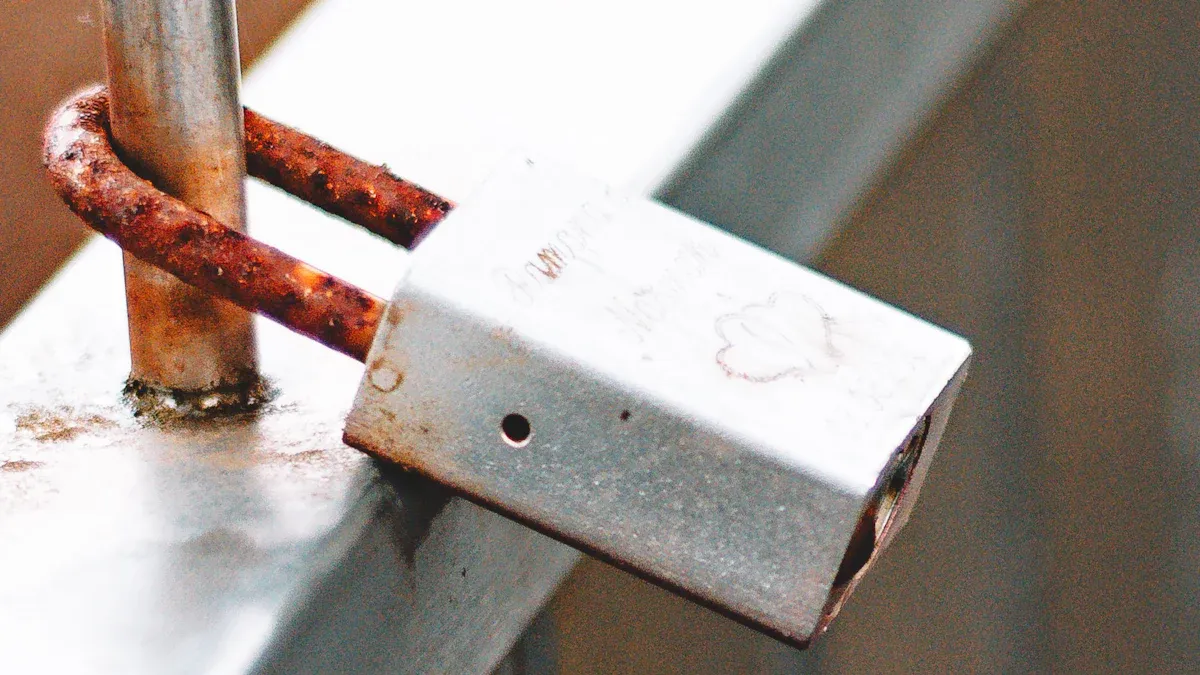
You can use stainless steel fasteners for strong and lasting connections. Stainless steel resists rust and works well in many environments. However, when you use stainless steel with aluminum, you must add insulation. Dissimilar metal corrosion happens when these metals touch and moisture is present. Aluminum acts as the anode and corrodes faster. To stop this, place rubber or plastic washers and gaskets between the metals. You can also use anti-seize compounds or corrosion-resistant coatings. These barriers keep the metals apart and block the flow of electrical current. In marine or outdoor projects, choose 316 stainless steel for the best protection. Always check your fasteners during regular inspections to make sure the insulation stays in place.
Tip: Use insulating washers or gaskets every time you join stainless steel and aluminum. This simple step helps prevent dissimilar metal corrosion.
Material Pairing and Sacrificial Anodes
Choosing the right fastener material is important for stopping galvanic corrosion. Some fasteners work better with steel and aluminum. Here are good options:
- Coated steel fasteners with zinc or similar coatings
- Electroplated (galvanized) steel fasteners
- Aluminum fasteners for aluminum parts (for lighter loads)
- Non-metal fasteners like plastic or composite for special cases
You can also use sacrificial anodes to protect your assembly. Sacrificial anodes are more reactive metals that corrode first, saving your steel and aluminum parts. Aluminum alloy anodes, such as Navalloy™, work well for assemblies with both metals. They provide enough protection without causing damage. Zinc and magnesium anodes are also used, but aluminum alloys offer the best balance for most building projects. Always make sure the anode has good electrical contact with the metals you want to protect.
Proper Fastener Alignment and Tightening
Correct fastener alignment and tightening help reduce dissimilar metal corrosion. Start by hand-tightening fasteners to line up the parts and avoid cross-threading. Use a crisscross pattern to spread the load evenly. Finish tightening with a torque wrench to reach the right tension. This prevents over-tightening or under-tightening, which can damage the barrier or let moisture in. Use nuts and washers made from compatible materials. Avoid copper or brass, as they can speed up galvanic corrosion in dissimilar metal combinations. Apply anti-seize compounds to lower friction and stop galling. These steps help keep your connections strong and slow down dissimilar metal corrosion.
Regular checks and maintenance help you spot early signs of corrosion, such as pitting or discoloration, so you can fix problems before they get worse.
Managing Environmental Exposure to Reduce Galvanic Corrosion
Control Moisture and Salt in Construction Environments
You can lower the risk of galvanic corrosion by controlling moisture and salt around your building site. When humidity rises above 70%, steel corrodes much faster, especially if temperatures stay above freezing. Salt in the air or water makes things worse. Salt acts as a strong electrolyte, helping electrons move between steel and aluminum. This speeds up corrosion, especially in coastal or humid areas. Aluminum will corrode first, while steel stays protected. You should always try to keep metal surfaces dry and clean. Use barriers, coatings, and sacrificial materials to block moisture and salt. Regular cleaning and drying help reduce the risk of corrosion.
Tip: In marine environments, rinse metal surfaces with fresh water to remove salt deposits and slow down corrosion.
Site Planning and Installation Best Practices
Good planning and smart installation choices help you avoid the risk of galvanic corrosion. Start by picking metals that are close together in the galvanic series. This reduces the difference in electrical potential and slows corrosion. Always use insulating materials like gaskets or plastic spacers between steel and aluminum. Apply protective coatings such as paint, anodizing, or zinc plating before assembly. Add drainage features like weep holes to prevent water from pooling. Smooth surfaces and allow air to flow so moisture dries quickly. Design your project for easy inspection and maintenance. Make sure you can reach joints and fasteners to check for early signs of corrosion. Follow industry standards and keep records of your material choices and corrosion prevention steps.
- Select metals with similar electrochemical properties.
- Use non-conductive barriers between dissimilar metals.
- Apply protective coatings before installation.
- Add drainage and aeration to reduce moisture.
- Plan for easy inspection and maintenance.
Cleaning and Surface Preparation for Better Protection
Proper cleaning and surface preparation make your corrosion prevention methods work better. Dirt, oil, and rust stop coatings from sticking to metal. You should remove all contaminants before applying any paint, primer, or sealant. Use mechanical cleaning like sanding or wire brushing to get rid of rust and debris. Chemical cleaning removes grease and oils. Conversion coatings, such as anodizing for aluminum, add a protective layer and improve adhesion. Clean surfaces help coatings last longer and protect against corrosion. Always choose safe cleaning methods to protect workers and the environment.
- Remove all oils, grease, and rust before coating.
- Use abrasive blasting or wire brushing for tough debris.
- Apply conversion coatings to improve corrosion resistance.
- Make sure surfaces are dry and clean before assembly.
Clean, well-prepared surfaces give you the best chance at long-lasting protection and lower the risk of corrosion.
Regular Inspection and Maintenance for Steel Aluminium Galvanic Corrosion
What to Look for During Routine Inspections
You need to check your building project regularly for early signs of steel aluminium galvanic corrosion. Routine inspections help you catch problems before they become serious. When you look at joints and connections, pay close attention to these warning signs:
- Visible rust or corrosion on the aluminum or steel
- Pitting on the metal surface, which looks like small holes or craters
- Fast material loss around points where steel and aluminum touch
You may also notice discoloration or stains near the joints. These signs often mean that localized corrosion has started. If you see any of these issues, take action right away. Early repairs can save you time and money.
Tip: Use a flashlight and a magnifying glass to spot small pits or rust that might be hard to see.
Maintenance Routines to Prevent Galvanic Corrosion
You can stop steel aluminium galvanic corrosion from spreading by following a good maintenance routine. Start by inspecting all joints and contact points at least once a year. In coastal or polluted areas, check more often. Clean surfaces with soft brushes and purified water to remove salt, dirt, and moisture. This keeps protective coatings in good shape.
Here are some proven steps to keep your project safe:
- Replace worn or damaged insulating materials like gaskets and spacers.
- Reapply protective coatings if you see chips or scratches.
- Use ultrasonic testers or corrosion sensors to find hidden corrosion.
- Train your team to spot early signs of corrosion and know how to fix them.
- Make sure all parts are easy to reach for inspection and repair.
- Use dielectric insulation materials, such as neoprene or nylon washers, to separate steel and aluminum.
- Apply corrosion inhibitors like zinc-rich coatings to slow down corrosion.
- Keep drainage and ventilation clear to prevent moisture buildup.
You should also use compatible fasteners and avoid crevices where water can get trapped. In high-risk areas, add extra protection like sealants or sacrificial anodes. These steps help you extend the life of your building and keep it safe.
Regular maintenance is the best way to protect your investment and avoid costly repairs caused by steel aluminium galvanic corrosion.
You can protect your building project from steel and aluminum galvanic corrosion by following a few simple steps. Separate metals with insulating materials, use protective coatings, choose compatible fasteners, control moisture, and inspect connections often. These actions help you avoid costly repairs and extend the life of your structure. Investing in corrosion-resistant metals may cost more at first, but you save money over time by reducing maintenance and replacements. If you have questions or need expert advice, reach out to a corrosion specialist for guidance.
Perguntas frequentes
What is galvanic corrosion?
Galvanic corrosion happens when two different metals touch and moisture is present. You see one metal corrode faster than the other. This often occurs with steel and aluminum in building projects.
Can you stop galvanic corrosion without coatings?
Yes, you can use plastic washers, rubber gaskets, or other insulating materials. These barriers keep steel and aluminum apart. You block the electrical current that causes corrosion.
How often should you inspect for corrosion?
You should inspect joints and connections at least once a year. In coastal or humid areas, check every six months. Early detection helps you fix problems before they get worse.
Which fasteners work best with steel and aluminum?
Stainless steel fasteners with plastic or rubber washers work best. You avoid direct metal contact. You also reduce the risk of corrosion.
Does rainwater increase galvanic corrosion?
Yes, rainwater can speed up corrosion. Water acts as an electrolyte. You should keep metal surfaces dry and use protective barriers to slow down the process.