
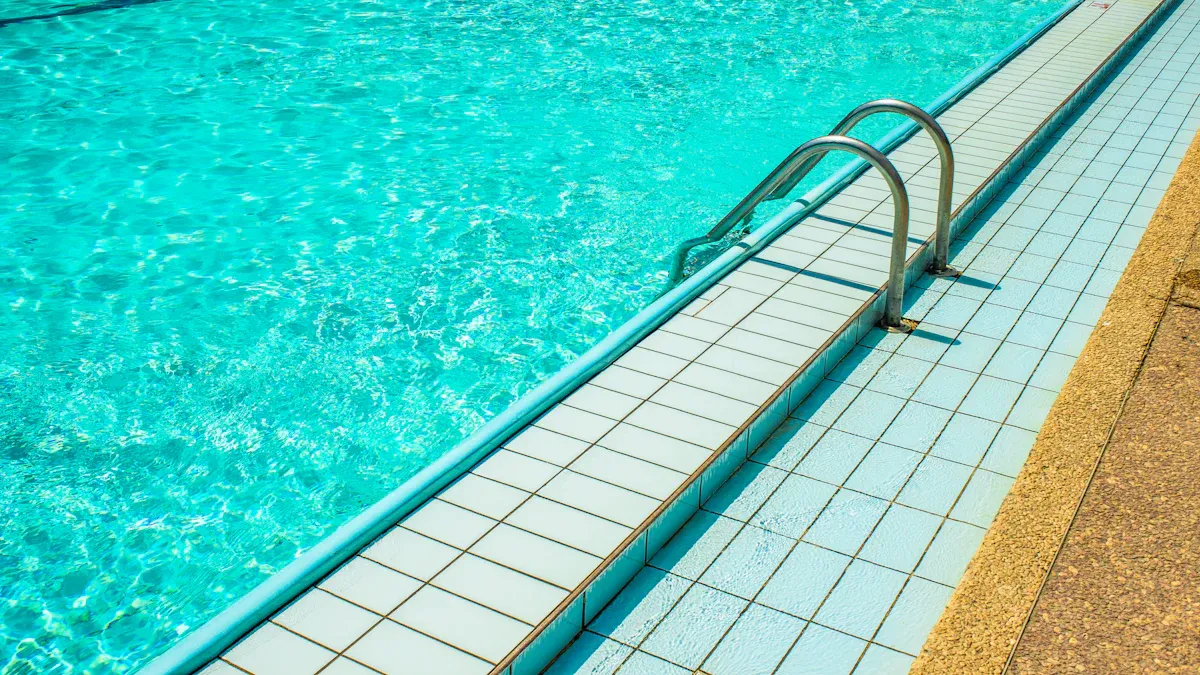
You might choose galvanized steel swimming pools if you want strong, long-lasting support and a modern look in your backyard. These galvanized pools work well for families who want a permanent pool that stands up to regular use and harsh weather. If you live near the ocean or in a humid area, you may want to consider other options, as galvanized pools need extra care to prevent rust. Look at the main deciding factors:
- Durability and strength
- Affordability and cost
- Maintenance needs
- Installation process
- Pool aesthetics
Pros of Galvanized Steel Swimming Pools
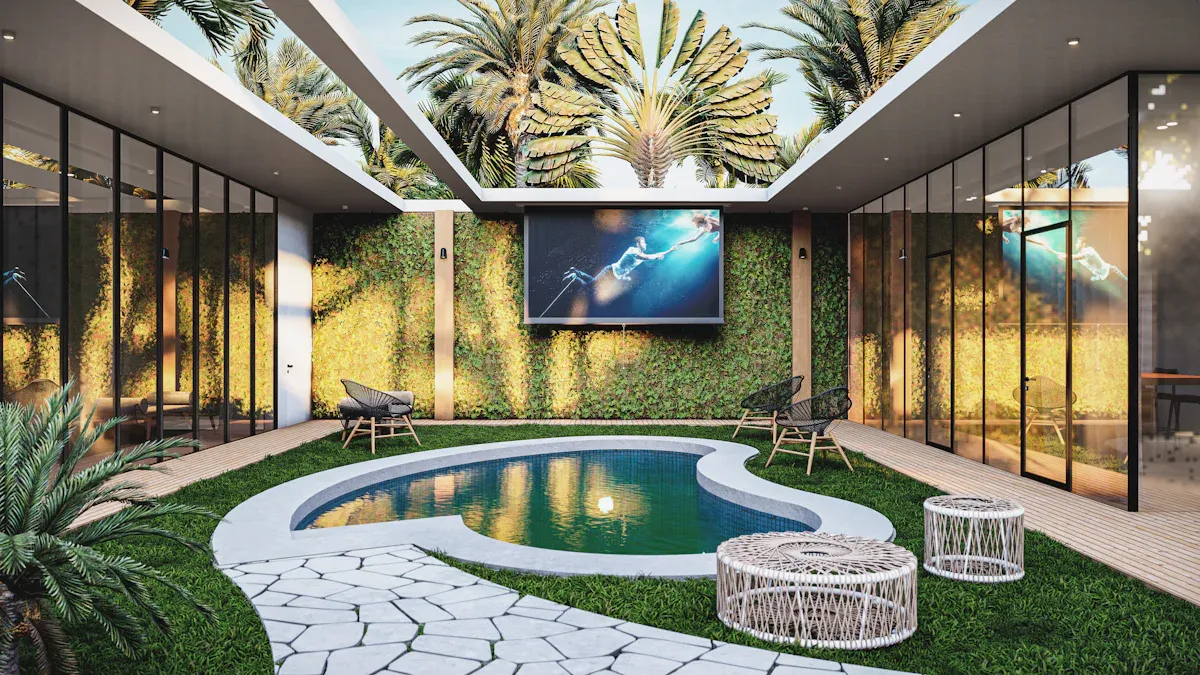
Durability and Strength
When you choose galvanized steel swimming pools, you get a pool that stands up to tough conditions. Galvanized steel panels resist bending and breaking, even when you use the pool every day or face storms and heavy winds. The special coatings on these panels help prevent rust and keep the pool strong for many years. Pools like the Alpha and Radiance Steel models use thick, heavy-duty steel and advanced joining systems. These features give the pool extra strength and help it last longer without shifting or cracking.
You can see how galvanized steel compares to other pool materials in the table below:
| Pool Material | Example Model | Warranty | Lifespan Notes |
|---|---|---|---|
| Galvanized Steel | Echo | 20 years | Strongest steel frame above ground pool with galvanized steel frame and extra thick polyester paint for weather protection. |
| Hybrid | Quantum | 25 years | Combines steel and resin components; engineered for strength and efficiency. |
| Resin | Saratoga | Lifetime | Toughest above ground pools; resin construction with lifetime warranty. |
| Market Average | N/A | N/A | Typical above ground pools last about 7-15 years; vinyl liners last 6-9 years and may require replacement. |
This table shows that galvanized steel swimming pools last longer than most above ground pools. They do not last as long as resin pools, but they offer excellent durability and strength for most families.
Tip: If you want a pool that can handle rough weather and lots of use, galvanized steel is a durable choice.
Customization and Modern Look
You have many options when you pick a galvanized pool. These pools come in many shapes, sizes, and finishes. You can choose from classic rectangles, kidney shapes, or even custom designs that fit your backyard perfectly. Some companies let you design your own pool shape and size, so you get exactly what you want.
| Customization Aspect | Details |
|---|---|
| Pool Shapes | Grecian, Rectangle, Lap, Roman End, Kidney, Lagoon, and over 80 standard shapes, plus fully custom designs |
| Pool Sizes | From 9 feet to 21 feet in diameter |
| Depth Options | Customizable from 46″ up to 60″ |
| Pool Placement | Above ground, semi-inground, or fully inground |
| Interior Finishes | Many vinyl liner patterns and colors, easy to update |
| Lighting | Optional underwater lights available |
| Deck Materials | No deck, treated wood, Trex, cedar, and more |
You can also pick different pool liners, lighting, and deck materials to match your style. Homeowners often say these pools look modern and clean. The smooth vinyl liner helps keep the water clear and makes the pool easy to clean. Many people like the modern look and the way these pools fit into a busy lifestyle.
- Homeowners like the modern style and flexibility of galvanized steel swimming pools.
- You can pick from many shapes, sizes, and liner patterns.
- The smooth liner keeps the pool looking fresh and clean.
- These pools install faster than concrete pools and cost less to maintain.
- Many families find the available options perfect for their backyard.
Affordability and Cost-Effectiveness
Galvanized steel swimming pools give you a strong pool at a lower cost than concrete or fiberglass pools. The panels are made in a factory and then put together on-site, which saves time and money. You can choose a simple design to keep costs down or add custom features if your budget allows.
| Pool Type | Average Initial Installation Cost | Notes on Installation and Maintenance |
|---|---|---|
| Concrete Pool | Starting around $50,000 | Built on-site; higher maintenance costs; longer lifespan (50+ years) |
| Fiberglass Pool | Similar to concrete, possibly less | Factory-made shell; lower maintenance; lifespan ~25 years |
| Galvanized Steel Pool | N/A | Used as panels in vinyl liner pools; cost depends on design complexity |
You will find that galvanized pools cost less to install than concrete pools. They also need less maintenance over time, which saves you money. If you want a pool that balances strength, durability, and cost, galvanized steel swimming pools offer a smart solution.
Note: Always consider the pros and cons before making your final choice. Galvanized pools give you a mix of durability, strength, and affordability that works for many homeowners.
Environmental Sustainability
When you think about the environment, you want to know if your choices help or hurt the planet. Galvanized steel swimming pools offer some real benefits for people who care about sustainability.
Steel is one of the most recycled materials in the world. When your pool reaches the end of its life, most of the steel can be recycled and used again. In fact, global recycling rates for steel usually fall between 85% and 90%. This means that almost all of the steel from your pool can become part of new products, like cars, buildings, or even new pools.
Did you know? Recycling steel saves energy and reduces the need for new raw materials. This helps lower greenhouse gas emissions and keeps waste out of landfills.
The process for recycling galvanized steel is a bit more complex than regular steel. The zinc coating, which protects your pool from rust, must be removed before recycling. This extra step uses more energy and adds to the environmental cost. However, both the steel and the zinc can be recycled. The zinc can be collected and reused in other products, so very little goes to waste.
If you want a pool that supports a circular economy, galvanized steel swimming pools are a smart choice. You help reduce waste and support the use of recycled materials. You also make it easier for future generations to enjoy clean air and water.
Here are some key points to remember:
- Steel from your pool is highly recyclable.
- Most of the material gets reused instead of ending up in a landfill.
- The zinc coating adds a step to the recycling process, but both steel and zinc can be recycled.
- Choosing recycled steel helps save energy and natural resources.
By picking a pool made from recyclable materials, you make a positive impact on the environment. You show that you care about sustainability and want to make responsible choices for your home.
Cons of Galvanized Steel Swimming Pools
Potential for Rust and Corrosion
You may notice that galvanized steel swimming pools can face problems with rust and corrosion. Even though galvanized coatings protect the steel, several factors can break down this protection over time. Here are some of the most common causes:
- Galvanic corrosion happens when galvanized steel touches other metals, such as copper pipes. This contact causes electron transfer, which speeds up rusting.
- Crevice corrosion occurs in tight spaces where water sits still, like around bolts or weld joints. Stagnant, chlorinated water in these areas can lead to rust.
- Atmospheric corrosion results from acidic fumes, such as muriatic acid or sulfuric acid vapors, settling on metal surfaces. These fumes can make corrosion worse.
- Chloride-induced corrosion comes from chlorine products. Chlorine can break down the protective layer on the steel, exposing it to rust.
- Sulfate-induced corrosion is caused by pool chemicals like sulfuric acid or sodium bisulfate. These chemicals can damage the steel even more than chlorides.
- General corrosion can happen if pool water chemistry is not balanced. Factors such as pH, dissolved oxygen, and total dissolved solids all play a role.
- Environmental and maintenance factors, such as poor ventilation or improper bonding of metal parts, can also speed up corrosion.
Tip: You can reduce the risk of corrosion by following good maintenance practices and using the right materials.
A table below shows some effective ways to prevent rust and corrosion in your pool:
| Preventative Measure | Description and Purpose |
|---|---|
| Good Pool Water Chemistry | Keep water balanced and avoid overchlorination. Use UV or ozone systems to help reduce harmful byproducts. |
| Proper Dehumidification | Use pool dehumidifiers to remove moisture from the air and stop condensation on metal surfaces. |
| Appropriate Ventilation | Install exhaust systems to remove heavy chloramine pollution and protect metal surfaces. |
| Regular Cleaning | Clean metal fixtures with special cleaners to remove moisture and prevent corrosion. |
| Corrosion-Resistant Materials | Use coatings, sealants, or plastics to protect steel from exposure to air and water. |
If you live in a humid area or use strong pool chemicals, you need to pay extra attention to these risks. Corrosion can shorten the lifespan of your pool and increase repair costs.
Installation Complexity
Building a galvanized steel swimming pool is not a simple weekend project. You need special skills and equipment to do the job right. Here is what you can expect during installation:
- You must assemble prefabricated steel panels, which often include aluminum-magnesium-zinc plates.
- The ground must be flat and strong enough to support the pool. Site preparation is key for safety and accuracy.
- You will need to assemble overflow tanks and enclosures, tightening screws in stages to keep the structure solid.
- Measuring and leveling must be precise to make sure the pool fits together perfectly.
- Installing the filtration and water circulation systems requires connecting pipes, pumps, and filters.
- Electrical work is needed for pumps, lights, and other equipment. All wiring must meet local safety codes. 7. You will also need to install pool accessories, such as ladders, platforms, and overflow troughs.
You may also need to drill holes for water supply lines, LED lights, and jets. Fitting the vinyl liner and attaching aluminum coping to the pool walls require careful attention. You must also follow safety rules, such as installing fences, gates, and alarms.
Note: Most homeowners hire professionals for this job. Mistakes during installation can lead to leaks, uneven walls, or safety hazards.
Maintenance Requirements
Once your galvanized pool is up and running, you need to keep up with regular maintenance. This helps protect the steel and keeps your pool safe and clean. Here are some of the most frequent tasks:
- Test and balance the water chemistry often. Adjust the pH as needed.
- Use chlorine tablets or floating dispensers to control bacteria and algae.
- Run the filter pump every day to circulate water and prevent algae growth.
- Skim debris from the water surface with a pool skimmer.
- Brush the sides and bottom of the pool to stop algae from sticking.
- Cover the pool when not in use to keep out dirt and reduce water loss.
- Inspect and clean the water filter regularly.
- Maintain proper water chemistry to prevent rust on the galvanized steel.
- Avoid abrasive cleaners. Use rust-inhibiting coatings if needed.
- Seal leaks around pump fittings and cover sharp metal edges with padding.
Keeping up with these tasks helps protect your pool’s durability and prevents costly repairs.
If you skip regular maintenance, you may see rust spots, leaks, or cloudy water. Galvanized steel swimming pools need more attention than some other pool types, especially if you want to avoid corrosion and keep your pool looking new.
Limitations in Saltwater and Harsh Environments
You need to know how galvanized steel swimming pools perform in saltwater and tough climates before you decide. Saltwater and harsh weather can cause problems that shorten the life of your pool and increase your maintenance work.
Saltwater Pool Challenges
Saltwater pools use salt to make chlorine, but even a small amount of salt can damage metal. Galvanized steel does not hold up well when it touches saltwater. The zinc coating on the steel starts to break down quickly. This leads to rust and weakens the pool walls.
Here is a table that shows how galvanized steel compares to other pool materials in saltwater environments:
| Aspect | Galvanized Steel in Saltwater Pools | Other Pool Materials |
|---|---|---|
| Typical Use | Not typically immersed directly in pool water due to high and variable corrosion rates caused by chlorine and saltwater. | PVC, fiberglass, and resin are preferred for direct contact with saltwater. |
| Corrosion Rate | High corrosion rates due to chloride ions; accelerated in tropical seawater (approx. 25 µm/year) vs temperate seawater (approx. 13 µm/year). | Lower corrosion rates; PVC and resin do not rust. |
| Coating Life | Ranges from a few months to a few years without additional protection. | PVC and resin last much longer in saltwater. |
| Performance Above Pool Water | Good performance when used above pools (e.g., support structures) where direct exposure is minimized. | Most materials perform well above water. |
| Protective Measures | Duplex coating systems (paint or powder over galvanizing) can extend life significantly (up to 10-20 years in harsh environments). | Not always needed for PVC or resin. |
| Saltwater Impact | High chloride content accelerates zinc corrosion; splash and tidal zones are most aggressive. | PVC and resin are not affected by salt. |
| Comparison to PVC | PVC liners and components recommended to prevent rust and corrosion in saltwater pools. | PVC is the top choice for saltwater pools. |
| Maintenance | Requires regular rinsing, drying, and pH control to mitigate corrosion. | Less maintenance needed for PVC and resin. |
You can see that galvanized steel pools need extra care in saltwater. Saltwater pools have about one-tenth the salt of ocean water, but that is still enough to cause rust. Salt attacks metals like galvanized steel, aluminum, and even natural stone. If you use the wrong materials, you may see rust spots and damage in just a few years.
To protect your pool, you should use PVC-based liners and parts. These keep the steel away from salt and stop rust from forming. You also need to keep the water pH between 7.2 and 7.6. This helps slow down corrosion and keeps your pool safe.
Tip: If you want a saltwater pool, choose PVC or resin for the main structure. Use galvanized steel only for parts that do not touch water.
Harsh Climate Concerns
Galvanized steel pools also face problems in places with tough weather. Here are some of the main issues:
- Rust and corrosion happen faster when you use strong pool chemicals like chlorine tablets. You should use chlorine floats and seal the inside of the tank to help stop this.
- Extreme heat or cold can make the metal expand or contract. Your pool may feel very hot during the day and cold at night. You can help by running the pump to move water and by adding shade.
- Winter can be hard on your pool. If you have a free-standing pool, you can flip it over or store it inside. If not, you should drain the water and cover the pool to protect it from snow and ice.
You need to check your pool often for signs of rust or leaks. Regular cleaning and good water balance help your pool last longer, but harsh climates always make maintenance harder.
Note: Galvanized steel pools work best in mild climates and with fresh water. If you live near the ocean or in a place with big temperature swings, you may want to look at other pool types.
Key Takeaways
- Saltwater speeds up rust and corrosion in galvanized steel pools.
- PVC and resin pools last longer in saltwater and need less care.
- Harsh weather makes maintenance harder and can shorten your pool’s life.
- You can use special coatings and liners to help protect your pool, but these add cost and work.
If you want a pool that stands up to saltwater or tough weather, you should think about other materials. Galvanized steel pools need more care and may not last as long in these conditions.
Galvanized Steel Swimming Pools vs. Other Pool Materials
Steel Frame Above Ground Pools vs. Resin Pools
When you compare steel frame above ground pools to resin frame above ground pools, you notice some key differences in durability and maintenance. Steel frame pools give you strong support and can last longer if you keep up with regular care. You need to clean them, check for rust, and use protective coatings. Resin pools, on the other hand, resist rust and corrosion. Their smooth surface makes cleaning easier and helps stop algae from growing.
Here is a table to help you see the differences:
| Aspect | Steel Frame Pools | Resin Pools |
|---|---|---|
| Durabilidade | Longer lifespan with good care; strong in storms | Durable but less strong in disasters |
| Maintenance | Needs regular cleaning and coatings | Minimal upkeep; rust-resistant |
| Superfície | Can feel cold; watch for rust | Smooth, keeps heat, easy to clean |
| Susceptibility | Can rust if not maintained | May fade or crack from sun, but UV inhibitors help |
| Long-term Costs | Higher due to upkeep | Lower due to less maintenance |
| Warranty | Focuses on maintenance | Reflects low upkeep and strong performance |
Steel frame above ground pools often cost less at first, but you may spend more on maintenance over ten years. Resin pools cost more to buy, but you save money on repairs and upkeep.
Galvanized Steel vs. Hybrid Pools
Galvanized pools use steel for the whole frame, which gives you strength but means you must watch for rust. Hybrid pools mix steel walls with resin rails and connectors. This mix makes the pool lighter and more resistant to corrosion. You will find hybrid pools easier to install and cooler to the touch in hot weather.
| Feature | Galvanized Steel Pools | Hybrid Pools |
|---|---|---|
| Frame Composition | All steel, very strong | Steel walls with resin parts |
| Durabilidade | Strong, but can rust | Strong, better rust resistance |
| Maintenance | Needs regular cleaning and coatings | Less upkeep due to resin parts |
| Weight | Heavier, harder to install | Lighter, easier to handle |
| Cost | More affordable | More expensive |
Hybrid pools last longer in harsh weather because resin parts do not rust. Galvanized pools work well if you want a lower price and can keep up with maintenance.
Galvanized Steel vs. Plastic and Vinyl Pools
You may wonder how galvanized pools compare to plastic and vinyl pools. Galvanized steel pools cost less and have strong walls. You can shape them to fit your yard and backfill after installing the liner, which helps you check for leaks. However, steel walls are heavy and can rust over time, especially in wet or acidic soil.
Plastic (polymer) pools resist rust and are lighter, making them easier to handle. They work better in wet or clay soils and do not corrode. These pools cost more and need careful backfilling during installation. Vinyl liner pools need a new liner every few years, which adds to your costs.
| Feature/Aspect | Galvanized Steel Pools | Polymer (Plastic) Pools |
|---|---|---|
| Material | 14 Gauge Steel, galvanized | Strong plastic resin |
| Advantages | Custom shapes, strong walls | No rust, lightweight |
| Disadvantages | Heavy, can rust, not for wet soils | More expensive, can crack in cold |
Note: Repair costs for galvanized steel pools can be higher if rust causes leaks. Polymer pools avoid rust repairs but cost more to install. Vinyl liners need regular replacement, which adds to long-term costs.
Practical Considerations for Homeowners
Above Ground vs. In-Ground Installation
When you choose between an above ground pool and an in-ground pool, you need to think about cost, installation time, and long-term value. An above ground pool costs less and installs faster. You can often set up this type of pool in just a few days. You must prepare the ground by leveling and grading it. Always check for underground utilities before you start. Make sure you follow local permits and safety rules. Above ground pools usually come in round or oval shapes and have limited depth. These pools work well for families who want a temporary option. They do not add value to your home. In-ground pools cost more and take longer to build. They offer more shapes and sizes. In warm climates, an in-ground pool can increase your home’s value.
Tip: Think about your budget, how long you want the pool to last, and if you want to add value to your property.
Space, Design, and Flexibility
Your backyard space shapes your pool choices. If you have a small yard, an above ground pool fits well and needs little digging. You can also pick a semi-inground or fully inground pool for a seamless look. These options cost more but blend into your landscaping. You can choose from many pool shapes, such as round, rectangular, or corner designs. Some pools fit into narrow side yards or awkward corners. You can add built-in steps, benches, or swim-outs for comfort. Many finish options exist, like painted, powder-coated, or vinyl-coated surfaces. You can match your pool to your deck, garden, or outdoor features. Smaller pools save space and are easy to maintain. They work well for families with young children.
- Above ground pool: quick install, fits tight spaces, less cost
- In-ground pool: custom shapes, seamless look, higher cost
Maintenance and Upkeep Over Time
You need to plan for pool care over the years. Galvanized steel above ground pool parts above the water need little upkeep. You only need to check for rust and clean the surface. If you use a duplex system (steel plus paint or coating), you should refresh the coating every ten years or less. This keeps your pool looking good and protects the steel. Do not use galvanized steel for parts that stay underwater. These parts can rust quickly and need replacement. Pools with proper coatings last longer and need less repair. Regular cleaning and water checks help your pool stay safe and strong.
| Pool Area/Condition | Upkeep Needed (10 Years) | Durability/Notes |
|---|---|---|
| Above Water (Outdoor/Indoor) | Minimal; check and clean occasionally | Good long-term performance |
| Direct Water Immersion | Not advised; rust forms quickly | Short lifespan |
| Duplex System (Steel + Coating) | Refresh coating every 10 years or less | Lasts longer with routine care |
Note: Regular care and the right coatings help your pool last for many years.
Longevity and Resale Value
When you invest in a swimming pool, you want it to last for many years. Galvanized steel pools offer strong performance in this area. The longevity of these pools depends on how well you care for them and the environment where you install them. If you keep up with regular maintenance and protect the steel from harsh chemicals or saltwater, you can expect your pool to serve your family for decades.
Many homeowners choose galvanized steel because it stands up to daily use and changing weather. The steel panels resist bending and cracking. You do not have to worry about the pool losing its shape over time. Some manufacturers offer warranties that last up to 20 years, which shows their confidence in the product’s longevity.
Resale value is another important factor. If you plan to sell your home in the future, a well-maintained pool can attract buyers. In-ground pools often add more value than above ground options. Buyers look for pools that look clean, have no rust, and work well. Galvanized steel pools with modern liners and updated features can help your property stand out.
Here are some tips to protect your investment:
- Check for rust or leaks every season.
- Keep the water balanced to prevent corrosion.
- Refresh the liner or coatings when needed.
- Store pool accessories properly during winter.
Tip: A pool with good longevity and curb appeal can make your home more attractive to buyers and may increase your property value.
Decision Guide: Are Galvanized Steel Swimming Pools Right for You?
Ideal Homeowners and Scenarios
You might find a galvanized steel swimming pool fits your needs if you want a strong, long-lasting option for your backyard. These pools work well for families who want a quick installation and minimal yard disruption. You can often have your pool ready in just one day. If you prefer low maintenance, above-ground galvanized steel pools keep out dirt and insects because they sit higher than ground level.
Consider these points when deciding if this type of pool matches your lifestyle:
- Hot dip galvanization gives the steel a thick zinc coating, which helps prevent rust and keeps your pool looking good for years.
- Galvanized steel pools often use vinyl-coated walls, adding sturdiness and extra protection.
- Safety features, such as wide top rails and shallow depth, make these pools a good choice for families with children or pets.
- You can choose from different designs and sizes to fit your yard and style.
- Regular inspections, about twice a year, help you spot any issues early, especially if you live in a harsh climate.
Tip: If you want a pool that balances durability, safety, and cost, galvanized steel is a smart pick.
When to Consider Other Pool Options
You may want to look at other pool types if you have special needs or live in a challenging environment. Galvanized steel pools can look less attractive than in-ground pools, which may matter if you want a high-end look. Saltwater or harsh weather can also shorten the lifespan of galvanized steel.
Think about these situations:
- You want a pool that blends into your landscaping with a seamless, custom look.
- Your yard has salty air, high humidity, or extreme temperatures.
- You prefer a pool that needs almost no maintenance or offers a lifetime warranty.
- You want a pool that adds the most value to your home.
A table can help you compare:
| Scenario | Best Pool Choice |
|---|---|
| Quick, easy installation | Galvanized steel |
| High-end, custom appearance | In-ground or resin |
| Saltwater or harsh climate | Resin or polymer |
| Minimal maintenance | Resin or hybrid |
Note: Always match your pool choice to your climate, budget, and style preferences.
You have learned the main advantages and drawbacks of choosing a galvanized steel swimming pool. This type of pool gives you strength, flexibility, and a modern look. You may face more maintenance if you live in a harsh climate. Think about your needs and your yard before you decide. If you want a strong, cost-effective pool, this option could fit your home well.
Perguntas frequentes
How long does a galvanized steel swimming pool last?
You can expect a galvanized steel pool to last 15 to 25 years with proper care. Regular cleaning and balanced water chemistry help extend its life. Warranties often cover 10 to 20 years, depending on the brand.
Can you use a saltwater system with a galvanized steel pool?
You should avoid using saltwater systems with galvanized steel pools. Salt speeds up rust and corrosion. If you want a saltwater pool, choose resin or polymer materials instead.
What maintenance does a galvanized steel pool need?
You need to test water weekly, clean the liner, and check for rust spots. Use a pool cover when not swimming. Inspect the steel panels every season. Quick action on small issues keeps your pool in good shape.
Are galvanized steel pools safe for kids and pets?
Yes, these pools offer strong walls and stable frames. Many models include safety features like wide top rails and shallow depths. Always supervise children and pets around any pool.
Can you customize the shape and size of a galvanized steel pool?
Absolutely! You can pick from many shapes, sizes, and liner patterns. Some companies let you design a custom pool to fit your yard. Check with your pool supplier for available options.