
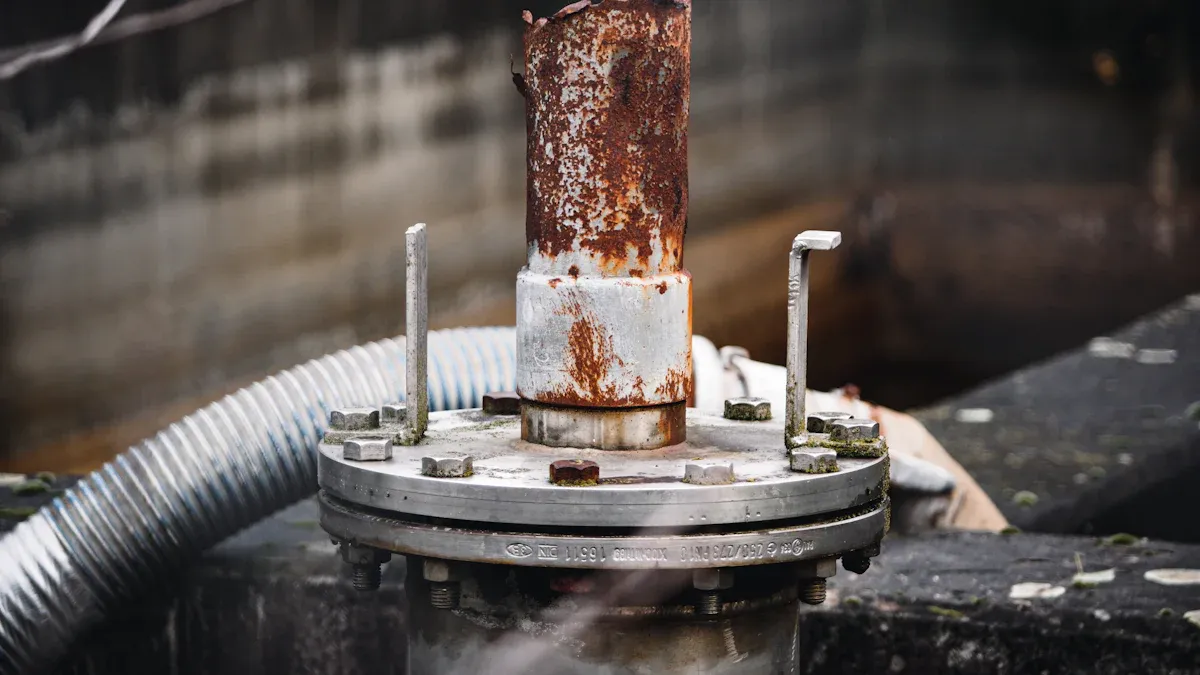
To prevent galvanic corrosion stainless steel connections, you need to take several important steps. Choose compatible metals for your project. Always separate stainless steel from dissimilar metals with insulating materials. Control the environment by reducing moisture near your stainless steel connections. Use protective coatings or sacrificial anodes on exposed areas. Inspect your connections often to catch early signs of galvanic corrosion stainless steel.
Remember, when you combine stainless steel with dissimilar metals, the risk of galvanic corrosion increases. Take action early to keep your connections strong.
How to Prevent Galvanic Corrosion Stainless Steel Connections
Key Prevention Methods
You can prevent galvanic corrosion stainless steel connections by using several proven methods. Start by selecting metals that work well together. When you use stainless steel with other metals like aluminum, you increase the risk of galvanic corrosion. To reduce this risk, you should always separate dissimilar metals. Use non-conductive materials such as neoprene, polysurlyn, or plastic barriers. These materials stop electrical contact between metals and break the path needed for galvanic currents. You can also use plastic or rubber gaskets, washers, or sleeves. Insulating bolts and fasteners add another layer of protection at connection points. When you design assemblies, avoid direct metal-to-metal contact. This simple step can greatly reduce corrosion rates.
Tip: Regularly check the condition of insulating materials. Damaged barriers can allow corrosion to start.
Environmental control is another important part of corrosion prevention methods. Moisture acts as an electrolyte and speeds up galvanic corrosion. High humidity, salt, and pollution make the problem worse, especially in marine or coastal areas. You should keep stainless steel connections dry and clean. Use sealants around joints to block moisture. Good design helps water drain away and allows air to circulate, which keeps connections dry.
If you ignore these methods, you may face high costs. Galvanic corrosion stainless steel can weaken structures and cause early failure. Repairs and replacements become expensive. In fact, corrosion causes trillions of dollars in damage worldwide each year. You also risk safety and property value if you do not prevent corrosion.
Immediate Steps to Prevent Corrosion
You can take action right away to prevent galvanic corrosion stainless steel connections. Here are some steps you should follow:
Physically Separate Metals
Place insulating washers, gaskets, or sleeves between stainless steel and other metals. This stops electrical contact and blocks the flow of corrosive currents.Apply Protective Coatings
Use coatings like polysurlyn to cover metal surfaces. These coatings provide waterproof and weatherproof protection, reducing exposure to corrosive elements.Control the Environment
Keep connections dry. Use sealants to stop moisture from entering joints. In marine or coastal areas, pay extra attention to salt and humidity. Design your project so water drains away and does not collect around connections.Choose the Right Materials
Select metals that are close together on the galvanic series. This reduces the voltage difference and slows down corrosion. Stainless steel and aluminum are common, but you must use barriers between them.Inspect and Maintain Regularly
Check your connections often. Look for signs of corrosion, such as discoloration or pitting. Replace damaged insulating materials right away.
Note: Marine and coastal environments are especially harsh. Salt spray, tides, and humidity can speed up galvanic corrosion stainless steel. Always use extra protection in these areas.
If you follow these steps, you can prevent corrosion and protect your investment. Galvanic corrosion not only damages materials but also leads to higher maintenance costs and safety risks. By using the right methods and acting quickly, you keep your stainless steel connections strong and reliable.
Understanding Galvanic Corrosion and Stainless Steel
What Is Galvanic Corrosion?
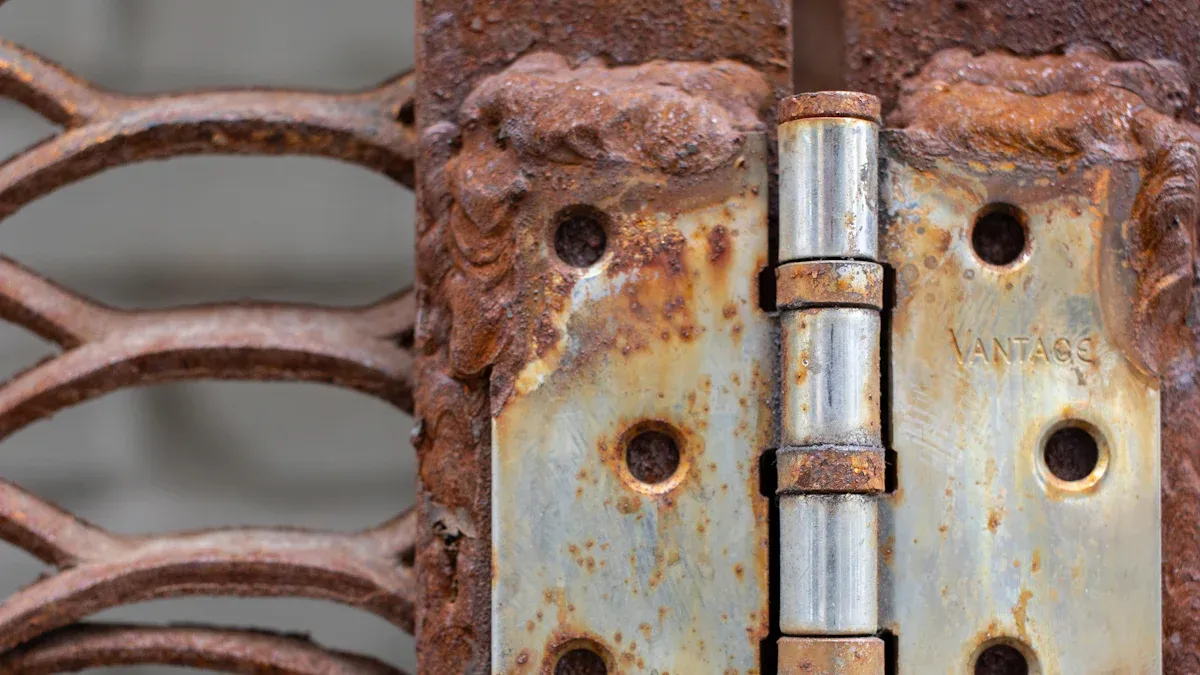
Galvanic corrosion happens when you connect two different metals in the presence of an electrolyte, such as water or salt spray. This process is also called bimetallic corrosion. When you join metals with different electrode potentials, one metal becomes the anode and the other becomes the cathode. The anode corrodes faster, while the cathode stays protected.
You can see this process in action when stainless steel and aluminum touch each other and get wet. The electrolyte, like rainwater or seawater, allows ions to move between the metals. This movement creates an electric current that speeds up the corrosion of the anodic metal. The difference in potential between the metals drives this reaction. The galvanic series helps you predict which metal will corrode first.
Here are the main points about the electrochemical mechanism behind galvanic corrosion:
- Galvanic corrosion starts when two dissimilar metals connect in an electrolyte.
- The metal with the more negative electrode potential acts as the anode and corrodes.
- The other metal acts as the cathode and resists corrosion.
- The electrolyte enables ion movement, which keeps the reaction going.
- The bigger the potential difference, the faster the corrosion.
- The galvanic series shows which metals are more likely to corrode.
- Water flow and aeration can change how fast corrosion happens.
- The anodic index difference helps you predict the risk of corrosion.
- You can lower galvanic corrosion by using coatings or finishes.
Why Stainless Steel and Aluminum Are at Risk
You face a high risk of galvanic corrosion when you use stainless steel and aluminum together. Stainless steel acts as the cathode, and aluminum becomes the anode. In wet or salty environments, like near the ocean, aluminum corrodes quickly when it touches stainless steel. The galvanic series shows that these metals are far apart, which means a large potential difference and a higher risk of corrosion.
If you use stainless steel fasteners on aluminum parts, the aluminum will corrode first. This problem gets worse if the aluminum surface is larger than the stainless steel surface. Marine environments make this even more serious. Salt and moisture act as strong electrolytes, speeding up bimetallic corrosion. Real-world cases, like the Volvo 240 bumper, show how fast aluminum can corrode when it touches steel in salty conditions. Offshore rigs and bridges also suffer from this problem.
You need to pay close attention to design and environment to avoid d issimilar-metal corrosion. If you ignore these risks, you may see rapid damage and costly repairs. Always check the materials you use and think about the environment to lower the risk of corrosion.
Material Selection to Prevent Galvanic Corrosion
Choosing Compatible Metals
You can lower the risk of galvanic corrosion by choosing the right metals for your project. The galvanic series helps you see which metals work well together. When you select metals close to each other in this series, you reduce the chance of bimetallic corrosion. If you use metals far apart, you increase the risk.
Here are some important criteria to follow:
- Pick metals with similar electrochemical potentials.
- Use coatings or insulating materials to keep metals from touching.
- Add dielectric spacers, such as neoprene or nylon washers, between metals.
- Apply corrosion inhibitors like zinc-rich coatings at joints.
You should also pay attention to the size of the metal surfaces. If the cathode (the more noble metal) is much larger than the anode (the less noble metal), the anode will corrode faster. Try to keep the cathode area smaller than the anode area. This simple step helps improve corrosion resistance.
Tip: Always check the galvanic series before you choose metals for your stainless steel connections.
Selecting Stainless Steel and Aluminum Combinations
Stainless steel and aluminum are common in many projects, but you must use them carefully to avoid galvanic corrosion. These metals have a big difference in electrical potential, which can cause bimetallic corrosion if you do not take steps to protect them.
Follow these best practices:
- Choose stainless steel and aluminum combinations that are as close as possible in the galvanic series.
- Use inert spacer materials, such as plastic, neoprene, or Teflon, to prevent direct contact between the metals.
- Apply coatings or paint systems to both metals. This reduces exposure to moisture and improves corrosion resistance.
- Make sure the aluminum surface area is larger than the stainless steel area. This slows down the corrosion rate.
- In harsh environments, such as marine areas, use zinc or aluminum plugs and coatings for extra protection.
Industry standards, like ASTM and MIL-STD, give clear rules for isolating dissimilar metals and designing connections. If you skip these steps, you may see fast corrosion and damage. Always use isolation and protective measures when you join stainless steel and aluminum.
Physical Separation to Prevent Corrosion
Physical separation is one of the most reliable ways you can prevent galvanic corrosion in stainless steel connections. By keeping metals apart, you stop the flow of electrical current that causes corrosion. You can use several methods to achieve this, including special washers, gaskets, coatings, and barriers.
Using Insulating Washers and Gaskets
You can use insulating washers and gaskets to break the electrical path between stainless steel and other metals. This method helps you reduce the risk of galvanic corrosion, especially in places where water or moisture is present. Here are some of the most effective types:
- Neoprene and nylon washers work well in dry or non-submerged environments.
- NEMA LI-1 Grade G10 or G11 washers handle high pressure and keep their shape under heavy loads.
- Polymeric washers with metallic inserts combine electrical isolation with strong mechanical support.
- In wet or underwater settings, insulating washers help but may not stop galvanic corrosion completely because water conducts electricity.
- Using the same material for all parts of a joint or adding washers with metallic inserts gives you better isolation and joint strength.
- Pure plastic washers may not be strong enough for heavy-duty bolts, so always check the load requirements.
Tip: Always match the washer material to the job. This helps you balance isolation and mechanical strength.
Applying Coatings and Barriers
You can also use coatings and barriers to protect metals from galvanic corrosion. These layers act as shields, stopping moisture and electrolytes from reaching the metal surface. Laboratory tests show that certain coatings greatly improve corrosion resistance. The table below shows how different test methods prove the value of coatings:
| Laboratory Test Method | Key Findings |
|---|---|
| Electrochemical Impedance Spectroscopy (EIS) | Aluminum oxide-modified coatings increase resistance and slow down corrosion. |
| Potentiodynamic Polarization Curves | Ti and Al oxide coatings protect against pitting corrosion. |
| Galvanic Pair Testing (Zn anode in saltwater) | Coatings reduce corrosion current by 6–7.5 times after 5 days. |
| Coating Stability Observation | Modified coatings stay strong and show no damage after long tests. |
You can follow industry standards to improve isolation and prevent galvanic corrosion. Here are some best practices:
- Galvanize metal surfaces with a zinc layer to protect the base metal.
- Use nonmetallic liners like Teflon or polyurethane to separate metals.
- Elevate pipes with lined pipe shoes to avoid direct contact.
- Add wear pads or slide plates to stop abrasion and metal-to-metal contact.
- Hang pipes with corrosion-resistant hangers to keep them off corrosive surfaces.
By using these methods, you create strong barriers and isolation between metals. This helps you control galvanic corrosion and extend the life of your stainless steel connections.
Environmental Control for Galvanic Corrosion
Reducing Moisture and Electrolytes
You can slow down galvanic corrosion by keeping moisture and electrolytes away from your stainless steel connections. Galvanic corrosion needs an electrolyte, such as water or salt spray, to start the reaction between dissimilar metals. When you reduce the time that water touches your connections, you lower the risk of corrosion.
- Use dielectric insulations like neoprene or nylon washers and bolt sleeves. These materials break the path for electron transfer.
- Apply corrosion inhibitors, such as zinc-rich coatings. These coatings absorb moisture and help stop galvanic reactions.
- Keep the cathode surface area smaller than the anode. This step reduces the area where the reaction can happen.
Tip: Dry environments or barriers that block water contact can greatly reduce galvanic corrosion. Saltwater speeds up corrosion, so you should always protect your connections in marine areas.
Moisture can hide in dirt, fog, or crevices. Stagnant water and trapped humidity increase the time your metals stay wet. This longer exposure makes galvanic corrosion worse. You should clean your connections and keep them dry whenever possible.
Designing for Drainage and Ventilation
Good design helps you control galvanic corrosion before it starts. You should make sure water does not collect around your metal joints or fasteners. Proper drainage lets water flow away, so it cannot act as an electrolyte.
- Place drainage and vent holes near welds and intersections. This step helps water escape and keeps the area dry.
- Use non-absorbent materials in joints and seams. These materials do not hold moisture.
- Avoid trapping water in crevices or under fasteners. Design your assemblies so that air can move freely and dry out any moisture.
- Consult with galvanizers to find the best places for vent and drain holes. Well-placed holes improve both protection and appearance.
Note: Fully seal welds and use intermittent welds with small gaps to prevent moisture from getting trapped. If you cannot seal every joint, make sure to vent and seal overlap areas after assembly.
When you follow these design steps, you lower the risk of galvanic corrosion. You also make your stainless steel connections last longer and stay stronger.
Protective Measures for Stainless Steel and Aluminum
Using Sacrificial Anodes
You can use sacrificial anodes to protect stainless steel and aluminum from galvanic corrosion, especially in saltwater. These anodes are metals that corrode first, so your stainless steel stays safe. This method is a type of cathodic protection. When you attach a more active metal, like aluminum or zinc, it becomes the anode and corrodes instead of your main metal. This process works well in marine environments, but you must install and maintain the anodes correctly.
Here is a table that explains how sacrificial anodes work for cathodic protection:
| Aspect | Details |
|---|---|
| Mechanism | Sacrificial anodes are more electrically active metals that corrode first, making stainless steel cathodic in saltwater. |
| Common Anode Materials | Aluminum, Zinc, Magnesium (not for saltwater). |
| Effectiveness in Saltwater | Aluminum anodes last longer and protect better than zinc; magnesium corrodes too fast. |
| Installation | Good electrical contact is important; let anodes corrode to work. |
| Maintenance | Replace anodes when half gone; check them every year. |
| Limitations | Anodes can cause extra electrolysis; use as a last resort. Isolation and anti-seize compounds may work better in wet places. |
| Summary | Sacrificial anodes can protect stainless steel from galvanic corrosion in saltwater if you choose, install, and maintain them well. Other methods may also help. |
You should remember that sacrificial anodes are not always the best choice for stainless steel in wet areas. Problems like crevice corrosion and oxygen loss can still happen. Many experts say you should try isolation or anti-seize compounds first. Use sacrificial anodes only if other methods do not work.
Applying Protective Coatings
Protective coatings give you another strong way to stop galvanic corrosion. These coatings act as barriers, keeping water and air away from the metal. You can use different types of coatings for stainless steel and aluminum. Powder coatings work well on aluminum. They last a long time and look good. They also help the environment because they do not release harmful chemicals. If the coating gets damaged, you need to repair it quickly to keep corrosion away.
You can also use these methods for corrosion protection:
- Use nonporous isolators, like plastic or polymer sheets, to keep metals apart.
- Add spacers made from rubber, neoprene, or butyl to create gaps between metals.
- Place gaskets (EPDM, neoprene, butyl rubber) at joints and fasteners for weatherproofing and separation.
- Pick stainless steel fasteners for aluminum connections. Avoid high-strength steel fasteners, which can cause stress and more galvanic corrosion.
For outdoor use, you can choose from several coating types:
- Organic coatings, like paint or powder, work well for aluminum.
- Inorganic coatings, such as zinc, are common and cost less. They protect well in outdoor settings.
- Aluminum coatings last longer than zinc but cost more and are harder to apply.
- Nickel coatings give the best protection, even in harsh places like the ocean, but they are expensive.
- Anodizing and powder coatings also help aluminum resist corrosion.
You should always match the coating to your environment. Moisture, temperature, and chemicals can change how well a coating works. Good coatings and physical separation together give you the best defense against galvanic corrosion and help your connections last longer.
Maintenance Tips to Prevent Galvanic Corrosion
Regular Inspection and Cleaning
You can keep your stainless steel connections strong by following a regular inspection and cleaning routine. Dirt, salt, and moisture can speed up galvanic corrosion, so you need to remove them often. Set up a schedule that matches your environment. For example, if you work near the ocean, you may need to clean more often.
Here is a simple maintenance schedule you can follow:
- Daily or Weekly: Wipe down surfaces and remove debris. This keeps the area clean and stops buildup.
- Monthly: Do a deep cleaning and check for early signs of corrosion, such as discoloration, pitting, or cracking.
- Annually: Arrange for a professional inspection. Experts can use advanced tools to check for hidden corrosion.
Tip: Always use soft cloths and mild cleaners. Avoid harsh chemicals like bleach or ammonia, which can damage stainless steel.
You should also look for worn seals or damaged gaskets. Replace them right away to keep moisture out. Use rubber couplings with stainless steel fasteners to avoid direct metal-to-metal contact. Try not to mix different metals in your connections.
Modern inspection tools help you find corrosion early. You can use ultrasonic testing, radiographic testing, or magnetic flux leakage to spot hidden problems. Visual checks work well for surface issues, but advanced tools find deeper damage.
Upkeep for Long-Term Durability
You can make your stainless steel connections last longer by following best practices. Start by choosing metals that are close together in the galvanic series. This reduces the voltage difference and slows down corrosion. Make sure the cathode (the more noble metal) is smaller than the anode. This simple step lowers the corrosion rate at joints.
For long-term durability, remember to:
- Stick to your cleaning and inspection schedule.
- Use corrosion monitoring tools, such as corrosion coupons or electrical resistance probes, to track changes over time.
- Replace worn parts and damaged coatings quickly.
- Keep records of inspections and repairs.
Regular upkeep helps you catch problems early and avoid costly repairs. When you follow these steps, your stainless steel connections stay reliable for years.
You can prevent galvanic corrosion in stainless steel connections by choosing compatible metals, using insulation, and applying protective coatings. Regular inspection and maintenance keep your connections strong. Real-world cases, like the Statue of Liberty restoration, show that damaged insulation and coatings lead to fast corrosion. You should follow these best practices:
- Select similar or corrosion-resistant metals
- Use non-conductive washers and sleeves
- Apply and maintain protective coatings
- Design for drainage and seal joints
- Inspect and repair connections often
Staying proactive helps you avoid costly failures and keeps your projects safe.
Perguntas frequentes
What causes galvanic corrosion in stainless steel connections?
Galvanic corrosion starts when you connect stainless steel to a different metal and expose them to moisture. The metals create an electric current. One metal corrodes faster. You can stop this by keeping metals apart and blocking moisture.
Can you use stainless steel and aluminum together safely?
Yes, you can use them together if you separate them with insulating materials. You should also use protective coatings and keep the area dry. Always check for early signs of corrosion.
How often should you inspect stainless steel connections?
You should inspect connections at least once a year. In harsh environments, check them more often. Look for discoloration, pitting, or damaged coatings. Early detection helps you prevent bigger problems.
What is the best way to separate dissimilar metals?
You can use insulating washers, gaskets, or sleeves. Plastic or rubber materials work well. These barriers stop electrical contact and reduce the risk of corrosion.
Do protective coatings really help prevent corrosion?
Yes, protective coatings create a barrier that keeps water and air away from the metal. You should repair any damaged coating quickly. This simple step helps your connections last longer.