
When you compare galvanized and stainless steel for your project in 2025, stainless steel often stands out for its superior corrosion resistance and polished appearance. Many people choose it for modern designs and long-lasting performance. However, galvanized and stainless steel each fit different needs. Galvanized steel works well when you want a rugged, budget-friendly option for outdoor or industrial use. Ask yourself about your environment, budget, and desired look. For most users, stainless steel remains the top pick, especially if you want less maintenance and a refined finish.
Galvanized and Stainless Steel: Quick Comparison Table
Side-by-Side Pros and Cons
When you compare galvanized and stainless steel, you see clear differences in strength, corrosion resistance, cost, and best uses. This table helps you spot the main features at a glance:
| Property | Aço inoxidável | Galvanized Steel |
|---|---|---|
| Mechanical Strength | Higher tensile strength; excellent heat resistance | Lower tensile strength; less heat resistant |
| Resistência à corrosão | Superior; self-healing chromium oxide layer protects in harsh environments | Moderate; zinc coating protects but wears off in tough settings |
| Cost | Higher initial cost; saves money long-term with less maintenance | Lower upfront cost; may need more repairs or replacement |
| Durabilidade | Long lifespan; needs little care | Good for many years; coating can wear out |
| Appearance | Bright, shiny, or matte; looks modern | Dull gray; weathers over time |
| Environmental Impact | 100% reciclável; more sustainable | Less sustainable; zinc complicates recycling |
| Best Use Cases | Coastal areas, rooftops, food, medical, and harsh environments | Construction, agriculture, automotive, dry climates |
Tip: You should choose stainless steel if you want the best protection against rust, especially in wet or salty places. Galvanized steel works well for large projects where you need to save money and the weather is mild.
Pros and Cons at a Glance
Aço inoxidável gives you:
- High strength and long life
- Excellent corrosion resistance, even near the ocean
- A shiny, modern look
- Easy recycling and better for the environment
- Higher price at first, but less spent on repairs
Galvanized steel offers:
- Lower cost for big jobs
- Good strength for most uses
- Decent rust protection in dry areas
- Simple, rugged appearance
- May need more care if the coating gets scratched
You can see that galvanized and stainless steel each have strong points. Stainless steel stands out for tough jobs and long-term value. Galvanized steel helps you save money and works well in less harsh settings.
Galvanized Steel: Pros and Cons
Durability and Corrosion Resistance
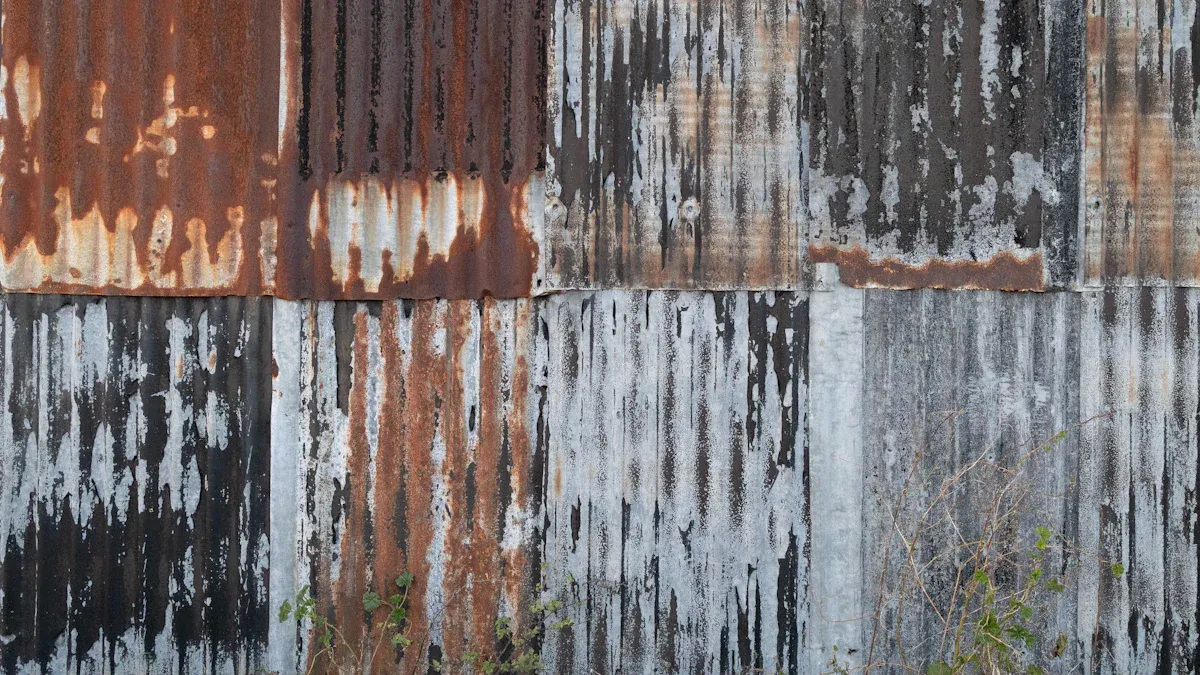
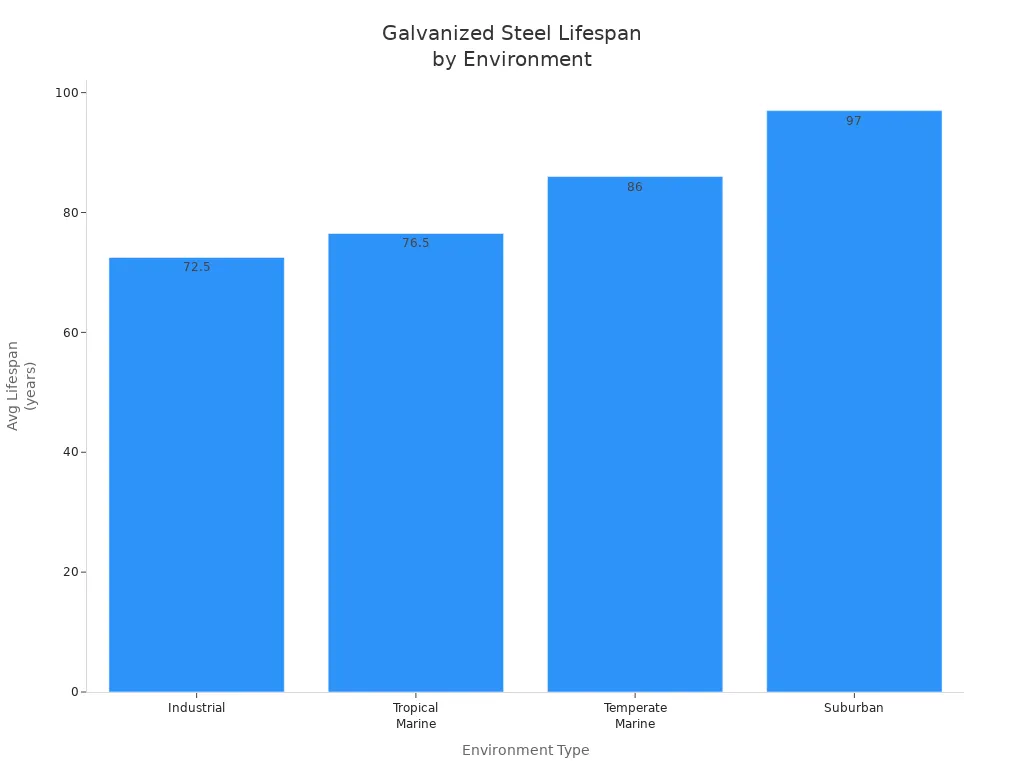
You can count on galvanized steel for good durability in many settings. The zinc coating acts as a shield, protecting the steel from rust and other damage. This coating works well in dry or mild environments. If you use galvanized steel in rural or suburban areas, it can last over 50 years. In fact, in some places, it may last more than 100 years indoors or in low-humidity spaces. Take a look at this table to see how long galvanized steel lasts in different environments:
| Environment Type | Estimated Lifespan | Notes |
|---|---|---|
| Rural areas | 50+ years | Low humidity and pollution; minimal zinc degradation |
| Urban/industrial areas | 20–40 years | Air pollution and acid rain accelerate corrosion |
| Coastal/high-humidity zones | 10–20 years | Salt and moisture increase corrosion; thick coatings recommended |
| Indoor or low-humidity | Generally longer than outdoor; less corrosive impact | Zinc coating grades like G60 recommended for indoor use |
Stainless steel offers better corrosion resistance because it forms a self-healing layer. Galvanized steel does not repair itself if the coating gets scratched. In harsh or salty environments, you may see rust sooner. Still, for many construction projects, galvanized steel gives you the right balance of strength and protection.
Cost and Availability
Galvanized steel stands out for its low cost. In 2025, you can expect to pay about half or even less per ton compared to stainless steel. This makes it a smart choice for large projects or when you want to save money. The price is forecasted to be around $975 per ton, which is lower than in previous years. You will find galvanized steel widely available for construction, fencing, and other uses. While it may need more frequent repairs in tough environments, the upfront savings can be significant.
Maintenance Requirements
You need to take care of galvanized steel to keep its durability and corrosion resistance. Regular washing with clean water helps remove salts and chemicals, especially if you live near the ocean or in an industrial area. Avoid using harsh cleaners or scrubbing tools that can scratch the zinc coating. Store galvanized steel in dry, well-ventilated places to prevent white rust. If you notice bare spots or peeling, you should repair them with zinc-rich paint or other approved methods. Always check for contact with other metals like copper, which can cause corrosion. With the right care, galvanized steel keeps its strength and protects against rust for many years.
Tip: For best results, follow maintenance guidelines and choose the right coating thickness for your environment.
Appearance and Aesthetics
When you choose galvanized steel, you notice its unique look right away. The surface starts with a dull, matte gray color. This comes from the zinc coating and how the steel cools during production. Sometimes, you see both shiny and dull spots at first. Over time, these differences fade. The steel develops a uniform matte gray finish as a zinc patina forms. For example, a walkway at Mark Twain Elementary in California showed this change. After a few years, the entire surface looked even and consistent.
Stainless steel gives you a shiny, silver-like appearance that stays the same for many years. The chromium oxide layer keeps it bright and polished. Galvanized steel, on the other hand, changes as it weathers. You may prefer its rugged, industrial look for certain projects. If you want a surface that hides scratches and blends in with outdoor settings, galvanized steel works well. It does not keep a glossy shine, but it resists rust for a long time in the right environment.
Note: Galvanized steel’s appearance becomes more uniform and less patchy as it ages, making it a good choice for projects where a consistent, low-gloss finish is desired.
Environmental Impact and Sustainability
You might wonder how galvanized steel affects the environment. Producing this material uses a lot of energy, especially when melting zinc. The process also creates greenhouse gases and waste acids that need treatment. Compared to other steel types, hot-dip galvanized steel has a higher impact on fossil fuel use and global warming potential. However, both galvanized and stainless steel are highly recyclable.
- Most structural steel contains about 93% recycled material.
- At the end of its life, about 98% of steel gets recycled.
- Electric Arc Furnace (EAF) methods use more recycled content and emit less CO2 than older methods.
- Recycling galvanized steel takes more energy because you must remove zinc traces.
- Stainless steel production uses more energy but creates less waste over time due to its long lifespan.
Galvanized steel offers good sustainability if you recycle it properly. Its durability means you do not need to replace it often, which helps reduce waste.
Best Use Cases in 2025
You see galvanized steel used in many industries in 2025. Its balance of strength, cost, and rust protection makes it a top pick for several applications:
- Automotive Industry: Car makers use galvanized steel for frames and body panels. The material’s corrosion resistance and light weight help cars last longer and improve fuel economy.
- Roofing and Fencing: Builders choose galvanized steel for outdoor structures. It stands up to harsh weather and physical impacts with little maintenance.
- Construction and Infrastructure: You find galvanized steel in building columns, warehouse racks, and solar panel mounts. Different thicknesses match different strength needs.
- Home and Decorative Uses: The material fits both modern and traditional styles. You can select from various finishes to match your project.
| Thickness Category | Typical Applications | Advantages/Notes |
|---|---|---|
| Thin Wall (0.8 – 1.5 mm) | Furniture frames, curtain rods, decorative structures | Lightweight, easy to handle, cost-effective |
| Medium (2.0 – 3.0 mm) | Solar panel mounts, school furniture, fencing, gates | Balanced weight and strength |
| Thick Wall (4.0 – 6.0+ mm) | Building columns, warehouse racks, load-bearing frames | Superior strength, longer lifespan, greater resistance |
Tip: Galvanized steel works best where you need affordable, long-lasting protection from rust, especially in automotive, construction, and outdoor projects.
Stainless Steel: Pros and Cons
Durability and Corrosion Resistance
You can rely on stainless steel for outstanding durability in almost any environment. This material contains chromium and other alloys that form a protective film on the surface. This film gives stainless steel its famous corrosion resistance. In marine and industrial settings, stainless steel outperforms galvanized steel. The zinc coating on galvanized steel can wear away, but stainless steel keeps its protection even when scratched or exposed to harsh chemicals. You will notice that stainless steel lasts much longer in salty air or near factories.
Here is a quick look at how long different grades of stainless steel last in tough environments:
| Environment | 304-Grade Stainless Steel | 316-Grade Stainless Steel |
|---|---|---|
| Marine Environments | 50-80 years | 100+ years |
| Industrial/Urban Areas | 40-100+ years | 70-100+ years |
| Residential Use | 70-100 years | 80-100+ years |
316 stainless steel contains molybdenum, which boosts corrosion resistance even more. You get a material that stays strong and durable for decades, making it a top choice for construction, bridges, and marine equipment.
Cost and Availability
You will find that stainless steel costs more than galvanized steel at first. The price reflects its higher strength, corrosion resistance, and long lifespan. In 2025, stainless steel remains widely available for many uses, from kitchen appliances to large construction projects. You can choose from several grades, such as 304 and 316, depending on your needs. While you pay more upfront, you save money over time because stainless steel rarely needs replacement or major repairs. This makes it a smart investment for projects where durability and low maintenance matter most.
Maintenance Requirements
You do not need to spend much time caring for stainless steel. Most of the time, you only need to clean it once or twice a year. Use warm water and mild detergent to remove dirt or salt. Avoid harsh acids and abrasive tools, which can scratch the surface. For tougher stains, you can use specialty cleaners or diluted vinegar. If you use stainless steel near the ocean or in areas with road salt, rinse it more often to keep its corrosion resistance high.
Here are some simple tips for keeping stainless steel looking its best:
- Clean with mild soap and water, then rinse well.
- Do not use steel wool or carbon steel brushes.
- Remove fingerprints with alcohol or acetone.
- Treat water spots with diluted vinegar.
- Wear gloves and goggles when using cleaners.
Tip: Stainless steel needs less maintenance than galvanized steel, especially in harsh environments. You get a durable, strong material that keeps its shine and resists rust for many years.
Appearance and Aesthetics
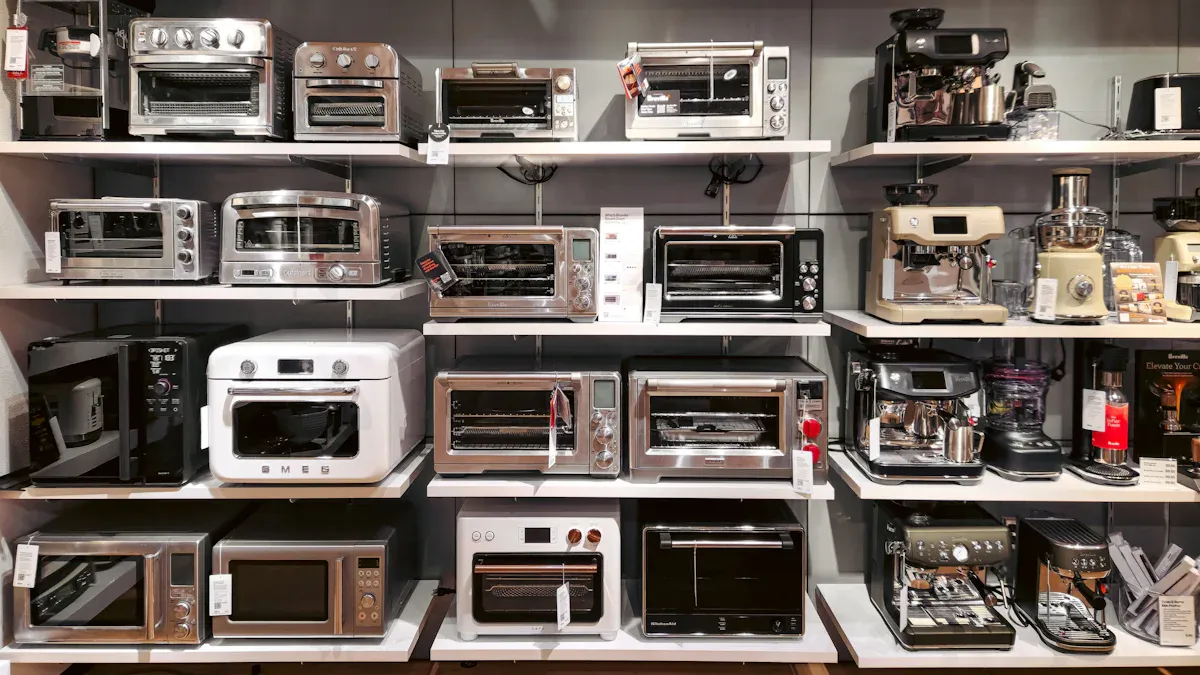
You notice that stainless steel stands out for its clean, modern look. The surface shines with a bright, silver finish that stays attractive for many years. You can choose from polished, brushed, or matte finishes to match your style. Many people pick stainless steel for kitchens, bathrooms, and public spaces because it looks sleek and professional. The material resists stains and fingerprints, so you spend less time cleaning. Over time, stainless steel keeps its shine and does not fade or rust easily. You see it in appliances, railings, and even art installations. The smooth surface also feels pleasant to touch and adds a sense of quality to any project.
Tip: If you want a material that looks new for a long time, stainless steel gives you that advantage.
Environmental Impact and Sustainability
You help the environment when you choose stainless steel. The material contains a high percentage of recycled content. Most stainless steel products use scrap metal, which reduces waste and saves energy. When you finish using stainless steel, you can recycle it again without losing quality. The production process uses more energy than some other metals, but the long lifespan of stainless steel means you replace it less often. This reduces the total impact over time. Stainless steel does not release harmful chemicals, so it works well for food and water applications. You support a cleaner planet by picking a material that lasts and recycles easily.
Best Use Cases in 2025
You find stainless steel in many industries in 2025. The material’s strength and corrosion resistance make it a top choice for demanding jobs. Here are some common uses:
- Aerospace and automotive parts, such as gears, shafts, and exhaust pipes
- Medical devices and surgical instruments, valued for hygiene and durability
- Food and beverage equipment, including mixers, conveyors, and storage tanks
- Chemical processing plants, where pipes and tanks must resist harsh chemicals
- Water and wastewater treatment systems, chosen for long life and safety
- Construction and architecture, used for both structure and decoration
- Home furnishings, like cookware, handles, and stylish furniture parts
- Electronic equipment casings, providing strength and shielding
You see stainless steel everywhere because it meets strict standards for safety, cleanliness, and appearance. Whether you build a bridge, design a kitchen, or create medical tools, stainless steel fits your needs in 2025.
Galvanized and Stainless Steel: Decision Guide
Matching Your Needs to the Right Steel
Choosing between galvanized and stainless steel depends on your project’s environment, budget, and performance needs. You should start by thinking about where you will use the steel. If your project faces rain, salt, or chemicals, you need strong corrosion resistance. For indoor or dry outdoor spaces, you can focus more on cost and ease of use.
Here is a table to help you compare the main criteria for each type:
| Criteria | Galvanized Steel | Aço inoxidável |
|---|---|---|
| Resistência à corrosão | Moderate; zinc coating protects against rust; suitable for occasional moisture but not extreme corrosive environments | Superior; highly resistant especially in marine, chemical, or high-moisture environments |
| Temperature & Pressure | Suitable for moderate conditions | High resistance; works well in high temperature and pressure |
| Cost | Lower material and fabrication costs | Higher material and fabrication costs |
| Availability & Lead Time | Often more available locally; shorter lead times | May have longer lead times; depends on supplier and grade |
| Strength & Durability | Adequate for many uses; less durable than stainless steel | High strength and durability; good for demanding jobs |
| Fabrication Ease | Easier to cut and weld | May need special tools and skills |
| Project Requirements | Good for less harsh environments and budget projects | Best for harsh environments and when you need long life |
You should also consider industry standards and local building codes. For example, solar panel mounts and outdoor structures must meet strict corrosion resistance rules. In 2025, codes like the International Energy Conservation Code (IECC) and ANSI/AISC standards require you to use materials that last and stay safe. Galvanized steel often meets these needs for general outdoor use. Stainless steel is required in coastal, industrial, or high-humidity areas because it passes tougher corrosion tests.
Tip: Always check your local codes and safety standards before you choose. This helps you avoid costly mistakes and ensures your project lasts.
You see clear differences between galvanized and stainless steel. Here’s a quick summary:
| Feature | Galvanized Steel | Aço inoxidável |
|---|---|---|
| Corrosion Defense | Zinc coating | Chromium alloy |
| Cost | Lower | Higher |
| Appearance | Matte, gray | Shiny, polished |
| Best Use | Outdoor, budget builds | Marine, food, high-end |
For most users in 2025, stainless steel gives you the best long-term value and protection. Always match your choice to your project’s needs, budget, and style. Your story shapes the right steel for you.
Perguntas frequentes
What is the main difference between galvanized and stainless steel?
You see the main difference in how each metal fights rust. Galvanized steel uses a zinc coating for protection. Aço inoxidável has chromium mixed in, which forms a self-healing layer. This makes stainless steel better for wet or salty places.
Can you paint galvanized or stainless steel?
You can paint both types, but you need to prepare the surface first. Clean and roughen galvanized steel before painting. For stainless steel, use a primer made for metals. Paint sticks better when you follow these steps.
Is stainless steel magnetic?
Some stainless steel grades attract magnets, while others do not. For example, 400-series stainless steel is magnetic. Most 300-series stainless steel, like 304 or 316, is not. Always check the grade if you need a magnetic surface.
Which steel is safer for food contact?
You should use stainless steel for food contact. It does not react with food or drinks. Stainless steel resists stains and bacteria. Galvanized steel can release zinc, which is not safe for food use.
How do you know which steel to choose for outdoor projects?
You should look at your local weather and budget. Pick stainless steel for wet, salty, or coastal areas. Choose galvanized steel for dry climates or when you need to save money. Always match the steel to your project’s needs.