
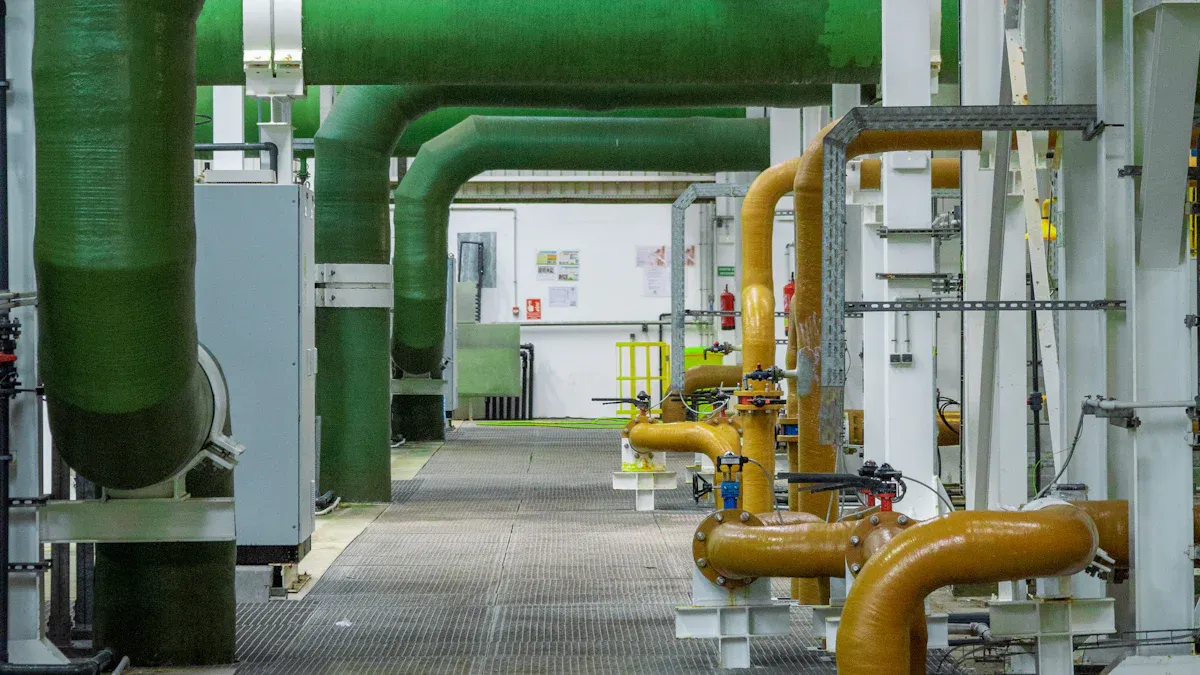
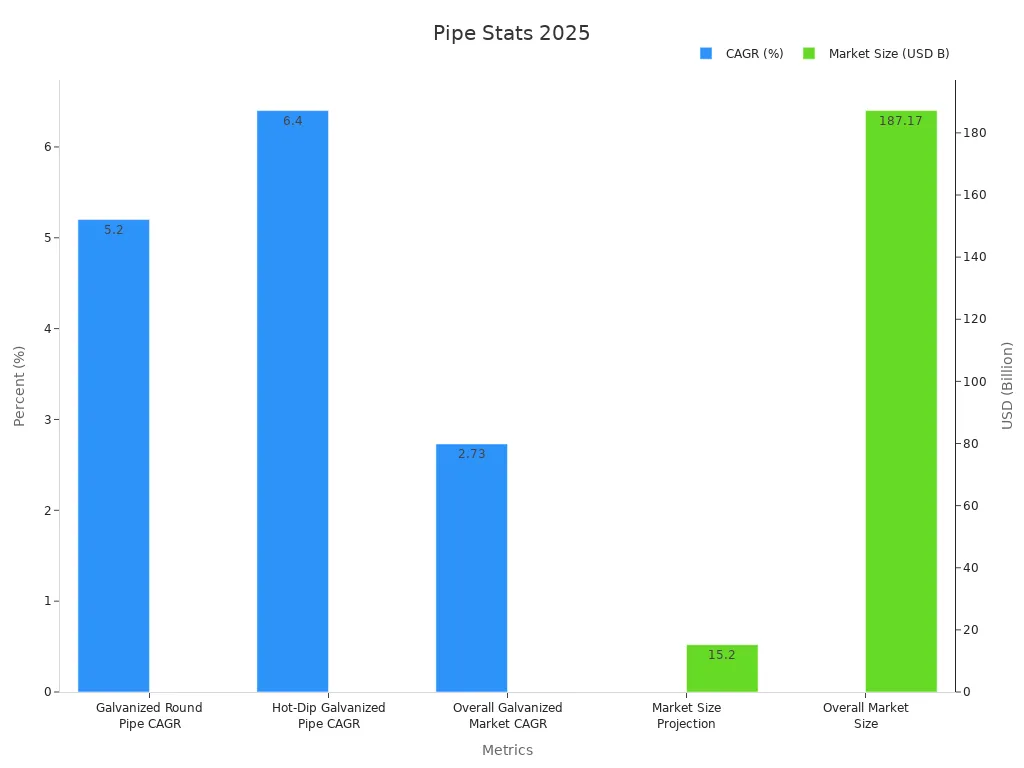
You see galvanized steel pipes everywhere, from city water mains to your backyard fence. The right galvanized steel pipe sizes help you achieve top performance, safety, and cost savings. If you pick the wrong size, you may face leaks or weak support. In 2025, the global market for these pipes will reach $187.17 billion, serving sectors like construction, water supply, and agriculture.
| Statistic / Metric | Value / Projection | Supported Uses / Applications |
|---|---|---|
| Galvanized Steel Market Value in 2025 | USD 187.17 billion | Automotive, construction, infrastructure, shipbuilding |
| Hot-Dip Galvanized Steel Tube & Pipe CAGR | 6.4% | Water and gas distribution, construction, industrial projects |
Choosing the right pipes ensures your project lasts and meets strict standards.
Overview of Galvanized Steel Pipe Sizes
Common Galvanized Steel Pipe Sizes and Characteristics
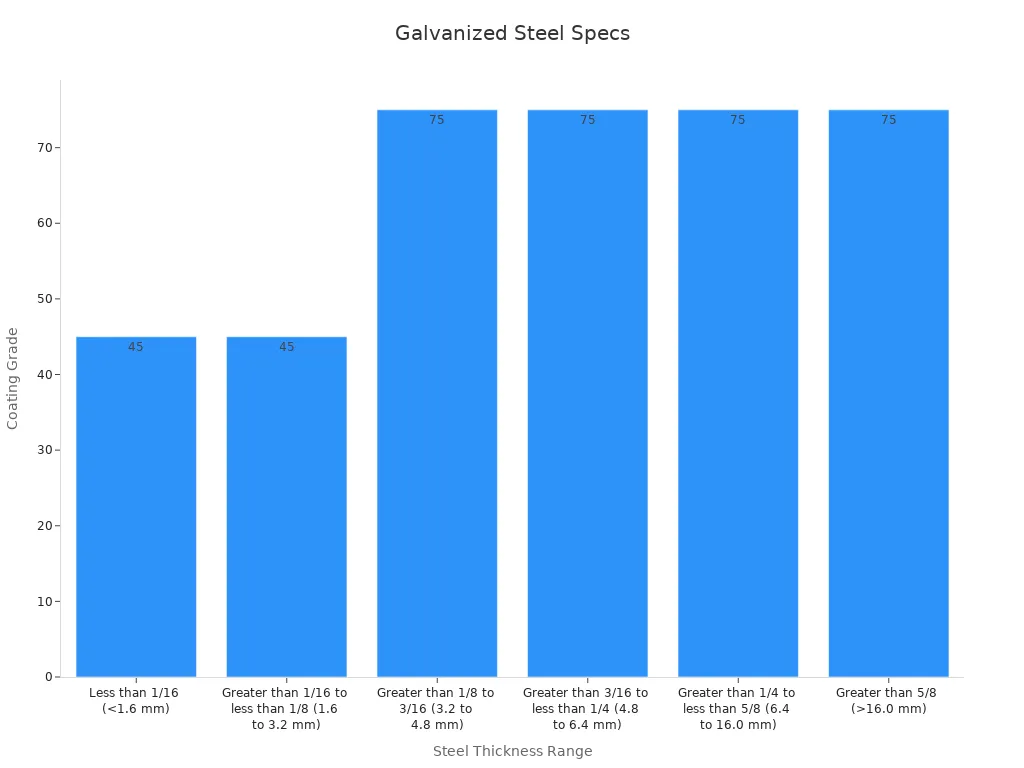
You will find many galvanized steel pipe sizes in the market. Each size has its own thickness and coating grade. The right size helps you match the pipe to your project. Most pipes follow the ASTM A123/A123M standard. This standard sets the minimum zinc coating thickness for galvanized steel pipes. Thicker pipes need a higher coating grade to protect against rust and damage.
| Steel Thickness Range (inches) | Coating Thickness Grade for Pipe & Tubing (Minimum Average) |
|---|---|
| Less than 1/16 (<1.6 mm) | 45 |
| Greater than 1/16 to less than 1/8 (1.6 to 3.2 mm) | 45 |
| Greater than 1/8 to 3/16 (3.2 to 4.8 mm) | 75 |
| Greater than 3/16 to less than 1/4 (4.8 to 6.4 mm) | 75 |
| Greater than 1/4 to less than 5/8 (6.4 to 16.0 mm) | 75 |
| Greater than 5/8 (>16.0 mm) | 75 |
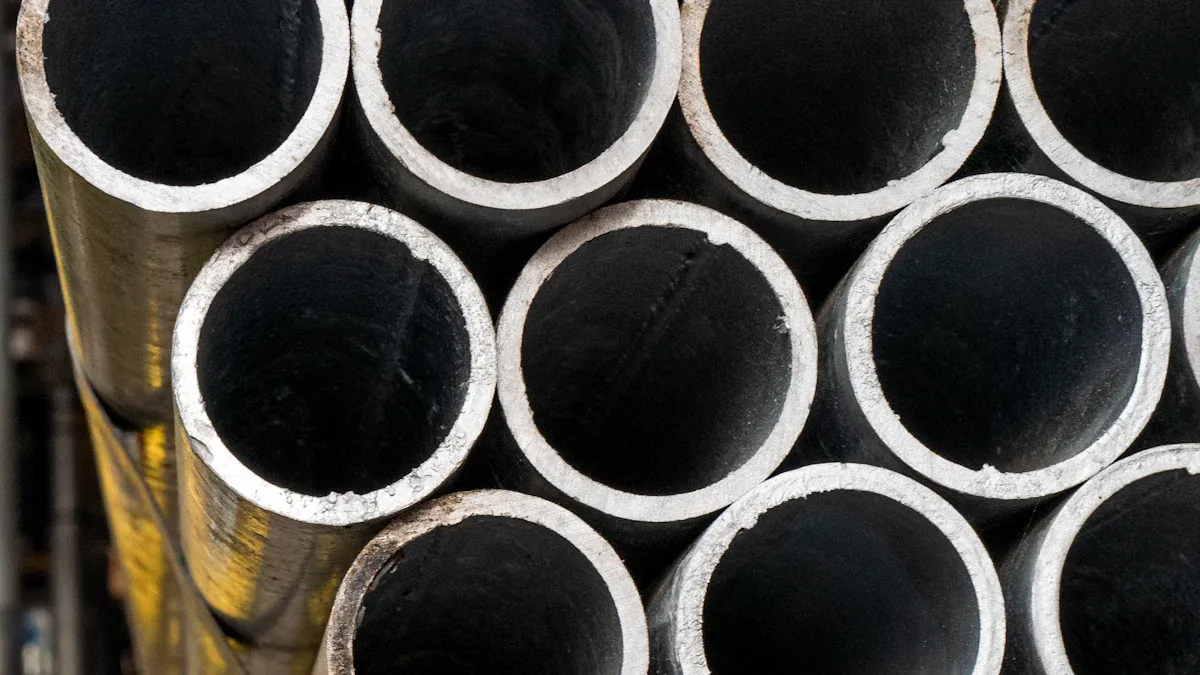
You can choose from several coating methods for galvanized steel pipes. Hot-dip galvanizing gives a thick, strong zinc layer. Electrogalvanizing uses electricity to add a thin, even coat. Sherardizing works well for small pipes and fittings. Metallic spraying and painting with zinc dust are also options, but they offer less protection.
Tip: Schedule 40 steel pipe is a common choice for water and gas lines because it balances strength and cost.
How Galvanized Pipe Size Affects Application
You need to match the size of your galvanized pipe to your application. Small pipes work well for home plumbing and electrical conduit. Medium pipes fit commercial water systems and fire sprinklers. Large pipes handle industrial water transport and municipal projects. The right size keeps your system safe and efficient.
Galvanized steel pipes resist rust, but you should know their limits. Pipes can wear down from abrasion or heavy loads. Fatigue from temperature changes may cause cracks. Over time, pipes may bend or distort if overloaded. Joints and fasteners can loosen, especially in windy or hot areas.
You may see galvanized steel pipe sizes used alongside black steel pipe in some projects. Black steel pipe is not coated, so it suits indoor gas lines. Galvanized pipes work better outdoors or where water exposure is high.
- Galvanized steel pipes protect against corrosion.
- Black steel pipe is best for dry, indoor use.
- You should always pick the right pipe for your specific applications.
Uses for Small Diameter Galvanized Steel Pipes
Residential Water Supply and Plumbing
You often see small diameter galvanized steel pipes in home plumbing systems. These pipes usually measure between 20 mm and 50 mm in diameter. You can use them for both hot and cold water supply lines. Galvanized steel pipes resist rust and corrosion, which helps your plumbing last longer. Many homeowners choose these pipes because they offer a good balance of strength and cost.
When you install galvanized pipe in your home, you help protect your water supply from leaks and contamination. Experimental studies show that leak detection in small diameter galvanized steel pipes can reach over 98% accuracy using advanced acoustic methods. This means you can quickly find and fix leaks, keeping your plumbing safe. Another study found that leak detection remains effective even when signals pass through several pipe connections. You get reliable performance for your plumbing needs.
However, you should know that small diameter pipes can have higher failure rates than larger ones. Real-world data from water distribution networks show that these pipes may fail more often in the first years after installation. Thinner walls make them more vulnerable to damage from ground movement or construction. You can reduce these risks by following proper installation practices and regular maintenance.
Tip: Always check for signs of corrosion or blockages in your galvanized steel pipes. Early detection helps prevent bigger plumbing problems.
Fencing, Handrails, and Guardrails
You can use small diameter galvanized steel pipes for fencing, handrails, and guardrails around your home or business. These pipes provide strong, durable support for outdoor structures. The zinc coating on galvanized pipe protects it from rust, even in harsh weather. You can expect a lifespan of up to 50 years in tough environments.
Galvanized steel pipes meet strict standards like ASTM A53 and EN10240. These standards ensure you get consistent quality and safety. For handrails and guardrails, you often see pipe diameters between 21 mm and 26 mm. These sizes work well for light loads, such as in residential or light commercial settings. The pipe diameter affects how much weight the structure can hold. Larger diameters prevent bending or buckling under heavy loads.
- Galvanized steel pipes are common in fencing posts and railings.
- You can use them for diy steel pipe crafts or even industrial-style furniture.
- Regular inspections help you maintain safety and extend the life of your fencing and railings.
Case studies show that galvanized steel pipes perform well in industrial and agricultural settings. For example, a water treatment facility used over 32,000 feet of galvanized pipe with no corrosion failures after two years. Lifespans can range from 25 to 85 years, depending on the environment and maintenance.
Sprinkler and Irrigation Systems
You can use small diameter galvanized steel pipes in sprinkler and irrigation systems for gardens, lawns, and small farms. These pipes help deliver water evenly across your property. In micro-sprinkler systems, you often see pipe diameters like DN100 and DN150. These sizes work well with pressures between 0.15 and 0.30 MPa and nozzle flow rates of about 140 liters per hour.
A study in a citrus orchard showed that using small diameter pipes improved water distribution. The irrigation water utilization coefficient increased from 0.5 in traditional systems to 0.95 in micro-sprinkler setups. This means you use water more efficiently and save money. Small diameter pipes also make it easier to divide the main line into branches, so you can irrigate different areas at the same time.
You may find that plastic pipes offer better corrosion resistance and are easier to install than galvanized steel pipes. However, galvanized steel pipes still provide good pressure resistance and durability, especially in areas with high mechanical stress.
Note: When designing your irrigation system, consider both the pipe material and diameter. This helps you balance cost, performance, and long-term reliability.
Electrical Conduit and Cable Protection
You can use small diameter galvanized steel pipes to protect electrical wires and cables. These pipes work well as conduits in homes, schools, and commercial buildings. The zinc coating on galvanized pipes helps prevent rust and keeps your electrical system safe for many years.
When you run wires through galvanized steel pipes, you shield them from moisture, rodents, and accidental damage. This protection is important in places where wires might get wet or exposed to harsh weather. You also lower the risk of electrical fires because the metal pipe acts as a barrier if a wire shorts out.
Many electricians choose galvanized steel pipes for outdoor wiring. You often see these pipes used for street lighting, parking lot lights, and even in custom lighting fixtures. The strong metal keeps cables safe from cars, lawn equipment, and other hazards.
Tip: Always check local building codes before installing galvanized steel conduit. Some areas require special fittings or extra grounding for safety.
You can find galvanized steel conduit in several sizes. The most common sizes for electrical work range from 15 mm to 32 mm in diameter. The right size depends on how many wires you need to run and the type of installation.
| Pipe Diameter (mm) | Typical Use Case |
|---|---|
| 15 | Single light or outlet circuits |
| 20 | Small branch circuits |
| 25 | Main feeder cables |
| 32 | Large bundles or outdoor wiring |
You should use proper connectors and bushings when joining pipes. This step prevents sharp edges from cutting the wires inside. Regular inspections help you spot rust or loose fittings early.
- Galvanized steel conduit lasts longer than plastic in tough conditions.
- You can bend these pipes to fit around corners and obstacles.
- Many schools and hospitals use galvanized conduit for extra safety.
If you plan to install new wiring or upgrade old systems, consider galvanized steel pipes for reliable cable protection. You get peace of mind knowing your electrical system stays safe and strong.
Uses for Medium Diameter Galvanized Pipe
Commercial Plumbing and Water Distribution
You often see medium diameter galvanized steel pipes in commercial plumbing systems. These pipes usually range from 2 to 6 inches in diameter. You can use them for water distribution in schools, hospitals, and office buildings. Medium diameter pipes help move large amounts of water quickly and safely. They also resist rust and last for many years.
A major pharmaceutical company replaced old galvanized steel pipes with new medium diameter pipes. The new system improved water quality and flow. The company saved money because the pipes cost less than copper or steel alternatives. Workers finished the installation quickly by using prefabricated sections. The new pipes also made it easy to add branch lines later. You can trust medium diameter galvanized steel pipes to provide strong, reliable plumbing for your building.
Tip: Schedule 40 steel pipe is a popular choice for commercial plumbing because it balances strength and cost.
Fire Sprinkler Systems
You may find medium diameter galvanized pipe in fire sprinkler systems. These pipes help deliver water to sprinkler heads during a fire. Many buildings use galvanized steel pipes for this purpose. However, you should know about some safety concerns.
| Statistic / Fact | Detail |
|---|---|
| Corrosion in dry sprinkler systems | Over 70% experience significant corrosion within 12.5 years |
| Corrosion in wet sprinkler systems | 35% experience significant corrosion after 25 years |
| Pipe rupture in dry systems | Can occur within 4 years |
| Environmental hazard | Galvanized pipes can shed zinc ions, sometimes exceeding safe limits by 30 times |
Fire codes require regular inspection and testing of these pipes. If you find corrosion, you must take action to prevent leaks or failures. Some experts now recommend using black steel pipe or treating the water to reduce corrosion. You should always follow local codes and best practices to keep your fire sprinkler system safe.
Structural Supports and Scaffolding
Medium diameter galvanized steel pipes play a key role in structural supports and scaffolding. You see these pipes in construction sites, shelving supports, and temporary walkways. The most common size for scaffolding is 48.3 mm in diameter with a wall thickness of 3.2 to 4.0 mm. This size gives you the right balance of strength and flexibility.
- These pipes meet strict standards like BS 1139 and EN 39.
- They resist bending and buckling under heavy loads.
- Proper design and strong fasteners keep your scaffolding safe.
Engineering studies show that steel tubular scaffolds with couplers provide reliable support. You can use galvanized steel pipes for both indoor and outdoor projects. Some builders choose black steel pipe for indoor use, but galvanized pipe works better outside because it resists rust.
Note: Always check that your pipes and fittings meet national safety standards before building scaffolding.
Gas and HVAC Piping
You often see medium diameter galvanized steel pipes in gas and HVAC piping systems. These pipes usually range from 2 to 6 inches in diameter. You can use them to move natural gas, propane, or air in commercial and industrial buildings. Galvanized steel pipes protect against rust, which helps your system last longer.
Why Choose Galvanized Steel for Gas Lines?
- Galvanized pipes resist corrosion from moisture in the air.
- The zinc coating adds a layer of safety for gas transport.
- You get strong pipes that handle high pressure.
Tip: Always check local codes before using galvanized pipes for gas. Some areas do not allow galvanized steel for indoor gas lines because of possible flaking inside the pipe.
HVAC Applications
You can use galvanized steel pipes for HVAC systems. These pipes carry hot or cold air to different rooms. They also work well for venting exhaust gases from furnaces or water heaters. The smooth inside surface helps air flow easily.
| Pipe Size (inches) | Typical HVAC Use |
|---|---|
| 2 | Small branch ducts, vent pipes |
| 4 | Main supply or return ducts |
| 6 | Large air handlers, exhaust |
Safety and Maintenance
You must inspect gas and HVAC pipes often. Look for signs of rust, leaks, or loose joints. Replace damaged pipes right away. Use proper fittings and sealants to prevent leaks.
- Always use a licensed professional for gas line work.
- Test for leaks after installation.
- Clean HVAC pipes to keep air quality high.
Note: Galvanized steel pipes can last over 40 years in HVAC systems if you maintain them well.
You can trust medium diameter galvanized steel pipes for safe, strong, and long-lasting gas and HVAC piping.
Uses for Large Diameter Galvanized Steel Pipes
Industrial Water Transport and Drainage
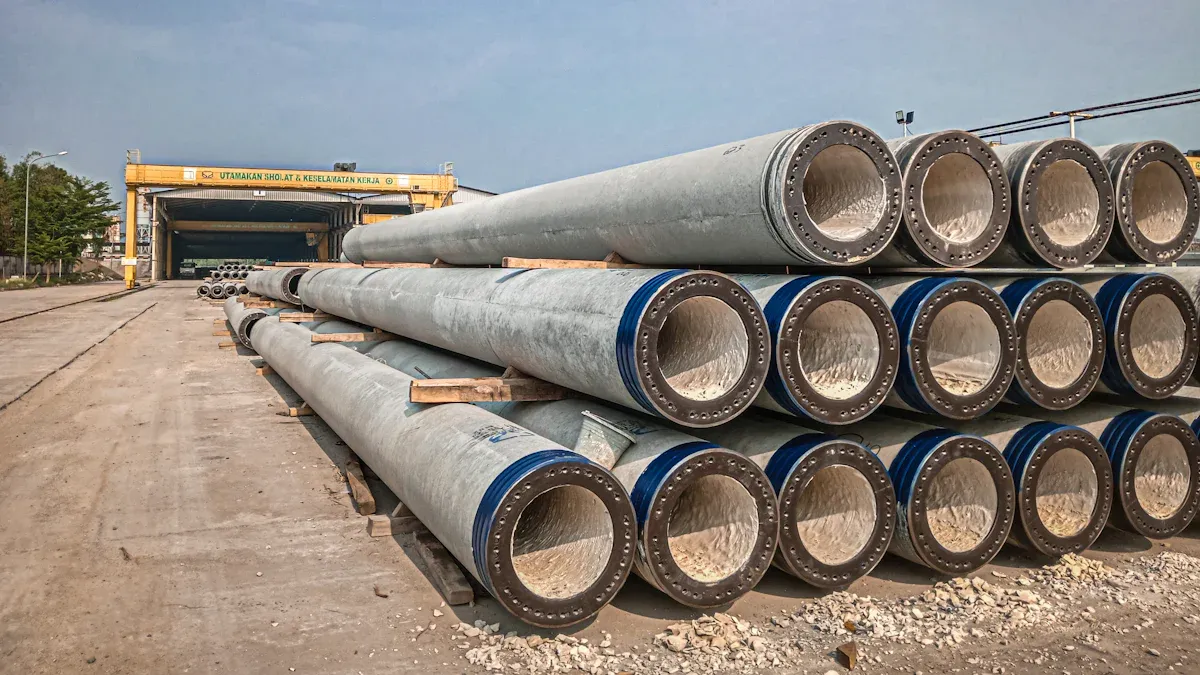
You often see large diameter galvanized steel pipes in factories and industrial plants. These pipes move huge amounts of water for cooling, cleaning, or waste removal. You can trust galvanized steel pipes to handle high pressure and tough conditions. The zinc coating protects the pipes from rust, even when water flows fast or carries chemicals. Many industries choose these pipes because they last for decades and need little maintenance.
When you use large diameter pipes, you get better flow rates. This means water moves quickly and does not build up inside the system. You also reduce the risk of blockages. Some plants use these pipes for stormwater drainage. The strong steel stands up to heavy loads from trucks or equipment. You can install these pipes above or below ground, depending on your needs.
Note: Always check the pipe size and wall thickness before starting your project. This helps you avoid leaks and costly repairs.
Municipal Infrastructure and Sewage
Cities rely on large diameter galvanized steel pipes to manage sewage and stormwater. These pipes help prevent flooding and protect the environment. You see them in underground tunnels, retention tanks, and main sewer lines. Engineers pick galvanized steel pipes because they resist corrosion and last a long time.
Here is an example from a real urban project:
| Aspect | Details |
|---|---|
| Localização | Thetford Mines, St-Noël Park urban wastewater retention system |
| Pipe Type | Large diameter pipes (2400 mm and 3000 mm) |
| Retention Volume Requirement | 300,000 ft³ to prevent combined sewer overflows during heavy rainfall |
| Challenges | High groundwater, limited space, strict environmental rules |
| Pipe Advantages | Maximizes storage, fewer joints, lighter than concrete, customizable, lifespan >100 years |
| Installation & Maintenance | 200+ pipes, 20+ custom accessories, 14 access chimneys for inspection |
| Environmental & Cost Benefits | Prevents overflows, protects ecosystems, cost-effective installation |
| Project Duration | Completed in 8 weeks, on time and on budget |
You can see that large diameter pipes help cities meet strict standards and finish projects quickly. The lighter weight makes installation easier and cheaper. You also get fewer leaks because there are fewer joints.
Agricultural Irrigation Mains
Farmers use large diameter galvanized steel pipes to move water across big fields. These pipes serve as main lines in irrigation systems. You can count on them to deliver water to every part of your farm. The strong steel resists damage from tractors and animals. The zinc coating keeps the pipes safe from rust, even when you use fertilizers or recycled water.
You get steady water flow with large diameter pipes. This helps crops grow better and saves water. Many farms use these pipes for both gravity-fed and pressurized systems. You can connect smaller pipes to the main line to reach every row of crops.
- Large diameter galvanized steel pipes support modern agriculture.
- You can install them above ground or bury them for protection.
- Regular checks help you spot leaks or damage early.
Construction and Transportation Projects
You see large diameter galvanized steel pipes play a big role in modern construction and transportation. These pipes help build strong frameworks for bridges, tunnels, and metro rail systems. You can rely on them for pipe projects that need both strength and long life. Hot-dip galvanizing gives these pipes a thick zinc coating, so they last up to 50 years outdoors. This makes them a smart choice for harsh or corrosive environments.
Major manufacturers supply these pipes for big infrastructure jobs. For example, metro rail systems and high-rise buildings use large diameter galvanized pipes because they resist rust and damage. You find them in municipal water supply lines and as supports for solar farms. In one solar farm, 3 1/2 inch galvanized pipes held up to 28,000 pounds with very little bending. These pipes also stood up to strong sunlight better than powder-coated pipes.
You can choose from different coating thicknesses based on where you use the pipes. Standard, heavy, and ultra-heavy coatings protect against different levels of corrosion. Some pipe projects need special features, like threading or extra reinforcements for marine work. Technical standards, such as ASTM A53 Grade B, set the rules for strength and safety. For example, a 1-inch pipe can handle up to 1,140 PSI of pressure.
Here is a quick look at why you might pick galvanized steel pipes for construction and transportation:
| Feature | Benefit |
|---|---|
| High strength | Supports heavy loads and long spans |
| Corrosion resistance | Lasts longer in tough environments |
| Custom options | Fits special project needs |
| Proven performance | Outperforms PVC and black steel |
You help your city grow and stay safe when you choose the right pipes for your construction and transportation projects. These pipes keep bridges, buildings, and transit systems strong for decades.
How to Choose the Right Galvanized Steel Pipe Size
Assessing Flow and Pressure Requirements
You need to start by understanding how much water or gas your system will move. Flow and pressure are key factors when you select galvanized steel pipes. If you pick the wrong size, you may face leaks or bursts. Engineers use several methods to check if a pipe can handle the job. The table below shows some common ways to measure flow and pressure in pipes:
| Analytical Framework / Metric | Description / Role | Relevance to Galvanized Steel Pipe Selection |
|---|---|---|
| Ratio of pipe wall thickness to diameter (h/d) | Checks pipe stiffness and how fast pressure waves travel. Higher h/d means stronger pipes. | Helps you choose pipes that resist bending and pressure surges. |
| Experimental measurements | Measures pressure and strain during sudden changes, like water hammer events. | Shows how pipes react to real-world stress. |
| Modal analysis | Finds natural frequencies of the pipe system. | Helps avoid vibration problems that can damage pipes. |
| Fast Fourier Transform (FFT) | Breaks down pressure signals into parts to study pipe behavior. | Lets you see how pipes respond to quick pressure changes. |
| Safety factors | Shows how much extra strength the pipe has before it fails. | Galvanized steel pipes have high safety factors, making them very durable. |
You can use these tools to make sure your pipes will last and keep your system safe.
Matching Pipe Size to Application Needs
You should always match the pipe size to your specific applications. For home plumbing, smaller pipes work well for sinks and showers. In commercial buildings, you need medium pipes for water supply and fire systems. Large pipes fit best in factories or city water lines. Each application has its own needs, so you must check flow rates and pressure before you decide.
Tip: If you want a long-lasting plumbing system, choose a pipe size that meets both current and future needs.
You can ask a professional to help you pick the right size. This step helps you avoid costly mistakes and keeps your plumbing safe.
Budget, Installation, and Maintenance Considerations
You need to think about your budget when choosing galvanized steel pipes. Larger pipes cost more, but they may save money in the long run if they reduce repairs. Smaller pipes are cheaper to buy and install, but they may not last as long in tough applications.
Installation is another key factor. Some pipes are heavy and need special tools or extra workers. You should also plan for regular maintenance. Galvanized steel pipes resist rust, but you still need to check for leaks or blockages. Good maintenance helps you avoid big problems and keeps your plumbing needs under control.
Note: Always balance cost, ease of installation, and future maintenance when you choose pipe sizes for your project.
Industry Trends for Galvanized Steel Pipes in 2025
Green Building and Sustainable Applications
You see a growing focus on green building in 2025. Builders and architects look for materials that lower energy use and reduce harm to the environment. Many studies show that alternatives like PVC-U and CPVC pipes use less energy and create fewer emissions than galvanized steel pipes. For example, PVC-U pipes can cut energy use by up to 91% compared to galvanized steel pipes in water systems. These findings push many projects to choose materials with a smaller environmental footprint. Still, you find galvanized steel pipes in projects where strength and durability matter most. You should weigh the benefits of long-lasting pipes against their higher environmental impact.
Note: Green building standards now encourage you to pick materials with lower life cycle impacts for both new construction and renovations.
Advances in Corrosion Resistance Technology
You benefit from new technology that makes galvanized steel pipes last longer. Manufacturers improve zinc coatings and develop new alloys to fight rust and wear. These advances help pipes perform better in harsh conditions, such as coastal areas or chemical plants. You can now find pipes with thicker coatings and special treatments that slow down corrosion. This means you spend less time and money on repairs. Many companies also offer a wider range of products, including T-pipes, valves, and flanged connections, to fit different needs.
| Aspect | Details |
|---|---|
| Market Size 2025 | USD 5.23 billion |
| CAGR | 7% |
| Product Range | T-pipes, short pipes, valves, reducers, end caps, flanged connections |
| Strategic Focus | Growth in fast-growing segments and recovery from COVID-19 impact |
You see a fragmented market, but strong growth comes from both new and improved products.
New Uses in Renewable Energy and Smart Infrastructure
You notice that galvanized steel pipes now play a bigger role in renewable energy and smart infrastructure. Solar farms, wind power plants, and smart cities need strong, reliable pipes for support structures and water management. The market for these pipes keeps growing, with forecasts showing steady expansion through 2030. Key companies like ArcelorMittal and Nippon Steel lead the way by offering innovative solutions for these new uses.
- Solar farms use galvanized steel pipes for mounting panels.
- Wind farms rely on these pipes for tower supports and cable protection.
- Smart cities use pipes in water recycling and energy-efficient buildings.
You help drive this trend by choosing galvanized steel pipes for projects that support clean energy and modern infrastructure.
You use galvanized steel pipes in many ways. Small sizes work best for home plumbing, fencing, and cable protection. Medium sizes fit commercial water, fire systems, and HVAC. Large sizes serve industry, city water, and big construction. Picking the right size of galvanized steel pipes helps your project last longer and stay safe. Experts agree that good pipe choices improve system strength, lower maintenance, and support safe water flow.
- Galvanized steel pipes meet strict standards for strength and corrosion resistance.
- Proper selection leads to efficient, durable, and sustainable results.
| Padrão | Key Requirement |
|---|---|
| ASTM A53 | Yield strength ≥250MPa, elongation ≥18% |
| EN 10217-1 | Galvanized layer thickness ≥85μm |
For the best results, talk to a professional or supplier before you choose galvanized steel pipes for your next project.
Perguntas frequentes
What is the main benefit of using galvanized steel pipes?
You get strong pipes that resist rust. The zinc coating protects the steel. This helps your pipes last longer, even outdoors or in wet places.
How do I choose the right size of galvanized steel pipe?
You should check your flow and pressure needs. Match the pipe size to your project. Ask a professional if you feel unsure.
Tip: Bigger pipes move more water or gas, but cost more.
Can I use galvanized steel pipes for drinking water?
Yes, you can use them for drinking water. Many homes and cities use these pipes. Always check local codes and test your water for safety.
How long do galvanized steel pipes last?
Most galvanized steel pipes last 40 to 100 years. Lifespan depends on the environment and how well you maintain them.
| Environment | Expected Lifespan |
|---|---|
| Dry, indoor use | 70–100 years |
| Outdoor, wet use | 40–70 years |
Are galvanized steel pipes safe for gas lines?
You can use them for some gas lines. Always check your local building codes first. Some places do not allow galvanized pipes for indoor gas because flakes may block the line.