
If you want a garden border that lasts, you might consider galvanized steel edging. This material stands up to weather and keeps your garden neat. Many homeowners like how it looks and how little work it needs. You will find both pros and cons when you choose galvanized steel edging. Some people worry about the cons, like cost or sharp edges, but others see it as a smart investment for 2025.
What Is Galvanized Steel Edging?
How Galvanized Steel Edging Works
You might wonder how metal landscape edging stands up to the elements. Manufacturers make galvanized steel edging by coating regular steel with a layer of zinc. This process, called hot-dip galvanizing, involves dipping steel into molten zinc. The zinc bonds with the steel, forming a tough barrier that keeps out moisture and stops rust. You get a product that lasts for years, even in harsh weather.
The production process follows strict standards like ASTM A123 and ISO 1461. First, workers clean the steel to remove dirt and oil. Then, they use acid to get rid of any rust or scale. After that, the steel goes into a zinc bath at high temperatures. The zinc forms a protective layer, which is checked for thickness and quality. Some types, like galvannealed steel, go through extra heating to make the surface even harder and better for painting. This makes metal landscape edging a strong choice for outdoor use.
Tip: The zinc coating acts as a shield. If you scratch the surface, the zinc still protects the steel underneath.
Common Uses for Steel Garden Edging
You can use metal landscape edging in many ways around your yard. Many people use it to create clean lines between lawns and flower beds. It helps keep grass from spreading into your garden beds. You can also use it to shape paths, hold back gravel, or make neat borders for raised garden beds.
Some brands, like EverEdge, offer strips with pointed teeth. You can bend these strips to fit curves or circles, such as around trees. Garden designers often choose metal landscape edging for its neat look and long life. At famous events like the Chelsea Flower Show, you will see it used to create sharp, modern edges. If you want a more affordable option, you can find corrugated rolls that sink into the lawn edge.
Metal landscape edging is also popular for building galvanized raised beds. These beds last longer than wood and need less care. You can find many galvanized garden bed options that match your style. If you want a sturdy border that lets you mow right up to the edge, metal landscape edging works well.
Pros and Cons of Galvanized Steel Edging
Durability and Longevity of Metal Landscape Edging
When you choose metal landscape edging, you want something that will last. Galvanized steel edging stands out for its durability. The zinc coating protects the steel from rust and damage. You can expect this type of garden edging to last for decades. Many people see it as a long-lasting solution for their lawn and garden.
You might notice that metal landscape edging keeps its shape even after years of use. It does not crack or rot like wood. It also resists damage from lawn mowers and garden tools. The sturdy design helps it hold up against bumps and weather changes. You get a durable border that keeps your lawn and flower beds separate.
Note: Galvanized steel edging often lasts 50 to 75 years without needing replacement. This makes it one of the most durable options for garden edging.
Low Maintenance Benefits
One of the biggest benefits of metal landscape edging is how little work it needs. You do not have to paint or seal it every year. The zinc coating keeps rust away, so you spend less time on upkeep. This means you can enjoy your garden more and worry less about repairs.
Here is a table that compares the maintenance needs of different types of metal landscape edging:
| Aspect | Hot-Dip Galvanized Steel (HDG) | Metallized Coatings |
|---|---|---|
| Maintenance-Free Duration | 50-75 years | 17-22 years |
| Initial Cost | About half the cost of metallizing | Higher initial cost |
| Lifecycle Cost (including maintenance) | Baseline | 4-5 times more expensive |
| Coating Characteristics | Dense, uniform, strong bond (~3600 psi), high abrasion resistance | Rough, porous, weaker bond (~1500 psi), softer zinc coating |
You can see that galvanized steel edging gives you more years without extra work. The benefits of lawn edging like this include saving money and time over the years. You do not have to worry about replacing it often. This makes it a smart choice for busy homeowners who want a neat lawn.
Clean and Modern Garden Edging Appearance
If you want your garden to look tidy, metal landscape edging helps you get a clean separation between your lawn and flower beds. The straight lines and smooth finish give your yard a modern look. Many people like the aesthetic appeal of steel garden edging because it fits both classic and new landscaping styles.
You can use steel garden edging to create sharp curves or straight borders. This flexibility lets you design your lawn the way you want. Metal lawn edging also keeps grass from spreading into your flower beds. Your garden stays neat, and you spend less time trimming the edges.
Tip: Steel garden edging works well for both small and large lawns. You can use it to make paths, borders, or even raised beds.
When you look at the pros and cons, you see that the pros include durability, low maintenance, and a modern look. The cons may include higher upfront cost or installation effort, but the benefits often outweigh these issues. If you want a sturdy, durable, and attractive border for your lawn, galvanized steel edging offers many advantages.
Flexibility and Versatility in Garden Design
You want your garden to look unique. Steel garden edging gives you many options for shaping your outdoor space. You can bend it to fit curves, corners, or even circles. This flexibility helps you create borders that match your vision. You can use it to make straight lines along your lawn or design winding paths through your flower beds.
Many people choose steel garden edging because it works with different types of gardens. You can use it in modern yards with sharp lines or in classic gardens with soft curves. You can also use it to separate your lawn from gravel, mulch, or stone. This makes your yard look neat and organized.
Tip: You can use lawn edging to create raised beds, tree rings, or even small retaining walls. This helps you control soil and water in your garden.
Steel garden edging comes in different heights and thicknesses. You can pick the size that fits your project. Some people use tall edging to keep grass out of flower beds. Others use low edging for a subtle border along the lawn. You can also paint or powder-coat the edging to match your garden style.
Here are some ways you can use lawn edging in your yard:
- Make a clean border between your lawn and flower beds.
- Shape paths that guide people through your garden.
- Build sturdy edges for gravel or mulch areas.
- Create raised beds for vegetables or flowers.
- Form tree rings that protect roots and keep grass away.
You can install steel garden edging in both small and large spaces. It works well for city yards and country gardens. You can even use it on slopes or uneven ground. The sturdy design keeps the edging in place, even when you mow or walk nearby.
When you look at the pros and cons, you see that flexibility is a big advantage. You can change your garden design over time. If you want to move a border or add a new path, you can adjust the edging. This makes it easy to update your lawn without starting over.
Note: Steel garden edging is a sturdy choice for people who want a neat, organized, and creative garden. You get a product that lasts and adapts to your needs.
Drawbacks of Steel Garden Edging
Upfront Cost of Galvanized Steel Edging
When you plan your garden, you might notice that steel garden edging costs more at the start than some other options. The average price for galvanized steel drip edge ranges from $1 to $3 per linear foot. For a whole project, you could spend between $150 and $1,000, depending on the size and how complex the installation is. This puts metal landscape edging in the middle range for cost. It is more expensive than aluminum but less than copper. You may find that galvanized steel edging is cheaper than Galvalume steel, but it does not last as long and may need more repairs over time. While the upfront price can feel high, you should also think about how long the edging will last and what you might pay for repairs in the future.
Installation Challenges for Metal Landscape Edging
You might face some challenges when you install metal landscape edging. The material is strong and can be hard to bend, especially if you want to make curves or circles. You may need special tools or extra help to cut and shape the edging. Sometimes, the edges can be sharp, so you should wear gloves and take care during installation. If you do not set the edging deep enough, it might shift or pop out of the ground over time. You may also need to level the ground before you start, which adds more work. These steps can make the process harder for beginners or people who want a quick project.
Tip: Ask a friend to help or consider hiring a professional if you have a large or tricky area to edge.
Potential for Rust and Corrosion
Galvanized steel edging resists rust, but it is not immune. Over time, the zinc coating can wear away, especially in harsh conditions. Studies show that factors like soil moisture, pH, and temperature can speed up corrosion. If you live near the ocean or in a place with salty air, the risk of rust increases. Laboratory tests found that certain chemicals in the soil or water can form corrosion products on the steel. You should check your edging now and then for signs of rust, especially if you notice scratches or damage. Taking care of your garden edging helps it last longer and keeps your yard looking neat.
Style and Safety Considerations
When you choose galvanized steel edging, you want your garden to look good and stay safe. Steel edging gives your garden a modern, clean style. The shiny or matte finish fits many garden designs. You can use it in both formal and casual spaces. Some people like the bold lines it creates. Others prefer how it blends with plants and stones. You can paint or powder-coat the edging if you want a different color. This lets you match your garden’s theme or your home’s exterior.
Safety matters when you work with metal in your yard. Galvanized steel edging often has sharp edges, especially right after you cut it. You should wear gloves and use care during installation. Some brands offer rolled or folded top edges. These designs help protect your hands and feet from cuts. If you have children or pets, you may want to choose edging with a rounded top. This lowers the risk of injury.
A safety evaluation by SGS Group, a respected metal testing authority, confirms that Anleolife galvanized stainless steel raised garden beds meet strict safety standards. These products follow EU RoHS and California Proposition 65 rules. This means the metal does not contain hazardous substances and is safe for use in gardens. The report also points out the product’s corrosion resistance and eco-friendly nature. While this test focused on raised beds, it shows that high-quality galvanized steel can be safe and durable for garden use.
Tip: Always check the edges after installation. If you find any sharp spots, you can file them down or cover them with protective caps.
You will not find official style ratings for metal garden edging. Most style choices depend on your taste and the look you want for your yard. Galvanized steel edging gives you a neat, professional finish. It also helps keep your garden safe when you install and maintain it with care.
Comparing Galvanized Steel Edging to Other Garden Edging Materials
Galvanized Steel vs. Plastic Garden Edging
When you compare galvanized steel edging to plastic garden edging, you notice big differences in how long each lasts and how much work they need. Steel edging stands up to harsh weather and heavy use. Plastic edging often cracks or warps after a year or two. You might find yourself fixing or replacing plastic borders more often.
Here is a table to help you see the main differences:
| Aspect | Galvanized Steel Edging | Plastic Garden Edging |
|---|---|---|
| Trwałość | Extremely hard-wearing; lasts 10+ years; suitable for harsh environments | Prone to warping, cracking, shunting; often needs replacement within 1-2 years |
| Cost | Higher initial cost; installation requires more effort/time but is a worthwhile investment | Lower initial cost; lightweight and affordable but may incur frequent replacement costs |
| Maintenance | Minimal maintenance; resists movement from roots, mower contact, or disturbance | Moves out of alignment easily; requires frequent fixing or replacement |
| Installation | Precision-engineered for curves; may be trickier to install | Easier to install due to lightweight nature but less durable |
| Aesthetic | Contemporary look; boosts garden appearance and property value | Less aesthetic; may not maintain neatness over time |
You can see that steel edging costs more at first, but it saves you time and money later. It also gives your garden a neat, modern look that lasts.
Galvanized Steel vs. Wood Garden Edging
You might wonder if wood edging is better for your garden. Galvanized steel edging lasts much longer than wood. Steel does not rot or get eaten by pests. The zinc coating on steel stops rust for many years. Over time, some zinc can leak into the soil, so you may want to line the edging or check it often.
- Steel edging resists pests and rot, so it stays strong for many years.
- The zinc coating helps prevent rust, but you should watch for signs of wear.
- Metal can make the soil warmer or cooler, which may affect some plants.
- Making and throwing away metal edging uses more energy than wood, so it may not be as eco-friendly.
- Wood edging breaks down faster but does not add chemicals to the soil as easily.
- You can use food-safe steel or add a liner to protect your soil and plants.
If you want edging that lasts, steel is a good choice. If you care more about the environment, wood may be better for your landscaping.
Galvanized Steel vs. Stone Garden Edging
Stone garden edging gives your yard a natural look. You can use rocks or bricks to make borders that blend with plants. Stone lasts a long time and does not rust or rot. It can be heavy and hard to move, so you may need help to install it. Stone edging often costs more than steel, especially if you pick special types of rock.
Steel edging gives you straight lines and sharp curves. Stone works best for soft, flowing shapes. You can use both in different parts of your garden to get the look you want. If you want a modern, clean edge, steel works well. If you like a natural style, stone may fit your garden better.
Galvanized Steel vs. Natural Garden Edging
When you plan your garden, you might think about using natural edging. Natural garden edging uses materials like turf, living plants, or earth mounds. These borders blend into your yard and look soft and green. Galvanized steel edging gives you a sharp, modern line. Each type has its own strengths and weaknesses.
Natural Garden Edging:
- You can use grass, ground cover plants, or soil mounds.
- These borders look natural and fit well with cottage or wild gardens.
- You do not need to buy special materials.
- You may need to trim or reshape the edges often.
- Grass and plants can spread into your flower beds.
Galvanized Steel Edging:
- You get a clean, crisp border that keeps grass and mulch in place.
- Steel edging lasts for decades with little care.
- You can shape it into straight lines or curves.
- The metal edge stands out and gives a modern look.
- The upfront cost is higher than natural edging.
Here is a quick comparison:
| Feature | Galvanized Steel Edging | Natural Garden Edging |
|---|---|---|
| Trwałość | 50+ years | 1-3 years (needs upkeep) |
| Maintenance | Very low | High (trimming, reshaping) |
| Appearance | Modern, defined | Soft, blends in |
| Cost | Higher upfront | Low or free |
| Eco-Friendliness | Recyclable, but energy to make | Very eco-friendly |
Tip: If you want a border that blends in, choose natural edging. If you want a border that lasts and stays neat, galvanized steel works better.
You can mix both types in your yard. Use steel for paths or raised beds. Try natural edges for wildflower areas. This way, you get the best of both worlds.
Installation and Cost Guide for Steel Garden Edging
Basic Installation Steps for Metal Landscape Edging
You can install metal landscape edging in your yard with a few simple steps. Many people find the process easy to follow, even if you have never done it before. Here is a step-by-step guide:
- Pick the right edging material for your garden and project.
- Mark the border using a garden hose. Trace the line with spray paint.
- Dig a trench along the marked line. Make it about 4 to 6 inches wide and 3 to 4 inches deep. The bottom should be just below ground level.
- Place the metal landscape edging in the trench. Start at the most visible corner. Use a hammer or rubber mallet to level and secure it.
- Fill any gaps with sand or soil. Cover the trench with soil or mulch for a neat finish.
Tip: Wear gloves during installation of metal landscape edging to protect your hands from sharp edges.
DIY vs. Professional Installation
You can choose to install metal landscape edging yourself or hire a professional. Each option has its own benefits and costs. DIY projects save money but take more time and effort. Professionals finish the job faster and bring experience.
| Installation Method | Cost Range (USD) | Time & Effort | Notes |
|---|---|---|---|
| DIY (Steel Edging) | $340 – $961 | High personal time and effort, requires skill and tools | Includes gloves, safety glasses, garden spade, hammer, mortar mix, wheelbarrow, mulch, plastic edging kit, steel edging, clay bricks |
| Professional | $1,170 – $1,804.86 | Time-efficient; labor ranges $186.69 – $1,361.86 | Includes site setup, preparation, installation, cleanup, trash removal; faster completion (e.g., concrete edging poured in under an hour) |
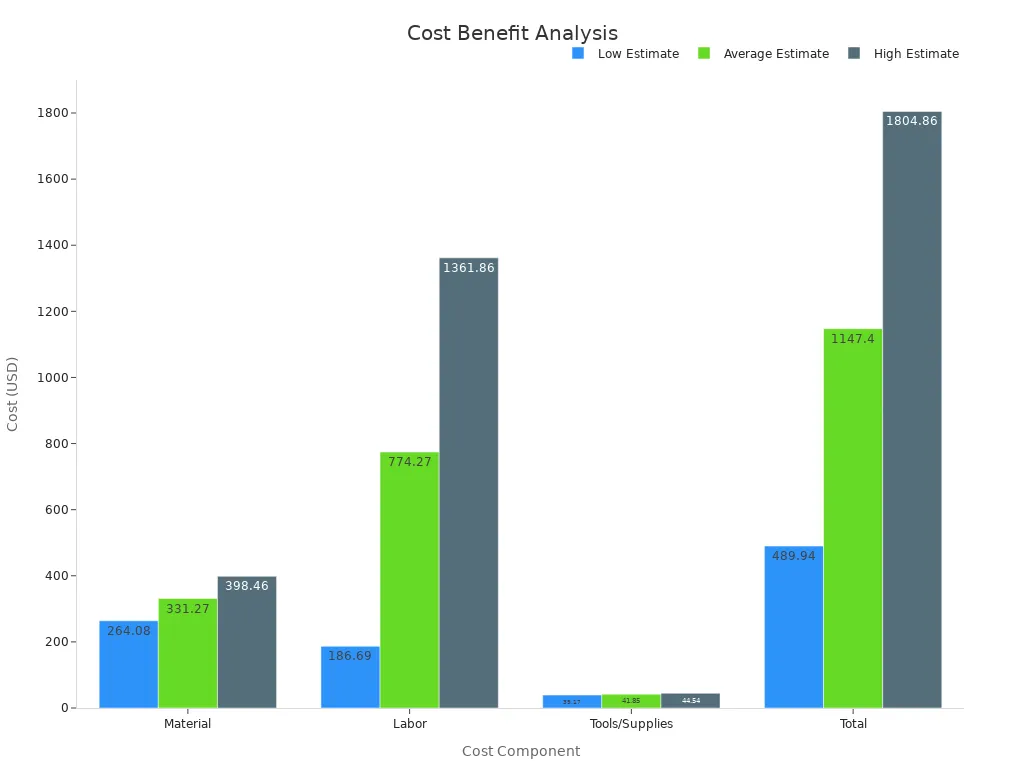
You may find DIY more affordable, but it takes longer. Professionals charge more, but the process is quick to install and less stressful for you.
Cost Breakdown and Value of Galvanized Steel Edging
The price of galvanized steel edging depends on the thickness and grade. Commercial metal landscape edging uses thicker steel, which can raise material costs by up to 40% compared to residential types. Commercial jobs also need more stakes and deeper trenches, which increases labor and materials.
- Labor costs change if you do the work yourself or hire a pro. Professionals may get better prices on materials.
- You can save money by planning your project in the off-season or buying materials on sale.
- Grouping projects with neighbors can lead to discounts.
- For a typical yard, you might spend $1,800 to $3,240 for 180 feet of edging. This investment lasts over 20 years, even in tough weather.
Galvanized steel edging is not always the cheapest, but it is easy to install, strong, and lasts a long time. Many homeowners see it as a smart choice for value and durability.
Tips for Best Results with Steel Garden Edging
You want your steel garden edging to look great and last for years. Follow these tips to get the best results:
Plan Your Layout First
Sketch your garden borders before you start. Use a garden hose or rope to mark curves and lines. This helps you see how the edging will look in your yard.Measure Carefully
Measure the length of each border. Buy a little extra edging in case you make a mistake or need to adjust the layout.Prepare the Ground
Remove grass, rocks, and roots from the area where you will place the edging. Dig a trench that matches the height of your steel edging. A flat base keeps the edging straight and stable.Wear Safety Gear
Always wear gloves and safety glasses. Steel edges can be sharp. Protect your hands and eyes during cutting and installation.Use the Right Tools
Use a rubber mallet to tap the edging into place. For curves, gently bend the steel by hand or with pliers. If you need to cut the edging, use tin snips or a hacksaw.Secure the Edging
Place stakes or pins at regular intervals. This keeps the edging from shifting over time. Check that each section sits level with the ground.Backfill and Finish
Fill the trench with soil or mulch after installing the edging. Press the soil down to hold the edging in place.
Tip: Check your edging once a year. Look for loose sections or signs of rust. Fix problems early to keep your garden looking neat.
A little planning and care help your steel garden edging stay strong and attractive. You can enjoy a tidy garden with less work for many years.
Is Galvanized Steel Edging Right for Your Garden?
Matching Steel Garden Edging with Garden Styles
You want your garden to look its best. Galvanized steel edging fits many styles, from modern to classic. If you like clean lines, this type of lawn edging gives your yard a sharp, organized look. You can use it to create straight borders or smooth curves. Many people choose steel for contemporary landscaping because it stands out and keeps the lawn neat.
You can also use steel edging in cottage gardens. It helps you control the shape of flower beds and keeps grass from spreading. If you enjoy creative designs, you can bend the edging to make circles or waves. This flexibility lets you match your lawn edging to any garden style. You can even use it to frame special features, like a fountain or a group of galvanized raised beds.
Tip: Try mixing steel lawn edging with natural materials. Use it for paths or around raised garden beds, then add stone or wood in other areas for contrast.
Suitability for Different Garden Needs
You want lawn edging that works for your climate and garden needs. Galvanized steel edging offers many benefits in different settings. Here are some ways it stands out:
- It resists rust and corrosion, so it works well in cold or wet places. You do not have to worry about rot like you would with wood.
- The zinc coating protects the steel, making it last longer than concrete or plastic. You get reliable lawn edging even in harsh weather.
- You can use touch-up paint or zinc spray if you see any damage. This keeps your lawn edging strong for years.
- Steel edging needs little care. You only need to check for coating damage and clean off debris.
- You can use it to make galvanized raised beds, curved paths, or to separate zones in your yard. This helps you organize your lawn and garden.
- Galvanized steel is often made from recycled metal. When you finish with it, you can recycle it again. This makes it a smart choice for eco-friendly landscaping.
Many gardeners use steel lawn edging to keep mulch, soil, and grass in place. You can also use it for raised garden beds or to stop weeds from spreading. The benefits include less maintenance, better garden borders, and a tidy lawn. Galvanized raised beds made from steel last longer than wood and need less care. You get a strong, stylish edge that fits almost any garden.
Note: If you want a border that lasts, looks good, and needs little work, galvanized steel lawn edging is a great choice for most gardens.
You see many benefits with galvanized steel edging. It lasts 15-100 years, especially when used for galvanized raised beds. The zinc layer protects against rust, and thicker coatings add strength. You can use galvanized raised beds for modern or classic gardens. Watch for coating issues, as poor prep can cause early failure. Galvanized raised beds work well in harsh or mild climates. If you want long-lasting, low-maintenance borders, galvanized raised beds make a smart choice. Think about your garden’s style and needs before you pick galvanized raised beds for your next project.
- Long service life, especially for galvanized raised beds
- Strong protection from corrosion
- Some risk of coating failure if not installed well
Consider your garden’s climate, style, and how you plan to use galvanized raised beds before making your final decision.
Często zadawane pytania
How long does galvanized steel edging last in a garden?
You can expect galvanized steel edging to last 20 to 75 years. The zinc coating protects the steel from rust and weather. If you install it correctly and check for damage, your edging will stay strong for decades.
Is galvanized steel edging safe for vegetable gardens?
You can safely use galvanized steel edging in vegetable gardens. The zinc coating does not leach harmful amounts into the soil. Many gardeners choose this material for raised beds and borders. If you want extra peace of mind, line the inside with landscape fabric.
Can you bend galvanized steel edging to fit curves?
You can bend most galvanized steel edging by hand or with pliers. For tight curves, use pre-scored or flexible edging strips. Always wear gloves to protect your hands from sharp edges.
Does galvanized steel edging require any maintenance?
You do not need much maintenance for galvanized steel edging. Check for scratches or rust once a year. If you see damage, use zinc spray or touch-up paint. Keep the edging clear of soil buildup and debris.
What tools do you need to install steel garden edging?
You need a shovel, rubber mallet, gloves, and stakes or pins. For cutting, use tin snips or a hacksaw. A tape measure helps you plan your layout. Always wear safety glasses when cutting steel.
Tip: Gather all your tools before you start. This makes installation faster and safer.