
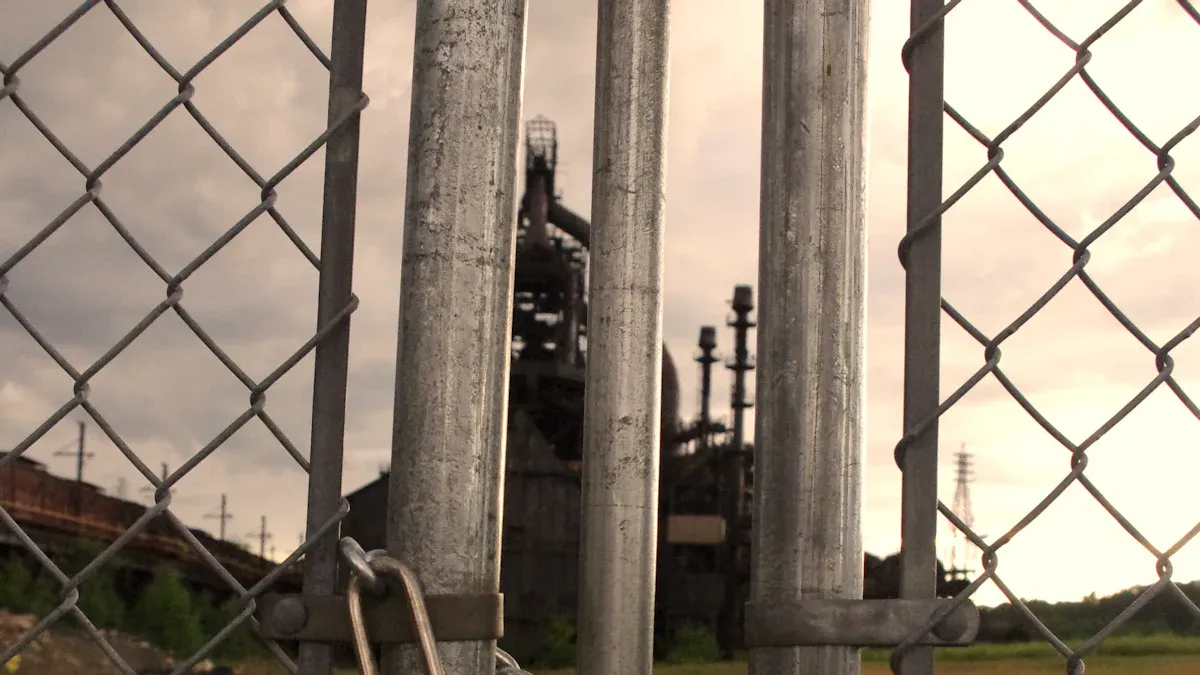
You can count on a galvanized steel pipe fence to last for decades. Galvanized steel pipe resists rust well because of its zinc coating. Many fences made with galvanized steel pipe stay strong and durable for 40 to 50 years. This long life depends on how thick the galvanized coating is. While the pros and cons matter, you might notice that a galvanized steel pipe fence feels heavy and costs more upfront. Some people find repairs a bit tricky. By weighing these pros and cons, you can decide if a galvanized option fits your needs.
Pros and Cons of Galvanized Steel Pipe Fence
Key Benefits of Galvanized Steel Pipe Fence
When you choose a galvanized steel pipe fence, you get a fence that stands up to time and weather. The zinc coating on galvanized steel pipe acts as a shield, stopping rust before it starts. This makes your fence last much longer than fences made from ordinary steel or wood.
Tip: Galvanized steel pipe fences often need less maintenance than other types of fences. You can save time and money over the years.
Here are some of the main benefits you will notice:
- Long Service Life: Galvanized steel pipe fences can last over 50 years. In rural areas, they may last up to 70 years or more.
- Strong Corrosion Resistance: The zinc coating, which is about 85 grams per square meter, protects your fence for over 30 years.
- Low Maintenance Needs: You only need to check and maintain your galvanized steel pipe fence every 15 years. Ordinary steel fences need attention every 5 to 10 years.
- Cost Savings: You can save about 20% on yearly maintenance costs compared to painted steel fences.
- High Strength: Galvanized steel pipe can handle heavy loads, making it a good choice for places that need strong fences.
- Standards Compliance: Most galvanized steel pipe fences meet ASTM A123 and ASTM A653 standards, so you know you are getting quality.
You can see how galvanized steel pipe fences compare to other materials in the table below:
| Performance Aspect | Quantified Advantage / Statistic |
|---|---|
| Service Life | Galvanized steel fences last over 50 years, up to 70+ years in rural areas, and 20-40 years in industrial/urban settings. |
| Odporność na korozję | Zinc coating (~85 g/m²) provides over 30 years of protection; acts as a sacrificial barrier preventing rust. |
| Maintenance Cycle | Maintenance needed every 15 years for galvanized steel vs. 5-10 years for ordinary steel. |
| Cost Effectiveness | Approximately 20% savings in annual maintenance costs compared to painted steel materials. |
| Toughness Retention | In marine environments, galvanized steel retains about 63% toughness after 3 years, outperforming regular steel. |
| Coating Standards | Compliance with ASTM A123 and ASTM A653 ensures quality and durability tailored to environmental conditions. |
Real-world projects, like marine and offshore wind farms, use galvanized steel pipe fences because they stay rust-free for decades. These fences also keep their strength in harsh places, such as near the ocean.
Main Drawbacks of Galvanized Pipe Fencing
You should also think about the main drawbacks before you decide. Every fencing material has pros and cons, and galvanized pipe is no different.
- Heavier Weight: Galvanized steel pipe is much heavier than wood or PVC. This makes it harder to move and install.
- Higher Upfront Cost: You will pay more at first for a galvanized steel pipe fence. The price is higher than for many other fencing materials.
- Repair Challenges: Fixing a galvanized pipe fence can be tricky. If the zinc coating gets damaged, rust can start in that spot.
- Limited Design Flexibility: Galvanized steel pipe fences usually come in simple shapes. You may not get as many style choices as with wood or vinyl.
- Potential for Surface Damage: If you scratch or chip the galvanized coating, the exposed steel can rust. You need to check for damage after storms or impacts.
Note: Weigh the pros and cons carefully. Galvanized steel pipe fences offer great durability, but you must consider the weight and cost.
The table below shows some key facts about the benefits of galvanized steel pipe fences:
| Benefit Category | Evidence / Data | Explanation |
|---|---|---|
| Longevity | 70+ years in industrial areas; 100+ years in rural areas without maintenance | Demonstrates exceptional service life of galvanized steel pipe fences in different settings. |
| Odporność na korozję | Retains ~63% toughness after 3 years in marine environments | Shows durability against harsh, corrosive outdoor conditions, including marine exposure. |
| Cost-effectiveness | Approximately 20% savings in annual maintenance costs vs. painted materials | Indicates lower long-term maintenance expenses, making galvanized steel fences economical. |
| Structural Strength | Load-bearing capacity up to 50,000 psi | Confirms suitability for heavy-duty fencing and structural applications requiring strength. |
| Case Studies | Marine and offshore wind farm projects with decades of rust-free service | Real-world examples validating corrosion resistance and durability in outdoor infrastructure. |
| Standards Compliance | ASTM A123, ASTM A153 | Ensures quality and durability through adherence to recognized industry standards. |
When you look at all the pros and cons, you can see why many people pick a galvanized steel pipe fence for tough jobs. Still, you need to think about your own needs and budget before you choose.
Galvanized Steel Pipe Fence Durability and Maintenance
Rust and Corrosion Resistance
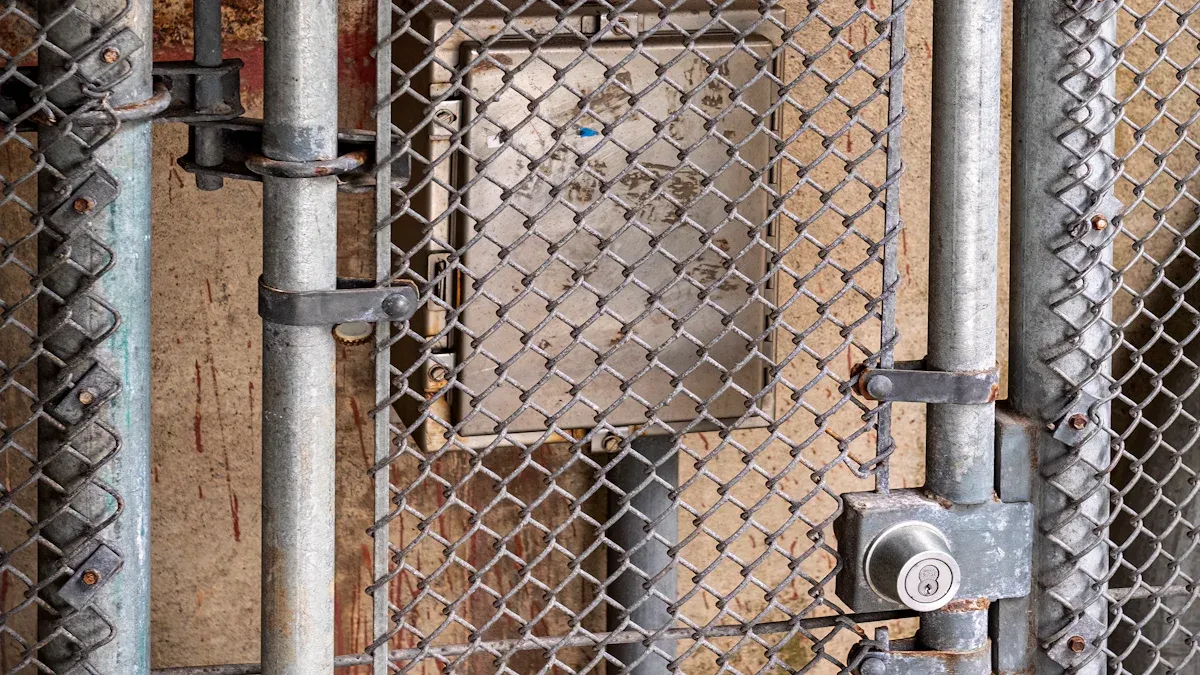
You want your fence to last, so choosing galvanized steel pipe makes sense. The hot-dip galvanizing process covers the steel with a thick zinc layer. This layer acts as a shield and helps prevent rusting. The zinc coating forms a barrier that stops moisture and air from reaching the steel. If the coating gets scratched, the zinc still protects the steel underneath by sacrificing itself. This process helps prevent rusting even if the surface gets damaged.
- Galvanized steel pipe fences work best in mild environments. They resist rusting well in places with low to moderate moisture.
- In harsher areas, like near the ocean, you may need thicker coatings or extra protection to prevent rusting.
- Field tests show that galvanized steel pipe fences can last for decades without serious rusting if you choose the right coating for your environment.
Tip: Always check for scratches or chips after storms. Fixing small spots early helps prevent rusting from spreading.
Longevity and Weather Performance
Galvanized steel pipe fences offer a long lifespan. The zinc coating stands up to rain, snow, and sun. Over time, the coating forms a patina that adds even more protection. You can expect a galvanized steel pipe fence to last between 40 and 100 years, depending on the climate and coating thickness. This long lifespan means you do not have to replace your fence often.
Galvanized steel pipe also handles temperature changes well. It resists rusting in both hot and cold weather. The pipes can even withstand temperatures up to 200°C. While stainless steel lasts longer in harsh marine areas, galvanized steel pipe gives you a longer life span than most other fencing materials in regular outdoor settings.
Maintenance Needs
You will find that galvanized steel pipe fences are easy to maintain. Most of the time, you only need to inspect your fence for damage or rusting once or twice a year. If you spot any rusting or scratches, clean the area and apply a protective coating to prevent rusting from spreading. Routine maintenance helps extend the life span of your fence.
- The average life span of a galvanized steel pipe fence ranges from 20 to 50 years, depending on care and climate.
- Many users report that anti rust pipes like Schedule 40 posts last over 50 years with only minor rusting.
- The triple coating on some galvanized steel pipe products keeps them looking good and reduces the need for frequent maintenance.
Note: Regular inspections and quick repairs help prevent rusting and keep your fence strong for many years.
Cost and Installation Factors for Galvanized Pipe Fencing
Upfront Costs vs. Long-Term Value
When you plan a fence project, you want to know how much you will spend now and in the future. Galvanized steel pipe fencing usually has a higher upfront cost than wood. For example, the initial price per foot for galvanized steel pipe can range from $16 to $20, while wood costs about $12 to $15 per foot. Even though you pay more at first, you save money over time. Galvanized fences last much longer and need less maintenance. You do not have to replace boards or posts as often as with wood.
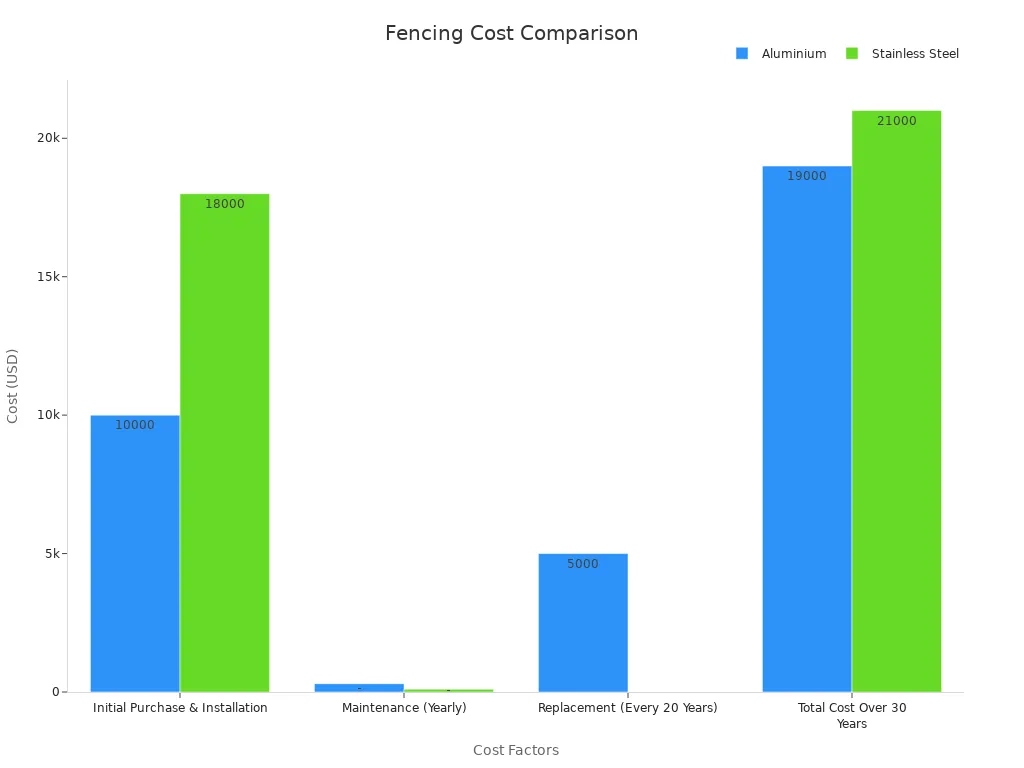
You can see how different fencing materials compare in the table below:
| Cost Factor | Aluminium (USD) | Stainless Steel (USD) |
|---|---|---|
| Initial Purchase & Installation | 10,000 | 18,000 |
| Maintenance (Yearly) | 300 | 100 |
| Replacement (Every 20 Years) | 5,000 | 0 |
| Total Cost Over 30 Years | 19,000 | 21,000 |
This table shows that while some materials have a higher initial cost, their long-term value can be greater because of lower maintenance and replacement needs. Galvanized steel pipe offers a similar advantage. You spend more at the start, but you save on repairs and replacements. Many people find galvanized fencing more economical over the life of the fence.
Tip: Galvanized steel pipe fencing can help you avoid hidden costs, such as frequent repairs or early replacement, making it a smart choice for long-term projects.
Installation Challenges Due to Weight
You may notice that galvanized steel pipe feels much heavier than wood or PVC. This extra weight makes the construction process harder. You might need more workers or special equipment to lift and set the pipes. The weight can slow down installation, especially on large projects. If you plan to build the fence yourself, you should prepare for some heavy lifting.
During construction, you must also make sure the posts are set deep enough to support the weight. This step helps keep the fence stable for many years. Some people hire professionals for galvanized steel pipe installation because of these challenges. The strong, heavy pipes give you a sturdy fence, but you need to plan for the extra effort during construction.
Note: If you want a fence that lasts and can handle tough conditions, the extra work during installation pays off in the long run.
Galvanized Steel Pipe Fence Compared to Other Materials
Galvanized Steel Pipe vs. PVC Fencing
You might wonder how galvanized steel pipe compares to PVC fencing. Galvanized steel pipe gives you a strong, sturdy fence that stands up to heavy impacts. PVC fencing feels lighter and often bends or cracks if hit hard. You can use galvanized steel pipe in places where you need extra strength, like around livestock or in high-traffic areas. PVC fencing works well for gardens or decorative borders, but it does not last as long in tough weather.
- Galvanized steel pipe resists rust and stays strong for decades.
- PVC fencing does not rust, but it can fade or become brittle in the sun.
- You will find that galvanized steel pipe needs less repair over time.
Tip: Choose galvanized steel pipe if you want a fence that handles rough use and harsh weather.
Galvanized Pipe vs. Copper Fencing
Copper fencing looks beautiful and resists corrosion, but it costs much more than galvanized pipe. You may see copper used for special projects or decorative fences. Galvanized pipe gives you a balance of strength and price. Copper does not rust, but it forms a green patina over time. Galvanized pipe keeps its silver-gray look for many years.
- Copper fencing stands out for its color and style.
- Galvanized pipe offers better value for large projects.
- You can install galvanized pipe more easily because it weighs less than copper.
Note: For most people, galvanized pipe gives you the best mix of durability and cost.
Galvanized Steel Pipe vs. Wood Fencing
Wood fencing gives your yard a classic look, but it needs regular care. You must paint or stain wood to keep it from rotting. Galvanized steel pipe lasts much longer and needs less work. Over time, wood fencing may warp, crack, or attract insects. Galvanized steel pipe stands up to rain, snow, and sun without much change.
Here is a simple table to show how long each material lasts:
| Material Type | Estimated Life Expectancy (Years) |
|---|---|
| Wood Fencing | 20 |
| Galvanized Steel Gutters/Downspouts | 20 |
You can expect galvanized steel pipe to last at least as long as these other galvanized products. Many fences made from galvanized steel pipe stay strong for decades with little maintenance.
Remember: If you want a fence that lasts and needs little care, galvanized steel pipe is a smart choice.
When to Choose a Galvanized Steel Pipe Fence
Ideal Applications and Environments
You want a fence that stands up to tough weather and daily wear. Galvanized steel pipe fences work best in outdoor spaces where you need strength and long lifespan. The zinc coating on these pipes protects against rust and damage from rain, snow, and sun. Market research shows that you can use galvanized steel pipe fences for farms, gardens, and homes. These fences also fit well in places where animals or people might bump into them. You get a fence that keeps its shape and strength for many years.
You often see galvanized steel pipe fences in agricultural fields, playgrounds, and along busy roads. The long lifespan means you do not have to replace your fence often. If you want a fence that needs little care and lasts for decades, galvanized steel pipe is a smart choice. You also save money on repairs because the fence resists rust and damage.
Tip: Choose galvanized steel pipe if you need a fence that can handle harsh weather and heavy use.
When Alternatives May Be Better
Sometimes, you may want a fence that offers more style or costs less at the start. Other materials can work better in these cases. The table below helps you compare some common options:
| Materiał | Advantages over Galvanized Steel Pipe Fences | Disadvantages Compared to Galvanized Steel Pipe Fences |
|---|---|---|
| Wood | Classic appearance, lower upfront cost | Requires frequent maintenance, vulnerable to environmental damage |
| Chain Link | Affordable, low maintenance, easy installation | Poor aesthetics, no privacy, minimal security |
| Vinyl | Highly durable, low maintenance, customizable, resistant to weather and pests | Higher initial cost but better long-term ROI |
| Aluminum | Rust-resistant, low maintenance, lightweight, customizable, eco-friendly | May be less impact-resistant than steel |
You might pick wood if you want a classic look and do not mind extra care. Vinyl works well if you want a fence that lasts a long time and needs almost no upkeep. Aluminum gives you a lightweight and rust-proof option. Chain link fences cost less and install quickly, but they do not offer much privacy or security.
Think about your needs before you choose. If you want a fence with a long lifespan and strong protection, galvanized steel pipe stands out. If you care more about style, cost, or easy changes, other materials may fit better. Always match your fence choice to your environment and how long you want it to last.
You get strong protection and long-lasting value with a galvanized steel pipe fence. Hot dipped galvanized pipes resist rust and weather, so your fence stays solid for many years. You may pay more at first and deal with heavier materials, but you save money on repairs and replacements over time.
- Hot dipped galvanized steel lasts up to 75-100 years in good conditions.
- The zinc coating protects against rust and damage.
- Galvanized steel works well for outdoor and heavy-duty projects.
Think about your needs, budget, and where you will use the fence. Compare all your options before you choose the best material for your project.
Często zadawane pytania
How long does a galvanized steel pipe fence last?
You can expect a galvanized steel pipe fence to last 40 to 70 years. The zinc coating protects the steel from rust and weather. Regular inspections help you keep your fence strong for decades.
Can you paint a galvanized steel pipe fence?
Yes, you can paint a galvanized steel pipe fence. Clean the surface first. Use a primer made for galvanized metal. Paint helps add color and extra protection.
Does a galvanized steel pipe fence rust?
A galvanized steel pipe fence resists rust very well. The zinc coating acts as a barrier. If the coating gets scratched, rust may start in that spot. Check for damage after storms.
Is a galvanized steel pipe fence good for animals?
You can use a galvanized steel pipe fence for animals. The fence stays strong and safe. It resists chewing and pushing. Many farms use this type of fence for livestock.
How do you repair a galvanized steel pipe fence?
You can repair a galvanized steel pipe fence by cleaning the damaged area. Apply a zinc-rich paint or cold galvanizing spray. This helps stop rust and keeps your fence strong.