
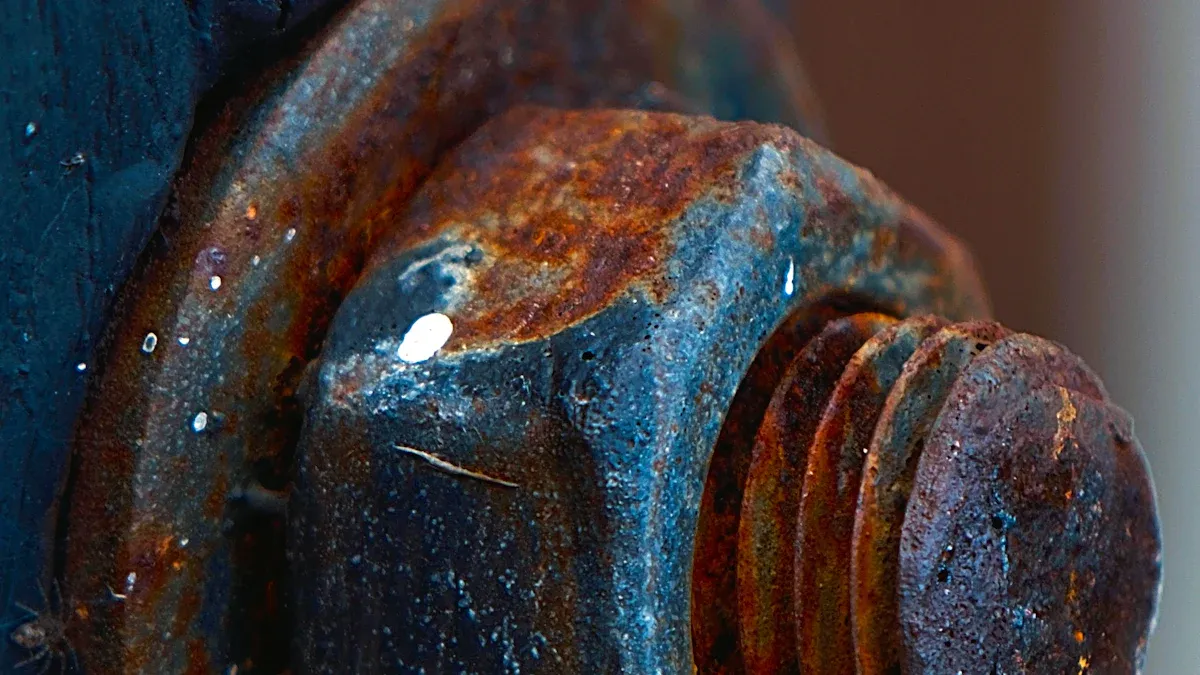
When you join brass and stainless steel in the same system, you risk galvanic corrosion. This type of corrosion happens because these metals have different electrochemical properties. Sometimes, mixing brass and stainless steel causes corrosion quickly, especially if you use incompatible grades or harsh environments. The chance of brass stainless steel galvanic corrosion depends on the types of metals, the environment, and the temperature. If you choose the right materials and control the conditions, you can reduce the risk of corrosion and keep your systems safe.
Understanding Galvanic Corrosion
How Galvanic Corrosion Occurs
Galvanic corrosion happens when you connect two different metals, like brass and stainless steel, and expose them to an electrolyte such as water or moisture. This process needs three things: physical contact between the metals, an electrolyte to carry ions, and a difference in electrical potential. When these conditions exist, you create a small battery, called a galvanic cell.
The less noble metal, which has a more negative electrode potential, acts as the anode. It loses ions and starts to corrode. The more noble metal, with a higher potential, acts as the cathode and stays protected. For example, when you join brass and Stal nierdzewna, brass usually becomes the anode and corrodes faster. Stainless steel, on the other hand, resists corrosion because it forms a thin oxide layer. If this layer gets damaged, corrosion can speed up.
Tip: You can slow down galvanic corrosion by using protective coatings or barriers between the metals. This stops the metals from touching and blocks the flow of ions.
The presence of an electrolyte, like salty water or even humid air, makes corrosion worse. The electrolyte lets ions move between the metals, which keeps the corrosion reaction going. The more conductive the electrolyte, the faster the corrosion. Factors such as temperature, humidity, and the type of electrolyte all affect how quickly corrosion happens.
- Electrolyte composition (like pH and salt content) changes how fast corrosion occurs.
- High conductivity in the electrolyte speeds up the corrosion process.
- Warm, wet environments make galvanic corrosion more severe.
When you use dissimilar metals in places like plumbing, marine, or outdoor systems, you often see bimetallic corrosion. This can lead to leaks, failures, or expensive repairs if you do not take steps to prevent it.
Electrochemical Differences Between Metals
You can understand why galvanic corrosion happens by looking at the electrochemical properties of the metals involved. Metals have different electrode potentials, which you can find in the galvanic series. This series ranks metals from most active (anodic) to most noble (cathodic).
When you pair brass and stainless steel, you create a risk for bimetallic corrosion. Brass has a more negative electrode potential than stainless steel. This means brass acts as the anode and corrodes first. Stainless steel, especially Type 316, is more noble and resists corrosion better.
Here is a table showing the electrode potentials of common brass and stainless steel types:
| Materiał | Electrode Potential vs SCE (Volts) | Corrosion Implication |
|---|---|---|
| Type 316 Stainless Steel (Passive) | +0.05 V | More noble, less likely to corrode in sea water. |
| Admiralty Brass (Copper Alloy 443) | +0.29 V | More anodic than stainless steel, more prone to corrosion when coupled. |
| Naval Rolled Brass (Alloy 464) | +0.40 V | Even more anodic, higher corrosion risk in galvanic coupling. |
The difference in potential between stainless steel and brass can be as much as 0.24 volts (240 mV) or more. This gap drives the corrosion process. The bigger the difference, the faster the anodic metal (brass) corrodes. In salt water, this effect becomes even stronger.
You should also know that the amount of zinc in brass changes its potential. Brass with more zinc has a higher risk of bimetallic corrosion when joined with stainless steel. For example, stainless steel paired with brass containing 50% zinc shows a potential difference of about 520 mV, which means a much higher corrosion risk.
When you use different metals together, always check their positions in the galvanic series. The farther apart they are, the more likely you will see galvanic corrosion. You can reduce the risk by choosing metals closer together in the series or by using protective coatings and smart design.
The Galvanic Series and Brass Stainless Steel Galvanic Corrosion
What Is the Galvanic Series?
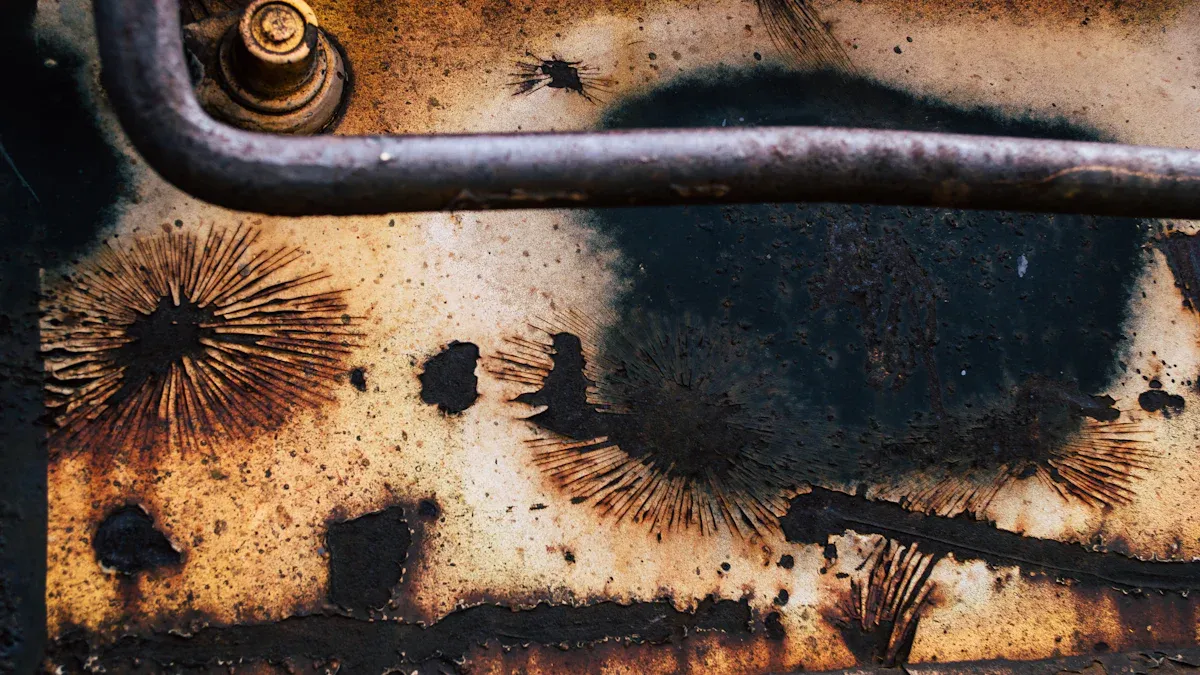
You can use the galvanic series to predict which metals will corrode when you join them together. This series arranges metals and alloys by their corrosion potential in a specific environment, usually seawater. When you connect different metals, the one with the lower potential becomes the anode and corrodes first. The metal with the higher potential acts as the cathode and stays protected. The farther apart two metals are in the galvanic series, the higher the risk of galvanic corrosion. Engineers use this series to help you choose metals that will not cause bimetallic corrosion when joined. The galvanic series does not show exact corrosion rates, but it gives you a good guide for material selection.
Note: The galvanic series changes depending on the environment. Always check the series for your specific conditions.
Position of Brass and Stainless Steel in the Series
Brass and stainless steel have very different positions in the galvanic series. Stainless steel, especially grades like 316 and 304, sits higher in the series and is more noble. Brass types, such as admiralty brass, red brass, yellow brass, and naval brass, sit lower and are less noble. This means that when you join brass and stainless steel, brass will act as the anode and corrode faster. Stainless steel will act as the cathode and remain protected.
Here is a table showing their relative positions:
| Metal Type | Position in Galvanic Series (Nobility) | Relative Ranking |
|---|---|---|
| Stainless Steel 316 (passive) | Higher (more noble) | More noble |
| Stainless Steel 304 (passive) | Higher (more noble) | More noble |
| Admiralty Brass | Lower (less noble) | Less noble |
| Red Brass | Lower (less noble) | Less noble |
| Yellow Brass | Lower (less noble) | Less noble |
| Naval Brass 464 | Lower (less noble) | Less noble |
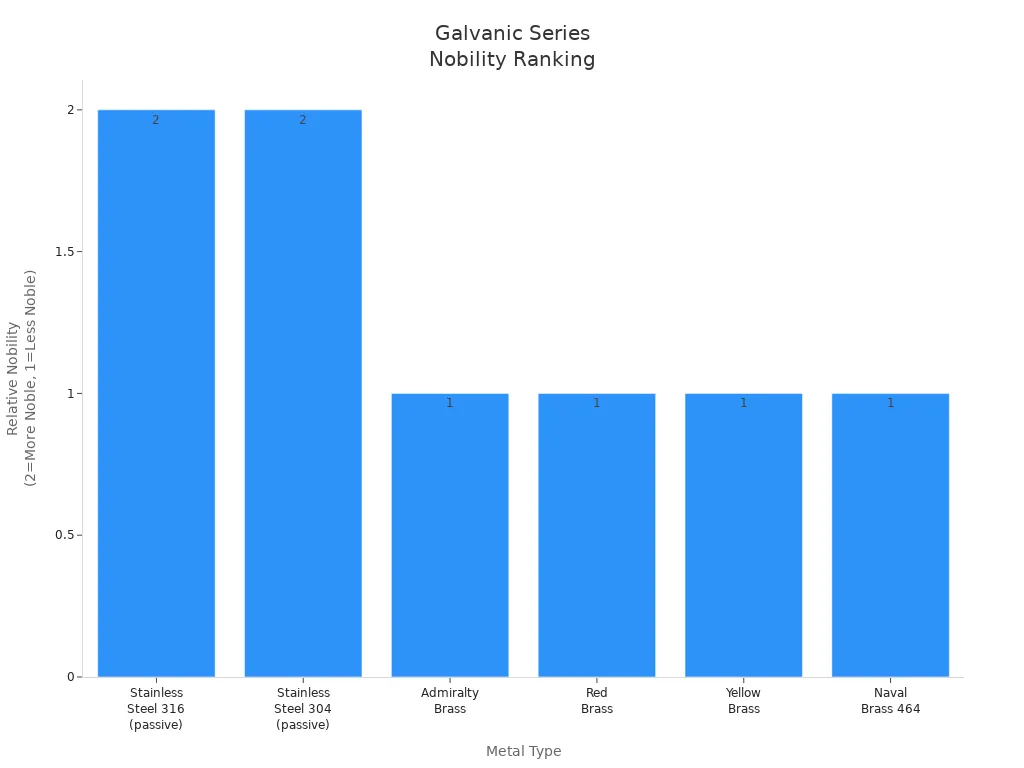
This difference explains why brass stainless steel galvanic corrosion happens so often in mixed-metal systems.
Why Potential Difference Drives Corrosion
When you connect brass and stainless steel in the presence of an electrolyte, a potential difference forms between them. This difference causes electrons to flow from the brass (anode) to the stainless steel (cathode). The brass loses metal ions and starts to corrode. The stainless steel stays protected. The bigger the potential difference, the faster the corrosion of the brass. This process is the main reason you see brass stainless steel galvanic corrosion in plumbing, marine, and industrial systems. You must remember that bimetallic corrosion can happen quickly if you do not take steps to prevent it. The risk increases when you use different metals that are far apart in the galvanic series.
⚠️ If you want to avoid costly repairs, always check the galvanic series before joining metals. Choose metals close together in the series to reduce the risk of galvanic corrosion.
Key Risks When Pairing Brass and Stainless Steel
Surface Area and Contact Effects
When you connect brass and stainless steel, the size of each metal’s surface area matters. If you have a small brass fitting attached to a large stainless steel pipe, the brass will corrode much faster. This happens because the current density at the brass (the anode) increases when the cathode (stainless steel) has a larger area. You should avoid mixing brass and stainless-steel fittings in a way that creates a large difference in surface areas. Try to keep the anode and cathode areas similar to slow down galvanic corrosion.
Tip: Always check the ratio of brass to stainless steel surfaces before installation. A balanced ratio helps reduce corrosion risk.
Here is a quick summary:
- Small brass area + large stainless steel area = fast corrosion of brass.
- Large brass area + small stainless steel area = slower corrosion.
Environmental Factors and Electrolytes
The environment around your metals plays a big role in galvanic corrosion. Humidity, rain, fog, and salty air all provide the moisture needed for corrosion to start. If you install fittings outdoors, near the ocean, or in places with high chlorine, you increase the risk. Even dirt or stagnant water can trap electrolytes and keep the corrosion process going.
| Environmental Factor | Effect on Corrosion |
|---|---|
| Humidity and Fog | More moisture, more corrosion |
| Salinity (Salt Water) | Faster corrosion, especially near the coast |
| Stagnant Water or Dirt | Holds electrolytes, keeps corrosion active |
| Duration of Wetness | Longer contact, more severe corrosion |
| Crevices and Gaps | Trap moisture, increase corrosion risk |
You can lower the risk by keeping surfaces clean and dry. Indoor dry environments are much safer for blending brass and stainless-steel fittings.
Electrical Connections and Installation Methods
Galvanic corrosion only happens if the metals touch and an electrical path exists. If you use direct metal-to-metal contact, you create a path for corrosion. You can stop this by using dielectric unions or insulating bushings. These break the electrical connection and help protect the brass. When you install pipes or valves, always check for proper isolation. If you skip this step, you may see sudden corrosion and early failure.
⚠️ Always follow best practices for installation. Use protective coatings or isolation methods to keep your system safe.
Mixing brass and stainless-steel fittings without proper planning can lead to problems like dezincification, stress corrosion cracking, and even pitting in stainless steel. You should always consider the environment, surface area, and electrical connections before joining these metals.
Real-World Examples of Brass Stainless Steel Galvanic Corrosion
Plumbing and Water Systems
You often see galvanic corrosion in plumbing when you connect brass valves to stainless steel pipes. Water acts as the electrolyte and speeds up the corrosion process. If you use a small brass fitting with a large stainless steel pipe, the brass will corrode faster. This can lead to leaks or even pipe failure. Plumbers sometimes find pitting or dezincification in brass parts. These problems happen more in areas with hard water or high chlorine. You can prevent these issues by using dielectric unions or by keeping the metals apart.
Tip: Always check for signs of corrosion around joints where different metals meet. Early detection can save you from costly repairs.
Marine and Outdoor Installations
Marine and outdoor environments create perfect conditions for galvanic corrosion. Saltwater acts as a strong electrolyte and makes corrosion happen quickly. When you use brass and stainless steel together on boats or outdoor structures, the brass parts often show pitting and dezincification. Over time, you may see green or white corrosion products on the brass. Historical cases, like the Statue of Liberty, show how serious this problem can be. In that case, iron and copper caused rapid corrosion because of moisture and salt in the air. You face a much higher risk of brass stainless steel galvanic corrosion in these settings than indoors. Engineers now use electrical isolation, coatings, and moisture control to protect metal parts and extend their life.
Industrial and HVAC Applications
Industrial and HVAC systems often use many types of metals. You might see galvanic corrosion when carbon steel pipes connect to brass valves. The problem gets worse if you use galvanized steel with brass. In HVAC systems, engineers have learned to use dielectric bonds and coatings to stop corrosion. Here are some common situations:
- Aluminum fuel filter housings with brass fittings in marine or industrial settings.
- Brass hydraulic cylinders or bronze strainers mounted on aluminum brackets.
- Stainless steel screws used in aluminum decks or masts, trapping water and starting corrosion.
When you mix brass, stainless steel, and other metals in the presence of moisture, you increase the risk of brass stainless steel galvanic corrosion. Always use proper installation methods and protective materials to keep your systems safe.
Preventing Galvanic Corrosion Between Brass and Stainless Steel
Insulation and Barrier Techniques
You can stop galvanic corrosion by using insulation and barrier methods. When you separate brass and stainless steel with non-conductive materials, you break the electrical path that allows corrosion to start. Rubber, plastic, or nylon washers work well as insulators. You can also use dielectric unions in plumbing systems. These unions keep the metals from touching each other. If you use pipe wraps or sleeves, you add another layer of protection. These barriers keep moisture and electrolytes away from the metal surfaces.
Tip: Always check that your insulation covers all contact points. Even a small exposed area can let corrosion begin.
When you install brass and stainless steel together, make sure you use proper insulation. This step is one of the most effective ways for preventing galvanic corrosion. You can also use isolation spools or bushings to keep the metals apart. These simple tools help you avoid costly repairs and extend the life of your system.
Protective Coatings and Sealants
Protective coatings and sealants give you another strong defense against corrosion. When you apply paints, varnishes, or powder coatings, you create a physical barrier. This barrier blocks moisture and oxygen from reaching the metal. As a result, you slow down rust and corrosion and increase the lifespan of your components. Epoxy or polymer layers also act as insulating barriers. These coatings stop direct electrical contact between brass and stainless steel.
Sealants play a key role at joints and seams. When you use sealants, you prevent water from getting into small gaps. This step keeps electrolytes away from the metals and reduces the risk of galvanic corrosion. Non-conductive materials, such as rubber or plastic washers, also help isolate the metals. You should check and maintain these coatings and sealants often. If you see cracks or damage, reapply them to keep your protection strong.
- Protective coatings block moisture and oxygen.
- Sealants keep water out of joints and seams.
- Epoxy or polymer layers stop direct metal contact.
- Non-conductive washers isolate metals.
- Regular maintenance keeps barriers effective.
If you want to know how to prevent galvanic corrosion, start with coatings and sealants. These methods work well in many environments, from plumbing to marine systems.
Smart Material Selection and Design
You can lower the risk of corrosion by choosing the right materials and using smart design. When you select metals with similar electrode potentials, you reduce the chance of galvanic corrosion. Try to pick metals that are close together in the galvanic series. If you keep the difference in nobility below 0.2 volts, you slow down the corrosion process.
Design also matters. If you use a small stainless steel area with a large brass area, you reduce the corrosion rate. You should always try to minimize the cathode (stainless steel) surface compared to the anode (brass). You can also use sacrificial anodes, such as zinc, in harsh environments. These anodes corrode first and protect your main metals.
Here is a table with best practices for material selection and design:
| Practice | Explanation |
|---|---|
| Select metals close in galvanic series | Reduces potential difference and corrosion risk. |
| Minimize cathode area relative to anode | Slows down corrosion of the anodic metal (brass). |
| Insulate dissimilar metals | Use dielectric materials to prevent direct electrical contact. |
| Use compatible coatings or linings | Isolates metals and blocks electrolyte access. |
| Employ sacrificial anodes | Sacrificial metals corrode first and protect brass and stainless steel. |
| Consider environment and geometry | Design to limit exposure to moisture and reduce galvanic coupling. |
If you want to improve corrosion resistance, always plan your material choices and design carefully. Regular inspections help you catch early signs of corrosion. You can then fix problems before they cause damage. Knowing how to prevent galvanic corrosion helps you build safer and longer-lasting systems.
Maintenance and Monitoring Practices
You can protect your brass and stainless steel systems by following strong maintenance and monitoring practices. Regular care helps you spot early signs of galvanic corrosion and stop damage before it spreads.
Inspect Frequently
Walk through your system often. Look for greenish stains on brass, pitting, or erosion near joints and valve seats. These are early signs of corrosion. If you see any, act quickly to prevent further problems.Monitor Environmental Conditions
Keep an eye on humidity, saltwater exposure, and chemicals in the area. High moisture and salty air speed up galvanic corrosion. Use sensors or simple checks to make sure water does not collect around metal parts.Clean and Treat Surfaces
Wipe down metal surfaces to remove dirt and moisture. Apply protective coatings or passivation treatments. These create a barrier that blocks moisture and slows corrosion. Check coatings for cracks or wear and reapply them when needed.Use Monitoring Tools
Place mass loss coupons or electrical resistance probes in your system. These tools help you measure how fast corrosion is happening. You can catch problems early and adjust your maintenance plan.Test Water and Joints
Test the water for conductivity. High conductivity means a higher risk of galvanic corrosion. Inspect joints and fittings for leaks or signs of wear. Replace damaged parts with insulated or coated alternatives.Control the Environment
Manage humidity and prevent water from pooling. Store metal parts in dry places. Use proper drainage to keep areas around fittings dry. Limit exposure to harsh chemicals.Educate Your Team
Teach everyone who works with your system about the risks of galvanic corrosion. Show them how to spot early warning signs and use the right maintenance steps.Apply Cathodic Protection
In some cases, you can use sacrificial anodes or impressed current systems. These methods help control electrical currents and protect your metals from corrosion.
Here is a table to help you remember key maintenance steps:
| Practice | What to Do | Why It Matters |
|---|---|---|
| Inspect regularly | Check for stains, pitting, or leaks | Find corrosion early |
| Clean and coat surfaces | Remove dirt, apply protective coatings | Block moisture, slow corrosion |
| Monitor environment | Watch humidity, salt, and chemicals | Reduce corrosion risk |
| Test water and joints | Measure conductivity, check fittings | Prevent hidden corrosion |
| Educate personnel | Train team on risks and solutions | Improve system safety |
🛠️ Tip: Preventing galvanic corrosion works best when you combine regular inspections, good cleaning habits, and smart environmental control.
You can keep your brass and stainless steel systems safe by following these steps. Early action and careful monitoring help you avoid costly repairs and extend the life of your equipment.
You face real risks when you join brass and stainless steel without proper planning. Galvanic corrosion can weaken joints, cause leaks, and shorten equipment life. By learning about risk factors, you protect your systems and avoid costly repairs.
- Unfavorable area ratios speed up corrosion and threaten safety.
- Environmental factors like salt or pollution increase corrosion rates.
- Galvanic corrosion can lead to unexpected failures in many industries.
Use insulation, coatings, and smart material choices to keep your assemblies safe.
Często zadawane pytania
What is the main cause of galvanic corrosion between brass and stainless steel?
You see galvanic corrosion when you connect brass and stainless steel in the presence of moisture. The metals have different electrochemical properties. This difference causes one metal to corrode faster than the other.
How can you tell if galvanic corrosion is happening?
Look for green or white deposits on brass parts. You may also see pitting, leaks, or weakened joints. These signs show that corrosion has started. Regular inspections help you catch problems early.
Can you stop galvanic corrosion completely?
You cannot always stop it completely, but you can control it. Use insulation, coatings, or dielectric unions. Keep metals dry and clean. Choose metals close together in the galvanic series to lower the risk.
Does water quality affect galvanic corrosion?
Yes. Water with high salt or mineral content speeds up corrosion. Hard water and water with chlorine increase the risk. Test your water and use protective measures if you find high conductivity.
What should you do if you find corrosion on your fittings?
Act quickly. Clean the area and remove corrosion products. Apply protective coatings or replace damaged parts. Use insulation or barriers to prevent future problems. Regular maintenance keeps your system safe.