
Choosing between galvanized steel and stainless steel depends on what you need. Stainless steel gives you strong corrosion resistance and a clean look but usually costs more. Galvanized steel works well outside and saves money because its zinc coating helps fight rust. When you choose the right material, think about the difference between galvanized steel and stainless steel in your environment, budget, and project needs.
- Material selection depends on:
- Temperature and humidity levels
- How much you want to spend
- How the material will be used
Quick Comparison Table: Difference Between Galvanized Steel and Stainless Steel
Key Differences at a Glance
When you compare galvanized steel and stainless steel, you see clear differences in how each material performs. The difference between galvanized steel and stainless steel starts with how each one fights rust. Galvanized steel uses a zinc coating to protect the base metal. Stainless steel uses a mix of iron and chromium to create a strong, self-healing layer that stops corrosion.
Here is a table to help you see the difference between galvanized steel and stainless steel at a glance:
| Aspect | Galvanized Steel | Stal nierdzewna |
|---|---|---|
| Odporność na korozję | Zinc coating protects from rust; not for marine or acidic areas | Chromium alloy forms a tough oxide layer; works well in harsh, salty, or chemical environments |
| Mechanical Strength | Tensile strength: 262-427 MPa; yield: 144-213 MPa | Tensile strength: 689-1034 MPa; yield: 206-275 MPa |
| Kompozycja | Steel with zinc layer (hot-dip or electro-galvanized) | Iron alloy with chromium (10%+), nickel, and other metals; many grades available |
| Wykończenie powierzchni | Dull gray, rough texture, visible spangles | Bright, smooth, or brushed; can be mirror-like or matte |
| Aplikacje | Construction, automotive, farming, bridges, HVAC, roofing | Marine, aerospace, food, railway, medical, and automotive industries |
| Cost | Lower cost; good for large projects | Higher cost; chosen for special needs and long-term value |
| Fire Resistance | Loses strength in high heat | Handles high heat better; good for fire-prone areas |
| Magnetic Properties | Usually magnetic | Varies by grade; some types are non-magnetic |
| Durability & Longevity | Moderate; zinc layer can wear off | High; lasts longer and resists damage |
| Environmental Impact | Recyclable, but zinc can make recycling harder | Easy to recycle; lasts longer, so less waste |
Tip: If you need a material for salty or chemical-heavy places, stainless steel gives you better protection and lasts longer. For most outdoor projects, galvanized steel saves money and still fights rust.
You notice the difference between galvanized steel and stainless steel in many ways. Stainless steel stands out for its strength, shine, and ability to handle tough jobs. Galvanized steel works best when you want to save money and need basic rust protection. You can choose the right one by looking at your project’s needs and the environment.
Corrosion Resistance: Choose the Right Material for Your Environment
Corrosion resistance is one of the most important things to think about when you pick a metal for your project. You want your material to last, look good, and stay strong, even when the weather or chemicals try to break it down. Both galvanized steel and stainless steel offer protection, but they work in different ways and perform differently in certain environments.
Outdoor and Weather Exposure
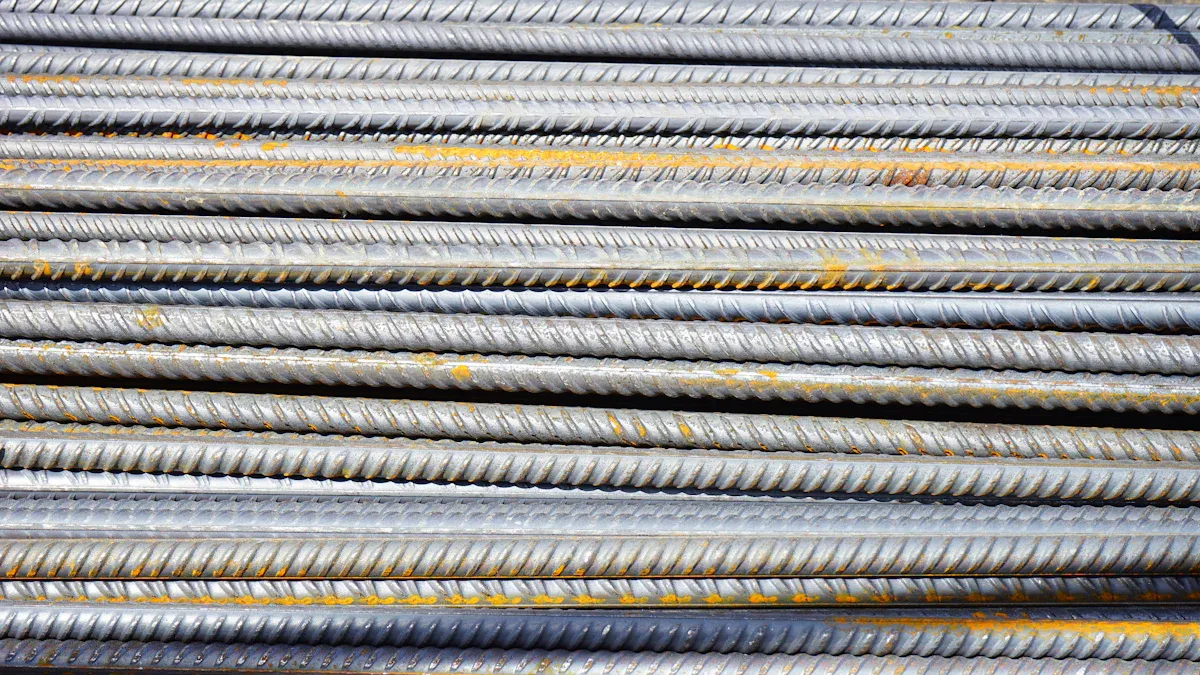
When you use metal outdoors, rain, sun, and pollution can cause rust and damage. Galvanized steel protects itself with a zinc coating. This coating acts like a shield, blocking water and air from reaching the steel underneath. If the coating gets scratched, the zinc can still protect the exposed area for a while, but once the zinc is gone, rust can start quickly.
Stainless steel uses a different method. It forms a thin layer of chromium oxide on its surface. This layer repairs itself if scratched, so the metal keeps its corrosion resistance even after small damages. This makes stainless steel a better choice for places where the metal might get bumped or scratched.
Here is a table that shows how each material protects itself and how it performs in different situations:
| Aspect | Stal nierdzewna | Galvanized Steel |
|---|---|---|
| Corrosion Resistance Mechanism | Forms a passive chromium oxide layer that reforms if scratched, preventing rust | Zinc coating blocks oxygen and provides sacrificial protection if damaged |
| Performance When Scratched | Maintains corrosion resistance due to self-healing oxide layer | Vulnerable to rust if zinc coating is compromised or worn away |
| Environmental Suitability | Suitable for aggressive environments (acids, chlorides) depending on grade | Less resistant in harsh or prolonged exposure; affected by acidity, salt, and cut edges |
| Longevity Factors | Depends on chromium content and grade selection | Depends on zinc coating thickness, environmental exposure, and damage to coating |
| Vulnerabilities | Can rust if protective layer is broken by contamination or galvanic corrosion | Rusts once zinc is consumed; cut edges prone to rusting |
| Aesthetic | Shiny, silver-like appearance | Dull grey, patterned appearance |
You can see that stainless steel keeps its corrosion resistance even after scratches, while galvanized steel depends on the zinc coating staying in place.
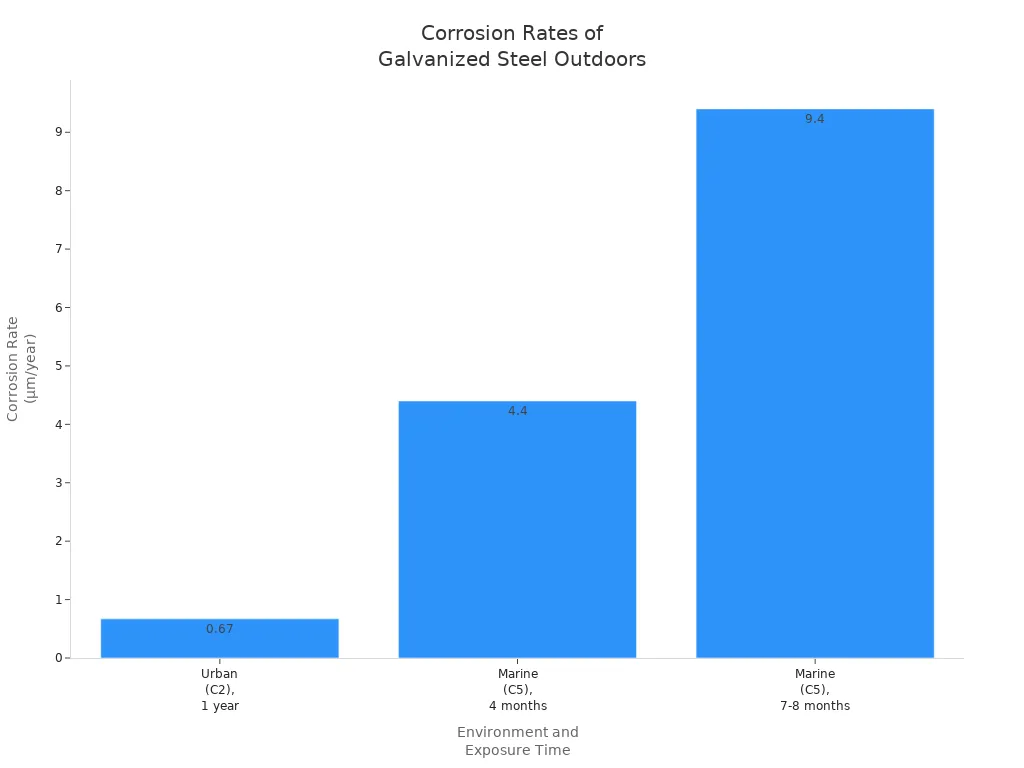
Scientific studies show how these materials perform outdoors. In urban areas, galvanized steel loses about 0.65 to 0.68 micrometers of zinc per year. In marine areas, the loss can jump to 9.4 micrometers per year after several months. Stainless steel, on the other hand, only loses a tiny amount of thickness, even in tough environments. Most of the time, you will only see some stains or small pits on stainless steel, but the metal stays strong.
Tip: If you want a material that can handle scratches and last longer outdoors, stainless steel is usually the better choice. Galvanized steel works well for short-term or less demanding outdoor projects.
Marine and Coastal Environments
Saltwater and salty air make marine and coastal areas some of the toughest places for metals. Galvanized steel faces big challenges here. The zinc coating reacts with chloride ions in seawater, which speeds up corrosion. In tropical seawater, galvanized steel can lose about 25 micrometers of zinc each year. In cooler water, the loss is about 13 micrometers per year. In splash zones, where waves hit and dry out the metal, the zinc coating wears away even faster. You may need to replace or repair galvanized steel every 2 to 3 years in these spots.
Stainless steel, especially grades like 304 and 316L, performs much better in marine environments. The chromium and nickel in stainless steel help form a strong, corrosion-resistant part on the surface. This passive film protects the metal from rust, even when exposed to salt. You might see some stains or small pits, but the metal stays solid for many years. However, even stainless steel can get pitting or crevice corrosion if the salt and moisture stay on the surface for a long time.
Field tests show that stainless steel bolts in tropical marine air resist corrosion much better than galvanized steel bolts. Galvanized steel still works better than plain steel, but it cannot match the long-term corrosion resistance of stainless steel in salty, humid places.
Note: For docks, boats, or buildings near the ocean, you should choose stainless steel if you want the best corrosion resistance and less maintenance.
Industrial and Chemical Settings
Factories and chemical plants often have harsh conditions. Acids, bases, and other chemicals can attack metals quickly. Stainless steel is the top choice for most industrial settings because it resists many types of chemicals. The chromium in stainless steel lets it form a protective layer that blocks rust and chemical damage. Some types, like duplex stainless steel, offer even more strength and corrosion resistance.
Galvanized steel can handle some industrial environments, but it does not do well with strong acids or bases. The zinc coating can break down quickly if exposed to harsh chemicals. Once the coating is gone, the steel underneath will rust fast.
Here are some materials often used in industrial and chemical settings, ranked by their corrosion resistance:
- Stainless steel (including duplex types) for high corrosion and oxidation resistance.
- Aluminum, especially when anodized.
- Titanium for very harsh environments.
- Duplex stainless steel for extra strength and corrosion resistance.
- Galvanized steel for basic protection.
- Copper for low-acidity environments.
- Nickel-based alloys for extreme resistance.
- Ceramic coatings for added protection.
You should also think about the quality of the material and how it matches the chemicals in your environment. Stainless steel gives you the best mix of strength and corrosion resistance for most factories and chemical plants.
Tip: Always check what chemicals your material will face. Stainless steel is usually the safest bet for long-lasting, corrosion-resistant parts in tough industrial settings.
Strength and Durability: Understanding the Difference Between Galvanized Steel and Stainless Steel
Load-Bearing Applications
When you choose a metal for load-bearing projects, you want to know how much weight it can handle. The difference between galvanized steel and stainless steel becomes clear when you look at their strength. Stainless steel has higher tensile and yield strength than galvanized steel. This means it can support more weight before it bends or breaks.
Here is a table that shows the strength values for both materials:
| Materiał | Tensile Strength (PSI) | Wytrzymałość na rozciąganie (MPa) | Yield Strength (PSI) | Yield Strength (MPa) |
|---|---|---|---|---|
| Stal nierdzewna | 100,000 – 150,000 | 689 – 1034 | 30,000 – 40,000 | 206 – 275 |
| Galvanized Steel | 38,000 – 62,000 | 262 – 427 | 21,000 – 31,000 | 144 – 213 |
You see that stainless steel is much stronger. It works well in heavy-load and high-pressure systems. You often find it in bridges, skyscrapers, and industrial machines. Galvanized steel still offers enough strength for light to medium loads. You might use it for fences, handrails, or small building frames. If you need to save money and your project does not need extreme strength, galvanized steel is a good choice.
Tip: Always match the strength of your material to the weight and pressure your project will face.
Wear and Tear Over Time
Durability is important for any project. You want your metal to last and keep its strength. Stainless steel stands out because it resists rust and damage, even after years of use. Its chromium oxide layer protects it from scratches and harsh weather. You will find that stainless steel needs little maintenance and keeps its look and strength for decades, even in tough places like factories or near the ocean.
Galvanized steel also lasts a long time, but its zinc coating can wear away. In normal conditions, it can last up to 70 years. In harsh places, like near saltwater or chemicals, it may only last 20 years. You need to check it often and repair any damage to the coating. If the zinc layer wears off, rust can start quickly.
The difference between galvanized steel and stainless steel shows in how they handle wear and tear. Stainless steel gives you longer durability and less work over time. Galvanized steel works well if you check and care for it.
Note: For projects where you want the best durability and the least maintenance, stainless steel is the better choice.
Budget and Cost-Effectiveness: Making the Right Choice
When you plan a project, you want to get the best value for your money. Choosing between galvanized steel and stainless steel means looking at more than just the price tag. You need to think about how much you will spend at the start, how much you will pay to keep the material in good shape, and what you will spend over the life of your project. This section will help you understand the real cost differences so you can make a smart decision for your budget and cost-effectiveness.
Upfront Material Costs
The first thing you notice is the price difference. Galvanized steel usually costs less than stainless steel. If you look at the current market, stainless steel prices range from $2.00 to $4.00 per pound. This price reflects its strength and ability to resist corrosion. Galvanized steel, on the other hand, is more affordable for most projects.
Here is a table that shows the average upfront material cost per square foot:
| Material Type | Average Upfront Material Cost (per square foot) |
|---|---|
| Galvanized Steel | $3.35 to $4.50 |
| Galvalume Steel | $3.80 to $5.00 |
| Stal nierdzewna | $8.00 to $12.00 |
You see that galvanized steel and galvalume steel both offer a lower starting price. Stainless steel costs about twice as much, sometimes even more. If you have a tight budget, galvanized steel may seem like the better choice at first.
Tip: Always check the grade and thickness you need. Prices can change based on these factors.
Maintenance and Replacement Expenses
Upfront cost is only part of the story. You also need to think about how much you will spend to keep your material working well. Galvanized steel protects itself with a zinc coating, but this layer can wear off over time. You will need to inspect it often, especially if your project sits in a harsh place like near the ocean or in a factory. You may need to clean it, fix scratches, or repair spots with zinc-rich paint. Sometimes, you will need to replace parts if rust starts to form.
Stainless steel works differently. Its chromium layer heals itself, so you do not need to worry about recoating or frequent repairs. You only need to clean it once in a while. Most of the time, you will not need to replace stainless steel for many decades.
Galvanized steel:
- Needs regular inspections and repairs if the zinc coating gets damaged.
- Cleaning and fixing are important, especially in tough environments.
- First major maintenance often comes after about 15 years, but sooner in salty or polluted areas.
Stainless steel:
- Needs very little maintenance.
- No need for recoating or frequent checks.
- Can last over 50 years with almost no repairs.
If you look at a 10-year period, stainless steel saves you money on maintenance and replacement. You spend less time and effort keeping it in good shape.
Note: In harsh environments, galvanized steel needs more care. Stainless steel gives you peace of mind with fewer repairs.
Long-Term Investment
When you think about the total cost of ownership, you need to look beyond the first bill. Hot-dip galvanized steel gives you a low initial cost. In many places, it can last up to 70 years without much work. This makes it a smart choice if you want a low-cost solution for a long time. Some experts say hot-dip galvanized steel can be two to six times more economical over the life of a project when you count all the costs.
Stainless steel costs more at the start, but it pays off over time. You do not need to spend much on maintenance or replacement. Its long service life and low upkeep can balance out the higher price. When you add up the initial price, the cost of repairs, and the cost of downtime, stainless steel often becomes the better deal for projects that need to last.
You should always consider your project’s needs. If you want the lowest upfront cost and your project will not face harsh conditions, galvanized steel works well. If you want the best long-term value and less worry about repairs, stainless steel is the smarter investment.
Remember: The best choice depends on your project’s environment, how long you want it to last, and your budget.
Appearance and Practicality: When to Choose the Right Material
Visual Differences
You can spot the difference between galvanized steel and stainless steel right away. Galvanized steel has a zinc coating that starts out shiny but soon turns dull or weathered. Over time, this coating can wear off, making the surface look even more faded. Stainless steel keeps a bright, clean, and shiny look because of its chromium-based layer. This layer helps it resist rust stains and discoloration, so it stays looking new for years.
Here are some main visual differences you will notice:
- Galvanized steel often looks gray and has a rough, matte finish.
- The zinc coating on galvanized steel can develop a pattern called “spangle.”
- Stainless steel keeps a shiny, polished, and smooth surface.
- Stainless steel does not show rust stains or lose its shine, even after long use.
- Galvanized steel’s appearance can degrade as the coating wears off, while stainless steel keeps a professional finish.
Tip: If you want your project to look modern and clean, stainless steel gives you a better finish that lasts.
When Aesthetics Matter
Sometimes, how your project looks is just as important as how it works. You might want a material that stands out or matches a certain style. Stainless steel is the top choice when you need a sleek, shiny, and modern finish. You often see it in buildings, kitchens, and stores where people care about appearance. It keeps its look over time and does not rust or discolor, which makes it perfect for places like facades, interior designs, and high-end displays.
You should choose stainless steel when:
- You want a shiny, polished, or modern look.
- The project is in a visible spot, like a storefront or public area.
- You need a material that keeps its appearance for many years.
- You want to shape the metal into detailed or unique designs.
Galvanized steel works well if you want a simple or industrial look. It can also serve as a base for paint if you want to change its appearance. For projects where looks do not matter as much, such as fences or utility structures, galvanized steel is a practical choice.
Note: Always think about where your project will go and how important appearance is before you choose your material.
Application Suitability: Choose the Right Material for Your Project
Construction and Building Projects
You see both galvanized steel and stainless steel in many building projects. Each material has its own strengths. Stainless steel works well for facades, cladding, ceiling systems, and roofing. You also find it in elevator systems, bridges, and railings. Its corrosion resistance and durability make it a smart choice for outdoor structures and city infrastructure. You can pick from many finishes, like brushed or polished, to match modern designs. Stainless steel also supports eco-friendly building because you can recycle it without losing quality. New technology, such as laser cutting and 3D printing, lets you create detailed parts. You can even add sensors to stainless steel for better safety and maintenance.
Galvanized steel is often used for beams, frames, and roofing panels. Its zinc coating protects against rust, making it a good choice for fences, sheds, and utility buildings. You save money with galvanized steel, especially for large projects where looks are less important.
Tip: Choose stainless steel for projects that need a long life, modern style, or extra safety features. Use galvanized steel for cost-effective, basic structures.
Automotive and Transportation
You find both materials in cars, trucks, and trains. The table below shows how they compare:
| Aspect | Galvanized Steel | Stal nierdzewna |
|---|---|---|
| Odporność na korozję | Zinc coating protects steel, even if surface is damaged | Chromium oxide layer provides excellent corrosion resistance, especially in harsh environments and high temperatures |
| Cost | More cost-effective, widely used for structural parts | More expensive due to alloying elements and processing |
| Weight | Lighter than stainless steel | Heavier, but some grades offer good strength-to-weight ratio |
| Typical Automotive Uses | Outer body panels, underbody structures, doors | Exhaust systems, heat shields, fuel lines, decorative trim |
| Właściwości mechaniczne | Good structural integrity with rust protection | High durability under mechanical stress and high temperatures; absorbs force better, enhancing passenger safety |
| Aesthetic Appeal | Limited, mainly functional | Polished finish enhances visible components |
| Safety Contribution | Provides rust protection to maintain structural integrity | Stronger frame and components improve crashworthiness and passenger safety |
You see galvanized steel in body panels and underbody parts. It keeps costs low and protects against rust. Stainless steel is used for exhaust systems, fuel lines, and trim. It handles heat and stress well, making vehicles safer. A comparative analysis of galvanized vs. stainless steel bolts shows that stainless steel bolts last longer in harsh conditions, which is important for safety.
Food Processing and Medical Uses
You need special materials for food and medical equipment. Stainless steel is the top choice here. Types 304 and 316 work well in food prep and storage because they resist corrosion and are easy to clean. Type 316L is used for surgical tools and pharmaceutical tanks. These grades meet strict rules from the FDA and other agencies. Equipment must be smooth, free from cracks, and easy to sanitize. Stainless steel meets these needs and helps prevent contamination. You also find special coatings that make stainless steel even more resistant to wear and chemicals. Regular cleaning and passivation keep equipment safe and in good shape.
Note: Always use stainless steel for food and medical projects to meet safety standards and avoid health risks.
Home and DIY Projects
When you start a home or DIY project, you want materials that are easy to handle and simple to find. Galvanized steel and stainless steel both work well for many projects around the house. Each material has its own strengths, so you should think about what matters most for your project.
Galvanized steel stands out for its affordability and wide availability. You can find it at most hardware stores. It works well for garden beds, fencing, shelving, and outdoor furniture. The zinc coating helps protect it from rust, so you can use it outside without worry. You can cut and drill galvanized steel with basic tools, which makes it a favorite for beginners.
Stainless steel gives you a clean, modern look. It resists rust and stains, so you often see it in kitchens, bathrooms, and outdoor grills. You might choose stainless steel for projects where appearance matters, such as handrails or decorative pieces. It costs more than galvanized steel, but you get a material that lasts longer and needs less care.
You can compare these metals to other popular DIY materials. The table below shows how different materials stack up for ease of use and availability:
| Materiał | Ease of Use | Availability and Suitability for DIY Projects |
|---|---|---|
| Galvanized Steel | Easy to cut and shape with common tools; good for beginners | Widely available; great for outdoor and utility projects |
| Stal nierdzewna | Harder to cut; needs special tools; offers a polished finish | Available at most stores; best for projects needing durability and style |
| Prepasted Wallpaper | Simple to apply; no extra glue needed | Easy to find; many patterns and materials |
| Vinyl Plank Flooring | Snaps together; easy to cut; works in wet areas | Common in stores; perfect for kitchens and bathrooms |
| Rot-resistant Exterior Wood | Cuts easily; strong for outdoor use | Readily available; ideal for garden beds and outdoor furniture |
Tip: If you want a project that looks great and lasts, stainless steel is a smart pick. For quick, budget-friendly builds, galvanized steel gets the job done.
You should always match your material to your skill level and the needs of your project. Both galvanized and stainless steel help you create strong, lasting results at home.
Environmental and Sustainability Factors: Difference Between Galvanized Steel and Stainless Steel
Recyclability and Eco-Friendliness
When you think about environmental and sustainability considerations, you want to know how your material choice affects the planet. Both galvanized steel and stainless steel stand out for their recyclability. Steel is the most recycled material in the world. Nearly all structural steel comes from recycled sources, and galvanized steel benefits from this. The zinc used in galvanization is also recycled, with about 30% of the world’s zinc supply coming from recycled materials. This means you help reduce waste and save resources when you choose galvanized steel.
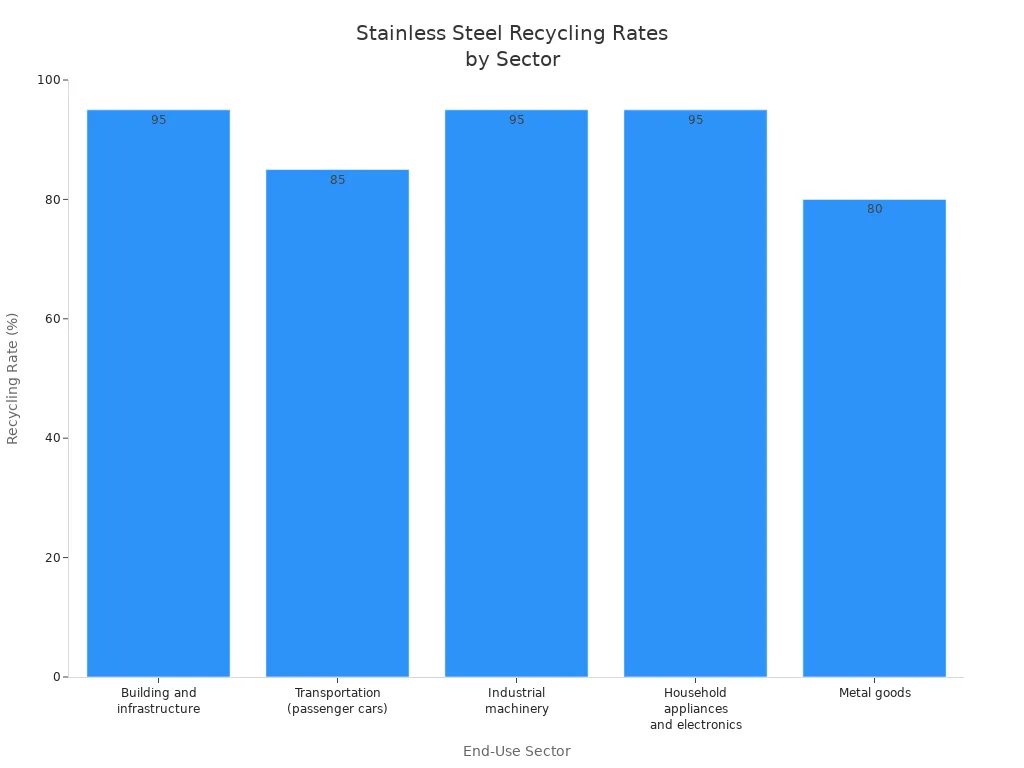
Stainless steel also leads in recycling. Across many industries, recycling rates for stainless steel reach up to 95%. In fact, about half of all new stainless steel comes from scrap metal. This high recycling rate means less mining and less energy use. You can see how stainless steel recycling rates compare across sectors in the chart below:
Both materials support sustainability, but stainless steel’s lack of coatings makes it even more eco-friendly. Galvanized steel production uses chemicals like zinc and acids, which can cause pollution if not managed well. However, new methods and better waste treatment help reduce these impacts. If you care about making an environmentally conscious choice, look for products made with recycled content and produced with clean technology.
Longevity and Waste Reduction
You want your project to last and create less waste. Galvanized steel can last 40 to 50 years, sometimes longer in mild environments. The zinc coating protects against rust, but in harsh or coastal areas, you may need to replace it sooner. Stainless steel lasts even longer because it resists corrosion without any coating. You will find that stainless steel needs fewer repairs and replacements over time.
Here is a table that shows how each material helps reduce waste:
| Materiał | Average Lifespan | Impact on Waste Reduction |
|---|---|---|
| Galvanized Steel | 40 to 50 years | Fewer replacements mean less waste, but more frequent repairs in tough environments |
| Stal nierdzewna | Longer than galvanized | Rarely needs replacement, so you create less waste over time |
Stainless steel’s long life and high recyclability lower its environmental footprint. You use fewer resources and send less material to landfills. Galvanized steel also helps by lasting longer than plain steel and being easy to recycle. When you choose materials with long lifespans and high recycling rates, you support sustainability and help protect the environment.
Installation and Maintenance Tips: Choose the Right Material for Longevity
Choosing the Right Material for Your Project
You want your project to last, so you need to think carefully about material selection. Stainless steel works best in places with lots of moisture, salt, or chemicals. Its chromium oxide layer protects it from rust and keeps it looking new. You pay more at first, but you save money on repairs and cleaning. Galvanized steel costs less and works well for outdoor or industrial jobs with moderate moisture. Its zinc coating fights rust, but this layer can wear off over time. You may need to fix or replace it sooner. Always balance your budget, the environment, and how much maintenance you want to do.
| Factor | Stal nierdzewna | Galvanized Steel |
|---|---|---|
| Odporność na korozję | High; ideal for harsh environments | Moderate; zinc coating can wear off |
| Trwałość | Long lifespan, strong | Durable, but less than stainless steel |
| Appearance | Sleek, modern | Dull, functional |
| Cost | Higher upfront, low maintenance | Lower upfront, may need more upkeep |
| Maintenance | Minimal | May need re-coating or repairs |
Tip: Match your choice to your project’s needs and location for the best results.
Best Practices for Installation
You can make your project last longer by following some simple installation and usage tips:
- Pick galvanized steel with a thick, high-quality zinc coating for better protection.
- Place galvanized steel in areas with less exposure to harsh chemicals or salt.
- Clean stainless steel with non-abrasive, non-acidic cleaners to protect its surface.
- Use plastic spacers or coatings to keep galvanized steel and stainless steel apart. This prevents galvanic corrosion.
- Hire skilled workers for installation. They know how to avoid common mistakes.
- Use compatible fasteners and supports to stop rust and damage.
Note: Never let galvanized steel and stainless steel touch in wet places. This can cause the zinc to wear away much faster.
Maintenance and Care Tips
You need to check your metal parts often. Galvanized steel needs regular inspections. Look for scratches or worn spots in the zinc coating. Fix these areas with zinc-rich paint or replace them if needed. Stainless steel needs less care. Clean it with gentle cleaners to keep its shine and stop dirt from building up. Avoid using harsh chemicals or steel wool, which can scratch the surface. If you see rust stains, clean them right away to keep the protective layer strong.
- Galvanized steel: Inspect, clean, and repair coating as needed.
- Stainless steel: Clean gently and check for stains or damage.
Remember: Good care helps both materials last longer and look better.
You have many choices when picking between galvanized steel and stainless steel. Use galvanized steel for budget-friendly projects in mild environments. Stainless steel works best for harsh, wet, or chemical-heavy places where you want strength and a polished look.
| Choose If You Need… | Galvanized Steel | Stal nierdzewna |
|---|---|---|
| Low cost | ✅ | |
| High corrosion resistance | ✅ | |
| Modern appearance | ✅ | |
| Easy workability | ✅ | |
| Long lifespan | ✅ |
Tip: Always match your material to your project’s needs, environment, and budget for the best results.
Często zadawane pytania
What is the main difference between galvanized steel and stainless steel?
Galvanized steel has a zinc coating that protects it from rust. Stainless steel contains chromium, which forms a self-healing layer. You get better corrosion resistance with stainless steel, but galvanized steel costs less.
Can you use galvanized steel and stainless steel together?
You should avoid mixing them. When you connect these metals, you risk galvanic corrosion. This can cause the zinc to wear away faster. Use plastic spacers or coatings if you must join them.
Which material is safer for food or kitchen use?
You should choose stainless steel for food or kitchen projects. It resists rust, does not react with food, and meets health standards. Galvanized steel can release zinc, which is not safe for food contact.
How do you clean stainless steel and galvanized steel?
- Clean stainless steel with mild soap and water.
- Use a soft cloth to avoid scratches.
- For galvanized steel, use a damp cloth and avoid harsh chemicals.
Tip: Always dry both metals after cleaning to prevent water spots.
Does stainless steel rust over time?
Stainless steel resists rust much better than galvanized steel. In harsh conditions, it can still develop stains or small pits. You can keep it looking new by cleaning it regularly and avoiding harsh chemicals.