
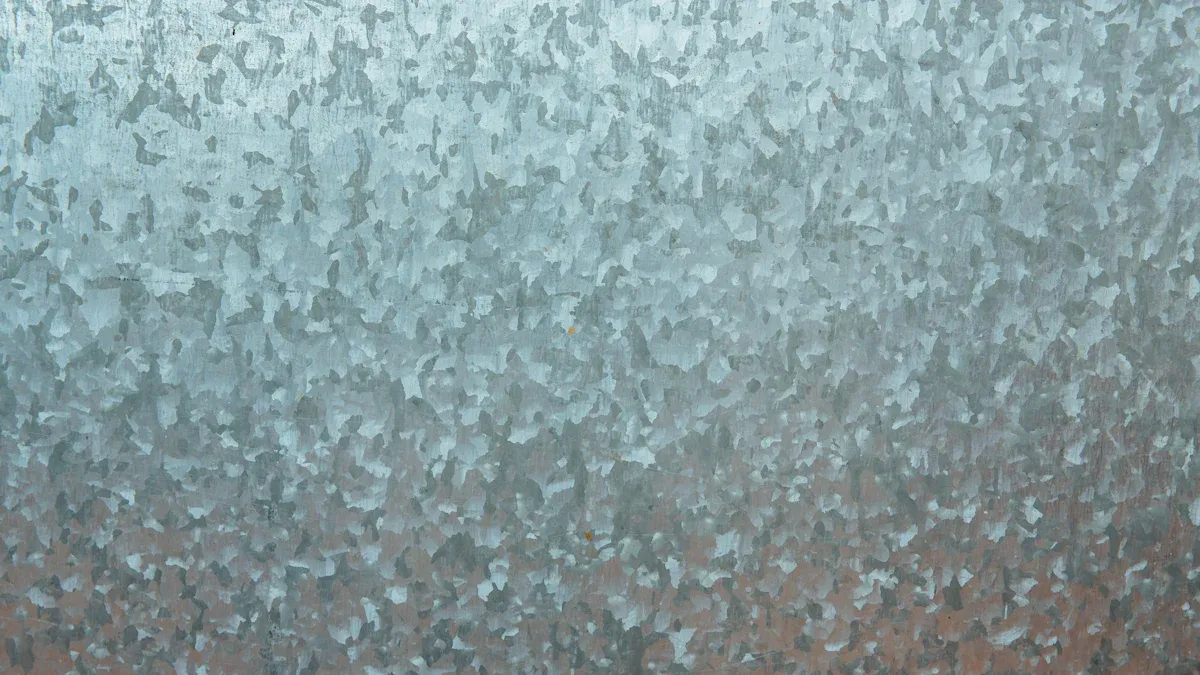
When you compare steel vs galvanized steel, you notice a big difference in how they handle harsh environments. Galvanized steel has a special zinc coating that keeps moisture and other harmful elements away from the surface. This zinc layer acts like armor. It protects the metal underneath and even sacrifices itself to stop rust from forming. Regular steel does not have this kind of shield, so it rusts much faster. If you want something truly corrosion resistant, galvanized steel stands out.
Galvanized steel helps you avoid the problems that regular steel faces in wet or salty places.
Galvanized Steel: What It Is and How It’s Made
Definition of Galvanized Steel
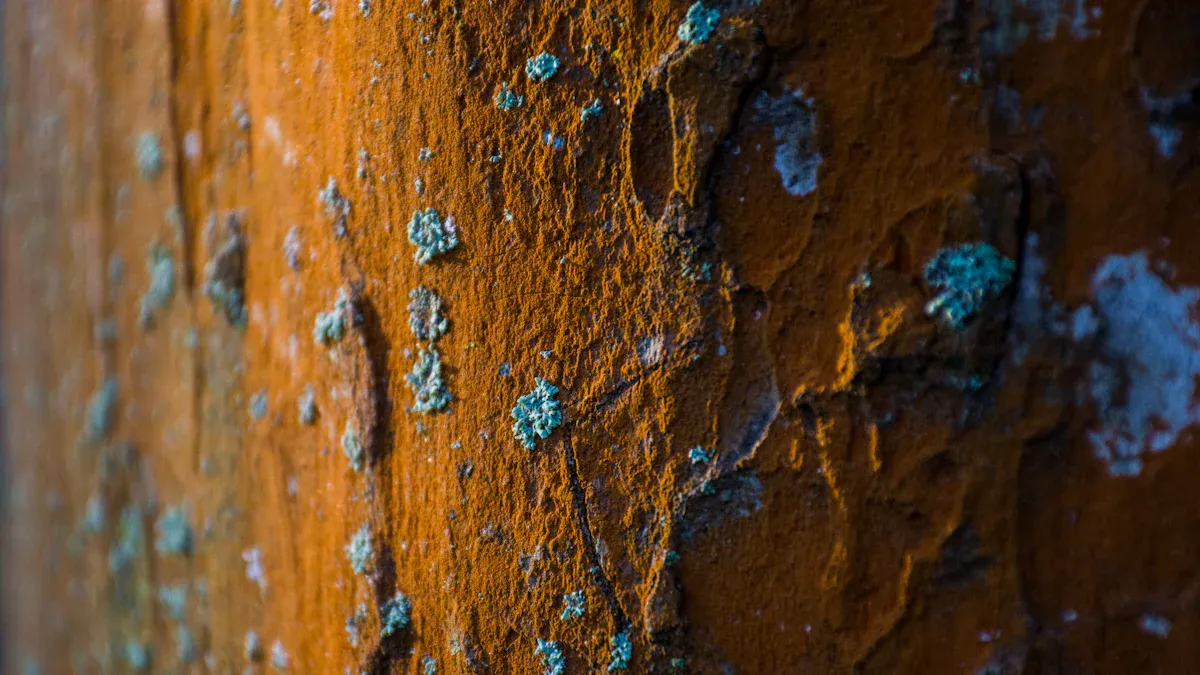
When you hear the term galvanized steel, you are learning about steel that has a special protective layer. This layer is made of zinc. You find galvanized steel in many places because it stands up well to rust and weather. You might see it in fences, roofs, or even street signs. The zinc coating gives the steel a shiny look and helps it last longer than regular steel. If you want a material that can handle tough conditions, galvanized steel is a smart choice.
Galvanized steel protects itself and stays strong, even when exposed to rain or salty air.
The Galvanization Process
You might wonder how galvanized steel gets its protective coating. The process involves several important steps. Each step helps make sure the steel will resist corrosion for a long time.
- Surface Preparation: First, workers clean the steel. They remove dirt, oil, and rust. This step makes sure the zinc will stick well to the steel.
- Galvanizing: Next, the steel goes into a bath of hot, melted zinc. The zinc reacts with the steel and forms a strong, multi-layered coating. This coating is not just on the surface. It bonds with the steel, making it very tough.
- Post-Treatment: After the zinc coating forms, the steel may get extra treatments. These steps help the coating last even longer and look better.
You can see why galvanized steel is so popular. The careful process gives you a product that fights off rust and damage. When you choose galvanized steel, you get strength and protection that regular steel cannot match.
How Galvanized Steel Resists Corrosion
The Role of the Zinc Coating
When you look at galvanized steel, you see more than just a shiny surface. The zinc coating plays a big part in keeping the steel safe. This layer covers the steel and blocks water, air, and other things that cause rust. You get a strong shield that keeps the steel underneath from touching anything that might harm it.
The zinc coating acts like a raincoat for steel. It keeps out the things that cause rust and damage.
Galvanized steel uses this special layer to stay strong in places where regular steel would start to break down. You can trust it to last longer, even when the weather gets rough.
Barrier Protection and Sacrificial Protection
Galvanized steel protects itself in two main ways. First, the zinc coating forms a barrier. This barrier stops water and oxygen from reaching the steel. If you scratch the surface, the protection does not stop there.
The second way is called sacrificial protection. Zinc has a special property. It gives up its own electrons to protect the steel. When the environment tries to rust the steel, the zinc reacts first. It takes the damage so the steel does not have to. This process keeps the steel safe, even if the coating gets damaged in small spots.
Here is a simple table to show how these protections work:
| Protection Type | How It Works | Benefit to You |
|---|---|---|
| Barrier Protection | Blocks water and air from reaching the steel | Prevents rust from starting |
| Sacrificial Protection | Zinc reacts first and protects the steel underneath | Keeps steel safe even if scratched |
You get double the protection with galvanized steel. This makes it a smart choice for places where rust is a big problem.
Zinc’s Reaction in Corrosive Environments
When you use galvanized steel in wet or salty places, the zinc starts to work right away. Zinc has a more negative electrochemical potential than steel. This means zinc will react first when both metals face moisture or salt. The zinc gives up its electrons and starts to break down before the steel does. This process is called acting as a sacrificial anode.
As zinc releases electrons, these electrons flow to the steel. The steel acts as the cathode and stays safe from rust. This flow of electrons interrupts the normal process that causes steel to corrode. You get a longer-lasting product because the zinc takes the hit instead of the steel.
You can count on galvanized steel to last much longer in tough environments because the zinc keeps working to protect the steel, even when the surface gets scratched or damaged.
Galvanized steel stands out in places like bridges, fences, and outdoor structures. You get peace of mind knowing that the zinc coating will keep your steel strong and rust-free for years.
Steel vs Galvanized Steel: Corrosion Rates
Why Regular Steel Corrodes Faster
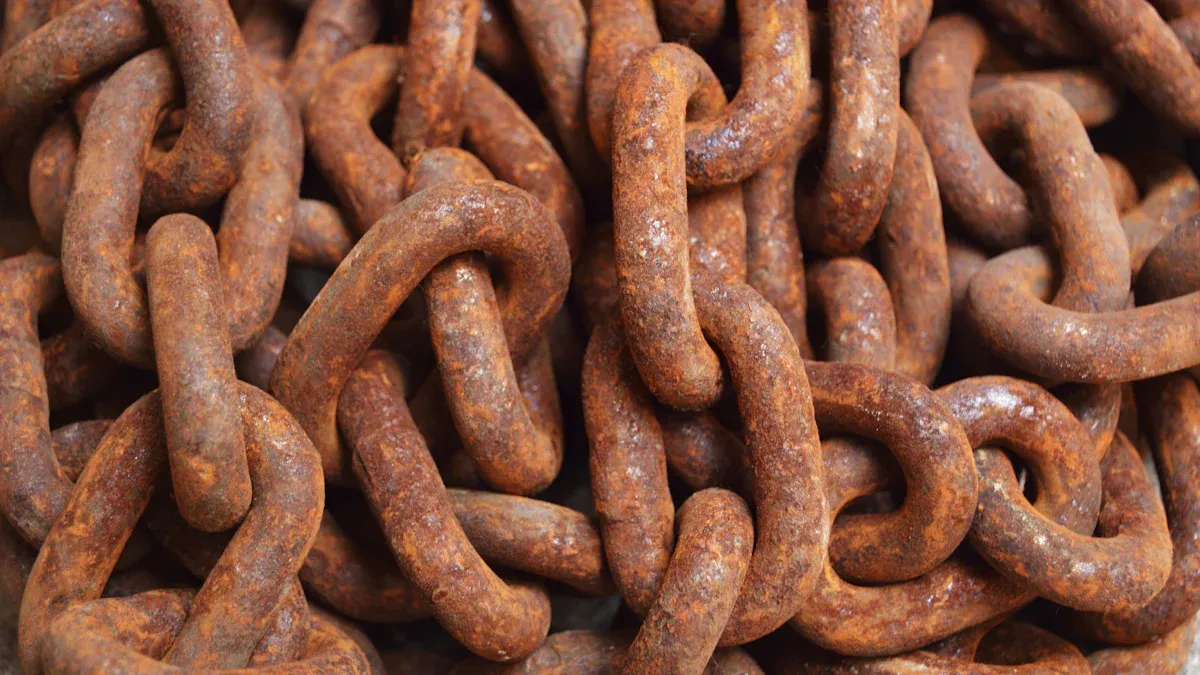
When you look at steel vs galvanized steel, you see a big difference in how fast each one rusts. Regular steel starts to corrode quickly when it meets water and air. This happens because regular steel does not have a protective zinc layer. The iron in regular steel reacts with oxygen and moisture, which causes rust to form.
Here is what happens during corrosion:
- Iron in regular steel acts as the anode and loses electrons.
- Oxygen and water act as the electrolyte, helping the reaction move faster.
- Rust forms as iron combines with oxygen to make iron oxide.
In steel vs galvanized steel, the zinc in galvanized steel acts as a shield. It gives up its electrons first, so the steel underneath stays safe. Regular steel does not have this help. The iron in regular steel reacts right away, so you see rust much sooner.
If you use regular steel outdoors, you will notice rust spots appear quickly. Galvanized steel stays strong and clean for much longer.
Impact of Moisture and Oxygen
Moisture and oxygen play a huge role in the steel vs galvanized steel debate. Regular steel reacts with both of these elements. When water touches regular steel, it acts like a bridge for electrons. This speeds up the rusting process. Salt in the air or water makes things even worse. Salt acts as an extra conductor, so regular steel corrodes even faster.
You can see the difference in this table:
| Materiał | Reaction with Moisture and Oxygen | Corrosion Rate |
|---|---|---|
| Regular steel | Rusts quickly | High |
| Galvanized steel | Zinc layer protects steel | Low |
When you compare steel vs galvanized steel, you find that regular steel cannot stand up to harsh weather. Galvanized steel keeps its strength because the zinc layer fights off moisture and oxygen. You get a much longer lifespan with galvanized steel, even in places with lots of rain or salt.
Remember, if you want your project to last, choose galvanized steel over regular steel. You will avoid rust and save money on repairs.
Real-World Performance of Galvanized Steel
Lifespan in Corrosive Environments
You want your projects to last as long as possible, especially in places with lots of moisture or salt. Galvanized steel gives you a big advantage here. The zinc coating protects the steel for many years, even when the weather gets rough. In most outdoor environments, galvanized steel can last 20 to 50 years before you see any signs of rust. In some cases, it lasts even longer.
If you use galvanized steel near the ocean or in areas with heavy rain, you still get strong protection. The zinc layer slows down the rusting process, so you do not have to worry about replacing parts often. Regular steel would start to rust much sooner in these same conditions.
Tip: If you want to make your structures last, choose galvanized steel for areas exposed to water, salt, or chemicals.
Here is a quick look at how long galvanized steel can last in different environments:
| Environment | Expected Lifespan (Years) |
|---|---|
| Rural | 50+ |
| Urban | 30-50 |
| Coastal | 20-25 |
| Industrial | 15-30 |
Common Uses and Results
You see galvanized steel in many places because it works so well against rust. Builders use it for bridges, fences, street signs, and roofs. Farmers use it for barns and animal pens. You also find it in playgrounds and outdoor furniture.
When you use galvanized steel, you get strong results. Your projects stay safe and look good for a long time. You do not have to spend much on repairs or replacements. Many cities use galvanized steel for street lights and guardrails because it stands up to rain, snow, and road salt.
- You save money over time.
- You avoid frequent maintenance.
- You keep your structures safe and strong.
Note: Galvanized steel helps you build things that last, even in tough environments.
You get better results when you choose galvanized steel for tough environments. The zinc coating gives you two types of protection. It blocks moisture and also sacrifices itself to keep the steel safe. Regular steel cannot do this. You will see rust appear much faster on regular steel, which means more repairs and higher costs.
- Regular steel needs frequent painting and repairs.
- You replace regular steel more often because it rusts quickly.
- Galvanized steel lasts longer, so you save money over time.
| Aspect | Regular Steel | Galvanized Steel |
|---|---|---|
| Lifespan | Short | Long |
| Maintenance | High | Low |
| Cost Over Time | High | Lower |
You make a smart choice when you pick galvanized steel for outdoor or wet places. Regular steel works best indoors where rust is not a problem.
Często zadawane pytania
What makes galvanized steel better for outdoor use?
Galvanized steel has a zinc coating that protects it from rain, snow, and salt. You get a material that resists rust and lasts longer outside. This makes it a smart choice for fences, roofs, and playgrounds.
Can you paint over galvanized steel?
Yes, you can paint over galvanized steel. You need to clean the surface first. Use a primer made for galvanized metal. This helps the paint stick well and last longer.
How do you know if steel is galvanized?
You can look for a shiny or spangled surface. Galvanized steel often looks brighter than regular steel. Sometimes, you see a pattern that looks like small crystals. You can also ask your supplier for details.
Does galvanized steel need maintenance?
You do not need much maintenance for galvanized steel. You can wash it with water if it gets dirty. Check for scratches or damage. If you see bare spots, you can touch them up with zinc-rich paint.
Is galvanized steel safe for drinking water?
Galvanized steel pipes can carry drinking water, but over time, zinc may leach into the water. You should check local codes and use approved materials for plumbing. For most outdoor uses, galvanized steel is safe and reliable.