
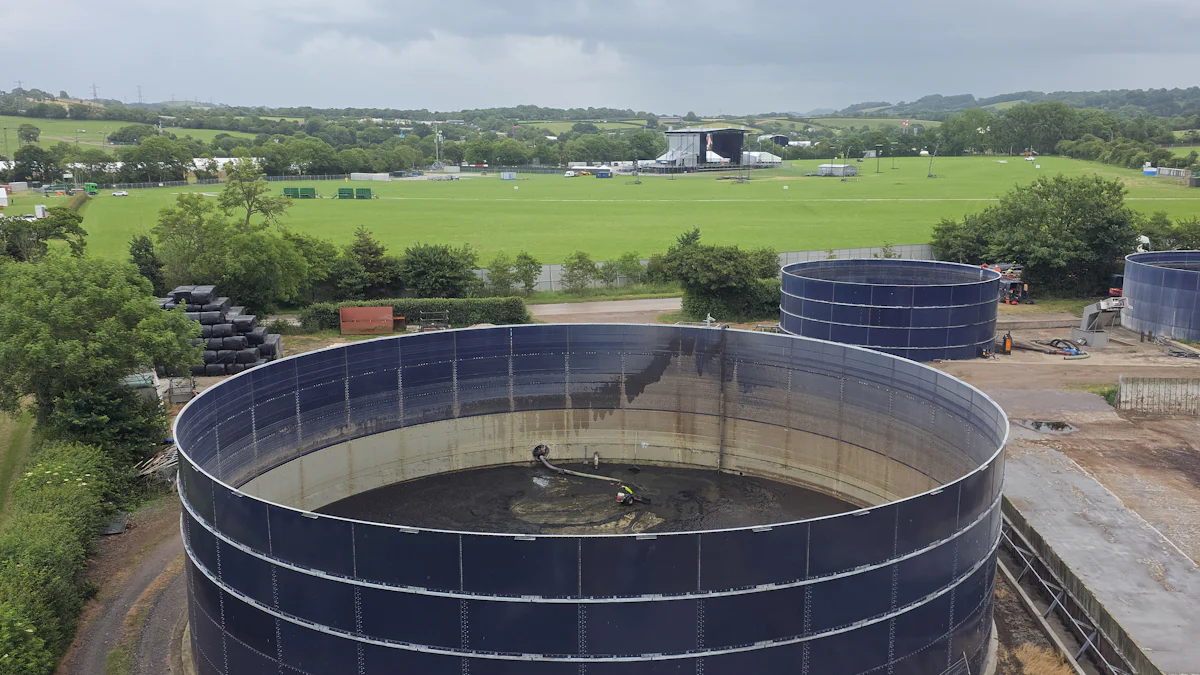
When you shop for a galvanized steel stock tank round, you want to make sure you check a few key things. Look at the material quality to see if it will last. Pick the right size for your animals or project. Think about where you will put it and how you will use it. Set your budget and plan for easy cleaning. Paying attention to these details helps you avoid costly mistakes and keeps your tank in good shape for years.
Choosing the Right Size and Shape for a Galvanized Steel Stock Tank Round
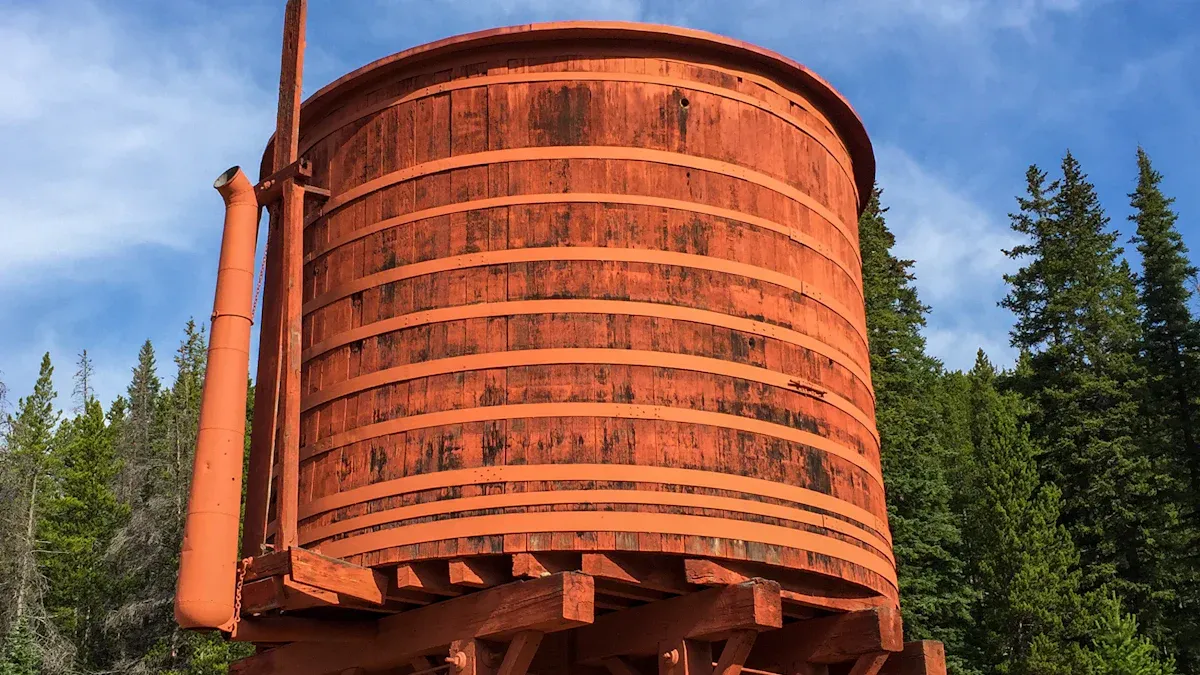
Matching Tank Size to Your Needs
You need to choose a tank size that matches your specific needs. If you plan to use your tank for watering livestock, storing rainwater, or even as a backyard pool, the right size will make your project easier and more efficient. Research on rainwater harvesting systems shows that tank size should fit your water demand and local climate. If you live in a dry area, you may need a larger tank to store enough water between rainfalls. For livestock, you should consider the number and type of animals. A small tank may work for a few chickens, but you need a much larger one for cattle or horses.
When you use a galvanized steel stock tank round for water storage, you want to avoid running out of water or wasting space. Studies show that matching tank size to your needs helps you save money and use resources wisely. You can also avoid problems like overflow or frequent refilling.
Tip: Make a list of your daily or weekly water needs before you shop for a tank. This will help you pick the right size the first time.
Common Uses and Size Recommendations
People use round galvanized steel stock tanks for many purposes. Some common uses include watering animals, storing rainwater, gardening, and even creating backyard pools or ponds. Each use has its own size recommendations.
- Livestock Watering: For small animals like goats or sheep, a tank with a capacity of 100-200 gallons often works well. For cattle or horses, you may need a tank that holds 300 gallons or more.
- Rainwater Harvesting: The best tank size depends on your roof size, rainfall, and how much water you use. Studies recommend using local rainfall data and your household size to choose the right tank. For example, a family of four in a rainy area might need a 500-gallon tank, while a single person in a dry area might only need 100 gallons.
- Gardening and Irrigation: If you use the tank for watering plants, you should match the size to your garden’s needs. A small garden may only need a 50-gallon tank, but a large vegetable patch could require 200 gallons or more.
- Other Uses: In data centers and industrial settings, tanks are used for cooling, fire suppression, and chemical storage. These applications often require larger tanks to meet strict safety and operational standards.
A good rule for pressure tanks is to match the flow rate and run time to the tank’s drawdown capacity. For example, if your pump delivers 5 gallons per minute and you want it to run for one minute, you need a tank with at least a 5-gallon drawdown.
Considering Shape and Space Requirements
The shape of your tank affects how well it fits your space and how it performs. A round tank often works best for even water flow and easy cleaning. Empirical studies show that tank shape and size influence how water moves inside. For example, tanks with a higher length-to-width ratio can improve mixing and reduce dead zones. The design of the tank’s inlet and the slope of the bottom also affect water movement and cleaning.
Some shapes, like toroidal tanks, handle pressure better and distribute stress more evenly. This makes them safer for high-pressure uses, such as storing certain chemicals or gases. However, for most home and farm uses, a round galvanized steel stock tank round offers a good balance of strength, space efficiency, and ease of use.
- If you have limited space, measure your area before buying. Make sure the tank will fit with enough room for access and maintenance.
- Think about where you will place the tank. A flat, level spot helps prevent leaks and makes cleaning easier.
- If you need to stack or move tanks, consider the weight and shape. Some shapes stack better or fit into corners, while round tanks are best for open areas.
Note: The right shape and size can improve water quality, make cleaning easier, and help your tank last longer.
Assessing Material Quality and Durability in Galvanized Steel Stock Tank Round
Benefits of Galvanized Steel Construction
When you choose a galvanized steel stock tank round, you get a product known for its strength and long life. Galvanized steel has a special zinc coating that protects it from rust and corrosion. This coating acts as a barrier, so water and air cannot easily reach the steel underneath. As a result, your tank lasts much longer and needs less maintenance.
Industry reports show that galvanized steel is popular worldwide because it is durable, cost-effective, and good for the environment. The table below highlights some important facts:
| Aspect | Details |
|---|---|
| Global Market Size (2024) | USD 241,871.7 million |
| Projected Market Size (2030) | USD 353,513.4 million |
| CAGR (2025-2030) | 6.9% |
| Key Benefits | Durability, corrosion resistance, cost-effectiveness, sustainability |
| Sustainability | 100% recyclable, supports energy-efficient building |
You can see that many industries trust galvanized steel for its performance and eco-friendly features.
Checking for Quality and Potential Drawbacks
You should always check the quality of your tank before buying. High-quality tanks use a hot-dip galvanization process. This process creates a strong bond between the zinc and steel, giving your tank several layers of protection. Tanks made this way can last for decades.
Here are some signs of a well-made tank:
- Smooth, even coating with no bare spots
- Strong welds and no sharp edges
- Thick, sturdy walls
However, even the best tanks can have drawbacks. If the coating gets scratched or damaged, rust can start to form. Some tanks may also have weak spots if the manufacturing process was not careful. Always look for tanks that meet international standards like ISO 9001:2015 or AWWA D103-09.
What to Watch for in Used or New Tanks
When you shop for a new or used galvanized steel stock tank round, you need to look for certain signs that show how long the tank will last. Pay attention to these key indicators:
- Age and condition of the tank
- Quality of the coating and welds
- Signs of rust, dents, or leaks
- Maintenance history, if available
You can also check how well the tank was installed and used. Tanks that sit on level ground and get regular cleaning usually last longer. If you see a lot of repairs or patches, the tank may not be a good choice.
Tip: Regular maintenance, like cleaning and checking for damage, helps your tank last longer and prevents costly repairs.
Placement and Installation Tips for Galvanized Steel Stock Tank Round
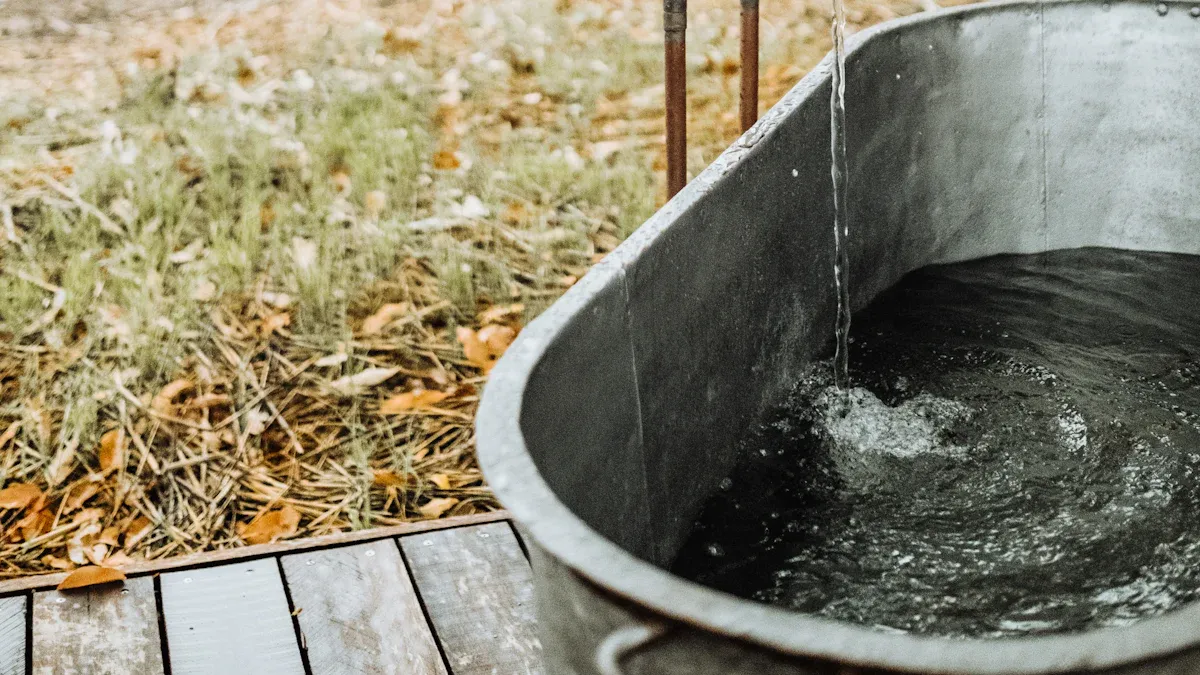
Finding the Best Location
You want to place your galvanized steel stock tank round in a spot that fits your needs and makes daily use easy. Start by thinking about who will use the tank and how often. If you use it for livestock, pick a spot close to where animals gather. For gardening or rainwater collection, choose a location near your plants or downspouts. Marketers and planners use location data to match products to local habits and needs. You can do the same by looking at your daily routines and the people or animals who will use the tank.
Tip: Walk around your property at different times of day to see which areas are most active and easy to reach.
Level Ground, Drainage, and Climate Considerations
Always set your tank on level ground. This keeps it stable and helps prevent leaks or tipping. Engineering experts say that tanks on uneven ground can shift or even float if water collects underneath. The Oklahoma State University Extension explains that poor drainage leads to ponding, erosion, and soil problems. The EPA also recommends level ground and good drainage to avoid flooding and keep tanks working well. If you live in a rainy area, make sure water flows away from the tank. You can add gravel or a drain to help with this.
| Problem | Solution |
|---|---|
| Ponding water | Add gravel or drains |
| Erosion | Place tank on level pad |
| Flooding risk | Avoid low spots |
Climate matters too. In cold places, keep the tank out of wind to stop freezing. In hot areas, shade helps keep water cool.
Sunlight, Accessibility, and Safety
Think about sunlight and safety when you pick a spot. Sunlight can help keep water fresh, but too much heat may cause algae growth. Studies show that safety affects how people use outdoor spaces. In some cities, people avoid sunny spots if they feel unsafe. You should place your tank where you can see it easily and where others cannot tamper with it. Climate studies also say to avoid flood zones and places with earthquake risks. Make sure you can reach the tank for cleaning and filling. Safety codes do not list exact rules for tank placement, but you should always check local building codes before you install.
Note: Easy access and a safe, visible spot help you use your tank more and keep it in good shape.
Budgeting, Cost, and Value for Galvanized Steel Stock Tank Round
Typical Price Ranges and What Affects Cost
When you shop for a galvanized steel stock tank round, you will see a wide range of prices. Small tanks can start at around $100, while large tanks may cost $500 or more. Several factors affect the price you pay:
- Tank size and capacity: Larger tanks cost more.
- Material thickness: Thicker steel means higher prices but better durability.
- Brand reputation: Well-known brands often charge more for quality and service.
- Special coatings or certifications: Tanks with extra protection or safety ratings may cost more.
You should also think about the long-term costs. Higher quality tanks may cost more at first, but they can save you money over time.
Value for Money and Long-Term Investment
You want your investment to last. The quality of your tank affects how much you spend in the long run. Here are some key points to consider:
- Tank quality factors like material makeup, environmental rating, and certifications can raise the upfront cost.
- Higher quality materials increase the initial price but make the tank last longer, so you spend less on repairs and replacements.
- Environmental ratings and certifications add to the cost but help ensure safety and reliability.
- Ongoing maintenance, such as cleaning and repairs, can add up if you choose a lower quality tank.
Choosing a high-quality galvanized steel stock tank round helps you avoid frequent repairs and replacements, giving you better value for your money.
Accessories, Upgrades, and Extra Costs
You may need to buy accessories or upgrades for your tank. These can add to your total cost. The table below shows some common extras and their economic impact:
| Cost/Factor | Description | Economic Impact |
|---|---|---|
| Security Upgrades | New wiring and hardware for compliance or safety | Upgrade costs can be significant |
| Monitoring Systems | Remote monitoring and advanced features | Labor and system capabilities increase expenses |
| Environmental Regulations | Permits, vapor recovery, and engineering fees | Can add thousands to your total cost |
| Compatibility Issues | Older tanks may need extra parts to work with new upgrades | Increases replacement and upgrade costs |
| Routine Maintenance Exclusion | Some items not covered by warranty or claims | Adds complexity and potential extra costs |
Tip: Always ask about extra costs before you buy, so you can plan your budget and avoid surprises.
Maintenance and Longevity of Galvanized Steel Stock Tank Round
Cleaning and Upkeep Essentials
You need to keep your tank clean to make it last. Regular cleaning removes dirt, algae, and other buildup that can damage the tank over time. If you check your tank often, you can spot small problems before they turn into big ones. Cleaning also helps you keep the water safe for animals or plants.
- Routine inspections and small repairs help you avoid emergency service calls.
- Early detection of cracks or leaks prevents major breakdowns.
- Preventative care, like cleaning and checking seals, keeps your tank working longer.
- Timely repairs and upgrades save you from buying a new tank too soon.
- Ignoring small issues can lead to expensive spills or equipment shutdowns.
Regular cleaning and professional servicing prevent corrosion and leaks. These steps protect your investment and help you avoid costly repairs.
Preventing Rust and Corrosion
You want your galvanized steel stock tank round to resist rust for as long as possible. Galvanized steel has a zinc coating that protects it, but you still need to help it last. Scientific studies show that using corrosion inhibitors during cleaning can reduce rust by over 80%. These inhibitors form a protective film on the steel surface. Even though these studies focus on cleaning, they show that the right products and methods can make a big difference.
Engineering research also shows that high-strength coated bolts offer the best anti-corrosion ability. The table below compares different bolt types used in tanks:
| Parameter | Hot-dip Galvanized Bolts | High-strength Coated Bolts | Ordinary Bolts |
|---|---|---|---|
| Decrease in Peak Strength (%) | 20.54 | 3.73 | 11.60 |
| Corrosion Behavior | Exacerbated SCC and HIC | Best anti-corrosion ability | Moderate |
| Recommendation | Not for harsh settings | Best for replacement | N/A |
Choose the right parts and use protective coatings to keep rust away.
Extending the Life of Your Tank
You can make your tank last longer with a few simple steps. Clean it often, check for damage, and fix small problems right away. Use the right cleaning products and avoid harsh chemicals that can wear down the zinc coating. Place your tank on level ground and keep it out of standing water. If you see rust or damage, repair it quickly to stop it from spreading.
Tip: Investing in regular upkeep keeps your tank safe, reliable, and cost-effective for many years.
Where to Buy and What to Ask When Shopping for a Galvanized Steel Stock Tank Round
Finding Reputable Sellers and Brands
You want to buy your galvanized steel stock tank round from a seller you can trust. Many buyers look for brands with a strong reputation for quality and service. Customer reviews and independent editorial notes often highlight the best choices. Here is a table that shows some top brands and what makes them stand out:
| Brand / Model | Key Features & Reputation Highlights |
|---|---|
| Tarter Galvanized | US-made, rust-resistant, precision-cut bottom, built-in drain plug, no sharp seams |
| Behrens Oval Tub | Molten zinc coating, easy to move, several sizes, good for outdoor use |
| CountyLine Oval | Holds 100 gallons, no sharp edges, multi-use, high-quality steel, safe for animals |
| Hastings Nbr – HD1002 | Five-year warranty, crush-proof rim, strong seams, leak protection |
| Hutchison Western Round | 20-gauge metal, watertight fittings, welded and sealed, good for livestock |
| Achla Designs Oval Tub | Hand-made, oversized handles, multipurpose, but bottom seam may leak |
| Behlen Country ST | Shallow design, easy to empty, strong bottom, durable zinc coating |
You can find these brands at farm supply stores, hardware stores, and online retailers.
Key Questions to Ask Before Purchase
Before you buy, you should ask a few important questions. These questions help you avoid problems and make sure you get the right tank for your needs:
- What is the tank made of, and how thick is the steel?
- Does the tank have a warranty? If so, how long does it last?
- Are there any sharp edges or weak spots?
- Has the tank been tested for leaks?
- What is the return policy if the tank arrives damaged?
- Are accessories or replacement parts easy to find?
Tip: Write down your questions before you visit the store or contact the seller. This helps you remember what to ask and compare different options.
Warranty, Returns, and Support
A good warranty gives you peace of mind. Many top brands offer warranties that last several years. For example, Hastings Nbr – HD1002 comes with a five-year warranty. You should always check what the warranty covers. Some only protect against leaks, while others include rust or damage from normal use.
Return policies matter too. Ask if you can return the tank if it does not fit your space or if it arrives with damage. Good sellers will explain their support options and help you with repairs or replacement parts.
Note: Always keep your receipt and warranty information in a safe place. This makes it easier to get help if you need it.
Before you buy a galvanized steel stock tank round, use this checklist to guide your decision:
- Check tank dimensions and ensure the size fits your space and needs.
- Compare materials and maintenance requirements.
- Confirm the tank is food-grade and UV-stabilized.
- Calculate rainwater storage if needed.
- Set your budget and compare suppliers.
Asking the right questions before purchase helps you avoid problems later. Surveys show that brands who ask detailed questions after a sale gain valuable insights and improve customer satisfaction. Choose a tank that matches your needs, plan for upkeep, and invest in quality for years of reliable use.
Często zadawane pytania
How long does a galvanized steel stock tank round last?
You can expect your tank to last 15 to 20 years with proper care. Regular cleaning and quick repairs help extend its life. Avoid letting water sit for long periods to prevent rust.
Can you use a galvanized steel stock tank round as a pool?
Yes, you can use it as a pool. Many people use these tanks for backyard swimming. Make sure you clean the tank often and check for sharp edges before use.
Do galvanized steel stock tanks rust over time?
Galvanized steel resists rust because of its zinc coating. If you scratch or damage the coating, rust can start. Check your tank often and fix any damage right away.
What size tank do you need for livestock?
Choose the size based on your animals. For a few chickens or goats, a 100-gallon tank works. For cattle or horses, pick a 300-gallon tank or larger. Always match the tank to your herd size.
Are galvanized steel stock tanks safe for drinking water?
Most tanks are safe for animals. If you want to store drinking water for people, look for tanks labeled as food-grade. Always rinse new tanks before use.