
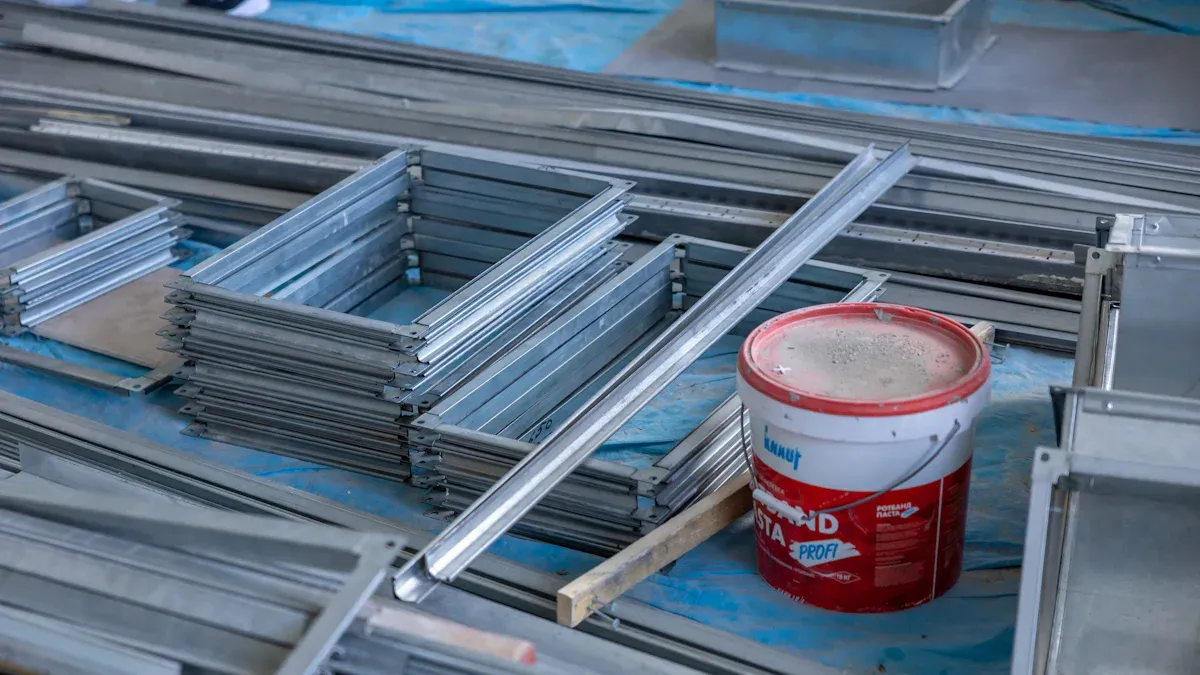
When you paint a galvanized metal surface, you need to clean it well and remove any white rust. Surface preparation makes a big difference. If you use the right primer and choose a quality galvanized paint for steel, your finish will last longer and stay shiny. Proper steps can help your steel last over 50 years with less maintenance, compared to only 10-20 years for regular steel.
Good preparation saves time and money by reducing future repairs.
| Feature | Galvanized Steel | Regular Steel |
|---|---|---|
| Lifespan | 50+ years | 10-20 years |
| Maintenance | Minimal | Frequent |
Why Galvanized Paint for Steel Requires Special Steps
The Challenge of Galvanized Coatings
When you work with galvanized steel, you face unique challenges. The zinc coating on a galvanized metal surface protects the steel from rust, but it also creates a barrier that makes painting tricky. The chemistry and texture of this coating change over time, so you need to adjust your preparation steps based on the steel’s age and condition.
| Surface Condition | Characteristics and Chemistry | Cleaning Requirements | Profiling Requirements and Techniques |
|---|---|---|---|
| Newly Galvanized | Smooth zinc or zinc-iron layer; bright or dull gray finish | Remove bumps, runs, drips; mild cleaning | Profiling needed; sweep blasting, wash primers, acrylic pretreatments, careful grinding |
| Partially Weathered | Loosely adhered zinc oxides, hydroxides, and organics | Thorough cleaning to remove zinc compounds and organics | Profiling to create anchor profile; sweep blasting, wash primers, acrylic pretreatments, careful grinding |
| Fully Weathered | Tightly adhered zinc carbonate layer; protective patina | Mild cleaning only; avoid removing patina | Minimal profiling needed; mild cleaning sufficient; paint adheres better when patina is left intact |
Note: If you skip these steps or use harsh methods, you can damage the soft zinc layer or leave behind contaminants that stop paint from sticking.
Scientific studies show that the zinc coating can wear down quickly if you do not prepare the surface correctly. For example, friction and mechanical wear can change the coating’s thickness and hardness, which affects how well the paint lasts. Manufacturers also struggle to measure the coating thickness accurately, which makes quality control harder.
Why Regular Paint Doesn’t Stick
You might think you can use any paint on galvanized steel, but regular paint does not bond well. The zinc layer reacts with many paints, causing them to peel or flake off. Experiments show that paint adhesion drops sharply if you paint over zinc corrosion products or a dirty surface. Even strong cleaning methods, like high-pressure water, often fail to remove all the corrosion. If you see white rust or powdery spots, you need to clean them off before painting.
- Paints like vinyl and urethane do not stick well to surfaces with lots of zinc corrosion.
- If the galvanized layer is thin or covered in salts, paint will not last.
- Surfaces with more than 52% galvanized loss or salt density above 25 mg/m² need extra preparation.
You get the best results when you follow special steps for cleaning, profiling, and priming. This way, your paint will stick better and last longer on galvanized steel.
Step-by-Step Guide to Painting Galvanized Steel
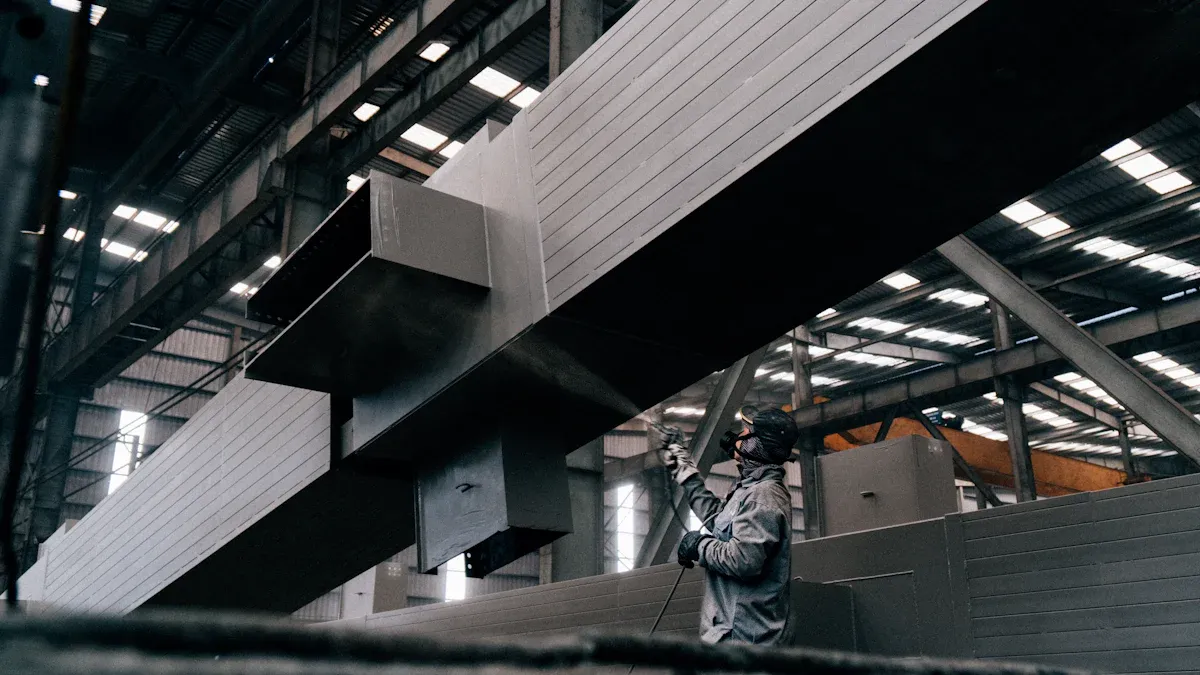
Cleaning the Surface with Soap and Water
You need to start with a clean surface before you paint galvanized steel. Dirt, grease, and oil can stop paint from sticking. Use warm water and a mild soap. Scrub the steel with a soft brush or sponge. Rinse with clean water and let it dry completely. If you see any stubborn spots, repeat the process until the steel looks clean.
Tip: Always wear gloves when you clean the surface. This keeps oils from your hands off the metal.
A technical bulletin from the Galvanizers Association of Australia highlights that good cleaning is the first step for a durable paint finish. Their tests show that skipping this step leads to poor results and early paint failure.
Using White Vinegar for Etching
After you clean the steel, you need to help the paint stick better. Galvanized steel has a smooth zinc layer that resists paint. You can use white vinegar to lightly etch the surface. Soak a clean cloth in white vinegar and wipe down the steel. The vinegar reacts with the zinc and creates a rougher texture. This makes it easier for the primer and paint to bond.
- Let the vinegar sit for 10-15 minutes.
- Wipe the surface with a damp cloth to remove any leftover vinegar.
- Allow the steel to dry before moving to the next step.
Research and field studies show that surface treatments like vinegar etching improve paint adhesion. Experts recommend this simple method for small projects at home.
Removing White Rust and Contaminants
White rust looks like a powdery, white deposit on galvanized steel. It forms when zinc reacts with moisture and air. You must remove white rust before painting. Use a nylon brush or fine sandpaper to scrub away the powder. For large areas, you can use sweep blasting or a special wash primer.
| Method | Best For | Tools Needed | Notes |
|---|---|---|---|
| Nylon Brush | Small spots, light rust | Nylon brush, gloves | Gentle, does not scratch zinc layer |
| Fine Sandpaper | Thin rust, smooth areas | Sandpaper (220 grit) | Use light pressure |
| Sweep Blasting | Large, weathered areas | Blasting equipment | Best for professionals |
| Wash Primer | Chemical cleaning | Primer, brush/roller | Follow product instructions carefully |
Note: Removing white rust helps prevent paint peeling and extends the life of your finish.
A study by Valdebenito & Townley (2021) found that proper cleaning and rust removal protect galvanized steel for decades. Their tests showed that painted galvanized steel can last up to 100 years with the right preparation. Real-world projects, like the Peace Bridge and Bottighofen Port Marina, also prove that careful cleaning and surface prep lead to long-lasting, shiny results.
Surface Preparation: Sanding and Mechanical Methods
You need to prepare the surface before you paint galvanized steel. Sanding and mechanical methods help the paint stick better. The zinc coating on galvanized steel feels smooth. Paint will not grip well if you skip this step.
Start by checking the steel for any rough spots or leftover rust. Use fine-grit sandpaper, such as 220 grit, to lightly sand the surface. Move the sandpaper in small circles. This creates tiny scratches that help the primer bond. For large or tough areas, you can use a wire brush or a power sander. Always wear gloves and a dust mask to protect yourself.
Mechanical methods like sweep blasting work well for big projects. Sweep blasting uses a gentle stream of abrasive material to roughen the surface. You should not use heavy blasting because it can damage the zinc layer. If you use a power tool, keep the pressure low.
Tip: After sanding or blasting, wipe the steel with a clean, damp cloth. This removes dust and helps you get a smooth finish.
Here is a quick guide to surface preparation tools:
| Tool | Best Use | Safety Gear Needed |
|---|---|---|
| Sandpaper | Small areas, light prep | Gloves, mask |
| Wire Brush | Rust spots, edges | Gloves, goggles |
| Power Sander | Large, flat surfaces | Gloves, mask, goggles |
| Sweep Blaster | Big projects, heavy prep | Full protective gear |
You should always check the steel after sanding. The surface should look dull, not shiny. This means it is ready for the next step.
Priming with Galvanized Paint for Steel Primers
Priming the surface is a key step when you paint galvanized steel. You cannot skip this part if you want your paint to last. Special primers for galvanized metal help the paint stick and stop rust from forming.
Choose a primer made for galvanized steel. These primers have chemicals that bond with the zinc layer. Shake the can well before you open it. Use a brush or roller to apply a thin, even coat. Make sure you cover every spot. Let the primer dry fully. Check the label for drying times.
Note: If you see any bare spots after the primer dries, add a second coat. This gives you better protection.
Some primers come in spray cans. These work well for small jobs or hard-to-reach places. Always use the primer in a well-ventilated area.
Choosing the Best Paint for Galvanized Steel
You need to pick the right paint for galvanized steel. Not all paints will work. Some paints react with the zinc and peel off. Look for paints labeled for use on galvanized metal. These paints have special formulas that stick to the primer and the zinc layer.
Here are some good choices:
- Acrylic latex paint: Easy to use and dries fast.
- Epoxy paint: Very strong and resists chemicals.
- Polyurethane paint: Shiny finish and lasts a long time.
Read the label before you buy. Make sure the paint matches your primer. Some brands make a full system with primer and paint that work together. This gives you the best results.
Pro Tip: Test the paint on a small area first. Wait 24 hours to see if it sticks well.
When you use galvanized paint for steel, apply thin coats. Let each coat dry before you add the next. This helps you get a smooth, shiny finish that lasts for years.
Application Tips for a Smooth, Shiny Finish
You want your galvanized steel to look shiny and smooth. The way you apply the paint makes a big difference. Here are some tips to help you get the best results:
Use the Right Tools
Choose a high-quality synthetic brush, a foam roller, or a spray gun. Brushes work well for small areas and edges. Rollers cover large, flat surfaces quickly. Spray guns give the smoothest finish but need practice.Apply Thin, Even Coats
Thick paint can drip or bubble. Thin coats dry faster and look smoother. Hold your brush or roller at a slight angle. Move in one direction for each coat. If you use a spray gun, keep it about 10-12 inches from the surface.Watch for Drips and Runs
Check your work as you go. If you see a drip, smooth it out right away with your brush or roller. Do not let drips dry, or you will get rough spots.Let Each Coat Dry Before Adding the Next
Rushing leads to a sticky or uneven finish. Always wait for the first coat to dry fully before you add another. Check the paint can for drying times.Work in a Clean, Dust-Free Area
Dust and dirt can stick to wet paint. Paint in a place with little wind and no loose dirt. Cover nearby items to keep them clean.
Tip: If you want a mirror-like shine, use a fine-grit sanding sponge between coats. Wipe away dust before you add the next layer.
Here is a quick table to help you choose the best tool for your project:
| Tool | Best For | Finish Quality |
|---|---|---|
| Brush | Small areas, corners | Good |
| Roller | Large, flat surfaces | Very Good |
| Spray Gun | Smooth, even coverage | Excellent |
Drying and Curing for Durability
You need to let your paint dry and cure for the best results. Drying and curing are not the same. Drying means the paint feels dry to the touch. Curing means the paint has reached full strength and will last longer.
Follow the Manufacturer’s Instructions
Always read the label on your paint and primer. The maker tells you how long to wait between coats and how long to let the paint cure.Allow Enough Time Between Coats
Most paints need at least 2-4 hours to dry between coats. Some need more time if the air is cold or damp.Let the Paint Cure Fully
Curing can take several days or even weeks. Do not use or wash the painted surface until the paint has cured. This step helps the paint resist chips and scratches.Keep the Area Ventilated
Fresh air helps paint dry and cure faster. Open windows or use fans if you paint indoors.Avoid Touching or Bumping the Surface
Wet paint marks easily. Keep pets and people away until the paint is dry and cured.
Note: If you rush the drying or curing process, the paint may peel or lose its shine. Patience gives you a finish that lasts for years.
You can check if the paint has cured by pressing your fingernail gently on a hidden spot. If it leaves no mark, the paint is ready for use. If you follow these steps, your galvanized steel will stay shiny and strong for a long time.
Common Mistakes to Avoid with Galvanized Paint for Steel
When you paint galvanized steel, you want your work to last and look great. Many people make simple mistakes that cause paint to peel, bubble, or fade. You can avoid these problems by learning what not to do.
Skipping Surface Preparation
You might feel tempted to skip cleaning or sanding, but this step matters most. Dirt, oil, and old rust stop paint from sticking. If you do not prepare the surface, even the best paint will fail. Always wash the steel with soap and water. Use a brush or sandpaper to remove any white rust or rough spots. A clean, dull surface helps the primer and paint bond well.
Tip: Take your time with surface prep. It saves you from having to repaint later.
Using the Wrong Primer or Paint
Not all primers or paints work on galvanized steel. If you use regular paint, it may peel off in sheets. You need a primer made for galvanized metal. This type of primer sticks to the zinc layer and stops rust. After priming, choose a paint that matches the primer. Some brands offer a full system for galvanized steel. Always read the label before you buy.
| Mistake | What Happens | How to Fix |
|---|---|---|
| Wrong primer or paint | Peeling, flaking | Use products for galvanized steel |
Painting Over Moisture or Dirt
If you paint over a wet or dirty surface, the paint will not last. Water and dust get trapped under the paint. This causes bubbles, cracks, and peeling. Always let the steel dry after cleaning. Wipe away any dust before you start painting. Check the weather if you work outside. Rain or high humidity can ruin your finish.
Remember: Dry, clean steel gives you the best results with galvanized paint for steel.
Rushing the Drying Process
You might feel excited to see your shiny, painted steel. Waiting for paint to dry can seem boring. Many people try to speed up the process. This mistake can ruin your hard work.
When you rush the drying process, the paint does not have time to set. Wet paint traps moisture and air. This leads to bubbles, cracks, and peeling. The finish may look dull or uneven. Sometimes, the paint feels sticky for days. You want your project to last, so patience matters.
Why You Should Let Paint Dry Naturally:
- Paint needs time to bond with the primer and the steel.
- Each layer must dry before you add another coat.
- Fast drying can cause the paint to shrink or wrinkle.
Tip: Always check the paint can for drying and curing times. Manufacturers test their products for the best results.
You can use these steps to avoid problems:
- Paint in a space with good airflow. Open windows or use a fan if you work indoors.
- Wait the full drying time between coats. Most paints need at least 2-4 hours.
- Avoid touching or moving the steel until the paint cures. Curing can take several days.
- Do not use heaters or hair dryers to speed up drying. High heat can damage the finish.
| Problem from Rushing | What You See | How to Prevent |
|---|---|---|
| Bubbles | Raised spots | Let each coat dry |
| Peeling | Flaking paint | Follow drying times |
| Dull Finish | Lack of shine | Allow full curing |
Remember: Good things take time. Letting paint dry and cure gives you a strong, shiny finish that lasts for years.
Pro Tips for a Shiny, Long-Lasting Galvanized Paint for Steel Finish
Testing Paint Compatibility
Before you start painting, always test if your paint and primer work well together. You can do this by applying a small patch of primer and paint on a hidden spot. Wait for it to dry, then check if the paint peels or blisters. This simple test helps you avoid problems later.
Researchers have found that proper compatibility testing and surface preparation make a big difference in how long your finish lasts. In one study, experts used accelerated corrosion tests to see how different paints and primers performed on galvanized steel. The results showed that surfaces with good cleaning and the right pretreatment lasted much longer before failing.
| Parameter | Description / Result |
|---|---|
| Test Method | Accelerated corrosion testing (GM 9540P cycles) |
| Substrates Tested | Galvanized steel, aluminum alloys, cold rolled steel |
| Pretreatment | Chromate conversion, abrasive blasting, wash primers |
| Key Findings | Good cleaning and pretreatment increase finish life; poor prep causes early failure |
| Implication | Compatibility testing and prep give better corrosion resistance and longer service |
Tip: Always test your paint system before starting your main project. This step saves you time and money.
Applying Multiple Thin Coats
You get the best results when you apply several thin coats instead of one thick layer. Thin coats dry faster and stick better. Thick paint can drip, bubble, or peel. Use a brush, roller, or spray gun, and let each coat dry before adding the next.
- Start with a thin first coat.
- Wait for it to dry completely.
- Add a second and third coat if needed.
This method gives you a smooth, shiny finish that lasts longer. You also use less paint and avoid waste.
Maintaining Your Painted Surface
After you finish painting, you need to take care of your work. Clean the surface with mild soap and water if it gets dirty. Avoid harsh cleaners or scrubbing pads. Check for chips or scratches every few months. If you see damage, touch up the spot with galvanized paint for steel to stop rust from forming.
Regular care keeps your steel looking bright and shiny for years.
You can achieve a shiny, durable finish on galvanized steel by following these simple steps:
- Clean the surface well.
- Remove white rust.
- Prepare the surface with sanding or etching.
- Use a primer made for galvanized steel.
- Apply the right paint in thin, even coats.
Take your time with each step. Shortcuts often lead to peeling or dull paint. The right prep and paint help your project last for years.
Często zadawane pytania
Can you paint directly on galvanized steel?
No, you cannot paint directly on galvanized steel. You need to clean, etch, and prime the surface first. This helps the paint stick and last longer.
How long does galvanized paint for steel last?
Galvanized paint for steel can last over 10 years with good preparation. Regular cleaning and quick touch-ups help keep the finish shiny and strong.
What primer should you use on galvanized steel?
You should use a primer made for galvanized metal. These primers bond with the zinc layer and help prevent rust. Always check the label for compatibility.
Do you need to sand galvanized steel before painting?
Yes, you need to sand or etch the surface. Sanding creates a rough texture. This helps the primer and paint stick better.
Can you use spray paint on galvanized steel?
Yes, you can use spray paint if it is made for galvanized metal. Spray paint gives a smooth finish. Always use thin coats and let each coat dry.