
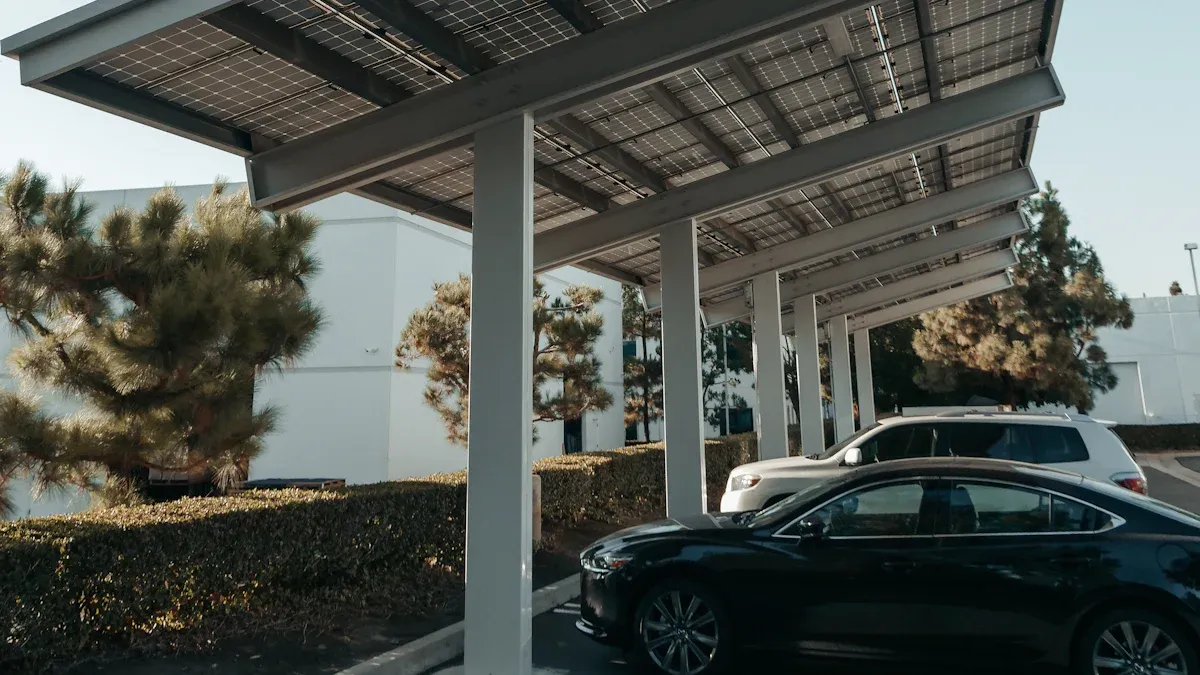
You want your carports to last as long as possible while protecting vehicles from harsh weather. Galvanized steel carport structures deliver impressive durability, often lasting 40 to 70 years. Some even remain strong for over 100 years when you care for them well. The special zinc coating on galvanized steel gives better rust resistance than many other materials. You will find that carport galvanized steel needs only low maintenance, such as simple cleaning and occasional inspections. This means you spend less time worrying about repairs and more time enjoying reliable vehicle protection. When you choose a galvanized steel carport, you invest in a solution built for lasting strength and easy care. Many homeowners trust galvanized carports for protecting vehicles in almost any climate.
- Galvanized steel carports usually last 40–70 years; some last over 100 years.
- Routine maintenance is simple and low cost, including cleaning, inspections, and minor repairs.
- Galvanized steel’s zinc coating shields against rust and corrosion, making it stronger than untreated steel or aluminum.
What Makes Galvanized Steel Ideal for Carports
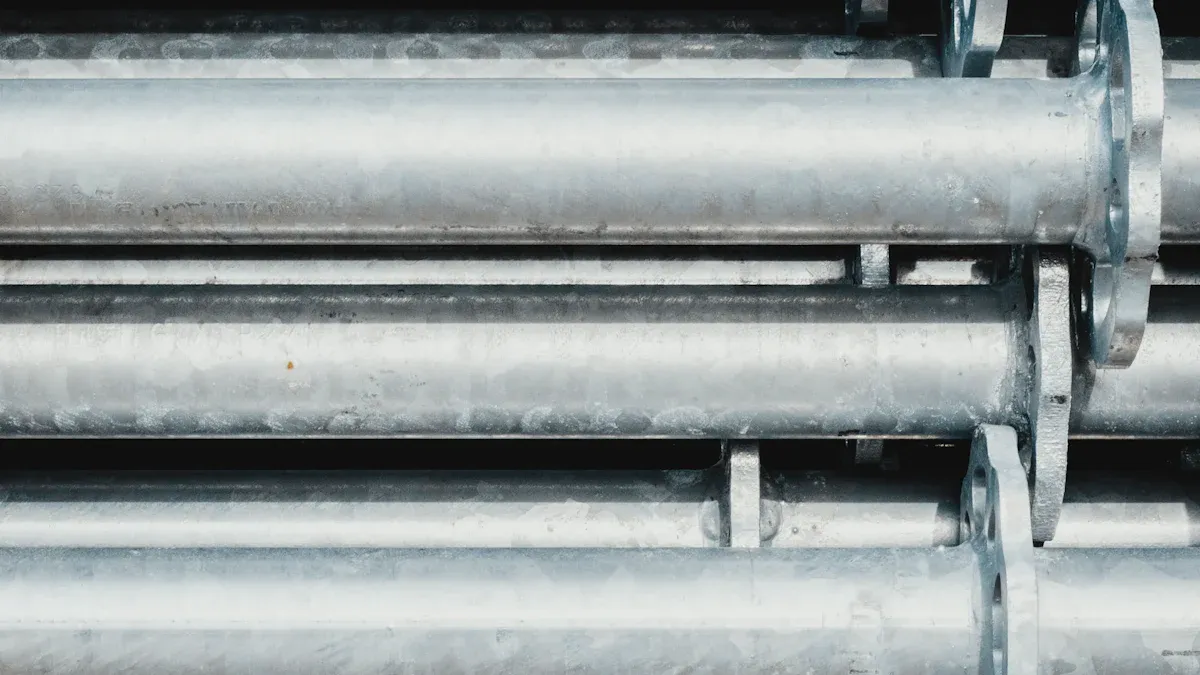
How the Galvanization Process Protects Steel
When you choose carport galvanized steel, you get a material that stands up to the elements. The galvanization process covers steel with a zinc coating. This zinc layer forms a strong barrier that keeps moisture and oxygen away from the steel. You can see how this works in the table below:
| Aspect | Explanation |
|---|---|
| Physical Barrier | Zinc coating blocks oxygen and moisture from reaching steel, reducing corrosion. |
| Sacrificial Anode | Zinc corrodes first, protecting the steel underneath. |
| Electrochemical Action | Zinc creates a protective electrical current, slowing rust. |
| Patina Formation | Zinc reacts with air and water to form a stable patina, adding extra protection. |
| Process Steps | Steel gets dipped in molten zinc, forming a tough bond. |
| Limitations | Harsh environments may need extra protection for the zinc coating. |
The process starts with cleaning the steel. Then, the steel gets dipped in molten zinc at about 850°F. This creates a zinc-iron alloy that sticks tightly to the steel. Even if the zinc coating gets scratched, it still protects the steel by corroding first. This makes galvanized steel the ideal carport metal for long-lasting use.
Why Carport Galvanized Steel Excels in Outdoor Use
You want your carports to handle rain, snow, and sun. Galvanized steel does this better than most carport metal options. The zinc coating acts as a shield, stopping water and air from reaching the steel. Over time, the zinc forms a patina that boosts its resistance to rust. This means your carport galvanized steel will last longer and need less care.
- The zinc coating works as a sacrificial layer, so it takes the damage before the steel does.
- Hot-dip galvanizing creates a thick, tough coating that stands up to impacts and weather.
- Galvanized steel improves the strength of your carport metal, making it more durable.
- The thickness of the zinc coating helps decide how long your carports will last.
- Galvanized steel is the ideal carport metal for areas with harsh weather.
Tip: If you live near the ocean or in a place with lots of rain, carport galvanized steel gives you extra peace of mind. The zinc coating keeps your carport metal strong, even in tough conditions.
Key Benefits of a Galvanized Steel Carport
Superior Durability and Strength
When you choose a galvanized steel carport, you get a structure built for lasting durability and impressive strength. Galvanized steel stands out because it can handle heavy loads, strong winds, and daily wear. You will notice that this material keeps its structural integrity even after years of use.
- Galvanized steel has chloride corrosion thresholds 2 to 3 times higher than untreated steel. This means your carport will last longer in tough environments.
- Long-term field studies show that galvanized steel outperforms other materials in durability, especially near the ocean or in places with lots of rain.
- Bond strength tests prove that galvanized steel bars hold as well as, or better than, regular steel bars. This keeps your carport safe and sturdy.
- Structural tests reveal that galvanized steel bars reduce crack widths and keep their pullout strength, which helps your carport stay strong over time.
- The zinc coating forms protective compounds that add to the strength and longer life of your carport.
You can see how galvanized steel carports compare in strength and load capacity in the table below:
| Specification Aspect | Details |
|---|---|
| Steel Gauge | 14-gauge and 12-gauge galvanized steel available for added strength and durability |
| Wind Resistance Ratings | Range from 90 mph (protected inland areas) up to 170 mph (hurricane-prone regions) |
| Snow Load Capacity | Example: 35 PSF (pounds per square foot) snow load in heavy-duty models |
| Engineering Certification | Wind load ratings are engineer-certified, ensuring compliance with local building codes |
| Structural Reinforcements | Use of heavier gauge materials, vertical roof panels, reinforced framing, and proper anchoring |
| Anchoring Recommendations | Concrete anchors for permanent installations; mobile home anchors for temporary setups; increased anchor quantity in high-wind zones |
| Warranty | Industry-leading lifetime wind warranty covering structural integrity and frame components |
| Customization | Wind and Snow Load Tool used to tailor engineering to specific location requirements |
A galvanized steel carport from a major retailer can withstand winds up to 100 mph and snow loads of 35 pounds per square foot. This makes it a durable carport choice for many climates. You can trust that your vehicles and belongings will stay safe under a galvanized steel roof.
Outstanding Weather and Corrosion Resistance
Galvanized steel carports offer excellent corrosion resistance, making them ideal for outdoor use. The zinc coating shields the steel from rain, snow, and salty air. This barrier gives your carport strong rust resistance and keeps it looking good for years.
Il corrosion resistance of galvanized steel changes with the environment. The chart below shows how zinc corrosion rates differ in various weather conditions:
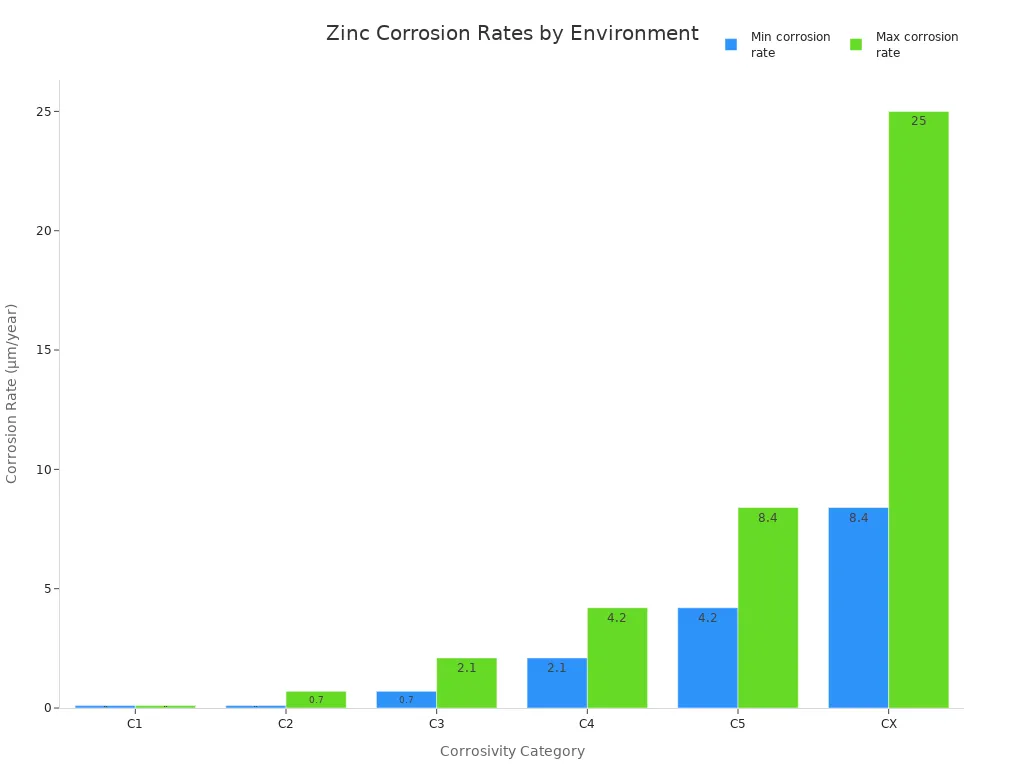
| Corrosivity Category | Typical Environment | Zinc Corrosion Rate First Year (µm/year) |
|---|---|---|
| C1 | Very low (Dry indoors) | ≤ 0.1 |
| C2 | Low (Arid/Urban inland) | > 0.1 to ≤ 0.7 |
| C3 | Medium (Coastal/Industrial) | > 0.7 to ≤ 2.1 |
| C4 | High (Calm sea-shore) | > 2.1 to ≤ 4.2 |
| C5 | Very High (Surf sea-shore) | > 4.2 to ≤ 8.4 |
| CX | Extreme (Ocean/Off-shore) | > 8.4 to ≤ 25 |
You will find that galvanized steel carports last 35–50 years in harsh soils and over 75 years in less corrosive soils. In freshwater, hard water slows corrosion, while seawater speeds it up. Even in tropical, rainy climates, galvanized steel forms protective zinc compounds that help maintain structural integrity.
Galvanized steel carports also resist water absorption and damage better than wood. The smooth metal surface lets rain and snow slide off, reducing leaks and stress on the frame. In snowy areas, the roof supports heavy loads and prevents sagging. Galvanized steel blocks UV rays, protecting your car and the carport itself from sun damage. The zinc coating ensures corrosion resistance and a longer life, even in tough weather.
Note: Galvanized steel carports are engineered to meet local wind and snow load codes. This means you get a structure designed for your climate, with proven corrosion resistance and strength.
Minimal Maintenance Requirements
You will appreciate the low maintenance needs of a galvanized steel carport. The zinc coating protects against rust and weather, so you spend less time and money on upkeep. Most galvanized steel carports only need simple cleaning and quick inspections.
Here is a list of typical maintenance tasks for galvanized steel carports:
- Clean the carport twice a year with mild soap, water, and a soft brush.
- Inspect and clear gutters and downspouts to prevent water buildup.
- Check for early signs of rust, such as rough spots, and repaint if needed.
- Repaint every 7 to 10 years, or more often in harsh climates.
- Tighten loose screws and check for bent panels during regular inspections.
- Make sure water drains away from the base to avoid corrosion.
- Inspect the roof after storms and trim nearby trees to prevent damage.
- Control plants around the carport to reduce moisture.
- Perform seasonal checks: spring cleaning, summer paint touch-ups, autumn leaf clearing, and winter snow removal with non-metal tools.
- Fix small problems quickly to keep your carport strong.
- Schedule yearly professional inspections to catch hidden issues.
- Store items properly and avoid chemical spills on the surface.
Compared to wood or aluminum, galvanized steel carports need much less care. Wood carports require regular staining, sealing, and pest control. Aluminum carports can develop oxidation, which affects their look. Galvanized steel stays corrosion resistant and keeps its structural integrity with minimal effort.
| Materiale | Maintenance Needs | Durability & Issues |
|---|---|---|
| Galvanized Steel | Minimal maintenance; occasional cleaning and inspections; corrosion resistant due to zinc coating | Highly durable; resistant to weather, pests, and fire |
| Wood | Requires regular staining, sealing, pest treatments to prevent rot, warping, and insect damage | Susceptible to decay, mold, pests, and fire |
| Aluminum | Basic maintenance; may develop oxidation issues like pitting and chalkiness over time | Rust-resistant but can oxidize affecting appearance |
You save money over time because galvanized steel carports have low maintenance costs. Studies show that maintenance costs for steel frames are about 3 to 5 cents per square foot over 50 years, which is 40% less than concrete. The low maintenance and high durability make galvanized steel carports a smart investment for any homeowner.
Cost-Effectiveness and Long-Term Value
When you invest in a galvanized steel carport, you choose a long-lasting solution that saves money over time. The initial price for a standard 20×20 foot galvanized steel carport usually ranges from $3,200 to $8,000. Most of your total cost comes from this first investment. You will not face high ongoing expenses because galvanized steel carports need very little maintenance. Cleaning, minor repairs, and occasional weatherproofing are all you need to keep your carport in top shape.
Here is a table that shows the average cost and lifespan for a galvanized steel carport:
| Carport Size | Average Installed Cost Range | Typical Lifespan | Maintenance Notes |
|---|---|---|---|
| 20×20 feet | $3,200 – $8,000 | 20-40 years | Low maintenance; includes cleaning, oiling, weatherproofing, minor repairs |
You can see that the total cost of ownership for a galvanized steel carport over 10 or 20 years stays close to the original price. You avoid the extra costs that come with wood or aluminum carports, which often need more repairs and upkeep.
Galvanized steel carports also add value to your property. Many buyers look for homes with durable, permanent carports. A galvanized steel carport stands out because it offers strong protection and lasts for decades. This makes your property more attractive if you ever decide to sell.
- Galvanized steel carports are more durable and permanent than aluminum or wood carports.
- The strength and long life of galvanized steel carports increase your property’s value.
- Buyers like the extra protection and low maintenance that galvanized steel carports provide.
- Aluminum carports may seem less durable and more temporary, which can lower resale value.
- Wood carports need more care and may not add as much value because of higher upkeep costs.
- Steel carports add functional outdoor space and protected parking, which buyers appreciate.
Tip: If you want a carport that pays off in the long run, choose galvanized steel. You get a sturdy structure, low maintenance, and a boost in property value.
Environmental Sustainability of Galvanized Steel
You help the environment when you pick a galvanized steel carport. Galvanized steel fits well into a circular economy. You can recycle both the steel and the zinc coating without losing quality. Over 95% of structural steel in the United States gets recycled, which cuts down on waste and saves energy.
The production of galvanized steel uses energy and creates emissions, but this impact drops over time because galvanized steel carports last so long. During use, you do not need to repaint or do heavy maintenance, so you avoid extra emissions and waste. When your carport reaches the end of its life, you can recycle all the steel and zinc, which gives back energy credits and lowers the total environmental footprint.
Here is a table that shows the environmental impact of galvanized steel carports:
| Stage | Environmental Impact Details |
|---|---|
| Production | Energy use and emissions from steel and zinc production; modern plants recycle zinc by-products and use less water |
| Use | No maintenance needed for over 70 years; zero extra emissions or energy use during this time |
| End-of-Life | Fully recyclable; steel and zinc recovered and reused; energy credit lowers total life-cycle energy consumption |
Galvanized steel carports also have a lower carbon footprint than wood. Steel lasts longer and needs less maintenance. You do not need to worry about deforestation or habitat loss, which can happen with wood. Aluminum is also durable and resists rust, but the sources do not give a direct carbon footprint comparison. Still, galvanized steel stands out as a more eco-friendly choice because of its long life, recyclability, and low upkeep.
Note: By choosing a galvanized steel carport, you support sustainability. You reduce waste, save resources, and help protect the planet for future generations.
Carport Galvanized Steel vs. Other Materials
Galvanized Steel vs. Wood Carports
When you compare galvanized steel carports to wood carports, you see big differences in durability, maintenance, and cost. Galvanized steel carports resist rust, pests, and fire. Wood carports can rot, attract termites, and burn easily. You will spend less time and money on upkeep with galvanized steel. Wood carports need regular staining, sealing, and repairs to stay strong.
Here is a table that shows the main differences:
| Aspect | Galvanized Steel Carports | Wood Carports |
|---|---|---|
| Durata | Zinc coating prevents rust and corrosion; lasts 25-50+ years; resists pests, fire, rot, warping, and severe weather better | Vulnerable to moisture, rot, termites, fire, and weather damage; requires frequent upkeep |
| Maintenance | Minimal upkeep; no repainting or treatments needed; resistant to insects and weather damage | Requires regular staining, sealing, and repairs to prevent decay and damage |
| Cost | Higher initial material cost but more cost-effective long-term due to durability and low maintenance | Higher upfront and ongoing maintenance costs; lumber prices volatile and require frequent repairs |
| Assembly | Faster assembly; no extra preparation or treatments needed; less skilled labor required | Longer assembly time; more labor-intensive due to cutting and treatments |
Tip: Galvanized steel carports stand up to wind, snow, and pests. Wood carports need more care and do not last as long.
Galvanized Steel vs. Aluminum Carports
You might wonder if aluminum carports work as well as galvanized steel. Aluminum is lighter, so it is easier to move and install. However, galvanized steel carports offer more strength and hold up better in storms or heavy snow. Aluminum can dent or bend under pressure, while galvanized steel stays strong.
| Factor | Galvanized Steel Carports | Aluminum Carports |
|---|---|---|
| Weight | Heavier, needs more support and foundation | Lightweight, easier to transport and install |
| Forza | Very strong, highly durable, resists extreme weather | Less strong, prone to denting or bending |
| Longevity | Can last up to 20 years, rust-resistant coatings maintain integrity | Highly corrosion-resistant, but less durable under extreme weather |
| Warranty | Often up to 20 years | Often lifetime warranty |
| Ideal Use | Suitable for harsh weather and heavy loads | Ideal for humid or coastal environments |
Aluminum carports resist rust well, especially near the ocean. Galvanized steel carports work better for heavy-duty needs and harsh climates. You get more protection from falling branches, hail, or strong winds with galvanized steel.
Galvanized Steel vs. Untreated Steel Carports
Untreated steel carports look strong at first, but they rust quickly without a protective coating. Galvanized steel carports have a zinc layer that blocks moisture and keeps rust away. You do not need to paint or coat galvanized steel as often as untreated steel.
In mild climates, galvanized steel carports can last up to 70 years. In salty or polluted areas, their lifespan drops, but they still last longer than untreated steel. Untreated steel carports need regular painting and repairs to avoid rust. If you skip maintenance, untreated steel can lose strength and fail over time.
Note: Galvanized steel carports keep their strength and shape much longer than untreated steel. You get better value and less worry about repairs.
Galvanized Steel Carport Performance in Different Climates
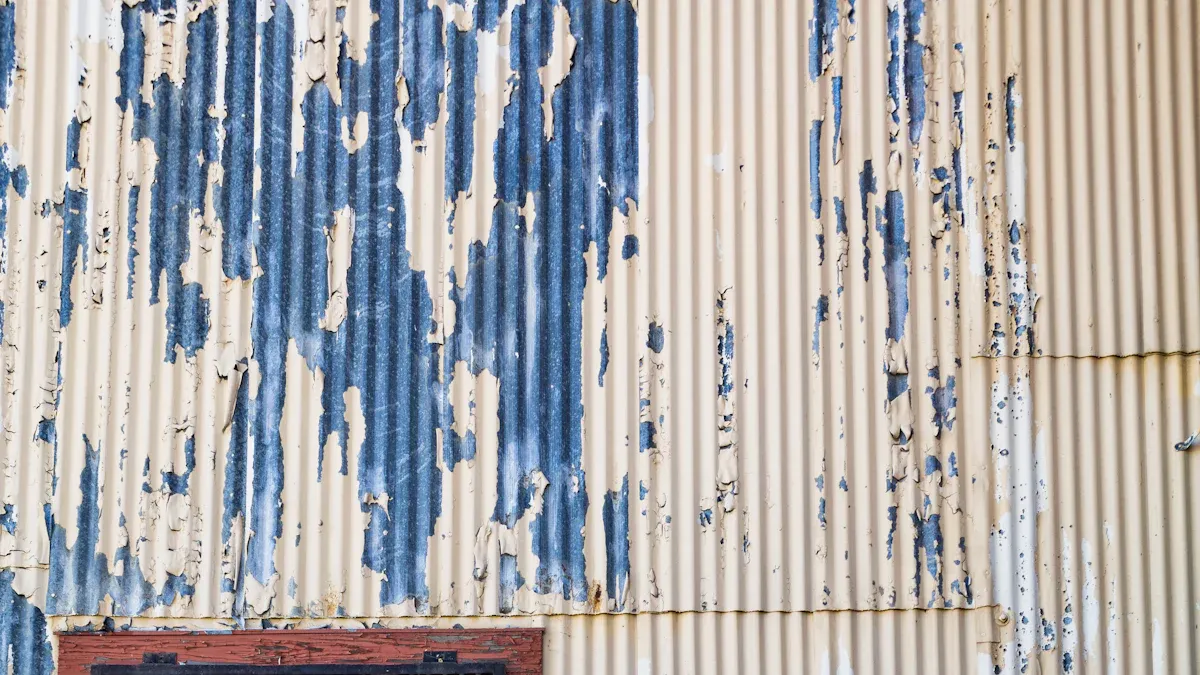
Snow and Cold Weather Protection
You want your carports to stand strong during harsh winters. Galvanized steel carports handle heavy snow loads when you choose the right design. Truss-style framing and vertical roof panels help snow slide off, which reduces the weight on your structure. Steeper roof pitches, such as 3:12 or higher, prevent snow from piling up. Heavy-gauge steel, like 12-gauge or 14-gauge, adds strength and durability. Closer support spacing spreads the snow load evenly, stopping sagging or bending.
- Truss-style frames distribute weight.
- Vertical roofs let snow slide off.
- Steep pitches prevent buildup.
- Heavy-gauge steel increases durability.
- Closer supports add safety.
Real-world tests in northern states show galvanized steel carports recover fully after record snowfalls. You should inspect your carport each year, remove snow during big storms, and check for unusual bending. These steps keep your carport safe and long-lasting.
Tip: Use a snow rake or hire a professional to clear snow from your carport roof. This prevents too much weight and keeps your structure strong.
Coastal and Humid Environment Performance
If you live near the ocean or in a humid area, you need carports that resist rust. Galvanized steel offers excellent corrosion resistance, but performance depends on your exact location. Structures within a mile of the coast may show rust in 5–7 years on surfaces facing salty winds. Sheltered parts can last 15–25 years. For areas very close to the shore, extra coatings like paint or powder help extend the life of your carport.
Studies show that galvanized steel stands up well in salty, humid air. Regular rinsing with clean water helps maintain corrosion resistance, especially if rain does not reach every part of your carport. Compared to aluminum, galvanized steel provides better structural support and durability in storms. With proper care, galvanized steel carports last 20–40 years or more in humid climates.
Note: Clean your carport often and check for rust. Reapply protective coatings as needed to keep your carport in top shape.
Hot and Dry Climate Suitability
Galvanized steel carports also perform well in hot, dry regions. The steel frames resist rust and keep their shape, even after years of sun exposure. Special coatings, like powder or baked enamel, protect against UV rays and prevent fading or cracking. The canopy fabric used in some carports blocks UV damage, adding another layer of protection.
Temperature swings in deserts cause metal to expand and contract. Galvanized steel handles these changes when built with strong joints and secure anchors. The frame stays sturdy and does not warp or bend, even after many seasons. You get reliable durability and corrosion resistance, making galvanized steel a smart choice for dry climates.
- UV-resistant coatings protect the frame.
- Strong construction prevents warping.
- Steel stays rust-free and durable.
Tip: Choose a carport with reinforced joints and a UV-resistant finish for the best results in hot, dry areas.
Choosing the Right Carport Material for Your Needs
Quick Checklist for Selecting a Carport Material
You want to pick the best material for your carport. Use this checklist to help you decide:
- Think about your local weather. Choose materials and roof styles that handle rain, snow, or wind. For snowy areas, sloped or gable roofs work best.
- Balance your budget with quality. Cheaper carports may need more repairs. Durable materials save money over time.
- Match the material to your climate. Metal carports last longer in most places. Aluminum resists corrosion in humid or coastal areas.
- Pick a roof style that fits your weather. Flat roofs cost less but do not work well for heavy snow. Gable roofs help with rain and snow runoff.
- Decide how you will use your carport. Will you protect vehicles, store items, or create a workspace?
- Look for extra features. Side panels can block wind and rain.
- Check how much maintenance you want to do. Some materials need more care than others.
- Review local building codes and permits. Make sure your carport meets all rules.
- Think about installation. Some carports are easy to build yourself. Others may need a professional.
Tip: Always check your local regulations before you buy or build a carport.
Matching Galvanized Steel Carports to Your Location and Lifestyle
You want a carport that fits your needs and your property. Start by thinking about your lifestyle. If you need to protect cars, boats, or RVs, choose a size that fits now and in the future. Pick a design and roof style that matches your climate and looks good with your home.
For your location, install your carport on flat, stable ground. Place it close to your house or workspace for easy access. Keep it away from trees and power lines to avoid damage and make maintenance easier.
Check local building codes, permits, and any HOA rules. Make sure your carport follows all guidelines for height, placement, and materials. In snowy areas, choose a steep-pitch roof. For windy places, look for wind-rated models with strong anchors. If you live near the coast, aluminum may resist salt better, but galvanized steel works well in most climates.
Note: Plan for the future. A slightly larger carport can meet your needs as your family or vehicle collection grows.
Galvanized steel carports give you the best mix of strength, weather resistance, and easy care. Many customers rate them 4.8 out of 5 stars and trust their long-term durability.
- You get a 20-year rust-through warranty on 12-gauge frames.
- Reviews highlight strong weather protection and helpful customer service.
Experts recommend galvanized steel for harsh climates because the zinc coating resists rust and fire. Use the checklist above to see if this reliable option fits your needs and local weather.
FAQ
How long does a galvanized steel carport last?
You can expect your galvanized steel carport to last 40 to 70 years. With good care, some carports last even longer. The zinc coating protects the steel from rust and weather.
Can you install a galvanized steel carport by yourself?
You can install many galvanized steel carports with basic tools and help from a friend. Some larger models may need professional installation. Always follow the manufacturer’s instructions for safety.
Does a galvanized steel carport need painting?
You do not need to paint a galvanized steel carport for protection. The zinc coating prevents rust. If you want a different color, you can paint it with the right metal paint.
Will a galvanized steel carport rust in coastal areas?
Galvanized steel resists rust well, even near the ocean. Salt air can shorten its life, so rinse your carport with fresh water often. Extra coatings or paint add more protection.
What maintenance does a galvanized steel carport require?
You should clean your carport twice a year with soap and water. Check for loose screws or small rust spots. Fix problems early to keep your carport strong and looking good.