
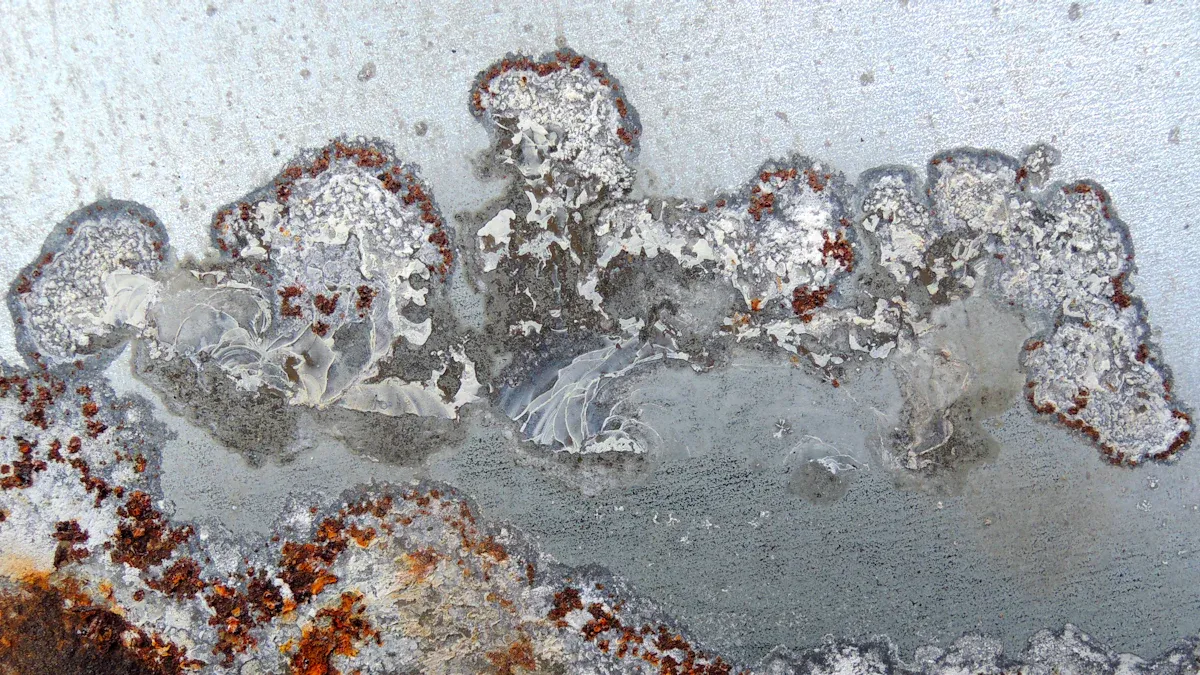
You may think you understand galvanic corrosion, but stainless steel aluminum galvanic corrosion can still surprise you. Even if you use stainless steel and aluminum together, unexpected problems may develop. Real-world conditions like moisture or salt can speed up galvanic corrosion. Many professionals do not notice how quickly stainless steel aluminum galvanic corrosion can damage metal. When you work with stainless steel and aluminum, you must pay close attention to every detail.
Understanding Stainless Steel Aluminum Galvanic Corrosion
How Galvanic Corrosion Happens
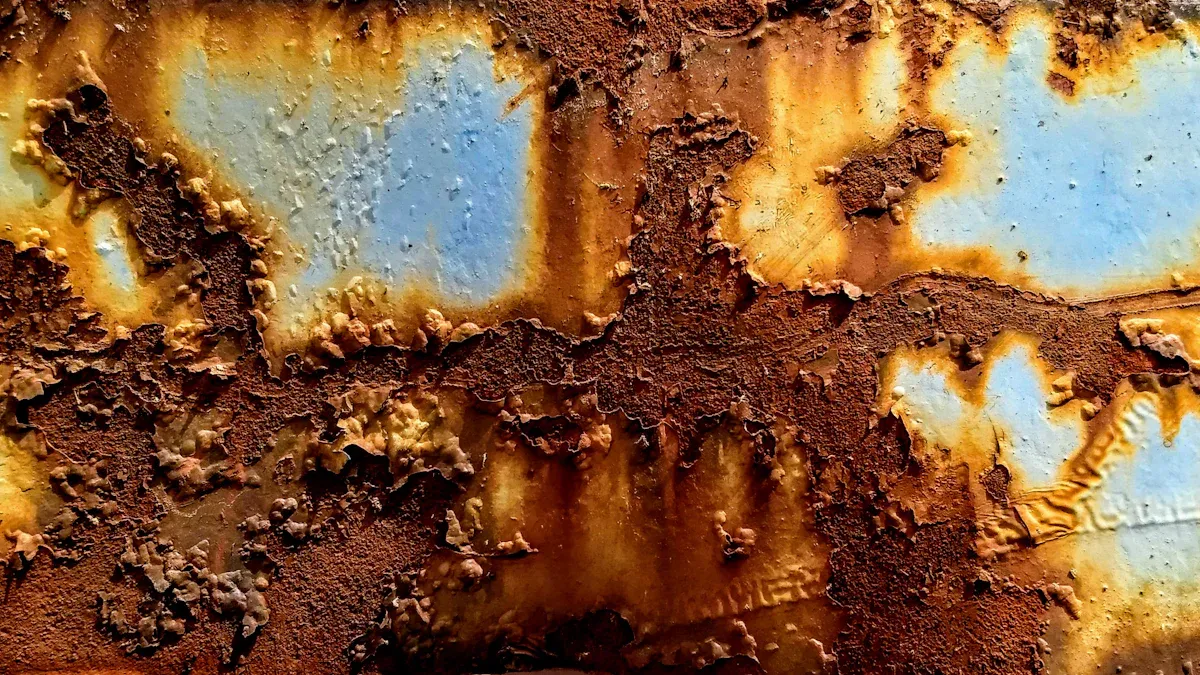
You may see stainless steel and aluminum used together in many projects. When you connect these dissimilar metals, you create a risk for galvanic corrosion. This process starts when both metals touch each other and an electrolyte, like water or salt, is present. Aluminum acts as the anode, and stainless steel acts as the cathode. The aluminum loses electrons and begins to corrode much faster than if it stood alone.
- Galvanic corrosion happens because of the difference in electrode potential between stainless steel and aluminum.
- The galvanic series helps you predict which metal will corrode first. Aluminum sits lower on this list, so it corrodes before stainless steel.
- The presence of moisture, salt, or even high humidity speeds up the corrosion process.
- A thin film of electrolyte forms on the metal surfaces, allowing current to flow from aluminum to stainless steel.
- The microstructure of aluminum, such as intermetallic compounds, can make corrosion worse in certain spots.
Tip: If you want to improve corrosion resistance, you should avoid direct contact between stainless steel and aluminum or use protective coatings.
Why It’s Underestimated in Practice
Many professionals think they understand dissimilar metal corrosion, but real-world conditions often surprise them. You might expect stainless steel aluminum galvanic corrosion to take years, but it can happen in months or even weeks, especially in harsh environments.
- Moisture and salt create the perfect setting for galvanic corrosion. In coastal areas, salt can make aluminum corrode up to three times faster.
- Rain, humidity, and acidic conditions keep the electrolyte active, making corrosion worse.
- The ratio of surface areas matters. If you have a large stainless steel area touching a small aluminum part, the aluminum will corrode much faster.
- Oxygen differences in crevices or joints can cause localized corrosion, leading to unexpected failures.
- Temperature and pH changes also affect corrosion resistance. Aluminum is vulnerable in both acidic and alkaline environments.
You may overlook these factors during installation or maintenance. Dissimilar metal corrosion does not always follow textbook rules. Real-world tests show that stainless steel and aluminum together can lead to rapid and severe corrosion, even when you think you have planned for it.
Why Galvanic Corrosion Catches Professionals Off Guard
Knowledge Gaps and Misconceptions
You may think you know how to prevent dissimilar metal corrosion, but many professionals still fall into common traps. Some believe that stainless steel and aluminum cannot be used together at all. Others think that aluminum is almost rust-proof and does not need much protection. These ideas can lead to mistakes in real projects.
- Many people ignore the big difference in electrochemical potential between stainless steel and aluminum. This difference drives galvanic corrosion, making aluminum corrode much faster.
- Some overlook the importance of surface area. If you use a small stainless steel fastener on a large aluminum panel, the risk of corrosion stays low. But if you reverse the ratio, corrosion speeds up.
- Environmental factors like humidity, salt, and temperature often get underestimated. These conditions can make dissimilar metal corrosion much worse.
- Protective coatings, insulation, and the right choice of alloys are sometimes skipped or forgotten. This leads to overgeneralized ideas about risk.
You might also forget that aluminum’s thin oxide layer can break down. Once this happens, corrosion can start quickly, especially if you do not use electrical isolation between the metals. Not all anodizing processes protect aluminum the same way. Only certain types meet the standards for corrosion resistance. If you do not pay attention to these details, you may see unexpected corrosion even in well-designed assemblies.
Note: You can manage galvanic corrosion by controlling the surface area ratio, using insulating materials, and applying protective coatings. Do not assume that all combinations of stainless steel and aluminum will fail or succeed—design and environment matter.
Real-World Variables: Environment, Installation, and Maintenance
You may plan for dissimilar metal corrosion, but real-world conditions often change the outcome. Environmental factors play a huge role in how fast corrosion develops. Look at the table below to see which conditions increase the risk:
| Environmental Condition | Explanation |
|---|---|
| Duration of electrolyte contact | Longer contact time between water or salt and metals increases corrosion risk. |
| Electrolyte resistance | Salt water speeds up corrosion because it allows electrons to move faster between metals. |
| Stagnant water | Water that does not drain away keeps metals wet, raising the chance of corrosion. |
| Dirt | Dirt holds moisture and salt, keeping metals exposed to electrolytes for longer. |
| Humidity/Fog | High humidity or fog adds moisture to the air, making corrosion more likely. |
| Crevices | Small gaps trap water and dirt, creating perfect spots for corrosion to start. |
Installation and maintenance practices also affect the risk of dissimilar metal corrosion. If you do not align parts correctly or use the right torque, you may create gaps where water collects. Using the wrong sealants or skipping insulation can let electricity flow between metals, speeding up corrosion. You need to inspect assemblies often. Look for early signs like discoloration or pitting. If you find corrosion, replace damaged fasteners, add new coatings, or use better insulation.
- Always use sealants and adhesives that match the metals.
- Keep good records of inspections and repairs.
- Train your team to spot corrosion early and follow industry standards.
Tip: Regular maintenance and careful installation can stop small problems from turning into big failures. Do not wait for visible damage—check for corrosion often.
Changing Materials and Industry Standards
You may notice that industry standards for dissimilar metal corrosion have changed over time. New standards now look at more than just the electrochemical potential between metals. For example, the latest MIL-STD-889D standard includes corrosion rates and uses mixed potential theory. This helps you predict how fast corrosion will happen, not just if it will happen. Tools now exist to help you choose the right materials and see how severe galvanic corrosion might be.
Other standards, like the updated NACE SP0216-2023, require you to think about how well an anode will work over the whole life of a system. You must check that the protection stays strong as the system ages. These standards also ask for third-party checks and better testing of materials.
Callout: Following new industry standards helps you design safer, longer-lasting assemblies. Use updated tools and guidelines to pick the best materials and prevent dissimilar metal corrosion.
You need to stay up to date with these changes. If you use old rules, you might miss new risks or better solutions. The right standards and materials can make a big difference in how well you control galvanic corrosion between stainless steel and aluminum.
Real-World Experiences with Galvanic Corrosion
Coastal Installations and Rapid Aluminum Deterioration
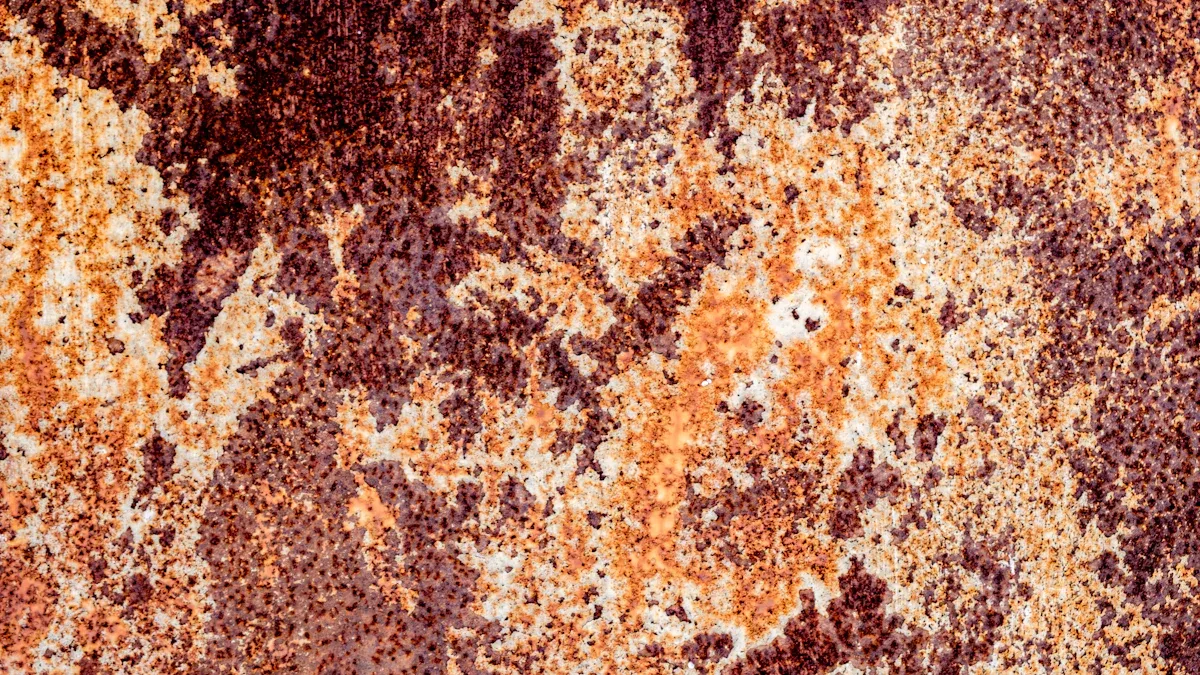
You may think aluminum will last in harsh places, but real-world examples show how fast galvanic corrosion can destroy it. In coastal areas, seawater and salt create the perfect setting for rapid corrosion. You can see this in several cases:
- Il Volvo 240 rear bumper suffered severe corrosion because aluminum touched steel and road salt sped up the process.
- A submerged aluminum ladder in Bermuda corroded quickly. The wrong alloy choice for a saltwater environment led to aggressive galvanic corrosion.
- The Iroquois Class Destroyer retrofit project showed advanced corrosion. Aluminum stanchions touched steel decks in a marine environment, causing major material loss.
- The National City Aluminum Bridge in San Diego avoided these problems. Good design and electrical isolation kept aluminum safe, even as nearby steel parts corroded.
These real-world examples prove that you must choose marine grade aluminum and use proper isolation in any saltwater environment. If you skip these steps, you risk rapid failure.
Aircraft and Marine Failures
You may see galvanic corrosion most often in aircraft and marine environments. When stainless steel and aluminum touch, seawater or even moist air can start the corrosion process. The main failure mode is galvanic corrosion, which eats away at aluminum over time. You can prevent this by isolating metals or using sacrificial anodes, especially in a saltwater environment.
Aluminum also faces poultice corrosion. This happens when moisture gets trapped under coatings or gaskets, cutting off oxygen and causing local damage. Other failure types include fatigue, pitting, and stress corrosion cracking. If you install hardware that breaks the protective coating on aluminum, you make it easy for corrosion to start. On a yacht or sailboat, these failures can lead to costly repairs or even safety risks.
Building and Infrastructure Surprises
You may not expect galvanic corrosion in buildings, but it can happen. Most projects avoid problems if you keep moisture away from metal joints. Corrosion usually appears where water gets trapped, like in basins or humid coastal areas. If insulation fails or compresses, direct contact between stainless steel and aluminum can cause local corrosion.
You might see this in marinas, road signs, or building cladding. Poor design or harsh environments are the main reasons for unexpected corrosion. With regular cleaning and smart design, you can avoid most failures. These real-world examples show that you must always plan for moisture and use marine grade aluminum in risky spots.
Tip: Always check for trapped water and use the right materials. Good design and maintenance keep corrosion from causing surprise failures.
Preventing Galvanic Corrosion: What Works and What Doesn’t
Proven Rust and Corrosion Prevention Strategies
You can stop galvanic corrosion if you use the right strategies from the start. Many field studies show that you need to plan for corrosion before you build anything with stainless steel and aluminum. Here are some proven ways to protect your project:
- Select metals that are close together in the galvanic series. This step lowers the risk of dissimilar metal corrosion.
- Use insulating materials like rubber or plastic gaskets. These materials keep stainless steel and aluminum from touching each other.
- Apply protective coatings or primers to both metals. These coatings act as barriers and stop the flow of electricity between metals.
- Think about the surface area ratio. A large aluminum surface with small stainless steel fasteners reduces corrosion risk.
- Use insulating washers or non-absorbent materials between fasteners and metal parts.
- Install sacrificial anodes, such as zinc or magnesium, in harsh environments. These anodes corrode first and protect your main metals.
- Schedule regular maintenance and inspections. This helps you find and fix problems before they get worse.
Tip: Always check your assemblies after storms or saltwater exposure. Early action keeps corrosion from spreading.
You can also use advanced methods like flange and joint isolation. These techniques use special inserts to keep metals apart. In marine or industrial settings, you may need cathodic protection systems. These systems use sacrificial anodes or an external current to protect your metals.
Myths and Ineffective Solutions
You may hear many myths about preventing galvanic corrosion. Some sound true but do not work in real life. Here are common myths and why you should not trust them:
- Myth: Using similar metals or alloys means you will never get galvanic corrosion. In reality, even metals that look alike can have small differences in electrochemical potential. These differences can still cause dissimilar metal corrosion.
- Myth: Galvanic corrosion is just another word for rusting. This is not true. Rusting is a type of corrosion that happens to iron. Galvanic corrosion needs two different metals and an electrolyte, like water or salt.
- Myth: Any coating will stop corrosion. Some coatings do not last in harsh conditions or break down over time. You need to use protective coatings made for your environment.
- Myth: Salt spray testing always shows how well a product will resist corrosion. This test does not match real-world conditions. It often gives false results, especially for stainless steel and aluminum.
Here is a table showing some common products and their real-world limits:
| Corrosion Prevention Method | Observed Limitations in Real-World Applications |
|---|---|
| Mechanically applied zinc plating | Only helps with hydrogen embrittlement; needs extra sealing; does not protect well in harsh environments |
| Zinc electroplating | Can cause hydrogen embrittlement; does not coat deep holes or crevices well |
| Zinc nickel electroplating | Better than zinc alone but still fails in complex shapes |
| Salt spray testing | Does not match real-world exposure; not reliable for stainless steel and aluminum |
| Plating in deep holes/crevices | Both mechanical and electroplating miss hard-to-reach areas, leaving them open to corrosion |
You may find many products that claim to stop corrosion. Most do not work well after repeated saltwater exposure. One product, Tef-Gel, stands out. It is a marine-grade Teflon paste. Many professionals use it to keep stainless steel screws from seizing in aluminum parts. Tef-Gel works even after years underwater.
Note: Do not trust every product or test. Look for field-tested solutions and always check if a method works for your exact situation.
Field-Tested Approaches for Stainless Steel and Aluminum
You can learn a lot from professionals who work with stainless steel and aluminum every day. They use a mix of old and new methods to keep corrosion away. Here are some field-tested approaches:
- Choose metals that are close in the galvanic series. This step is called selecting compatible metals. It lowers the chance of galvanic corrosion.
- Use sacrificial anodes in places with lots of moisture or salt. These anodes protect your main metals by corroding first.
- Apply protective coatings that last in your environment. Use coatings on both metals and on fasteners.
- Use flange and joint isolation kits. These kits keep metals apart and stop electricity from flowing between them.
- Install insulated pipe supports. These supports keep water from collecting and stop metal-to-metal contact.
- Train your team to spot early signs of dissimilar metal corrosion. Good training helps you catch problems before they grow.
- Keep good records of inspections and repairs. This helps you track what works and what does not.
You should also use quality control plans and follow industry standards. Projects like the Guam Navy Hospital show that using corrosion-resistant materials, high-quality concrete, and isolation techniques can prevent dissimilar metal corrosion for many years.
🛠️ Alert: Always use sacrificial anodes, protective coatings, and insulation in harsh environments. These steps give you the best corrosion protection.
Regular maintenance is key. You need to check your assemblies often and fix any damage right away. This habit keeps your rust and corrosion prevention plan strong and your equipment safe.
Lessons Learned in Rust and Corrosion Prevention
Key Takeaways for Professionals
You can learn many important lessons from past failures with stainless steel and aluminum. These lessons help you avoid costly mistakes and keep your projects safe.
- Always isolate stainless steel and aluminum. Even a small amount of moisture can start corrosion because of the large difference in electrochemical potential.
- The protective chromium oxide layer on stainless steel can break down in crevices or wet spots. When this happens, both metals become active, and aluminum corrodes faster.
- Use insulating materials like rubber pads, sleeves, washers, or tapes. These barriers stop the metals from touching and block moisture.
- Make sure bolts and fasteners are fully isolated. Any metal-to-metal contact completes the galvanic circuit and speeds up corrosion.
- Choose aluminum alloys with strength and corrosion resistance close to stainless steel, such as 7050 or 7075. This reduces the risk of galvanic corrosion.
- Design your assemblies to keep out moisture and prevent metal-to-metal contact.
🛡️ Tip: Early planning and smart design choices give you the best chance to prevent galvanic corrosion.
You should also follow these steps for every project:
- Select materials with similar electrochemical potentials. Check the galvanic series before you choose.
- Pick materials that match the environment. For example, use marine-grade stainless steel in salty or humid places.
- Use design techniques that keep metals apart and make it easy to apply protective coatings.
- Create designs that allow for easy inspection and maintenance.
- Follow industry standards and keep good records of your decisions.
- Apply coatings to the nobler metal to stop it from acting as a cathode.
- Use sacrificial anodes like zinc or magnesium in tough environments.
- Control the environment by reducing moisture and washing away salt.
- Maximize the area of the anodic metal compared to the cathodic metal to slow corrosion.
Combining these strategies early in the design phase gives you the strongest protection.
Staying Vigilant and Adapting to Context
You need to stay alert and ready to adapt your corrosion prevention plan. Conditions change, and new risks can appear at any time. Professionals use several methods to keep their knowledge and strategies up to date.
| Method/Strategy | Description |
|---|---|
| Field Data Collection & Surveys | Teams gather data from thousands of assets to spot corrosion trends and improve maintenance. |
| Regulatory Framework | Programs like AR 11-42 set clear rules and actions for corrosion prevention. |
| Preventive Maintenance | Shifting from fixing problems to stopping them before they start saves time and money. |
| Advanced Detection Technologies | Tools like augmented reality and non-destructive testing help you find corrosion early. |
| Predictive Modeling | Models predict when coatings will fail, so you can plan maintenance before damage occurs. |
You can also use real-time monitoring with IIoT sensors. These tools help you spot problems early and act fast. As environmental rules change, you may need to switch to safer, eco-friendly products. Companies now test and update their materials to meet new standards without losing performance.
🔍 Alert: Stay curious and keep learning. New materials, coatings, and detection tools appear every year. Adapting your approach keeps your projects safe and reliable.
You protect your work best when you combine strong design, regular checks, and a willingness to change as new information becomes available.
Galvanic corrosion between stainless steel and aluminum still challenges you because of real-world complexity and human factors. You face these main issues:
- Aluminum and acciaio inossidabile have different electrochemical properties, so aluminum corrodes faster when they touch in wet or salty conditions.
- Environmental factors like humidity and salt speed up corrosion.
- Complete isolation of metals is hard in practice, making prevention tough.
- Advanced coatings and smart design help, but risks remain.
Proactive, context-specific strategies—like using insulating barriers, smart material choices, and regular inspections—give you the best results.
| Why Continuous Learning Matters | Description |
|---|---|
| Attention to Detail | You spot corrosion early and apply the right fixes. |
| Ongoing Education | You keep up with new materials, coatings, and standards. |
Stay curious and keep learning. Your attention to detail and proactive steps protect your projects from unexpected failures.
FAQ
What is galvanic corrosion?
You see galvanic corrosion when two different metals touch and moisture is present. One metal, like aluminum, loses electrons and corrodes faster. This process can damage parts quickly, especially in wet or salty places.
Can you use stainless steel and aluminum together safely?
You can use stainless steel and aluminum together if you add insulation or coatings. Always keep the metals apart with gaskets or special paint. Regular checks help you spot early signs of corrosion.
Why do aluminum camera housings corrode near the ocean?
Saltwater acts as an electrolyte and speeds up corrosion between metals. If you use aluminum camera housings with stainless steel screws, you may see white powder or pitting. You should rinse your equipment with fresh water after each use.
How do rebreathers designed for diving avoid corrosion?
Rebreathers designed for diving use special coatings and isolation techniques. Manufacturers choose materials that resist saltwater damage. You should always rinse and dry your gear after every dive to prevent corrosion.
What is the best way to prevent galvanic corrosion?
You should use insulating materials, apply protective coatings, and pick metals close together in the galvanic series. Regular cleaning and inspections help you catch problems early. Always follow the manufacturer’s guidelines for your equipment.