
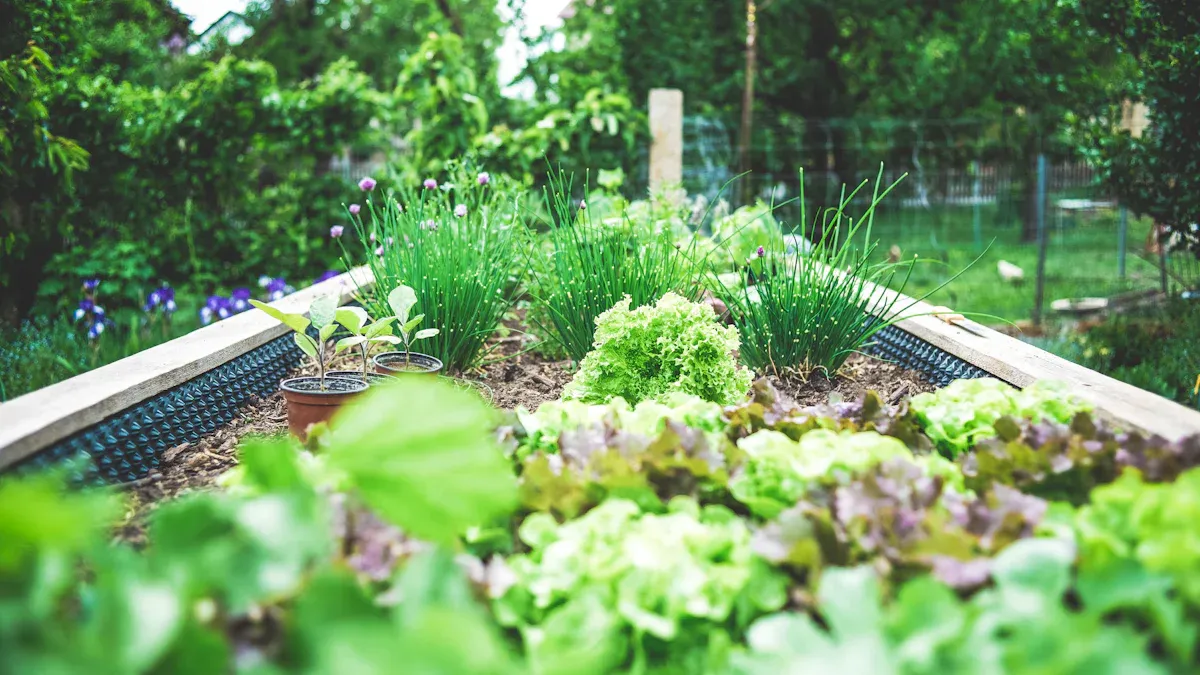
When you choose materials for your garden, you might wonder, is galvanized steel food safe? Many gardeners like using galvanized beds because they last a long time and look neat. You may worry about chemicals or metals in your garden soil. The good news is that is galvanized steel food safe for your raised beds. Most experts agree that galvanized beds do not release harmful amounts of metal. If you follow a few simple steps, you can grow healthy food in your garden with these beds.
Is Galvanized Steel Food Safe for Gardening?
What Is Galvanized Steel?
When you look at metal raised garden beds, you often see galvanized steel. This material is steel coated with a layer of zinc. The zinc protects the steel from rust and corrosion. You can spot galvanized steel by its gray color, which may develop a patina over time. Many gardeners choose galvanized steel garden beds because they last a long time and need little maintenance. The zinc coating can wear down after many years, but most galvanized raised beds last 5 to 15 years in a garden. These beds are lighter than concrete or stone, so you can move them more easily when building raised beds or changing your garden layout.
Here is a table that shows the main features of galvanized steel used in raised garden beds:
| Characteristic | Description |
|---|---|
| Material Composition | Steel coated with zinc to prevent rust and corrosion. |
| Zinc Coating Thickness | Thicker coatings last longer and resist corrosion better. |
| Resistenza alla corrosione | Zinc layer blocks moisture and air, stopping rust. |
| Durata | Stands up to rain, sun, and temperature changes; thicker steel is stronger. |
| Maintenance | Needs only simple cleaning; avoid harsh cleaners to protect the zinc. |
| Suitability for Edible Gardening | Safe with precautions; liners can help prevent zinc from reaching soil. |
| Aesthetic Versatility | Fits many garden styles, from modern to rustic. |
| Drainage and Weight | Needs drainage holes; weight depends on size and steel thickness. |
| Longevity | Lasts 5 to 15 years with care. |
How the Galvanization Process Works
Galvanization is a process that makes metal raised garden beds strong and long-lasting. Factories dip steel panels into molten zinc. The zinc bonds to the steel, forming a protective layer. This layer acts as a shield against water and air, which cause rust. The zinc also provides “sacrificial protection.” If the coating gets scratched, the zinc will corrode first, saving the steel underneath.
Tip: The hot-dip galvanizing process follows strict standards to ensure quality and safety for garden use.
Technical sources, like the Duncan Galvanizing Blog, explain that the zinc coating forms a tight bond with the steel. This bond keeps the steel safe from rust and damage. The process also includes steps to clean the steel and prepare it for coating. Factories use vent holes to make sure the zinc covers every part of the panel. This careful process means your galvanized raised beds will last for many seasons in your garden.
Why Use Galvanized Steel in Raised Garden Beds
You might wonder, is galvanized steel food safe for your garden? Many gardeners ask this question before choosing galvanized raised beds for growing vegetables and herbs. Scientific studies give you clear answers:
- A study by the National Center for Biotechnology Information found that zinc leaching from galvanized steel is minimal and not harmful to plants or humans.
- The University of Vermont Extension says zinc toxicity from galvanized steel in garden soils is rare and the risk is low.
- The Journal of Environmental Quality reports that zinc release is highest in the first year but drops over time and stays below EPA safety limits.
- Zinc is a natural micronutrient for plants and people. It is present in soil and even in multivitamins.
- Galvanized steel coatings use pure zinc or aluzinc, which lowers the risk of harmful metals like lead.
You can use galvanized raised beds safely for edible gardening. The small amount of zinc that may enter the soil is not likely to harm your plants or your health. Zinc leaching happens mainly in very acidic soil (pH 5 or below), but most garden soils are not that acidic. Municipal water treatment also helps keep water pH neutral, which protects your beds.
Corrugated metal raised garden beds offer many benefits. They resist rust, last for years, and look great in any garden. You can use them for raised bed gardening, vegetable gardens, or flower beds. These beds need little care and work well in all kinds of weather. If you want extra peace of mind, you can line your beds with food-safe liners to block any zinc from reaching the soil.
When you choose galvanized steel raised beds, you get a safe, strong, and attractive option for your garden. You can grow healthy food and enjoy your garden for many years.
Metal Leaching and Safety in Galvanized Steel Raised Beds
What Science Says About Zinc and Leaching
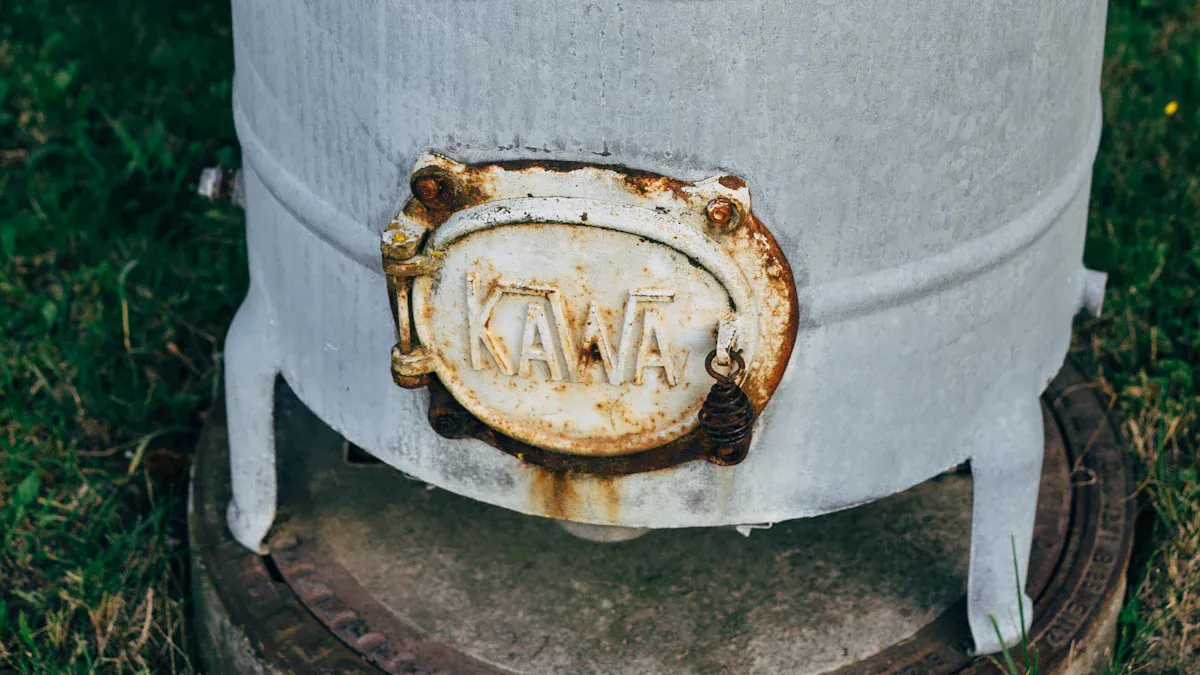
When you use galvanized raised beds in your garden, you might wonder if metals like zinc, lead, or cadmium can leach into your soil. Scientific studies show that zinc is the main metal that can move from galvanized steel into the soil. The Environmental Protection Agency (EPA) reports that normal soils contain 10 to 300 parts per million (ppm) of zinc. You may see higher zinc levels near highways or places where people use a lot of galvanized steel. Zinc from galvanized raised beds can add to these levels, but the amount depends on your soil and garden conditions.
Zinc in soil can exist in different forms. Some forms dissolve in water and move easily, while others stick to soil particles. The way zinc moves depends on your soil’s pH, clay content, and organic matter. If you use galvanized raised beds, most of the zinc stays close to the metal surface. Only a small amount enters the soil, and most of it binds to soil particles. This means that zinc does not move far from your metal raised garden bed unless your soil is very sandy or acidic.
A study from Denmark found that leaching from galvanized steel is a major source of zinc in the environment. In the European Union, about 30% of all zinc emissions come from galvanized materials. The study also showed that zinc can build up in soils, especially when people use fertilizers like pig slurry. In some cases, zinc levels in sandy soils went above safe limits for soil organisms. However, most home gardens do not use these high-zinc fertilizers, so your risk stays low.
Factors That Affect Leaching: Soil pH, Age, and Damage
Several factors can change how much zinc, lead, or cadmium leaches from your galvanized raised beds into your garden soil. You need to pay attention to these factors to keep your garden safe:
- Soil pH: Acidic soils (pH below 6) increase zinc leaching. If your soil is neutral or slightly alkaline, less zinc moves into the soil. You can test your soil pH with a simple kit from a garden store.
- Age of the Beds: New galvanized raised beds may release a bit more zinc in the first year. Over time, the zinc coating forms a stable layer, and leaching slows down.
- Physical Damage: Scratches, dents, or rust on your metal raised garden bed can expose more steel and zinc. Damaged beds may leach more metals, including zinc, lead, or cadmium.
- Soil Type: Sandy soils let water and dissolved metals move faster. Clay or organic-rich soils hold onto metals, so less zinc reaches your plants.
- Watering Habits: Overwatering can wash more zinc into the soil. Use good drainage in your raised garden beds to keep leaching low.
Note: If you use old or recycled galvanized steel, check for signs of rust or damage. Older beds may contain more lead or cadmium, which can leach into your soil.
You should also know that cadmium leaching and lead leaching are rare in new galvanized raised beds. Modern galvanized steel uses pure zinc or aluzinc coatings, which do not contain much lead or cadmium. Problems with cadmium leaching or lead usually happen with very old or industrial metal raised garden bed panels.
Impact on Edible Plants and Human Health
You want to grow safe, healthy vegetables and organic vegetables in your garden. Zinc is an important micronutrient for both plants and people. Your plants need zinc to grow strong stems and leaves. You also need zinc for your immune system and overall health. Most plants grown in galvanized raised beds absorb only small amounts of zinc. These amounts do not cause toxicity in plants or people.
Galvanized steel does not pose a toxic risk to humans, plants, or animals when you use it for raised garden beds. Zinc can leach from galvanized beds, especially if the metal corrodes or touches acidic soil. If you keep your soil pH neutral and avoid damaging your beds, you lower the risk of zinc leaching. The USDA says you should not use galvanized containers for acidic foods, because acid can dissolve the zinc coating. This is not a problem for most garden soils, but you should avoid using galvanized beds for growing very acidic crops or using acidic fertilizers.
Too much zinc can cause problems. In rare cases, high zinc levels can make plants sick or cause mild symptoms in people, such as diarrhea or vomiting. These problems usually happen only if you use old, rusting galvanized beds or if your soil is very acidic. Lead and cadmium are more dangerous than zinc, but modern galvanized raised beds do not contain much lead or cadmium. You should avoid using very old or industrial metal raised garden bed panels, as they may have higher levels of these metals.
Tip: If you want extra safety, use a food-safe liner inside your galvanized raised beds. This creates a barrier between the metal and your soil, lowering the risk of zinc, lead, or cadmium leaching.
You can feel confident using galvanized raised beds for raised bed gardening. With good care, you can grow safe, healthy food in your garden for many years.
Best Practices for Safe Galvanized Raised Beds
Using Liners and Barriers in Raised Garden Beds
You can add extra protection to your garden by using liners in your galvanized raised beds. Liners help reduce the chance of metal leaching into the soil, especially if your soil is acidic. Many gardeners choose food-grade polyethylene liners because they are safe for growing organic vegetables. Place the liner along the outer edge of your raised garden beds. This keeps the drainage working well and stops water from pooling. Avoid using neoprene rubber or landscape fabric as liners. Studies show these materials do not stop metal leaching and may even add unwanted chemicals to your garden. Always pick non-toxic liners for your beds to keep your vegetables safe.
Tip: Liners work best when you use them with new galvanized raised beds and neutral soil.
Monitoring and Adjusting Soil pH in Gardening
Soil pH management is key for healthy plants and safe galvanized raised beds. Testing soil pH helps you know if your garden soil is in the right range. The best soil pH for galvanized raised beds is between 6.0 and 7.0. This range keeps metal leaching low and helps your plants grow strong. You can use a simple test kit or a digital meter for testing soil pH. If your soil pH drops below 6.0, add lime to raise it. If it goes above 7.0, use peat moss or sulfur to lower it. Make these changes before planting for the best results. The importance of pH in gardening cannot be overstated. Good soil pH management protects your garden and your vegetables.
Choosing Quality Galvanized Steel Raised Beds and Avoiding Old or Damaged Panels
When you pick galvanized raised beds, always choose new, high-quality panels. Old or damaged beds may contain lead or other harmful metals. Check your beds for rust, dents, or scratches. Damaged galvanized beds can leach more metal into your soil. Prefabricated metal beds sometimes have lead, so buy from trusted garden suppliers. Galvanized raised beds last many years and give strong protection for your garden. Good drainage and careful placement help your beds stay in top shape. With the right treatment and regular checks, your raised garden beds will support healthy, safe vegetables for a long time.
Safe Watering and Fertilizing Habits for Raised Beds
You want your garden to thrive, so you need to pay attention to how you water and fertilize your beds. Good habits help you keep your vegetables healthy and your soil safe. When you use galvanized steel beds, you can follow a few simple steps to protect your garden and get the best results.
Start by watering your beds deeply but not too often. Shallow watering can leave the roots dry and weak. Deep watering encourages roots to grow down into the soil. You should check the soil with your finger before you water. If the top inch feels dry, it is time to water. Early morning is the best time to water your beds because the sun will not dry out the soil too quickly.
Use a watering can or a drip system for your beds. These tools help you control the amount of water and avoid splashing the leaves. Too much water can wash away nutrients and cause metals to move from the beds into the soil. Make sure your beds have good drainage. If water pools at the bottom, you may need to add more holes or use a lighter soil mix.
Fertilizing your beds helps your garden grow strong. Choose organic fertilizers when possible. These break down slowly and feed your vegetables over time. Avoid fertilizers with high acid content. Acidic fertilizers can increase the chance of metal leaching from the beds. Always read the label before you use any product in your garden.
Tip: Rotate your crops each season. This practice keeps your soil healthy and reduces the risk of disease in your beds.
You can keep your beds in top shape by following these watering and fertilizing tips. Your garden will reward you with healthy vegetables and strong plants.
Maintenance Tips for Long-Lasting Galvanized Steel Raised Beds
Preventing Rust and Corrosion in Galvanized Raised Beds
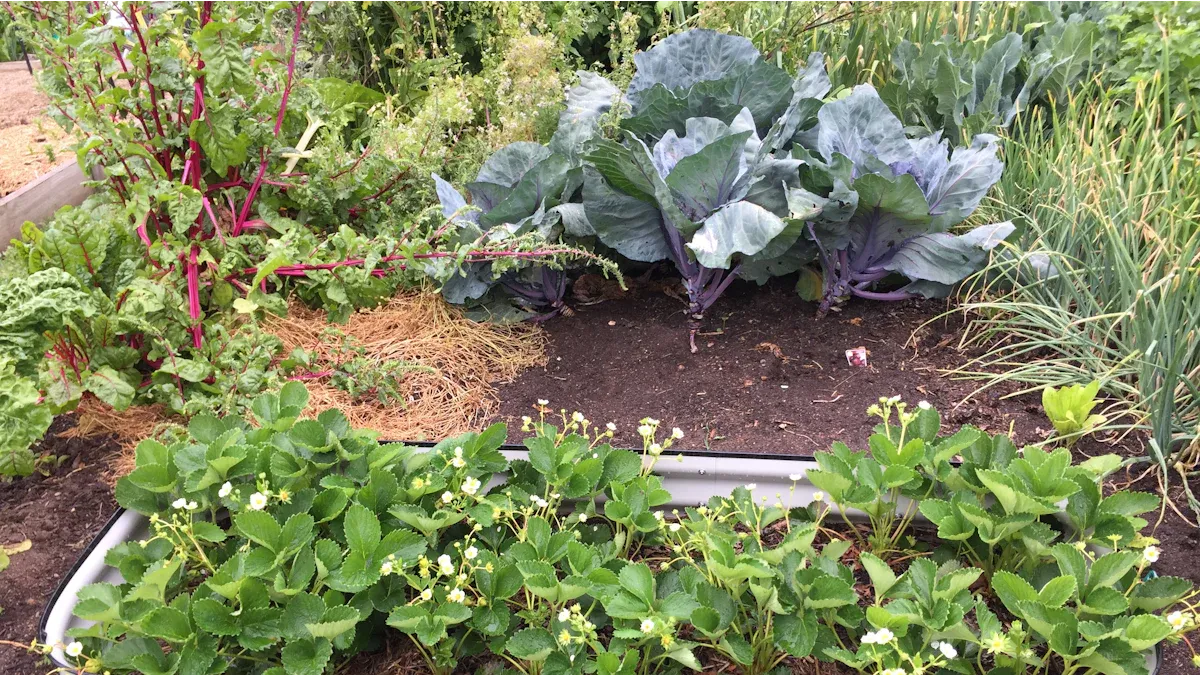
You want your galvanized beds to last as long as possible in your garden. The zinc coating on galvanized steel gives strong corrosion resistance. This coating acts as a barrier and protects the steel from water and air. It also provides cathodic protection, which means the zinc will corrode before the steel does. Over time, a patina forms on the surface, adding another layer of corrosion resistance. You can help by keeping your soil pH neutral. Acidic soil can wear down the zinc coating and speed up rust. If you notice scratches or chips, cover them with a zinc-rich paint to stop rust from spreading. Using neutral soil and checking for damage helps with preventing rust formation.
Here is a table showing how long galvanized steel can last in different environments before you need to do maintenance:
| Environment Type | Time to First Maintenance (TFM) | Example Locations |
|---|---|---|
| Industrial | 72 to 73 years | Newark, Atlanta, Houston |
| Tropical Marine | 75 to 78 years | Miami, Mazatlan |
| Temperate Marine | 86 years | Seattle, Charleston, SC |
| Suburban | 97 years | Minneapolis, Orlando |
| Rural | Over 100 years | Fargo, ND; Las Cruces, NM |
Note: TFM means when rust appears on 5% of the surface. Schedule maintenance before this point for best results.
Cleaning and Inspecting Raised Garden Beds Regularly
You should check your beds every season. Look for signs of rust, dents, or scratches. Clean the outside of your beds with water and a soft brush. Avoid harsh cleaners because they can damage the zinc coating and lower corrosion resistance. Remove any soil or debris that builds up around the edges. This keeps moisture from sitting against the metal and helps your beds last longer. If you see any rust spots, treat them right away. Quick action stops rust from spreading and keeps your garden safe.
- Inspect beds at the start and end of each growing season.
- Clean with mild soap and water.
- Dry the beds after cleaning to protect the zinc layer.
Repairing or Replacing Damaged Sections in Galvanized Steel Beds
If you find damage, act quickly. Small scratches or chips can be covered with zinc-rich paint. For larger rust spots, sand the area first, then paint it. If a section of your galvanized bed has deep rust or holes, replace that part to keep your garden safe. Always use new galvanized panels for repairs. This keeps the corrosion resistance strong and your raised beds looking good. Regular repairs help your beds last for many years and protect your garden from metal leaching.
Tip: Keep extra galvanized panels or paint on hand for quick repairs. This makes it easy to fix problems before they get worse.
Common Myths About Galvanized Steel Raised Beds
Do Galvanized Raised Beds Overheat Roots?
Many gardeners worry that metal beds might get too hot and harm plant roots. You may think the sun will heat the metal and raise the soil temperature inside your garden beds. In reality, observations show that galvanized raised beds do not absorb much heat. The reflective surface helps keep the soil cooler than you might expect, even during hot weather. Gardeners have found that watering needs for these beds are similar to wooden ones.
An experiment measured soil temperatures in metal beds on a hot day. The soil near the metal edge was about 8°F warmer than the center, but this did not hurt the plants. You can plant heat-loving crops near the edges and more sensitive plants in the center. This simple strategy keeps all your plants healthy. You do not need to worry about overheating as a common issue with galvanized raised beds.
Is Zinc Toxic to Plants or People in Gardening?
You may hear that zinc from galvanized beds can harm your garden or your health. Scientific studies from Purdue University Extension and the EPA show that zinc leaching from galvanized raised beds is low and not dangerous under normal gardening conditions. Zinc is actually an essential nutrient for both plants and people.
Note: Zinc only becomes toxic when it builds up to very high levels, which is rare in home gardens.
Problems with zinc toxicity usually happen in places with heavy industrial pollution or when using too much zinc fertilizer. Zinc is more available in acidic soil, so you should keep your soil pH neutral. Research shows that proper maintenance and soil testing make galvanized beds safe for growing food.
Are All Metal Raised Garden Beds the Same?
Not all metal beds are created equal. Galvanized raised beds use a zinc coating to protect the steel and last longer in your garden. Other metal beds, such as those made from untreated steel or recycled materials, may rust quickly or contain harmful metals. You should always choose new, high-quality galvanized beds for your garden.
Here is a quick comparison:
| Type of Bed | Durata | Rust Resistance | Safety for Edible Gardening |
|---|---|---|---|
| Galvanized Steel | High | Excellent | Safe with precautions |
| Untreated Steel | Low | Poor | Not recommended |
| Recycled Metal | Varies | Varies | Check for contaminants |
Galvanized raised beds stand out because they are durable, safe, and easy to maintain. You can trust them for your garden when you follow best practices.
You can trust galvanized steel beds for your edible garden. After many seasons, these beds stay strong and safe. The reflective surface of the beds keeps soil cool, so your garden thrives even in summer. You will not see root damage or burns from these beds. Food safety experts say these beds do not leach harmful chemicals into your garden. For best results, use liners if you want, check soil pH, and keep your beds clean. Choose quality beds for your garden. With these steps, you grow healthy food in your beds year after year. Your garden will benefit from sturdy beds that last.
FAQ
Can you grow organic vegetables in galvanized steel beds?
Yes, you can grow organic vegetables in galvanized steel beds. The zinc coating does not harm your plants or soil. You should use food-safe liners and check your soil pH to keep your garden safe and healthy.
How do you clean galvanized steel raised beds?
Use mild soap and water with a soft brush. Rinse well and dry the surface. Avoid harsh cleaners or steel wool. These can damage the zinc coating. Regular cleaning keeps your beds looking good and helps prevent rust.
Do galvanized steel beds affect soil quality?
Galvanized steel beds do not change soil quality in most gardens. Zinc may enter the soil in small amounts, but this does not harm plants or people. You can test your soil each year to make sure it stays healthy.
What should you avoid putting in galvanized steel beds?
Avoid using very acidic soil or fertilizers. Acid can wear down the zinc coating and increase metal leaching. Do not use old or damaged panels, as they may contain lead or other harmful metals.
How long do galvanized steel raised beds last?
Galvanized steel raised beds can last 10 to 20 years with proper care. You should check for rust or damage each season. Quick repairs and good maintenance help your beds last even longer.