
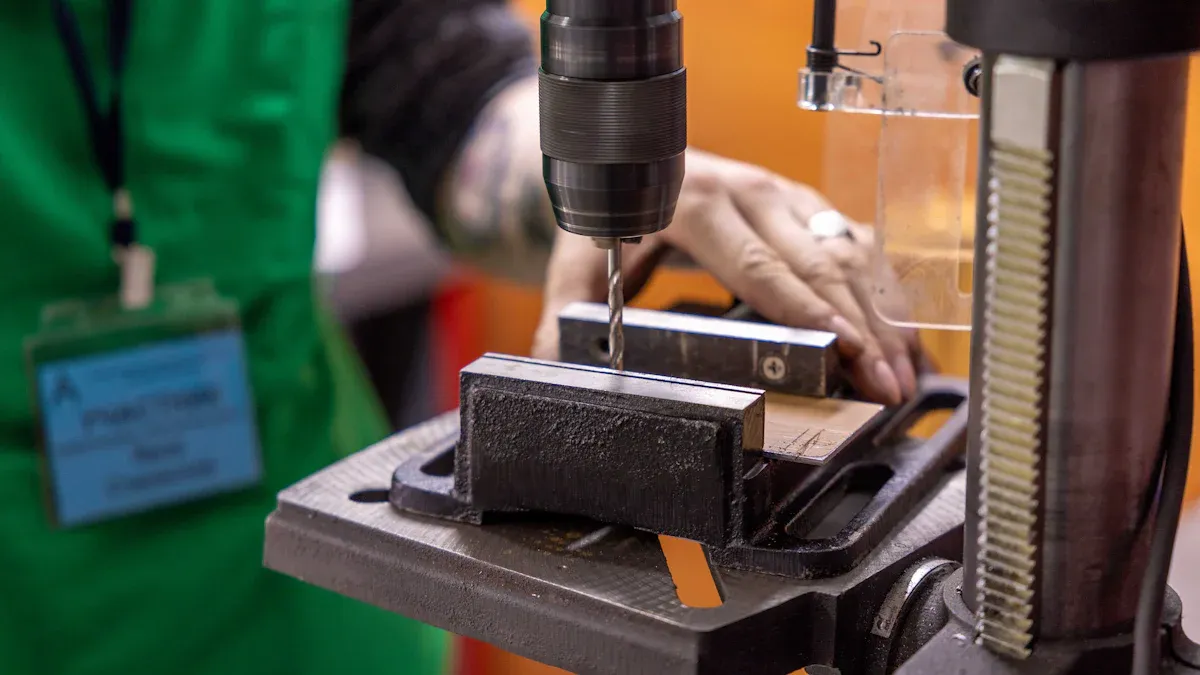
You might wonder, can holes be drilled in galvanized steel without danger? The answer is yes, but every attempt comes with risk. When you drill holes in galvanized steel, you expose yourself to harmful zinc fumes and damage the protective layer. Galvanized coatings help stop rust, so removing any part of it can weaken the steel. Drilling into galvanized metal also creates sharp shavings that may cause injury. Always remember, taking strict safety steps protects both you and the galvanized steel.
Can Holes Be Drilled in Galvanized Steel Safely?
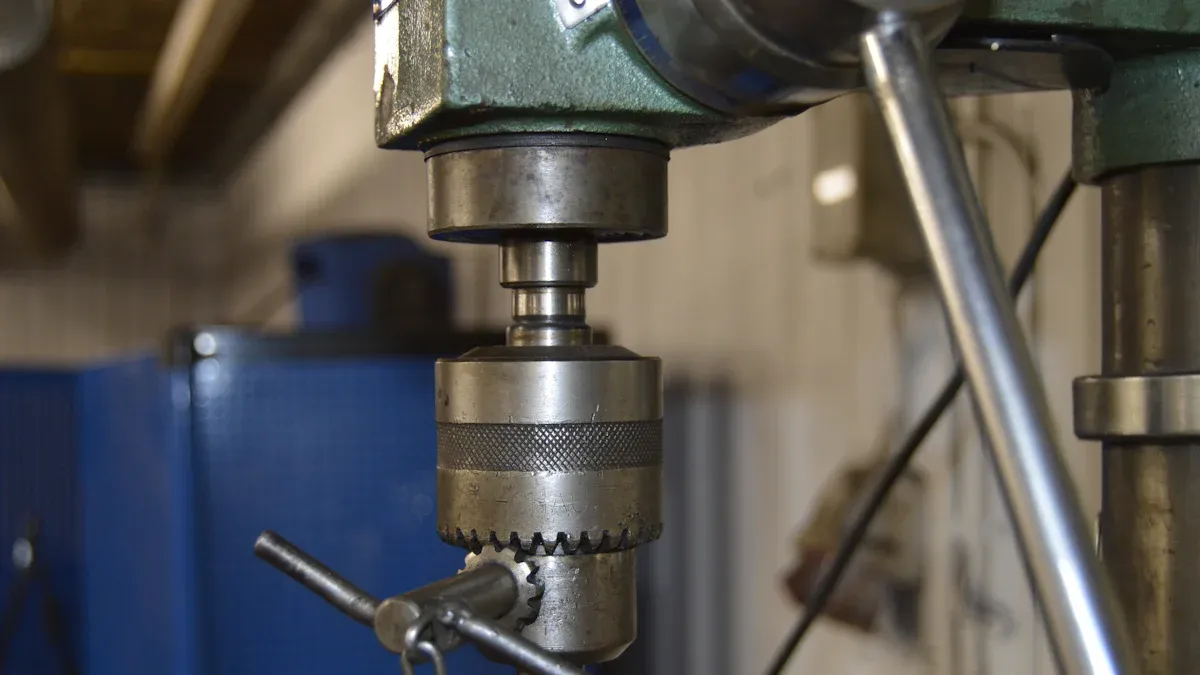
Drilling into galvanized steel is possible, but you need to understand the risks before you start. You might ask, can holes be drilled in galvanized steel without causing problems? The answer depends on how you approach the task and how well you protect both yourself and the metal.
Main Risks of Drilling Galvanized Steel
When you drill holes in galvanized steel, you face several hazards. The most serious risk comes from the fumes released when you cut or drill holes in the zinc coating. These fumes can cause health problems if you breathe them in. You also create sharp metal shavings that can injure your skin or eyes.
Here are the main risks you should know about:
- Fume hazard: Drilling or cutting galvanized steel releases zinc fumes. Breathing these fumes can make you sick.
- Loss of corrosion-resistant protection: The zinc coating protects the steel from rust. When you drill holes, you break this barrier and expose the steel to moisture and air.
- Injury from metal shavings: Small pieces of metal can fly off and cause cuts or get into your eyes.
- Mistakes during drilling: If you use the wrong tools or drill too fast, you can damage the steel or the coating even more.
Tip: Always wear gloves, goggles, and a mask when you drill holes in galvanized steel. Good safety habits help you avoid injury and reduce your risk from fumes.
Why the Zinc Coating Matters
The zinc coating on galvanized steel does more than just make the metal look shiny. It acts as a shield that keeps the steel underneath safe from corrosion. When you cut or drill holes, you damage this shield. Research from the Association for Materials Protection and Performance (AMPP) shows that the zinc layer acts as a barrier, slowing down heat transfer and protecting the steel during events like wildfires. The zinc coating is also sacrificial, which means it reacts with oxygen and moisture before the steel does, stopping rust from forming.
If you damage or remove the zinc coating, the steel underneath becomes exposed. This makes it much easier for rust to start. Here are some ways the zinc coating can be compromised:
- Cut edges where the zinc is missing, exposing raw steel.
- Harsh environments, like salty air or acid rain, that wear away the coating.
- Manufacturing flaws that leave spots without zinc.
- Poor maintenance that lets the coating break down.
When the zinc layer is gone, the steel can rust quickly. This can lead to bigger problems, like weakened structures or expensive repairs. You can prevent corrosion by handling the steel carefully and recoating any areas where you drill holes.
Note: The zinc coating is your best defense against rust. If you must drill holes, make sure you protect the exposed steel afterward to keep your galvanized project strong and long-lasting.
Fume Hazards and Health Risks
Metal Fume Fever from Drilling or Cutting Galvanized Steel
When you drill or cut galvanized steel, you risk breathing in detrimental fumes. These fumes come from the zinc coating and can cause metal fume fever. Metal fume fever is a common illness among people who work with galvanized steel. You may feel like you have the flu, with symptoms such as fever, headache, chills, muscle aches, and a metallic taste in your mouth. These symptoms usually appear within 48 hours after exposure.
- Metal fume fever affects about 1,500 to 2,500 people each year in the United States.
- Around 700 cases get reported to poison control centers every year.
- About one-third of these cases need medical treatment.
- Most people recover in a few days, but severe cases can lead to serious problems, especially if you already have health issues.
You face a lower risk of metal fume fever when drilling compared to welding, but the hazard still exists. Always use protective gear and make sure you have good ventilation to reduce your risk.
Skin, Eye, and Lung Irritation
Drilling or cutting galvanized steel can also irritate your skin, eyes, and lungs. The fumes and dust from the zinc coating can enter your body through breathing, touching, or even swallowing. You might notice your eyes, nose, or throat feel sore right away. Some people develop skin problems like dermatitis. Breathing in these fumes over time can cause chronic issues such as bronchitis or asthma. Metal fume fever remains the most common acute illness, but you should not ignore other health risks.
Tip: If you feel any irritation or breathing problems while working with galvanized steel, stop right away and get fresh air.
Preventing Injury from Metal Shavings
Metal shavings from drilling galvanized steel can cause cuts or get into your eyes. You can avoid these injuries by following best practices:
- Wear safety goggles and gloves to protect your eyes and hands.
- Secure the galvanized steel firmly before you start drilling.
- Keep your work area clean and free of clutter.
- Stand with your feet shoulder-width apart for balance.
- Use steady, even pressure on the drill.
- Apply lubricant or cutting fluid to keep the drill cool.
- Stop drilling if the bit binds and know how to shut off the drill quickly.
- Check your drill bits often and replace them if they look worn.
Choosing the right drill bit, such as a cobalt steel bit, also helps you drill safely and reduces the risk of injury from shavings.
How to Minimize Risks When Drilling Galvanized Steel
Proper Ventilation and Fume Control
You need to work in a well-ventilated area when you drill into galvanized steel. Good airflow helps remove harmful fumes from the zinc coating. Open windows and use fans to move air out of your workspace. If you work indoors, set up exhaust systems to pull fumes away from your face. Never drill near open flames or sparks. Zinc fumes can cause explosions if they mix with fire. Always check for explosion hazards before you start.
Tip: Take breaks and step outside for fresh air. This helps you avoid breathing in too many fumes.
Essential Protective Gear
You must wear the right protective gear every time you work with galvanized steel. Safety goggles keep metal dust and shavings out of your eyes. Gloves protect your hands from sharp edges. A protective face covering, like a respirator, keeps you from breathing in dangerous fumes. Wear long sleeves and pants to cover your skin. This gear lowers your risk of injury and keeps you safe from toxic dust.
Here is a quick checklist for your safety:
- Safety goggles
- Gloves
- Protective face covering (respirator)
- Long sleeves and pants
Choosing the Right Tools and Drill Bits
You need strong tools to drill through galvanized steel. Use sharp, high-speed steel or cobalt drill bits. These bits cut through the galvanized layer without slipping. Dull bits can overheat and make more fumes. Always check your tools before you start. Secure the steel with clamps so it does not move. This helps you make clean holes and prevents accidents.
Note: Using the right tools helps you avoid explosions and keeps your galvanized project strong.
Using Lubricants and Center Punches
When you drill holes in galvanized steel, you want to keep the metal strong and rust-free. Using a center punch and a lubricant can help you do this. A center punch makes a small dent where you want to drill. This dent keeps the drill bit from slipping. If the drill bit wanders, it can scratch the galvanized surface. Scratches expose the steel underneath and make it easier for rust to start.
You should always use the right lubricant when drilling. A lubricant, like thread-cutting oil, cools the drill bit and helps it move smoothly through the galvanized coating. This keeps the drill bit sharp and stops it from breaking. When you drill smoothly, you protect the zinc layer that covers the steel. The zinc layer is important because it stops rust from forming.
Here is how these tools help you protect galvanized steel:
- A center punch keeps the drill bit steady. This stops extra scratches and protects the galvanized surface from damage.
- Lubricants reduce heat and friction. They help the drill bit last longer and keep the galvanized coating in good shape.
- When you use both a center punch and a lubricant, you lower the chance of rust. The galvanized layer stays strong, and the steel stays safe.
Tip: Always clean the area after drilling holes. Wipe away any leftover lubricant and metal shavings. This keeps your galvanized project looking good and lasting longer.
If you follow these steps, you can drill into galvanized steel with less risk. You protect the coating and help prevent rust from forming around the holes.
How to Prevent Rust After Drilling
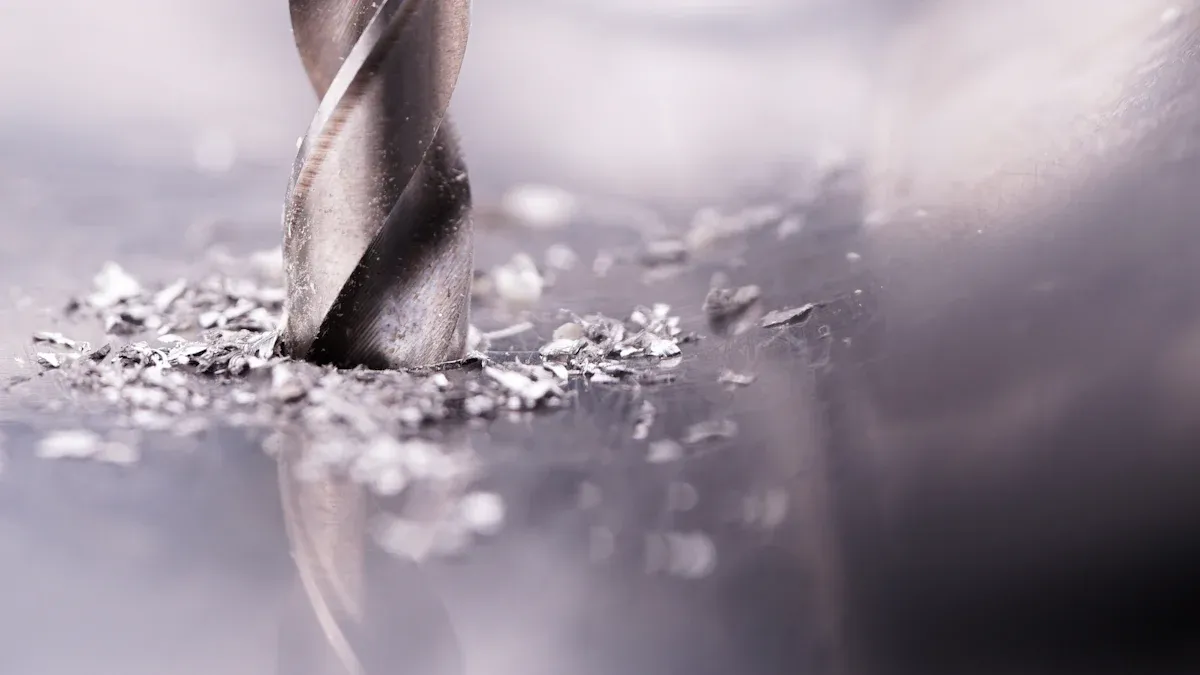
Applying Touch-Up Coatings to Exposed Steel
After you drill into galvanized steel, you create small areas where the protective zinc coating no longer covers the metal. These exposed spots can start to rust quickly, especially if they are larger than 1 mm or if the steel faces harsh weather. To prevent rust, you should apply touch-up coatings right after drilling.
You can use cold galvanizing products, which contain a high amount of zinc. You brush, roll, or spray these coatings onto the bare steel. This method gives you rust protection similar to the original galvanized layer. Cold galvanizing works well for field repairs and maintenance because it is easy to use and provides strong corrosion resistance.
Follow the ASTM A780 standard when you apply these protective coatings. This helps you cover the exposed steel properly. Keep in mind that touched-up areas may not last as long as the original galvanized coating. You need to check these spots more often to make sure they stay protected.
Tip: Always clean the drilled area before applying any coating. Remove dust, oil, and metal shavings so the new layer sticks well.
Regular Maintenance and Inspection
You must check your galvanized steel regularly to keep rust away. Look closely at any places where you drilled holes or made repairs. Touched-up spots can corrode faster than the rest of the steel, so pay extra attention to these areas.
Set up a simple inspection routine:
- Look for signs of corrosion, such as red or brown spots.
- Test the thickness of the protective coatings if you can.
- Reapply touch-up coatings if you see any damage or wear.
Regular care helps you maintain superior corrosion resistance and keeps your galvanized projects strong for years. By staying alert and fixing problems early, you give your steel the best rust protection possible.
When to Seek Professional Help or Use Pre-Drilled Galvanized Steel
Complex Projects and Safety Concerns
Some projects with galvanized steel can become very complex. You might face many safety concerns if you try to drill holes yourself. Industrial processes for galvanized steel use dozens or even hundreds of different settings. Each setting can create thousands of data points. These projects often have hidden problems that you cannot see right away. The way one part of the process affects another can be hard to predict. Experts use advanced tools to find these hidden risks and control them. They look for patterns and connections that most people miss.
You should ask for professional help if:
- Your project involves large or thick pieces of galvanized steel.
- You need to drill many holes or work in hard-to-reach places.
- You feel unsure about the safety steps or tools.
- The steel will support heavy loads or be used in important structures.
Professionals know how to avoid mistakes that could damage the galvanized coating or cause injury. They also use special equipment to keep everyone safe.
Tip: When you see a project with many steps or safety rules, it is smart to call an expert. This keeps you and your galvanized steel safe.
Alternatives to Drilling Yourself
You do not always need to drill galvanized steel on your own. There are safer ways to get the job done. The best way to avoid drilling risks is to order pre-drilled or pre-cut galvanized steel. This method keeps the zinc coating strong and protects against rust. If you must drill after the steel is galvanized, you can use repair methods to cover exposed spots. These include zinc-rich paint, zinc-based solder, or spray zinc. These repairs help, but they do not last as long as the original coating.
Here are some alternatives you can choose:
- Order pre-drilled or pre-cut galvanized steel from the supplier.
- Ask a professional to handle the drilling and repairs.
- Use approved repair coatings if you must drill after galvanizing.
Choosing these options helps you avoid common mistakes and keeps your project safe. You also save time and lower the risk of rust or injury.
Note: Pre-drilled galvanized steel gives you the best protection and saves you from extra work later.
You can drill holes in galvanized steel, but you face real risks. Toxic fumes, explosion hazards, and loss of corrosion protection all threaten your safety and the strength of the galvanized coating. Always use proper safety gear and work in a well-ventilated area. Protect the steel after drilling to keep it rust-free. For complex projects, consider professional help or pre-drilled galvanized steel.
| Hazard Type | Description | Safety Measures and Recommendations |
|---|---|---|
| Explosion Risk | Cutting sealed galvanized steel compartments can generate flammable hydrogen gas. | Use specialized equipment, install vent holes, and work remotely if possible. |
| Metal Fume Fever | Inhalation of zinc fumes causes flu-like symptoms. | Wear masks and ensure good ventilation. |
| Other Zinc Side Effects | Zinc fumes and dust irritate skin, eyes, and lungs. | Use gloves, goggles, and long sleeves; keep work areas ventilated. |
FAQ
Can you drill galvanized steel without damaging the zinc coating?
You cannot drill galvanized steel without removing some of the zinc coating. The drill bit exposes bare steel at the hole. Always apply a touch-up coating after drilling to protect against rust.
What type of drill bit works best for galvanized steel?
You should use high-speed steel (HSS) or cobalt drill bits. These bits cut through galvanized steel easily and last longer. Keep the bit sharp and use cutting oil for smoother drilling.
How do you stay safe from zinc fumes when drilling?
Work in a well-ventilated area. Wear a respirator or mask rated for metal fumes. Take breaks for fresh air. Avoid drilling in small, closed spaces.
What should you do if you see rust after drilling?
Clean the area and remove any rust. Apply a zinc-rich touch-up paint or cold galvanizing spray. Inspect the spot regularly to make sure the rust does not return.
Is it better to buy pre-drilled galvanized steel?
Yes, pre-drilled galvanized steel keeps the zinc coating intact. This option gives you the best rust protection and saves time. Ask your supplier for pre-drilled parts when possible.