
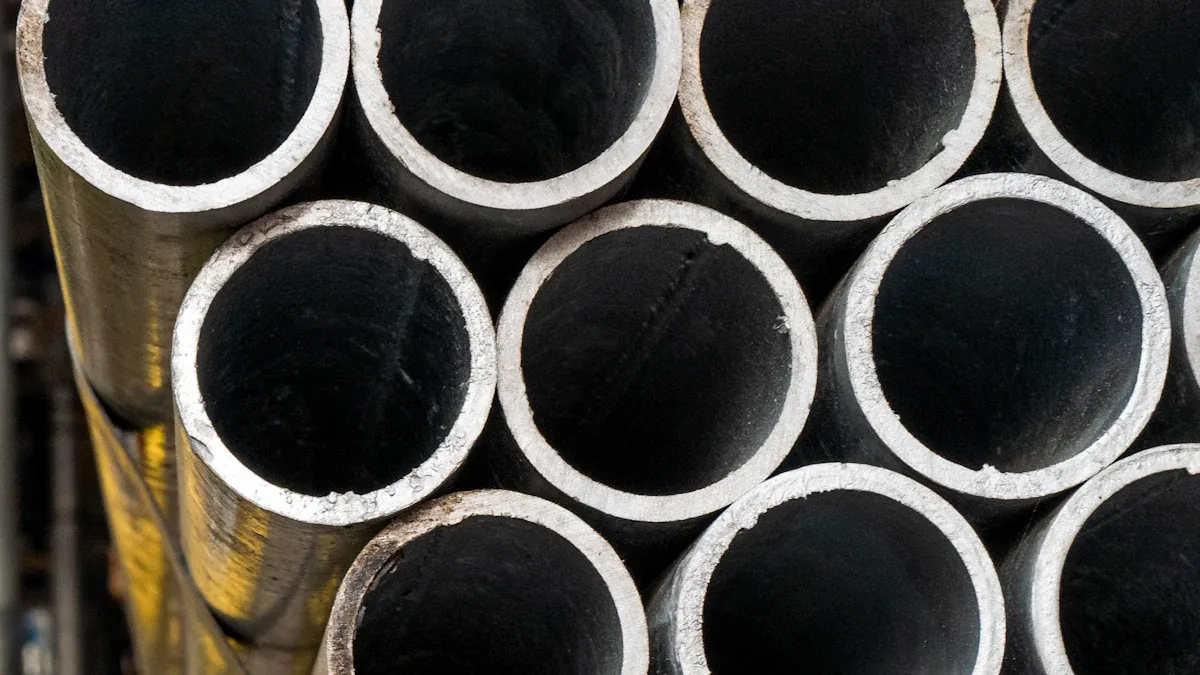
When you look at a 2 1 2 galvanized steel pipe, you see more than just a tube. Here are the main specifications you should know:
- Outside diameter: 2.875 inches
- Wall thickness (Schedule 40): 0.203 inches
- Inside diameter: about 2.469 inches
- Weight per foot: about 5.793 pounds
- Steel material: ASTM A53 or A500 Grade B
- Hot-dip galvanized coating
These features help you decide if this pipe fits your project.
Knowing these details lets you choose the right pipe for strength, weight, and protection against rust.
2 1 2 Galvanized Steel Pipe Dimensions
Outside Diameter
You can identify a 2 1 2 galvanized steel pipe by its outside diameter. This measurement is 2.875 inches. The outside diameter stays the same, even if the wall thickness changes. This size helps you match the pipe with fittings and connectors. When you measure the outside diameter, you ensure the pipe will fit with other parts in your system. The 2024 revision of ASTM A123 highlights the importance of measuring steel thickness at the thinnest section. This standard helps you get accurate results and meet quality requirements. Accurate measurement of the outside diameter is important for safety and performance.
Tip: Always use a caliper or pipe gauge to check the outside diameter before installation.
Wall Thickness and Schedule Options
Wall thickness tells you how strong the pipe is. For a 2 1 2 galvanized steel pipe, Schedule 40 is the most common option. Schedule 40 pipes have a wall thickness of 0.203 inches. Industry documents and laboratory reports confirm this measurement. You can find Material Test Certificates and Quality Assurance Plans that verify the wall thickness. These documents help you trust the pipe’s strength and durability.
You may see other schedule options, such as Schedule 10 or Schedule 80. Each schedule has a different wall thickness and pressure rating. The table below compares these options for a 1-inch pipe, but the pattern is similar for larger sizes:
| Criteria | Schedule 40 | Schedule 80 | Schedule 10 |
|---|---|---|---|
| Wall Thickness (1-inch pipe) | 0.154 inches | 0.179 inches | 0.083 inches |
| Weight (12-foot section) | 49.56 pounds | 58.11 pounds | 33.38 pounds |
| Pressure Rating | 2200 psi | 2800 psi | 1450 psi |
| High-Pressure Handling | Moderate | High | Low |
| Balance (Strength/Weight) | Balanced | Heavy | Leggero |
| Durata | High | Higher | Lower |
| Typical Use | Versatile | High Pressure | Lightweight needs |
Schedule 40 gives you a good balance between strength and weight. You can use it for many jobs, from water lines to structural supports. Schedule 80 pipes are thicker and handle higher pressure, but they are heavier and cost more. Schedule 10 pipes are lighter and easier to install, but they do not handle as much pressure.
Inside Diameter
The inside diameter tells you how much space is inside the pipe. For a 2 1 2 galvanized steel pipe with Schedule 40, the inside diameter is about 2.469 inches. This measurement affects how much water or gas can flow through the pipe. If you need to move a lot of material, you want a larger inside diameter. The inside diameter also helps you choose the right fittings and valves.
Engineers and researchers often test pipes to make sure the inside diameter matches the standard. They use hydrostatic tests and other methods to check the pipe’s strength and performance. These tests help you know the pipe will work well in real-world conditions. You can find reports that show how changes in pipe repairs or coatings affect the inside diameter and flow rate.
When you understand the outside diameter, wall thickness, and inside diameter, you can select the right 2 1 2 galvanized steel pipe for your project. You make sure the pipe will fit, hold up under pressure, and carry the right amount of material.
Weight per Foot and Meter
When you choose a pipe, weight matters. The weight of a 2 1 2 galvanized steel pipe affects how you handle, transport, and install it. You need to know the weight per foot and per meter to plan your project and make sure your supports can hold the load.
A standard 2 1 2 galvanized steel pipe (Schedule 40) weighs about 5.793 pounds per foot. If you want to convert this to kilograms per meter, you can use the following formula:
Weight (kg/m) = Weight (lb/ft) × 1.488
So, for this pipe:
5.793 lb/ft × 1.488 ≈ 8.62 kg/m
Here is a quick reference table for you:
| Length Unit | Weight (Approximate) |
|---|---|
| 1 foot | 5.793 lbs |
| 1 meter | 8.62 kg |
| 10 feet | 57.93 lbs |
| 6 meters | 51.72 kg |
Tip: Always check the weight before lifting or moving pipes. Use proper equipment to avoid injury.
The weight per foot helps you estimate shipping costs and plan for safe storage. You also need this information when you design pipe supports or hangers. If you use longer sections, the total weight increases quickly. For example, a 21-foot length of 2 1 2 galvanized steel pipe weighs over 120 pounds.
You may notice that the weight can change if you pick a different schedule. Thicker pipes weigh more. Schedule 80 pipes are heavier than Schedule 40. Always check the manufacturer’s data sheet for the exact weight.
Knowing the weight per foot and meter helps you work safely and efficiently. You can avoid surprises during installation and make sure your project stays on track.
2 1 2 Galvanized Steel Pipe Material and Coating
Steel Grade and Material Standards
You want to make sure your pipe meets strict quality standards. Manufacturers produce 2 1 2 galvanized steel pipe using steel that follows ASTM A53 or A500 Grade B standards. These standards set rules for chemical makeup and mechanical strength. Pipes must pass tests for tension, bending, flattening, and pressure. You can ask for mill test reports or certificates of compliance to confirm the pipe’s grade. These documents show that the pipe meets all the requirements for safe use. Factories also perform hydrostatic and nondestructive tests to check for leaks or weak spots. When you see these certifications, you know your pipe is strong and reliable.
Galvanization Process and Coating Thickness
The galvanization process protects your pipe from rust. Factories dip the steel pipe into molten zinc, which forms a tough coating. This process follows standards like ASTM A123. Inspectors measure the coating thickness using special gauges and follow procedures such as ASTM E376 and SSPC-PA2. Before coating, workers clean the pipe’s surface by removing oil, grease, and rough spots. They may use grinding or blast cleaning to prepare the steel. After coating, inspectors check for defects and test how well the coating sticks. They record all steps to make sure the pipe gets the right protection. You can trust that each 2 1 2 galvanized steel pipe has a zinc layer thick enough to guard against corrosion.
Corrosion Resistance Properties
Hot-dip galvanized pipes stand up well to harsh environments. Field studies and lab tests show that the zinc coating protects steel by acting as a barrier and a sacrificial layer. The zinc reacts first when exposed to moisture or chemicals, saving the steel underneath. Researchers use special tools to watch how the coating holds up in soil and water. They find that temperature and chemicals like chloride can speed up corrosion, but the zinc layer still gives strong protection. Over time, the coating forms a shield of corrosion products that slow down further damage. Even in tough conditions, you can count on galvanized pipes to last longer than bare steel.
Tip: Always check for visible damage to the coating before installation. A complete zinc layer means better protection.
2 1 2 Galvanized Steel Pipe Applications
Uses in Construction, Plumbing, and Industry
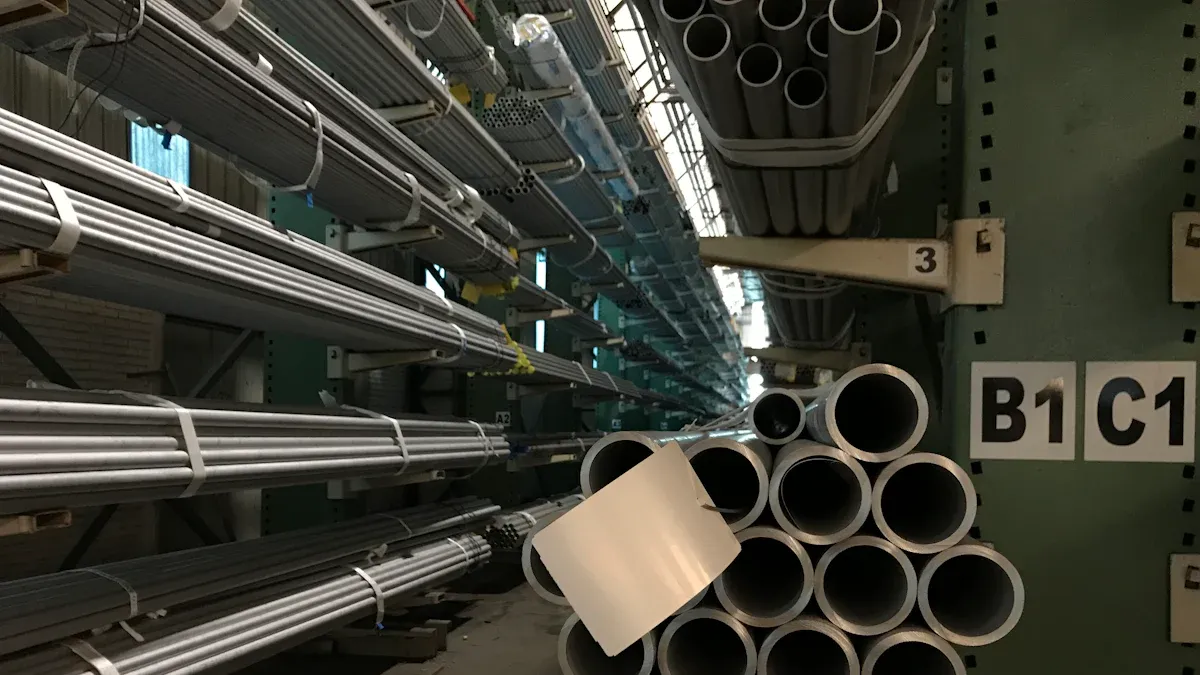
You can find 2 1 2 galvanized steel pipe in many projects. Builders use it for strong frameworks in buildings and bridges. Plumbers choose it for water supply lines and HVAC systems. Factories rely on it to move fluids, gases, and raw materials. The zinc coating protects the pipe from rust, so it lasts a long time even outdoors or underground.
Here is a table that shows why this pipe works well in different jobs:
| Aspect | Details |
|---|---|
| Resistenza alla corrosione | Zinc coating offers excellent protection against corrosion. |
| Longevity | Lifespan ranges from 40 to 50 years, suitable for outdoor use. |
| Cost-Effectiveness | More affordable than stainless steel. |
| Construction Uses | Used in buildings, bridges, piling, and frameworks. |
| Plumbing & HVAC | Common in water supply, plumbing, and HVAC systems. |
| Industrial Uses | Moves fluids, gases, and raw materials in factories. |
| Water & Sewage | Works well in water supply and sewage systems. |
| Energy Sector | Used in power plants and renewable energy projects. |
You can trust this pipe to last. Many projects show that galvanized pipes stay strong for over 50 years. In the Midwest, builders used these pipes in harsh weather, and they did not rust or break for more than ten years. Most users—about 95%—say they are happy with the quality and reliability.
- Galvanized pipes also appear in furniture design and modern construction.
- The market for these pipes keeps growing because they work well in many places.
Note: You get a pipe that stands up to tough jobs and saves money over time.
Compatibility with Fittings and Connections
You need to connect your pipe to other parts. 2 1 2 galvanized steel pipe fits with many standard fittings, such as elbows, tees, and couplings. You can use threaded or grooved connections. Most hardware stores carry the right size parts, so you can build your system without trouble.
Always check that your fittings match the pipe’s outside diameter. Use pipe thread sealant or tape to stop leaks. If you use the right tools and parts, you get a tight, safe connection. This makes your plumbing or structure strong and reliable.
Tip: Double-check the fit before tightening. A good connection keeps your system safe and leak-free.
2 1 2 Galvanized Steel Pipe Sizing and Selection
Choosing the Right Pipe for Your Project
When you start a project, you want to pick a pipe that matches your needs. You should look at the size, strength, and how long the pipe will last. For most building and plumbing jobs, a 2 1 2 galvanized steel pipe gives you a strong and reliable choice. You can use it for water lines, structural supports, or even outdoor projects because it resists rust.
You need to check the pipe’s diameter and wall thickness. These details affect how much water or gas can flow through the pipe. You also want to think about how heavy the pipe is, especially if you need to move or lift it. Always inspect the pipe before you use it. You can do a simple visual check or use special tools to look for bends or dents.
Tip: Ask for the manufacturer’s data sheet. It gives you important numbers like flow rate, pressure rating, and coating thickness.
Key Considerations for Selection
You have many things to think about before you choose a pipe. Here are some key points to help you:
- Hydraulic performance: Make sure the pipe size fits your flow needs. Look at flow velocity, capacity, and how much pressure the pipe can handle. Check for head loss and entrance or exit losses.
- Structural strength: Pick a pipe that can hold up under the weight and pressure in your project. Think about how long you want the pipe to last and if it will face heavy loads.
- Corrosion resistance: Choose a pipe with a good coating, like hot-dip galvanized steel, if you need protection from rust.
- Environmental impact: Sometimes you need to add features to help protect the environment, like baffles for water flow or rough surfaces for aquatic life.
- Inspection and maintenance: Plan for regular checks. You can use simple tools or advanced methods like LiDAR scanning to spot problems early.
- Material comparison: Cast iron pipes give you high strength and natural corrosion resistance. PVC pipes are lighter and resist many chemicals but need more support underground. Each type has its own best use.
Here is a quick table to compare some pipe materials:
| Pipe Type | Forza | Resistenza alla corrosione | Max Temp | Best Use |
|---|---|---|---|---|
| Galvanized Steel | High | Good | 212°F | Water, structure, outdoors |
| Cast Iron | Very High | Very Good | 212°F | Soil, drainage, plenum |
| PVC | Moderate | Excellent | 140°F | Drainage, chemical lines |
You can make a better choice when you look at all these factors. Always match the pipe to your project’s needs for the best results.
You now know the main features of 2 1 2 galvanized steel pipe, including its size, weight, and protective coating. When you choose a pipe, you should look at more than just the material or diameter. Studies show that soil conditions, weather, and where you install the pipe can affect how long it lasts. By understanding these details, you can pick the best pipe for your project and avoid problems in the future.
FAQ
What does “2 1 2” mean in galvanized steel pipe?
You see “2 1 2” as the pipe’s nominal size. This means the pipe has a standard outside diameter of 2.875 inches. The number helps you match the pipe with fittings and connectors.
Can you weld galvanized steel pipe?
You can weld galvanized steel pipe, but you must remove the zinc coating from the area you plan to weld. Always wear proper safety gear. The fumes from welding galvanized steel can be harmful.
How long does galvanized steel pipe last outdoors?
Galvanized steel pipe often lasts 40 to 50 years outdoors. The zinc coating protects the steel from rust and weather. You get longer life if you avoid damage to the coating.
Is 2 1 2 galvanized steel pipe safe for drinking water?
You can use 2 1 2 galvanized steel pipe for drinking water in many places. The zinc coating helps prevent rust. Some areas have rules about using galvanized pipe, so always check local codes.
What fittings work with 2 1 2 galvanized steel pipe?
You can use threaded, grooved, or compression fittings with this pipe size. Most hardware stores carry elbows, tees, and couplings that fit 2 1 2 galvanized steel pipe. Always check the outside diameter for a proper fit.