
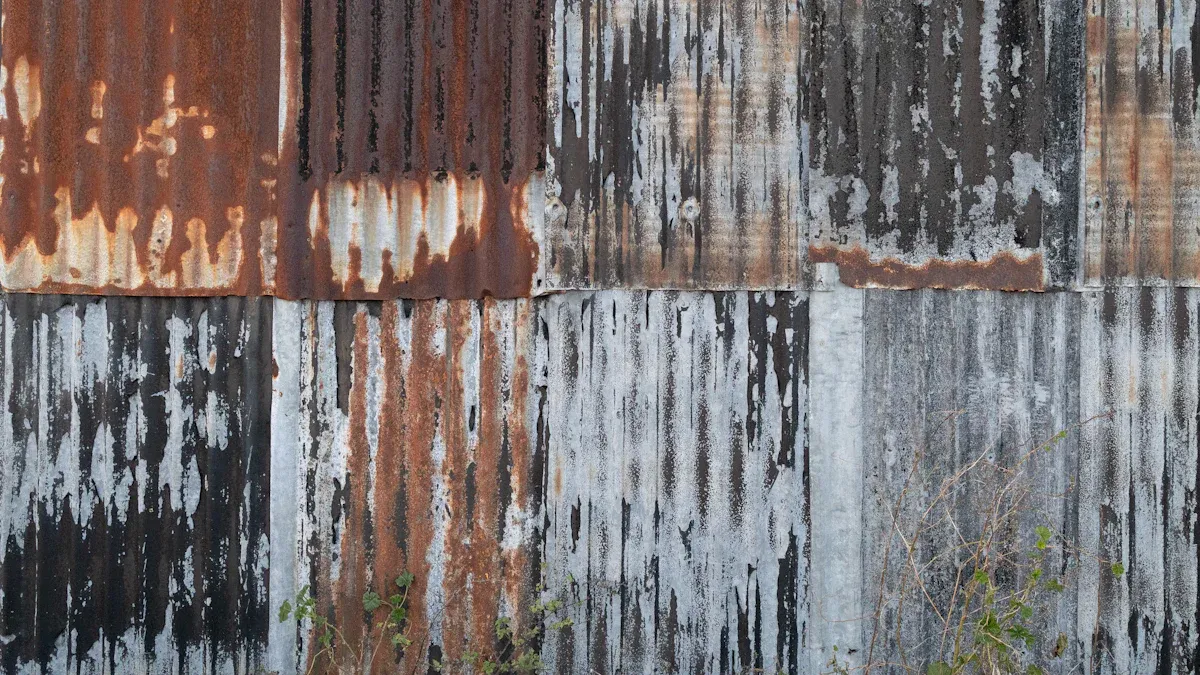
When you look at modern projects, galvanised steel stands out for its strength and resistance to rust. Many larger construction projects use galvanised steel because it lasts a long time and needs little upkeep. You will notice that galvanised steel has a smooth finish, and it is easy to spot any damage. The zinc coating on galvanised steel gives excellent protection, though it can wear down over time. Some downsides include a higher price and possible issues with welding or appearance. The table below highlights the main points:
| Advantages of Galvanized Steel | Disadvantages of Galvanized Steel |
|---|---|
| More durable than other types | More expensive due to zinc coating |
| Less likely to rust and corrode | Zinc layer corrodes over time |
| Easy to maintain | Aesthetic issues, dull finish |
If you wonder how long does galvanized steel last, it often stays strong for 50 years or more in many settings. For most long-term structural projects, galvanised steel is a good choice, but you should weigh its benefits and drawbacks before making a decision.
What Is Galvanised Steel?
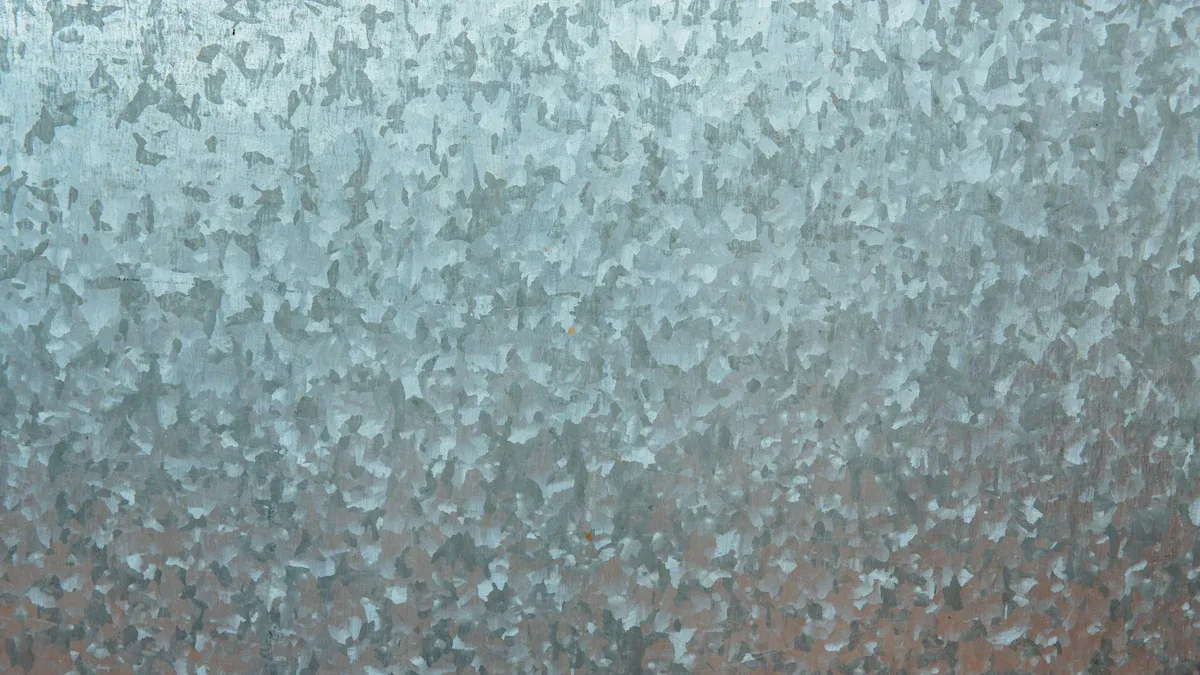
Galvanised steel is a type of steel that has a special zinc coating. You will find that this coating helps protect the steel from rust and damage. Many people use galvanised steel in construction because it lasts a long time and stays strong, even in tough weather. Galvanised steel sheets and galvanized steel pipes are popular choices for building and infrastructure.
How Galvanized Steel Is Made
You might wonder how galvanized steel gets its protective layer. The process uses several steps to make sure the steel is ready for use in many projects:
- First, workers clean the steel to remove dirt, grease, and rust.
- Next, they dip the clean steel into a special solution called flux. This step helps the zinc stick to the steel.
- Then, they dip the steel into hot, melted zinc at about 850°F. The zinc reacts with the steel and forms strong layers.
- After that, the steel cools down, and workers check the coating to make sure it is thick and even.
This process creates a strong bond between the zinc and the steel. The zinc acts as a shield, so even if the coating gets scratched, the steel underneath stays safe. Hot-dip galvanising makes the coating thick and tough, which is why galvanised steel sheets and galvanized steel pipes last so long.
Common Uses in Modern Projects
You will see galvanized steel pipes and galvanised steel sheets in many places. Builders use them because they are strong and resist rust. Here are some common uses:
- Structural parts in buildings, like beams and columns
- Roofing materials, especially galvanised steel sheets for homes and factories
- Fencing and gates that need to last outdoors
- Drainage systems, including gutters and downspouts made from galvanized steel pipes
- Light poles, guardrails, and other parts of roads and bridges
- Temporary structures and formwork for pouring concrete
Galvanized steel pipes and galvanised steel sheets help make projects safer and more durable. You can trust these materials to stand up to rain, wind, and even salty air near the coast.
Key Advantages of Galvanized Steel
Durability and Longevity
When you choose galvanised steel for your project, you get a material known for its outstanding durability and longevity. The secret lies in the protective zinc coating that covers the steel. This coating acts as a sacrificial layer, which means it will corrode first and protect the steel underneath. Even if the surface gets scratched, the zinc continues to prevent rusting and stops corrosion from spreading.
You can see why galvanised steel lasts so long by looking at these main reasons:
- The zinc coating forms a strong barrier against moisture, oxygen, and other elements that cause rust.
- Hot-dip galvanising creates tightly bonded layers that resist impact and abrasion.
- The zinc chemically bonds with concrete, giving extra strength and self-healing properties.
- Proper application, like using enough coating thickness and uniform coverage, increases longevity.
- Good maintenance, such as regular inspections and quick repairs, helps extend the service life.
Did you know? Bridges made from galvanised steel can last 70 to 100 years without major repairs. In real-world projects, roofing made from galvanised steel has lasted over 20 years with almost no maintenance, while untreated steel shelving in humid places rusted after just a few years.
Here is a quick comparison to help you see the difference:
| Aspect | Galvanized Steel | Untreated Steel |
|---|---|---|
| Lifespan | Typically 50 to 100+ years in most environments | Shorter lifespan, rusts quickly |
| Résistance à la corrosion | Zinc coating acts as a protective barrier, even if scratched | No protective coating, prone to rust |
| Maintenance | Low maintenance due to corrosion resistance | Requires frequent repairs and maintenance |
| Real-World Example | Roofing lasting over 20 years with minimal maintenance | Shelving rusted after a few years in humid conditions |
| Cost | Higher upfront cost but cost-effective over time | Lower initial cost but higher maintenance costs |
With galvanised steel, you get a rust-free layer that keeps your structures strong for decades. This makes it a smart choice for projects where you want long-term performance.
Corrosion Resistance of Galvanized Steel
You want your project to stay strong and look good for many years. Galvanized steel gives you excellent protection against corrosion and rust. The zinc coating works in two main ways. First, it acts as a barrier that keeps out water, air, and chemicals. Second, it serves as a sacrificial anode, which means it will corrode before the steel does, helping to prevent rusting even if the coating gets damaged.
Scientific studies show that galvanized steel performs well in many environments, including cities, coastal areas, and even underground. The zinc layer forms stable compounds like ZnO that slow down rusting. For example, in high humidity at 50°C, galvanized steel corrodes much slower than bare steel—only about 7% as fast. Even when the coating gets scratched, the zinc keeps protecting the steel underneath.
In coastal and industrial areas, the zinc layer forms dense, tough corrosion products that block further damage. The alloy layers created during hot-dip galvanising make the coating last even longer. These features help galvanised steel keep its strength and appearance, even in harsh conditions.
Cost-Effectiveness in Modern Projects
You might think that galvanised steel costs more at first, but it saves you money over time. The initial price is higher because of the zinc coating, but you spend less on repairs and maintenance. Other materials, like painted steel or powder-coated steel, need frequent touch-ups and can cost much more in the long run.
Here are some reasons why galvanised steel is cost-effective:
- Hot-dip galvanised steel prices have stayed stable, while other coatings have become more expensive.
- Maintenance costs for other systems can be two to five times the original price, and indirect costs can be even higher.
- Galvanised steel often needs no maintenance for 70 years or more, so the initial cost is close to the total cost over its life.
- Over 20 years, galvanised steel can be two to six times more economical than other corrosion-resistant materials.
Tip: The American Galvanizers Association offers a Life-Cycle Cost Calculator. You can use it to compare the cost of galvanised steel with more than 30 other protection systems.
When you look at the big picture, galvanised steel gives you durability, longevity, and strong protection against corrosion and rust. You get a material that helps prevent rusting, keeps your project looking good, and saves you money over time.
Versatility and Applications
You will find that galvanised steel fits into many types of projects. This material works well in both small and large builds. You can use it for homes, schools, bridges, and even playgrounds. Builders choose galvanised steel because it stands up to weather and daily use.
Here are some ways you might use galvanised steel:
- Fencing and gates that need to last outdoors
- Roofing sheets for houses and factories
- Beams and columns in buildings
- Road signs and guardrails
- Water tanks and storage bins
You can also see galvanised steel in farming. Farmers use it for animal pens and grain silos. In cities, you will notice it in street furniture, like benches and bike racks. This material even helps protect power lines and light poles.
Note: Galvanised steel works well in places with lots of rain or snow. The zinc coating keeps rust away, so you do not have to worry about damage from water.
You can trust galvanised steel to handle tough jobs. It gives you strength and protection in many settings.
Low Initial Maintenance
When you pick galvanised steel, you save time and effort on upkeep. The zinc coating protects the steel from rust, so you do not need to paint or treat it right away. You can install galvanised steel and expect it to last for years without much work.
Here is a table to show how galvanised steel compares to other materials:
| Matériel | Initial Maintenance Needed | Protection Against Rust |
|---|---|---|
| Galvanised Steel | Very low | Excellent |
| Painted Steel | Needs repainting | Good |
| Untreated Steel | Needs frequent care | Poor |
You will notice that galvanised steel keeps its look and strength with little help from you. You only need to check it once in a while for scratches or dents. If you see any damage, you can fix it quickly. Most of the time, you do not need to do anything at all.
Tip: Galvanised steel is a smart choice if you want to spend less time and money on maintenance. You can focus on other parts of your project while this material does its job.
Main Disadvantages of Galvanized Steel
Weight and Handling Challenges
When you work with galvanized steel, you will notice that it is heavy. Large steel parts need special equipment like hoists and cranes to move them safely. You must plan carefully before lifting or transporting these materials. If you do not use the right tools, you can damage the steel or even cause injuries.
- Le size and weight of steel pieces often depend on what the galvanizing plant can handle.
- Workers use special racks and jigs to move many items at once. This helps keep the process safe and efficient.
- You should always provide clear lifting points on the steel. This reduces the risk of chain or wire marks that can harm the surface.
- Good communication with the galvanizing facility is important. You need to make sure they can handle your project’s size and weight.
For large-span structures, you face even more challenges. You must balance the weight of the steel with the strength needed for the project. Engineers use computer models to check that the design will not fail or cost too much. You also need to think about how the upper and lower parts of the structure work together. If you do not plan well, you can create weak spots that lead to bending or breaking.
Tip: Always check the lifting and handling limits before starting your project. This helps you avoid costly mistakes and keeps your team safe.
Potential for Corrosion Over Time
You might think galvanized steel will never rust, but that is not true. Over time, corrosion can still happen, especially if the steel faces harsh chemicals or tough weather. For example, if you store galvanized steel near fertilizers with even a little moisture, the coating can break down quickly. Acidic woods like cedar and pine can also stain and corrode the surface. Even though bird droppings are acidic, there are no reports of them causing major problems.
You may see white rust or paint failures after only a few years in some places. In marine environments, where salt and moisture are high, corrosion can speed up after about ten years. If you store galvanized steel in wet conditions right after it is made, you can get white rust and stains. Soil with low resistivity or high acidity can also cause the steel to corrode faster.
- High humidity and salt from nearby water increase corrosion rates.
- Industrial pollution, like sulfur dioxide and acid rain, can make rusting worse.
- Soil chemistry and being close to the coast can affect how fast the steel corrodes.
- Extreme temperatures matter less, but very high heat can damage the zinc layer.
You should know that even though galvanized steel can last over 100 years in good soil, it will not last as long in harsh environments. Acid rain, salt spray, and strong winds can all make corrosion happen faster than you expect. Chemicals like fertilizers and acidic woods can also cause surface stains and rust.
Maintenance and Inspection Needs
You cannot ignore maintenance when you use galvanized steel. Even though it needs less care than untreated steel, you still have to check it often. In dry climates, galvanized steel cables can last about 7 to 10 years, but in humid places, you might see rust after just 5 to 7 years. Stainless steel needs less frequent maintenance and can last longer.
You should inspect galvanized steel silos every three to six months. Once a year, you need to do a deep cleaning to stop corrosion from starting. Regular checks should include the outside surfaces, roof, seams, foundation, vents, and access points. If you find any rust or damage, you should fix it right away. Using touch-up paint and rust inhibitors helps prevent further corrosion.
- Galvanized steel needs more frequent inspections than stainless steel.
- You must clean and repair any damage quickly to keep rust from spreading.
- Skipping maintenance can lead to bigger problems and higher costs later.
Note: Maintenance challenges can add up over time, especially in places with lots of moisture or pollution. Staying on top of inspections and repairs helps you get the most life out of your galvanized steel.
Limitations in Harsh Environments
You may think galvanized steel works everywhere, but some places challenge its performance. Harsh environments can shorten the life of galvanized steel. You need to know where these limits appear so you can plan your project wisely.
Common harsh environments include:
- Coastal areas with salty air
- Industrial zones with chemical fumes
- Regions with acid rain
- Soil with high moisture or acidity
Saltwater and salty air attack the zinc coating. In coastal regions, you may see rust spots after only a few years. Industrial chemicals, like sulfur dioxide, can eat away at the protective layer. Acid rain also speeds up corrosion. If you bury galvanized steel in wet or acidic soil, the coating breaks down faster.
Note: In some coastal cities, galvanized steel may last only 10 to 15 years before you see serious rust. In less harsh places, it can last over 50 years.
You must check the environment before you choose galvanized steel. If you expect lots of salt, chemicals, or acid, you may need extra protection. Sometimes, you can use thicker coatings or special paints. In other cases, you may want to pick a different material.
You also need to think about maintenance. In tough environments, you must inspect the steel more often. You may need to clean the surface and fix any damage right away. If you skip these steps, the steel will rust faster and lose its strength.
Aesthetic and Design Constraints
Galvanized steel gives you strength, but it does not always give you the look you want. The zinc coating creates a dull gray finish. Some people like this industrial style, but others want a brighter or more colorful surface.
You cannot paint galvanized steel right away. The fresh zinc coating needs time to weather before paint will stick. This waiting period can slow down your project. If you want a smooth or shiny look, you may feel disappointed. The surface often shows small marks or patterns from the galvanizing process.
Designers face other limits:
- You cannot bend or shape galvanized steel after coating. Doing so cracks the zinc layer.
- Welding galvanized steel creates toxic fumes and damages the coating. You must use special safety steps and repair the coating after welding.
- The coating adds thickness. This can make it hard to fit parts together with tight tolerances.
Here is a quick table to help you see the main design constraints:
| Constraint | Impact on Project |
|---|---|
| Dull gray finish | Limited color/design options |
| Surface marks | Less smooth appearance |
| No post-coating shaping | Limits custom shapes |
| Welding challenges | Extra safety and repair steps |
| Added thickness | Harder to fit tight connections |
You should talk with your design team early. If you need a special look or shape, you may want to use another material or add extra steps, like painting or powder coating. Always balance your design goals with the practical limits of galvanized steel.
How Long Does Galvanized Steel Last?
Lifespan in Different Environments
You may wonder how long does galvanized steel last in real-world conditions. The answer depends on where you use it. Galvanized steel has a long lifespan because the zinc coating protects it from rust and damage. In some places, you can expect it to last over 100 years before you need to do any major maintenance.
Here is a table that shows the average lifespan of galvanized steel in different environments:
| Environment | Average Lifespan (Time to First Maintenance) |
|---|---|
| Tropical Marine | 75 to 78 years |
| Temperate Marine | 86 years |
| Urban (Industrial) | 72 to 75 years |
| Rural | Over 100 years |
If you use galvanized steel in a rural area, you get the longest lifespan. In cities or near the ocean, the lifespan is still impressive. You can trust galvanized steel for projects that need longevity and strength. Many builders choose it for bridges, buildings, and fences because of its long lifespan and durability.
Factors Affecting Durability
You need to know what affects how long does galvanized steel last. Several factors play a role in its durability and longevity. The environment is the biggest factor. High humidity, salty air, and pollution can shorten the lifespan. Rainfall and temperature also matter. When the air has more than 60% humidity, corrosion speeds up. Salt in the air or water, especially near the ocean, can wear down the zinc coating faster.
Here are some key factors that impact the lifespan and durability of galvanized steel:
- High humidity above 60% increases corrosion risk.
- Salt in the air or water speeds up coating breakdown.
- Frequent wetness on the surface promotes rust.
- Air pollution, like sulfur dioxide, uses up the zinc coating.
- Acid rain, especially from roofs with wood shingles, can damage the surface.
- Moss and lichen hold moisture and increase corrosion.
The way galvanized steel is made also helps its durability. The zinc and steel form strong layers that resist scratches and impacts. This special bond keeps the coating in place, even during shipping and building. You get uniform protection that lasts for decades.
If you want to know how long does galvanized steel last for your project, look at the environment and how you plan to use it. Good care and regular checks help you get the most out of its long lifespan.
Pros and Cons of Galvanized Steel Pipes
Advantages in Plumbing and Infrastructure
You will find many benefits when you use galvanized steel pipes in plumbing and infrastructure. These pipes have a zinc coating that protects them from rust and moisture. This makes them last longer than many other types of pipes. In municipal water systems, galvanized steel pipes can last between 40 and 100 years if you maintain them well. You can use them in fire protection systems and outdoor plumbing because they resist fire and freezing temperatures.
Here is a table that shows the main advantages of galvanized steel pipes:
| Advantage | Explanation |
|---|---|
| Durabilité | Galvanized steel pipes can last between 40 and 100 years with proper care. |
| Résistance à la corrosion | The zinc coating acts as a barrier against rust and moisture, extending the pipe’s lifespan. |
| Cost-Effectiveness | These pipes are usually less expensive than some other metal pipes, making them good for budgets. |
| Availability | You can find galvanized steel pipes in many sizes for different plumbing needs. |
| Recyclability | Steel is recyclable, so galvanized steel pipes are better for the environment. |
| Fire Resistance | Galvanized steel pipes resist fire and handle freezing better than some other materials. |
You will also notice that the galvanizing process is fast. This means you do not need to spend extra time painting or coating the pipes on-site. Galvanized steel pipes work well in many projects, from water supply lines to outdoor structures. You can trust them for safety and reliability.
Disadvantages and Common Issues
You should also know the downsides when you look at the pros and cons of galvanized steel pipes. Over time, these pipes can develop problems that affect water quality and system performance. Mineral deposits often build up inside galvanized steel pipes. This buildup reduces water pressure and can make your water look brown or dirty. Rust and corrosion can cause leaks, especially around threaded fittings.
Here are some common issues you may face with galvanized steel pipes:
- Water pressure drops because mineral deposits block the inside of the pipe.
- Rust and corrosion can cause leaks and weaken the pipe walls.
- Water may turn brown or yellow due to rust residue, especially after the pipes sit unused.
- Galvanized steel pipes can release lead if they are old, which is a serious health risk.
- Connecting galvanized steel pipes to copper pipes can cause galvanic corrosion. You need special fittings called dielectric unions to prevent this.
- The heavy weight of galvanized steel pipe makes installation harder and more labor-intensive.
- Maintenance and replacement can be difficult, especially in older homes or when mixing with new materials like PVC.
You will see these problems more often in homes built before the 1960s. If you use galvanized steel pipes in your project, you should plan for regular inspections and possible repairs. Knowing the pros and cons of galvanized steel pipes helps you make better choices for your plumbing and infrastructure needs.
Galvanized Steel vs. Alternative Materials
Comparison with Stainless Steel
When you compare galvanized steel pipes to stainless steel, you notice big differences in corrosion resistance and cost. Galvanized steel pipes use a zinc coating to protect the steel. This coating works well in moderate environments but can wear off over time. If the coating gets damaged, the steel underneath can rust. Stainless steel contains chromium, which forms a self-healing layer. This layer protects the metal from rust, even in harsh places like coastal or industrial areas.
Here is a table to help you see the main differences:
| Aspect | Galvanized Steel Pipes | Tuyaux en acier inoxydable |
|---|---|---|
| Résistance à la corrosion | Zinc coating protects, but can wear off | Chromium forms a lasting, self-healing barrier |
| Initial Cost | Lower; more budget-friendly | Higher; costs 2-5 times more than galvanized steel |
| Maintenance | Needs regular checks and repairs | Needs little maintenance |
| Lifespan | 20-50 years, less in harsh environments | 50+ years, even in tough conditions |
You might choose galvanized steel pipes for outdoor structures or places with moderate weather. Stainless steel works better in places with lots of salt, chemicals, or moisture. You pay more at first for stainless steel, but you save on repairs and replacements later.
Tip: Galvanized steel pipes give you about 85% of the corrosion protection of stainless steel at a much lower cost.
Comparison with Aluminum
You see another choice in aluminum. Aluminum weighs much less than galvanized steel pipes. This makes it easier to move and install. Aluminum forms a natural oxide layer that protects it from rust. This layer repairs itself if scratched. Galvanized steel pipes are stronger and handle heavy loads better, but they are much heavier.
Here is a quick comparison:
| Property | Galvanized Steel Pipes | Aluminum Pipes |
|---|---|---|
| Weight | Heavy; hard to handle | Light; easy to move and install |
| Cost | Lower upfront cost | Higher upfront cost |
| Durabilité | Strong, but needs maintenance | Good corrosion resistance, less strong |
| Maintenance | Needs checks for rust | Needs less maintenance |
You might pick galvanized steel pipes for projects that need strength and can handle the extra weight. Aluminum works well for places where you want to reduce weight, like in window frames or light structures. Aluminum also resists rust in salty or humid places, but it can dent more easily than galvanized steel pipes.
Comparison with Copper
Copper is another material you may consider, especially for plumbing and electrical work. Copper pipes last a long time and resist rust very well. They form a patina that protects them from corrosion. Galvanized steel pipes start with a zinc coating, but this wears off and can lead to rust inside the pipe.
Here is a table to show the differences:
| Aspect | Copper Pipes | Galvanized Steel Pipes |
|---|---|---|
| Résistance à la corrosion | Excellent; forms protective patina | Good at first, but coating can wear off |
| Lifespan | 70-80+ years | 20-50 years |
| Conductivity | High; great for heat and electricity | Lower; not good for heat transfer |
| Maintenance | Needs little care | Needs regular checks for rust and buildup |
| Flexibility | Easy to bend and install | Rigid and heavy |
You often see copper in homes for water lines and electrical grounding. Galvanized steel pipes cost less at first, but you may need to replace them sooner. Copper costs more, but it lasts longer and needs less work over time.
Note: If you connect galvanized steel pipes to copper pipes, you must use special fittings. This prevents corrosion where the two metals meet.
Comparison with PVC and Plastics
You often see PVC and plastic pipes in modern projects. These materials offer different benefits compared to galvanized steel. PVC stands for polyvinyl chloride. It resists rust and does not corrode. Plastic pipes weigh much less than steel. You can cut and install them with simple tools. Many plumbers use PVC for water lines and drains.
Here is a table to help you compare:
| Feature | Galvanized Steel Pipes | PVC/Plastic Pipes |
|---|---|---|
| Weight | Heavy | Very light |
| Résistance à la corrosion | Good, but coating wears | Excellent, never rusts |
| Force | Very strong | Less strong |
| Lifespan | 40-100 years | 25-50 years |
| Cost | Moderate | Low |
| Installation | Needs special tools | Easy, simple tools |
| Use in Drinking Water | Can rust inside | Safe, no rust |
You may want to use PVC or plastics for indoor plumbing, irrigation, or drains. These pipes do not handle high pressure or heavy loads as well as steel. Galvanized steel works better for outdoor structures, fire protection, or places with high impact.
Tip: If you need a pipe that will not rust and is easy to install, choose PVC. If you need strength and long life outdoors, galvanized steel is a better choice.
When to Choose Each Material
You should match the material to your project needs. Here are some simple guidelines:
- Pick galvanized steel for outdoor structures, fences, or places with heavy loads.
- Use galvanized steel when you need fire resistance or extra strength.
- Choose PVC or plastics for indoor plumbing, irrigation, or drains.
- Select PVC if you want a pipe that will not rust and is easy to cut.
You can also mix materials in one project. For example, use galvanized steel outside and PVC inside. Always check local building codes before you decide.
Note: Think about cost, lifespan, and how easy it is to install each material. The right choice helps your project last longer and saves you money.
Practical Considerations for Long-Term Projects
Project Type and Environmental Factors
You need to match galvanized steel to your project type and the environment where you plan to use it. Galvanized steel works well in construction and infrastructure projects, especially where you expect moderate moisture or pollution. The zinc coating protects against rust and even heals itself if scratched. This makes it a strong choice for many outdoor structures.
However, you should avoid using galvanized steel in places with high acid or salt exposure, like chemical plants or near the ocean, unless you add extra protection. The zinc layer does not last as long in these harsh settings. Thicker coatings and regular maintenance help, but you may still see a shorter lifespan.
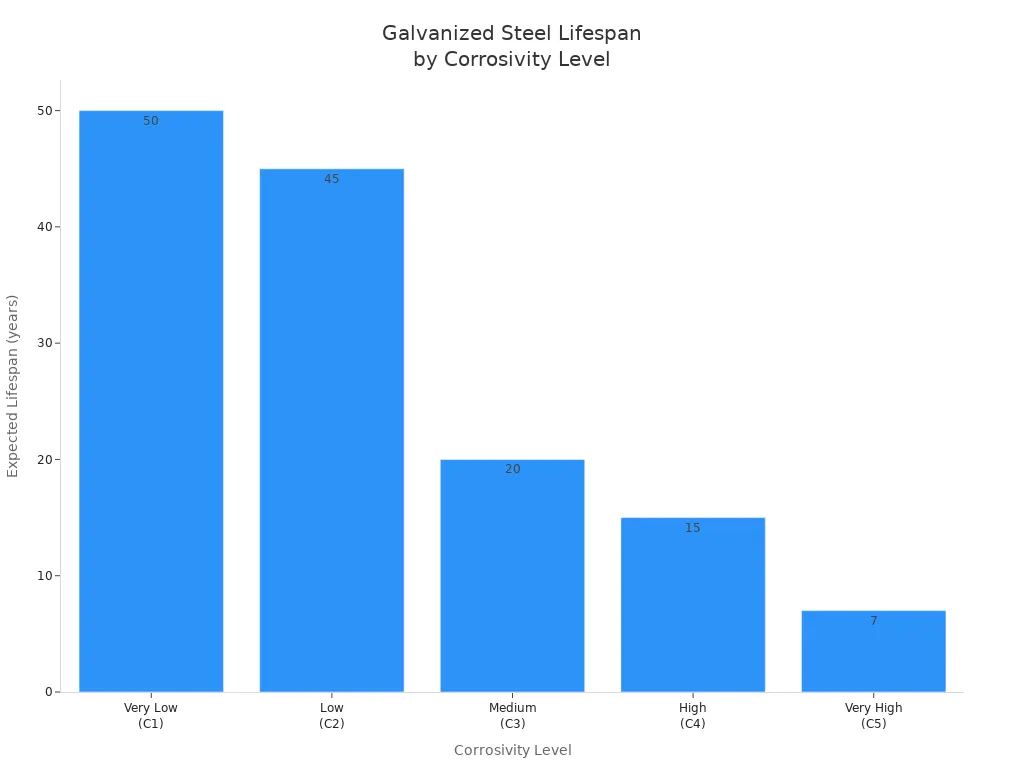
Here is a table to help you see how different environments affect galvanized steel:
| Corrosivity Level | Typical Environment | Expected Lifespan | Impact on Suitability |
|---|---|---|---|
| Very Low (C1) | Dry indoor, low humidity | 50+ years | Highly suitable |
| Low (C2) | Rural, mild pollution | 40-50 years | Suitable |
| Medium (C3) | Urban, light industry | 15-25 years | Moderate suitability |
| High (C4) | Coastal, heavy industry | 10-20 years | Reduced suitability |
| Very High (C5) | Offshore, high pollution | 5-10 years | Poor suitability |
You should also think about temperature. Galvanized steel stays strong up to about 200°C, but higher heat can damage the zinc. If your project faces freeze-thaw cycles or big temperature swings, you may need extra checks and care.
Budget and Lifecycle Costs
When you plan a project, you want to get the most value for your budget. Galvanized steel costs more at first than wood or some plastics, but it lasts much longer. For example, hot-dip galvanized steel poles can last 50 to 80 years, while wood poles last about 30 years. Over time, you save money because you do not need to replace or repair galvanized steel as often.
Many budget-conscious projects choose galvanized steel because it offers savings over the full life of the structure. You avoid the health and environmental risks that come with treated wood. Galvanized steel is also recyclable, which helps the environment and can lower costs in the long run.
A study of bridges in Pennsylvania showed that steel bridges, including those with galvanized steel, had the longest average lifespan and competitive costs compared to concrete. You pay a bit more at the start, but you spend less on maintenance and replacement. This makes galvanized steel a smart choice for budget-conscious projects that need to last.
Tip: If you want to stretch your budget, look at the total cost over the life of your project, not just the price on day one.
Regulatory and Safety Concerns
You must follow rules and safety standards when you use galvanized steel in public projects. In the United States, the steel and the galvanizing process must happen domestically for most infrastructure jobs. Some rules allow exceptions if you cannot get enough domestic materials or if costs rise too much.
Here is a table with some key standards:
| Regulatory Framework | Description |
|---|---|
| AISI Design Standards (S100-, S200-, S300-, S400-Series) | These cover steel design and are part of building codes. |
| Adoption in I-Codes | The 2018 and 2021 International Codes include these standards. |
You also need to think about safety. Heating galvanized steel above 200°C releases zinc oxide fumes, which can make you sick. Always use protective gear when welding or cutting. Old galvanized steel may contain lead, so check before you reuse it. Galvanized steel is safe for fences and outdoor furniture, but do not use it where it will touch food or acids.
Note: Following safety rules and codes keeps your project safe and legal.
Galvanized steel gives you strong protection against rust and damage. You get a cost-effective choice for many outdoor and heavy-duty projects. You should consider galvanized steel when you need high strength, moderate corrosion resistance, and a long lifespan.
- Use galvanized steel for building frameworks, fencing, and utility poles.
- Choose alternatives like stainless steel in marine or highly corrosive areas, or when you need a smooth, painted finish.
- Remember, regular inspection and maintenance help extend the life of galvanized steel in your project.
Tip: Always match your material choice to your project’s environment, budget, and design needs.
FAQ
How can you tell if steel is galvanized?
You can look for a dull gray finish with a slightly spangled or mottled pattern. Galvanized steel feels smooth and may show small marks from the coating process. If you scratch the surface, you will see the zinc layer instead of bare steel.
Can you paint over galvanized steel?
Yes, you can paint galvanized steel. You need to let the zinc coating weather for a few months. Clean the surface well before painting. Use a primer made for galvanized metal. This helps the paint stick and last longer.
Is galvanized steel safe for drinking water?
You can use new galvanized steel pipes for drinking water, but old pipes may release lead or rust. Always check local codes. Many modern systems use other materials like copper or plastic for water lines to avoid these risks.
What is the best way to clean galvanized steel?
You can clean galvanized steel with mild soap and water. Use a soft brush or cloth. Avoid harsh chemicals or abrasive pads. Rinse well and dry the surface. Regular cleaning helps prevent stains and keeps the zinc coating strong.
Does galvanized steel rust?
Galvanized steel resists rust because of its zinc coating. Over time, the coating can wear away, especially in harsh environments. If the zinc layer gets damaged or wears off, the steel underneath can start to rust. Regular checks help you spot problems early.