
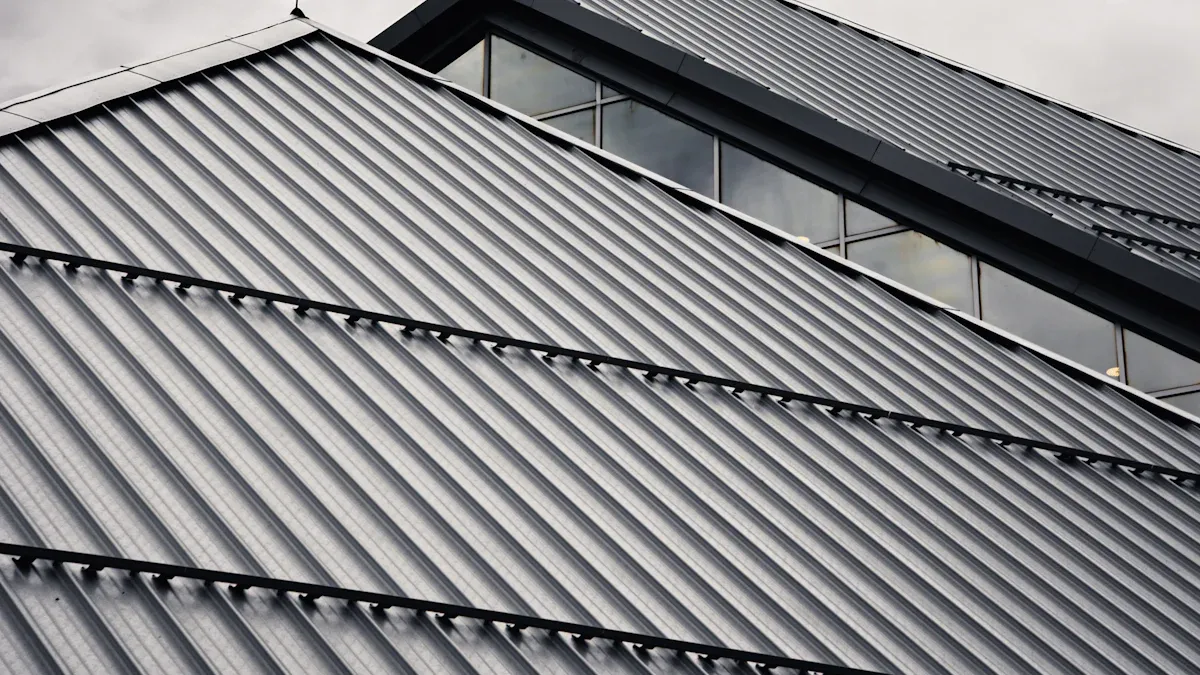
A 26 gauge galvanized steel sheet gives you a strong yet thin sheet metal option. You see this material often because it measures just 0.0179 inches thick. The zinc coating protects the sheet metal from corrosion and boosts durability. Many people choose 26 gauge for projects that need lightweight yet tough material. You can bend and cut this sheet metal easily, making it useful for many jobs. With 26 gauge, you get both durability and flexibility in one sheet metal product.
Tip: 26 gauge galvanized steel sheet offers a balance between strength and weight, making it a favorite for builders and DIYers.
What Is a 26 Gauge Galvanized Steel Sheet?
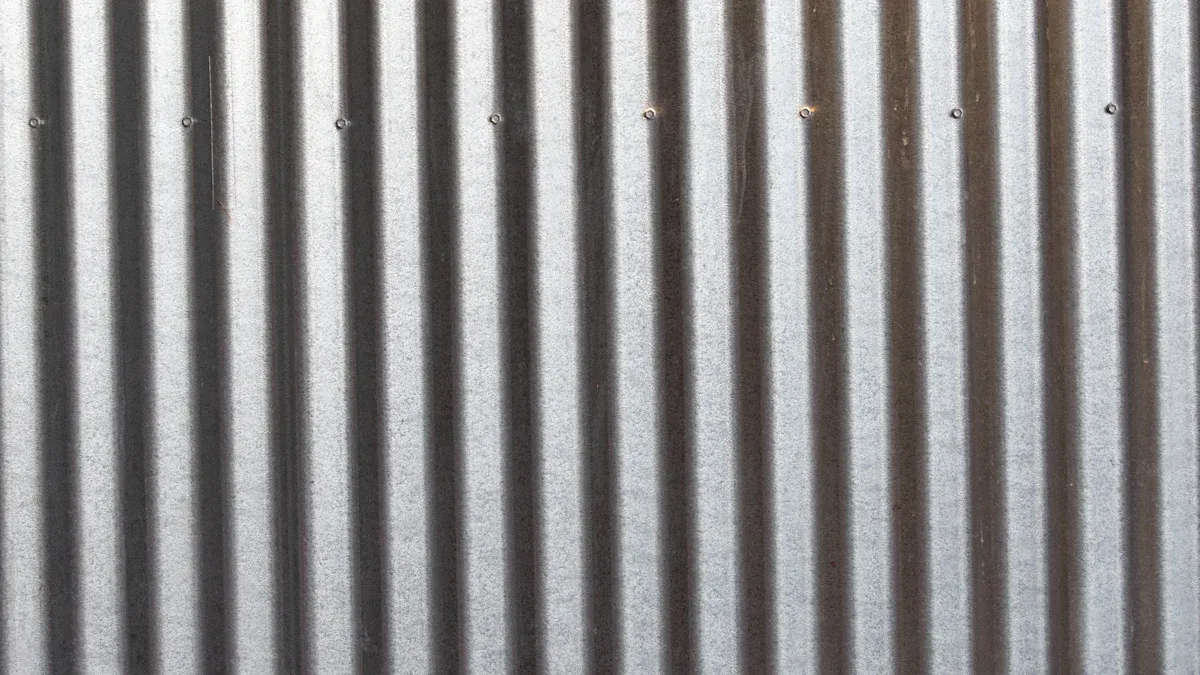
26 Gauge Thickness and Measurement
When you look at a 26 gauge galvanized steel sheet, you see a thin but sturdy piece of sheet metal. The thickness of 26 gauge sheet metal is important because it affects how you use the material. In the steel industry, the thickness of 26 gauge is measured using precise tools like feeler gages and thickness testers. These tools help manufacturers make sure the sheet metal meets strict standards.
The American Iron and Steel Institute (AISI) sets the accepted thickness for 26 gauge galvanized steel. You usually find this sheet metal at about 0.0217 inches thick, or 0.55 millimeters. This measurement does not include the zinc coating. The gauge system comes from the number of times the metal is drawn during manufacturing. Each metal gauge has its own chart, so you need to use the right one for galvanized steel.
Here is a table that shows the standard thickness for 26 gauge galvanized steel sheet:
| Gauge | Thickness (inches) | Thickness (mm) |
|---|---|---|
| 26 | 0.0217 | 0.55 |
Note: Always check the correct sheet metal gauge chart for your material. Using the wrong chart can lead to mistakes in your project.
Key Properties of 26-Gauge Steel
You get several important properties when you choose 26-gauge steel. The zinc coating on this sheet metal protects it from rust and corrosion. This makes 26 gauge galvanized steel sheet a good choice for outdoor projects or places with moisture. The zinc layer acts as a shield, but it is not self-healing. If the coating gets damaged, the steel underneath can start to rust. Stainless steel resists corrosion better because it forms a self-healing layer, but it usually costs more.
Galvanized steel stands up well to water and chlorine. The zinc coating sacrifices itself to protect the steel, which helps the material last longer. However, in very harsh environments, like near the ocean, you might want to use stainless steel or Galvalume® for even better protection. Galvalume® has a zinc-aluminum-silicon coating that gives it a self-healing property and better rust resistance.
You can bend, cut, and shape 26 gauge sheet metal with basic tools. This makes it easy to use for many projects. The balance between strength and weight means you can handle the material without special equipment. You get good durability for most home and light commercial uses.
26 Gauge vs. Other Sheet Metal Gauges
When you compare 26 gauge sheet metal to other gauges, you notice differences in weight, strength, and cost. The steel gauge number tells you how thick the sheet metal is. A lower number means a thicker and heavier sheet. For example, 24 gauge is thicker than 26 gauge, and 28 gauge is thinner.
Here is a table that compares the weight per square foot for different gauges:
| Gauge | Weight per Square Foot (lbs) |
|---|---|
| 24-gauge | 1.156 |
| 26-gauge | 0.906 |
| 28-gauge | 0.781 |
You can also see the weight difference in this chart:
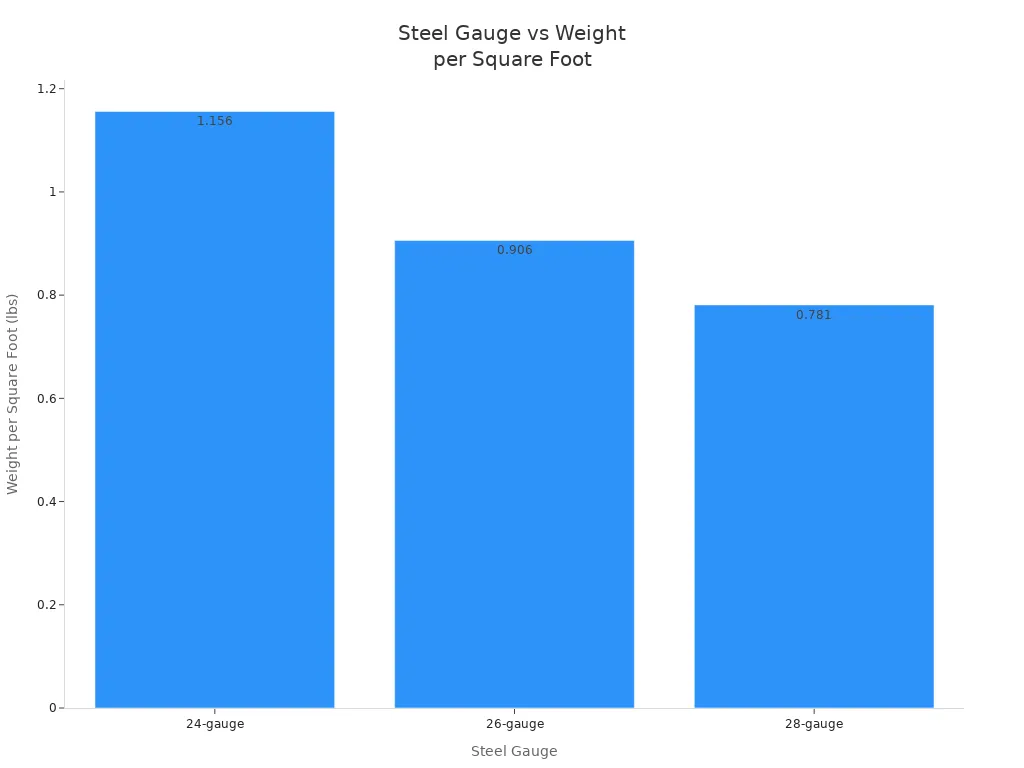
If you choose a thicker sheet metal gauge, like 24 gauge, you get more strength and weight. This can be important for roofs or walls in areas with strong winds or heavy snow. Thinner gauges, like 28 gauge, weigh less and cost less, but they may not last as long or hold up as well under stress.
The cost of 26 gauge galvanized steel sheet is higher than thinner options, such as 29 gauge. You pay more upfront, but you get better durability and fewer repairs over time. Builders often pick 26 gauge for its balance of price, strength, and long-term performance. Thicker gauges, like 24 or 22, cost even more and are best for extreme weather.
Tip: When you select sheet metal for your project, think about the environment, the needed strength, and your budget. The right metal gauge can save you money and trouble in the long run.
Common Uses of 26 Gauge Galvanized Steel Sheet
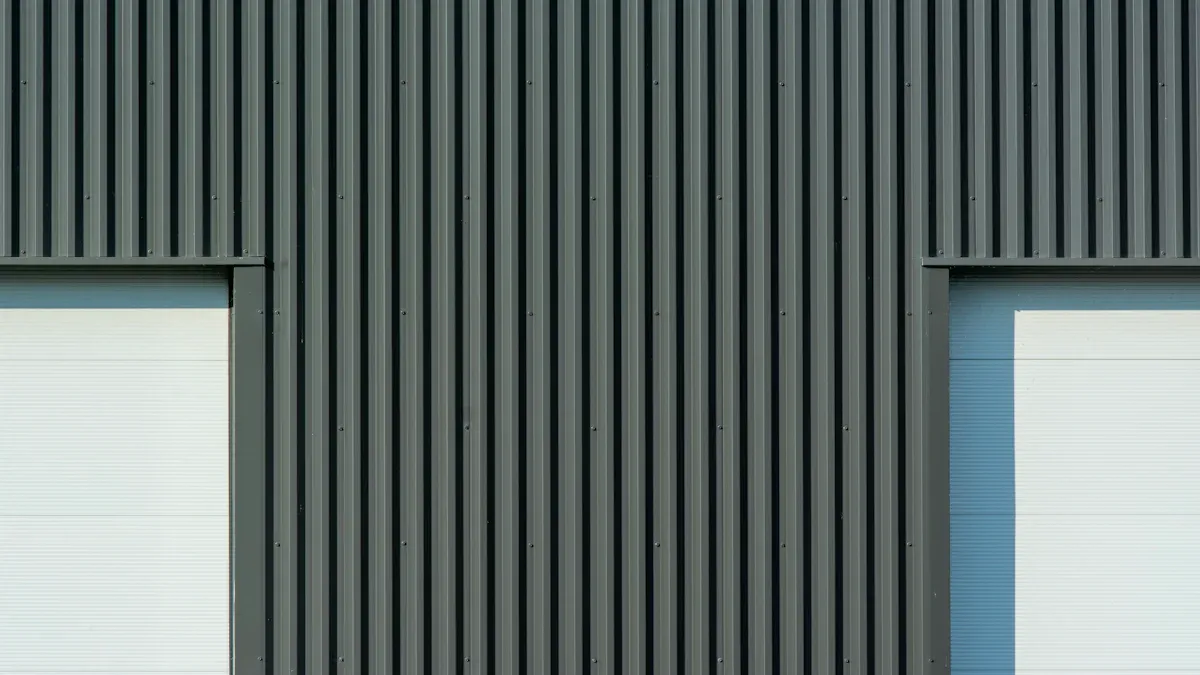
You will find 26 gauge sheet metal in many industries because of its strength, flexibility, and resistance to corrosion. This type of sheet metal works well for both indoor and outdoor projects. Here are some of the most common applications:
- Construction: roofing, siding, gutters, downspouts, soffits, fascia, flashing, trim, structural components, and decorative uses
- Automotive: body panels, frames, and repairs
- Appliances: refrigerators, ovens, washing machines
- HVAC equipment: air conditioning, ventilation systems, ductwork, and vents
- Agricultural buildings: barns and sheds
- Solar panel frames
- Industrial manufacturing: machinery parts, equipment enclosures, and structural elements
- Cooling towers
- Metal furniture
Roofing Applications
You often see 26 gauge sheet metal used in metal roofing. This material gives you a strong roof that stands up to rain, snow, and wind. Many homeowners and builders choose 26 gauge for residential roofs because it offers a good balance between cost and performance. You can install it quickly, and it is easier to handle than thicker metal sheets.
Here is a table that shows how 26 gauge galvanized steel compares to thicker gauges for metal roofing:
| Performance Aspect | 26-Gauge Galvanized Steel Benefits | Trade-offs Compared to Thicker Gauges (e.g., 24-Gauge) |
|---|---|---|
| Cost | 8% to 15% cheaper upfront | Slightly less durable, lacks some engineering certifications |
| Handling & Installation | Easier to bend, cut, and manipulate; quicker installation | Less rigid, more prone to oil canning (visible waviness) |
| Suitability | Well-suited for residential roofing and less strict codes | Not ideal for commercial or extreme weather applications |
| Impact Resistance | Maintains Class 4 impact resistance | N/A |
| Fire Rating | Maintains Class A fire rating | N/A |
| Engineering Certifications | Limited compared to 24-gauge systems | 24-gauge preferred for certified, high-performance needs |
| Overall Performance | Good balance of cost and performance for residential use | Compromises in strength and durability compared to thicker steel |
You get a roof that resists fire and impact, which is important for safety. 26 gauge sheet metal also helps protect your home during extreme weather conditions. You can expect your metal roofing to last for decades with proper care.
Tip: Choose 26 gauge sheet metal for your roof if you want a strong, affordable, and long-lasting solution for most homes.
Siding and Wall Panels
You can use 26 gauge sheet metal for siding and wall panels on homes, barns, and commercial buildings. This material gives you a tough barrier against wind, rain, and even hail. 26 gauge steel siding is much stronger than thinner options and can handle extreme weather conditions like hurricanes and tornadoes. It is up to four times less likely to warp or expand compared to other materials.
Unlike wood siding, which needs repainting every few years and may only last about 20 years, steel siding requires almost no maintenance. You only need to clean it occasionally. It does not rot, warp, or attract insects. Metal siding panels made from 26 gauge sheet metal can last 40 to 60 years, far longer than vinyl or wood. Many manufacturers offer warranties of 40 years or more, making it a smart long-term investment.
You can also choose 26 gauge sheet metal with a wood grain finish. This gives you the look of wood without the hassle of painting or worrying about rot. The steel core resists fire, hail, and wind-blown debris, so your building stays protected year after year.
Note: Metal siding panels made from 26 gauge sheet metal are a sustainable and cost-effective choice for both homes and businesses.
HVAC Ductwork and Ventilation
You will find 26 gauge sheet metal used in many HVAC systems. This material meets industry standards for strength and durability. It is a top choice for ductwork in homes and commercial buildings because it resists corrosion and damage from pests. Galvanized steel ductwork lasts longer than flexible ducts and reduces air loss, which helps your HVAC system run more efficiently.
26 gauge sheet metal is strong enough to handle outdoor conditions and under-home installations. It stands up to rodents and other pests better than aluminum or plastic ducts. The zinc coating protects the steel from rust, so your ductwork stays in good shape for many years. You can also insulate metal ducts on the outside, which avoids health risks from fibers inside the air system.
Tip: Use 26 gauge sheet metal for HVAC ductwork if you want a system that lasts, resists damage, and keeps your air clean.
Fencing and Enclosures
You can use 26 gauge sheet metal to build strong and reliable fences. Many people choose this material for fencing because it stands up to weather, animals, and daily wear. The zinc coating on 26 gauge sheet metal protects your fence from rust and corrosion. This means your fence will last longer, even in wet or humid climates.
You can create enclosures for gardens, pets, or equipment with 26 gauge sheet metal. The material bends easily, so you can shape it to fit your needs. You can cut the sheet metal with tin snips or power tools. This makes it simple to build custom enclosures for your yard or business.
Many farms and commercial properties use 26 gauge sheet metal for animal pens and storage areas. The steel keeps animals safe and prevents them from escaping. You can also use this material to build privacy screens or windbreaks. The smooth surface of the sheet metal makes it hard for animals to climb or chew through.
Tip: If you want a fence that lasts for years with little maintenance, choose 26 gauge sheet metal. You can paint or coat the surface for extra protection or to match your property’s style.
You can also combine 26 gauge sheet metal with wood or other materials. This gives your fence a unique look and adds strength. Many people use sheet metal panels between wooden posts for a modern design. You can install these panels quickly, which saves time and labor.
Home and DIY Projects with 26 Gauge Sheet Metal
You can use 26 gauge sheet metal for many creative home and DIY projects. This material is easy to work with because you can bend, cut, and shape it without special tools. The magnetic property of 26 gauge sheet metal (except for copper, aluminum, and stainless steel) adds even more possibilities for your projects.
Here are some popular home and DIY applications for 26 gauge sheet metal:
- Magnet boards for organizing notes, photos, or tools
- Display boards for kitchens, offices, or classrooms
- Birdhouses that resist weather and last for years
- Decorative wall panels or backsplashes
- Custom shelves or storage bins
- Planter boxes for indoor or outdoor use
- Coverings for tables or countertops
- Cabinet or drawer liners
You can find 26 gauge sheet metal in many colors and sizes. This makes it easy to match your project to your home’s style. Many people use sheet metal to add a modern or industrial look to their rooms. You can also use it for repairs around the house, such as patching holes or reinforcing doors.
You can cut 26 gauge sheet metal with tin snips. You can also use a utility knife for straight lines. The material bends without cracking, so you can make rounded shapes or corners. You can attach the sheet metal with screws, nails, or adhesives, depending on your project.
Note: Always wear gloves and eye protection when working with sheet metal. The edges can be sharp, so safety comes first.
You can use 26 gauge sheet metal for both decorative and functional applications. Many crafters and DIYers choose this material because it is affordable, easy to handle, and long-lasting. You can create unique pieces for your home or give your old furniture a new look.
Advantages and Disadvantages of 26 Gauge Galvanized Steel
Benefits of 26 Gauge Sheet Metal
When you choose 26 gauge galvanized steel, you get a material that balances strength, weight, and cost. This sheet metal is lighter than thicker options like 24 gauge, so you can handle and install it more easily. You do not need heavy equipment for most projects. The lighter weight also makes it a good choice for buildings that cannot support heavy materials.
You will notice that 26 gauge steel offers better workability than thicker gauges. You can cut, bend, and shape it with basic tools. This makes your installation process faster and less tiring. At the same time, you get more durability benefits than with thinner gauges like 29. The zinc coating protects the steel from rust, which helps your project last longer.
Many homeowners pick 26 gauge galvanized steel because it is cost-effective. Thicker gauges can cost up to 40% more, but 26 gauge gives you enough strength for most residential needs. You also get good impact resistance, which means your roof or siding can handle hail and falling branches better than thinner metal.
Tip: 26 gauge galvanized steel is a smart choice if you want a balance of price, strength, and easy installation.
Drawbacks to Consider
You should also know the limitations of 26 gauge galvanized steel. This material can be noisy during rain or hail. You might hear a loud tapping sound, especially on roofs or siding.
Here are some common drawbacks:
- 26 gauge steel can dent or buckle if hit by heavy objects, such as tree branches or sports equipment.
- If the zinc coating wears off, the steel underneath can rust. You may need to repaint or coat the surface for extra protection.
- The look of galvanized steel is often industrial. This may not fit every design style.
- 26 gauge sheets cost more than thinner options and may take longer to deliver due to their weight and size.
You should weigh these factors before starting your project. For most homes, 26 gauge offers a good mix of strength and value, but it is not perfect for every situation.
Practical Guide to Selecting and Working with 26 Gauge Galvanized Steel Sheet
How to Choose the Right 26 Gauge Sheet
When you select a 26 gauge galvanized steel sheet, you need to think about your project’s needs. Different jobs require different strengths and thicknesses. Here are some important factors to consider:
- Look at how you will attach the panels. Standing seam panels need more steel strength, while thru-fastened panels depend on the fasteners.
- Think about your local weather. High winds, hail, and heavy foot traffic call for thicker steel.
- Check the building type. Homes and light commercial buildings often use 26 gauge, but open-framed or commercial buildings may need thicker sheets.
- Consider your budget. Thicker steel costs more, but 26 gauge usually gives enough strength for most homes.
- Pay attention to appearance. Oil-canning, or waviness, can happen for many reasons, not just thickness.
- Make sure you hire skilled installers. Good installation matters as much as the steel’s thickness.
Tip: Always measure your project area in person. Plans can be wrong, and mistakes can cost time and money.
Cutting and Handling 26 Gauge Galvanized Steel
You must handle sheet metal with care to avoid injury and damage. Always wear gloves and safety glasses. The edges can be sharp. When you move panels, lift or roll them off the stack instead of dragging. Carry panels by the edge and keep them upright. For long panels, ask for help.
Store your steel sheets in a dry place. If they get wet, dry and restack them before use. Do not cover them with plastic unless you leave space for air to flow. This prevents moisture from building up and damaging the metal.
Note: Proper storage and careful handling keep your 26 gauge sheets in top shape for your project.
Fastening and Installing 26 Gauge Sheet Metal
You have two main ways to fasten 26 gauge galvanized steel sheets. Each method has its own pros and cons. Here is a table to help you choose:
| Fastening Method | Description | Advantages | Disadvantages | Best Use |
|---|---|---|---|---|
| Standing Seam | Hidden fasteners, panels lock together | Durable, sleek look, less maintenance | Harder to install, needs skilled workers | Premium roofs and walls |
| Exposed Fastener | Screws go through the face of the panel | Easy, fast, lower cost, DIY-friendly | More holes, needs more checks for leaks | Most common for homes and light buildings |
Make sure you use the right fastener for your roof or wall type. Do not over-tighten or under-tighten screws. Use the correct sealant and underlayment to stop leaks. Always follow the manufacturer’s instructions.
Callout: Careful installation helps prevent dents, leaks, and waviness. Take your time and double-check your work.
Safety Tips for Working with 26 Gauge
When you work with 26 gauge galvanized steel sheets, you need to stay safe. This material can be sharp and heavy. You may face several risks if you do not take the right steps. Here are some of the most common hazards you might encounter:
- Falls from working at heights, such as on roofs or ladders
- Cuts from sharp metal edges
- Injuries from tools like snips or drills
- Electrical risks from overhead power lines or electric tools
- Strains from lifting or moving large panels
- Problems from working in bad weather, like rain or strong wind
You can avoid many injuries by following simple safety rules. Always wear cut-resistant gloves to protect your hands from sharp edges. Safety glasses keep your eyes safe from flying metal pieces. If you work above the ground, use fall protection gear like harnesses or guardrails. Hard hats and non-slip shoes help protect your head and feet.
When you cut 26 gauge sheets, support the panel fully. This keeps the metal from bending and helps you avoid slips. Do not use abrasive tools, such as angle grinders, because they can damage the zinc coating. After you cut the metal, file or sand the edges to make them smooth. This step lowers the risk of cuts later.
Stay alert when you work near power lines. Keep your tools and panels away from electricity. If you need to move large sheets, ask for help. Working with a partner makes lifting safer and easier. Try to avoid working in rain or strong wind, as wet or slippery surfaces increase the chance of accidents.
Tip: Take your time and check your work area before you start. A clean, dry space helps you stay safe and work better.
You get many advantages when you choose a 26 gauge galvanized steel sheet for your project.
- Le zinc coating gives strong corrosion resistance and long service life.
- You can use it for metal roofing, siding, and many home or commercial jobs.
- Always check your local codes and follow safe handling steps.
- Think about your climate, building type, and maintenance needs before you decide.
This material offers a smart, cost-effective solution for most residential and light commercial needs.
FAQ
What does “galvanized” mean for steel sheets?
Galvanized means the steel sheet has a thin layer of zinc on its surface. This zinc coating helps protect the steel from rust and corrosion. You get a longer-lasting material for outdoor and indoor projects.
Can you paint 26 gauge galvanized steel sheets?
Yes, you can paint galvanized steel sheets. Clean the surface first. Use a primer made for metal. Choose a paint that works on galvanized surfaces. This helps the paint stick and last longer.
How do you cut 26 gauge galvanized steel at home?
You can cut 26 gauge steel with tin snips for short cuts. For longer or straight cuts, use a metal shear or a jigsaw with a metal blade. Always wear gloves and safety glasses to protect yourself.
Is 26 gauge steel strong enough for a roof?
Yes, 26 gauge steel works well for most residential roofs. It offers good strength and resists dents from hail or debris. Many builders use it because it balances weight, cost, and durability.
How do you prevent rust on galvanized steel sheets?
Keep the zinc coating intact. Avoid scratching or damaging the surface. If you see bare spots, touch them up with zinc-rich paint. Store sheets in a dry place to stop moisture from causing rust.