
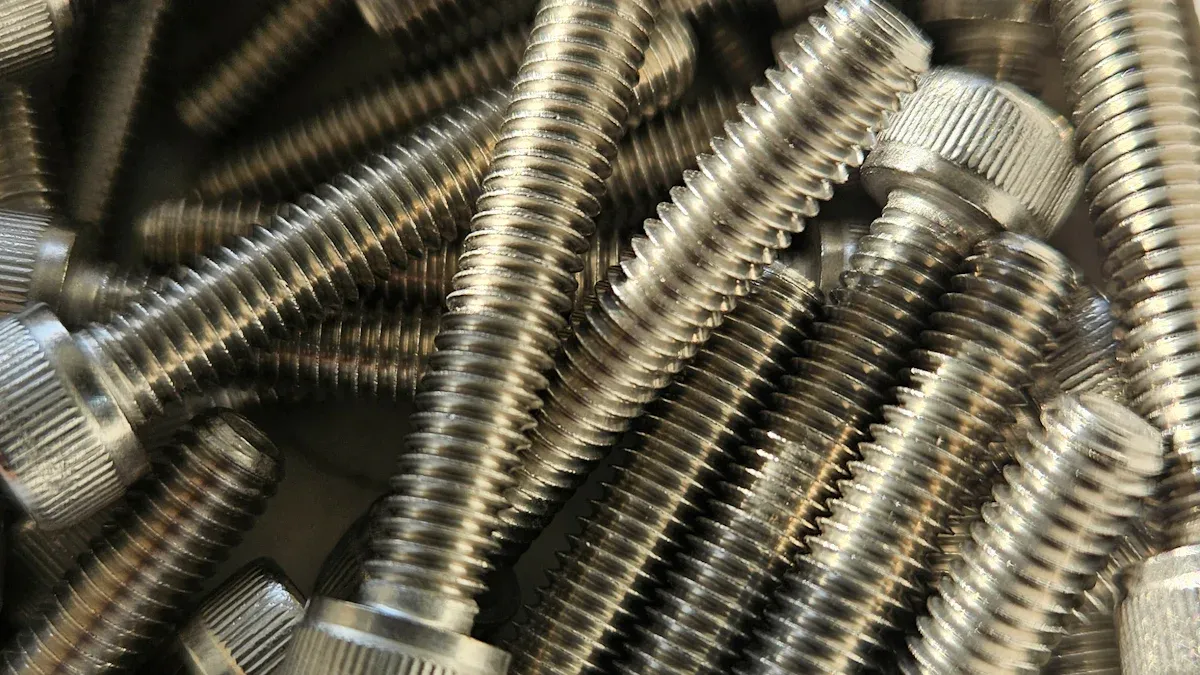
Choosing the right metal matters for your project. Stainless steel gives you strong protection against rust and damage, so you can trust it in tough places. Galvanized steel saves you money and works well in less harsh settings. When you compare stainless steel vs galvanized steel, think about what your job needs, how much you want to spend, and where you will use the material.
Stainless Steel: What You Need to Know
How Stainless Steel Is Made
You start with iron as the main ingredient. To make acier inoxydable, you add chromium and sometimes other metals like nickel or molybdenum. These extra metals help create a strong and shiny material. Workers melt the metals together in a furnace. After melting, they shape the stainless steel into sheets, bars, or other forms. The last step is cooling and finishing, which gives stainless steel its smooth surface.
Tip: The chromium in stainless steel forms a thin layer on the surface. This layer protects the metal from rust and damage.
Key Properties of Stainless Steel
Stainless steel stands out because it does not rust easily. You can use it in places with water or chemicals. It also has high strength, so it holds up well under pressure. Stainless steel looks shiny and smooth, which makes it popular for kitchens and hospitals. You will find that stainless steel is easy to clean. It does not stain or change color quickly.
Here are some key properties:
- High corrosion resistance
- Long-lasting and durable
- Easy to clean and maintain
- Attractive appearance
Common Types of Stainless Steel
You will see different types of stainless steel for different jobs. The most common types include:
| Taper | Main Feature | Common Uses |
|---|---|---|
| 304 | Good for most uses | Sinks, cookware |
| 316 | Extra protection from salt | Marine, food industry |
| 430 | Less expensive | Appliances, trim |
Each type of stainless steel has its own benefits. You can choose the right one based on your needs.
Galvanized Steel: Essential Facts
How Galvanized Steel Is Made
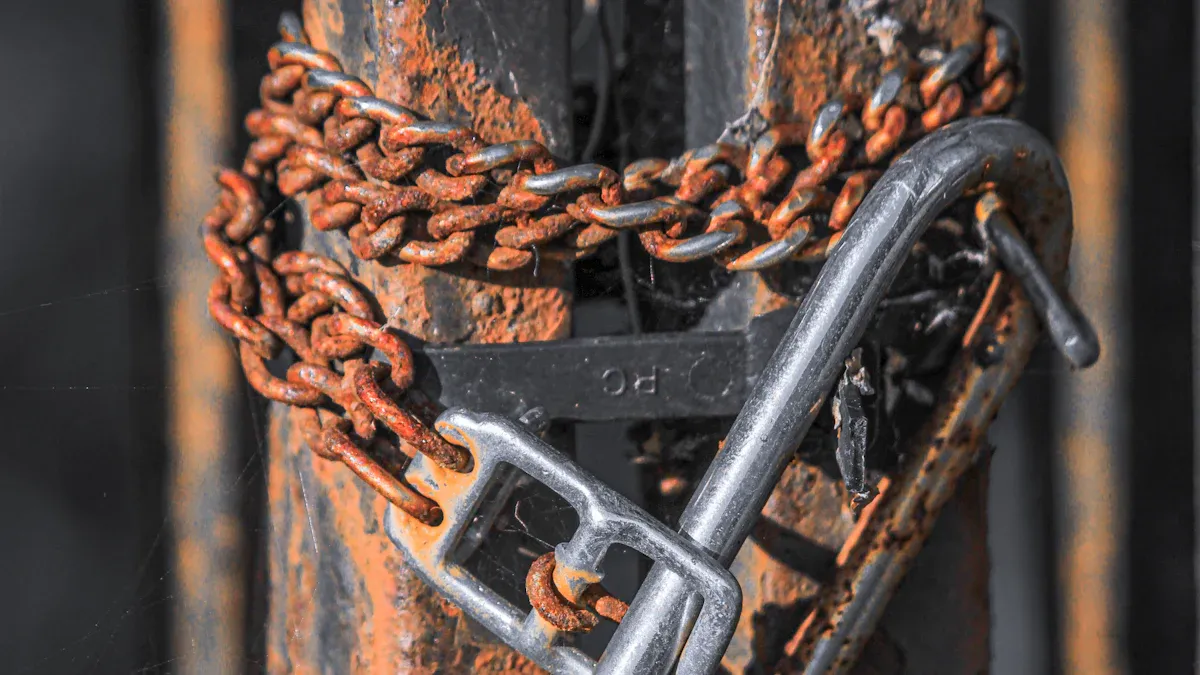
You make galvanized steel by coating regular steel with a layer of zinc. This process helps protect the steel from rust and damage. The most common way to do this is called hot-dip galvanizing. In this method, you dip the steel into a bath of molten zinc. The zinc sticks to the surface and forms a strong bond. Sometimes, factories use electro-galvanizing, where they use electricity to apply a thin layer of zinc. Both methods help you get a tough and long-lasting product.
Note: The zinc layer acts as a shield. If the surface gets scratched, the zinc still protects the steel underneath.
Key Properties of Galvanized Steel
Galvanized steel stands out because it resists rust much better than plain steel. You can use it outdoors or in places where water might touch the metal. It also costs less than stainless steel, so you save money on big projects. Galvanized steel has a dull gray finish, which hides dirt and marks well. You do not need to paint it, but you can if you want a different look.
Here are some key properties:
- Good corrosion resistance
- Affordable for large jobs
- Easy to work with and cut
- Low maintenance needs
Types of Galvanization
You can choose from different types of galvanization based on your needs. The main types include:
| Taper | How It Works | Common Uses |
|---|---|---|
| Hot-dip galvanizing | Dipped in molten zinc | Fences, pipes, beams |
| Electro-galvanizing | Zinc applied with electricity | Car parts, appliances |
| Pre-galvanizing | Coated before shaping into products | Sheet metal, wire |
Each type gives you a different level of protection and finish. You should pick the one that fits your project best.
Stainless Steel vs Galvanized Steel: Key Differences
Résistance à la corrosion
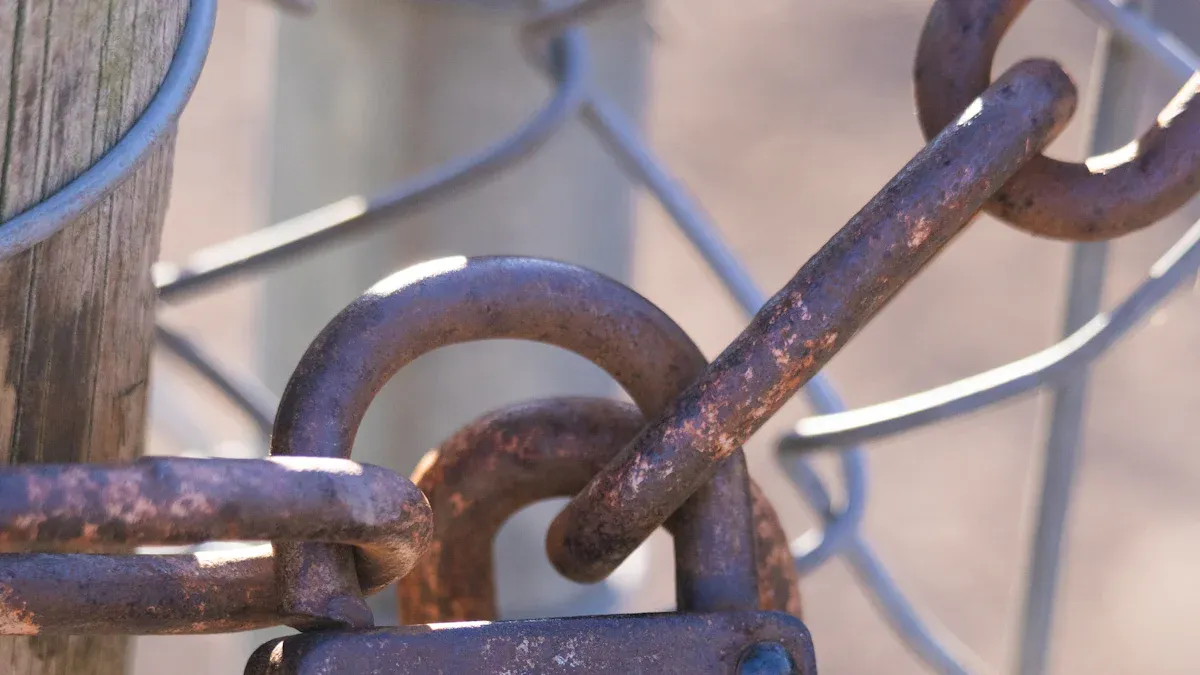
When you compare stainless steel vs galvanized steel, you notice big differences in how they handle rust and harsh environments. Corrosion resistance is one of the most important factors to consider. Here is what you need to know:
- Stainless steel contains chromium. This metal reacts with oxygen and forms a thin, invisible layer called chromium oxide. This layer protects the steel from rust and corrosion, even in places with saltwater.
- Galvanized steel has a coating of zinc. The zinc acts as a shield and protects the steel underneath. If the surface gets scratched, the zinc still helps prevent rust.
- In marine environments, seawater speeds up the corrosion of galvanized steel. The zinc layer can wear away up to ten times faster than in normal conditions. Tropical seawater makes this happen even quicker.
- Stainless steel works much better in marine settings. You see it used on ships and docks because it resists corrosion for a long time.
- Galvanized steel fits best in places where the air is dry or where water is not a big problem. Its zinc coating does not last as long in harsh, salty, or wet conditions.
- Both materials protect against rust around scratches, but stainless steel gives you better long-term protection.
Tip: If your project faces saltwater or lots of moisture, stainless steel offers the best corrosion resistance.
Strength and Durability
You want your project to last, so strength and durability matter. Stainless steel vs galvanized steel shows clear differences in these areas. Look at the table below to see how they compare:
| Property | Galvanized Steel (Mild Steel Base) | Acier inoxydable 304 | Acier inoxydable 316 |
|---|---|---|---|
| Fatigue Strength | Lower (not ideal for cyclic loads) | Excellent fatigue resistance | Superior fatigue resistance |
| Résistance à la traction | 270–500 MPa | 515–750 MPa | 520–770 MPa |
| Limite d'élasticité | 180–350 MPa | ~205 MPa | ~215 MPa |
| Elongation at Break | 20–30% | 40–45% | 40–50% |
| Dureté (Brinell) | ~120 HB | ~201 HB | ~217 HB |
| Impact Resistance | Moderate | High | High |
Stainless steel gives you higher strength and better fatigue resistance. This means it can handle repeated stress and heavy loads without breaking. Galvanized steel works well for many jobs, but it does not match the durability of stainless steel in tough conditions. If you need a material that stands up to pressure, vibration, or impact, stainless steel is the better choice.
Cost and Affordability
Cost often plays a big role in your decision. Stainless steel vs galvanized steel shows a clear difference in price. Stainless steel costs more because it uses special metals like chromium and nickel. The process to make it is also more complex. You pay more up front, but you get longer life and less need for repairs.
Galvanized steel is more affordable. The zinc coating adds some cost, but it is much cheaper than stainless steel. For large projects or when you need to save money, galvanized steel is a smart choice. You can use it for fences, roofing, or frames where extreme durability is not required.
Note: Think about the long-term value. Stainless steel may cost more now, but it can save you money on repairs and replacements in harsh environments.
Maintenance Needs
You want to keep your project looking good and working well. Maintenance needs can help you decide between stainless steel vs galvanized steel. Stainless steel needs very little care. You can wipe it clean with a damp cloth. It does not rust or stain easily. You do not need to paint it or add coatings. If you see fingerprints or smudges, you can use mild soap and water.
Galvanized steel needs more attention. The zinc coating protects the steel, but it can wear away over time. If you scratch the surface, you may need to touch up the zinc layer. You should check for rust, especially if you use it outside. If you see rust, you can clean it and add a zinc-rich paint. You may also need to wash off dirt or chemicals that build up on the surface.
Tip: Regular cleaning helps both materials last longer. You can use a soft brush or cloth for best results.
Appearance and Finish
You may care about how your project looks. Stainless steel vs galvanized steel gives you different choices for appearance and finish. Stainless steel has a shiny, smooth surface. You see it in kitchens, hospitals, and places where you want a clean look. It reflects light and stays bright for many years. You can choose from different finishes, like brushed, mirror, or matte.
Galvanized steel looks dull and gray. The zinc coating gives it a rough, spangled pattern. You often see this finish on fences, roofs, and outdoor structures. It hides dirt and scratches well. If you want a different color, you can paint galvanized steel. The paint sticks well to the rough surface.
| Feature | Acier inoxydable | Galvanized Steel |
|---|---|---|
| Surface | Shiny, smooth | Dull, rough |
| Couleur | Silver, bright | Gray, matte |
| Customization | Many finishes | Can be painted |
Note: If you want a modern or high-end look, stainless steel is the better choice. For a rugged or industrial style, galvanized steel works well.
Environmental Impact
You may wonder about the environmental impact of your material choice. Stainless steel vs galvanized steel affects the environment in different ways. Stainless steel uses metals like chromium and nickel. These metals come from mining, which can harm the land. However, stainless steel is 100% recyclable. You can melt it down and use it again without losing quality. Many stainless steel products contain recycled material.
Galvanized steel also has an environmental impact. Making zinc and coating steel uses energy and resources. The zinc can wash off over time and enter the soil or water. This can affect plants and animals. However, you can recycle galvanized steel. The steel and zinc can be separated and reused.
You can lower the environmental impact by choosing recycled materials. You can also recycle your project when you finish using it. Both materials last a long time, so you do not need to replace them often. This helps save resources and energy.
Remember: Recycling helps reduce the environmental impact of both stainless steel and galvanized steel.
You should think about the full life cycle of your material. Making, using, and recycling each type affects the environment. Stainless steel often has a lower environmental impact over time because it lasts longer and is easy to recycle. Galvanized steel can have a higher environmental impact if the zinc coating wears away quickly or if you need to replace it often.
When to Use Stainless Steel
Best Applications for Stainless Steel
You find stainless steel in many industries because it offers strong protection and a clean look. You often see it in kitchens, hospitals, and factories. These places need materials that stay clean and resist rust. Stainless steel works well in food processing and medical equipment. You can clean and sterilize it easily, which helps prevent bacteria from growing. Its hard surface does not scratch easily, so it keeps a polished appearance.
Here are some common applications where stainless steel stands out:
- Food processing equipment
- Medical tools and surgical instruments
- Kitchen sinks and appliances
- Chemical storage tanks
- Marine hardware and boat fittings
You can trust stainless steel in places with water, heat, or chemicals. It does not tarnish or rust, even when exposed to tough conditions. This makes it a smart choice for projects that need a long life expectancy.
Scenarios Where Stainless Steel Excels
You should choose stainless steel when you need strength, hygiene, and durability. It performs well in extreme temperatures, so you can use it in both hot and cold environments. Stainless steel also handles electricity and heat without losing its shape. You get reliable results in manufacturing, construction, and transportation.
Tip: Stainless steel is easy to find, so you do not have to worry about supply shortages.
You may pay more at first, but stainless steel saves you money over time. Its long-lasting nature means fewer repairs and replacements. You get peace of mind knowing your project will last for years. When you want a material that looks good, stays clean, and resists damage, stainless steel is the best option.
When to Use Galvanized Steel
Best Applications for Galvanized Steel
You often see galvanized steel in projects that need protection from rust but do not face extreme conditions. This material works well for outdoor structures and large construction jobs. You can use it for fences, guardrails, and street signs. Builders choose galvanized steel for roofing panels and gutters because it stands up to rain and wind. Farmers use it for barns, grain silos, and animal pens. You also find it in car frames and highway barriers.
Here are some common applications:
- Outdoor staircases and walkways
- Electrical poles and transmission towers
- HVAC ductwork
- Playground equipment
Tip: Galvanized steel is a smart choice when you want a balance between cost and durability.
Scenarios Where Galvanized Steel Is a Good Fit
You should pick galvanized steel when you need a material that lasts outside but does not cost too much. If your project faces rain, snow, or sun but not saltwater, this steel gives you good value. You can use it for temporary buildings or storage sheds. It also fits well in places where you need to build quickly and keep costs low.
The table below shows when galvanized steel is a good fit:
| Scenario | Why It Works Well |
|---|---|
| Rural fencing | Resists rust, easy to install |
| Warehouse shelving | Strong, low maintenance |
| Parking lot barriers | Durable, affordable |
| Farm equipment | Handles outdoor weather |
Note: Galvanized steel does not work well in marine environments or places with lots of chemicals. For those, you should choose stainless steel.
Choosing Between Stainless Steel and Galvanized Steel
Key Questions to Ask
Before you pick a material, you should ask yourself some important questions. These questions help you match the steel to your project’s needs. Think about where you will use the steel, how much you want to spend, and how long you want your project to last.
Here are some key questions to guide your decision:
What kind of environment will the steel face?
Will your project be outdoors, near the ocean, or in a place with chemicals? Stainless steel works best in harsh or wet environments. Galvanized steel fits better in dry or mild weather.How important is corrosion resistance?
If you need strong protection against rust, stainless steel gives you the best results. Galvanized steel protects well in less aggressive settings.What is your budget?
Galvanized steel costs less up front. Stainless steel costs more, but it can save you money over time because it lasts longer and needs less care.How much strength do you need?
Stainless steel is stronger and handles heavy loads better. Galvanized steel works for many jobs but is not as strong.Do you care about appearance?
Stainless steel looks shiny and modern. Galvanized steel has a dull, gray finish.How easy is it to work with the material?
Galvanized steel is easier to cut and weld. Stainless steel needs special tools and skills.How long do you want the project to last?
Stainless steel lasts longer, especially in tough conditions. Galvanized steel works well for many years in mild climates.
You can use the table below to compare the main factors:
| Factor | Galvanized Steel | Acier inoxydable |
|---|---|---|
| Résistance à la corrosion | Zinc coating protects against rust, good for moderate weather and less harsh environments. | Built-in chromium layer provides superior corrosion resistance, ideal for highly corrosive environments like marine or industrial settings. |
| Cost | More affordable, suitable for budget-conscious projects. | Higher upfront cost, but may save money long-term due to durability and low maintenance. |
| Durabilité | Durable for decades in moderate climates, zinc coating can wear off in harsh conditions. | Stronger and longer lifespan, withstands extreme conditions better. |
| Environmental Exposure | Suitable for moderate weather, less harsh environments. | Best for harsh environments with saltwater, chemicals, or high humidity. |
| Force | Adequate for many structural uses but less strong than stainless steel. | Higher strength, suitable for demanding applications. |
| Appearance | Dull, grayish finish, less suitable where aesthetics matter. | Shiny, polished finish, preferred for decorative and visible applications. |
| Workability | Easier to work with, cutting and welding simpler. | Harder to work with, requires special tools and techniques. |
| Longevity | Good lifespan in moderate conditions but limited in harsh environments. | Longer lifespan, especially in corrosive or demanding environments. |
Tip: Write down your answers to these questions. This will help you see which material fits your project best.
Practical Tips for Selection
You can make a better choice when you follow some best practices. These tips help you avoid mistakes and get the best results for your project.
Choose the right steel composition.
Pick steel with the right mix of elements. For galvanized steel, use low silicon and phosphorus to get a smooth, even coating. This helps prevent rough or thick spots.Plan your design for the process.
Make sure your steel parts fit into the galvanizing kettle. Most kettles hold pieces up to 40 feet long. If your parts are bigger, use modular designs.Match welding materials.
Use welding rods that are close in composition to your steel. This keeps welds smooth and helps the coating stick evenly.Prepare welds and joints.
Seal or vent overlapping joints. This prevents trapped air or moisture, which can cause rust or weak spots after galvanizing.Smooth the surfaces.
Grind seams and remove mill marks before galvanizing. This gives you a cleaner look and better coating.Handle edges with care.
Grind thermally cut edges at least 1/16 inch into the steel. This step improves the look and quality of the coating.Plan for lifting and moving.
Add lift points to your design. This avoids marks from chains or wires on the finished surface.Improve venting and drainage.
Use larger holes than the minimum required. Good venting helps the zinc flow and gives you a better coating.Prevent galvanic corrosion.
When you use both galvanized and stainless steel together, use galvanized fasteners and nonconductive spacers. This stops unwanted reactions between the metals.Avoid certain bolts for hot-dip galvanizing.
Do not hot-dip galvanize high-strength bolts like ASTM F3125 Grade A490. These bolts can become brittle. Use other ways to protect them from rust.Work with your supplier early.
Talk to your galvanizer or steel supplier before you start. They can help you plan your design, choose the right materials, and avoid problems.
Note: Careful planning and good communication with your team lead to better results and fewer surprises.
By asking the right questions and following these tips, you can choose the best steel for your project. You get a material that fits your needs, lasts longer, and looks the way you want.
You now know the key differences between stainless steel and galvanized steel. Stainless steel gives you top corrosion resistance and strength. Galvanized steel offers a lower cost and works well in mild conditions.
- Choose stainless steel for harsh or wet environments.
- Pick galvanized steel for budget projects in dry areas.
Remember: Match your material to your project’s needs, environment, and long-term goals for the best results.
FAQ
What is the main difference between stainless steel and galvanized steel?
Stainless steel contains chromium, which protects it from rust. Galvanized steel has a zinc coating that shields it from corrosion. You get better long-term protection with stainless steel, especially in harsh environments.
Can you weld galvanized steel and stainless steel together?
You can weld them, but you need special care. The zinc coating on galvanized steel can create fumes. Always work in a well-ventilated area and wear safety gear. Stainless steel needs different welding rods than galvanized steel.
Which material lasts longer outdoors?
Stainless steel lasts longer outdoors, especially near water or salt. Galvanized steel works well in dry or mild climates. If you want the best outdoor durability, choose stainless steel.
Is stainless steel magnetic?
Some types of stainless steel are magnetic. For example, 430 stainless steel attracts magnets. Most common stainless steels, like 304 and 316, do not attract magnets.
Can you paint galvanized steel?
Yes, you can paint galvanized steel. Clean the surface first and use a primer made for zinc coatings. Paint helps protect the steel and gives you more color options.