
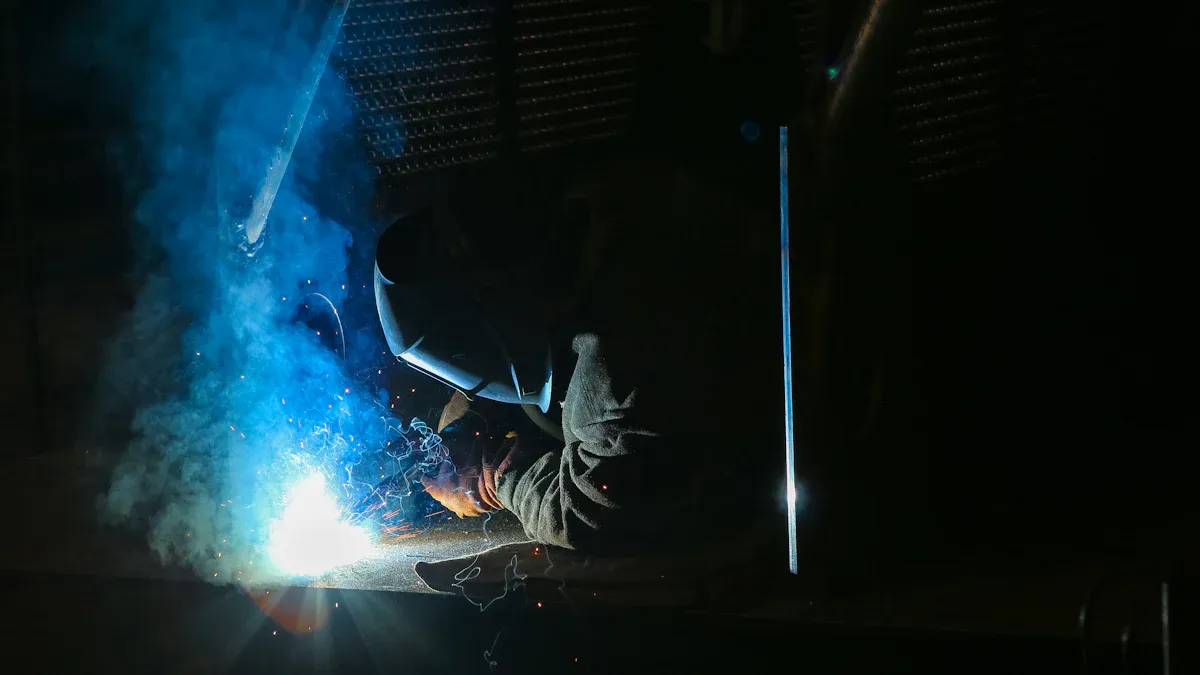
Metal fume fever affects you when you breathe in metal oxide fumes, especially zinc oxide fumes, often released during welding galvanized steel. You face a higher risk if you work with welding galvanized steel fumes because these fumes contain toxic metals. Many welders experience this illness, and studies show that about half of welders report having metal fume fever.
- Nearly 43% of welders are younger than 30 years old.
- Younger welders face a much higher risk.
- Lack of training and not using protective equipment increases your chances of getting sick from welding fumes.
Recognizing the early signs of metal fume fever can help you stay safe and recover faster.
What Is Metal Fume Fever?
Simple Definition
You may hear the term “metal fume fever” if you work around welding fumes. This illness happens when you breathe in freshly formed zinc oxide fumes or other metal fumes, especially during welding galvanized steel. Metal fume fever causes flu-like symptoms such as chills, fever, headache, and muscle aches. These symptoms usually start 4 to 8 hours after exposure to welding fumes and often go away within 24 to 48 hours.
Metal fume fever is not an allergic reaction. It happens because your lungs react to the metal fumes, causing your body to release chemicals that make you feel sick.
Doctors use your work history and symptoms to diagnose metal fume fever. You may notice symptoms like a metallic taste, cough, or sore throat. The illness is usually short-term, but repeated exposure to metal fumes can make you sick again.
Here is a table that shows the main facts about metal fume fever:
| Aspect | Description |
|---|---|
| Symptoms | Fever, chills, headache, muscle aches, joint pain, cough, metallic taste, sore throat, fatigue, nausea, and sometimes chest pain or dizziness. |
| Cause | Inhaling metal oxide fumes, especially zinc oxide fumes, from welding galvanized steel or other metals. |
| Diagnosis | Based on your job history and symptoms that appear 2–10 hours after exposure to welding fumes. |
| Clinical Course | Symptoms usually go away within 24 to 48 hours. Repeated exposure can cause “Monday Fever,” where you feel sick at the start of the workweek. |
You can see that freshly formed zinc oxide fumes are the main cause of metal fume fever. The illness is common among welders who work with galvanized steel.
The table below shows the safe exposure limits for zinc oxide fumes set by health agencies:
| Substance | Exposure Limits (mg/m3) | Source/Agency |
|---|---|---|
| Zinc oxide | TWA 5 (dust), TWA 5 (fume), STEL 10 (fume) | NIOSH REL, OSHA PEL, ACGIH TLV |
These numbers show how much zinc oxide fumes you can safely breathe at work. If you breathe more than these limits, you have a higher risk of getting metal fume fever.
Welding Galvanized Steel Fumes and Risk
When you weld galvanized steel, you create welding galvanized steel fumes that contain zinc oxide. Breathing in these fumes puts you at high risk for metal fume fever. The risk increases if you do not use proper protection, like a respirator or good ventilation.
Welding galvanized steel fumes are dangerous because the galvanized coating releases freshly formed zinc oxide fumes when heated. These fumes irritate your lungs and cause the symptoms of metal fume fever. Many welders in the United States get sick each year from exposure to welding fumes. If you keep breathing these fumes, you may develop chronic lung problems.
Always use safety equipment and work in well-ventilated areas to lower your risk of metal fume fever.
You should know that exposure to welding fumes does not just cause short-term illness. Over time, repeated exposure can lead to permanent lung damage. Protecting yourself from welding galvanized steel fumes is the best way to stay healthy at work.
Key Symptoms of Metal Fume Fever
Main Symptoms in Welders
When you work as a welder, you need to watch for the main symptoms of metal fume fever. This illness often feels like the flu, but it comes from breathing in metal fumes, especially zinc oxide. You may notice these symptoms after working with galvanized steel or other metals that release fumes.
The most commonly reported symptoms include:
- Fever (usually not higher than 102°F)
- Chills and shaking
- Nausea
- Fatigue and general weakness
- Muscle aches (myalgia) and joint pain (arthralgia)
- Headache
- Throat dryness and irritation
- Cough (often dry and nonproductive)
- Sweating
- Thirst and a sweet metallic taste in your mouth
You may also feel malaise, which means you feel unwell or uncomfortable. Many welders report an acute respiratory complaint, such as a dry cough or sore throat, soon after exposure. Studies from Ethiopia, Malaysia, Macedonia, and Tanzania show that welders have a much higher rate of cough and phlegm compared to office workers. For example, a study in Macedonia found that 73.3% of welders experienced coughing, and 80% had phlegm. These symptoms are more common if you do not use respiratory protective equipment or if you work indoors with poor ventilation.
Here is a table showing the prevalence of key symptoms among welders from different studies:
| Study Location | Sample Size & Design | Key Symptoms Prevalence | Risk Factors |
|---|---|---|---|
| Akaki Kality, Ethiopia | 233 welders vs 233 office workers | High rates of cough, phlegm | No respiratory protection, lack of safety training |
| Malaysia | Clinical study | Cough, chest illness, nausea | Welding fume exposure |
| Macedonia | Cross-sectional | Cough (73.3%), phlegm (80%) | Higher than controls |
| Tanzania | Comparative study | More respiratory symptoms | Lower education, poor machine maintenance |
Tip: If you notice a metallic taste in your mouth or develop a sudden cough after welding, take a break and move to fresh air.
Onset and Duration After Exposure
You may wonder how quickly metal fume fever symptoms appear. Most welders start to feel sick between 4 to 12 hours after breathing in metal fumes. The symptoms usually come on suddenly. You might finish your shift feeling fine, but a few hours later, you develop chills, fever, and a cough.
The illness does not last long for most people. Symptoms often resolve within 24 to 48 hours after you stop being exposed to the fumes. In some cases, you may feel better in just 12 hours. If you keep working with metal fumes without protection, you can get sick again. This pattern is sometimes called “Monday Fever” because symptoms often return after a weekend away from work.
Note: Acute respiratory complaint, such as a dry cough or sore throat, can be one of the first signs that you have inhaled too many metal fumes.
Severity and Progression
The severity of metal fume fever can vary. Most welders experience mild to moderate symptoms, but the illness can feel intense at first. You may have a high fever, chills, and muscle aches that make it hard to work or rest. The cough can be bothersome, and you might feel very tired.
Clinical data from the Louisiana Poison Control Center show that symptoms begin quickly, often within hours of exposure. Most welders recover within a day, but repeated exposure can make the illness come back. Some welders develop a short-lived tolerance to zinc oxide fumes, but this goes away after a day or two without exposure. If you keep getting sick, you may have more than ten episodes in your career. Over time, repeated metal fume fever can lead to allergic reactions or even chronic asthma.
Research also shows that welders with less safety training or poor working conditions face a higher risk of severe symptoms. If you do not use respiratory protection or work in areas with poor ventilation, you are more likely to have a strong acute respiratory complaint, such as a persistent cough or chest discomfort.
Remember: Metal fume fever is usually short-term, but ignoring the symptoms or repeated exposure can lead to long-term health problems.
How Welding Galvanized Steel Fumes Cause Metal Fume Fever
Cause and Mechanism
When you weld galvanized steel, you breathe in tiny zinc oxide particles. These particles enter your lungs and start a chain reaction. Your body reacts by creating reactive oxygen species, which are harmful molecules. These molecules trigger your immune system. Your lung cells release chemicals called cytokines. Cytokines cause inflammation, which leads to the symptoms of metal fume fever.
Clinical studies show that zinc oxide particles can also act as haptens. They attach to proteins in your body and form new antigens. Your immune system sees these as threats and starts to fight them. This process can cause symptoms like fever, cough, and chest tightness. Sometimes, you may even have allergic reactions such as shortness of breath or skin rashes.
Researchers have found that two main steps happen in your lungs. First, zinc oxide reacts with light and creates hydrogen peroxide. Then, iron particles in your lungs help turn this into even more harmful molecules. These molecules make your lung cells release more cytokines, which increases inflammation. Over time, your body may try to adapt by making special proteins to protect your lungs, but this does not always stop the illness.
Your body’s response to zinc oxide is fast and strong. This is why you feel sick soon after exposure.
- Inhaled zinc oxide creates reactive oxygen species in your lungs.
- These molecules activate pathways that release more cytokines.
- Your immune system reacts, causing fever, chills, and other symptoms.
- Sometimes, your body forms antibodies, which can lead to allergic reactions.
Exposure During Welding
You face the highest risk of metal fume fever when you weld galvanized steel without proper protection. The heat from welding melts the zinc coating, releasing zinc oxide fumes into the air. If you work in a space with poor ventilation, you breathe in more of these fumes.
Studies show that welders who work more than three days a week or for long hours each day have a higher chance of getting sick. The risk goes up if you do not use a respirator or if you skip safety training. Even if you feel fine at first, symptoms can appear hours later.
| Characteristic | Welders (n=27) | Nonwelders (n=31) |
|---|---|---|
| Welding frequency ≥3 days/week | 67% | N/A |
| Welding duration >2 hours/day | 63% | N/A |
This table shows that many welders have frequent and long exposure to welding fumes. The more you weld, the greater your risk of metal fume fever. Always use safety gear and make sure your workspace has good airflow.
Tip: Take breaks and move to fresh air if you start to feel unwell during or after welding.
Differentiating Metal Fume Fever from Other Illnesses
Similarities to Flu and Cold
When you first experience metal fume fever, you might think you have the flu or a common cold. The symptoms can look almost the same. You may feel chills, muscle aches, headache, fever, and a general sense of being unwell. Many people also develop a cough and chest discomfort. These symptoms usually peak about 18 hours after you breathe in metal fumes and last for about a day.
You might notice that both metal fume fever and the flu can make you feel tired and achy. Both can cause a fever and a cough. Because of this, it is easy to confuse the two, especially during cold and flu season.
Doctors recognize that the overlap between metal fume fever and flu-like illnesses is strong. However, there are no exact statistics that show how often these symptoms match. You should pay close attention to when your symptoms start and what you were doing before you felt sick.
Distinct Features of Metal Fume Fever
You can spot some important differences between metal fume fever and regular viral infections. The most important clue is the timing. If you start feeling sick a few hours after welding or working with metals, metal fume fever is more likely. You may also notice a metallic taste in your mouth, which does not happen with the flu or a cold.
Some people with metal fume fever develop a high fever, swollen lymph nodes, or even a skin rash. These signs are rare in viral infections. Doctors sometimes find high levels of metals in your blood or urine, which proves you have been exposed to metal fumes. Chest X-rays or CT scans may show patterns that do not match typical pneumonia from viruses.
If antibiotics do not help your symptoms, but you get better with treatments that reduce inflammation, this points to metal fume fever instead of an infection.
You should also remember that metal fume fever often improves quickly once you leave the area with fumes. The flu and cold usually last longer and do not have a clear link to your work activities.
When to Seek Medical Attention for Metal Fume Fever
Warning Signs
You should watch for certain warning signs if you think you have metal fume fever. Most people recover at home, but some symptoms mean you need urgent care. If your fever stays above 38ºC (100.4ºF) for more than a day, you should see a doctor. A cough that gets worse or does not go away can also be a sign of a serious problem. You may notice chills, muscle aches, or a headache that will not stop. Sometimes, your body reacts with high white blood cell counts or other signs of inflammation. Doctors may find these signs in blood tests.
If you have trouble breathing, chest pain, or feel very weak, get help right away. These symptoms can mean your lungs are not working well.
A rare but serious problem is acute respiratory distress syndrome (ARDS). This can happen if your lungs become very inflamed. In one case, a 29-year-old man had a fever of 38.4ºC, chills, and muscle pain after breathing in metal fumes. He needed to stay in the hospital for four days and received fluids and cooling treatments. If you have a cough with chest pain or your fever does not go down, you may need to stay in the hospital for observation.
Importance of Prompt Action
Taking action quickly can help you recover faster from metal fume fever. If you notice symptoms like fever, chills, or a cough soon after welding, move to fresh air and rest. Drink plenty of fluids and avoid further exposure to fumes. If your symptoms last longer than two days or get worse, call your doctor. People with asthma or other lung problems should be extra careful.
Prompt medical care can prevent serious complications. Doctors can give you fluids, check your breathing, and help lower your fever. Early treatment helps you avoid long-term lung problems. Always tell your doctor if you have been welding or working with metals. This information helps them find the right treatment for you.
Remember: Most cases of metal fume fever get better with rest, but severe symptoms need quick medical attention.
You can prevent metal fume fever by knowing the warning signs and acting quickly. Watch for symptoms like fever, chills, muscle aches, and a metallic taste after welding galvanized steel. Early recognition helps you avoid serious problems.
- Exposure to welding fumes causes your body to release inflammatory markers like IL-6 within hours.
- Repeated metal fume fever episodes increase your risk for long-term health issues, including heart problems.
If your symptoms do not improve or get worse, seek medical help right away.
FAQ
What should you do if you think you have metal fume fever?
Move to fresh air right away. Rest and drink water. Avoid welding until you feel better. If your symptoms last more than two days or get worse, see a doctor.
Can you get metal fume fever more than once?
Yes, you can get metal fume fever many times. If you keep breathing in metal fumes, you may get sick again. Using safety gear helps lower your risk.
How can you prevent metal fume fever while welding?
Wear a proper respirator and work in a well-ventilated area. Take breaks in fresh air. Always follow safety training and use protective equipment.
Is metal fume fever dangerous?
Most cases are mild and go away in a day or two. Severe cases can cause breathing problems. If you have chest pain or trouble breathing, get medical help fast.
Does metal fume fever only happen with zinc?
No, other metals like copper, magnesium, and aluminum can also cause metal fume fever. Zinc is the most common cause, but you should protect yourself from all metal fumes.