
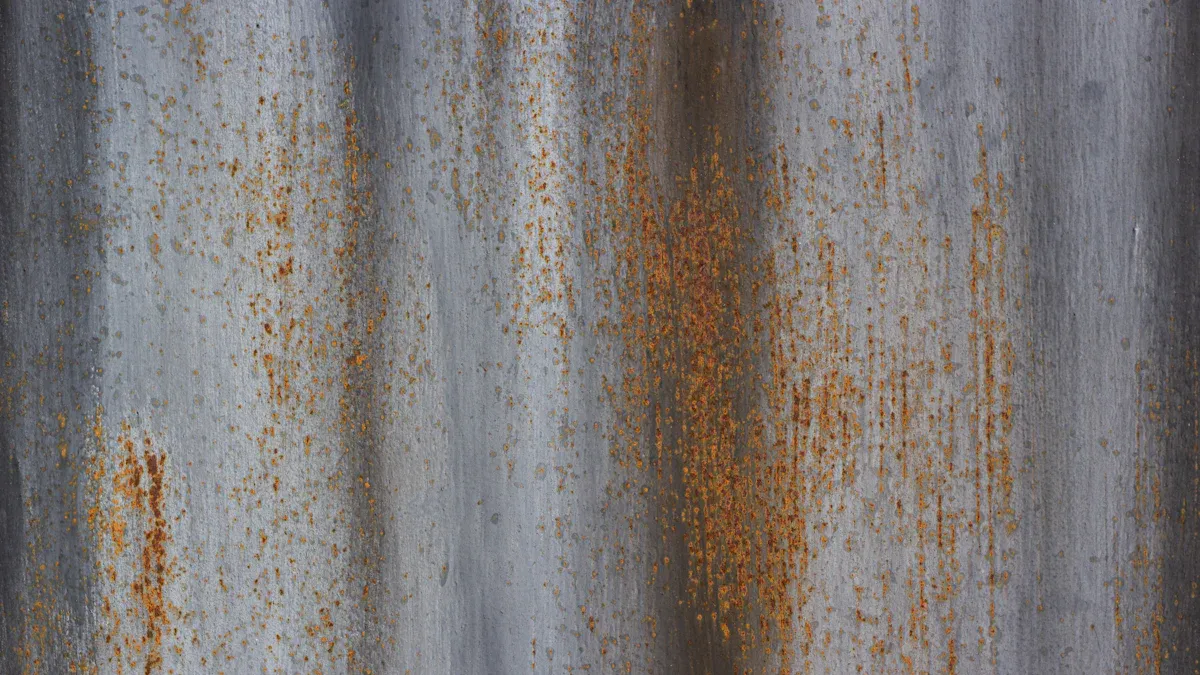
You can tackle galvanized steel rust at home without special skills. The repair process uses basic tools and materials you might already have. Restoring your metal surfaces quickly helps stop rust from spreading.
Taking action early keeps your galvanized steel strong and looking good.
Understanding Galvanized Steel Rust
Common Causes of Rust on Galvanized Steel
Galvanized steel rust forms when the protective zinc layer wears away or gets damaged. You might see this happen faster in certain environments. Many factors can speed up the process. The table below shows some of the most common causes and their effects:
| Factor Category | Specific Conditions and Effects |
|---|---|
| Humidity, Moisture, Salt | High humidity, frequent water, and salt in coastal areas break down the zinc coating quickly. |
| Temperature | Big temperature changes cause cracks in the zinc, letting rust start. |
| Soil Conditions | Wet, muddy soils increase corrosion more than dry, sandy soils. |
| pH Levels | Acidic or alkaline environments outside pH 6-12 make zinc break down faster. |
| Air Pollutants | Gases like sulfur oxides and nitrogen oxides attack the zinc layer. |
| Physical Damage | Scratches, dents, or contact with other metals can breach the zinc and cause rust. |
| Surface Contaminants | Dirt, grease, and oil weaken the zinc’s grip on the steel. |
| Chemical Exposure | Strong cleaners or chemicals like bleach and cement can eat away the zinc. |
| Microbiological Growth | Bacteria under rust layers speed up corrosion, especially near the ocean. |
| Poor Maintenance | Skipping cleaning or installing steel poorly shortens the zinc’s life. |
You can see that both the environment and physical damage play big roles in how fast galvanized steel rust appears. For example, a scientific study found that in tropical marine areas, chloride ions and bacteria under rust layers can make corrosion happen much faster. The zinc layer protects the steel at first, but over time, things like humidity, temperature, and salt break it down. Once the zinc is gone, rust forms quickly on the steel underneath.
Why Repair Galvanized Steel Quickly Matters
You should fix galvanized steel rust as soon as you spot it. Waiting too long can lead to bigger problems. Here are some important reasons to act fast:
- Famous structures like the USS Arizona Memorial and the Eiffel Tower suffered major damage because people did not repair rust quickly.
- Experts say regular checks and quick repairs help you avoid expensive fixes and keep things safe.
- Early action stops rust from spreading and keeps your steel strong.
- Building codes and safety rules require you to fix rust right away to prevent accidents.
- Delaying repairs can make damaged galvanized steel unsafe and cost much more to fix later.
Tip: Quick repairs save you money and keep your metal surfaces looking good for years.
Tools and Materials for Repair Galvanized Steel
Essential Tools for Rust Removal
You need the right tools to remove rust from galvanized steel. Start with a wire brush or a sanding block. These tools help you scrape away loose rust and debris. Many experts, including those who follow ASTM A780 guidelines, recommend using a wire brush for this job. You can also use a brass brush for gentle cleaning. For larger areas, a power sander saves time and effort.
Here is a list of essential tools for rust removal:
- Wire brush (manual or drill attachment)
- Sandpaper (medium and fine grit)
- Brass brush (for delicate spots)
- Power sander (for big surfaces)
- Magnetic or electronic gauge (to check coating thickness)
Tip: Always brush in the direction of the metal grain to avoid scratching the surface.
Cleaning Supplies for Rusty Metal Surfaces
After removing rust, you must clean the surface. The American Galvanizers Association suggests using mild cleaners that do not harm the zinc coating. White vinegar, lime juice, and commercial products like CLR® or Naval Jelly® Rust Dissolver work well. Use a nylon brush to scrub the area. Avoid strong acids like hydrochloric acid, which can damage the galvanized layer.
Recommended cleaning supplies include:
- White vinegar or lime juice
- CLR® or Naval Jelly® Rust Dissolver
- Mild soap and water
- Nylon brush or sponge
- Clean rags for drying
Make sure you rinse the surface well and let it dry completely before moving to the next step.
Primers and Paints for Galvanized Steel Rust
You need special primers and paints to protect galvanized steel after cleaning. Zinc-rich paints and cold galvanizing sprays match the original coating and follow ASTM A780 standards. These products contain a high percentage of metallic zinc, which helps stop rust from coming back. For extra protection, use an aluminium phosphosilicate-based wash primer. Studies show these primers stick well and protect against corrosion, while being safer for the environment than older zinc chromate primers.
Common options for priming and painting include:
| type de produit | Key Features | Best Use Case |
|---|---|---|
| Zinc-rich paint/spray | High zinc content, easy to apply | Touch-up and small repairs |
| Aluminium phosphosilicate primer | Eco-friendly, strong adhesion | Large or sensitive surfaces |
| Rust converter | Turns rust into a protective layer | Spot treatment |
| Alkyd or iron oxide primer | Blocks moisture and oxygen | Extra barrier under paint |
Note: Always follow the product instructions for best results and long-lasting protection.
Safety Gear and Precautions
Before you start repairing rusted galvanized steel, you need to protect yourself. Rust removal and chemical cleaners can be dangerous if you do not use the right safety gear. You should always put safety first.
Essential Safety Gear Checklist:
- Safety Glasses or Goggles: Protect your eyes from flying rust, dust, and chemical splashes.
- Dust Mask or Respirator: Prevent inhaling fine particles and fumes, especially when sanding or using chemicals.
- Gloves (Nitrile or Rubber): Shield your hands from sharp edges, rust, and harsh cleaners.
- Long-Sleeved Shirt and Pants: Cover your skin to avoid irritation from dust and chemicals.
- Closed-Toe Shoes: Keep your feet safe from falling tools or sharp debris.
- Hearing Protection: Use earplugs or earmuffs if you use power tools.
Tip: Always check your safety gear for damage before you begin. Replace any worn-out items.
You should also follow these important precautions:
- Work in a well-ventilated area. Open windows or use a fan to move fumes outside.
- Keep a first aid kit nearby in case of cuts or chemical splashes.
- Read all product labels and instructions before using rust removers or primers.
- Store chemicals away from children and pets.
- Clean up spills right away to prevent slips or skin contact.
| Hazard | How to Protect Yourself |
|---|---|
| Rust particles | Wear safety glasses and a mask |
| Chemical splashes | Use gloves and goggles |
| Sharp metal edges | Wear gloves and long sleeves |
| Loud noise | Use hearing protection |
You can avoid most accidents by staying alert and using the right gear. Safety helps you finish your repair job without injury. Always make safety your first step before you begin any repair work.
Step 1: Remove Rust from Rusty Metal Surfaces
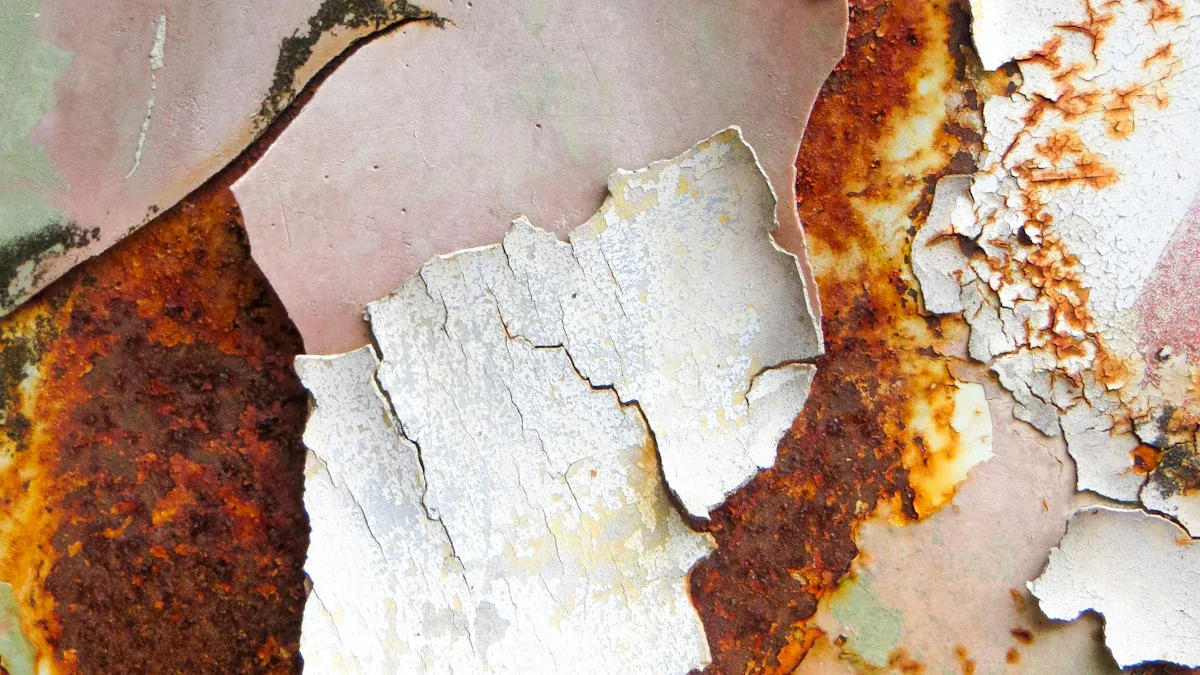
Using a Wire Brush, Sandpaper, or Sander
You can start removing rust by using a wire brush, sandpaper, or a power sander. These tools help you scrape away loose and flaking rust from the surface. A wire brush works well for small spots and tight corners. Sandpaper helps smooth out rough areas and prepares the metal for the next steps. If you have a large area to clean, a power sander saves time and effort.
Experts recommend using these tools before applying any chemicals. This step helps you get rid of most of the rust and makes chemical treatments work better. When you remove loose rust first, you use less acid or rust remover, which saves you money and speeds up the process. Even though there is no exact data comparing these tools, many professionals agree that brushing and sanding are important for good results.
Tip: Always move your brush or sandpaper in the same direction as the metal grain. This keeps the surface smooth and avoids scratches.
Chemical Rust Removers and Household Solutions
After you finish brushing and sanding, you may still see some rust stains. Chemical rust removers can help you get rid of these stubborn spots. Many products use phosphoric acid or oxalic acid to dissolve rust. You can find these cleaners at most hardware stores. Always follow the instructions on the label for the best results.
If you want to use something from home, try white vinegar or lemon juice. These mild acids can help break down light rust. Soak a cloth in vinegar or lemon juice and place it on the rusty area for about 30 minutes. Then scrub with a nylon brush and rinse with water.
Here is a quick comparison of common rust removal options:
| Method | Best For | How to Use |
|---|---|---|
| Wire brush/sandpaper | Loose, flaky rust | Scrub or sand until smooth |
| Chemical remover | Deep, stubborn rust | Apply, wait, then scrub and rinse |
| Vinegar/lemon juice | Light surface rust | Soak, scrub, and rinse |
Note: Always rinse the surface well after using any chemical or household cleaner. Let the metal dry before moving to the next step.
Safety Tips for Rust Removal
You need to protect yourself when working with rusty metal surfaces. Rust particles and chemical cleaners can harm your skin, eyes, and lungs. Always wear safety glasses to shield your eyes from dust and splashes. Use a dust mask or respirator to avoid breathing in fine particles. Gloves protect your hands from sharp edges and chemicals.
Work in a space with good airflow. Open a window or use a fan to move fumes outside. Keep children and pets away from your work area. If you spill any chemicals, clean them up right away. Wash your hands after you finish the job.
Safety First: Never mix different cleaners or chemicals. Some mixtures can create dangerous fumes.
By following these steps, you can safely remove galvanized steel rust and prepare the surface for repair. Taking your time with this step helps you get the best results and keeps your metal strong.
Step 2: Clean and Dry the Galvanized Steel Surface
Degreasing and Washing Away Residue
You need to remove all grease, oil, and leftover rust particles before you move on. If you skip this step, paint or primer will not stick well, and rust can return quickly. Start by wiping the surface with a clean rag to get rid of loose dust. Use a mild detergent mixed with warm water to wash away dirt and oils. For stubborn spots, a solvent cleaner works well. Always rinse the surface with clean water to remove any soap or chemical residue.
- Solvent cleaning dissolves oils and greases that can block coatings from sticking.
- Detergent and high-pressure water washing remove organic contaminants and dust.
- Proper rinsing ensures no residue remains, which helps coatings last longer.
- Visual inspection helps you spot any leftover stains or grease.
Tip: You should always check the surface by touch and sight. If it feels oily or looks streaky, clean it again.
Mechanical cleaning, like sweep blasting or gentle sanding, can help remove tough stains or white rust. Sweep blasting creates a uniform matte finish, which is ideal for coating adhesion. Be careful not to over-blast, as this can damage the zinc layer.
Ensuring the Surface Is Completely Dry
After cleaning, you must dry the galvanized steel thoroughly. Water left on the surface can cause new rust or stop paint from sticking. Use a clean, dry cloth to wipe away moisture. Let the surface air dry in a well-ventilated area. If you need to speed up drying, use a fan or a hair dryer on a cool setting.
- Drying prevents water from getting trapped under coatings, which can cause peeling or rust.
- Technical standards require a dry surface before you apply any primer or paint.
- Drying also stops new oxides from forming, which can weaken the coating.
Remember: Always paint or prime within a few hours after drying. Waiting too long can let new rust start to form.
A dry, clean surface gives you the best chance for a strong, lasting repair. Careful cleaning and drying set the foundation for every step that follows.
Step 3: Apply Rust Converter or Naval Jelly to Galvanized Steel Rust
When to Use a Rust Converter
You should use a rust converter only on areas where you see heavy rust. Rust converters work by reacting with iron oxide, which is the main part of rust. They do not stick well to clean or zinc-coated spots. Before you start, remove loose or flaking rust with a wire brush or sandpaper. Clean the surface to get rid of dirt, grease, and dust. Let the metal dry completely.
Follow these steps for best results:
- Check that the temperature is between 50 and 100 degrees Fahrenheit.
- Avoid working in direct sunlight or very damp places.
- Use a brush or roller to apply the rust converter to rusty spots. You can also use an airless sprayer for large areas.
- Let the first coat dry. You may need a second coat for full coverage.
- Wait for the converter to dry, which can take from 15 minutes to 24 hours.
- For outdoor repairs, add a coat of oil-based paint after the converter dries. This gives extra protection.
Some users say rust converters work best when you leave a thin layer of tightly stuck rust. Research shows that rust converters and regular primers can give similar results. Many people still like using traditional primers, such as Rustoleum rusty metal primer, for long-term repairs.
| Product | Fonctionnalités | User Feedback |
|---|---|---|
| RustBlast | Removes and neutralizes rust, leaves zinc phosphate coating | 4.8/5 stars, works well on many metal surfaces |
Tip: Always read the product label for drying times and safety instructions.
How to Apply Naval Jelly Safely
Naval jelly is a gel that contains phosphoric acid. It removes rust by turning it into a water-soluble compound. You need to use it with care because it can burn your skin or eyes.
Follow these safety steps:
- Wear rubber gloves and safety goggles to protect yourself.
- Mix a small amount of naval jelly with water (about 5% jelly, 95% water) to make a mild solution.
- Use a brush to spread the solution on rusty areas. Let it sit for 5 to 10 minutes.
- Scrub the area with a wire brush if needed. Rinse the metal with water and dry it well.
- Repeat the process if you still see rust.
- After removing all rust, apply a zinc-rich paint to protect the surface.
Many users find naval jelly easy to use and effective at removing rust down to bare metal. It works well on items like yard ornaments, engine parts, and even ATV gas tanks. Always rinse off the jelly quickly, especially if you get it on wiring or rubber parts.
Safety First: Never touch naval jelly with bare hands. Always work in a well-ventilated area.
You can choose either a rust converter or naval jelly to treat galvanized steel rust. Both methods help you prepare the surface for painting and protect your metal for years.
Step 4: Prime the Area to Repair Galvanized Steel
Choosing a Zinc-Rich or Metal Primer
You need to pick the right primer to protect your galvanized steel from rust. Zinc-rich primers work best because they contain zinc particles that protect the steel by corroding first. This process is called sacrificial cathodic protection. Epoxy zinc-rich primers are easy to use and stick well to the surface. They need a topcoat for full protection. Inorganic zinc-rich primers give even stronger protection but require perfect surface preparation. You often see these used in new construction.
Zinc-rich primers, like Carbozinc 859 and Carbozinc 11, perform well in tough places such as marine or industrial areas. These primers protect better than red oxide or regular metal primers. They create a strong barrier and last longer, especially when you follow the correct steps. Always check the label for zinc content. Look for primers with more than 80% zinc for the best results.
Tip: Use zinc-rich primers when you repair galvanized steel to get the strongest defense against rust.
Application Tips for Even Coverage
You want your primer to cover every part of the metal evenly. Start by cleaning the steel with a degreaser to remove dirt and oil. Let the surface dry completely. Lightly sand the area with fine sandpaper to smooth out rough spots and help the primer stick. Wipe the steel with white vinegar and let it sit for at least one hour. This step helps the primer grip the metal.
Apply the primer in small sections. Use a brush or spray for even coats. Make sure you do not leave gaps or thin spots. Two thin coats work better than one thick coat. Let each coat dry fully before adding the next. Most primers need 2 to 6 hours to dry. Use a dry film thickness gauge if you have one to check your work. Good coverage keeps rust from coming back.
Remember: Careful priming gives your repair a strong start and helps your paint last longer.
Step 5: Paint and Protect Rusty Metal Surfaces
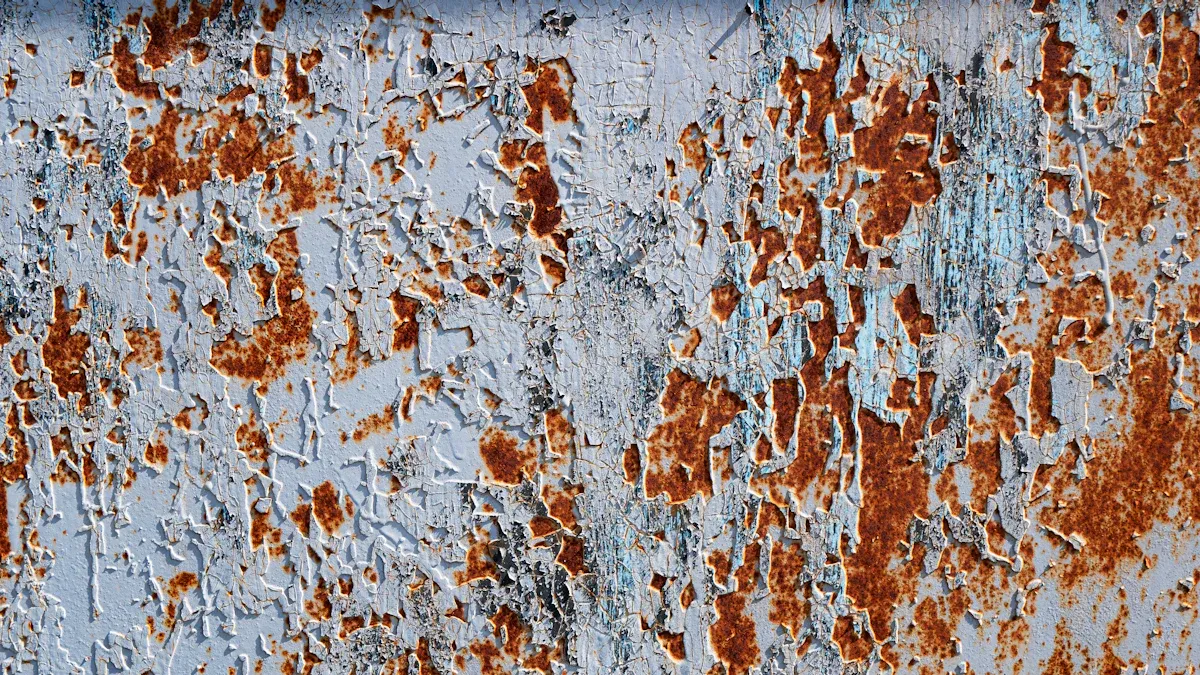
Selecting Durable, Weather-Resistant Paint
You need to choose the right paint to protect your repaired galvanized steel. Not all paints work well on this type of metal. Experts recommend cold galvanized paint because it contains about 95% zinc by weight. This high zinc content gives your steel active protection, even if the surface gets scratched. Cold galvanized paint acts as a sacrificial layer, so it helps prevent rust from coming back. Traditional paints only create a barrier. If that barrier breaks, rust can start again.
Here is a quick comparison:
| Paint Type | Protection Level | Maintenance Needs | Environmental Impact |
|---|---|---|---|
| Cold Galvanized Paint | Very High (cathodic) | Low | Low/Zero VOC |
| Traditional Paint | Moderate (barrier) | High | May contain VOCs |
You should also look for water-based acrylic primers and paints. Products like Sherwin-Williams Sher-Cryl HPA and Dunn-Edwards ULTRASHIELD® Galvanized Metal Primer give strong adhesion and resist weather damage. These paints last longer and need fewer touch-ups. Always pick primers and paints from the same brand to make sure they work well together.
Tip: Avoid oil-based or alkyd primers. They can peel off galvanized steel and let rust return.
Painting Techniques for Lasting Results
You want your paint job to last. Start by making sure the surface is clean and dry. Use a high-performance acrylic bonding primer right after you finish cleaning. This step helps the paint stick and keeps rust away.
Follow these steps for the best results:
- Check if your steel is new, weathered, or repaired. This helps you pick the right cleaning method.
- Remove all dust, grease, and old paint. Use a degreaser and a soft brush.
- Profile the surface with light sanding or etching. This gives the paint something to grip.
- Apply a zinc-rich primer in thin, even coats. Let each coat dry fully.
- Use a water-based acrylic topcoat. Apply two thin coats for better coverage.
- Let the paint cure as the manufacturer suggests. Do not rush this step.
Experts from Dunn-Edwards and Sherwin-Williams stress that you should never skip surface prep. If you paint over rust or dirt, the paint will peel and rust will return. The ZRC Worldwide blog also warns that painting directly over rust leads to poor results. Always repair rust first, then use a cold galvanizing compound before painting.
Regularly check your painted steel for chips or cracks. Touch up any damage right away to keep your surface protected.
By following these steps, you give your galvanized steel the best defense against weather and time. Your repair will last longer and look better with the right paint and careful technique.
Maintenance Tips to Prevent Galvanized Steel Rust
Regular Inspections and Cleaning
You can keep galvanized steel strong by checking it often and cleaning it the right way. Regular inspections help you spot rust early, before it spreads. Experts suggest you look at your steel every week for quick checks, every month for detailed inspections, and once a year with a professional if possible. Focus on areas like joints, welds, and places where water collects.
- Clean your steel with fresh water and pH-neutral cleaners to remove salt and dirt.
- Use soft brushes or microfiber cloths. Avoid harsh tools that can scratch the coating.
- Store steel in dry, well-ventilated places, off the ground, and away from chemicals.
- Keep gutters and drains clear to stop water from pooling.
- Apply protective coatings like epoxy sealants or polyurethane top coats for extra defense.
You should also keep a record of your inspections and cleaning. This helps you track changes over time and plan future maintenance.
| Inspection Aspect | Details |
|---|---|
| Inspection Frequency | Monthly for critical areas; before/after harsh weather |
| Key Areas to Inspect | Roof, walls, foundation, doors, joints, welds |
| Signs to Watch For | Rust spots, peeling paint, dents, moisture buildup |
| Cleaning Tips | Use mild detergents, soft brushes, low-pressure washing |
| Rust Prevention | Reapply protective coatings, control humidity, repair damage quickly |
Tip: Quick cleaning and regular checks help you catch problems early and keep your steel looking new.
Quick Touch-Ups for Repair Galvanized Steel
When you see a scratch or chip, act fast. Quick touch-ups protect the steel and keep rust from spreading. Studies show that the zinc layer on galvanized steel shields the metal in two ways: it blocks moisture and acts as a sacrificial layer. If you leave a damaged spot untreated, the zinc can only protect a small area around the damage. Over time, this protection fades, and rust can take hold.
You should repair damaged galvanized steel right away using zinc-rich paint or a cold galvanizing compound. For small scratches in mild environments, you may not need to fix them immediately. In harsh or coastal areas, always repair even tiny spots. Large scratches or chips need prompt attention no matter where you live.
- Clean the damaged area with a mild cleaner and let it dry.
- Remove loose rust with a soft brush.
- Apply zinc-rich paint or a cold galvanizing spray. Let it cure fully.
- Reapply protective coatings after cleaning or repairs.
Remember: Fast touch-ups keep your steel strong and extend its life by restoring the protective zinc layer.
You can protect your metal surfaces by repairing galvanized steel rust as soon as you see it. Quick action stops corrosion before it spreads. When you remove rust, use naval jelly, and finish with zinc-rich paint, you keep the protective coating strong. Studies show that untreated rust will destroy steel over time, but prompt repair can add years to its life. With these steps, you keep your galvanized steel looking great and working well.
FAQ
How often should you check galvanized steel for rust?
You should inspect galvanized steel at least once a month. Look for rust spots, scratches, or peeling paint. Early checks help you catch problems before they get worse.
Can you paint over rust without removing it first?
No, you should always remove rust before painting. If you paint over rust, the paint will peel, and rust will return quickly. Clean and treat the surface first for the best results.
What household items can remove light rust from galvanized steel?
You can use white vinegar or lemon juice to remove light rust. Soak a cloth in the liquid, place it on the rust, and scrub gently. Rinse and dry the area after cleaning.
Is it safe to use a power sander on galvanized steel?
Yes, you can use a power sander for large rusty areas. Always wear safety gear like goggles, gloves, and a dust mask. Sand gently to avoid damaging the zinc coating.
How long does a repair last on galvanized steel?
A good repair can last several years if you clean, prime, and paint the surface well. Regular maintenance and quick touch-ups help your repair last even longer.