
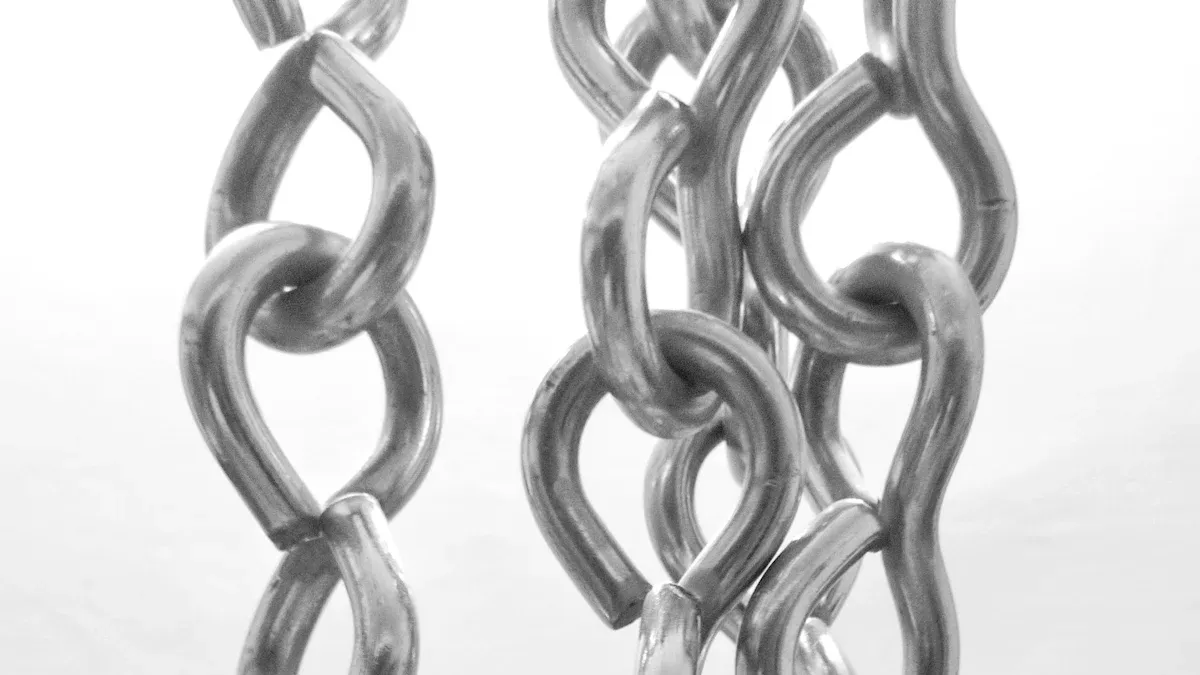
When you compare galvanized steel vs stainless steel for home improvement, you need to think about your project’s needs. Galvanized steel works well if you want something affordable and strong for indoor or dry areas. Stainless steel gives you better protection against rust, especially in wet or coastal places. You should always match the material to your environment, your budget, and how you will use it. Choosing between galvanized steel vs stainless steel will help you get the best results for your home.
Galvanized Steel vs Stainless Steel: Key Differences
Material Composition
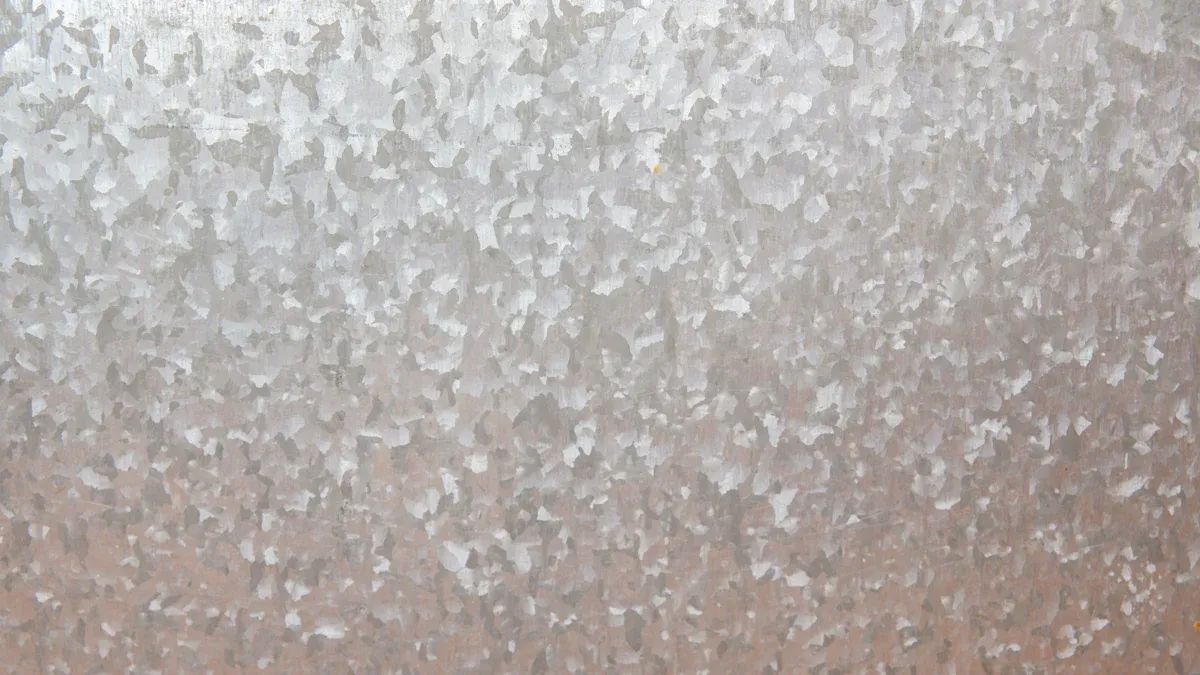
You can see clear differences in the makeup of galvanized steel and acier inoxydable. Galvanized steel starts as regular carbon steel. Manufacturers coat it with a thin layer of zinc using a process called hot-dip galvanizing. This zinc layer protects the steel underneath. Stainless steel, on the other hand, is an alloy. It contains iron, at least 10.5% chromium, and often nickel and molybdenum. These elements mix together to give stainless steel its unique properties.
Here’s a table that shows the main differences in composition:
| Matériel | Composition Details | Key Component Percentages | Physical Properties & Effects |
|---|---|---|---|
| Galvanized Steel | Carbon steel base coated with zinc | Zinc coating (varies, typically thin layer) | Zinc acts as a barrier against corrosion; density ~7.85 g/cm³; tensile strength 370-700 MPa; melting point of zinc coating ~806°C; enhanced ductility due to zinc coating |
| Acier inoxydable | Alloy of iron, chromium (≥10.5%), often nickel, molybdenum | Chromium ≥10.5%, Nickel and Molybdenum vary | Superior corrosion resistance due to self-healing chromium oxide layer; density ~7.75-8.0 g/cm³; tensile strength 515-1400+ MPa; melting point 1370-1540°C; high ductility and malleability |
Tip: If you want a material with built-in protection, stainless steel is your best choice. If you need a budget-friendly option with a protective coating, galvanized steel works well.
Résistance à la corrosion
Corrosion resistance is one of the most important factors when you compare galvanized steel vs stainless steel. Galvanized steel relies on its zinc coating to protect against rust and corrosion. This coating acts as a barrier and even sacrifices itself to protect the steel underneath. In dry or mild environments, galvanized steel can last for many years. However, in wet or salty conditions, the zinc layer wears away faster. Once the coating is gone, the steel underneath starts to rust.
Acier inoxydable stands out because of its chromium content. The chromium forms a thin, invisible layer on the surface. This layer repairs itself if scratched, so stainless steel keeps its corrosion resistance even in harsh environments. You will notice that stainless steel performs much better than galvanized steel in places with lots of moisture or salt, such as coastal areas or bathrooms.
Researchers have tested galvanized steel in different conditions. For example, studies show that the zinc coating protects well at first, but as it wears down, corrosion starts on the steel. Wet-dry cycles, salt, and humidity all speed up this process. Stainless steel, with its self-healing layer, resists these problems much longer. If you need strong protection against rust and corrosion, stainless steel is the better choice.
Strength and Durability
When you look at strength and durability, both materials offer good performance, but there are differences. Galvanized steel is strong and can handle many home improvement tasks. The zinc coating adds some ductility, making it easier to work with. However, its strength depends on the base steel, and the zinc layer does not make it stronger.
Stainless steel provides higher strength and durability. Its alloy structure gives it a tensile strength that can reach over 1400 MPa, much higher than galvanized steel. Stainless steel also keeps its strength in high temperatures and harsh environments. You can use it for projects that need extra durability, such as outdoor railings or kitchen fixtures.
- Use galvanized steel for projects where cost matters and the environment is not too harsh.
- Choose stainless steel when you need the best strength and durability, especially in tough conditions.
Note: Stainless steel costs more, but it lasts longer and needs less maintenance. Galvanized steel is a good choice for less demanding jobs.
Cost Comparison
When you compare galvanized steel vs stainless steel, you will notice a clear difference in price. Galvanized steel usually costs much less than stainless steel. This makes it a popular choice for many home improvement projects, especially if you want to save money. You can often find galvanized steel at your local hardware store for a fraction of the price of stainless steel.
Stainless steel costs more because it contains expensive metals like chromium and nickel. The manufacturing process for stainless steel also takes more time and energy. If you need a cost-effective solution for a large project, galvanized steel may fit your budget better. However, stainless steel can save you money in the long run because it lasts longer and needs less maintenance.
Here is a simple table to show the difference in price:
| Matériel | Average Cost (per pound) | Maintenance Costs | Lifespan |
|---|---|---|---|
| Galvanized Steel | $0.50 – $1.50 | Low to Moderate | 10-50 years |
| Acier inoxydable | $2.00 – $5.00 | Very Low | 50+ years |
Tip: If you plan to use the material in a harsh environment, stainless steel may be worth the higher upfront cost.
Appearance and Finish
You will see a big difference in the look of galvanized steel and stainless steel. Galvanized steel has a dull, gray finish. The zinc coating often gives it a spangled or mottled pattern. This look works well for fences, outdoor structures, or places where appearance does not matter much.
Stainless steel has a shiny, smooth surface. You can find it in many finishes, from brushed to mirror-like. Many people choose stainless steel for kitchens, bathrooms, and decorative projects because it looks clean and modern. Stainless steel also keeps its appearance over time. It resists stains, fingerprints, and rust, so you do not need to polish it often.
- Choose galvanized steel if you want a rugged, industrial look.
- Pick stainless steel if you want a sleek, polished finish that stays bright.
Stainless steel gives you more options for style and design. Galvanized steel works best when you care more about function than looks.
Weldability and Ease of Use
When you work with these metals, you will notice some important differences. Galvanized steel is easier to weld for most people. You can use common electrodes like E6010, E6011, E6013, or E7018. These electrodes give you a stable arc and make welding simple for home projects. Galvanized steel also handles well in construction. You do not need to add extra coatings or paint, which saves you time and effort.
Stainless steel needs more skill and special tools. You must use electrodes like E312-16, which are made for stainless steel. These electrodes help prevent cracks and give you a strong weld, but you need more experience to use them well. Stainless steel welding also takes longer and may cost more because of the special materials and extra care needed.
A technical review shows that welding galvanized steel is more forgiving. You can finish your project faster and with less training. Stainless steel welding gives you a strong, long-lasting result, but you may need to hire a professional if you do not have the right skills.
You should also think about safety. Studies show that welding galvanized steel can create more fumes than stainless steel. Always wear proper safety gear and work in a well-ventilated area.
- Galvanized steel: Easier for beginners, less time needed, but more fumes.
- Stainless steel: Needs more skill, special tools, and time, but gives a cleaner, stronger finish.
Note: If you want a simple, quick project, galvanized steel is the easier choice. If you want the best quality and do not mind extra work, stainless steel is the way to go.
Galvanized Steel vs Stainless Steel: Choosing the Right Material
Indoor vs Outdoor Use
When you plan a home improvement project, you need to think about where you will use the material. Indoor and outdoor environments affect how metals perform over time. Galvanized steel and stainless steel both work well indoors, but they behave differently outside.
Galvanized steel has a zinc coating that protects it from rust. Indoors, this coating lasts a long time because there is less moisture and fewer harsh chemicals. You can use galvanized steel for things like ductwork, shelving, or framing inside your home. Outdoors, the zinc layer faces rain, sun, and changing temperatures. Over time, the coating can wear away, and the steel underneath may start to rust. You may need to repaint or touch up the coating to keep it strong.
Stainless steel stands out in both indoor and outdoor settings. Its chromium oxide layer repairs itself, so it keeps its shine and strength even when exposed to weather. You can use stainless steel for outdoor railings, grills, or garden features. It resists rust and stains, so you do not have to worry about frequent maintenance.
Here is a table to help you compare the two materials for indoor and outdoor use:
| Criteria | Galvanized Steel | Acier inoxydable |
|---|---|---|
| Résistance à la corrosion | Zinc coating protects but wears down outdoors | Self-replenishing layer offers long-lasting protection |
| Appearance | Matte gray, may develop patina outside | Shiny, keeps its look indoors and outdoors |
| Durabilité | Good indoors, needs upkeep outdoors | Excellent in all environments |
| Cost | Lower upfront cost | Higher initial cost, lower maintenance |
| Typical Applications | Indoor framing, ductwork, moderate outdoor use | Outdoor railings, grills, modern indoor fixtures |
Tip: If you want a material for outdoor use that will last for many years with little care, stainless steel is the better choice. For indoor projects or areas with less moisture, galvanized steel can save you money.
High-Moisture and Coastal Environments
Moisture and salt can damage many metals. If you live near the ocean or in a humid area, you need to choose your materials carefully. Galvanized steel and stainless steel react very differently to these tough conditions.
Galvanized steel works well in dry places, but high-moisture or salty air can break down the zinc coating quickly. Once the coating wears off, the steel underneath starts to rust. You may see this happen on fences or outdoor furniture near the coast. You will need to check and maintain galvanized steel often in these areas.
Stainless steel is famous for its corrosion resistance. The chromium and nickel in stainless steel form a barrier that blocks moisture and salt. This makes stainless steel the top choice for marine applications, such as boat railings or docks. You can also use it in bathrooms, kitchens, or anywhere that gets wet often. Stainless steel keeps its strength and appearance, even in harsh environments.
- Use galvanized steel in dry, protected areas.
- Choose stainless steel for marine applications, bathrooms, kitchens, and coastal homes.
Note: Stainless steel costs more, but it saves you time and money on repairs and replacements in high-moisture or coastal environments.
Structural vs Decorative Applications
You need to match the metal to your project’s purpose. Some projects need strength and support, while others focus on looks. Galvanized steel and stainless steel each have strengths in different types of construction applications.
Galvanized steel has good strength for many structural uses. You can use it for beams, posts, or brackets where cost matters most. The zinc coating helps protect the steel, but it may chip or wear off if the structure faces heavy use or impact. The finish is usually matte and industrial, which works for hidden or utility areas.
Stainless steel offers higher strength and durability. It meets strict ASTM standards for both structural and decorative uses. You can use stainless steel for load-bearing parts, handrails, or even as a design feature. Its polished finish makes it perfect for decorative elements like kitchen backsplashes, stair railings, or modern furniture. Stainless steel also works well in marine applications, where both strength and appearance matter.
Here is a table to help you decide which material fits your project:
| Property / Aspect | Galvanized Steel | Stainless Steel (Type 304/316) |
|---|---|---|
| Résistance à la corrosion | Good with coating, needs upkeep | Excellent, minimal maintenance |
| Mechanical Strength | Adequate for many structures | Superior, handles heavy loads |
| Surface Finish and Aesthetics | Matte, utilitarian | Polished, bright, decorative |
| Typical Construction Applications | Beams, posts, brackets, hidden supports | Handrails, facades, decorative panels, marine uses |
| Maintenance and Durability | Needs regular checks and touch-ups | Lasts long with little care |
- Galvanized steel fits best in hidden or utility structural roles.
- Stainless steel shines in both structural and decorative projects, especially where you want a modern look and long-lasting performance.
If you want your project to look great and last for decades, stainless steel is the top pick. For simple, cost-effective construction applications where looks do not matter, galvanized steel does the job.
Budget Considerations
When you plan a home improvement project, your budget often shapes your choices. Galvanized steel stands out as a budget-friendly solution for many homeowners. You get a strong material with a zinc coating that helps it last up to 50 years. This long lifespan means you spend less on repairs and maintenance over time. Market research shows that galvanized steel usually costs about 30% less than stainless steel. If you want to save money but still need durability, galvanized steel fits most residential projects, especially for landscaping or retaining walls.
Stainless steel costs more at the start, but it gives you better corrosion resistance. You do not need to worry about coatings or frequent upkeep. The price of stainless steel depends on several factors. These include the grade (like 316 or 904L), thickness, surface finish, and even shipping costs. If you choose a higher grade, you pay more, but you get extra protection in harsh environments. For high-end projects or places with lots of moisture, stainless steel may be worth the higher price.
You should always think about cost consideration before you buy materials. Here are some tips to help you manage your budget:
- Estimate how much material you need, and add a little extra for waste.
- Get quotes from several suppliers to find the best price.
- Set aside a contingency fund of 10-15% for unexpected costs.
- Choose lower grades of stainless steel if your project does not need the highest level of corrosion resistance.
- Buy in bulk when possible to lower the price per unit.
| Matériel | Upfront Cost | Maintenance Cost | Lifespan | Best Use Cases |
|---|---|---|---|---|
| Galvanized Steel | Lower | Low to Moderate | Up to 50 years | Landscaping, retaining walls, fencing |
| Acier inoxydable | Higher | Very Low | 50+ years | Coastal, high-end, or wet areas |
You also need to consider the long-term value. Galvanized steel works well if you want to keep costs down and still get good performance. Stainless steel costs more, but it lasts longer and needs less care. If you plan to stay in your home for many years, the higher upfront cost of stainless steel may pay off over time.
Tip: Match your material choice to your budget, the environment, and how long you want your project to last. Careful cost consideration helps you avoid surprises and keeps your project on track.
Galvanized Steel vs Stainless Steel: Home Improvement Applications
Fencing and Gates
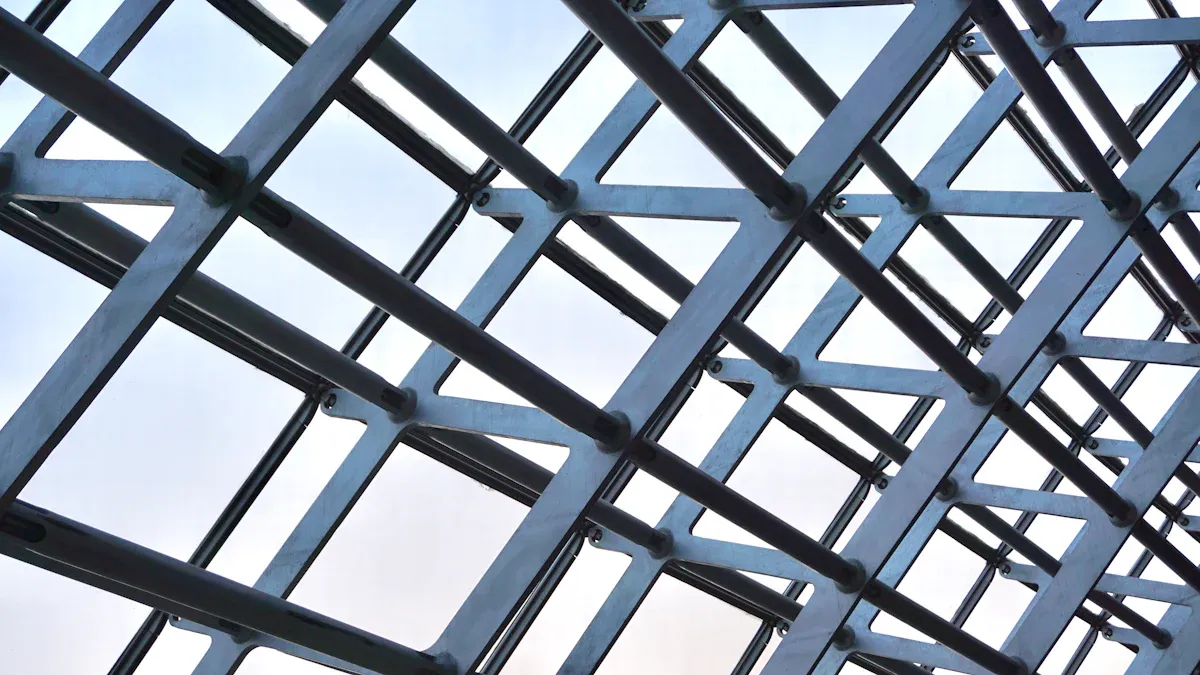
When you choose materials for fencing and gates, you want something that lasts and needs little care. Galvanized steel stands out for its cost-effectiveness and strong corrosion resistance in many environments. Real-world examples show its value. At Bottighofen Port Marina in Switzerland, galvanized steel fencing lasted 38 years without maintenance, even near saltwater. At Texas Motor Speedway, fences made from galvanized steel stayed strong for 16 years. You save money upfront and get good performance in mild to moderate climates.
However, if you live in a coastal area or a place with high humidity, acier inoxydable offers better protection. Department of Defense studies show that stainless steel reduces maintenance and lasts longer in harsh conditions. You pay more at first, but you avoid frequent repairs. Stainless steel fencing stays shiny and resists rust, even when exposed to salt and moisture.
Tip: For most backyards, galvanized steel works well. For coastal or high-humidity areas, stainless steel is the best choice for long-term durability.
Decks and Outdoor Structures
Decks and outdoor structures face rain, sun, and changing temperatures. Galvanized steel provides a strong frame for decks, pergolas, and sheds. It resists rust in dry or moderate climates and costs less than stainless steel. Many homeowners use galvanized steel for posts and beams because it is durable and easy to work with.
Stainless steel shines in environments with lots of moisture or salt. It keeps its strength and appearance over time. You can use stainless steel for fasteners, connectors, and visible parts of your deck. This material prevents rust stains and keeps your outdoor space looking new.
| Application Area | Galvanized Steel Use Cases | Stainless Steel Use Cases | Key Practical Insights |
|---|---|---|---|
| Construction | Structural frameworks, roofing | Water piping, connectors | Galvanized steel is cost-effective; stainless steel is best for corrosion resistance. |
Kitchen and Bathroom Fixtures
You want kitchen and bathroom fixtures that look good and last. Acier inoxydable is the top choice for sinks, faucets, and appliances. It resists stains, acids, and heat. You can clean it easily, and it keeps its shine for years. Galvanized steel is not approved for food contact and does not work well in wet areas. It may rust or lose its coating over time.
For safety and hygiene, always pick stainless steel for kitchen and bathroom projects. You get a modern look and a material that stays durable in high-moisture spaces.
Fasteners and Hardware
When you select fasteners and hardware for your home improvement projects, you want to make sure they last and keep your work secure. The choice between stainless steel and galvanized steel fasteners depends on where and how you plan to use them.
Stainless steel fasteners stand out for their strength and resistance to rust. You can use them in places with lots of moisture, like bathrooms, kitchens, or even near the ocean. They have a special chromium oxide layer that protects them from corrosion. This makes them a smart choice for outdoor decks, fences, or any project that faces rain or humidity. Galvanized steel fasteners have a zinc coating that helps prevent rust, but this coating can wear off over time, especially in wet or salty environments.
Here are some key differences to help you decide:
- Stainless steel screws resist corrosion much better than zinc-coated screws, especially in wet or salty places.
- Stainless steel fasteners have higher tensile strength, ranging from 100,000 to 150,000 PSI, while zinc screws usually reach about 62,000 PSI.
- Stainless steel hardware lasts longer and needs less maintenance. Zinc-coated fasteners may need replacement once the coating wears off.
- Zinc screws cost less at first, so they work well for indoor or budget projects. Stainless steel costs more but saves money over time.
- For harsh environments, always choose stainless steel. For dry, indoor spaces, zinc-coated fasteners can work well.
You can also compare the two options in this table:
| Property | Stainless Steel Fasteners | Galvanized Steel Fasteners |
|---|---|---|
| Résistance à la corrosion | Excellent, even in harsh environments | Good indoors, less effective outdoors |
| Tensile Strength (PSI) | 100,000 to 150,000 | 38,000 to 62,000 |
| Durabilité | Long-lasting, low maintenance | Moderate, needs replacement when coating fails |
| Cost | Higher upfront | Lower upfront |
| Appearance | Shiny, modern | Dull, industrial |
Tip: For outdoor, structural, or long-term projects, stainless steel fasteners give you the best results. For simple indoor jobs, galvanized steel fasteners can save you money.
DIY Furniture and Décor
You can create unique furniture and décor pieces using metal. Stainless steel works well for modern tables, shelves, or wall art. It gives your projects a sleek, shiny look and resists stains and rust. You do not need to worry about moisture or cleaning. Many people use stainless steel for kitchen carts, bathroom shelves, or outdoor benches.
Galvanized steel fits projects where you want an industrial or rustic style. You might use it for pipe shelves, planter stands, or storage racks. The gray finish and spangled pattern add character to your designs. Galvanized steel costs less, so you can build larger pieces without spending too much.
When you build DIY furniture, think about where you will use it. For outdoor or high-moisture areas, stainless steel keeps your creations looking new. For indoor or decorative pieces, galvanized steel gives you style at a lower price.
Note: Always check the weight and strength you need for your project. Stainless steel supports heavier loads and lasts longer, but galvanized steel works well for lighter, decorative items.
Working with Galvanized Steel vs Stainless Steel
Cutting and Drilling
When you cut or drill acier inoxydable, you need to use the right tools and techniques. Stainless steel holds heat longer than other metals, so you should use carbide or cobalt drill bits with special coatings. Always use coolant or oil to keep the tool cool and prevent wear. Peck drilling helps break chips and reduces heat. If you use dull tools or skip the coolant, you will see more tool wear and rough edges. For deep holes, choose parabolic flute drills and keep your speeds between 60–120 SFM.
Galvanized steel is easier to cut and drill. You can use standard tools, and you do not need to worry as much about heat. The zinc coating may wear off at the cut edge, so check for exposed steel after you finish. If you want a smooth finish, use sharp blades and steady pressure.
Tip: Always wear safety gear and work in a well-ventilated area, especially when cutting or drilling either metal.
Painting and Finishing
Painting and finishing both metals require careful surface preparation. Laboratory tests show that adhesion strength, corrosion resistance, and surface hardness matter for a long-lasting finish. For galvanized steel, clean the surface and use a primer made for zinc coatings. This helps the paint stick and protects against rust. Salt spray and humidity tests prove that a good primer and paint system can keep galvanized steel looking new for years.
Stainless steel does not need paint for protection, but you can paint it for style. Clean the surface well and use a primer designed for stainless steel. Tests like the pull-off test and Taber abrasion test check how well the paint stays on and resists wear. If you want a shiny look, you can polish stainless steel instead of painting it.
| Test Type | What It Checks For | Why It Matters |
|---|---|---|
| Salt Spray Test | Corrosion resistance | Shows how well finish lasts |
| Pull-off Test | Adhesion strength | Ensures paint stays on |
| Taber Abrasion Test | Wear and abrasion | Checks durability of finish |
Maintenance and Longevity
You will find that stainless steel needs less upkeep over time. Its chromium oxide layer protects it from rust, so you only need to clean it with mild soap and water. Stainless steel often lasts more than 50 years in homes. You save money on repairs and replacements.
Galvanized steel needs more attention. You should inspect it often and touch up any spots where the zinc coating wears off. In harsh environments, the coating may break down faster, so plan for regular maintenance. Studies show that galvanized steel lasts 20–50 years, but you may need to re-coat it to keep its corrosion resistance.
Note: Stainless steel costs more at first, but its long life and low maintenance can save you money in the long run.
When you choose between these metals, think about your project’s needs. Galvanized steel works well for most home improvements because it costs less and resists rust. You can use it for fences, decks, and indoor structures. Stainless steel gives you better protection in wet or coastal areas, but it costs more. Always match your choice to the environment, your budget, and how long you want your project to last.
- Galvanized steel is easy to work with and fits most budgets.
- Stainless steel lasts longer in harsh conditions and offers extra strength.
Pick the material that gives you the best value and performance for your home.
FAQ
What is the main difference between galvanized steel and stainless steel?
Galvanized steel has a zinc coating that protects it from rust. Stainless steel contains chromium, which forms a protective layer. You get better corrosion resistance with stainless steel, especially in wet or salty places.
Can you paint galvanized steel or stainless steel?
You can paint both metals. For galvanized steel, use a primer made for zinc coatings. For stainless steel, clean the surface and use a primer for metals. Good preparation helps the paint stick and last longer.
Which metal is safer for kitchen or bathroom use?
Stainless steel is safer for kitchens and bathrooms. It resists stains and germs. You can use it for sinks, faucets, and appliances. Galvanized steel is not approved for food contact and may rust in wet areas.
How do you clean and maintain these metals?
You can clean both with mild soap and water. Stainless steel needs less care and keeps its shine. Galvanized steel may need touch-ups if the coating wears off. Always dry the metal after cleaning to prevent spots.
Is stainless steel worth the higher cost?
You pay more for stainless steel, but you get longer life and less maintenance. If you want your project to last many years, stainless steel is a smart investment. For short-term or indoor projects, galvanized steel saves money.