
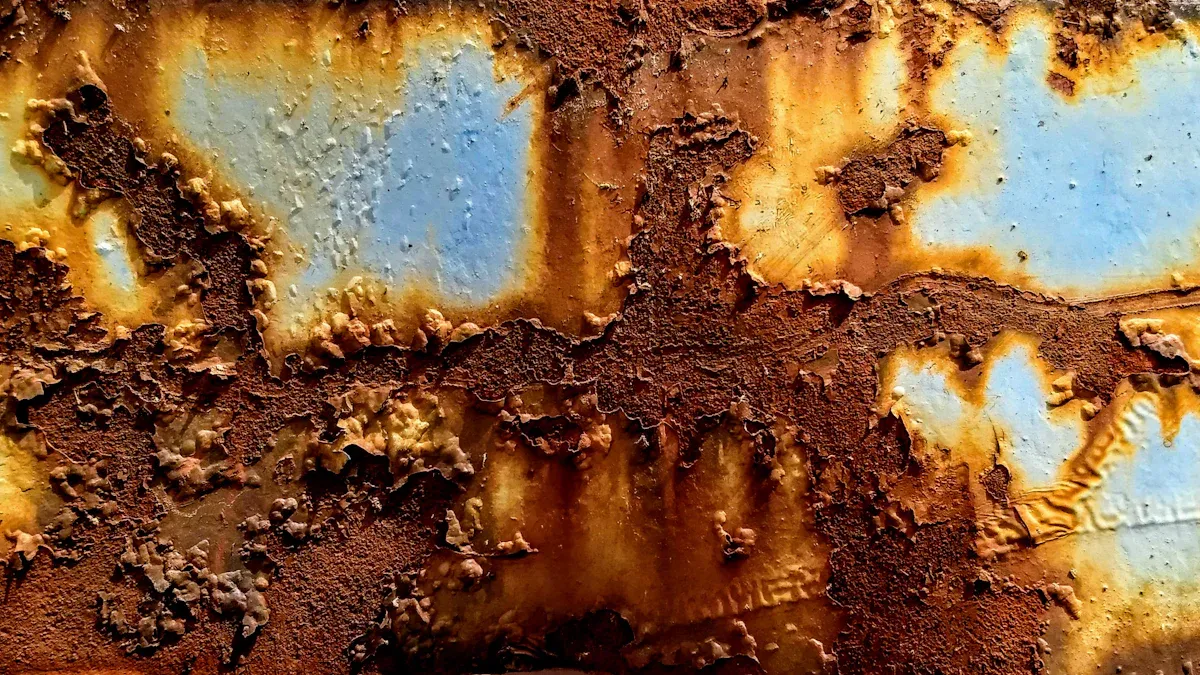
Can you put galvanized to stainless steel? Yes, you can put galvanized to stainless steel in some situations, but you must understand the risks. The biggest risk is corrosion. When you put galvanized to stainless steel, the zinc coating on the steel can corrode faster, especially in humid or salty places. You can put galvanized to stainless steel safely if you lower the contact area and use barriers like plastic spacers. Check the table below for key conditions that help prevent corrosion and ensure success:
| Aspect | Condition or Risk Factor | Success Tip |
|---|---|---|
| Zinc Coating Life | 30%-50% reduction in humid/salt air | Use in dry places to slow corrosion |
| Contact Area | Minimize direct contact | Use stainless bolts only where needed |
| Isolation | Use plastic spacers or special coatings | Keeps metals apart to stop corrosion |
How Galvanized and Stainless Steel Behave
What Makes Galvanized Steel Unique
When you look at galvanized steel, you see a material designed to fight rust. Hot-dip galvanized steel gets its protection from a zinc coating. This zinc layer acts as a sacrificial shield. If the coating gets scratched, the zinc will corrode first, saving the steel underneath. The process of hot-dip galvanized steel involves dipping regular steel into molten zinc. This creates a strong bond and a visible pattern called spangles. The size and shape of these spangles depend on the coating weight. A thicker coating gives you better corrosion resistance and a stronger passivation layer. The chemical makeup of the steel, including elements like silicon and aluminum, also changes how well the coating sticks and lasts. You can test the strength of hot-dip galvanized steel using salt spray and other electrochemical methods. These tests show that corrosion can create pits of different shapes, which weaken the steel and make it less ductile over time.
- Key features of hot-dip galvanized steel:
- Zinc coating for sacrificial protection
- Spangle pattern varies with coating weight
- Stronger passivation layer with thicker coating
- Mechanical strength depends on coating and steel composition
Why Stainless Steel Stands Out
Acero inoxidable stands out because it resists corrosion much better than regular steel. You get this benefit from the mix of chromium, nickel, and sometimes molybdenum in the alloy. These elements form a thin, invisible layer on the surface that blocks oxidation and keeps the steel shiny. Stainless steel does not rely on a coating. Instead, the whole material resists rust, even if you scratch it. Tests show that stainless steel, especially types like 316L and duplex grades, can last thousands of hours in harsh environments like seawater. Even after long exposure, you may only see shallow pits. This makes stainless steel a top choice for places where you need long-lasting strength and appearance.
| Elemento | 316 Stainless Steel (%) | 316L Stainless Steel (%) |
|---|---|---|
| Cromo | 16.00 – 18.00 | 16.00 – 18.00 |
| Níquel | 10.00 – 14.00 | 10.00 – 14.00 |
| Molibdeno | 2.00 – 3.00 | 2.00 – 3.00 |
Tip: Stainless steel’s resistance can improve even more with special coatings, making it even more reliable in tough conditions.
Why Their Interaction Matters
When you mix galvanized steel and stainless steel, you create a risk for galvanic corrosion. If these metals touch and moisture is present, the zinc in the galvanized steel will corrode faster. This happens because stainless steel is more noble and does not give up electrons as easily. The zinc acts as the sacrificial metal, protecting the stainless steel but wearing away quickly. The rate of corrosion depends on the size of each metal’s surface. If you have a small area of galvanized steel touching a large area of stainless steel, the zinc will disappear even faster. In some environments, like concrete, this effect is much less. However, in places with water or salt, you need to be careful. You can slow down this process by using barriers or coatings to keep the metals apart.
- Remember:
- Galvanic corrosion needs three things: two different metals, direct contact, and moisture.
- Hot-dip galvanized steel corrodes much faster than stainless steel in acidic or salty environments.
- Stainless steel keeps its strength and looks, while galvanized steel loses protection as the zinc wears away.
Dissimilar Metal Corrosion Explained
What Is Dissimilar Metal Corrosion?
When you join two different metals, you create a risk for dissimilar metal corrosion. This happens when metals like steel and stainless steel touch each other and moisture is present. The less noble metal, such as galvanized steel, will corrode faster. You call this process galvanic corrosion. The metals form a bimetallic couple, which means one metal acts as the anode and the other as the cathode. The anode gives up electrons and corrodes, while the cathode stays protected.
Scientists have studied this process in many ways. For example, they used SIMS ion mapping and SEM-EDS analyses to find out how elements like calcium and iron gather in corrosion pits on aluminum cans. They also found that high pH water can speed up corrosion, especially when it leaks into metal systems. In another case, a stainless steel rod failed early because of intergranular corrosion and pitting. SEM imaging showed that the grain boundaries dissolved, and EDS analysis found high chromium in the corrosion products. This happened because the rods were made from the wrong alloy and exposed to sulfate and chloride, which increased the risk of corrosion. Stress tests on dissimilar metals also showed that pulling on the metals makes galvanic corrosion worse.
Note: Even a small difference in metal type or environment can make dissimilar metal corrosion much more likely.
How It Affects Galvanized and Stainless Steel
When you mix galvanized steel and stainless steel, you set up a classic case of galvanic corrosion. The zinc coating on galvanized steel has a much higher anodic potential than stainless steel. You can see this in the table below:
| Metal Type | Approximate Anodic Potential (V) |
|---|---|
| Hot-dip zinc / Galvanized steel | 1.20 |
| Stainless steel (18% chromium) | 0.50 |
| Stainless steel (12% chromium) | 0.60 |
This difference, about 0.6 to 0.7 volts, creates a strong galvanic cell. The galvanized steel acts as the anode and corrodes first, while the stainless steel stays safe. If you have moisture, like rain or salty air, the corrosion speeds up. Even a small voltage difference, as low as 0.15 volts, can start corrosion in harsh environments. A famous example is the Statue of Liberty. The original cast iron inside corroded quickly because it touched copper and got wet. Engineers replaced the iron with stainless steel to stop the problem.
You need to watch out for any combination of dissimilar metals, especially in outdoor or wet places. Galvanic corrosion can destroy the zinc layer fast, leaving the steel underneath open to rust and oxidation. Stainless steel will keep its look and strength, but the galvanized part will wear away. Always plan your projects to avoid direct contact between dissimilar metals or use barriers to slow down corrosion.
Galvanic Corrosion: The Main Risk
How Galvanic Corrosion Happens
You see galvanic corrosion when two different metals touch each other in the presence of moisture. This process starts because each metal has a different electrochemical potential. The metal with the lower potential becomes the anode and begins to dissolve, while the other metal acts as the cathode and stays protected. For example, when you connect galvanized steel to stainless steel, the zinc coating on the galvanized steel acts as the anode. The stainless steel becomes the cathode. As a result, the zinc starts to corrode faster than it would alone.
Scientists have studied this process in detail. They found that factors like pH, temperature, and the presence of chloride ions can speed up galvanic corrosion. In one experiment, researchers used special tools to map how corrosion spreads between metals. They saw that the corrosion current increased over time, especially when the metals stayed in contact for longer periods. The formation of oxide films on the metal surface can slow down the corrosion rate, but only for a while. Over time, the protective layer may break down, and galvanic corrosion can continue.
Tip: You can reduce galvanic corrosion by keeping metals dry, using coatings, or adding barriers between them.
Real-World Examples of Galvanic Corrosion
You can find many examples of galvanic corrosion in real life. In marine environments, saltwater speeds up galvanic corrosion between aluminum hulls and stainless steel fittings. The USS Thresher submarine disaster in 1963 showed how corrosion in piping systems can lead to failure. In homes built during the mid-20th century, plumbers often joined copper pipes to galvanized steel pipes. This caused leaks and expensive repairs due to galvanic corrosion at the joints.
- Other notable cases include:
- The Statue of Liberty needed major repairs in the 1980s because galvanic corrosion damaged the iron armature inside the copper skin.
- Él San Francisco-Oakland Bay Bridge suffered severe corrosion where carbon steel and stainless steel met, leading to costly fixes.
- The Eiffel Tower required restoration after corrosion appeared at connections between wrought iron, stainless steel, and bronze.
These incidents show that galvanic corrosion can weaken structures, shorten their lifespan, and increase maintenance costs. You should always consider the risk of galvanic corrosion when planning mixed-metal projects, especially in wet or salty environments.
Can You Put Galvanized to Stainless Steel Safely?

Mixing galvanized and stainless steel can work, but you need to know when it is safe and when it is risky. You must think about the type of environment, the way you connect the metals, and how much moisture or saltwater is present. If you plan carefully, you can avoid most problems with corrosion and keep your project strong for years.
Situations Where Mixing Works
You can safely mix hot-dip galvanized and stainless steel in some situations. These setups work best when you control the environment and use smart design choices.
- Use galvanized and stainless steel together in dry, indoor spaces where moisture is low.
- Limit the contact area between the two metals. For example, use stainless bolts with galvanized beams, but keep the number of connections small.
- Add plastic washers, sleeves, or coatings to separate the metals. This stops direct contact and slows down galvanic corrosion.
- Choose hot-dip galvanized steel with a thick zinc layer. A thicker coating lasts longer, even if some corrosion starts.
- Use stainless steel fasteners only where you need extra strength or corrosion resistance, such as in critical joints.
Tip: Field data and lab tests show that using barriers and thicker coatings can lower corrosion rates. These methods help you predict how long your project will last and plan for future maintenance.
Statistical models help engineers decide when mixing works. They use data on corrosion loss, coating type, and environmental factors to predict how fast the zinc will wear away. These models also guide inspection and repair schedules, so you can catch problems early and save money.
High-Risk Scenarios to Avoid
Some situations make mixing galvanized and stainless steel very risky. You should avoid these setups to prevent fast corrosion and possible failure.
- Do not mix these metals in places with high moisture, like outdoor decks, bridges, or near water pipes.
- Never use them together in saltwater environments, such as marinas, docks, or boats. Saltwater speeds up galvanic corrosion and can destroy the zinc coating quickly.
- Avoid using galvanized steel with stainless steel in areas with high pollution or acid rain. Pollutants like sulphur dioxide and chlorides increase corrosion rates.
- Do not connect large areas of stainless steel to small pieces of galvanized steel. The small zinc area will corrode much faster.
- Stay away from mixing these metals in food or water systems, especially where children might be exposed. Risk assessments show that heavy metals like lead and cadmium can build up in these cases, raising health risks.
Risk assessments in industrial areas show that children face higher health risks from mixed metals, especially when exposed to contaminated water or food. Studies use hazard indexes and simulations to measure these risks. When the hazard index goes above 1, it means there is a real chance of harm, especially for young people. These findings highlight the need for careful planning and regular checks in high-risk places.
Environmental Factors That Increase Corrosion
The environment plays a big role in how fast corrosion happens between hot-dip galvanized and stainless steel. You need to watch for certain conditions that make corrosion worse.
- Temperature: Higher temperatures speed up chemical reactions and increase corrosion rates.
- Relative humidity: When humidity stays above 80%, the risk of corrosion goes up.
- Precipitation: More rain or snow means more moisture, which helps galvanic corrosion start.
- Saltwater: Areas near the ocean or with salty air cause the zinc coating to break down much faster.
- Pollutants: Chemicals like sulphur dioxide and chlorides in the air or water attack the zinc layer.
- Time of Wetness (TOW): If the metal stays wet for long periods, corrosion will be much worse.
- Proximity to the coast: If you are within 15 kilometers of the sea, saltwater exposure is a big problem.
- Urban and industrial pollution: Cities and factories add more pollutants to the air, raising corrosion risks.
Note: International standards like ISO 9223 and ISO 9224 use these factors to rate environments by corrosion risk. Engineers use this data to choose the right materials and coatings for each project.
If you work in a marine or industrial environment, you must take extra steps to protect your steel. Use thicker hot-dip galvanized coatings, add barriers, and plan for regular inspections. These actions help you avoid costly repairs and keep your structure safe.
How to Prevent Corrosion When Mixing Metals
When you mix galvanized and stainless steel, you face a real risk of corrosion. You can prevent corrosion by using smart strategies that keep the metals safe and extend the life of your project. Here are the best ways to protect your mixed-metal assemblies.
Using Insulation and Barriers
You can stop corrosion by placing a protective layer between dissimilar metals. Insulation and barriers work by blocking direct contact and reducing the flow of electricity between metals. You might use plastic washers, rubber gaskets, or sleeves made from nylon or polymer. These materials help reduce exposure to electrolytes, such as water or salt, which often cause corrosion.
Engineering studies show that insulation materials like aerogel, phenolic foam, and polyurethane foam can also help in building systems. For example, aerogel provides excellent thermal insulation and keeps moisture away from metal joints. Polyamide barriers reinforced with glass fiber are common in window frames and metal assemblies. These barriers lower heat transfer and help protect carbon steel and other metals from corrosion in both cold and humid climates.
You should also consider radiant barriers and reflective insulation. These systems can lower heat flow and keep surfaces dry. Research shows that radiant barriers can cut heat flux by up to 50% and reduce cooling loads in buildings. Keeping surfaces dry is important because moisture speeds up corrosion. If you use the right insulation and barriers, you can make your mixed-metal project last much longer.
Tip: Always check that your insulation or barrier fits tightly and covers all contact points. Even a small gap can let moisture in and start corrosion.
Corrosion-Resistant Coatings and Treatments
Coatings and surface treatments give you another powerful way to prevent corrosion. You can apply coatings to fasteners, connectors, and metal surfaces to create a shield against water, salt, and air. Zinc flake coatings are popular in the truck and trailer industry because they protect bolts and nuts from galvanic corrosion. Nanocoatings and advanced surface treatments offer even better protection for mixed-metal assemblies.
You can also use non-metallic fasteners, such as nylon bolts, to eliminate the risk of galvanic corrosion. New materials like conductive polymers and composites help reduce corrosion in mixed-metal joints and improve durability. Hybrid sol-gel coatings form a dense, silica-rich layer that sticks well to many metals. These coatings act as a strong barrier and keep corrosion away.
Many companies now use waterborne and low-VOC organic coatings to meet environmental rules. Some coatings even have self-healing properties. If the coating gets scratched, it repairs itself and keeps protecting the metal. Conversion coatings, such as phosphate or chromate, change the metal surface into an inert layer that resists corrosion. Organic polymeric coatings block oxygen and slow down anodic reactions, often with added pigments for extra protection.
Laboratory tests, such as Electrochemical Impedance Spectroscopy (EIS), prove that these coatings work. EIS measures how well a coating blocks corrosion by checking its resistance to electric current. Longer drying times and thicker coatings give better protection. Other tests, like Raman spectroscopy and accelerated aging, show that coatings can last through tough conditions. You should always choose a coating that matches your environment and project needs.
Smart Design and Drainage Solutions
Good design helps you prevent corrosion before it starts. You should plan your project so that water and moisture do not collect around metal joints. Smart drainage solutions, such as sloped surfaces and weep holes, let water escape and keep metals dry. You can also use sensors and real-time monitoring to track moisture levels and spot problems early.
Projects that use smart drainage show big improvements. You can see less stormwater runoff, better water quality, and lower flood risks. These projects also help local plants and animals by improving biodiversity. Community groups often join in to keep drainage systems working well.
You should avoid trapping water between metal parts. Always design joints and connections so that air can flow and surfaces can dry quickly. If you use coatings and barriers along with smart drainage, you will greatly reduce the risk of corrosion. This approach keeps your mixed-metal assemblies strong and safe for years.
Remember: The best way to prevent corrosion is to combine insulation, coatings, and smart design. Each method adds a layer of protection and helps your project stand the test of time.
Material Selection and Cost Considerations
Matching Materials to the Environment
You need to match your materials to the environment where you plan to use them. If you work in a dry, indoor space, regular steel with a galvanized coating may last for many years. In a wet or salty area, you should consider stainless steel for better protection. The Acuity ES system helps engineers test how different metals perform in harsh conditions. It tracks salt, humidity, and temperature, following standards like ANSI/NACE TM0416-2023 and ISO 22858:2020. Common tests include immersion, humidity chambers, and electrochemical testing. These tests show how steel and stainless steel react to heat, chemicals, and moisture. You can use this data to choose the right material for your installation environment.
Balancing Cost, Durability, and Corrosion Risk
You must balance cost, durability, and corrosion risk when you select materials. Galvanized steel often costs less than stainless steel, but it may not last as long in tough environments. Stainless steel resists rust and needs less maintenance, which can save money over time. Think about the total cost, not just the price of the metal. If you use steel in a place with high humidity or salt, you may face more repairs. Tests show that higher temperatures, longer exposure, and chemical concentration can speed up damage. You should weigh these risks before making a choice.
| Material | Initial Cost | Durabilidad | Maintenance Needs |
|---|---|---|---|
| Galvanized Steel | Low | Medium | High |
| Acero inoxidable | High | High | Low |
Tip: Spending more on stainless steel at the start can lower your long-term costs if you expect harsh conditions.
Choosing the Right Fasteners and Connectors
You need to pick fasteners and connectors that match your metals and environment. Testing standards like AC233 and AC116 set safety factors for fasteners, often at 5. The International Building Code also sets load factors for different tests. Engineers use tests like torque vs. tension, friction, and yield strength to check fastener quality. Tools such as torque transducers and load cells help measure performance. You should always use fasteners that meet these standards, especially when mixing steel and stainless parts. This helps prevent failures and keeps your project safe.
Best Practices for Mixed-Metal Projects
Planning and Installation Tips
You can set your mixed-metal project up for success by planning carefully before you start. Begin by choosing materials that match your environment. If you expect moisture or salt, select thicker coatings or use more acero inoxidable. Always check that your fasteners and connectors are compatible with both metals.
When you install, keep the contact area between galvanized and stainless steel as small as possible. Use plastic washers, sleeves, or gaskets to separate the metals. This step helps stop direct contact and slows down corrosion. Make sure you apply corrosion-resistant coatings to exposed surfaces. Design your joints so water drains away and air can flow. This keeps the metals dry and reduces the risk of rust.
Tip: Take photos of your assembly before you close it up. These records help you track materials and coatings for future inspections.
You should also keep good records of the materials, finishes, and installation steps. These details make it easier to plan maintenance and spot problems early.
Maintenance and Inspection Guidelines
Regular maintenance keeps your mixed-metal project strong and safe. You need to inspect areas where different metals touch, especially in places that get wet or dirty. Look for signs of rust, pitting, or coating damage.
Many engineers use Sustainment Management Systems (SMS) to track corrosion data and schedule inspections. You can follow checklists to make sure you do not miss any trouble spots. Take photos and write down what you find during each inspection. Keep records of repairs, replacements, and any changes to the system.
- Key maintenance steps include:
- Visual inspections of joints and fasteners
- Testing for coating wear or corrosion
- Reviewing as-built drawings and material lists
- Using contractor reports to fix corrosion issues
- Scheduling preventive maintenance based on standards
Guides like UFC 3-570-06 and UFC 4-150-07 help you set inspection times and locations. These documents show you how to check cathodic protection systems and waterfront structures. By following these steps, you can catch problems early and keep your mixed-metal system working for years.
You can mix galvanized and stainless steel if you plan carefully. Always check your environment and use barriers to stop corrosion. Choose the right materials for your project. Inspect your work often to catch problems early. Good planning and prevention help you avoid costly repairs. If you follow these steps, your mixed-metal project will last longer and stay strong.
Preguntas más frecuentes
Can you use galvanized and stainless steel together outdoors?
You can use them together outdoors if you separate them with barriers like plastic washers. Moisture and salt speed up corrosion, so always check your environment. Use thicker coatings and inspect joints often to keep your project safe.
What happens if you mix galvanized and stainless steel without barriers?
Galvanic corrosion will start. The zinc coating on galvanized steel will wear away quickly. Stainless steel stays strong, but the galvanized part loses protection. You should always use barriers to slow down this process.
How do you know if corrosion has started?
Look for white or gray powder on galvanized steel. Rust spots or pitting may also appear. You might see flaking or bubbling on the surface. Regular inspections help you catch these signs early.
Are stainless steel fasteners safe with galvanized steel?
You can use stainless steel fasteners with galvanized steel if you limit contact and use plastic or rubber washers. This setup works best in dry areas. In wet or salty places, always add extra protection to prevent corrosion.