

Welding galvanized steel exposes you to several hazards. When you weld galvanized steel, the zinc coating burns off and releases zinc oxide fumes. Breathing these fumes can cause metal fume fever, which affects many welders every year. In the United States, experts estimate between 1,500 and 2,500 cases of metal fume fever occur annually, mainly from inhaling fumes during welding. You may notice spatter, porosity, or even cracks when you weld galvanized steel. Always follow safety precautions and use the right safety gear to protect yourself.
Can I weld galvanized steel safely? You must understand the risks and take every safety step seriously.
What Happens When You Weld Galvanized Steel
Zinc Fumes and Health Risks
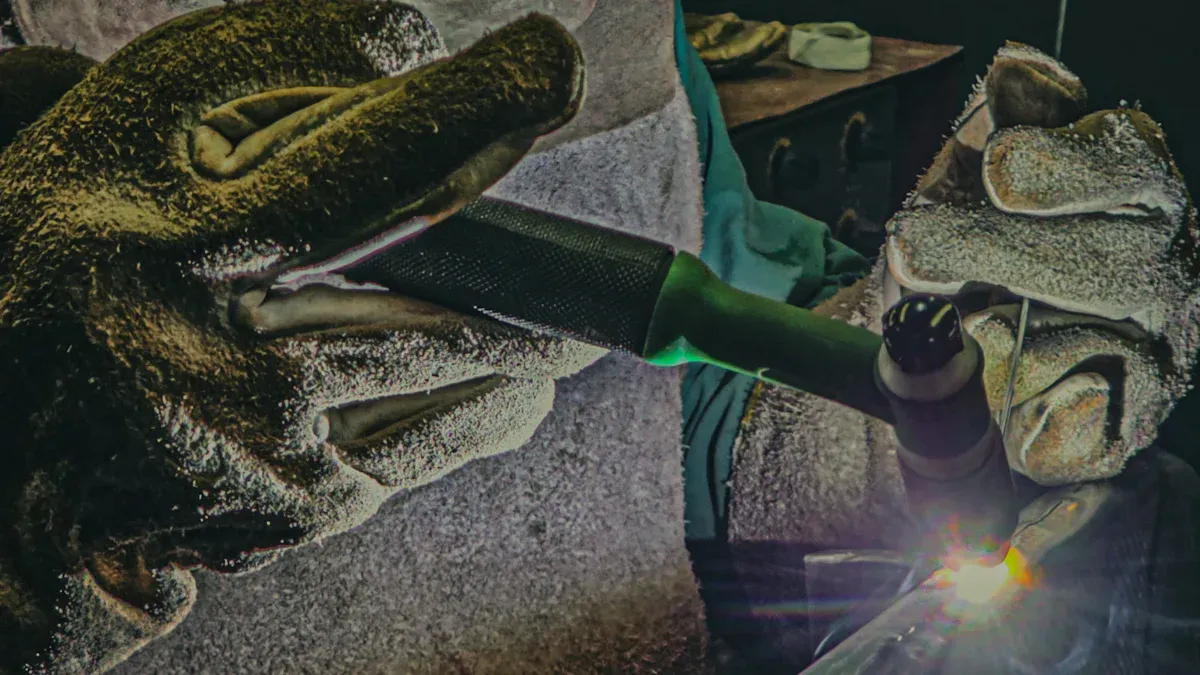
When you weld galvanized steel, you expose yourself to dangerous zinc oxide fumes. These fumes form when the zinc coating on the steel vaporizes under the heat of welding. Breathing in zinc oxide fumes can cause metal fume fever. You may feel symptoms like chills, fever, muscle aches, nausea, and a dry throat. These symptoms often appear within a few hours and can last up to two days. Sometimes, welders call this “Monday morning sickness” because it often happens after a break from welding.
You also risk breathing in other harmful substances. The fumes from welding galvanized steel can contain:
- Zinc oxide fumes (main cause of metal fume fever)
- Hexavalent chromium (can damage your lungs and increase cancer risk)
- Cadmium (can harm your kidneys and lungs)
- Lead oxide (can affect your nervous system)
- Gases like ozone, carbon monoxide, and nitrogen oxides (can make it hard to breathe)
| Hazardous Substance | Source / Cause | Health Impacts / Symptoms | Exposure Nature | Long-term Effects / Risks |
|---|---|---|---|---|
| Zinc Oxide Fumes | Vaporized zinc coating on steel | Metal fume fever: flu-like symptoms such as fever, chills, muscle aches, nausea, cough | Acute, short-term | Can lead to chronic respiratory diseases (e.g., COPD, asthma) |
| Hexavalent Chromium | Present in some steels | Respiratory irritation, nose damage, cancer risk | Chronic, carcinogenic | High risk of cancer and chronic respiratory illness |
| Cadmium | Found in some galvanized coatings | Lung damage, kidney damage, cancer | Chronic, potentially fatal | Severe long-term organ damage and cancer risk |
| Lead Oxide | Welding fumes | Lung cancer, nervous system disorders | Chronic | Carcinogenic and neurotoxic effects |
| Gases (Ozone, CO, NOx) | Byproducts of welding process | Respiratory irritation, inflammation, breathing difficulties | Acute and chronic | Can worsen lung diseases and cause other problems |
You must always use proper ventilation and wear a respirator approved for welding. Never use a paper mask. Wash your hands and face after welding, and change out of your work clothes before going home. This helps protect your family from contamination.
Weld Defects and Quality Issues
Welding galvanized steel often leads to several weld defects. The zinc coating melts and vaporizes at a much lower temperature than steel. This causes problems in the weld area. You may notice:
- Porosity: Small holes or bubbles in the weld caused by trapped gases.
- Lack of fusion: The weld metal does not fully bond with the base metal.
- Burn-through: The weld melts right through thin steel, leaving holes.
- Excessive spatter: Small bits of molten metal fly off and stick to nearby surfaces.
- Cracking: The weld or the area next to it may crack due to stress and chemical reactions.
These defects make the weld weaker and less reliable. You may need to adjust your welding technique, such as changing the angle of your torch or slowing down your travel speed. Cleaning the steel before welding and using anti-spatter spray can help reduce these problems.
Tip: Always check your welds for defects. Poor welds can fail under stress and cause safety hazards.
Why These Problems Occur
The main reason you face these issues when you weld galvanized steel is the zinc coating. Zinc melts at about 420°F, but welding temperatures are much higher. The zinc quickly turns into vapor and gas. This gas can get trapped in the molten weld pool, causing porosity and weak spots.
Chemical reactions between zinc and steel also play a role. When you weld, zinc can react with other elements in the steel, creating brittle layers and hard spots. Sometimes, zinc vapor seeps into the grain boundaries of the steel, leading to cracks. This is called liquid metal embrittlement. The fast vaporization of zinc can also cause the weld pool to bubble and spit, leading to spatter and uneven welds.
You can reduce these problems by removing the zinc coating before welding or by using special welding methods. Preheating the steel can help the zinc burn off more slowly, giving the gas time to escape. Keeping the weld pool small also helps prevent gas from getting trapped.
Can I Weld Galvanized Steel? Real Welders’ Experiences
Shop Floor Stories and Lessons Learned
Many welders ask, “Can I weld galvanized steel and get good results?” You might hear stories from the shop floor that show both the risks and rewards. Some welders remember their first time trying to weld galvanized steel. They often talk about thick white smoke, burning eyes, and a strange metallic taste. One welder shared, “I thought I could just weld galvanized steel like regular steel, but I got sick and my welds looked terrible.” These stories highlight the importance of safety and preparation.
Professional welders report several big challenges when you weld galvanized steel:
- Health risks from toxic zinc oxide fumes, which can cause metal fume fever.
- Difficulty getting the weld to penetrate the steel because of the zinc coating.
- Lots of weld splatter if you do not remove the zinc first.
- Damaged zinc coating, which makes the steel rust faster.
- Every job feels different because materials and methods change.
- You need special training and equipment to do it right.
Common Mistakes and How to Avoid Them
You may wonder, “Can I weld galvanized steel without making mistakes?” Many welders make the same errors at first. Here are the most common mistakes:
- Not removing the zinc coating before welding. This causes porosity and weak welds.
- Forgetting to use good ventilation or fume extraction. This exposes you to dangerous fumes.
- Using too much or too little heat. Too much heat makes more zinc vapor and defects. Too little heat gives you weak welds.
- Welding too fast or too slow. Fast welding does not melt the steel enough. Slow welding overheats the metal.
- Ignoring safety rules. This puts your health at risk.
You can avoid these mistakes by always cleaning the area you plan to weld, setting up proper ventilation, and wearing the right protective gear.
Advice from Experienced Welders
Experienced welders often answer the question, “Can I weld galvanized steel safely?” with a few key tips:
Always remove the zinc coating where you plan to weld galvanized steel. Use a grinder or chemical remover. Set up strong ventilation or use a fume extractor. Wear a respirator made for welding fumes. Practice on scrap pieces first. Adjust your speed and heat settings until you get a clean weld. Inspect your welds for porosity and cracks. If you see defects, fix them before moving on. Remember, welding galvanized steel takes patience and skill. Do not rush the process.
If you follow these steps, you can weld galvanized steel with better results and less risk.
Preparing for Welding Galvanized Steel
Removing the Zinc Coating
Before welding galvanized steel, you need to remove the zinc coating from the area you plan to weld. This step helps you avoid toxic fumes and improves weld quality. You have several effective methods to choose from:
- Chemical removal: Use acids like hydrochloric acid, muriatic acid, citric acid, or even household vinegar. Hydrochloric acid works quickly but requires strict safety measures. Citric acid and vinegar are safer for lighter coatings.
- Mechanical removal: Try grinding, sanding, or sandblasting. Grinding gives you precise control but creates heat and debris. Sanding works well for small spots. Sandblasting uses high-pressure abrasives and needs protective gear.
- Thermal removal: Heat the steel until it is red-hot. The zinc will oxidize and flake off. This method can create toxic fumes and may warp the metal, so use caution and proper ventilation.
- Electrochemical removal: Use an electrolytic cell to strip zinc evenly without harming the base metal. This method is best for high-quality surface preparation.
Always wear gloves, goggles, and a mask when removing zinc. Work in a well-ventilated area and rinse the metal after using acids to prevent corrosion.
Essential Safety Gear and Ventilation
Welding galvanized steel exposes you to dangerous fumes. You must use the right safety gear and ensure proper ventilation. Here is what you need:
- A welding respirator with P100 filters or a powered air-purifying respirator (PAPR) for proper respiratory protection.
- A welding helmet and protective glasses to shield your eyes and face.
- Flame-resistant clothing, such as jackets, aprons, and sleeves.
- Leather or Kevlar welding gloves.
- Leather high-top boots with steel toes and rubber soles.
- Welding spats, face shields, and head protection for extra safety.
- Earplugs if you work in a noisy environment.
Set up local exhaust ventilation or mechanical ventilation to capture fumes at the source. Use fume extraction arms or booths with down-draft airflow. In enclosed spaces, mechanical ventilation should move at least 2000 CFM per welder. If you cannot provide enough ventilation, use an air-supplied respirator.
Setting Up a Safe Workspace
You need a safe workspace before you start welding. Keep your area clean and free of clutter. Make sure you have good lighting. Place fire extinguishers nearby. Keep flammable materials away from your welding zone.
Position your ventilation equipment close to the weld. Use movable hoods or extraction arms to capture fumes. Monitor air quality with sensors to ensure fume levels stay safe. Follow OSHA and ANSI standards for welding safety. Always check your safety gear before you begin.
Proper preparation protects your health and helps you achieve strong, clean welds when welding galvanized steel.
Best Methods for Welding Galvanized Steel
Stick Welding (SMAW)
Stick welding, also called Shielded Metal Arc Welding (SMAW), works on galvanized steel but brings some challenges. You use a stick electrode to create the weld. This method produces slag, a layer of leftover flux, which you must clean off after welding. If you leave slag on the metal, it can cause problems when you try to re-galvanize or paint the steel. Uncoated electrodes help reduce extra flux deposits, making cleanup easier. You should always match your electrode to the type of steel you are welding. This helps you get a strong weld and a smooth zinc coating later. While stick welding gets the job done, other methods make post-weld cleaning much simpler because they do not create as much slag.
MIG Welding (GMAW)
MIG welding, or Gas Metal Arc Welding (GMAW), is a popular choice for galvanized steel. You can get cleaner welds and less slag with this method. To get the best results, follow these steps:
- Remove the zinc coating from the weld area with a grinder or wire brush.
- Clean the base metal so it is free of dirt and oil.
- Use a pushing motion with the welding gun to cover the weld with gas and reduce spatter.
- Keep the arc short, about 1/4 inch, for good penetration.
- Move the gun a bit faster to lower the heat and limit zinc fumes.
- Work in a space with good ventilation or use a fume extractor.
- Wear a respirator made for welding fumes.
- Clean the weld bead after you finish.
- Apply a zinc-rich paint or coating to protect the steel from rust.
Tip: Good preparation and safety gear help you avoid weld defects and protect your health.
Flux Core Welding (FCAW)
Flux core welding (FCAW) gives you strong welds on galvanized steel, especially outdoors. You use a special wire with flux inside. This flux cleans the weld puddle and helps burn off zinc impurities. E71T-11 wire works well because it does not need extra shielding gas. The flux core wire also keeps the arc stable, even when zinc vapor tries to cause problems. You can weld faster and handle dirty or rusty steel better with FCAW. This method does make slag, but you can remove it after welding. Many welders choose FCAW for galvanized steel because it gives cleaner, stronger welds and works well in less-than-perfect conditions.
TIG Welding (GTAW)
TIG welding, also called Gas Tungsten Arc Welding (GTAW), gives you precise control and clean welds. Many welders choose this method when they need high-quality results, especially on thin steel. You use a tungsten electrode and a shielding gas, usually argon, to protect the weld area from air. This process helps you make neat, strong joints.
However, TIG welding on galvanized steel brings some challenges. You need special training to master this method. The process moves slowly compared to other types of welding. You must remove the zinc coating from the weld area before you start. If you skip this step, the zinc will vaporize and create toxic fumes. These fumes can cause metal fume fever and make you feel sick. Zinc vapor can also weaken the weld, making it brittle and more likely to crack. You may see small holes, called porosity, or spatter on the weld. The zinc coating can also make the arc unstable, so you must adjust your settings carefully.
Note: Always use proper ventilation and wear a respirator when TIG welding galvanized steel. Clean the weld area before and after to avoid health risks and get the best results.
TIG welding works best for small, detailed jobs where you need accuracy. You should avoid this method if you want to work fast or if you have thick coatings to remove. Always check your welds for cracks or weak spots after you finish.
Tips for Better Results
You can improve your welds on galvanized steel by following these expert tips:
- Remove the zinc coating from the weld zone using a grinder or wire brush.
- Set up strong ventilation or use an exhaust system to clear away fumes.
- Wear full protective gear, including a respirator, helmet, gloves, and flame-resistant clothing.
- Calibrate your welding settings to avoid porosity and cracks.
- Inspect your welds for flaws like cracks or poor fusion.
- Keep your workspace clean and free of flammable items.
- Reapply a zinc-rich paint or cold galvanizing compound after welding to protect against rust.
A table can help you remember these steps:
| Step | Why It Matters |
|---|---|
| Remove zinc coating | Reduces fumes and weld defects |
| Use ventilation | Protects your lungs from toxic gases |
| Wear PPE | Shields you from burns and fumes |
| Adjust settings | Prevents weak or cracked welds |
| Inspect welds | Ensures strength and safety |
| Restore coating | Stops rust and keeps steel strong |
Tip: Start with easier welding methods if you are new. Practice on scrap pieces before working on important projects.
After Welding Galvanized Steel: Protection and Corrosion Prevention
Cleaning the Weld Area
After you finish welding galvanized steel, you need to clean the weld area. Cleaning removes slag, spatter, and any leftover zinc residue. This step helps you get a smooth surface and prepares the metal for further protection. Here are some best practices:
- Use a wire brush or grinder to remove weld slag and flux residues.
- Try abrasive blasting or chipping for stubborn spots.
- Make sure you wear gloves, goggles, and a mask to protect yourself from dust and fumes.
- Clean the area around the weld bead, not just the weld itself.
Tip: Always check that the weld area is free of oil, dirt, and loose particles before moving to the next step. A clean surface helps coatings stick better and last longer.
Restoring Zinc Coating or Painting
Welding burns away the zinc coating near the weld, which leaves the steel open to rust. You need to restore this protection. The most practical way is to use a zinc-rich paint or cold galvanizing compound. Look for products with at least 80% to 94% metallic zinc content for the best results. Clean the weld area well before painting to help the coating stick.
- Cold galvanizing paint is easy to apply and gives strong corrosion resistance.
- Metallizing or arc spray zinc coatings work well but cost more.
- Hot dip galvanizing offers full protection but may not be practical for small repairs.
- Inorganic zinc or zinc epoxy paints are also good choices.
Note: Always follow the instructions on the paint or coating. Good surface preparation is key to stopping rust and making the protection last.
Inspecting Weld Quality
You should inspect your welds to make sure they are strong and safe. Start with a visual check for cracks, holes, or uneven spots. For a deeper look, use magnetic particle inspection (MPI). This method works well because zinc is paramagnetic and helps you find hidden defects.
- Non-destructive examination (NDE) is best done before any new galvanizing or painting.
- Visual inspection after coating can help spot surface problems but may miss deeper issues.
- Always check for signs of liquid metal embrittlement, which can weaken the weld.
Remember: Careful inspection helps you catch problems early and keeps your welded steel safe and durable.
Dangers of Welding Galvanized Steel: Metal Fume Fever and Safety
Symptoms of Metal Fume Fever
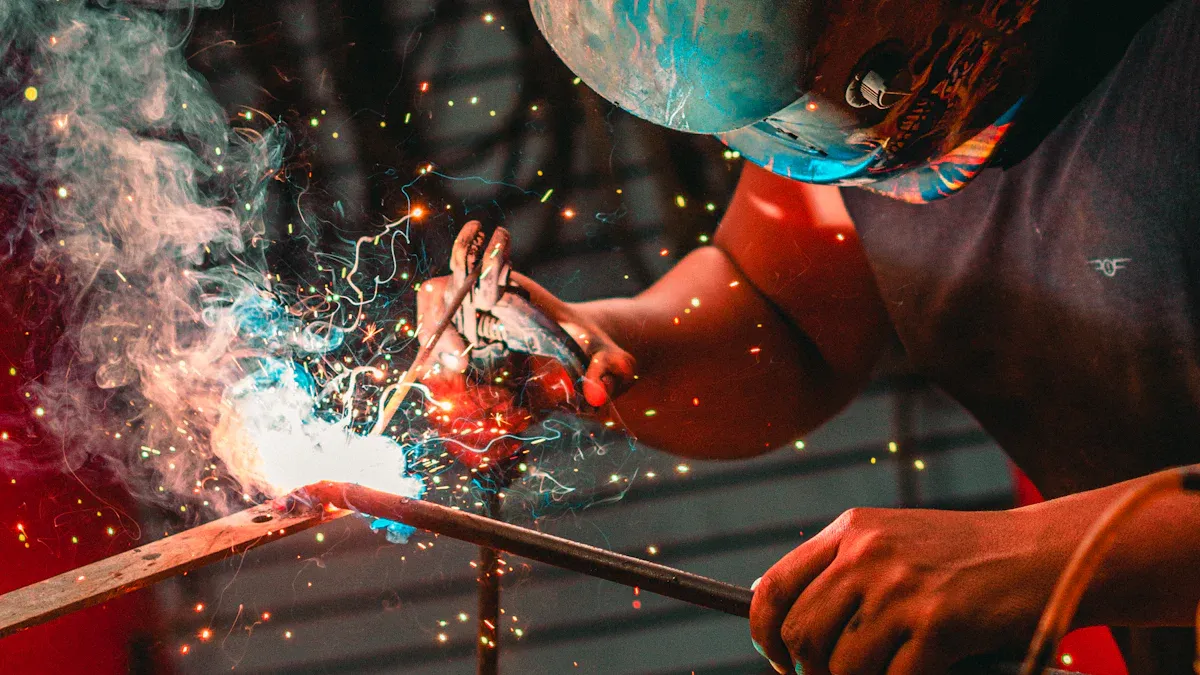
You might not notice the danger right away when you weld galvanized steel. Symptoms of metal fume fever often start a few hours after you finish your work. Many welders describe these symptoms as feeling like the flu. Watch for the following signs:
- Chills
- Muscle pain
- Chest pain
- Non-productive cough
- Metallic or sweet taste in your mouth
- Headache
- Fatigue
- Feeling unwell (malaise)
- Dry or irritated throat
- Hoarseness
These symptoms usually last less than a day, but they can make you feel very sick. If you notice any of these signs after welding, take them seriously.
How to Protect Yourself
You can lower your risk by following smart safety steps every time you weld galvanized steel. Here are some important ways to protect yourself:
- Work in a well-ventilated area and use local exhaust ventilation to remove fumes at the source.
- Wear a NIOSH-approved respirator designed for welding fumes. Paper dust masks do not offer enough protection.
- Adjust your welding equipment to use the lowest voltage that still gets the job done. This helps reduce fume production.
- Keep your workspace clean and free of clutter. Use welding screens to shield others from fumes.
- Inspect your personal protective equipment often and replace anything that is damaged.
- Wash your hands and face after welding. Do not eat, drink, or smoke in areas where fumes are present.
- Learn about the hazards and symptoms of metal fume fever. Attend safety training and workshops when possible.
- If you see white dust inside your welding shield, your protection may not be working well.
Tip: Always report symptoms like headache, fever, or chills to your supervisor and seek help right away.
When to Seek Medical Help
Sometimes, metal fume fever can become serious. You should get medical help right away if you have:
- Vomiting
- Heavy sweating
- Trouble urinating
- Weakness or trouble breathing
- Fever and muscle aches that do not go away
Call Poison Control at 1-800-222-1222 for advice, or call 911 if someone is unconscious or not breathing. Try to tell the doctor what you were welding, how long you were exposed, and when your symptoms started. Quick treatment can help you recover faster. Doctors may give you fluids, medicine for nausea, or oxygen if you have trouble breathing. There is no special antidote for zinc fumes, so supportive care is very important.
You can weld galvanized steel, but you face real risks from toxic fumes and weld defects. Always prepare by removing the zinc coating at least two inches from the weld zone. Use proper ventilation and wear a respirator to protect your lungs. Many experts suggest you weld bare steel first, then galvanize it for the best results. If you must weld galvanized steel, follow these steps:
- Grind off the zinc coating before welding.
- Use stick welding outdoors when possible.
- Reapply zinc-rich paint after welding to prevent rust.
Stay safe by following all safety guidelines and using the right equipment every time you weld galvanized steel.
Preguntas más frecuentes
Can you weld galvanized steel without removing the zinc coating?
You can weld galvanized steel without removing the zinc, but you will face more fumes and weld defects. Removing the zinc first gives you safer, stronger welds. Always use proper safety gear if you skip this step.
What happens if you breathe zinc fumes while welding?
Breathing zinc fumes can make you sick. You may feel chills, fever, or muscle aches. This is called metal fume fever. The symptoms usually go away in a day, but you should always protect yourself with a respirator and good ventilation.
How do you restore corrosion protection after welding?
You should use a zinc-rich paint or cold galvanizing spray on the weld area. This coating helps prevent rust. Clean the weld first for the best results. Follow the product instructions for proper application.
Is it safe to weld galvanized steel indoors?
Welding galvanized steel indoors is risky. Fumes can build up quickly. You need strong ventilation and a welding respirator. If you cannot provide these, weld outside or choose another method.
What is the best way to remove zinc coating before welding?
You can use a grinder, sanding, or a chemical remover like vinegar or acid. Grinding works fast for small areas. Always wear gloves, goggles, and a mask to protect yourself from dust and fumes.