
You may think aluminum and stainless steel work well together, but mixing them often leads to problems. The most common mistakes include ignoring aluminium stainless steel galvanic corrosion, failing to isolate metals, and skipping protective barriers. When you let these metals touch, corrosion quickly damages the aluminum, especially in wet or salty areas. Following clear guidelines helps you avoid these risks and keeps your projects safe and strong.
Understanding Aluminium Stainless Steel Galvanic Corrosion Risks
How Galvanic Corrosion Occurs
You may see aluminum and stainless steel together in many common applications, but these metals do not always get along. Galvanic corrosion happens when you connect two different metals, like aluminum and stainless steel, in the presence of water or moisture. This contact creates a small electrical cell. Aluminum acts as the anode and loses electrons, while stainless steel acts as the cathode and stays protected. The water or salty air acts as an electrolyte, allowing the reaction to happen. Even though aluminum forms a natural oxide layer for non-reactivity, this layer breaks down when you mix it with stainless steel in wet conditions. The corrosion process speeds up, especially if you have a large stainless steel area touching a small aluminum part. You often find this problem in outdoor or marine applications.
Tip: Always remember that moisture is the main trigger for galvanic corrosion risks. Keeping metals dry helps slow down the reaction.
Potential Risks of Mixing Aluminum and Stainless Steel
When you ignore galvanic corrosion risks, you put your projects and safety at risk. The potential risks of mixing these metals include:
- Rapid corrosion of aluminum parts, which weakens the structure.
- Shorter lifespan for assemblies in common applications like bridges, railings, and building frames.
- Loss of strength in fasteners and connectors, leading to sudden failures.
- Higher costs for repairs and replacements in industrial applications.
- Safety hazards if structural components fail without warning.
Here is a table showing some severe risks you may face:
| Risk Factor | Description | Impact |
|---|---|---|
| Galvanic Corrosion | Reaction between aluminum and stainless steel in moisture | Aluminum corrodes, causing material loss |
| Electrolyte Concentration | High salt or moisture speeds up corrosion | Faster weakening of aluminum |
| Temperature | Heat increases corrosion and causes metals to expand at different rates | More stress and damage |
| Expansión térmica | Aluminum expands more than stainless steel | Extra stress and possible cracks |
You see these problems most often in outdoor or marine applications, where moisture and salt are common. If you want to prevent aluminium stainless steel galvanic corrosion, you must understand these risks and plan your projects carefully.
Mistake #1: Allowing Direct Metal-to-Metal Contact
Corrosion from Direct Contact
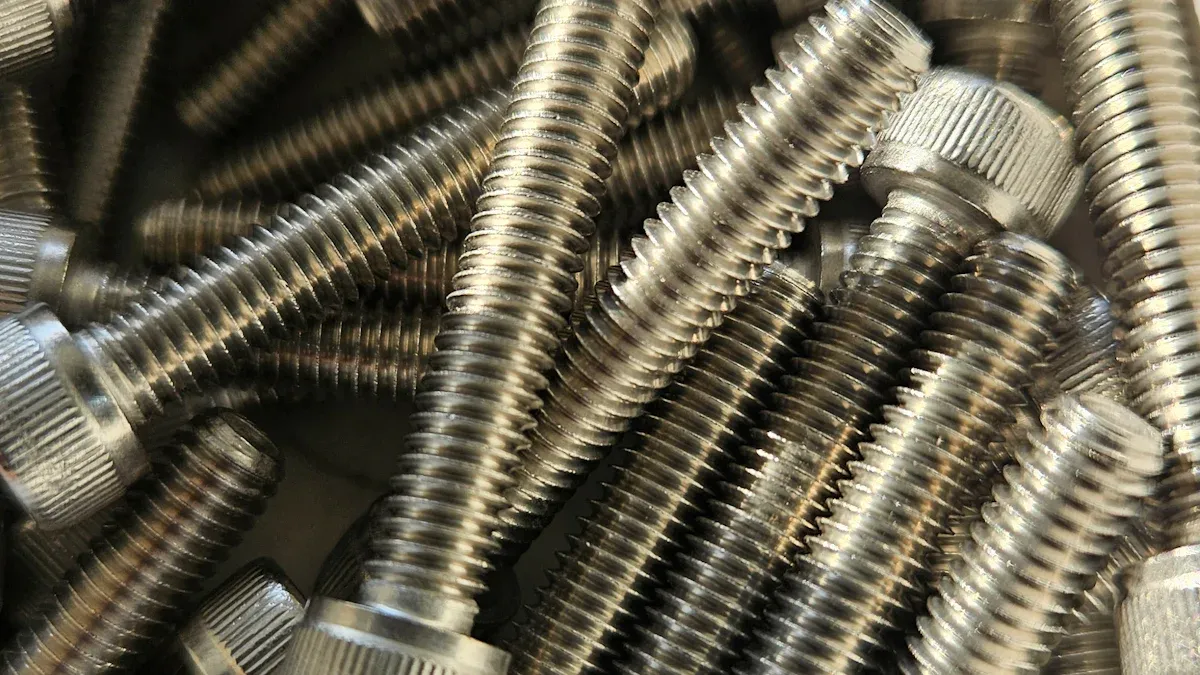
When you connect aluminum and stainless steel directly, you create a path for corrosion. This happens often in fittings where the two metals touch. Field and lab studies show that corrosion starts at the point where aluminum and stainless steel meet. The stainless steel acts as the cathode, and the aluminum becomes the anode. This means the aluminum in your fittings will corrode first. The corrosion is strongest right at the interface and gets weaker as you move away from the contact point. You see this problem most in outdoor installations or places with moisture, like marine fittings or building frames.
You may not always notice corrosion right away. Sometimes, a layer of corrosion product forms and slows down further damage. However, if you ignore the problem, your fittings can weaken over time. Environmental factors like humidity, salt, and pollutants make the corrosion worse. If you want your installation to last, you must prevent direct metal-to-metal contact in all fittings.
Tip: Even a small amount of moisture can start corrosion in your fittings. Always check for hidden water traps during installation.
Guidelines for Preventing Direct Contact
You can stop corrosion by following simple steps during installation. Industry guidelines recommend these actions for all fittings:
- Insert insulating barriers, such as neoprene or EPDM washers, between aluminum and stainless steel fittings.
- Use Well Nuts or plastic washers to keep the metals apart in your fittings.
- Apply anti-corrosion lubricants like Tef-Gel to the threads and contact surfaces of your fittings.
- Paint or coat all fittings completely to block moisture and prevent corrosion.
- Choose fittings with similar corrosion potentials when possible.
- Keep your installation dry and avoid areas where water can collect around fittings.
- Inspect your fittings regularly to make sure barriers and coatings stay in place.
| Protective Measure | Details |
|---|---|
| Insulating Barriers | Use neoprene, EPDM, or plastic washers in all fittings. |
| Anti-Corrosion Lubricant | Apply Tef-Gel to threads and contact points during installation. |
| Coatings and Paints | Cover all fittings with primer and paint to seal out moisture. |
| Regular Maintenance | Check fittings for damage or missing barriers after installation. |
If you follow these steps, you protect your fittings from corrosion and make your installation last longer.
Mistake #2: Ignoring Moisture and Electrolyte Exposure
How Moisture Increases Corrosion Risks
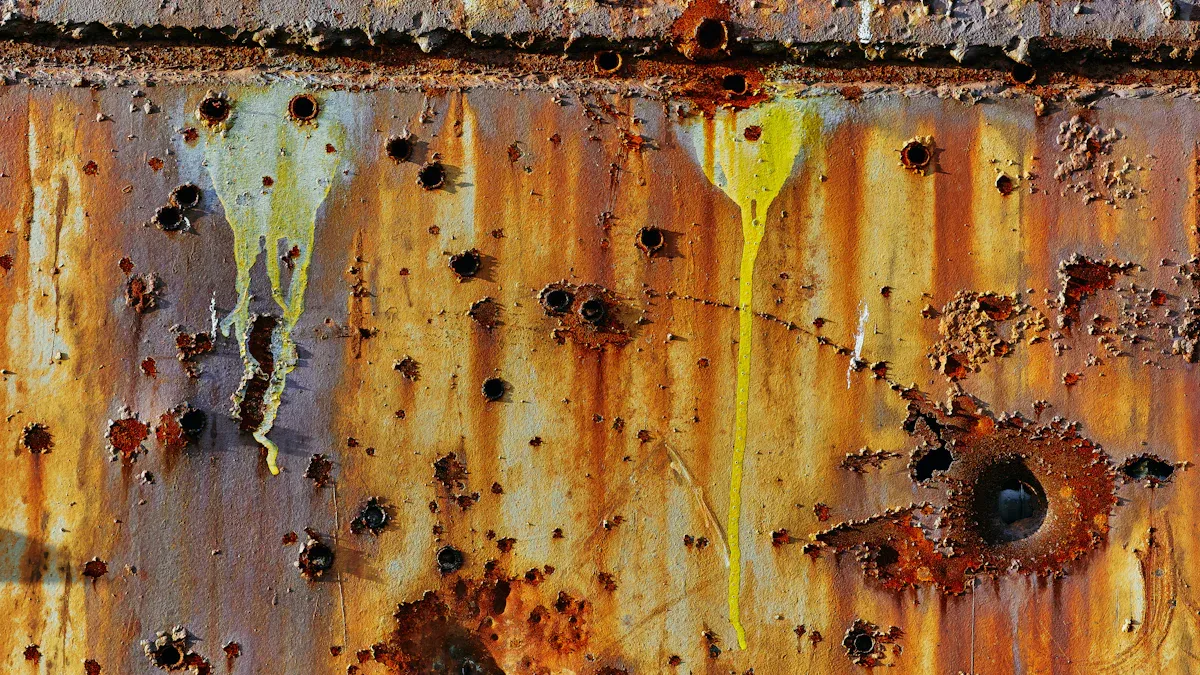
Moisture is one of the biggest threats when you combine aluminum and stainless steel. When water, rain, or even dew touches both metals, it acts as a bridge. This bridge, called an electrolyte, lets electrons move from aluminum to stainless steel. The aluminum loses electrons and starts to break down. This process is called corrosion. Stainless steel stays safe, but the aluminum gets weaker and can fail.
You need three things for this type of corrosion to happen:
- Two metals with different corrosion potentials, like aluminum and stainless steel.
- Direct contact between the metals.
- A conductive path, such as water or moisture, that links the metals.
If you remove moisture, you break the path and stop corrosion. Even small amounts of water, like condensation or fog, can speed up the damage. Saltwater makes the problem worse because it is a stronger electrolyte. You often see corrosion in places where water can collect or where air cannot dry the metals quickly.
Note: Corrosion will not start if you keep the metals dry and block moisture from reaching the surfaces.
Guidelines for Moisture Control
You can protect your assemblies by controlling moisture. Start by sealing all joints and seams. Use caulk or tape to close small gaps. For larger holes, patch them with overlapping metal pieces. Always check flashing and vapor barriers for tears or punctures.
Here are some proven ways to control moisture:
| Method | Description |
|---|---|
| Rainscreens | Add an air gap behind cladding to let water drain and air flow, keeping metal dry. |
| Protective Rust-Proof Top Coats | Apply coatings like epoxy or enamel to block water and prevent corrosion. |
| Air Circulation & Ventilation | Use fans or open windows to keep air moving and dry out damp areas. |
| Corrosion-Resistant Materials | Choose metals that resist corrosion, such as 300 series stainless steel and certain aluminum alloys. |
You should also wipe down metal surfaces after rain or high humidity. Use dehumidifiers in closed spaces. Inspect your assemblies often and fix any damage right away. Good moisture control keeps corrosion from starting and helps your project last longer.
Mistake #3: Using Incompatible Fasteners and Connectors
Corrosion from Wrong Fastener Choices
You might think any fastener will work with your aluminum and stainless steel fittings, but this is not true. Using the wrong fasteners can lead to rapid corrosion, especially in wet or salty places. Stainless steel fasteners, like screws and bolts, often cause corrosion when you use them with aluminum fittings. Stainless steel acts as the cathode, and aluminum becomes the anode. This means the aluminum in your fittings will corrode first, especially at the points where the metals touch. The risk of corrosion grows in places with salt water, humidity, or standing water.
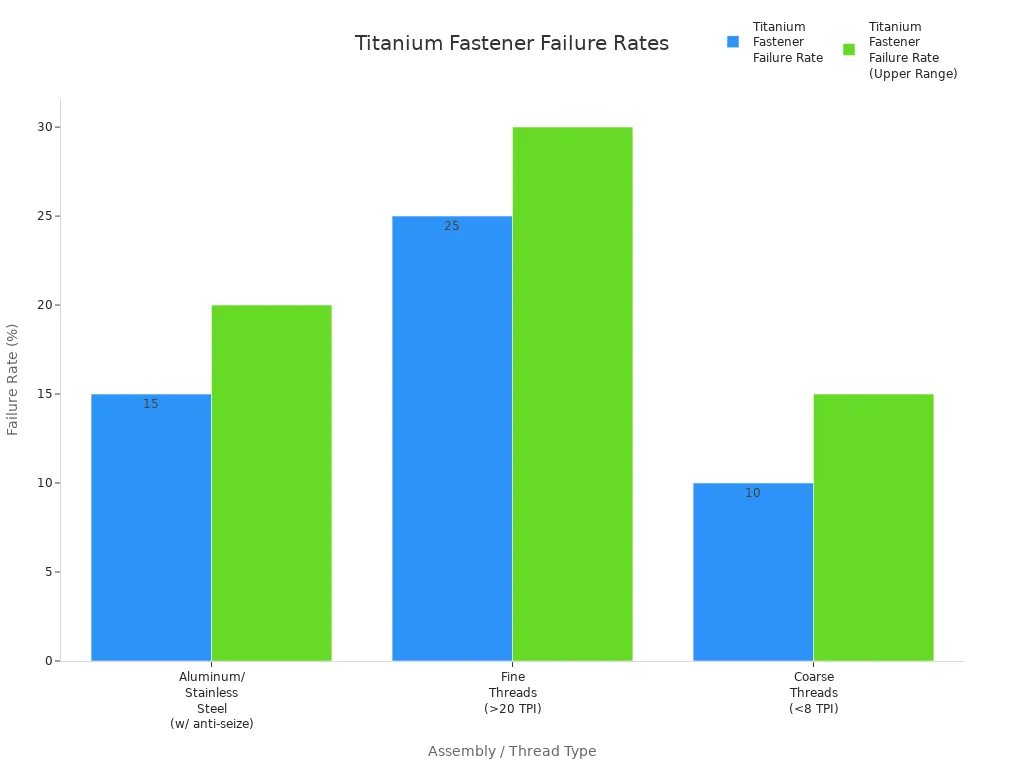
The size of your fittings also matters. If you use small stainless steel fasteners on large aluminum sheets, the corrosion is less severe. However, large stainless steel fittings on small aluminum parts can cause quick damage. Brass fasteners can also cause fast corrosion with aluminum, especially in marine settings. Titanium fasteners work better with aluminum, but they can have high failure rates due to galling, especially if you need to remove the fittings later.
Tip: Always check the compatibility of fittings and fasteners before starting your project. This step helps you avoid costly repairs and keeps your fittings strong.
Guidelines for Selecting Compatible Fasteners
You can prevent corrosion by choosing fasteners with good compatibility for your fittings. Start by matching the metal of your fasteners to the metal of your fittings whenever possible. This practice reduces the risk of corrosion and improves the compatibility of your assembly. If you must mix metals, use insulating washers made of neoprene or EPDM between the fastener and the fitting. This barrier stops the metals from touching and slows down corrosion.
Here are some steps for proper selection based on application:
- Use aluminum fasteners with aluminum fittings for best compatibility.
- If you use stainless steel fasteners, keep them small compared to the aluminum fittings.
- Avoid brass fasteners with aluminum, especially in marine environments.
- Choose titanium fasteners only if you do not need to remove the fittings often.
- Always use insulating washers or coatings to separate different metals.
- Check for certifications like ISO 9001:2008 or RoHS to ensure quality, but remember these do not guarantee compatibility.
| Fastener Material | Fitting Material | Compatibility | Notes |
|---|---|---|---|
| Aluminum | Aluminum | High | Best for corrosion resistance |
| Acero inoxidable | Aluminum | Medium | Use insulation to reduce corrosion |
| Brass | Aluminum | Low | Avoid in wet or salty environments |
| Titanium | Aluminum | High | Good, but watch for galling in fittings |
You should always review the compatibility of fittings and fasteners before installation. This habit helps you avoid corrosion and keeps your fittings safe for years.
Mistake #4: Skipping Protective Barriers and Coatings
Importance of Isolation Barriers for Corrosion Prevention
You need to use isolation barriers to protect your aluminum and stainless steel fittings. When you skip this step, you allow direct contact, which speeds up corrosion. Isolation barriers break the electrical path between metals, stopping the reaction that damages your fittings. You can use neoprene washers, EPDM gaskets, or plastic spacers to keep the metals apart. These barriers work well in both indoor and outdoor settings.
Research shows that anodizing aluminum creates a strong oxide film. This film blocks corrosion when you use it with stainless steel fittings. The Aluminum Design Manual suggests powder coatings for aluminum and silicon-based coatings for stainless steel. These coatings can reduce corrosion rates by up to 100 times compared to bare metal. Real-world projects, like bridges and marine structures, prove that combining coatings and barriers keeps your fittings safe and extends their life.
Tip: Always place an insulating barrier between aluminum and stainless steel fittings. This simple step protects your project from early failure.
Guidelines for Applying Protective Coatings
You can boost the durability of your fittings by applying the right protective coatings. Start by cleaning the surface of your fittings. Remove dirt, oil, and old paint. Choose a coating that matches your environment and the compatibility of your metals. For aluminum, anodizing works well in most outdoor areas. For stainless steel, use oxide-based or silicon-based coatings for extra protection.
Here are some best practices for coating your fittings:
- Use powder coating for aluminum fittings if you want a cost-effective option.
- Try specialized coatings like Dursan® or Fluid Film NAS for harsh or salty environments.
- Apply coatings evenly, making sure to cover all parts of your fittings, even hard-to-reach spots.
- Avoid household sprays like WD-40, as they do not last in wet or outdoor areas.
- Inspect your fittings often and reapply coatings when you see wear.
| Coating Type | Best Use Case | Notes |
|---|---|---|
| Anodizing | Aluminum fittings outdoors | Strong oxide layer, good durability |
| Powder Coating | Large aluminum fittings | Cost-effective, many color options |
| Silicon-Based Coating | Stainless steel in marine use | High resistance to corrosion |
| Specialized Coatings | Extreme or salty environments | Extra protection for all fittings |
You protect your fittings from corrosion and improve their compatibility by following these steps. Regular maintenance and the right coatings keep your fittings strong for years.
Mistake #5: Poor Design Creating Water Traps
Corrosion Risks from Water Traps
You may not notice water traps in your assemblies, but they create serious risks for aluminum and stainless steel. When water gets stuck in tight spaces or crevices, it cannot dry out. This trapped moisture breaks down the protective oxide layer on aluminum, especially in marine applications. In some cases, you can lose up to 2.0mm of aluminum thickness each year. Saltwater makes the problem worse by speeding up corrosion at joints and hidden spots.
Poor design choices, such as sharp corners or narrow gaps, allow moisture and debris to collect. These areas become aggressive environments where corrosion attacks both metals. You see this most often in outdoor or marine applications, where water and salt are common. If you do not address these risks, your assemblies can fail much sooner than expected.
Tip: Always look for places where water might collect in your applications. Fixing these spots early helps prevent costly damage.
Guidelines for Drainage and Airflow
You can protect your assemblies by designing for proper drainage and airflow. Start by using smooth surfaces and rounded edges in your applications. This design helps water flow away instead of getting trapped. Adding weep holes or drainage channels lets moisture escape from inside your assemblies. For example, Cross-Flo Jacketing uses a special pattern and moisture barrier with weep holes to drain water, which reduces corrosion under insulation in many applications.
Choose piping systems with smooth interiors and leak-free fittings, like Transair® aluminum and stainless steel systems. These designs keep airflow strong and prevent water from building up. Quick-connect fittings also make it easy to change layouts in your applications, helping you avoid new water traps.
Here are some steps you can follow:
- Add weep holes at the lowest points in your assemblies.
- Use cross-crimped or patterned jacketing to improve drainage.
- Select materials and coatings that resist corrosion in your applications.
- Inspect and clean your assemblies often to remove debris that blocks drainage.
| Design Feature | Benefit in Applications |
|---|---|
| Weep Holes | Allow water to drain out |
| Smooth Surfaces | Prevent moisture from collecting |
| Leak-Free Fittings | Reduce water buildup in piping |
| Regular Inspection | Catch and fix drainage problems early |
By following these guidelines, you lower the risks of corrosion and help your aluminum and stainless steel applications last longer.
Mistake #6: Neglecting Regular Inspection and Maintenance
Corrosion from Lack of Maintenance
You may think your aluminum and stainless steel fittings will last without much attention, but skipping maintenance can lead to serious corrosion. When you do not check your fittings often, small problems can grow quickly. Moisture, salt, and dirt collect around fittings and create the perfect spot for corrosion to start. Over time, you may see rust, pitting, or even material loss at the points where metals touch. If you do not act early, the corrosion can weaken your fittings and cause them to fail.
Tip: You protect your investment when you make maintenance a regular habit. Early action stops corrosion before it spreads.
Guidelines for Ongoing Inspection
You can keep your fittings strong by following a simple routine for regular inspection and maintenance. Here are steps you should take:
- Store your fittings away from harsh or corrosive environments whenever possible.
- Apply protective coatings to all fittings that face moisture or salt exposure.
- Use cathodic protection systems with sacrificial anodes for fittings in marine or high-risk areas. Check and replace these anodes as needed.
- Never coat sacrificial anodes, since this blocks their protective job.
- Inspect your fittings at least once a year. Look for rust, pitting, or any signs of corrosion at metal contact points.
- Make sure all fittings have proper drainage so water cannot collect and speed up corrosion.
- Follow standards like NFPA 13 and NFPA 70. These recommend using compatible materials and dielectric connectors to keep dissimilar metals apart.
You can use a simple table to track your inspection routine:
| Task | Frequency | What to Look For |
|---|---|---|
| Visual inspection | Every 6-12 months | Rust, pitting, material loss |
| Check coatings | Every 6 months | Peeling, cracks, worn spots |
| Replace sacrificial anodes | As needed | Anode wear or loss of function |
| Test drainage | Every 6 months | Water buildup near fittings |
When you follow these steps, you help your fittings resist corrosion and extend their life. Regular inspection and maintenance keep your projects safe and reliable.
Mistake #7: Overlooking Environmental and Application Factors
Environmental Risks of Mixing Aluminum and Stainless Steel
You face serious risks when you ignore the environment in your aluminum and stainless steel fittings. Humidity, temperature, and salinity all change how fast corrosion attacks your fittings. Higher temperatures speed up chemical reactions, so corrosion happens faster. Lower temperatures slow corrosion but can cause other problems, like brittle fractures in your fittings. Humidity adds moisture, which acts as a bridge for corrosion between metals. In coastal or marine applications, salt in the air lowers resistance and lets corrosion spread quickly through your fittings.
You also need to watch for stagnant water, dirt, and crevices in your applications. These areas trap moisture and keep your fittings wet for longer. The longer water stays on your fittings, the more likely corrosion will damage them. Moisture and salt act as electrolytes, making it easy for ions to move between aluminum and stainless steel. This process increases the risks and reduces the longevity of your fittings.
| Environmental Factor | Effect on Corrosion Rate |
|---|---|
| Humidity / Fog | Extends moisture presence, helps corrosion start and spread in fittings. |
| Salinity (Salt Water) | Speeds up corrosion by making it easier for ions to move between metals in your fittings. |
| Stagnant Water | Keeps fittings wet, raising the risk of corrosion and lowering longevity. |
| Dirt and Crevices | Trap moisture, increasing corrosion in hidden parts of your fittings and applications. |
Note: Always consider the environment when planning your fittings. This step protects your applications and boosts longevity.
Guidelines for Harsh or Marine Environments
You can protect your fittings in harsh or marine applications by following proven guidelines. Choose corrosion-resistant aluminum alloys from the 5000- or 6000-series for your fittings. For stainless steel, use grades like 316L or duplex steels, which resist corrosion and last longer in marine applications. Grade 316 works well for deck fittings above the waterline, while duplex steels handle tropical waters and hot exhaust areas.
Follow these steps to keep your fittings safe and extend longevity:
- Use A4-quality stainless steel fasteners or aluminum rivets for your fittings.
- Electrically insulate all dissimilar metal fittings with sealing wax, caps, or special washers.
- Avoid direct contact between aluminum and carbon steel in your fittings.
- Apply protective coatings or anodize aluminum fittings for extra defense.
- Design your applications to drain water and let rain clean your fittings naturally.
- Place sacrificial anodes, like zinc or magnesium, on submerged aluminum fittings to absorb corrosion.
- Never ground aluminum fittings directly to the boat structure; use isolation transformers for shore power.
You should always design your fittings and applications to avoid trapped moisture and debris. Promote drainage and airflow to keep your fittings dry. These steps lower the risks of corrosion and increase the impact on system longevity. When you follow these guidelines, your fittings will last longer and perform better in any environment.
Quick Reference Checklist: Guidelines to Prevent Aluminium Stainless Steel Galvanic Corrosion
Step-by-Step Prevention Checklist
You can prevent aluminium stainless steel galvanic corrosion by following these best practices for mixing metals in your fittings and assemblies. Use this checklist before and during installation to keep your fittings strong and safe:
- Electrically disconnect aluminum and stainless steel fittings by using insulation rings, plastic washers, or other non-conductive materials.
- Select metals with similar electrode potentials for your fittings to reduce corrosion risk.
- Apply high-quality anodized coatings to aluminum fittings. Make sure the coating is even and free of cracks.
- Use compatible fasteners. Match the metal type or use coated fasteners to avoid galvanic cells in your fittings.
- Control moisture around your fittings. Seal joints, use caulk, and design for drainage to keep water away.
- Avoid direct contact between aluminum and stainless steel fittings. Always use a physical barrier.
- Inspect your fittings regularly. Look for signs of corrosion, worn coatings, or trapped moisture.
- Replace sacrificial anodes when they are about half gone. Clean mounting surfaces to ensure good electrical contact.
- Assign a professional to oversee material selection and installation guidelines and best practices on large projects.
Tip: Always check your fittings after installation. Early action helps you catch problems before they grow.
Summary Table of Do’s and Don’ts
Use this table to remember the best and worst practices for your fittings and assemblies:
| Do’s | Don’ts |
|---|---|
| Use insulation rings or plastic washers between fittings | Allow direct metal-to-metal contact |
| Apply protective coatings and anodize aluminum fittings | Use untreated or cracked coatings |
| Choose compatible fasteners and fittings | Mix incompatible fasteners or metals |
| Control moisture and design for drainage in your installation | Let water or debris collect around fittings |
| Inspect and maintain your fittings regularly | Ignore signs of corrosion or worn barriers |
| Replace sacrificial anodes when 50% corroded | Paint over sacrificial anodes or mix different anode types |
| Assign a professional for large projects | Skip professional oversight on complex installations |
By following these best practices, you protect your fittings from aluminium stainless steel galvanic corrosion. Good installation and regular care help your fittings last longer and perform at their best.
You protect your projects and ensure longevity when you follow proven guidelines for aluminium stainless steel galvanic corrosion. Using the checklist for every installation helps you avoid costly mistakes and supports the longevity of your equipment. Experts recommend consulting certified professionals and using tested products for critical jobs, which improves safety and boosts longevity. Take action now to safeguard your investment and keep your structures reliable for years to come.
Preguntas más frecuentes
What is galvanic corrosion between aluminum and stainless steel?
You see galvanic corrosion when aluminum and stainless steel touch and moisture is present. The aluminum loses material faster. This weakens your project. You can stop this by using barriers or coatings.
Can I use stainless steel cookware with aluminum utensils?
You can use stainless steel cookware with aluminum utensils. Make sure you avoid scratches. Clean both items after use. This helps prevent unwanted reactions and keeps your cookware in good shape.
How do I avoid common cooking mistakes with mixed metals?
You avoid cooking mistakes by not using harsh cleaners or metal scouring pads. Dry your cookware and utensils after washing. Store them separately. This prevents sticking and damage to your kitchen tools.
What should I know about cooking with stainless steel and aluminum?
You should know that cooking with stainless steel and aluminum together is safe. Always check for signs of wear. Use gentle cleaning methods. This keeps your cookware working well for a long time.
How do I choose high-performance cookware for my kitchen?
You choose high-performance cookware by looking for strong materials and good coatings. Pick items that resist corrosion. Read reviews and ask experts. This helps you find the best tools for your needs.