

Welding galvanized steel puts you at risk for unique health hazards. When you weld galvanized steel, the zinc coating releases zinc oxide fumes. These toxic fumes can fill your workspace fast. You may breathe in zinc oxide fumes and face immediate health hazards. Metal fume fever often strikes welders who work with galvanized steel. Over time, welding galvanized steel can lead to serious health risks. Galvanized steel welding requires extra caution to keep you safe.
Always recognize the dangers of zinc oxide fumes when welding galvanized steel.
Why Galvanized Steel Welding Is Different
What Is Galvanized Steel?
You often see galvanized steel in construction, automotive, and outdoor projects. This material starts as plain carbon or low alloy steel. Manufacturers dip the steel into molten zinc, which forms a zinc coating on the surface. This zinc coating protects the steel from rust and corrosion. Under the outer zinc layer, zinc-iron alloy layers bond tightly to the steel. The chemical makeup of galvanized steel usually includes less than 0.25% carbon, less than 0.04% phosphorus, and up to 1.3% manganese. The zinc coating’s thickness and appearance can change depending on the steel’s silicon and phosphorus content.
Note: The zinc coating gives galvanized steel its shiny or matte gray look and helps it last longer outdoors.
How Zinc Coating Affects Welding
When you weld galvanized steel, the zinc coating changes the process in several ways. The high heat from welding causes the zinc coating to turn into vaporized zinc. This vaporized zinc forms zinc oxide fumes, which look like a whitish-gray smoke. These fumes are much more toxic than those from welding uncoated steel. You face a higher risk of metal fume fever and long-term breathing problems because of these fumes.
The zinc coating also makes the welding process harder. You will notice more spatter and porosity in your welds. The weld pool becomes unstable, and you may need to slow down your welding speed to let the zinc coating burn off. Thicker zinc coatings create even more spatter. You must use special ventilation and fume extraction systems to keep the air safe. You also need to clean up zinc-contaminated waste properly to protect the environment.
The challenges of welding galvanized steel do not stop at health risks. The zinc coating can cause zinc embrittlement, which weakens the weld. You must adjust your welding settings and use extra personal protective equipment. These steps are not needed when you weld uncoated steel.
Tip: Always check your work area for proper ventilation and wear a respirator when welding galvanized steel.
Health Hazards of Welding Galvanized Steel
Metal Fume Fever and Welding Fume Risks
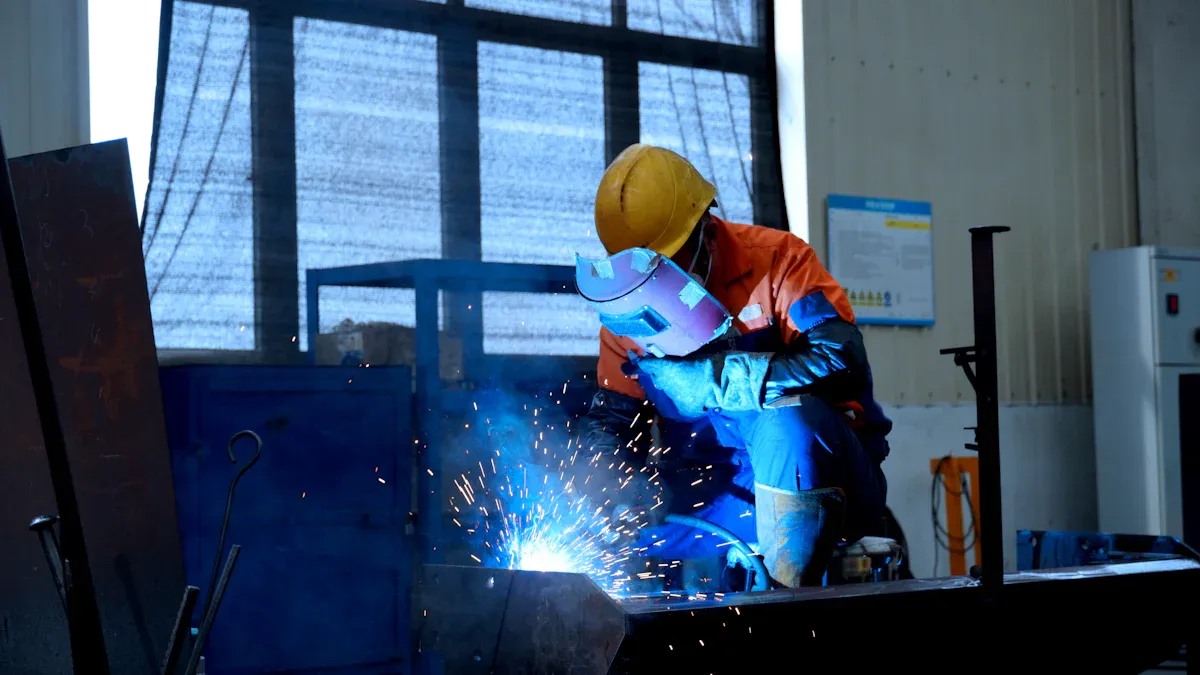
When you weld galvanized steel, you face unique health hazards that go beyond ordinary welding. The zinc coating on galvanized steel releases zinc oxide fumes when exposed to high heat. These toxic fumes are the main cause of metal fume fever, a condition that affects many welders. Metal fume fever feels like the flu. You may experience fever, chills, muscle aches, and nausea. These symptoms usually appear 6 to 12 hours after exposure and can last up to 48 hours.
Welding galvanized steel also produces other dangerous substances. You inhale not only zinc oxide but also heavy metals like lead and cadmium. These metals can cause tissue damage in your lungs and other organs. Welding fumes may also contain gases such as ozone, carbon monoxide, and nitrogen oxides. These gases add to the health risks by causing breathing problems and inflammation.
About half of all welders working with galvanized steel report symptoms of metal fume fever at some point in their careers. The risk increases if you weld indoors, lack proper ventilation, or do not use respiratory protection.
| Illness / Fume Type | Cause / Source | Symptoms / Effects | Risk Nature | Long-term Severity |
|---|---|---|---|---|
| Metal Fume Fever | Zinc fumes from galvanized steel | Flu-like symptoms: fever, chills, muscle aches, nausea | Acute, short-term | Can lead to chronic respiratory problems |
| Chromium-related Illness | Hexavalent chromium from other steels | Respiratory irritation, nose damage, cancer | Chronic, carcinogenic | High long-term risk |
| Cadmium Exposure | Cadmium in some galvanized coatings | Lung damage, cancer, kidney damage | Chronic, potentially fatal | High long-term severity |
Short-Term Symptoms and Warning Signs
You should always watch for early signs of health hazards when welding galvanized steel. The most common short-term symptoms come from inhaling zinc oxide fumes. These symptoms often start a few hours after you finish welding.
- Fatigue and chills
- Fever and muscle aches
- Dry cough and throat irritation
- Shortness of breath and chest tightness
- Metallic taste in your mouth
- Nausea, vomiting, and sweating
Some workers also notice increased thirst, salivation, or even allergic reactions like skin rashes. These symptoms usually go away within 48 hours if you stop exposure and get rest. However, repeated exposure to zinc oxide fumes can make symptoms worse and lead to chronic health risks.
Tip: If you feel sick after welding galvanized steel, leave the area, get fresh air, and drink plenty of water. Tell your supervisor right away.
Long-Term Health Effects
Long-term exposure to welding fumes from galvanized steel can cause serious health problems. Breathing in zinc oxide fumes and other toxic substances over time damages your lungs and other organs. You may develop chronic cough, phlegm, and chest illnesses. Studies show that welders exposed to galvanized steel have higher rates of chronic respiratory diseases, including chronic obstructive pulmonary disease (COPD) and occupational asthma.
Welding fumes also contain lead oxide and cadmium. These metals increase your risk of lung cancer, kidney damage, and nervous system disorders. The International Agency for Research on Cancer (IARC) classifies welding fumes as carcinogenic to humans. This means that long-term exposure can lead to cancer and other life-threatening diseases.
You may also face problems like welder’s lung, a condition where metal particles build up in your lungs. This can make breathing harder and worsen other lung diseases. Chronic exposure to zinc coating fumes can even cause copper deficiency, which affects your nerves and brain.
Note: Chronic health risks from welding galvanized steel are real. Always use proper safety measures to protect yourself from long-term health problems and galvanzie poisoning.
How to Reduce Welding Fume Risks
Preparation and Work Area Setup
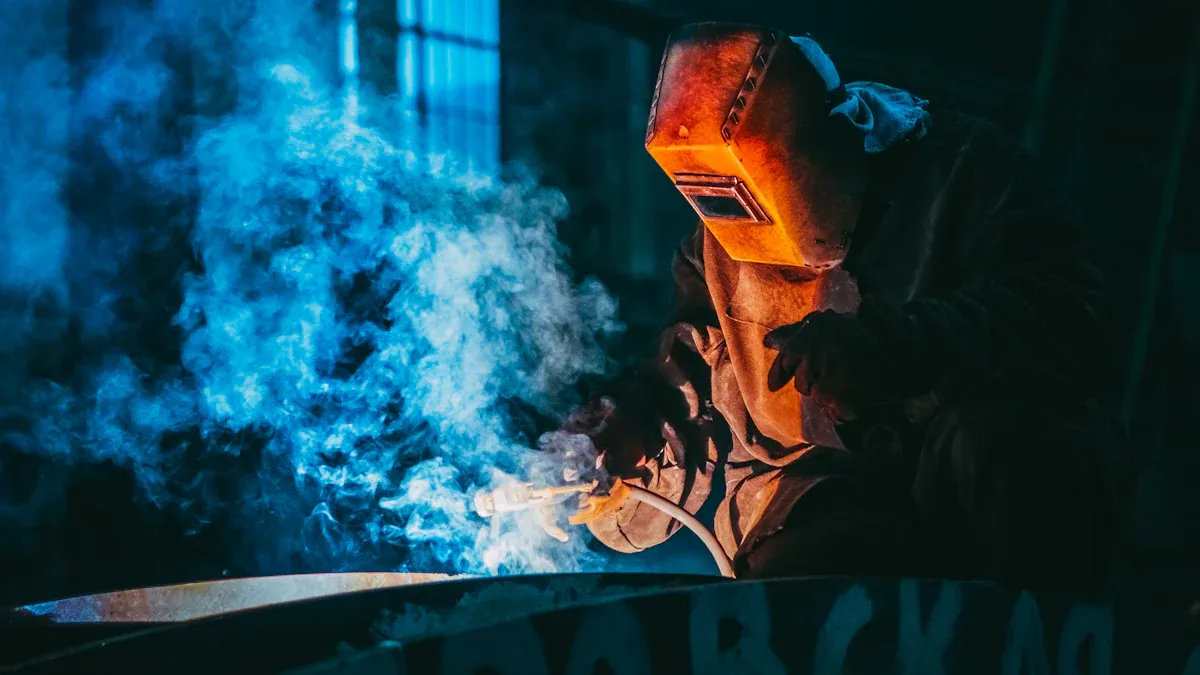
You can lower your risk from welding fumes by preparing your workspace before you start. Safety organizations recommend these steps:
- Work in areas with proper ventilation or use mechanical systems like Local Exhaust Ventilation (LEV) to capture fumes at the source.
- Remove the zinc coating around the weld area by grinding or sanding. This step reduces the amount of toxic zinc oxide fumes.
- Use respiratory protection with filters made for zinc oxide fumes.
- Wear full protective equipment, including a welding helmet, flame-resistant gloves, protective clothing, and steel-toed boots.
- Follow OSHA safety standards to protect your health.
- Adjust your welding method, electrode angle, and speed to minimize fume production.
- Stand upwind or use fans to direct fumes away from your breathing zone.
- Monitor air quality with sensors to keep fume levels safe.
- After welding, restore corrosion protection by reapplying coatings.
Tip: Good preparation and setup are key safety factors for all workers handling galvanized steel.
Ventilation and Fume Extraction
Proper ventilation and fume extraction are the most effective ways to control welding fumes. Standard HVAC systems do not remove hazardous particles well enough. You should use high-efficiency fume extraction systems, such as extraction arms, on-torch extraction, downdraft tables, or portable units. These systems capture fumes close to the source and use filters rated MERV 15 or higher. Portable and stationary extractors can remove almost all dangerous particles from the air.
| Barrier | Explanation |
|---|---|
| Specialized Equipment | You need local exhaust or mechanical ventilation for zinc oxide fumes. |
| Complexity and Cost | Systems may require make-up air and heaters, raising utility costs. |
| Maintenance | Filters and ductwork need regular care and monitoring. |
| Capture Difficulty | Extraction arms must stay close to the weld, which can be challenging. |
| Compliance | You must meet OSHA and EPA rules for fume control and worker safety. |
Note: Fume extraction devices work best when placed 6–15 inches from the weld. Always train workers to use these systems correctly.
Personal Protective Equipment (PPE)
You must wear the right protective equipment to stay safe from welding fumes. Essential PPE includes:
- Respirators with P100 filters or powered air-purifying respirators (PAPRs)
- Welding helmets and protective glasses for eye and face protection
- Flame-resistant jackets, aprons, and sleeves
- Welding gloves made from leather or Kevlar
- Leather high-top welding boots with steel toes and rubber soles
- Welding spats for extra foot protection
- Face shields and head protection for the scalp and neck
- Earplugs for noisy environments
Proper fit and quality matter. Always check your PPE before each job. Combining PPE with fume extraction gives you the best protection.
Safe Welding Practices
You can protect yourself from the dangers of welding galvanized steel by following safe welding practices. These steps help you reduce your exposure to toxic fumes and keep your work environment safer.
- Remove the Zinc Coating: Before you start welding, use a grinder, sander, or chemical stripper to take off as much of the zinc coating as possible from the weld area. This step lowers the amount of zinc oxide fumes that form during welding.
- Work in a Well-Ventilated Area: Always weld in a space with good airflow. Use local exhaust ventilation systems or fume extractors to pull harmful fumes away from your breathing zone. Avoid welding in small, closed spaces where fumes can build up quickly.
- Wear Proper Respiratory Protection: Use a welding helmet with a Powered Air-Purifying Respirator (PAPR) or a respirator rated for welding fumes. This equipment filters out toxic particles and gives you cleaner air to breathe.
- Clean the Joint Thoroughly: Make sure you clean both sides of the joint before welding. Dirt, oil, and leftover zinc can create more fumes and weaken your weld.
- Monitor Air Quality: Use air quality sensors to check for dangerous fume levels. Adjust your ventilation or take breaks if the air becomes unsafe.
- Watch for Warning Signs: Stay alert for yellowish-green smoke, white powdery dust, or flu-like symptoms such as headaches and nausea. If you notice these signs, stop welding right away and get fresh air.
- Choose the Right Welding Method: MIG welding with active shielding gas works well for galvanized steel. It gives you better control and reduces spatter.
- Restore Corrosion Protection: After welding, recoat the welded area with zinc-rich paint or another protective layer to prevent rust.
Tip: Never rely on drinking milk to protect yourself from welding fumes. Milk does not neutralize toxins in your lungs.
Note: Training and awareness are key. Make sure you know the symptoms of zinc oxide fume exposure and act quickly if you feel unwell.
By following these safe welding practices, you lower your risk of health problems and create a safer workspace for yourself and others.
Regulations and Compliance for Galvanized Steel Welding
OSHA and Industry Safety Standards
You must follow strict rules when welding galvanized steel. The Occupational Safety and Health Administration (OSHA) sets limits for how much zinc oxide fume you can breathe at work. If you go over these limits, you risk your health. OSHA’s permissible exposure limit (PEL) for zinc oxide fume is shown below:
| Substance | OSHA Permissible Exposure Limit (PEL) |
|---|---|
| Zinc Oxide Fume | 5 mg/m³ |
You should always check that your work area stays below this limit. Use ventilation and fume extraction to keep the air safe. OSHA standard 1910.252(c)(1) also requires you to use local exhaust or general ventilation systems. These systems help keep fumes, gases, and dusts below dangerous levels. You must include all hazardous materials in your hazard communication program. This means you need proper labels, safety data sheets, and training for everyone who works with or near welding fumes.
Employer and Worker Responsibilities
Employers have a legal duty to protect you from zinc oxide fumes. They must provide good ventilation, supply personal protective equipment like masks or respirators, and make sure everyone follows safety rules. Employers must also train you and other workers on the dangers of welding galvanized steel. They need to keep safety data sheets and make sure you know how to use them.
You also have responsibilities. You must wear your protective gear, follow safe welding practices, and report any unsafe conditions. Most countries do not require special licenses for welding galvanized steel. However, many employers want you to have certifications from groups like the American Welding Society (AWS) or ASME. These certifications show you know how to weld safely and follow the right procedures. Training programs teach you about safety factors and how to protect yourself from fumes.
- Most welders do not need a special license for galvanized steel.
- AWS and ASME certifications are often required.
- Training programs teach you about safe welding and proper use of equipment.
- You must always use ventilation and wear a respirator when welding galvanized steel.
Remember: Following the rules keeps you and your coworkers safe. Always stay alert and follow your training.
Myths, Misconceptions, and First Aid for Health Hazards
Common Myths About Welding Galvanized Steel
Many welders believe stories that can put their health at risk. You may have heard some of these myths in the shop or on the job. Knowing the truth helps you avoid mistakes that lead to serious problems like galvanize poisoning.
- Some welders think drinking milk after welding galvanized steel will protect them from metal fume fever. This is not true. Milk does not stop zinc from entering your body or prevent galvanize poisoning. In fact, it may even increase the absorption of toxic fumes.
- You might believe that only certain metals create dangerous fumes. This is false. Welding galvanized steel, mild steel, and stainless steel all produce hazardous fumes. These fumes can cause cancer, asthma, and other diseases.
- Many people think they can see or smell dangerous fumes. This is a dangerous mistake. You cannot rely on your senses to detect harmful fumes. Some of the most toxic gases are invisible and have no smell.
- Some welders skip safety steps, thinking shortcuts will save time. This puts you at risk for long-term health problems. Real cases show welders have developed chronic bronchitis, lung damage, and even neurological symptoms from ignoring safety rules.
- You need proper ventilation, certified respirators, and the removal of zinc coatings before welding. These steps protect you from galvanize poisoning and other health hazards.
Tip: Always follow safety protocols and use the right protective gear. Myths and shortcuts can cost you your health.
First Aid Steps After Exposure
If you think you have been exposed to zinc oxide fumes or show signs of metal fume fever, act fast. Quick action can prevent serious health effects.
- Move to fresh air right away. This helps your body get rid of toxic fumes.
- Keep yourself warm and rest quietly. Do not return to work until you feel better.
- If you have trouble breathing, ask for oxygen if it is available.
- Get medical help as soon as possible. Tell the doctor you may have galvanize poisoning.
- For skin contact, take off any contaminated clothing. Brush off any powder and wash your skin with soap and water. If you still feel sick, see a doctor.
- If fumes get in your eyes, rinse them with lukewarm water for at least 15 minutes. Make sure to wash under your eyelids. Get medical help if your eyes still hurt.
Note: Never ignore symptoms like fever, chills, cough, or chest pain after welding galvanized steel. Early treatment can stop problems from getting worse.
You face real dangers when welding galvanized steel, but you can protect yourself.
- Always use proper ventilation and fume extraction systems.
- Wear the right PPE, including a respirator and protective clothing.
- Remove the zinc coating before welding galvanized steel to lower fume production.
- Follow safety standards and keep learning about health risks.
Stay alert for symptoms and act quickly if you feel unwell. Your safety matters most when working with galvanized steel.
Preguntas más frecuentes
What is the main danger when welding galvanized steel?
Zinc oxide fumes pose the biggest risk. You breathe these fumes when the zinc coating burns. These fumes can cause metal fume fever and long-term lung problems.
How can you tell if you have metal fume fever?
You may feel chills, fever, muscle aches, and a metallic taste in your mouth. These symptoms often start a few hours after welding. You should get fresh air and rest right away.
Do you always need a respirator when welding galvanized steel?
Yes, you should always wear a respirator with a P100 filter or a powered air-purifying respirator. This equipment protects you from breathing in toxic zinc oxide fumes.
Can you weld galvanized steel safely at home?
You can weld galvanized steel at home, but you must use strong ventilation, remove the zinc coating, and wear proper PPE. Never weld in a closed space without fume extraction.