
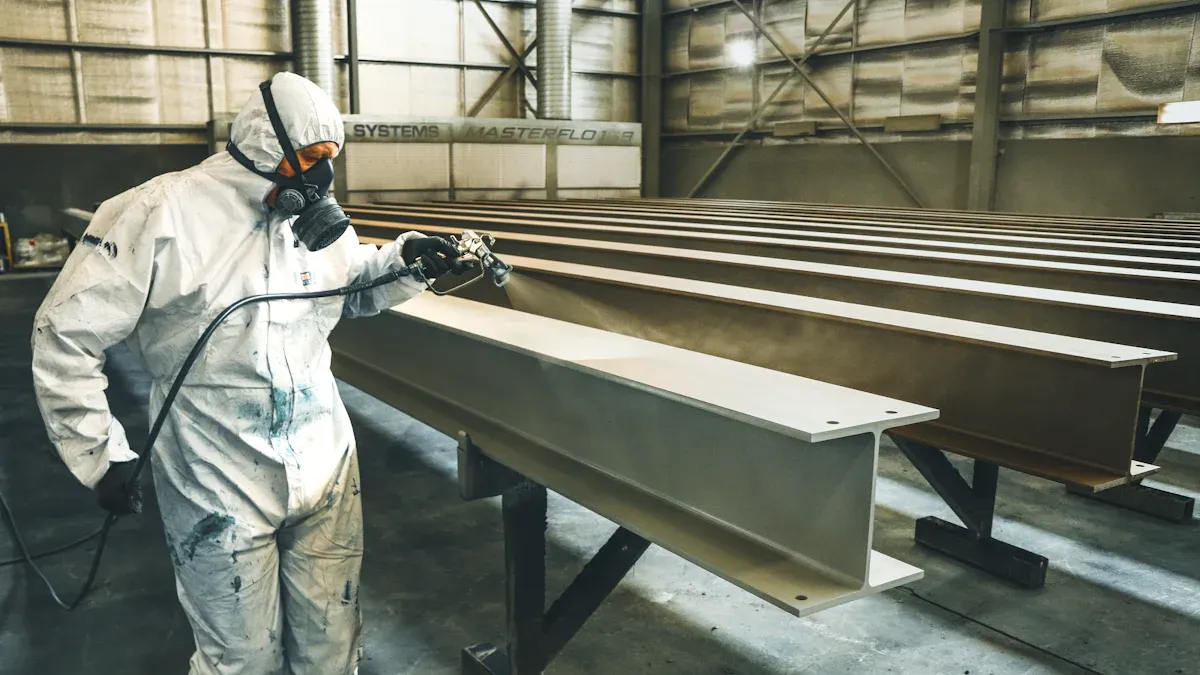
You might wonder, can galvanized steel be painted? Yes, you can paint it and achieve a smooth, long-lasting finish when you follow the right steps. Many real-world projects show that proper preparation and the correct painting process help coatings last for decades, even in harsh environments. Can galvanized steel be painted successfully? Absolutely, but you need the right supplies and careful preparation to prevent coating failures. Can galvanized steel be painted to resist corrosion and reduce maintenance? Projects using advanced primers and paints prove that you can protect your metal surfaces for years with the right approach.
Can Galvanized Steel Be Painted? Essential Supplies and Tools
When you ask, “Can galvanized steel be painted?” the answer is yes, but you need the right tools and materials. Painting galvanised steel for exterior projects requires careful planning. You want your finish to last, especially when exposed to weather. Using the correct supplies helps you avoid common problems like peeling or rust.
Checklist of Materials for Painting Galvanized Metal
Before you start painting galvanised steel, gather all your materials. This checklist covers what you need for a smooth, lasting finish, especially for exterior use:
- Clean rags or microfiber cloths
- Mild detergent or degreaser
- Mineral spirits (for removing oils)
- Sandpaper (fine grit, 180–220)
- Wire brush or abrasive pad
- Phosphoric acid-based etching solution
- High-quality primer for galvanized surfaces
- Paint designed for exterior use on metal
- Paintbrushes, rollers, or a sprayer
- Painter’s tape and drop cloths
- Safety gloves and goggles
Tip: Always check for surface defects before painting. Bare spots, chain marks, or clogged holes can affect your results. The table below shows common surface issues and how to handle them:
| Surface Defect | Description | Repair Advice |
|---|---|---|
| Bare spots | Uncoated areas | Repair if small; reject if large |
| Chain/wire marks | Marks from lifting | Repair if superficial |
| Clogged holes/threads | Zinc blocking holes/threads | Clean before painting |
| Wet storage stain | White powdery deposits | Remove heavy stains |
| Surface contaminants | Oil, paint, wax | Remove before painting |
Proper cleaning and repair help your paint stick better and last longer, especially for exterior projects.
Recommended Products and Brands for Painting Galvanised Steel
You want to choose products that work well for painting galvanised steel, especially for exterior use. Research from the American Galvanizers Association shows that using the right paint and primer makes a big difference. For exterior projects, you should look for paints like epoxy-polyamide cured paints, latex-acrylics, or aliphatic polyurethanes. These paints resist weather and stick well to galvanized surfaces. Avoid alkyd and silicone paints, as they can peel or fail.
Many experts recommend these brands for painting galvanised steel:
- Zinsser Bulls Eye 1-2-3 Primer (great for galvanized metal)
- Rust-Oleum Universal Bonding Primer
- Sherwin-Williams Pro Industrial DTM Acrylic
- Benjamin Moore Ultra Spec HP DTM Acrylic
- PPG Pitt-Tech Plus (for tough exterior use)
A scientific study found that using a high-quality primer and weathering the surface improves paint adhesion. The right paint system, especially those made for exterior use, helps your finish last through rain, sun, and temperature changes. When you follow a proven process, you get better adhesion and corrosion resistance, as shown by tape-test and weathering results.
How to Paint Galvanized Metal: Surface Preparation
Cleaning and Degreasing Galvanized Steel
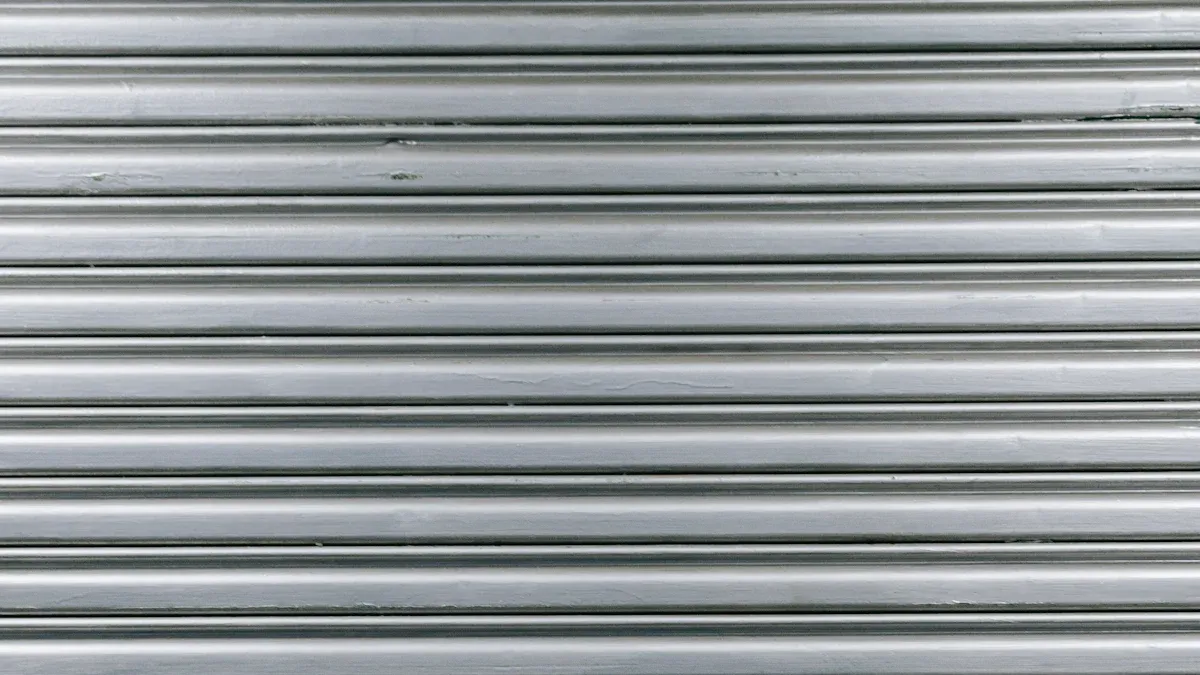
When you learn how to paint galvanized metal, you must start with a clean surface. Dirt, grease, and oil can stop paint from sticking. If you skip this step, you risk peeling and rust. Many people make this mistake and end up with a finish that does not last. You want your project to look good and stay strong for years.
To clean the surface, use a mild detergent or a degreaser. Wipe down the metal with a clean rag. For tough grease, use a solvent like mineral spirits or a hot detergent solution. This step removes long-chain fatty acid salts and other tough residues. You protect the zinc coating by using the right cleaner. Do not use harsh chemicals that can damage the metal.
Tip: Always rinse the metal with clean water after using any cleaner. Let it dry completely before moving to the next step.
A study shows that proper cleaning and degreasing are essential for painting galvanized metal. If you leave grease or dirt, the paint will not stick well. You will see peeling and corrosion much sooner. Good preparation gives you a durable, corrosion-resistant finish.
Surface Etching and Sanding for Better Paint Adhesion
After you clean the surface, you need to prepare it for painting. This step is called surface preparation for painting. Galvanized steel has a smooth, shiny finish. Paint does not stick well to this surface. You must roughen it up to help the paint grip.
Start by using a phosphoric acid-based etching solution. This product removes the thin film that protects new galvanized steel. It also gets rid of any leftover oil or dirt. Some products, like Krud Kutter® Metal Clean & Etch, work well for this job. They dissolve the passivator film and make the surface ready for paint. You do not need to use abrasive blasting if you use a good etching solution.
Next, sand the metal with fine-grit sandpaper or an abrasive pad. This step creates tiny scratches on the surface. These scratches help the paint stick better. Sanding also removes some of the zinc layer, which lets the etching solution work deeper. You want to see a dull, matte finish when you finish sanding.
Here is a simple checklist for prepping the surface:
- Clean the surface with detergent or degreaser.
- Rinse and dry the metal.
- Apply an etching solution and let it sit as directed.
- Sand with fine-grit sandpaper.
- Wipe away dust with a clean cloth.
Note: Always wear gloves and goggles when using chemicals or sanding. Safety comes first.
Empirical studies show that prepping the surface with etching and sanding improves paint adhesion. You get better mechanical bonding, which means your paint will not peel or chip easily. This step is especially important when painting newly galvanised steel. You want good adhesion so your finish lasts.
Surface preparation for painting galvanized steel protects the metal. Zinc coatings act as sacrificial layers. They corrode first and protect the steel underneath. When you prepare the surface well, you keep this protection strong. You also help the paint last longer in tough weather.
When you follow these steps for how to paint galvanized metal, you set up your project for success. Prepping the surface is the key to a smooth, lasting finish. You will see the difference in how your paint looks and how long it lasts.
Painting Galvanized Metal: Priming for Durability
Why Priming Galvanized Steel Is Crucial
You want your painted galvanized steel to last for years. Priming is the secret to a finish that stands up to weather, wear, and time. When you skip the primer, paint can peel or chip away quickly. Priming acts as a bridge between the smooth zinc surface and your topcoat. This step helps the paint stick better and makes the finish stronger.
Scientific studies show that different types of galvanized steel need different preparation. Newly galvanized steel has a slick surface. You need to roughen it up so the primer can grip. Partially weathered steel collects dirt and zinc compounds. You must clean these off before you start priming and painting. Fully weathered steel forms a tight zinc carbonate layer. You only need mild cleaning for this type.
Here are some reasons why you should always use a primer on galvanized steel:
- Primer improves paint adhesion and helps the finish last longer.
- It creates a strong bond, making the surface more resistant to weather and scratches.
- Priming prepares the zinc coating for the topcoat, unlike galvanizing, which only protects against rust.
- Structural parts like cee purlins perform better when you use a primer before painting.
- Good surface preparation and priming extend the life of your painted finish.
A study on transmission towers found that surfaces with less contamination and proper priming had much better paint adhesion. When you use a high-quality primer, you protect your project from early failure.
Tip: Always communicate with your fabricator, painter, and supplier. Good teamwork ensures the best results for priming and painting galvanized steel.
Choosing the Right Primer for Galvanized Surfaces
Picking the right primer makes a big difference in how your paint job turns out. Not all primers work well on galvanized metal. Some can even cause the paint to peel or bubble. You want to choose the best primer for galvanized metal based on the type of surface and where you will use it.
The SSPC Guide 19 gives you a framework for picking coatings. Acrylic, bituminous, epoxy, and vinyl primers work well on new and weathered galvanized steel. Inorganic zinc-rich primers do not work for most jobs. Always check the surface and environment before you choose.
Here are some common types of primer for galvanized steel:
- Oil/Alkyd Primers: Only use these on old, rusty steel with no zinc left. They do not stick well to zinc.
- Zinc-rich Primers: Great for damaged or welded spots. They protect against salt and water.
- Latex Primers: Good for indoor use. They stick well and do not have grease or oil.
- Multi-purpose outdoor latex primer: This type works well for many exterior projects and gives good adhesion in changing weather.
You should always use primers and topcoats from the same brand. This helps you avoid problems with compatibility. Surface preparation is key. Even the best primer will not work if the surface is dirty or oily.
| Primer Type | Best Use Case | Limitations |
|---|---|---|
| Zinc-rich | Damaged/welded areas, salt exposure | Not for aluminum |
| Latex | Interior, low humidity | Not for harsh outdoor conditions |
| Multi-purpose outdoor latex | Exterior, variable weather | Check for compatibility |
| Oil/Alkyd | Old, rusted steel (no zinc) | Poor adhesion on zinc |
Selecting the right primer depends on the metal, the environment, and the finish you want. If you want the best results, always follow the manufacturer’s instructions.
How to Apply Primer to Galvanized Steel
Applying primer the right way helps your paint last longer and look better. Start with a clean, dry surface. Remove all grease, oil, and dust. For new galvanized steel, use a solvent cleaner and light sanding. For weathered steel, remove any white rust or loose zinc.
Follow these steps for a smooth, even primer coat:
- Clean the surface with a solvent or mild detergent.
- Sand lightly to create a profile for the primer to grip.
- Rinse and dry the metal.
- Apply the primer using a sprayer for the best control. You can use a brush or roller for small areas or touch-ups.
- Keep the primer layer thin—about 0.3 to 0.5 mils thick. Too much primer can cause peeling.
- Let the primer dry as directed. Most primers dry in 15 to 30 minutes. Paint over the primer as soon as it is dry to the touch.
Note: Wash primers work best when you apply them right after cleaning. Do not wait too long, or dust and moisture can ruin your work.
Some primers, like zinc chromate-vinyl butyral wash primers, need special care. Always check the label for drying times and thickness. If you use a phosphate conversion coating, rinse and dry the metal before priming.
Case studies show that using the right priming technique boosts durability. For example, outdoor fencing that used light sandblasting and a zinc-rich primer stayed rust-free for years. In marine projects, re-galvanizing and sealing after welding kept hardware in top shape.
🛠️ Pro Tip: Always check with the paint manufacturer to make sure your primer and topcoat work well together.
When you follow these steps, you set up your galvanized steel for a finish that lasts. Priming and painting with care gives you the best protection and appearance.
Paint Galvanized Steel: Application Techniques
Best Paint Types for Painting Galvanised Steel
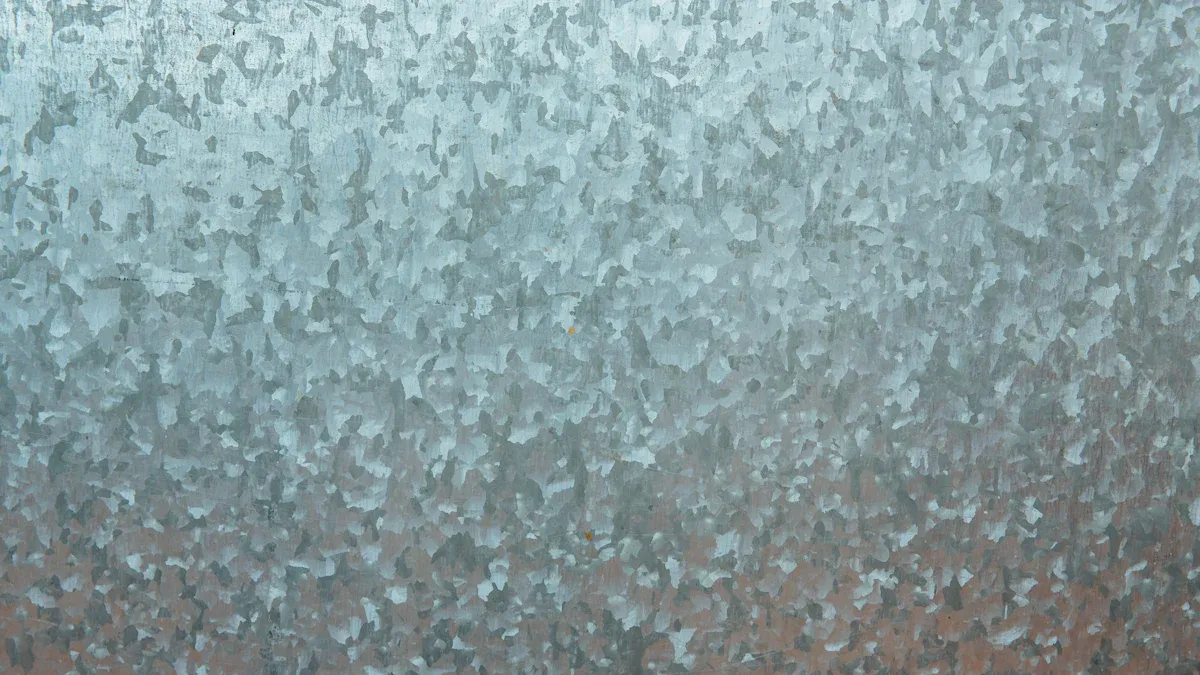
When you want to paint galvanized steel for exterior projects, choosing the right paint is very important. You should look for paints made for metal and outdoor use. Many experts recommend quality exterior latex paint because it sticks well and lasts in tough weather. Acrylic latex paints work well for painting galvanised steel because they resist fading and cracking. Epoxy and polyurethane paints also protect against moisture and sun. If you plan to paint galvanized metal on fences, sheds, or railings, always check the label for exterior use.
Choosing the right paint helps you avoid peeling and rust. Some paints, like alkyd or silicone, do not work well on galvanized surfaces. You want to properly paint galvanised steel with products that bond to zinc and stand up to rain, sun, and temperature changes. Always use the same brand for primer and paint for the best results.
Application Methods for a Smooth Finish
You can use different techniques to paint galvanized metal and get a smooth finish. Many people use brushes or rollers for small areas. For large exterior surfaces, a sprayer gives even coverage. Before you start, make sure you have cleaned and primed the metal. This step helps the paint stick and look smooth.
When painting galvanised steel, use thin, even coats. Start at one end and work in straight lines. Let dry and repeat until you cover the surface. If you see drips or bubbles, smooth them out right away. Advanced techniques, like using a sprayer with low pressure, help you avoid damaging the zinc layer. Following ASTM and SSPC standards for preparation and application gives you the best results. You can prevent paint failures by removing zinc salts and passivators before you start.
Tip: Always test a small patch before painting the whole surface. This step checks for good adhesion and helps you avoid problems later.
Number of Coats and Drying Times
You need to apply the right number of coats to properly paint galvanised steel. Most exterior projects need at least two coats of paint. The first coat seals the surface. The second coat gives full color and protection. For best results, let dry and repeat as needed.
Drying times depend on the paint type and weather. Quality exterior latex paint usually dries in one to two hours. Epoxy or polyurethane paints may take longer. Always check the label for drying times. If you rush, the paint may peel or bubble. Let dry and repeat for each coat to get a strong, lasting finish.
Painting galvanised steel with the right techniques and products gives you a finish that looks good and lasts. When you follow these steps, you protect your metal from rust and weather. You also make your project look professional.
Painting Galvanised Steel: Curing, Maintenance, and Common Mistakes
Allowing the Finish to Cure Properly
You want your painted galvanized steel to last, especially for exterior projects. After painting, you might think you need to wait a long time for the finish to cure. In reality, the hot-dip galvanizing process allows the zinc to solidify right away. This means you can handle, ship, or install galvanized steel on the same day. No extra curing time is needed for a durable finish. When you paint over galvanized steel, always follow the paint manufacturer’s drying times between coats. For acrylic latex paint, the surface usually feels dry in about an hour, but full curing can take up to seven days. This step helps you avoid bubbling or peeling, especially when painting exterior surfaces.
Ongoing Care for Painted Galvanized Metal
Maintaining painted galvanised steel helps you keep your project looking new and strong. You should check your painted surfaces often, especially if they are outside. Regular inspections help you spot problems early. Clean the surface with mild soap and warm water. Avoid using harsh abrasives that can scratch the paint. Rinse well and let the metal dry completely. If you see any chips or scratches, repair them right away with zinc-rich paint. This stops rust from spreading. For exterior projects, you need to pay extra attention to areas exposed to sun, rain, or salt. Keeping records of your maintenance helps you plan future work and track repairs. Using these steps, you make maintaining painted galvanised steel easy and effective.
Tip: Schedule monthly visual checks and yearly performance tests to catch issues before they become big problems.
Common Mistakes to Avoid When Painting Galvanized Steel
Many people make mistakes when painting galvanized steel, especially for exterior use. These mistakes can cause the paint to peel, crack, or fail early. You can avoid these problems by following a few simple rules:
- Always clean the surface well before painting. Dirt, grease, and zinc salts stop paint from sticking.
- Use primers and paints made for galvanized steel. Do not use alkyd or oil-based products.
- Paint only in good weather. The best temperature is between 50°F and 85°F, with low humidity.
- Apply the right number of coats and let each coat dry fully.
- Check for peeling or rust often and fix any damage quickly.
A national steel company found that poor paint choice and bad application led to fast coating failure on commercial buildings. By maintaining painted galvanised steel with the right products and regular care, you protect your investment and keep your exterior surfaces looking great for years.
You can achieve a smooth, lasting finish on galvanized steel by following four key steps: preparation, priming, painting, and curing. Each stage matters. Careful cleaning and priming help paint stick well. Proper painting and curing protect the steel from rust and damage. Hot-dip galvanizing creates a strong zinc bond that resists corrosion and lasts for decades. When you follow these steps, you get a finish that looks great and stands up to weather and time.
Preguntas más frecuentes
Can you paint galvanized steel without a primer?
You should not skip primer. Primer helps paint stick to galvanized steel. Without it, paint may peel or chip. Always use a primer made for galvanized surfaces.
How long does paint last on galvanized steel?
Paint can last many years if you prepare and maintain the surface well. Regular cleaning and quick repairs help extend the life of your painted steel.
What is the best way to clean painted galvanized steel?
Use mild soap and warm water. Wipe with a soft cloth. Avoid harsh cleaners or rough pads. These can scratch the paint and damage the finish.
Can you use spray paint on galvanized steel?
Yes, you can use spray paint. Choose a spray paint made for metal and galvanized surfaces. Apply thin, even coats for the best results.
Why does paint sometimes peel off galvanized steel?
Paint peels when you skip cleaning, priming, or use the wrong paint. Always follow the right steps. This helps your paint last longer and look better.