
You may wonder, can you weld galvanized steel to steel as a beginner? Many beginners ask, can you weld galvanized steel to steel safely and easily? The answer is yes, but you need to know some important differences. Galvanized steel has a zinc coating that protects it from rust. When you weld it, this coating can release dangerous fumes. Always use proper safety gear and set up good ventilation. Before you start, remember to ask yourself, can you weld galvanized steel to steel without taking extra safety steps?
Can You Weld Galvanized Steel to Steel?
Main Differences Between Galvanized and Regular Steel
When you look at galvanized steel and regular steel, you notice some big differences. Galvanized steel has a thin layer of zinc on its surface. This zinc protects the steel from rust. Regular steel does not have this coating, so it can rust more easily.
Das zinc coating changes how you approach the welding process. Zinc melts at 787°F (419°C), but steel melts at a much higher temperature—about 2500°F (1370°C). When you weld galvanized steel, the zinc coating starts to break down at just 392°F (200°C). As you keep heating, the zinc can vaporize at 1652°F (900°C). This creates fumes that can harm your health and cause problems in your weld.
Here is a table to help you compare some key properties:
| Property | Galvanized Steel (with Zinc) | Regular Steel |
|---|---|---|
| Schmelzpunkt | 787°F (zinc) / 2500°F (steel) | 2500°F (steel) |
| Zinc Coating Thickness | 0.90 oz/ft² (G90) | None |
| Zugfestigkeit | 510–600 MPa | 510–600 MPa |
| Dichte | 7.8 g/cm³ | 7.8 g/cm³ |
| Hardness (Rockwell B) | 74 | 74 |
Tip: Always check if you need to remove the zinc coating before you weld galvanized steel to steel. This step helps you avoid weak welds and keeps you safe.
What to Expect When Welding Galvanized Steel
When you try to weld galvanized steel to steel, you face some unique challenges. The zinc coating can create a lot of smoke and fumes. These fumes contain zinc oxide, which can make you feel sick if you breathe them in. You may also see more spatter and tiny holes, called porosity, in your weld. This happens because the zinc vaporizes and mixes with the molten metal.
You need to take extra steps for safety and quality. Set up good ventilation in your workspace. Wear a proper respirator and gloves. Clean the area where you plan to weld. Removing the zinc coating from the weld zone helps you get a stronger, cleaner weld.
Welding galvanized steel takes more care than welding regular steel. You must watch for signs of poor weld quality, like cracks or bubbles. If you follow the right steps, you can weld galvanized steel to steel safely and get good results.
What Is Galvanized Steel?
Galvanized steel is a type of steel that has a special zinc coating. This coating protects the steel from rust and damage caused by water or air. You often see galvanized steel in outdoor structures, fences, and even car parts. By understanding galvanized steel, you can make better choices for your welding projects.
How Galvanized Steel Differs from Regular Steel
You might wonder what makes galvanized steel different from regular steel. The main difference is the zinc layer on the surface. This layer acts as a shield, stopping moisture and chemicals from reaching the steel underneath. Here are some key points:
- Galvanized steel starts as regular steel, but it gets dipped in hot zinc or coated using other methods.
- The zinc coating gives it strong protection against rust.
- The base steel keeps its strength and flexibility.
- If the zinc layer gets scratched, the steel underneath can start to rust.
You can see the differences in this table:
| Feature | Galvanized Steel | Regular Steel |
|---|---|---|
| Surface Coating | Zinc layer | None |
| Rust Resistance | High | Low |
| Cost | Lower than stainless steel | Usually lower |
| Welding Precautions | Needed | Fewer needed |
Understanding galvanized steel helps you see why it is so popular in construction and manufacturing. The zinc coating does not change the steel’s strength, but it adds a layer of protection that regular steel does not have.
Why Galvanized Steel Is Used
You find galvanized steel in many industries because it lasts longer and needs less maintenance. Builders use it for frameworks, scaffolding, and outdoor structures. The zinc coating makes it perfect for places with lots of rain or chemicals. Studies show that galvanized steel can handle more salt and harsh weather than regular steel. For example, bridges and buildings made with galvanized steel stay strong even when exposed to road salt or ocean air.
- Construction is the biggest user of galvanized steel, especially for building frameworks and scaffolding.
- Hot-dip galvanized steel is the top choice for outdoor projects because it resists rust so well.
- The Asia-Pacific region leads the world in using galvanized steel, thanks to fast-growing cities and industries.
- Companies like ArcelorMittal and Nippon Steel are major producers.
Galvanizing also helps the environment. The process uses less energy and creates fewer emissions than other ways of protecting steel. By understanding galvanized steel, you can see why it is a smart choice for strong, long-lasting projects.
Welding Galvanized Steel: Safety Precautions
Dangers of Zinc Fumes and Health Risks
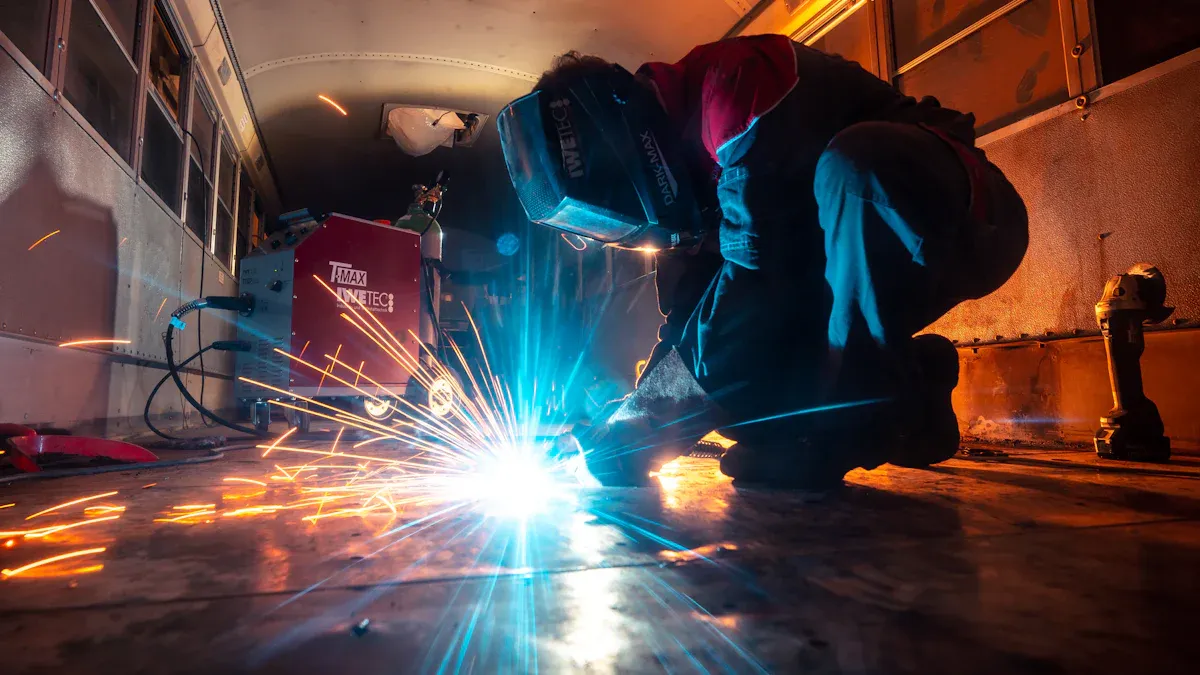
When you start welding galvanized steel, you face serious health concerns. The zinc coating on the steel turns into fumes when heated. These fumes contain zinc oxide, which can make you sick if you breathe it in. Many welders experience metal fume fever, a flu-like illness caused by inhaling zinc fumes. Up to 35% of welders exposed to zinc fumes report symptoms like fever, chills, and cough. Some people get metal fume fever more than ten times in their careers.
You can see the risks in the table below:
| Evidence Type | Data / Finding |
|---|---|
| Prevalence of Metal Fume Fever | Up to 35% among welders exposed to zinc fumes |
| Exposure Levels | 77–600 mg zinc/m³ can cause respiratory disease |
| Occupational Exposure Limit | 5 mg/m³ for an 8-hour workday |
| Health Outcomes | Metal fume fever, chemical pneumonitis, lung injury, cough, shortness of breath |
| Particle Size | 20–3000 nm, small enough to reach deep into your lungs |
Zinc oxide fumes can also cause more serious problems, such as chemical pneumonitis and lung damage. Welders have shown high levels of zinc in their bodies after working in poorly ventilated areas. You must always take safety precautions to protect your lungs and overall health.
Note: Never weld galvanized steel in a closed or poorly ventilated space. Always keep fresh air moving to reduce your risk.
Essential Protective Gear for Welding Galvanized Steel
You need the right protective gear when welding galvanized steel. This gear keeps you safe from burns, sparks, and harmful fumes. Here is a checklist to help you prepare:
- Wear a welding helmet with a proper shade lens to protect your eyes from bright light and UV rays.
- Use a respirator rated for metal fumes. A simple dust mask will not protect you from zinc oxide.
- Put on flame-resistant gloves and a long-sleeve welding jacket to shield your skin from sparks and hot metal.
- Choose safety glasses with side shields for extra eye protection.
- Wear sturdy, closed-toe boots to protect your feet from falling metal.
Tip: Always check your gear before you start. Make sure your respirator fits well and your gloves have no holes.
Ventilation and Workspace Setup
Proper ventilation is one of the most important steps when welding galvanized steel. Good airflow removes dangerous fumes from your breathing zone. You should set up your workspace with these steps:
- Use local exhaust ventilation (LEV) systems. Place the exhaust hood close to the welding area to capture fumes right where they form.
- Add general ventilation to keep fresh air moving through the whole workspace.
- Wear respiratory protective equipment (RPE) if ventilation alone cannot keep fumes below safe levels.
- Monitor air quality often. Use air monitors to check for zinc oxide and other harmful gases.
- Clean and inspect your ventilation equipment regularly. Make sure exhaust fans, ducts, and filters work well.
- Follow all laws and standards for air quality and ventilation in welding shops.
- Train everyone in your workspace on how to use ventilation systems and protective gear.
- Update your ventilation plan as your workspace or welding process changes.
Callout: Local exhaust ventilation works best when you place it close to the weld. This setup captures fumes before they spread.
Research shows that removing the zinc coating at least 1–4 inches from the weld zone helps reduce fume production and improves weld quality. Grinding is the best way to remove zinc. Always follow standards like AWS D-19.0 and AWS/ANSI Z49:1 for welding galvanized steel and safety.
By following these steps, you can lower your risk of health problems and create a safer workspace. Always remember that safety comes first when welding galvanized steel.
Preparing to Weld Galvanized Steel and Steel
Cleaning and Removing Zinc Coating
Before you weld galvanized steel, you must remove the zinc coating from the area you plan to weld. This step keeps you safe and helps you make a strong weld. The most common way is to use a grinder. You grind off the zinc coating about 1 to 4 inches from the weld zone. This method works well and reduces the amount of dangerous zinc fumes.
You can also use chemicals to remove zinc. Muriatic acid (hydrochloric acid) dissolves zinc quickly, but you must use it with care. Always wear gloves, goggles, and a respirator. Soak the steel for 5 to 15 minutes, then rinse and neutralize the area. Vinegar is a safer option, but it takes longer to work. Some people use abrasive blasting or controlled burning, but these methods need extra safety steps.
Tip: Always inspect the metal after cleaning. Make sure you removed all the zinc before you start welding.
Surface Preparation for Regular Steel
Regular steel needs less preparation than galvanized steel. You should clean the surface to remove dirt, oil, and rust. Use a wire brush or a grinder for best results. Check for any defects or rough spots. A clean, smooth surface helps you make a strong weld.
Industry guidelines recommend checking the steel’s surface quality and thickness. You can use visual inspection and simple measuring tools. Standards like ASTM A123 and ISO 1461 help you know what to look for.
Tools and Materials Checklist
You need the right tools and safety gear to prepare both galvanized and regular steel for welding. Here is a checklist based on industry standards:
| Tool or Material | Purpose | Relevant Standard |
|---|---|---|
| Grinder or wire brush | Remove zinc, rust, and dirt | ASTM A123, ISO 1461 |
| Respirator and gloves | Protect from fumes and chemicals | ANSI Z87.1, OSHA 1910.252 |
| Safety glasses/face shield | Eye and face protection | CSA Z94.3, ANSI Z87.1 |
| Protective footwear | Shield feet from falling objects | ASTM F2413-05 |
| Measuring tools | Check thickness and dimensions | ASTM A653, ASTM A123 |
Always follow safety guidelines like ANSI Z49.1 and OSHA 1910.252. These rules help you stay safe and make sure your welds are strong and reliable.
How to Weld Galvanized Steel and Steel: Step-by-Step Guide
Choosing the Right Welding Method (MIG, TIG, Stick)
You have several options when you start welding galvanized steel and regular steel. The most common welding techniques are MIG (Metal Inert Gas), TIG (Tungsten Inert Gas), and Stick welding. Each method has its own strengths.
- MIG welding works well for beginners. You use a wire feed and shielding gas, which makes it easier to control. MIG welding gives you clean welds and works fast on galvanized steel.
- TIG welding gives you the most control. You use a tungsten electrode and a separate filler rod. TIG welding creates neat, strong welds, but it takes more skill and time.
- Stick welding uses a coated electrode. This method works outdoors and on dirty or rusty metal. Stick welding can handle thicker pieces, but it creates more spatter and fumes.
If you want to weld galvanized steel to regular steel, MIG welding is often the best choice for beginners. It helps you manage the zinc coating and reduces the risk of defects. TIG welding is good for thin materials and detailed work. Stick welding is useful for heavy-duty jobs or when you work outside.
Tip: Always match your welding method to the thickness of the metal and the type of project you have.
Setting Up Your Welder for Galvanized Steel
Proper setup is key when you weld galvanized steel. You need to adjust your welder to handle the zinc coating and prevent problems like porosity or weak joints. Start by checking your equipment and settings.
Here is a table with important setup details for welding galvanized steel:
| Parameter / Feature | Details / Values |
|---|---|
| Welding Speed | Up to 30 mm/s for 1.5 mm thick galvanized steel sheets |
| Focus Adjustment | Range from -2 mm to +2 mm depending on material thickness |
| Shielding Gas Type & Flow | Argon or argon mixed with CO2 at 10-20 L/min |
| Welding Thickness Capability | Supports galvanized steel plates up to 5-6 mm thick |
| Equipment Features | Automatic wire feed, precision control, safety alarms |
| Operational Advantages | Faster welding speeds, reduced heat-affected zone, minimal discoloration |
You should use argon or a mix of argon and CO2 as your shielding gas. Set the flow rate between 10 and 20 liters per minute. Adjust your welding speed based on the thickness of the steel. For thin galvanized steel, a speed up to 30 mm per second works well. Make sure your welder has automatic wire feed and safety alarms for low pressure or high temperature.
Note: Always follow the manufacturer’s instructions for your welder. Double-check your settings before you start welding galvanized steel.
Welding Galvanized Steel: Key Steps
You need to follow a clear process to weld galvanized steel safely and get strong results. Here is a step-by-step guide:
- Surface Preparation: Remove the zinc coating from the weld area using a grinder. Clean the surface to get rid of dirt and grease. This step helps you avoid fumes and weak welds.
- Preheating: Use a propane torch to preheat the metal between 100°F and 300°F. Preheating reduces the risk of cracking and helps the weld fuse better.
- Welder Setup: Set up your welder with the right wire and gas mixture for MIG welding. If you use TIG, prepare the tungsten electrode. Always check your voltage and wire speed.
- Safety Measures: Put on your respirator, gloves, and safety glasses. Make sure your workspace has good ventilation or use a fume extractor. This protects you from zinc fumes.
- Positioning and Tack Welding: Align the metal pieces and clamp them tightly. Make small tack welds to hold everything in place before you start the main weld.
- Welding Execution: Keep a steady speed and distance as you weld. Watch the weld puddle for color and fluidity. Adjust your voltage and wire speed if needed to control heat.
- Overlap Welds: Overlap your welds to create a solid joint. This step helps you avoid gaps and weak spots.
- Cooling: Let the metal cool down naturally. Do not use water or fans, as fast cooling can cause warping or cracks.
- Post-Weld Cleaning and Protective Coating: Remove any slag or residue from the weld. Apply a zinc-rich paint or another protective coating to prevent rust.
🛡️ Alert: Always inspect your welds. Look for cracks, holes, or uneven spots. A good weld will look smooth and even, with no signs of porosity or lack of fusion.
When you weld galvanized steel, you must pay attention to heat input and gas flow. Adjust your settings to avoid burning through the metal or creating too much spatter. If you see defects, stop and fix them right away. Grind out cracks and reweld with better settings. Clean, dry surfaces and correct gas flow help prevent porosity.
Welding galvanized steel takes patience and care. By following these steps, you can create strong, safe welds and protect your health. Practice makes perfect, so take your time and check your work as you go.
Welding Regular Steel: Key Steps
Welding regular steel is a great way to build strong projects. You can follow a clear set of steps to get the best results. Start by making sure your steel is clean. Use a wire brush or grinder to remove any rust, oil, or dirt. A clean surface helps the weld stick better and prevents weak spots.
Next, set up your welding machine. You need to choose the right settings for current, voltage, and wire feed speed. For example, a MIG welder works well with a current of 150 amps, a voltage of 24 volts, and a wire feed rate of 3 meters per minute. These settings help you get a strong weld with good penetration. If you use too much current, the weld can get too hot and create a large heat-affected zone. Too little current may not melt the steel enough, causing a weak weld.
Shielding gas is important. Use a steady flow of gas, such as argon or a mix with CO₂, to protect the weld from air. A flow rate between 15 and 25 liters per minute works well. This keeps the weld clean and strong.
When you start welding, hold the torch at a slight angle. Move at a steady speed. If you go too fast, the weld may not join the steel properly. If you go too slow, you can burn through the metal or make the weld too wide. Try to keep your travel speed balanced. A groove angle of about 75 degrees helps the weld bead form well and gives good penetration.
You can check your weld by looking at its shape and size. A good weld has a smooth, even bead. It should not have holes, cracks, or too much spatter. You can also test the weld’s strength by checking its hardness and how much force it can handle before breaking. Studies show that higher welding currents make the weld bead bigger, while higher voltage makes it wider but not as deep. You want to find the right balance for your project.
Tip: Always write down your welding settings and results. This helps you remember what works best for different types of steel.
Recommended Joint Types for Beginners
Choosing the right joint type makes welding easier and your projects stronger. Some joints work better for beginners because they are simple to set up and give good results. You can see how different joint types perform in the table below:
| Joint Configuration | Performance Highlights | Success Rate Evidence |
|---|---|---|
| Scarf Joint | Best for strength. Longer overlap makes the joint much stronger. | Failure load increased by 47.5% when overlap length increased from 12.5 mm to 25 mm. |
| Stepped-Lap Joint | Good improvement with longer overlap. | Failure load increased by 21.25% with increased overlap length. |
| Half-Lap Splice Joint | Small improvement with longer overlap. | Failure load increase less than 10% with increased overlap length. |
| Single-Lap Joint | Least improvement. Simple but not as strong as others. | Failure load increase less than 10% with increased overlap length. |
If you want the strongest joint, try a scarf joint. This joint gets much stronger when you make the overlap longer. A stepped-lap joint also works well and is easier for beginners to align. Half-lap and single-lap joints are simple to make, but they do not get much stronger with more overlap.
🛠️ Note: Start with scarf or stepped-lap joints if you want better strength. Practice on scrap pieces to see how each joint looks and feels.
Mechanical properties of the steel, such as hardness and flexibility, also affect how the joint holds up. Most failures start where the two pieces meet, especially if one piece is softer than the other. By choosing the right joint and preparing your steel well, you can make strong, safe welds even as a beginner.
Try different joint types and overlap lengths to see what works best for your projects. Keep practicing, and you will gain confidence and skill with every weld.
Troubleshooting Welding Galvanized Steel and Steel
Poor Weld Quality and How to Fix It
You might notice your welds look rough, weak, or full of holes. Poor weld quality often comes from dirty surfaces, wrong settings, or not removing enough zinc. Always clean your metal before you start. Remove the zinc coating from the weld area. Check your welder’s voltage, current, and wire speed. If your weld bead looks uneven or cracked, slow down and keep your hand steady. Use the right shielding gas and make sure your workspace has good airflow. If you see bubbles or holes, stop and grind out the bad spot, then try again with cleaner metal and better settings.
Tip: Practice on scrap pieces first. This helps you find the best settings for your project.
Excessive Spatter or Porosity
Spatter and porosity can make your welds messy and weak. Zinc vapor from galvanized coatings can cause these problems by trapping gas in the weld puddle. You can reduce spatter by using a low-silicon solid wire, like ER 70S-3, with a larger diameter. Try an argon and CO₂ gas blend for better bead shape, but if you want less spatter, use a mix with helium. Pulsed metal transfer GMAW also helps lower spatter and fumes, making your welds cleaner.
Creating a small gap in the joint or removing more zinc lets vapor escape. Studies show that adding a gap of about 120 microns can cut porosity from 15% to almost zero. This also makes your welds up to 30% stronger. If you still see too much spatter, adjust your voltage and current slightly higher for better arc stability, but watch out for changes in weld appearance.
- Zinc vapor can destabilize the arc and cause spatter.
- Using the right wire and gas blend improves weld quality.
- Making a gap or removing zinc helps vapor escape.
Dealing with Warping or Burn-Through
Warping and burn-through happen when the metal gets too hot. You might see your project bend or even melt through in spots. To control warping, use clamps to hold your pieces in place. Weld in short sections and let the metal cool between passes. Real-time monitoring and careful control of heat input help prevent distortion. Experts use mathematical models to predict and manage warping, but you can start by watching your heat and keeping your welds short.
Burn-through usually means your settings are too high. Lower your voltage and reduce the wire feed speed. Move your torch a bit faster to avoid overheating one spot. These simple changes help you avoid holes and keep your welds strong.
🛠️ Note: Always check your welds as you go. Fixing small problems early saves time and keeps your project safe.
Post-Welding Care for Galvanized Steel and Steel
Cleaning and Inspecting Your Welds
After you finish welding, you need to clean your welds. Use a wire brush or grinder to remove any slag, spatter, or leftover debris. Cleaning helps you see the weld clearly and prepares the surface for inspection or coating.
You should always inspect your welds to make sure they are strong and safe. Start with a visual inspection. Look for cracks, holes, or uneven spots. Visual checks are quick and do not need special tools. For deeper checks, you can use methods like liquid penetrant testing or magnetic particle examination. These tests help you find small cracks or hidden flaws. In some cases, experts use X-ray or ultrasonic testing to look inside the weld for problems you cannot see.
Tip: Keep your inspection tools clean and calibrated. Regular calibration against standards like ASTM or ISO helps you get accurate results. Good records of your inspections and repairs help you track quality over time.
Applying Protective Coatings After Welding
Welded steel needs protection from rust and corrosion. After cleaning, apply a protective coating. For galvanized steel, use a zinc-rich primer or spray to cover any bare spots where you removed the zinc. This step restores the rust protection. For regular steel, you can use paint, primer, or a special coating made for metal.
Follow these best practices for coatings:
- Use hot-dip galvanizing with at least 50 microns of coating for strong protection.
- Touch up any damaged areas right after welding.
- Store your materials in a dry place to prevent early rust.
- Check your coatings every year and repair any worn spots.
Meeting standards from groups like ASTM and ISO helps you make sure your coatings last a long time, even in tough weather.
Safe Disposal of Waste Materials
Welding creates waste like metal scraps, used rods, and chemical residues. Handle these materials with care. Place hazardous waste in labeled containers and store them safely until disposal. Follow OSHA rules to control exposure and keep your workspace safe.
- Recycle scrap metal when possible.
- Keep universal waste, like old bulbs, separate and send them to approved recyclers.
- Ask your project manager for waste pickups to make sure everything is handled correctly.
🛡️ Alert: Always follow local and federal rules for waste disposal. Safe handling protects you and the environment.
- Always wear proper protective gear when you weld. Many welders know the risks, but less than half use PPE every time.
- Learn about welding hazards like bright light, sharp metal, and heat. Training helps you avoid injuries.
- Practice your welding skills often. You build confidence and make safer, stronger welds with each project.
🛡️ Remember, following safety rules and using PPE lowers your risk of burns, cuts, and electric shocks.
FAQ
Can you weld galvanized steel without removing the zinc coating?
You should always remove the zinc coating from the weld area. If you skip this step, you will create weak welds and breathe dangerous fumes. Use a grinder or chemical remover to clean the metal before you start welding.
What happens if you breathe zinc fumes while welding?
Breathing zinc fumes can make you sick. You may feel like you have the flu, with chills, fever, and cough. This is called metal fume fever. Always wear a respirator and work in a well-ventilated area.
Which welding method is easiest for beginners?
MIG welding is the easiest for beginners. You get good control and clean welds. The wire feed system helps you work faster. Stick welding works outdoors but creates more spatter. TIG welding gives the best results but takes more skill.
How do you protect the weld after joining galvanized steel?
After welding, clean the area and apply a zinc-rich spray or primer. This coating protects the steel from rust. For regular steel, use paint or a metal primer. Always cover any bare spots to keep your project strong.
Can you weld galvanized steel to stainless steel?
You can weld galvanized steel to stainless steel, but you must remove the zinc coating first. Use the right filler metal and settings for both metals. Always follow safety steps to avoid fumes and weak joints.