
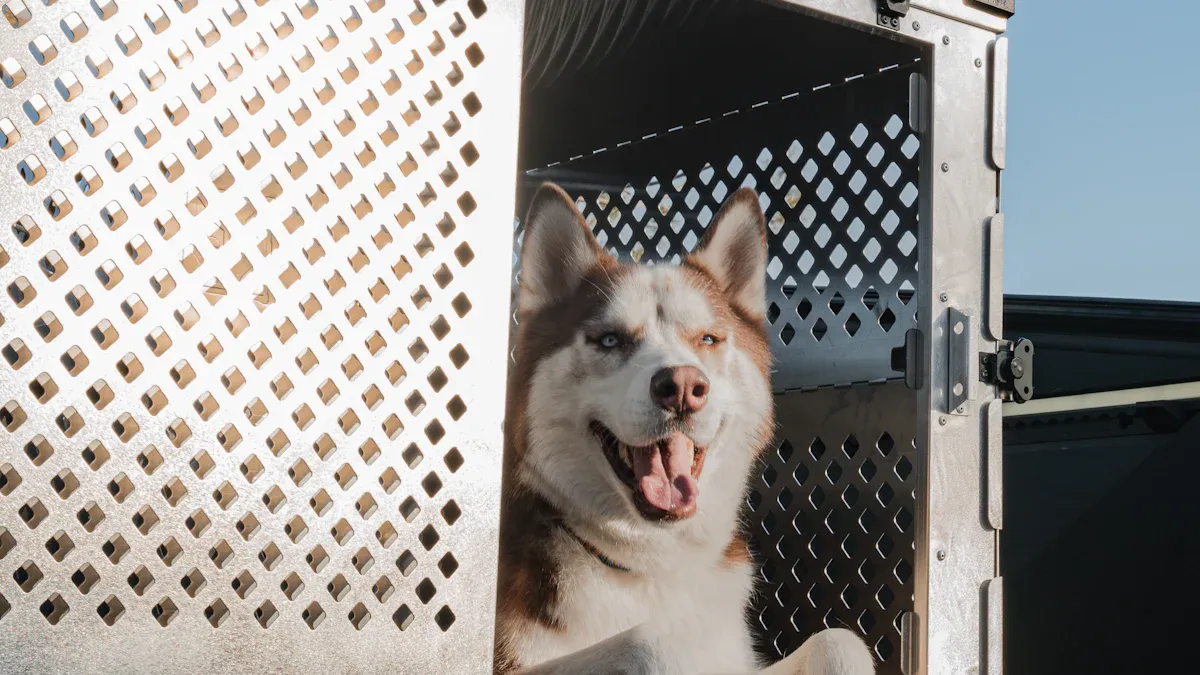
Choosing the right kennel for your dog matters, especially when you need a reliable outdoor dog kennel. Many pet owners pick a galvanized steel dog kennel because it stands up to tough weather and keeps dogs secure. You get several advantages with this type of kennel:
- Strong, weather-resistant design for long-lasting use
- Open weave for airflow and visibility, which helps your dog stay comfortable
- Easy setup and flexible sizing for any outdoor dog kennel needs
A galvanized steel dog kennel also adapts well to different yards and offers safety features for your dog.
What Works: Pros of a Galvanized Steel Dog Kennel Outdoors
Durability and Weather Resistance
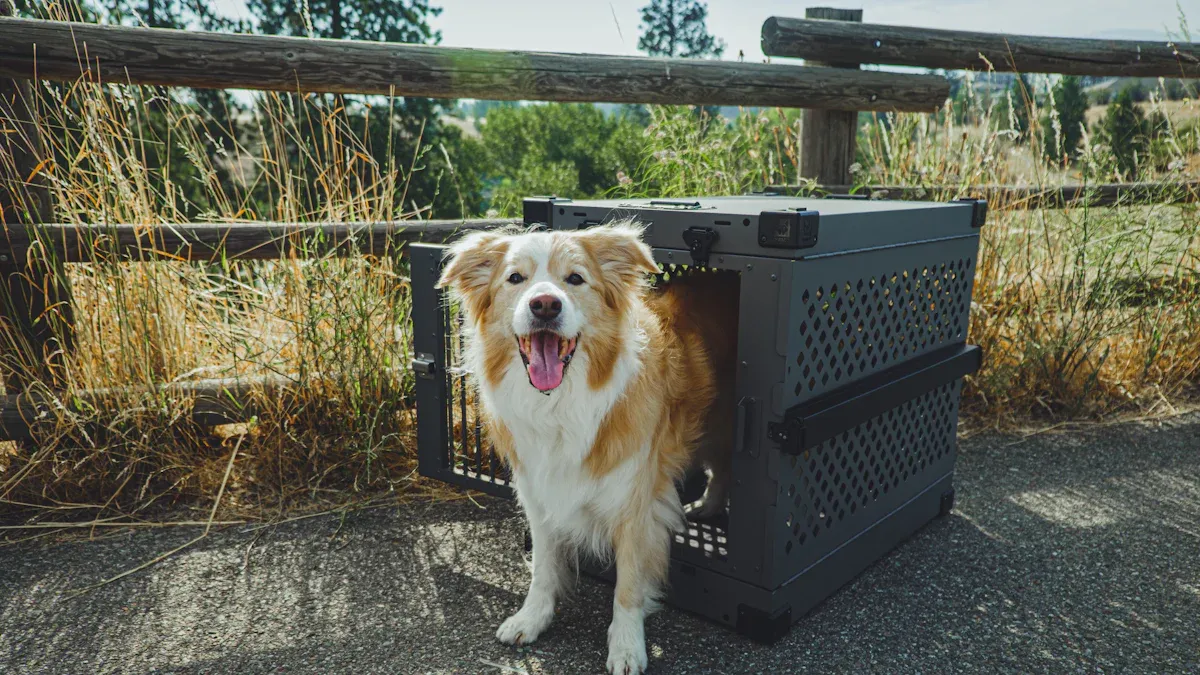
When you choose a galvanized steel dog kennel for your outdoor dog kennel, you get a product built for tough conditions. Galvanized steel stands out because it resists rust and holds up well in rain, snow, and sun. The zinc coating on the metal protects it from moisture, so you do not have to worry about quick rusting. This means your kennel will last longer outside, even if you live in a place with harsh weather.
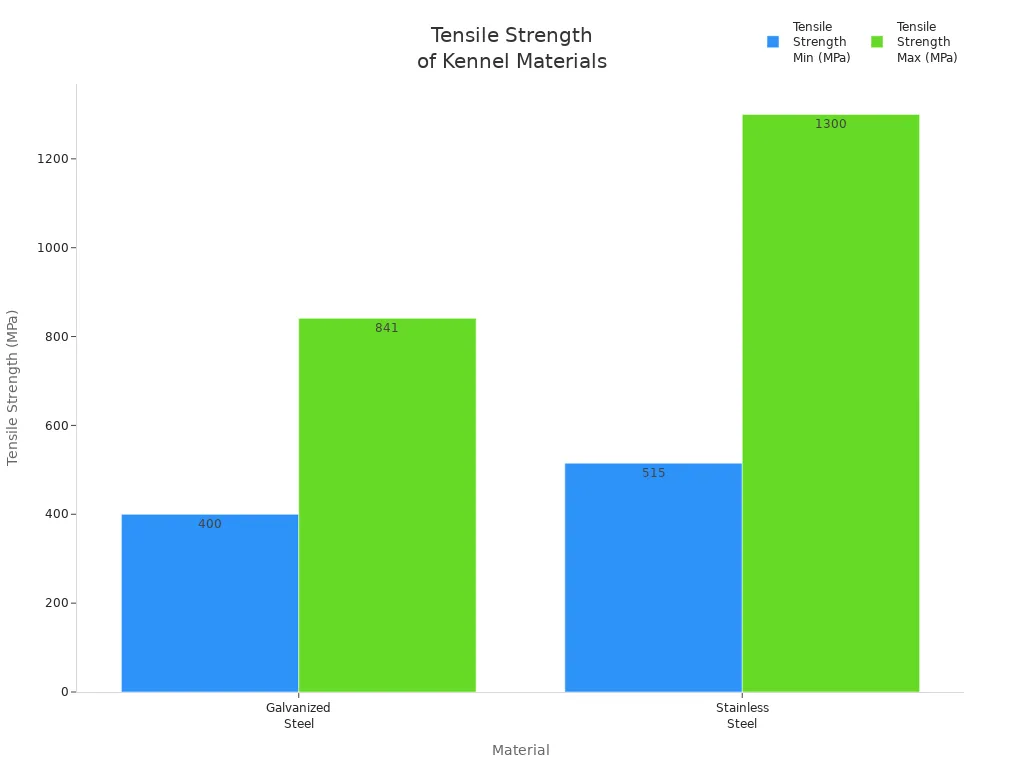
You can see how galvanized steel compares to other materials in the table below:
| مواد | Tensile Strength Range (MPa) | المقاومة للتآكل | Malleability | Cost |
|---|---|---|---|---|
| Galvanized Steel | 400 (structural steel) to 841 (carbon steel) | Good corrosion resistance due to zinc coating, but less durable long-term than stainless steel | More malleable than stainless steel | More affordable |
| ستانلس ستيل | 515 to 1300 | Superior corrosion resistance, self-healing passive layer | Less malleable than galvanized steel | Higher cost |
| Aluminum | N/A | Good corrosion resistance | Lightweight and malleable | N/A |
Galvanized steel offers a good balance of strength, durability, and cost. Stainless steel is stronger and lasts longer, but it costs more. Aluminum is lighter but not as strong. For most outdoor dog kennel needs, galvanized steel gives you the durability you want without breaking the bank.
Tip: If you have a large or very active dog, look for kennels with thicker wire and strong welding. This helps prevent bending or damage.
Security and Safety for Outdoor Dog Kennel Use
Security is one of the main pros of a galvanized steel dog kennel. The metal frame and wire mesh create a strong barrier that keeps your dog safe inside and stops other animals from getting in. Galvanized steel is tough, so most dogs cannot chew through it or break out. This gives you peace of mind when your dog spends time outside.
Many outdoor dog kennels use extra features to boost safety:
- Dig guards made from galvanized steel stop dogs from digging under the fence.
- Heavy-duty mesh and welded wire add more strength to the kennel walls.
- Secure latches and locks keep the door closed, even if your dog is clever.
These features protect your dog from escape and keep out wildlife or stray animals. When you install the kennel correctly, you create a safe space for your pet.
Low Maintenance Requirements
Another big advantage of a galvanized steel dog kennel is its low maintenance. You only need to clean the kennel regularly to keep it free from dirt and bacteria. The metal does not need sealing or painting like wood. You just check for any signs of rust or damage now and then.
Here is a quick look at how maintenance compares across different kennel materials:
| مواد | Maintenance Tasks and Considerations | Benefits |
|---|---|---|
| Galvanized Steel | Requires regular cleaning to prevent buildup of bacteria and odors; inspect for rust or damage; less frequent sealing needed compared to wood. | Weather-resistant, strong, rust-resistant, ideal for outdoor use; can be heavy. |
| Wood | Needs regular sealing to protect against moisture and maintain insulation and appearance; protect from dampness and mold; regular cleaning. | Durable, natural aesthetic, good insulation; more suited for indoor use. |
| Plastic | Easy to clean; monitor for warping over time; regular cleaning to maintain hygiene. | Lightweight, easy to clean; suitable for indoor kennels. |
You save time and effort with galvanized steel. The metal resists moisture, so you do not have to worry about mold or rot. Cleaning is simple—just use mild soap and water. This makes it one of the top pros for busy pet owners who want a reliable outdoor dog kennel.
Longevity of Galvanized Steel Dog Kennels
When you invest in a galvanized steel dog kennel, you want it to last for years. One of the biggest pros of this type of kennel is its impressive lifespan. If you choose a kennel made with hot-dip galvanization and a coating thickness of 5 mils or more, you can expect it to last over 100 years outdoors. This process covers every part of the metal, including welds, so it prevents rust and corrosion. You see this same method used in bridges and street signs, which shows how reliable it is for outdoor use.
Several factors help your kennel last longer:
- Durable materials like galvanized steel resist chewing and harsh weather.
- Covers protect your dog and the kennel from rain, snow, and sunlight.
- High-quality locks and strong welds keep the structure safe and secure.
You can extend the life of your kennel by following a few simple steps:
- Use galvanized screws and rust-resistant fasteners.
- Assemble the walls securely and reinforce corners.
- Add a roof with weather-resistant materials.
- Seal the roof tightly to stop leaks.
- Pick easy-to-clean, durable flooring.
- Apply non-toxic, weather-resistant paints if needed.
- Inspect for sharp edges and fix them right away.
- Invest in quality materials and tools from the start.
Note: Regular cleaning and spot maintenance help prevent wear and rough edges. This keeps your dog safe and your kennel strong for many years.
Easy Cleaning and Good Drainage
Keeping your kennel clean is important for your dog’s health and comfort. Galvanized steel makes this job easier because the metal surface does not absorb dirt or moisture. You can wash it with mild, pet-safe cleaners and water. Always remove your dog before cleaning to keep them safe from chemicals. Wear gloves and protective clothing, then scrub all surfaces with a brush. Rinse everything well and use a squeegee to remove extra water. Let the kennel dry fully before letting your dog back in.
Here is a simple cleaning routine you can follow:
- Clean daily by removing debris and spot-cleaning.
- Deep clean weekly or monthly with full scrubbing and disinfecting.
- Use ammonia-free, pet-safe cleaners.
- Inspect for rust or damage during each cleaning.
- Apply rust inhibitor sprays if needed.
- Avoid harsh chemicals like bleach that can harm the metal.
Good drainage is another key benefit. Most galvanized steel dog kennels use grates or frames that allow water to flow away quickly. This keeps the floor dry and reduces the risk of rust. Compared to plastic or concrete, galvanized steel grates offer better durability and resist corrosion. They also provide strong support for larger dogs. Stainless steel grates last even longer but cost much more, so galvanized steel gives you a good balance of performance and price.
Tip: Make sure your kennel sits on a slight slope or has a drainage system. This helps water run off and keeps your dog’s space clean and dry.
What Doesn’t: Cons of a Galvanized Steel Dog Kennel Outdoors
Potential for Rust and Corrosion Over Time
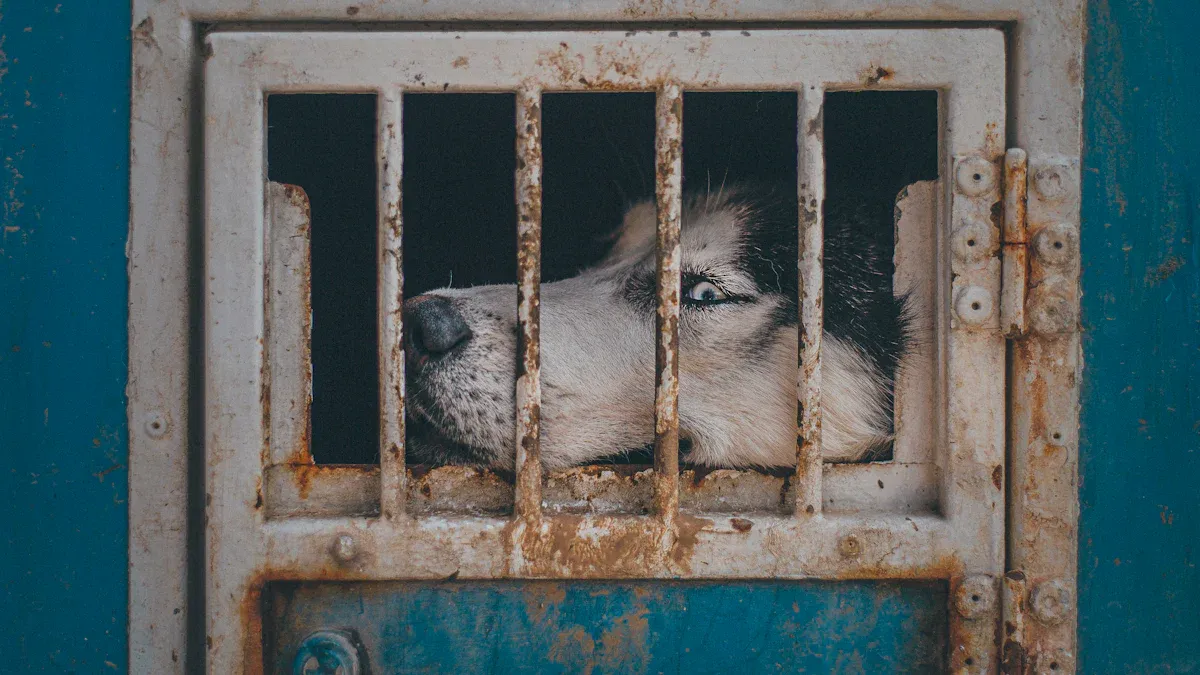
You may think galvanized steel will never rust, but that is not always true. Over many years, even the best outdoor dog kennel can show signs of rust and corrosion. The zinc coating on the metal protects it from water and air, but scratches or damage can let moisture in. Animal urine and harsh weather can speed up this process. When rust starts, it can weaken the kennel and make it unsafe for your dog.
You can use special coatings to help prevent rust. RustSeal is one option that locks out water and air. This coating stands up well to chemicals like urine, which often cause rust in dog kennels. Hot-dipped galvanized steel panels also give extra protection. They cover every part of the metal, making it last longer outside.
Here is a table showing how different surface treatments protect your kennel:
| المعالجة السطحية | Material Type | Corrosion Resistance Features |
|---|---|---|
| Galvanized | High carbon steel or low carbon steel | Resistant to corrosion, rust, and wear; durable in rainy conditions |
| Powder Coating | High carbon steel or low carbon steel | Corrosion and rust resistant; durable against chipping and peeling even under sun exposure |
If you want your kennel to last, check it often for scratches or worn spots. Fix any damage right away. This helps keep your dog safe and your kennel strong.
Note: Even with good coatings, you should still inspect your kennel regularly. Quick repairs can stop small problems from becoming big ones.
Heat and Cold Conductivity Issues
Metal conducts heat and cold very well. This means a galvanized steel dog kennel can get very hot in summer and very cold in winter. Your dog may feel uncomfortable if the kennel sits in direct sunlight or freezing weather. The metal can heat up fast, making the floor and walls too hot to touch. In cold weather, the kennel can become chilly, which may affect your dog’s comfort and health.
You have several ways to help your dog stay comfortable in these conditions. Adding a kennel cover or roof gives shade and blocks rain or snow. Cross-ventilation panels improve airflow, which helps cool the kennel in hot weather. Resting benches lift your dog off the hot or cold floor, making the space more comfortable. Some owners install climate control systems to keep the temperature steady inside the kennel. These systems help your dog stay safe during extreme weather.
| Solution/Product | Function in Mitigating Temperature Extremes |
|---|---|
| Extreme Kennel Cross-Ventilation Panel | Enhances airflow to reduce heat buildup and improve ventilation. |
| Dog Kennel Cover/Roofs | Provides shade and shelter to protect dogs from direct sun and weather. |
| Dog Kennel Resting Benches | Elevates dogs off hot or cold floors, improving comfort during temperature extremes. |
| Trench Drain | Manages water and moisture, indirectly helping maintain a comfortable kennel environment. |
Tip: Place your kennel in a shaded area and use covers or benches to help your dog stay comfortable all year.
Weight and Portability Challenges
A galvanized steel dog kennel is heavy. The strong metal frame makes it sturdy, but it also means you cannot move it easily. If you want to change the location of your outdoor dog kennel, you may need help or special tools. This can be a problem if you often move your dog’s space or if you rent your home.
The weight of the kennel helps keep it stable in strong winds, but it limits your options for quick changes. Some people choose lighter materials, like plastic, if they need a portable kennel. However, lighter kennels may not offer the same level of security or durability.
If you plan to move your kennel often, think about how much it weighs before you buy. A heavy kennel works best for permanent setups.
Aesthetic and Noise Limitations
When you choose a galvanized steel kennel for your dog, you may notice some drawbacks in appearance and sound. These kennels often look industrial. The shiny metal and wire mesh do not blend well with gardens or landscaped yards. If you want your outdoor space to look natural or cozy, this style might not fit your taste. Some people try to hide the kennel with plants or privacy screens, but the metal still stands out.
Noise is another issue you should consider. Galvanized steel kennels can be loud. When your dog moves around, the metal can rattle or clang. Rain or hail hitting the roof makes a lot of noise. This can bother both you and your neighbors. Dogs that bark or scratch at the walls may make even more sound. If you live in a quiet neighborhood, this could become a problem.
Tip: You can reduce noise by adding rubber mats or using kennel covers. These help absorb sound and make the space quieter for your dog.
Some owners see these aesthetic and noise issues as major cons. If you want a kennel that looks good and stays quiet, you may want to explore other materials.
Cost Considerations for Outdoor Dog Kennels
Price plays a big role when you pick a kennel for your dog. Galvanized steel kennels usually cost more than plastic or wood options. You pay for strength, security, and long life, but the higher price can be a drawback for some families.
Here is a table that compares the average price ranges for different outdoor kennel materials:
| Material Type | Price Range (USD) | Example Prices (USD) |
|---|---|---|
| Galvanized Steel | $168.99 – $650.99 | $650.99, $493.99, $409.99, $278.99, $299.99 |
| Plastic | Around $149.99 – $160.81 | $160.81 (water-resistant dog house), $149.99 |
| Wood | Around $175.29 | $175.29 (log cabin style dog house) |
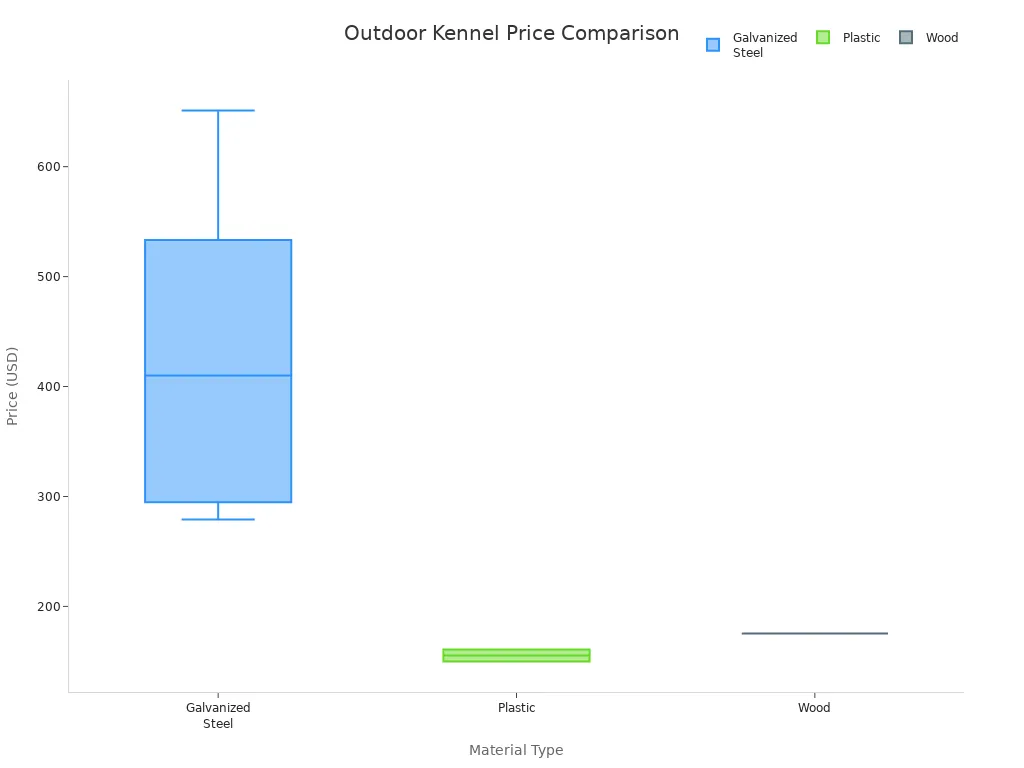
You see that galvanized steel kennels often cost the most. Plastic kennels are usually the cheapest, while wood sits in the middle. The price difference comes from the materials and the features you get.
Several factors can change the final cost of your kennel:
- Material quality and thickness of the galvanized steel. Thicker steel costs more but lasts longer.
- Size of the kennel. Bigger kennels use more material and take more time to build.
- Extra features like smaller mesh, privacy slats, or added security. These raise the price.
- Site conditions. If your yard is uneven or has obstacles, installation costs go up.
- Local permits or rules. You may need approvals, which can add to the total cost.
You should think about your budget and your dog’s needs before you buy. Galvanized steel kennels give you great value over time, but the upfront cost is one of the main cons. If you want a long-lasting and secure space for your dog, the investment may be worth it.
Comparing Galvanized Steel Dog Kennels to Other Outdoor Dog Kennel Materials
Galvanized Steel vs. Plastic Outdoor Dog Kennels
When you compare galvanized steel and plastic outdoor dog kennels, you notice big differences in strength and durability. Galvanized steel kennels stand up to harsh weather, strong dogs, and rough play. Plastic kennels are lighter and easy to move, but they can crack or break if your dog chews or jumps against them. You will find that steel kennels last much longer and need less frequent replacement.
Here is a table to help you see the main differences:
| Feature | Galvanized Steel Kennels | Plastic Kennels |
|---|---|---|
| متانة | Very high, chew-proof, long-lasting | Moderate, can crack or break |
| Weather Resistance | Excellent, resists rust and corrosion | Good, does not rot or rust |
| Maintenance | Easy to clean, low maintenance | Easy to clean, low maintenance |
| Installation | Heavy, more complex | Lightweight, easy to install |
| Best For | Active or chewing dogs, harsh climates | Small, calm dogs, mild climates |
You can clean both types easily, but steel kennels give you better protection for strong or energetic dogs. Plastic kennels work well if you want something light and simple for a gentle pet.
Galvanized Steel vs. Wood Outdoor Dog Kennels
Wooden kennels look natural and blend into your yard. They also provide some insulation against heat and cold. However, wood can rot, warp, or attract insects if you do not care for it. You need to seal or paint wood often to keep it in good shape. Galvanized steel kennels do not need this extra work. They resist weather and last longer outside.
If you care about the environment, wood has a smaller carbon footprint. Wood is renewable and biodegradable, while steel uses more energy and resources to make. Still, you get more years of use from a steel kennel, especially if you have a large or active dog.
Tip: Choose wood if you want a natural look and care about eco-friendly materials. Pick steel if you want less maintenance and more durability.
Galvanized Steel vs. Chain-Link Outdoor Dog Kennels
Chain-link kennels use galvanized steel wire, so they share many strengths with other metal dog kennels. Both types resist rust, last through tough weather, and keep your dog secure. Chain-link kennels cost less and give you good airflow and visibility. You can watch your dog easily, and your dog can see out.
- Chain-link kennels offer strong security and resist chewing.
- They are affordable and easy to customize for different yard sizes.
- You get good ventilation, which helps your dog stay cool.
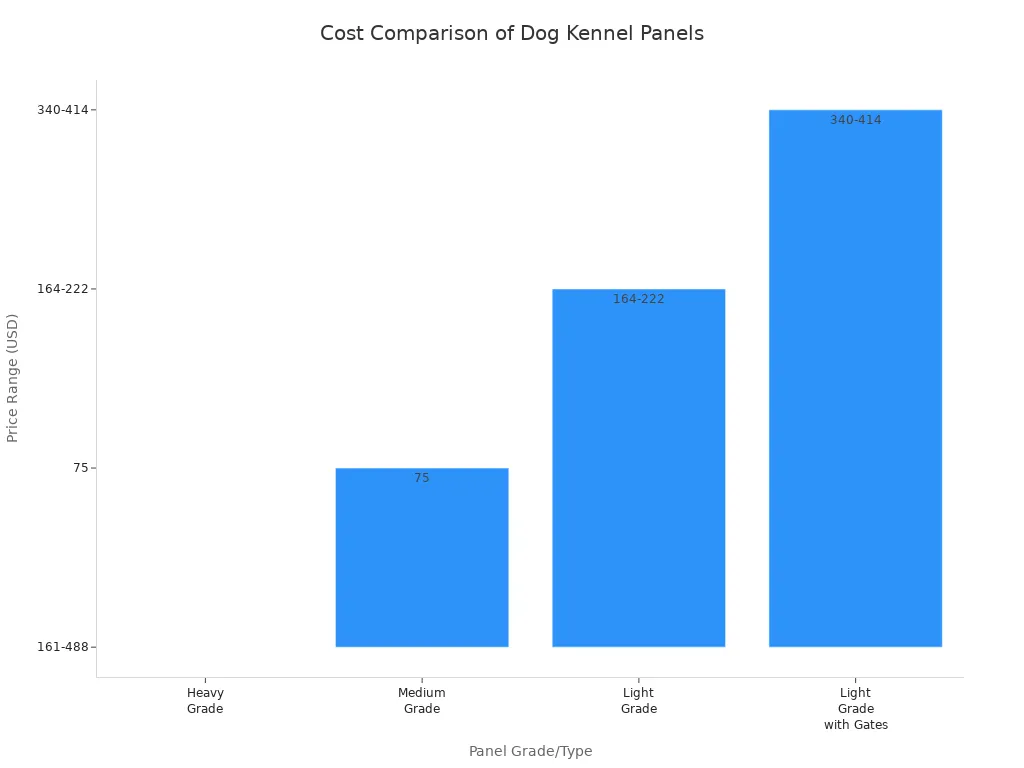
Chain-link panels come in different grades and prices. Heavy-grade panels cost more but last longer. You can choose the right type for your budget and needs. Both chain-link and solid steel kennels give you strong, secure options for outdoor dog kennels.
When a Galvanized Steel Dog Kennel Is the Right or Wrong Choice
Best Scenarios for Galvanized Steel Dog Kennels
You should choose a galvanized steel kennel when you want strong protection and long-lasting use. This type of kennel works best if you have a large or active dog that needs a secure space. Many owners pick galvanized steel for dog kennel buildings in areas with harsh weather. The metal stands up to rain, snow, and sun. If you plan to keep your dog outside for long periods, this kennel gives you peace of mind.
- You want a kennel that lasts for years.
- Your dog likes to chew or dig.
- You need a safe space that keeps out wild animals.
- You want easy cleaning and good drainage for your dog’s comfort.
Tip: Galvanized steel dog kennel buildings work well for homes, shelters, and boarding facilities.
When to Consider Other Outdoor Dog Kennel Options
Sometimes, a galvanized steel kennel may not fit your needs. If you move your kennel often, the heavy weight can make it hard to handle. You may want a lighter material if you travel or change your yard setup. Some people prefer wood or plastic for a softer look or quieter space. If you live in a very hot or cold area, metal can affect your dog’s comfort.
- You want a portable outdoor dog kennel.
- You care about matching your yard’s style.
- Your dog needs extra warmth or shade for comfort.
- You want a quieter kennel for a calm environment.
Note: Plastic or wood kennels may offer better comfort in extreme climates.
Factors: Climate, Dog Breed, and Owner Needs
You should think about climate, your dog’s breed, and your own needs before choosing a kennel. Hot or cold weather can change how comfortable your dog feels in metal dog kennel buildings. Some breeds need more warmth or shade. If you have a small or short-haired dog, you may need extra bedding or covers for comfort. Your daily routine also matters. If you want low maintenance, galvanized steel saves you time.
| Factor | What to Consider for Comfort |
|---|---|
| Climate | Add covers or insulation for hot/cold days |
| Dog Breed | Match kennel size and features to your dog |
| Owner Needs | Choose easy cleaning and strong security |
Always check your dog’s comfort and safety in any kennel you choose.
Galvanized steel dog kennels give you strong protection and easy care for your pet. You get a kennel that lasts through tough weather and keeps your dog safe. Before you choose, think about your climate, your dog’s comfort, and your budget. For many owners, this type of kennel offers the best mix of safety and value.
Remember: Always match the kennel to your dog’s needs for the best results.
التعليمات
How do you prevent rust on a galvanized steel dog kennel?
You should check your kennel for scratches or worn spots. Apply a rust inhibitor spray if you see any damage. Clean the kennel often and keep it dry. This helps stop rust before it starts.
Can you use a galvanized steel kennel in very hot or cold weather?
Yes, but you need to add shade or covers in hot weather. In cold weather, use resting benches or extra bedding. These steps help your dog stay comfortable all year.
Are galvanized steel kennels safe for puppies?
Galvanized steel kennels work well for puppies. The strong metal keeps them safe. Make sure the mesh size is small enough so puppies cannot squeeze through or get stuck.
How often should you clean a galvanized steel dog kennel?
You should clean the kennel every day by removing waste and debris. Deep clean it once a week with pet-safe soap and water. This keeps your dog healthy and the kennel fresh.
What size kennel does your dog need?
Pick a kennel that lets your dog stand, turn, and stretch out. Measure your dog’s length and height. Add extra space for comfort. A larger kennel works better for active dogs.
Tip: Always check the manufacturer’s size guide before you buy.