
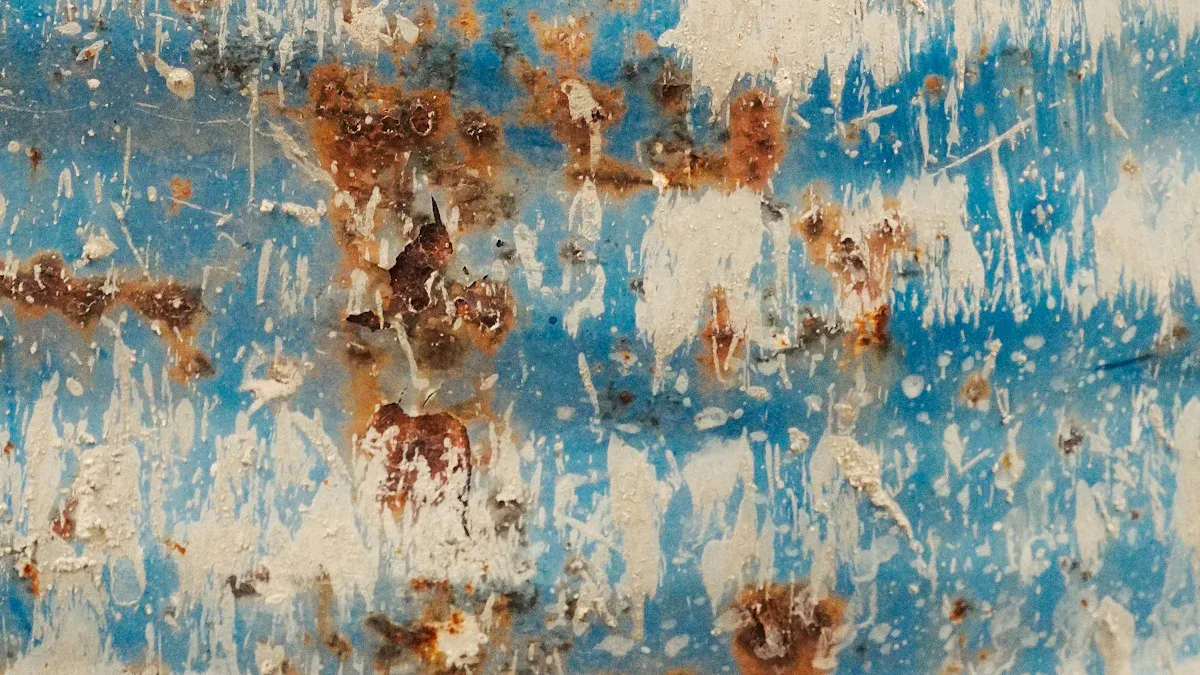
Can you paint over galvanized steel? Yes, you can paint over galvanized steel, but you need to know the benefits and challenges before you start. Many people choose to paint for these reasons:
- You want better corrosion protection, especially on welds or damaged spots that need extra care.
- You need a specific color or finish for appearance or branding.
- You want to fix or prevent corrosion where the zinc layer wears down.
Paint does not always stick well because the zinc surface forms oxides. You must clean and prepare the surface, often with a special primer, to help the paint bond and last.
What Is Galvanized Steel?
How Galvanized Steel Is Made
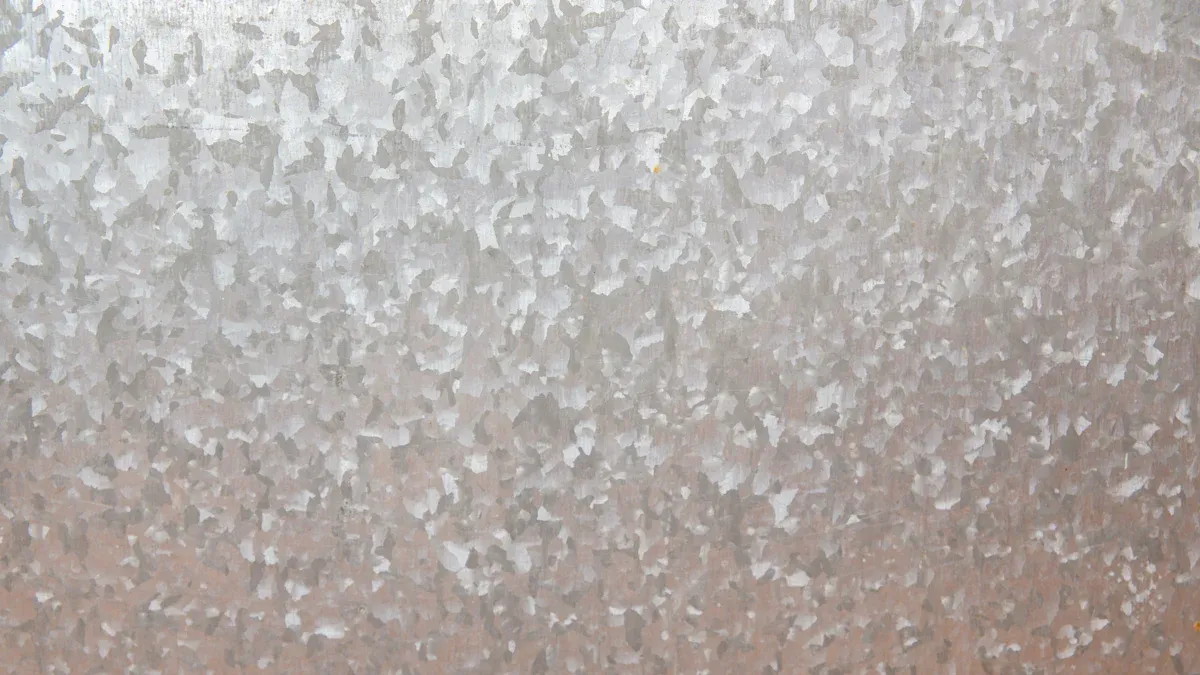
You see galvanized steel in many places, but do you know how it is made? Manufacturers use several methods to create this strong, rust-resistant material. The most common process is hot-dip galvanising. In this method, workers dip steel into a bath of molten zinc. The zinc forms a thick, protective layer that gives the steel excellent corrosion resistance. This coating can look a bit uneven, but it protects the metal very well.
Other methods include electro-galvanising, where an electric current helps zinc stick to the steel. This process creates a smooth and shiny surface, which is great for products that need to look good. Galvannealing is another method. Here, the steel goes through hot-dip galvanising and then gets heated again. This makes the surface matte and easy to paint. You also find sherardizing and mechanical plating. These methods work well for small or delicate parts.
Tip: The way the zinc bonds to the steel affects how well paint sticks. A rougher surface from hot-dip galvanising helps paint grip better, but you still need to clean and prepare the surface for best results.
| Method | Surface Features | Best Use Cases |
|---|---|---|
| Hot-Dip Galvanising | Thick, uneven, strong | Construction, bridges |
| Electro-Galvanising | Smooth, shiny | Cars, appliances |
| Galvannealing | Matte, paintable | Automotive, painted products |
| Sherardizing | Uniform, for small parts | Fasteners, hardware |
| Mechanical Plating | Thin, for delicate items | Screws, small components |
Why Galvanized Steel Is Popular
You find galvanised steel everywhere because it solves many problems. The zinc coating protects the steel from rust and corrosion, even in tough weather. This makes it perfect for outdoor use, like in building frames, bridges, and farm equipment. The material lasts a long time and needs little care, which saves you money.
Many industries choose galvanised steel because it is strong, affordable, and easy to use. Builders use it for framing and roofing. Farmers use it for barns and fences. Car makers use it to stop rust on vehicles. Even solar and wind projects rely on it for its durability. Compared to other metals, galvanised steel gives you a balance of strength, cost, and excellent corrosion resistance. You get a product that stands up to rain, salt, and sun without breaking the bank.
Can You Paint Over Galvanized Steel?
You might wonder, can you paint over galvanized steel? The answer is yes, but you need to know what makes this process different from painting other metals. Galvanized steel has a special zinc coating that protects it from rust. This coating helps the steel last longer, but it also makes painting more challenging. If you want your paint to stick and last, you must follow the right steps.
Why Paint Galvanized Steel?
You may want to paint galvanized steel for several reasons. Sometimes, you need a certain color or finish for your project. Paint can help you match your brand or make your building look better. In other cases, you want extra protection. The zinc layer already fights rust, but paint adds another shield, especially in places where the coating has worn off.
Painting can also help you cover up repairs or welds. These spots often lose their zinc layer and become weak points. By painting them, you keep the whole surface strong. In some industries, you must follow rules about how things look or how long they last. Paint helps you meet these standards.
Note: Paint does not always stick well to galvanized steel. The surface often has a nodular texture, not the rough profile that paint likes. You need to clean and roughen the surface, sometimes with a process called abrasive sweep blasting. This step helps the paint grip the metal.
When Painting Galvanized Steel Makes Sense
You should consider painting galvanized steel in certain situations. If you have small items like handrails, stair treads, or connectors, painting can give you long-lasting results. In rural or farm settings, a two-coat system works well. You start with a zinc phosphate epoxy primer, then add a polyurethane topcoat. This method can protect your steel for over 15 years and costs less in the long run.
Painting also makes sense when you need to match colors or add logos. For example, you might want your equipment to show your company’s colors. Paint gives you this option. If you work in an area with mild weather, painting over galvanized steel can be a smart choice. You get extra protection without spending too much.
However, painting is not always the best answer. Large steel parts can be hard to handle and prepare. The cost and effort may not be worth it. In harsh environments, like near the ocean, you may need special coatings to keep the paint from failing.
If you want your paint job to last, you must prepare the surface carefully. Remove all dirt, oil, and zinc compounds before you start. Use the right primer and follow industry standards, such as ASTM D6386-16a, to check your work.
Can you paint over galvanized steel? Yes, you can, but you must know when it makes sense and how to do it right. With the right steps, you can get a strong, colorful, and long-lasting finish.
Pros of Painted Steel
Improved Aesthetics with Paint
You can transform the look of steel by adding paint. Painted steel gives you many choices for color, texture, and finish. This helps you match your project to its surroundings or make it stand out. Design professionals often use special color treatments, such as Natina Steel Solution, to create a natural, rustic, or weathered look. These treatments help steel blend into the environment while keeping its strength and durability.
When you use coatings like primer coats, clear coats, or textured finishes, you add more than just color. You also improve the surface quality and make the steel more attractive. Many architects and builders choose painted steel because it offers both beauty and function. Duplex coating systems, which combine galvanising with painting or powder coating, give you excellent corrosion resistance and a wide range of visual effects. This makes painted steel a top choice for both architectural and industrial projects.
Painted steel coatings can help your project look modern, classic, or unique. You get to decide the style that fits your needs.
However, you should remember that in harsh industrial settings, painted steel may need more maintenance to keep its good looks. Frequent touch-ups can help maintain the visual appeal over time.
Added Protection for Galvanised Steel
Paint does more than just make steel look good. It also adds another layer of defense against rust and corrosion. When you paint over galvanised steel, you create a barrier that blocks water, chemicals, and air from reaching the metal. This extra layer works with the zinc coating to give you enhanced corrosion resistance.
Duplex coatings, which use both galvanising and paint, provide outstanding corrosion protection. You get the benefits of both systems. The zinc fights rust, while the paint shields the surface from scratches and weather. This combination helps your steel last longer, even in tough environments. Many experts recommend painted steel for projects that need long-term durability and excellent corrosion resistance.
Tip: Using protective coatings on galvanised steel can extend its lifespan and reduce repair costs.
Painted steel coatings also help cover up welds or damaged spots where the zinc layer may be thin. By sealing these areas, you prevent corrosion from starting and spreading. This keeps your steel strong and safe for years.
Customization and Branding Options
Painted steel gives you the power to customize your products. You can choose exact colors, patterns, and finishes to match your brand or design vision. Companies often use a paint grip finish, which prepares the steel for paint by creating a surface that holds color well. This lets you add logos, brand colors, or special textures to your panels and products.
Prepainted galvanized steel offers a smooth, even finish in many colors and patterns. This makes it easy to create products that fit your brand and look great in any setting. For example, stores and restaurants often use painted steel panels that match their interior design. This helps products blend in and support the overall brand image.
Advanced coating technologies, such as ColorZinq, allow you to match any color, including RAL and Pantone shades. You can pick from matte, satin, or gloss finishes. These coatings provide long-lasting color and protect against scratches, moisture, and UV rays. Companies like Ranger Gate use painted steel and custom design tools to create unique products that meet specific branding needs.
Painted steel coatings help you stand out in the market. You can create products that are both durable and memorable.
Painted steel supports both function and style. You get strong corrosion protection and the freedom to design products that reflect your brand.
Extending the Lifespan of Galvanized Steel
You want your steel projects to last as long as possible. Painting over galvanized steel is one of the best ways to achieve this goal. When you use both zinc and paint together, you create a powerful shield against rust and weather. This method is called a duplex coating system.
A duplex coating system gives you more than just two layers of protection. The paint slows down how fast the zinc wears away. The zinc also stops rust from forming under the paint. When you combine these two, you get a lifespan that is 1.5 to 2.5 times longer than using zinc or paint alone. This means your steel can stay strong and look good for many more years.
If you take care of your painted steel, you can expect it to last 20 to 30 years or even longer. The quality of the paint, the environment, and how well you maintain the surface all play a big role. For example, if you use your steel in a place with mild weather and keep up with regular inspections, you can enjoy decades of service.
Tip: Regular maintenance is key. Check your steel for chips or scratches. Clean the surface to remove dirt and salt. Fix any damage right away to stop rust from starting.
In tough places, like near the ocean, you face more challenges. Saltwater can wear down steel quickly. Unpainted galvanized steel in these areas may last only 10 to 15 years. However, if you paint it and follow a good maintenance plan, you can make it last much longer. You should wash off salt every week, use gentle cleaners each month, and schedule professional checks. These steps help you catch problems early and keep your steel in top shape.
Here are some simple steps to help you extend the lifespan of your steel:
- Choose high-quality paint and primer.
- Prepare the surface by cleaning and roughening it.
- Apply paint evenly and let it dry fully.
- Inspect the steel often for signs of wear.
- Clean and repair as needed.
When you follow these steps, you protect your investment and reduce repair costs. You also help the environment by making your materials last longer.
Cons of Painting Galvanized Steel
Adhesion Issues with Paint
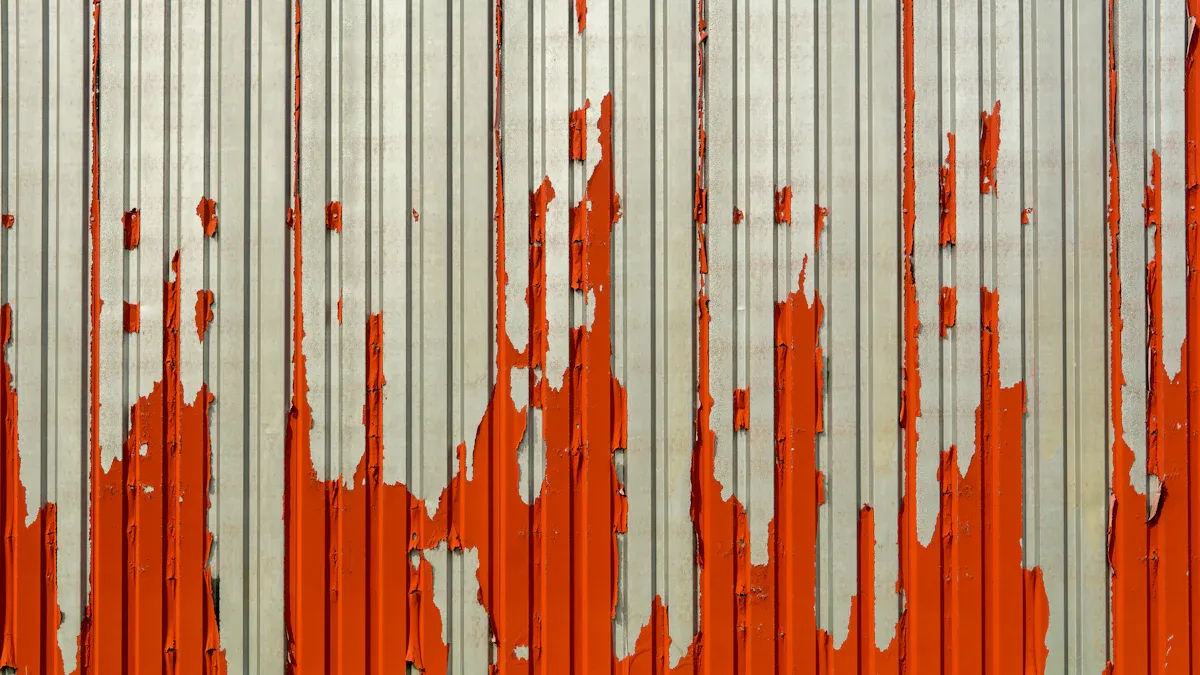
You may face problems when trying to get paint to stick to galvanised steel. The zinc coating on the surface can make it hard for coatings to bond well. If you do not clean and prepare the metal properly, paint can peel or bubble. Many maintenance records show these common problems:
- Poor coating adhesion from not cleaning or degreasing the surface according to standards like SSPC-SP 1 and SSPC-SP 16.
- Chromate quenching treatments that protect against white rust but stop paint from sticking if not removed.
- Oil and dirt left from water quenching that reduce paint adhesion.
- Thick, brittle zinc layers on reactive steels that can flake off, especially in wet conditions.
- Environmental exposure causing white zinc corrosion and moisture damage, which lead to coating failures.
- Zinc peeling and flaking when the layer is too thick, making it brittle.
You need to use the right primer and make sure the surface is clean and rough enough for the paint to grip.
Extra Surface Preparation for Galvanised Steel
Painting galvanised steel takes more time and effort than painting other metals. The smooth, shiny zinc coating does not hold coatings well without extra preparation. You must clean the surface, remove oils, and sometimes use chemical treatments like zinc phosphate to help the paint stick. Light sanding or media blasting can create a better texture for coatings. Degreasing with solvent-based cleaners is also important to remove all contaminants.
This extra preparation adds to the cost and time needed for your project. Grit blasting is expensive and labor-intensive. Field application costs can also go up, especially if the steel has a complex shape. You need to plan for these extra steps when working with galvanised steel.
Risk of Peeling or Flaking Paint
If you skip proper preparation or use the wrong coatings, you risk peeling or flaking paint. New galvanised surfaces often have oil coatings that stop paint from sticking. Alkyd or oil-based paints can react with zinc, forming films that separate from the metal. Painting in humid or cold weather can cause defects like blistering. Using paints not made for zinc surfaces can also lead to peeling.
Other problems include:
- Inadequate cleaning or chemical pretreatment leaves behind contaminants.
- Poor paint formulation or wrong materials reduce adhesion.
- Improper application or curing lets moisture or solvents stay trapped, causing defects.
- Environmental exposure and mechanical damage, like abrasion or thermal expansion, can remove coatings and expose the steel to rust and corrosion.
Tip: Always follow best practices for preparation and choose coatings designed for galvanised steel to avoid these issues.
Ongoing Maintenance for Painted Steel
You need to care for painted steel if you want it to last. After you finish painting, let the coating cure for at least 24 to 48 hours before you put it outside. The curing time can change if the weather is cold or humid. In those cases, you may need to wait longer. This step helps the paint bond well and keeps the surface strong.
Once the paint has cured, you should start a regular maintenance routine. Keeping the surface clean helps stop dirt, salt, and other things from breaking down the coating. You can use a soft brush or cloth with mild soap and water. Avoid harsh cleaners because they can damage the paint.
Here are some simple steps for ongoing care:
- Check the surface often for chips, scratches, or peeling.
- Clean the steel every few weeks, especially if it is outside.
- Fix any damage right away. Touch up small spots with matching paint.
- Watch for rust or corrosion. If you see any, remove it and repaint the area.
Tip: If you live near the ocean or in a place with lots of pollution, you may need to clean and inspect your painted steel more often.
You do not have to follow a strict schedule, but daily or routine maintenance works best. This habit helps you catch problems early and keeps the coating working well. Painted steel that gets regular care will look better and last longer. You also save money because you avoid big repairs.
If you want your project to stay strong and colorful, make maintenance a part of your plan. Good care protects your investment and keeps your steel looking new.
Key Considerations Before You Paint Galvanized Steel
Surface Preparation Steps for Galvanised Steel
You need to prepare the surface carefully before you paint galvanised steel. Good surface preparation helps the paint stick and last longer. Start by checking if your steel is new, partially weathered, or fully weathered. Each type needs a different cleaning method. For new galvanised steel, remove oil and grease with a mild cleaner or detergent. If you see white rust, use a gentle acid like citric acid, but avoid harsh chemicals. For older steel, you may need to use a brush or light blasting to remove rust or old coatings.
Follow these steps for best results:
- Identify the condition of your galvanised steel.
- Clean off oil, grease, and dirt.
- Remove any rust or old coatings with the right tools.
- Use a chemical pretreatment or a light blast to create a surface profile.
- Make sure the surface is dry before you start painting.
Tip: Always follow industry standards like SSPC-SP1 and ASTM D6386 for cleaning and preparation.
Choosing the Right Paint for Galvanized Steel
Not all paints work well on galvanised steel. Some coatings can react with the zinc and cause peeling. You should avoid oil-based and alkyd paints because they can break down and fail. Instead, choose coatings made for galvanised surfaces, such as acrylic latex, epoxy, or urethane coatings. These paints stick better and last longer.
Here is a quick guide to help you pick the right coating:
| Paint Type | Best Use Case | Notes |
|---|---|---|
| Acrylic Latex | New or weathered surfaces | Good adhesion and durability |
| Epoxy | Industrial or harsh settings | Strong, long-lasting protection |
| Urethane | Outdoor and marine use | Resists weather and chemicals |
| Oil-Based/Alkyd | Not recommended | Can cause peeling on galvanised steel |
Always check with your paint supplier to make sure the coating matches your needs.
Application Tips for Painted Steel
You want your paint job to last, so follow these best practices. Clean and dry the surface before you start. Use a primer made for galvanised steel to help the paint stick. Apply the paint in thin, even coats. Let each coat dry fully before adding the next. Two or three coats usually give the best results.
- Use a brush, roller, or spray gun for even coverage.
- Avoid painting in direct sunlight or on hot surfaces.
- Lightly sand between coats if needed for better adhesion.
- Allow the paint to cure for at least 24 to 48 hours before using the steel.
Regular cleaning with mild soap and water helps keep your protective coatings in good shape. Check the surface often for chips or rust, and fix any problems right away. This routine keeps your galvanised steel looking great and lasting longer.
Maintenance After Painting Galvanized Steel
You want your painted galvanized steel to last for years. Good maintenance helps you get the most out of your investment. Start by checking your steel often. Look for peeling paint, cracks, or rust. If you find any damage, fix it right away to keep the coating strong.
Here are some important steps you should follow:
- Inspect your steel every few months. Pay close attention to places like seams, edges, and joints. These areas often show problems first.
- Clean the surface at least once a year. Use water and a mild soap. Remove dirt, dust, and any buildup. Make sure the steel dries completely to stop moisture from causing rust.
- Touch up any worn or damaged spots with zinc-rich paint. This type of paint sticks well to galvanized steel and protects against corrosion.
- Repair cracks or holes as soon as you see them. Replace damaged bolts or seals to keep the structure safe.
- Use high-quality materials for repairs. Choose galvanized steel with a thick zinc coating and strong parts.
- Train anyone who works on your steel. Teach them how to spot problems and keep good records of all inspections and repairs.
Tip: Always let the paint dry and cure as the manufacturer suggests. Rushing this step can cause the paint to fail early.
You can also hire professional painters for big jobs. They know how to prepare the surface, use the right paint, and apply even coats. This gives you better results and longer-lasting protection.
Regular maintenance keeps your painted galvanized steel looking good and working well. You save money on repairs and help your steel last much longer.
When Not to Paint Galvanized Steel
Situations Where Painting Galvanised Steel Isn’t Needed
You do not always need to paint galvanized steel. Sometimes, painting can cause more problems than it solves. Here are some situations where you should avoid painting:
- Freshly galvanized steel needs time to weather. Wait several weeks before painting so the surface can hold paint better.
- If you see oil or dirt on the steel, do not paint until you clean it. Paint will not stick to dirty surfaces.
- High humidity or poor weather can ruin your paint job. Moisture can make paint peel or bubble.
- Oil-based or alkyd paints do not work well on new galvanized steel. These paints react with the zinc and cause the paint to fail.
- Latex primers are not a good choice in places with lots of humidity or big temperature changes.
- If your galvanized steel is old and has lost its zinc coating, you can use oil-based primers. For new steel, avoid them.
You should also skip painting if the steel will not face much wear or corrosion. The zinc coating already protects the metal in many outdoor settings. Painting adds cost and work without much benefit in these cases.
Tip: Always check the condition of your steel and the environment before you decide to paint.
Alternatives to Painting Galvanized Steel
You have other ways to protect galvanized steel if painting is not the best choice. Here are some options:
- Use thicker zinc coatings for extra corrosion resistance. This works well in harsh environments.
- Try powder coating. This method uses heat to bond a colored layer to the steel. It lasts longer than regular paint.
- Choose pre-weathered or patina finishes. These treatments give the steel a natural look and help it blend in.
- Apply clear sealants. These products protect the zinc layer without changing the steel’s appearance.
- Regular cleaning and inspections help you spot early signs of corrosion. You can fix small problems before they grow.
Each method has its own benefits. You can pick the one that fits your project and keeps your steel safe from corrosion.
Painting galvanized steel gives you more color choices and extra protection, but it also brings higher costs and more work over time. If you want a colorful finish, use paints that work well with galvanized steel. The table below shows which paints experts recommend:
| Paint Type | Works Well? | Notes |
|---|---|---|
| Acrylics | Sometimes | May react with zinc |
| Aliphatic Polyurethanes | Yes | Best as topcoat over epoxy primer |
| Alkyds | رقم | Peels quickly on zinc |
| Epoxy-Polyamide | Yes | Sticks well and lasts longer |
| Latex-Acrylics | Yes | Good for the environment |
If you want the lowest maintenance and cost, leave galvanized steel unpainted. It lasts up to 50 years with little care and has less impact on the environment. Always think about your project’s needs before you decide.
التعليمات
Can you paint galvanized steel without a primer?
You should not skip primer. Primer helps paint stick to galvanized steel. Without it, paint may peel or flake. Always use a primer made for galvanized surfaces for the best results.
How long does painted galvanized steel last?
Painted galvanized steel can last 20 to 30 years if you prepare and maintain it well. Regular cleaning and quick repairs help extend its life. In harsh environments, you may need more frequent touch-ups.
What type of paint works best on galvanized steel?
You get the best results with acrylic latex, epoxy, or urethane paints. These paints bond well to galvanized surfaces. Avoid oil-based or alkyd paints because they often peel or fail.
Do you need to clean galvanized steel before painting?
Yes, you must clean the steel first. Remove all oil, dirt, and white rust. Use mild soap and water or a special cleaner. A clean surface helps paint stick and last longer.
Can you paint over old, weathered galvanized steel?
You can paint over old galvanized steel if you remove rust and loose coatings first. Clean the surface and use a primer. This helps the new paint bond well and protects the steel.