
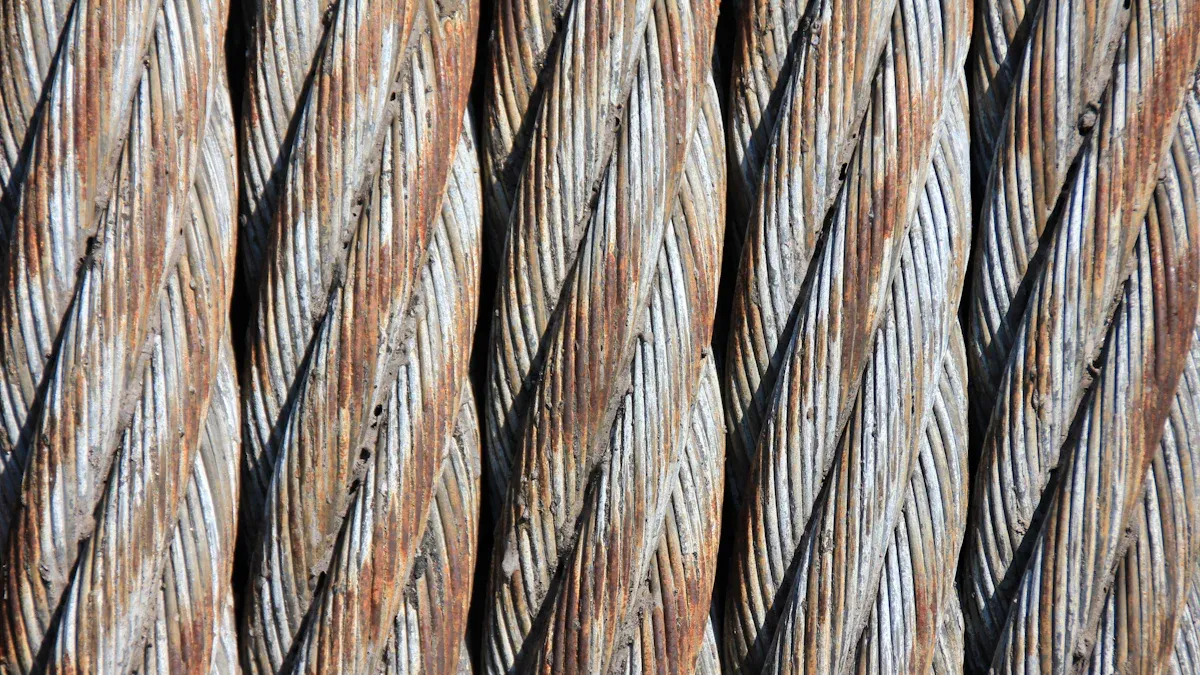
Choosing the right wire rope depends on where and how you use it. For outdoor projects, galvanized steel rope gives you moderate corrosion resistance at a fair cost. When you need the best protection in high-moisture environments like the sea, stainless steel wire rope stands out for its superior corrosion resistance and durability. Bright wire rope works well indoors and fits tight budgets, but it cannot handle moisture.
| Wire Rope Type | Best For | المقاومة للتآكل | Cost |
|---|---|---|---|
| ستانلس ستيل | Marine, high-moisture, chemical | Excellent | Highest |
| Galvanized | Outdoor, general use | Moderate | Moderate |
| Bright | Indoor, dry, budget | Poor | Lowest |
You should always match the type of galvanized wire rope, stainless steel wire rope, or bright wire rope to your environment and needs. This helps you balance strength, corrosion resistance, and maintenance.
Quick Comparison Table
At-a-Glance Summary
When you compare different types of wire rope, you want to see the main differences quickly. The table below gives you a clear view of how galvanized steel rope, stainless steel wire rope, and bright wire rope perform in key areas. You can use this table to match the right wire rope to your needs.
| Performance Metric | Galvanized Steel Rope | Stainless Steel Wire Rope | Bright Wire Rope |
|---|---|---|---|
| قوة الشد | High, good for general use | Slightly lower than bright or galvanized steel | Very high, stable under load |
| المقاومة للتآكل | Good, zinc coating helps outdoors | Excellent, resists rust, chemicals, and saltwater | Poor, no coating, rusts easily |
| Abrasion Resistance | Good, zinc coating protects | Good, stainless alloy resists wear | Moderate, depends on steel grade |
| Flexibility | Flexible, easy to handle | Flexible, used in marine and design projects | Less flexible, made for rotation resistance |
| Lifespan/Durability | Long-lasting with care | Very long, needs little maintenance | Moderate, needs dry, clean space |
| Maintenance Needs | Moderate, may need re-coating | Low, almost no maintenance | High, needs regular checks |
| Mechanical Wear Resistance | Good, zinc helps resist wear | Good, stainless steel resists wear | Excellent for industrial use |
| Cost Considerations | Lower cost | Higher cost, premium material | Moderate, but less durable in wet places |
Tip: If you need wire rope for marine or chemical settings, stainless steel wire rope gives you the best protection. For outdoor jobs, galvanized steel rope works well and saves money. Bright wire rope fits indoor jobs and tight budgets, but you must keep it dry.
You should always check the environment and the job before you pick a wire rope. Each type has strengths and weaknesses. For example, galvanized steel rope has a zinc coating that helps it last outside, but it does not match the corrosion resistance of stainless steel wire rope. Bright wire rope has no coating, so it works best where you do not expect moisture.
- Galvanized steel rope: Best for outdoor, heavy-duty, non-marine use.
- Stainless steel wire rope: Best for marine, chemical, or high-moisture areas.
- Bright wire rope: Best for indoor, dry, and budget-friendly projects.
This quick comparison helps you choose the right wire rope for your project. You can avoid problems and save money by picking the right type from the start.
Galvanized Steel Rope
What Is Galvanized Steel Rope?
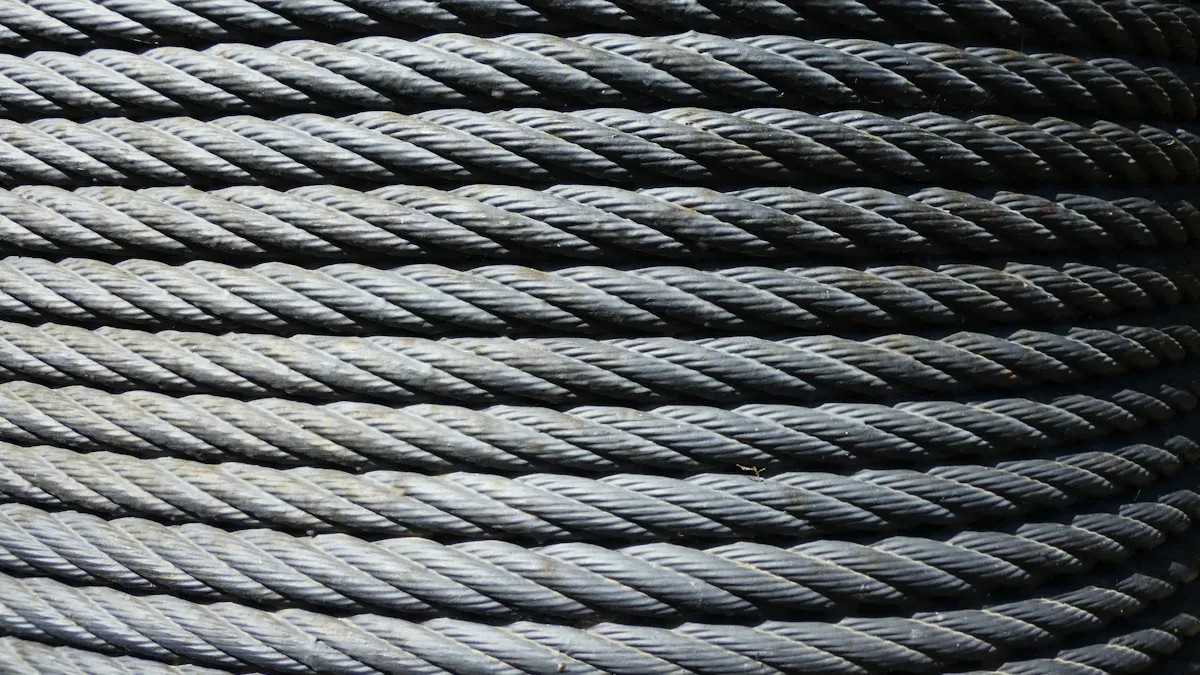
Galvanized steel rope is a type of wire rope that has a protective zinc coating. Manufacturers start with hot-rolled steel rods and treat them through several steps to make the rope strong and rust-resistant. Here’s how the process works:
- Steel rods are heated and soaked to create a fine structure for drawing.
- The surface gets cleaned and treated to prevent oxidation.
- The rods are dipped in molten zinc, which forms a thick, protective layer.
- Excess zinc is removed, and the rods are cooled for a shiny finish.
- The zinc coating acts as a barrier, giving the rope its corrosion resistance and helping it last longer outdoors.
This process makes galvanized steel rope a popular choice when you need a wire rope that can handle tough weather and resist rust.
Key Advantages
You get several benefits when you choose galvanized steel rope:
- Excellent corrosion resistance: The zinc coating protects the steel from moisture, making it ideal for outdoor and marine use.
- High tensile strength: This wire rope can handle heavy loads, which is important for lifting, hoisting, and towing.
- Durability: The rope stands up to wear and tear, so you can use it in construction, mining, and industrial settings.
- Versatility: You can find different types and coatings to match your specific needs, whether you need extra flexibility or more protection.
- Lower maintenance: The rust-resistant coating means you spend less time and money on upkeep.
Note: Galvanized steel rope is also recyclable, which helps support sustainability goals.
Disadvantages
While galvanized steel rope offers many strengths, you should know its limits:
- The zinc coating can get damaged during cutting or bending, which reduces corrosion resistance.
- In very harsh environments, like areas with high salt or chemicals, the rope may not last as long as stainless steel wire rope.
- Exposure to high temperatures (above 250°C) can weaken the zinc layer and lower protection.
- Over time, the coating may wear off, especially if the rope faces a lot of friction or mechanical stress.
You should always check the environment and application before choosing galvanized steel rope to make sure it meets your needs.
Best Use Cases
You want to choose the right wire rope for your project. Galvanized wire rope works well in many situations. You get strong performance and good protection from rust. Here are some of the best places to use galvanized wire rope:
Outdoor Construction Projects
You can use galvanized wire rope for building bridges, towers, or fences. The zinc coating helps the rope last longer outside.Agriculture and Farming
Farmers use galvanized wire rope for animal pens, gates, and lifting equipment. The rope stands up to rain and sun.Winches and Hoists
You can use this rope for lifting heavy loads with cranes or winches. It gives you strength and safety.Transport and Towing
Galvanized wire rope works well for towing cars or securing loads on trucks. The rope resists wear from rough use.Playgrounds and Parks
You see galvanized wire rope in swings, climbing frames, and zip lines. The rope stays strong and safe for kids.
Tip: Always check the environment before you choose galvanized wire rope. If you work near saltwater or chemicals, you may need a different type of wire rope.
You should pick galvanized wire rope when you need a balance of strength, cost, and rust protection. It fits most outdoor jobs where you do not face extreme moisture or harsh chemicals. You get a reliable choice for many everyday uses.
Stainless Steel Wire Rope
What Is Stainless Steel Wire Rope?
You use stainless steel wire rope when you need strength and corrosion resistance in tough environments. This wire rope is made from stainless steel, usually grades 304 or 316. Grade 304 gives you good strength and works well in mild conditions. Grade 316 contains molybdenum, which makes it even more corrosion-resistant, especially in saltwater or chemical settings.
Manufacturers create stainless steel wire rope by drawing steel wires to the right size, then twisting or braiding them into strands. They combine these strands to form the final rope. The process includes heat and surface treatments, like polishing, to boost durability and corrosion resistance. You can choose different constructions, such as 1×19 for high strength or 7×19 for more flexibility. The right choice depends on your job and environment.
Key Advantages
Stainless steel wire rope stands out for many reasons:
- You get excellent corrosion resistance. The high chromium content forms a protective layer, so the rope resists rust, moisture, saltwater, and even mild acids.
- This wire rope is strong and durable. The tough atomic structure lets you use it in demanding jobs, from lifting heavy loads to supporting bridges.
- You can use stainless steel wire rope in high temperatures or freezing conditions. It does not lose strength easily.
- The rope is easy to clean and hygienic. You often see it in food processing, healthcare, and places where cleanliness matters.
- Stainless steel wire rope lasts a long time without extra coatings. It is also recyclable, which helps the environment.
- You find many sizes and constructions, so you can match the rope to your needs.
Tip: If you need a corrosion-resistant wire rope for marine, chemical, or outdoor use, stainless steel wire rope is your best choice.
Disadvantages
You should know the limits before you choose stainless steel wire rope:
- Stainless steel wire rope costs more than galvanized or bright wire rope. The price comes from the complex process and the chromium in the steel.
- The rope can be magnetic. This may cause problems if you work near sensitive electronic equipment.
- You need to pick the right construction and diameter for your job. Using the wrong type can lower strength or flexibility.
- If you do not use proper end fittings, the rope can lose up to 40% of its strength.
You get the best results when you match the right stainless steel wire rope to your environment and application.
Best Use Cases
You want to choose stainless steel wire rope when you need the highest level of corrosion resistance and strength. This type of wire rope works well in places where moisture, salt, or chemicals can cause damage. You can trust stainless steel to last a long time, even in tough conditions.
Here are some of the best use cases for stainless steel wire rope:
Marine Environments
You can use stainless steel wire rope on boats, docks, and piers. The rope resists rust from saltwater and stays strong in wet conditions. Many people use it for rigging, lifelines, and mooring lines.Outdoor Architecture
Stainless steel wire rope looks clean and modern. You often see it in railings, balustrades, and suspension bridges. The rope keeps its shine and does not stain, even after years outside.Food and Medical Industries
You need stainless steel in places that must stay clean. Stainless steel wire rope works well in food processing plants and hospitals. The rope does not collect bacteria and is easy to wash.Chemical Plants and Factories
Stainless steel wire rope stands up to harsh chemicals. You can use it for lifting, pulling, or supporting heavy equipment. The rope will not break down when exposed to acids or cleaning agents.Theater and Stage Rigging
You can use stainless steel wire rope to hang lights, curtains, and scenery. The rope is strong and safe for overhead use.
Tip: Always choose stainless steel wire rope if you expect moisture, salt, or chemicals. You will save money on repairs and replacements over time.
You can see that stainless steel wire rope fits many jobs. You get safety, durability, and a clean look. When you need a wire rope that will not rust or weaken, stainless steel is the best choice.
Bright Wire Rope
What Is Bright Wire Rope?
You see bright wire rope used in many indoor settings. Manufacturers make this type of wire rope from high-quality steel wires twisted together. Unlike galvanized or stainless steel wire rope, bright wire rope does not have a protective coating. Instead, it gets a layer of lubricant during production. This lubricant helps reduce friction and gives some protection against wear. You should use bright wire rope in places where moisture and chemicals are not a problem. It works best in dry, controlled environments.
Key Advantages
Bright wire rope offers several benefits that make it a popular choice for many jobs:
- You get high strength and durability, which helps when lifting or moving heavy objects.
- Each rope is engineered to handle significant loads and comes with a marked Safe Working Load (SWL) for safety.
- Manufacturers design bright wire rope to meet strict industry standards, so you can trust its performance.
- You find this wire rope highly versatile and adaptable for different industries and applications.
- Over time, bright wire rope proves cost-effective because it lasts long and needs less maintenance.
- The rope is environmentally friendly since it is made from recyclable materials and uses energy efficiently.
- Lubrication inside the rope reduces friction between wires and strands, which helps the rope last longer.
- The lubricant also provides some corrosion protection by reaching the core and surface of the rope.
Tip: You should always check the load rating before using bright wire rope for lifting tasks.
Disadvantages
Bright wire rope has some drawbacks you need to consider before choosing it:
- This wire rope lacks any surface treatment beyond lubrication, so it is more likely to rust or corrode than galvanized or stainless steel wire rope.
- You get a lower strength-to-weight ratio compared to other types of wire rope.
- The metal core and outside wires can wear down quickly if you misuse the rope.
- If bright wire rope gets damaged, you cannot repair it. You must replace the entire rope to keep things safe.
Note: You should only use bright wire rope indoors or in places where it will not face moisture or harsh chemicals.
Best Use Cases
You want to use bright wire rope in places where you control the environment. This type of wire rope works best indoors. You get strong lifting power and reliable performance when you keep it dry and clean. Many industries trust bright wire rope for daily tasks.
Here are some of the top uses for bright wire rope:
Elevators and Lifts
You see bright wire rope in elevator systems. The rope moves people and goods safely between floors. It handles heavy loads and runs smoothly with regular checks.Cranes and Hoists
You can use bright wire rope for lifting and moving equipment inside factories or warehouses. The rope gives you strength and flexibility for many jobs.Theater and Stage Rigging
Bright wire rope helps you raise and lower curtains, lights, and scenery. The rope stays hidden and works quietly behind the scenes.Manufacturing Equipment
Many machines use bright wire rope for pulling, guiding, or supporting parts. The rope fits well in dry, controlled spaces.Garage Doors and Overhead Doors
You find bright wire rope in the lifting systems of garage doors. The rope moves the door up and down with ease.
Tip: Always keep bright wire rope away from water and chemicals. Moisture can cause rust and weaken the rope.
You should pick bright wire rope when you need a cost-effective solution for indoor jobs. The rope gives you high strength and long life if you protect it from moisture. You can trust it for many lifting and moving tasks inside buildings. If you need wire rope for outdoor or wet areas, choose a different type for better protection.
Galvanized Wire Rope vs Stainless Steel Wire Rope vs Bright Wire Rope
المقاومة للتآكل
You need to think about corrosion resistance when you choose a wire rope. This feature tells you how well the rope can stand up to rust, moisture, and chemicals. Galvanized wire rope has a zinc coating that protects the steel underneath. This coating helps the rope last longer outdoors. You get good protection from rain and mild weather, but the zinc layer can wear off over time. If you use the rope in salty or chemical-rich places, the protection drops.
Stainless steel wire rope gives you the best corrosion resistance. The steel contains chromium, which forms a shield on the surface. This shield keeps out water, salt, and even some acids. You can use stainless steel in marine, chemical, or wet environments. The rope keeps its strength and shine for many years.
Bright wire rope does not have any coating. It only has a thin layer of lubricant. This rope rusts quickly if it gets wet. You should only use bright wire rope indoors where you control the air and moisture. Laboratory tests show that phosphated steel wire has better corrosion resistance than both galvanized and bright wire rope. However, most people do not use phosphated wire rope for common jobs. For most projects, you will pick between galvanized, stainless steel, and bright wire rope.
If you want the highest corrosion resistance, choose stainless steel wire rope. Galvanized wire rope works for outdoor use, but not in harsh or salty places. Bright wire rope fits dry, indoor jobs only.
Strength and Durability
You want your wire rope to stay strong and last a long time. Galvanized wire rope gives you high strength and good durability. The zinc coating helps protect the rope from wear and tear. You can use it for lifting, towing, or building outdoors. Over time, the zinc layer may wear off, so you need to check the rope often.
Stainless steel wire rope also gives you strong performance. It handles heavy loads and keeps its shape in tough conditions. The rope does not lose strength in wet or salty air. You can trust stainless steel for marine, chemical, or outdoor jobs. It needs less care and lasts longer than other types.
Bright wire rope has high strength, but it does not last as long if you use it outside. The lack of a protective coating means the rope can rust and weaken quickly. You should use bright wire rope for indoor jobs where you do not expect moisture. If you want the best durability, stainless steel wire rope is the top choice. Galvanized wire rope gives you a good balance of strength and protection for most outdoor jobs.
You should inspect your wire rope often. Look for signs of wear, rust, or broken wires. Rotate the rope ends and add lubricant to help it last longer.
Cost
Cost plays a big role in your decision. You want to get the best value for your money. The price of wire rope depends on the material, coating, and size. Stainless steel wire rope costs the most. You pay more at first, but you save on maintenance and replacement. Galvanized wire rope costs less than stainless steel. You get good protection and strength for a moderate price. Bright wire rope has the lowest initial cost, but you may spend more on repairs or replacements if it rusts.
Here is a table to help you compare the cost of each type:
| Rope Type | Price Range (USD per meter) | Installation Cost | Long-term Maintenance Cost |
|---|---|---|---|
| Galvanized Steel Wire Rope | $0.799 to $3.000 | Moderate | Moderate to high |
| Stainless Steel Wire Rope | $2.718 to $3.899 | Highest | Lowest |
| Bright Wire Rope | N/A | Lowest | Potentially highest |
You see that stainless steel wire rope has the highest cost, but you spend less on upkeep. Galvanized wire rope gives you a middle ground. You pay a moderate price and get good performance. Bright wire rope looks cheap at first, but you may pay more later if it rusts or breaks.
Tip: Always match the wire rope to your job and environment. Spending more on the right rope can save you money and trouble in the long run.
Maintenance Needs
You want your wire rope to last as long as possible. Each type of wire rope needs different care. If you follow the right steps, you can keep your rope strong and safe.
Galvanized Steel Rope
You should check galvanized steel rope often. Look for signs of rust, broken wires, or worn spots. The zinc coating protects the rope, but it can wear off if you use the rope a lot. If you see bare steel, you need to replace the rope soon. You can clean the rope with a wire brush and mild soap. Dry it well after cleaning. You may need to add a light oil to protect the surface. Store the rope in a dry place when you do not use it.
Stainless Steel Wire Rope
Stainless steel wire rope needs the least maintenance. You do not have to worry much about rust. You should still inspect the rope for damage or dirt. Wipe the rope with a damp cloth to remove salt or grime. If you use the rope near the sea, rinse it with fresh water. This helps keep the rope shiny and strong. Stainless steel wire rope gives you the best durability with very little effort.
Bright Wire Rope
Bright wire rope needs the most care. It does not have a coating to stop rust. You must keep it dry at all times. Check the rope often for rust or broken wires. If you see rust, clean it right away with a wire brush. Add lubricant to the rope to help it last longer. Store bright wire rope indoors, away from water and chemicals.
Tip: Always inspect your wire rope before each use. Replace the rope if you see deep rust, broken wires, or flat spots. This keeps you safe and protects your equipment.
Maintenance Comparison Table
| Rope Type | Inspection Frequency | Cleaning Needs | Lubrication | Storage Advice | Durability with Care |
|---|---|---|---|---|---|
| Galvanized Steel Rope | Regular | Mild soap, wire brush | Light oil | Dry, covered area | Good |
| Stainless Steel Wire Rope | Occasional | Damp cloth, rinse | Rarely | Any, avoid harsh acids | Excellent |
| Bright Wire Rope | Very frequent | Wire brush, lubricant | Often | Indoors, dry only | Fair |
You can see that stainless steel wire rope is the easiest to care for. Galvanized steel rope needs more attention, but it still offers good durability. Bright wire rope needs the most work and only lasts if you keep it dry.
Remember: Good maintenance helps your wire rope last longer and keeps your projects safe.
How to Choose the Right Steel Rope
Decision Guide by Environment
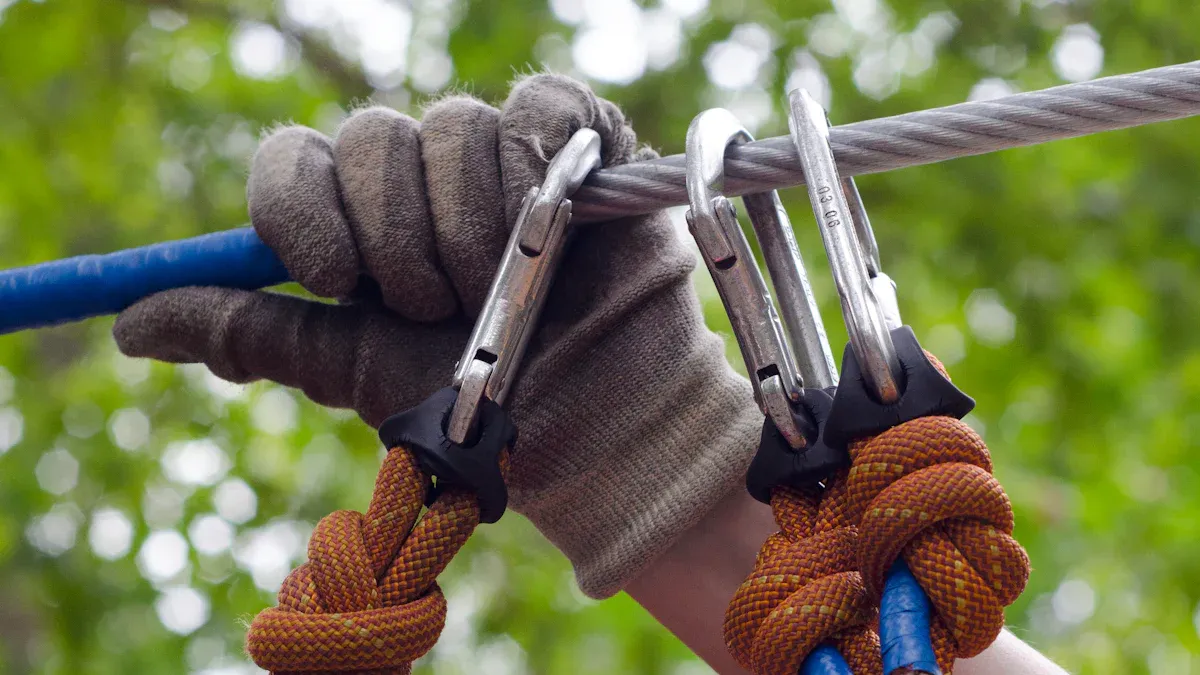
You should always match your steel rope to the environment where you plan to use it. Different settings need different levels of corrosion resistance and durability. The table below shows which type of wire rope works best for each environment:
| Steel Rope Type | Corrosion Resistance Level | Recommended Environment |
|---|---|---|
| AISI/SUS 304/316 | High | Marine and Industrial |
| Galvanized Steel | Moderate | Construction and General Industrial |
| Ungalvanized Steel | Low | Indoor Applications |
If you work near the ocean or in high-moisture environments, you need a rope that resists rust and salt. Stainless steel wire rope, especially grades 304 or 316, gives you the best protection. These ropes meet strict standards like ISO 1461 and ASTM A475, which require special coatings to keep the rope strong and safe in saltwater. For outdoor construction or general industry, galvanized steel offers a balance between cost and protection. Indoors, where moisture is not a problem, ungalvanized or bright wire rope works well.
Tip: Always check if your job site has moisture, chemicals, or salt. This helps you pick the right rope for long-lasting performance.
Decision Guide by Application
You need to think about how you will use the wire rope. Each application has its own needs for strength, flexibility, and safety. Here are some key points to help you decide:
- Choose rotation-resistant ropes for cranes or lifts where the load might spin.
- Use ropes with more outer strands if you need higher strength and less twisting.
- Pick Langs lay ropes for jobs with multi-layer winding, as they last longer and resist wear.
- Match the rope’s lay direction to the drum pitch for smooth single-layer winding.
- Select the right finish: bright for dry indoor use, galvanized for outdoor jobs, and stainless for harsh or high-moisture environments.
- Install the rope correctly and break it in under load to extend its life.
- Inspect your rope often and follow safety rules for discarding worn ropes.
You should also consider the total cost. Sometimes, a more expensive rope lasts longer and saves money over time. Always choose the rope that fits your job’s needs and keeps everyone safe.
You have many options when choosing a wire rope. The table below shows the best use for each type:
| Wire Rope Type | Best Use |
|---|---|
| Bright Wire Rope | Dry, indoor, budget-friendly jobs |
| Galvanized Wire Rope | Outdoor use with some moisture |
| Stainless Steel Wire Rope | Marine, chemical, or high-moisture places |
To make the right choice, follow these steps:
- Check the strength and load needs.
- Think about the environment and possible corrosion.
- Pick the right construction for your job.
Choosing the wrong wire rope can lead to failure and safety risks. Always match the rope to your needs for safe and long-lasting results.
التعليمات
What is the main difference between galvanized and stainless steel wire rope?
Galvanized steel wire rope has a zinc coating for rust protection. Stainless steel wire rope uses chromium in the steel for better corrosion resistance. You should pick stainless steel for wet or salty places. Galvanized works well outdoors but not in harsh marine settings.
Can you use bright wire rope outside?
You should not use bright wire rope outside. It does not have a protective coating. Rain or moisture will cause it to rust quickly. Bright wire rope works best indoors where you can keep it dry and clean.
How do you know when to replace your wire rope?
Check your wire rope often. Look for broken wires, rust, or flat spots. If you see any of these signs, replace the rope right away. Using damaged wire rope can cause accidents or equipment failure.
Tip: Always inspect your wire rope before each use for safety.
Which wire rope is best for marine environments?
You should choose stainless steel wire rope for marine environments. It resists saltwater and rust better than other types. Galvanized steel can work for short-term use, but it will not last as long near the sea.
Is stainless steel wire rope worth the higher cost?
Stainless steel wire rope costs more, but it lasts longer and needs less maintenance. You save money over time, especially in wet or harsh environments. If you want the best durability, stainless steel is a smart choice.