
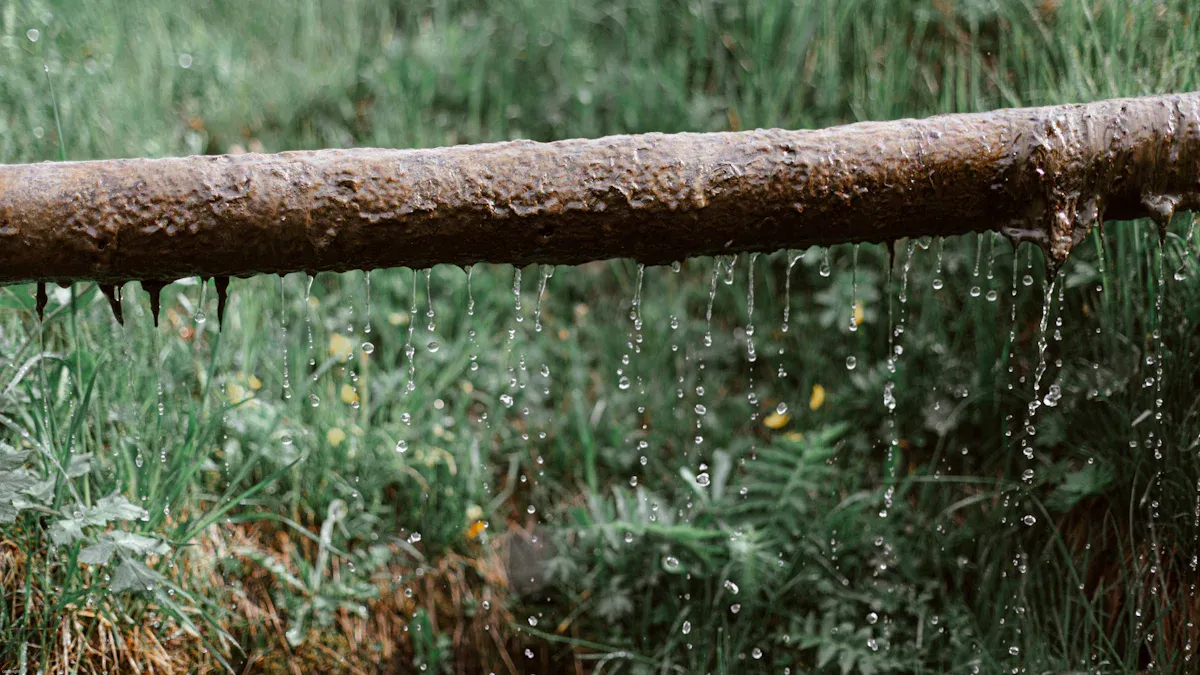
When you notice a leak in your galvanized steel pipes, quick action matters. Galvanized steel pipe repair starts with choosing the right materials. You can use pipe repair clamps, epoxy putty, or wraps for fast fixes. For a long-lasting solution, replace damaged pipes or use advanced methods. Quality materials help you prevent water damage and keep your pipes strong. Galvanized steel pipes can last longer when you handle leaks early.
Galvanized Steel Pipe Repair: Why Leaks Happen
Common Causes of Leaks in Galvanized Steel Pipes
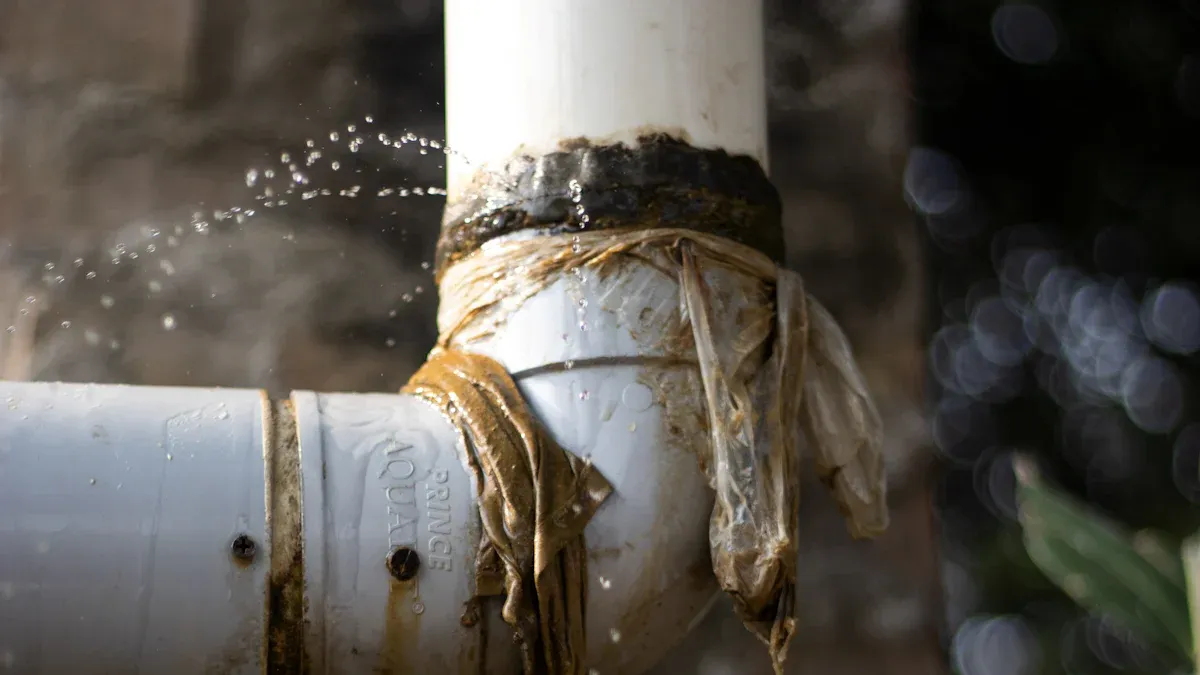
You may wonder why leaks develop in galvanized steel pipes after years of service. Most leaks start because the protective zinc coating wears away over time. When this happens, the steel underneath faces moisture and air, which leads to rust. Rust builds up inside the pipes and narrows the opening, causing water pressure to drop. If you have old plumbing, you might notice leaks near joints or threaded fittings. These spots are weaker because the zinc layer often gets damaged during installation.
Other common causes include connecting galvanized steel pipes directly to copper pipes. This setup can trigger a chemical reaction called galvanic corrosion. The reaction speeds up rusting and makes leaks more likely. Age also plays a big role. Pipes in homes built before the 1960s often show signs of wear. As the pipes get older, the risk of leaks increases, especially if your plumbing system faces high moisture or harsh water conditions.
Tip: If you see rust or corrosion around pipe joints, act quickly. Early repairs can prevent bigger problems in your plumbing system.
Warning Signs of Pipe Failure
You can spot trouble in your plumbing system by watching for a few key warning signs. Look for rust spots, flaking, or bulging on the outside of your pipes. These changes mean the pipe is getting weak. If your water turns brown, yellow, or orange, rust may be entering your water supply. Low water pressure is another clue. Rust and mineral buildup inside the pipes can block water flow, making showers and faucets weak.
Listen for odd noises in your plumbing. Banging or gurgling sounds may signal blockages or air inside the pipes. If you notice water stains, mold, or frequent leaks, your pipes may be failing. Sometimes, you might taste or smell metal in your water. This can happen when pipes corrode from the inside. Homes with galvanized steel pipes that are over 50 years old face a higher risk of leaks and pipe bursts. Regular checks help you catch these problems early and keep your plumbing system safe.
Temporary Emergency Repairs for Galvanized Steel Pipes
When you spot a leak in your galvanized steel pipes, you need to act fast. Temporary emergency repairs help you stop water damage until you can make a permanent fix. These repair methods use simple materials and tools that you can find at most hardware stores. You can use pipe repair clamps, epoxy putty, or pipe wraps to seal leaks quickly. Each method works best for certain types of leaks and pipe conditions.
Using Pipe Repair Clamps
Pipe repair clamps give you a quick and reliable way to stop leaks. You place the clamp over the damaged area and tighten it. The clamp squeezes a rubber gasket against the pipe, creating a watertight seal. Most clamps use stainless steel or have a rubber lining. You do not need special tools for this repair method. You can use a wrench or even your hands to secure the clamp.
- Pipe repair clamps work well for small cracks, pinholes, or leaks at joints.
- You can use them on wet or dry pipes.
- They last from several weeks up to a few years, depending on the quality of the materials and the condition of your pipes.
- Some semi-permanent clamps can last 5 to 10 years, while permanent ones may last even longer with good maintenance.
Tip: Always check the size of your pipe before buying a clamp. A tight fit ensures the best seal.
Pipe repair clamps serve as a stop-gap measure. You should plan for a permanent repair as soon as possible.
Applying Epoxy Putty to Repair Galvanized Steel
Epoxy putty is a moldable material that you can press directly onto a leaking pipe. This repair method works on both wet and dry surfaces. You start by turning off the water and cleaning the pipe. Then, you knead the putty until it feels soft and press it over the leak. Make sure you cover the area with some overlap for a strong seal.
Epoxy putty hardens quickly. Some brands set in 25 minutes and cure fully in about an hour. Once cured, the putty can handle water pressure up to 500-600 PSI and temperatures up to 200°F. This makes it strong enough for most home plumbing systems. You can even use it underwater if needed.
- Epoxy putty is cost-effective and easy to use.
- It works well for small holes, cracks, or leaks at joints.
- The seal lasts long enough for you to arrange a permanent repair.
- Some users report that epoxy putty held for several days, while others found it failed after a short time under pressure.
Note: Epoxy putty is a temporary fix. Continuous water pressure may cause the seal to fail over time. Always follow up with a professional repair.
Wrapping with Pipe Repair Tape or Wrap
Pipe repair wraps use flexible materials, such as fiberglass tape coated with special resins. You activate the wrap with water and then wrap it tightly around the leaking pipe. The resin hardens in about 30 minutes, forming a strong, plastic-like shell. This method works well for small to medium leaks and can handle high water pressure—up to 400 PSI in some cases.
- Pipe repair wraps stick to many pipe materials, including galvanized steel.
- You do not need tools to apply the wrap.
- The wrap creates a strong mechanical bond and resists chemicals.
- You can use it on straight pipes, joints, or even complex fittings.
Alert: Pipe repair wraps provide a fast and effective seal, but you should still plan for a permanent solution. The wrap may not last forever, especially if your pipes face high pressure or corrosion.
Common Materials for Temporary Emergency Repairs:
- Pipe repair clamps (stainless steel or rubber-lined)
- Epoxy putty
- Pipe repair wraps or tapes
- Rubber couplings for larger leaks
These repair methods help you control leaks and protect your home. Always keep some of these materials on hand for quick action. Remember, temporary emergency repairs buy you time, but you need to repair galvanized steel pipes permanently to avoid future problems.
Permanent Repair Options for Galvanized Steel Pipe Repair
When you want a long-lasting solution for leaks, you need to look at permanent repair methods. These options help you avoid repeated problems and protect your home from water damage. You can choose to replace a section of pipe, install a repair coupling, or use epoxy pipe lining. Each method has its own benefits and best uses. You should always use high-quality materials for the best results.
Replacing a Section of Galvanized Steel Pipe
If you find a leak in one area, you can cut out the damaged part and install a replacement pipe section. This method works well when only a small part of your plumbing has failed. You need to use new materials like PEX, copper, or PVC for the replacement. These materials last longer and resist corrosion better than old galvanized steel pipes.
- You start by turning off the water and draining the pipes.
- Use a pipe cutter or saw to remove the damaged section.
- Clean the ends and attach the new replacement pipe section with proper fittings.
- Make sure you follow local plumbing codes for safety.
Tip: Always check for signs of corrosion in nearby pipes. If you see rust or weak spots, you may need to replace a larger section.
Many experts say that full replacement with modern materials is the most reliable permanent repair. Maintenance and patch repairs only delay the problem. Galvanized steel pipes have a limited lifespan because the zinc coating wears away. This can cause leaks and even health risks, such as lead contamination. Modern materials give you better water quality and last much longer.
Installing a Repair Coupling
A repair coupling gives you another way to fix a small leak or crack. You use this method when you want to join two sections of pipe without replacing the whole line. A repair coupling is a short piece of pipe with special connectors on each end. You slide it over the cut ends of your pipes and tighten it to make a watertight seal.
- This method works best for straight sections with enough room to work.
- You can use couplings made from stainless steel, copper, or PVC.
- Always choose materials that match your existing pipes or meet code requirements.
Repair couplings offer a fast and strong fix. They help you avoid replacing long stretches of pipe. You still need to check the rest of your plumbing for signs of corrosion or damage. If you see more leaks, you may need to consider full replacement.
Epoxy Pipe Lining and Trenchless Repair Options
Epoxy pipe lining gives you a way to repair galvanized steel pipes from the inside. You do not need to dig up walls or floors. This method uses a liquid epoxy that coats the inside of your pipes. The epoxy hardens and creates a new, smooth surface. You can use this method for pipes that run under concrete or in hard-to-reach places.
Epoxy pipe lining can extend the life of your pipes by 35 to 50 years. Some tests show it can last up to 80 years. This means you can restore your plumbing system and avoid the mess of full replacement. The cost of epoxy pipe lining ranges from $80 to $250 per linear foot. For a typical home, the total cost is between $8,400 and $13,000.
| Method | Cost Range (Typical Residential) | Notes |
|---|---|---|
| Epoxy Pipe Lining | $8,400 to $13,000 | Average cost for typical home |
| Repiping (per fixture) | $600 to $2,000 | Cost to replace a single fixture |
| Repiping (whole system) | $4,000 to $15,000 | Complete system replacement |
Repiping with new materials often costs less than epoxy pipe lining. If you have pipes under concrete, epoxy lining may be the better choice. The success of this method depends on the skill of the installer. If the lining fails, you may need to repipe anyway, which can increase your total costs.
⚠️ Note: Experts recommend full replacement with modern materials for the most reliable and safe solution. Epoxy pipe lining and other rehabilitation methods can help, but they may not solve all problems. Always talk to a professional before you choose a repair option.
Permanent repair options give you peace of mind and protect your home for years. You should always use the best materials and follow safe repair methods. This way, you can avoid future leaks and enjoy clean, safe water.
Materials and Tools for Repairing Galvanized Steel Pipes
Supplies for Temporary Emergency Repairs
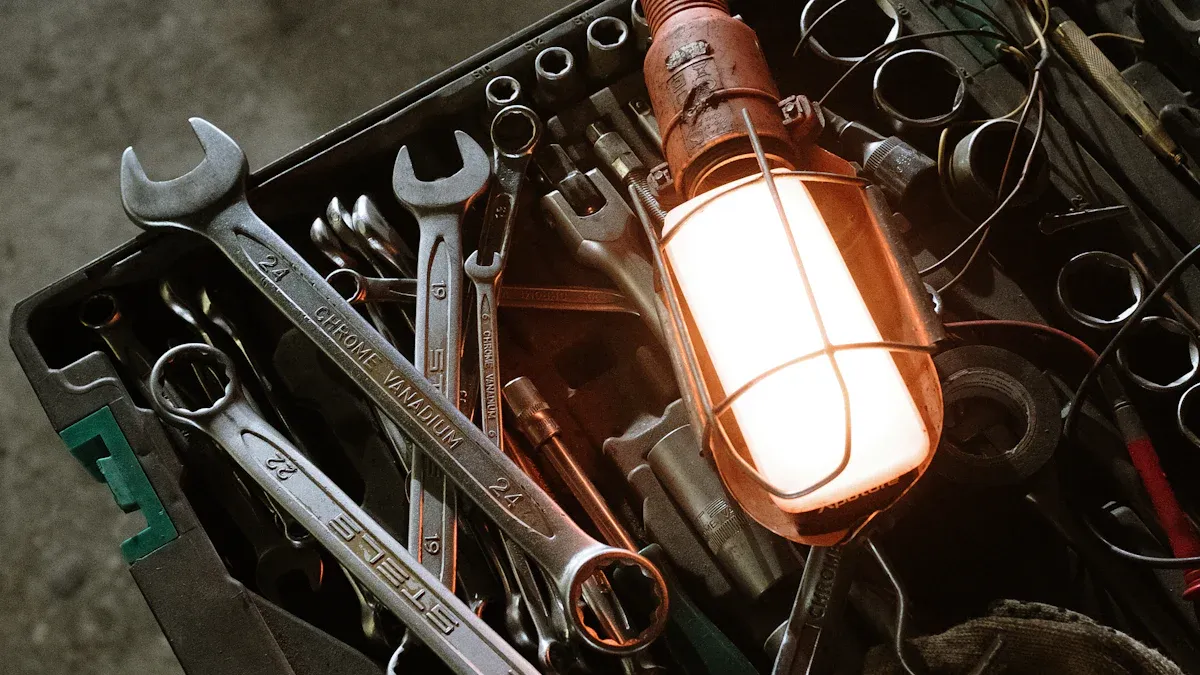
When you need to stop a leak fast, you should keep a few key materials on hand. These supplies help you protect your home until you can make a permanent fix. For most plumbing emergencies, you can use:
- Pipe repair clamps that fit snugly over leaks in pipes.
- Epoxy putty, which you mold and press onto the damaged area.
- Pipe repair wraps or tapes, often made from fiberglass or silicone.
- Rubber couplings for larger leaks or odd-shaped spots.
You can find these materials at most hardware stores. They work well for small cracks or pinholes in galvanized steel pipes. You do not need special skills to use them. Just follow the instructions on the package. If you want to avoid future leaks, you should also learn about thermal spraying. This process adds a protective layer to pipes, making them last longer. While you may not use thermal spraying for quick repairs, it helps prevent corrosion in the long run.
Tip: Always keep a basic plumbing repair kit in your home. Quick action can save your plumbing system from major water damage.
Tools and Materials for Permanent Repair Options
Permanent repairs need more tools and stronger materials. Professional plumbers recommend the following steps and tools for fixing galvanized steel pipes:
- Shut off the water supply to your plumbing system.
- Use a reciprocating saw to cut out the damaged section of pipe.
- Measure and cut a new steel replacement pipe.
- Attach the new pipe with rubber couplings.
- Tighten the couplings with a pipe wrench.
- Restore the water and check for leaks.
You should have these tools ready:
- Pipe wrenches (8-14 inches) for strong grip and torque.
- Plumbers pliers (10 inches) for tightening or loosening fittings.
- Reciprocating saw for cutting pipes.
- Tape or cloth to protect pipe finishes from tool marks.
| Tool/Material | Purpose |
|---|---|
| Steel replacement pipe | Replaces damaged section |
| Rubber couplings | Connects new and old pipes |
| Pipe wrench | Tightens couplings and fittings |
| Plumbers pliers | Grips and turns pipes |
| Reciprocating saw | Cuts through steel pipes |
You may also consider thermal spraying as a way to extend the life of your pipes. This method coats the inside or outside of pipes with a protective layer, reducing rust and leaks. While thermal spraying is not a DIY repair, it is a valuable option for long-term pipe care.
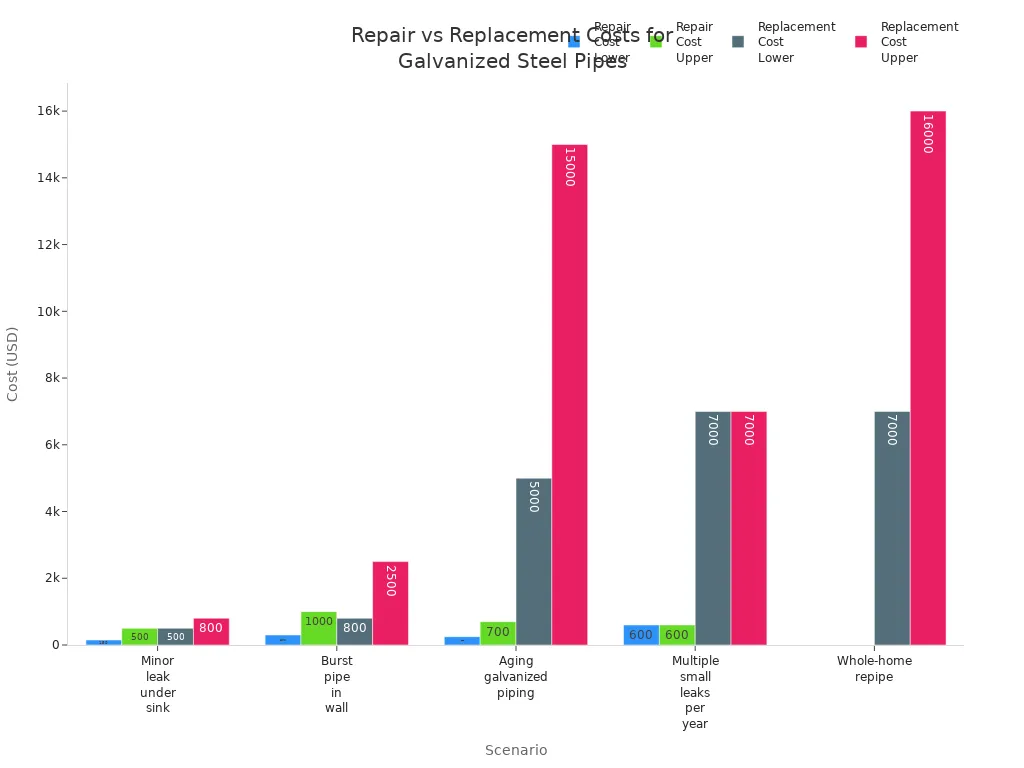
Repair patches cost less at first, but frequent leaks add up. Many experts suggest replacing old pipes with PEX. This material costs less than copper and lasts longer. If you invest in modern materials and methods like thermal spraying, you protect your plumbing for years.
Step-by-Step Guide to Repair Galvanized Steel Pipes
How to Use a Pipe Repair Clamp
You can fix a leak in galvanized steel pipes quickly with a pipe repair clamp. Start by making sure your pipe is galvanized. Place a magnet on it—if it sticks, you have the right type. Next, inspect the pipe for leaks or damage. Galvanized pipes often show rust or corrosion, so check carefully.
Follow these steps for a secure repair:
- Choose a pipe repair clamp that fits the outside diameter of your pipe and covers a few inches beyond the leak.
- Place a rubber gasket over the leak area.
- Position the clamp over the gasket.
- Tighten the clamp screws evenly to create a watertight seal.
Tip: If you do not have a repair clamp, you can use a rubber patch and hose clamps as a temporary fix. Make sure you tighten the clamps evenly for the best seal.
How to Apply Epoxy Putty for Galvanized Steel Pipe Repair
Epoxy putty offers a simple way to seal small leaks in pipes. First, turn off the water supply. Clean the damaged area gently to remove dirt and rust. Cut or break off enough putty to cover the leak. Knead the putty until it feels soft and the color is uniform.
Press the putty firmly onto the leak, covering it completely. Smooth the edges to ensure a tight seal. Wait for the putty to harden, which usually takes about an hour. Once it sets, turn the water back on and check for leaks.
Note: Epoxy putty works best for small holes or cracks. Plan for a permanent repair soon.
How to Replace a Section of Galvanized Steel Pipe
Sometimes, you need to replace a damaged section of pipe for a lasting solution. Begin by assessing your plumbing for corrosion and other issues. Shut off the water supply before starting the installation process. Use a reciprocating saw to cut out the old section of pipe.
Measure and cut a new piece of pipe, such as PEX or copper, to fit the gap. Attach the new pipe using rubber couplings or repair couplings. Tighten all connections with a pipe wrench. After you finish, turn the water back on and check for leaks.
- Many people make mistakes by ignoring old pipes during renovations or delaying replacement. Always inspect your plumbing before starting any project.
- Upgrading to modern materials helps prevent future leaks and improves water quality.
🛠️ Tip: Consult a professional if you feel unsure about any step. Proper installation keeps your plumbing safe and reliable.
Pros, Cons, and Lifespan of Galvanized Steel Pipe Repair Options
Temporary Emergency Repairs: What to Expect
When you use temporary repair methods for leaks in galvanized steel pipes, you get a quick fix. These solutions work well if you need to stop water damage right away. You can use pipe clamps, wraps, or epoxy putty for these jobs. Most semi-permanent repairs cost less and take less time than full replacements. You do not need to tear up walls or floors, so your daily routine stays the same.
However, these repairs do not last forever. You may find yourself fixing the same spot again after a few months or years. Semi-permanent repairs often only cover the leak, not the root cause. Old pipes can keep rusting and leaking in new places. You might save money at first, but repeated fixes can add up.
Here is a quick look at how temporary and permanent repair options compare:
| Aspect | Temporary Repair (Galvanized Steel Pipes) | Permanent Replacement (Repiping) |
|---|---|---|
| Cost | Lower upfront cost | Higher initial investment |
| Time and Disruption | Quick, less disruptive | More time, more disruptive |
| Longevity | Short-term, may need repeats | Long-term, up to 50 years |
| Water Quality & Pressure | Little improvement | Much better with new pipes |
🛠️ Tip: Use temporary repairs for small leaks or emergencies, but plan for a lasting solution soon.
Permanent Repair Options: Durability and Cost
Permanent repair options give you peace of mind. When you replace old galvanized steel pipes with copper or PEX, you solve the problem for decades. These new materials resist rust and leaks much better. You also get cleaner water and stronger pressure. Permanent repairs cost more at first, but you save money over time because you avoid repeated fixes.
Semi-permanent repairs may seem easier, but they do not stop future leaks in other parts of your pipes. If your home has frequent leaks or pipes older than 40 years, you should think about full replacement. Modern materials can last 40 to 50 years or more with little maintenance.
Galvanized steel pipes usually last 20 to 50 years. If you keep patching leaks, you may spend more in the long run. Permanent repair methods protect your home and raise its value. Always ask a plumber to check your system and help you choose the best repair options for your needs.
💡 Note: Permanent repairs are the best way to future-proof your plumbing and avoid water damage.
Repair or Replace Galvanized Steel Pipes? Making the Right Choice
Checklist for Deciding Between Repair and Replacement
When you face leaks or other problems with galvanized steel pipes, you need to weigh your options. Use this checklist to help you decide if a repair will work or if it is time for a full replacement:
- Your pipes are over 40 years old or you do not know their age.
- You see frequent leaks, low water pressure, or discolored water.
- You notice visible rust, corrosion, or bulging on the outside of the pipes.
- Water from your taps looks brown, yellow, or has a metallic taste.
- You have already made several repairs in the past few years.
- The pipes run through damp areas or places with harsh water, which speeds up corrosion.
- Hot water lines show more problems, since heat makes corrosion worse.
Tip: Galvanized pipes usually last 30 to 70 years, but many older homes have pipes that are already past their best years. If you check off several items on this list, you should consider pipe replacement strategies for a safer and more reliable plumbing system.
When Full Pipe Replacement Is the Best Option
You may wonder when to stop repairing and start planning for full pipe replacement strategies. If you deal with constant leaks, clogs, or water that looks or smells bad, repairs may only hide bigger problems. Old galvanized steel pipes often have rust inside that blocks water flow and lowers water quality. Modern materials like copper or PEX last much longer and resist corrosion.
Full pipe replacement costs more at first, but it brings many benefits:
- Restores strong water pressure by removing old, clogged pipes.
- Reduces water bills by stopping hidden leaks.
- Improves water quality by removing rust and sediment.
- Increases your home’s value with updated plumbing.
- Gives you peace of mind with a system that will last for decades.
Professional plumbers often recommend replacement if your pipes are over 40-50 years old or if you have frequent plumbing issues. New materials can last 50 to 70 years or more, so you avoid repeated repairs and costly emergencies. Choosing replacement now can save you money and trouble in the long run.
Expert Tips for Successful Galvanized Steel Pipe Repair
Preparing the Pipe Surface for Repair
You need to prepare the pipe surface before starting any galvanized steel pipe repair. Clean the area around the leak with a wire brush and cloth. Remove all dirt, grease, and old sealant. If you see rust or corrosion, scrub it away until you reach bare metal. This step helps epoxy putty, wraps, or zinc-rich paint stick better. Dry the pipe completely if the repair product requires it. Some epoxy putties work on wet surfaces, but most need a dry, clean area. If you plan to paint the pipe after repair, rinse it with clean water and let it dry. You can also roughen the zinc coating to help the paint bond. Always follow the instructions for each product to get the best results.
Proper surface preparation is the most important step. If you skip it, your repair may not last.
Ensuring a Watertight Seal
A watertight seal keeps your pipes safe from leaks. Start by checking if the pipe is strong enough for repair. If the pipe feels weak or crumbles, you should replace that section. When using a repair clamp, make sure it fits tightly over the leak. Tighten the screws evenly. For epoxy putty, press it firmly over the damaged area and smooth the edges. If you use pipe wraps, wrap them tightly and cover a few inches past the leak. Surface pitting can make sealing harder, so check for rough spots. After finishing, test the repair by turning on the water and looking for drips. You can add a vacuum breaker to protect your water supply from contamination.
Preventing Future Leaks in Galvanized Steel Pipes
You can lower the risk of future leaks by following a few simple steps:
- Use pipe supports like hangers or straps every 6 to 8 feet. Add extra support near bends and heavy fittings.
- Inspect your pipes often for rust, stains, or water drops, especially near joints.
- Clean threads and surfaces before assembly. Apply Teflon tape or pipe joint compound to threaded connections.
- Do not over-tighten fittings. Stop when you feel resistance.
- Insulate pipes in cold areas to prevent freezing and improve corrosion resistance.
- After repairs or rehabilitation, use zinc-rich paint to protect exposed metal and boost the pipe’s lifespan. Zinc-rich paint adds an extra layer of defense against rust.
- Pressure test your system after any repair or rehabilitation to check for leaks.
Regular maintenance and the right products help your galvanized steel pipes last longer.
Maintenance Tips for Galvanized Steel Pipes
Regular Inspection and Early Detection
You can keep your galvanized steel pipes in good shape by checking them often. Annual inspections help you find leaks and rust before they cause big problems. If your home is older or your pipes face harsh conditions, check them every six months. Use a flashlight to look for rust, bulges, or water stains. You can also use tools like ultrasonic testers to spot hidden damage inside the pipes.
Here is a simple inspection schedule:
| Condition / Factor | Recommended Inspection Frequency |
|---|---|
| Normal indoor environment | Every 1-2 years |
| Harsh environments (coastal, industrial) | Every 6-12 months |
| High-pressure pipes | At least every 6 months |
| Pipes older than 20 years | About annually |
If you find any damage, repair or replace the affected section right away. Early action keeps your plumbing safe and saves money.
Preventing Corrosion and Extending Pipe Life
You can make your galvanized steel pipes last longer with a few smart steps. Start by cleaning the inside of your pipes with high-pressure water jets or chemical cleaners. This removes debris and helps water flow better. Use zinc-rich paint on the outside of pipes to protect them from rust. Apply zinc-rich paint after any repair or when you see bare metal. This coating acts as a shield against moisture.
For extra protection, try thermal spraying. This process adds a strong layer to your pipes and boosts corrosion resistance. You can also use barrier coatings like epoxy or polyurethane for more defense. Make sure you install pipe supports and hangers to stop pipes from sagging or shaking. Keep your pipes away from harsh chemicals and extreme temperatures. If you cannot avoid these conditions, cover your pipes with protective wraps.
Follow these tips to extend pipe life:
- Inspect pipes regularly and fix problems fast.
- Clean pipes to remove rust and buildup.
- Use zinc-rich paint and thermal spraying for lasting protection.
- Install proper supports to prevent stress.
- Keep pipes dry and away from corrosive materials.
With good care, your galvanized steel plumbing system can last 50 years or more.
You need to choose the best repair method for your galvanized steel pipes by looking at the leak’s size, location, and pipe condition. Always use high-quality materials and follow clear steps for a strong, lasting fix.
- Galvanized pipes corrode over time, which can cause leaks, rust, and even water contamination.
- Delaying repairs can lead to mold, high water bills, and expensive damage to your home.
- Replacing old pipes with PEX or copper improves safety and water quality.
- Regular inspections and quick action help you avoid costly problems and keep your plumbing in top shape.
التعليمات
How do you know if your galvanized steel pipes need replacement?
You should look for signs like frequent leaks, rust, low water pressure, or brown water. If your pipes are over 40 years old, replacement is often the safest choice. Regular inspections help you spot these problems early.
Can you use PEX or PVC to replace galvanized steel pipes?
Yes, you can use PEX or PVC as replacements. These materials resist corrosion and last longer. Always check local plumbing codes before starting any replacement project.
What is the best temporary fix for a leaking galvanized steel pipe?
You can use a pipe repair clamp, epoxy putty, or a fiberglass wrap. These products seal leaks quickly. They work best as short-term solutions until you can make a permanent repair.
Is it safe to drink water from old galvanized steel pipes?
Water from old galvanized pipes may contain rust or lead. This can affect taste and safety. You should test your water if you have old pipes. Replacing them improves water quality.
How often should you inspect galvanized steel pipes?
You should inspect your pipes every 1 to 2 years. If you live in a harsh environment or have older pipes, check them every 6 to 12 months. Early detection prevents bigger problems.