
You might wonder if a 10 ft. galvanized steel corrugated roof panel fits your home. Many homeowners choose this option because metal roofs last 40 to 80 years and can lower energy costs by about 40%. However, you may notice more noise during storms and a higher upfront cost. The table below shows why many people see both benefits and drawbacks.
| Feature | Metal Roofing Value | Asphalt Shingles Value |
|---|---|---|
| Lifespan | 40–80 years | 20 years |
| Energy Savings | Up to 40% reduction in energy costs | Minimal |
| Fire Resistance | Class A (highest) | Class C |
| Initial Cost | $11,000 (average, 2,300 sq. ft. roof) | Lower |
| Noise | Louder without insulation | Quieter |
You will benefit most from a 10 ft. galvanized steel corrugated roof panel if you live in regions with heavy snow or strong winds, such as Northern Minnesota, where metal roofs help shed snow and reduce repairs. Weigh the pros and cons to see if this durable choice matches your needs.
What Is a 10 ft. Galvanized Steel Corrugated Roof Panel?
Basic Definition of Corrugated Metal Panels
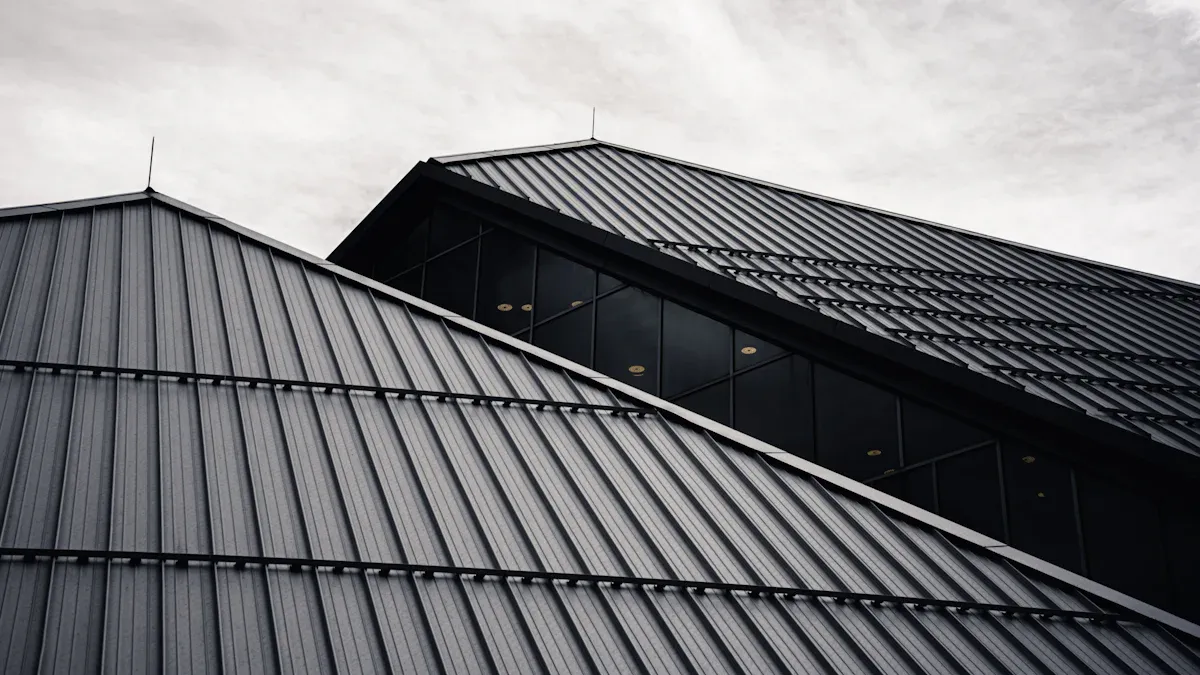
When you look at corrugated metal panels, you see sheets of metal with a wavy pattern. This pattern is called corrugation. The waves make the panels stronger and help them shed water quickly. A 10 ft. galvanized steel corrugated roof panel is a long, sturdy sheet made from steel. The steel gets coated with zinc to prevent rust. You often see these panels on barns, sheds, and homes that need tough roofing.
Corrugated metal panels come in different sizes, but the 10 ft. length is popular for home roofing. The panels overlap each other, which helps keep rain and snow out. You can use corrugated metal panels for both new roofs and repairs. The panels are lightweight, so you can carry and install them without heavy equipment.
Tip: Corrugated metal panels meet many industry standards. These include EN, GB, AISI, ASTM, DIN, and JIS. You also find certifications like CE and ISO9001. These show that the panels meet strict quality and safety rules.
Key Features of Steel Roof Panels
Steel roof panels offer many features that make them a smart choice for roofing. The steel in these panels is strong and resists bending or breaking. The galvanized coating protects the steel from rust and weather damage. You get a roof that lasts for decades.
You also benefit from high fire resistance. Steel roof panels meet UL 790 and ASTM E108 standards, earning a Class A rating. This is the best rating for fire safety. The panels also stand up to strong winds and hail. Tests like UL 580 and UL 2218 show that metal roofing systems can handle tough weather. Some systems reach the highest Class 90 rating for wind and Class 4 for hail.
Corrugated metal panels are easy to maintain. You do not need to replace them often. The panels work well with many roof shapes and pitches. You can use them on homes, garages, and sheds. Metal roofing systems give you a long-lasting, safe, and reliable roof.
Pros of 10 ft. Galvanized Steel Corrugated Roof Panel
Durability and Longevity
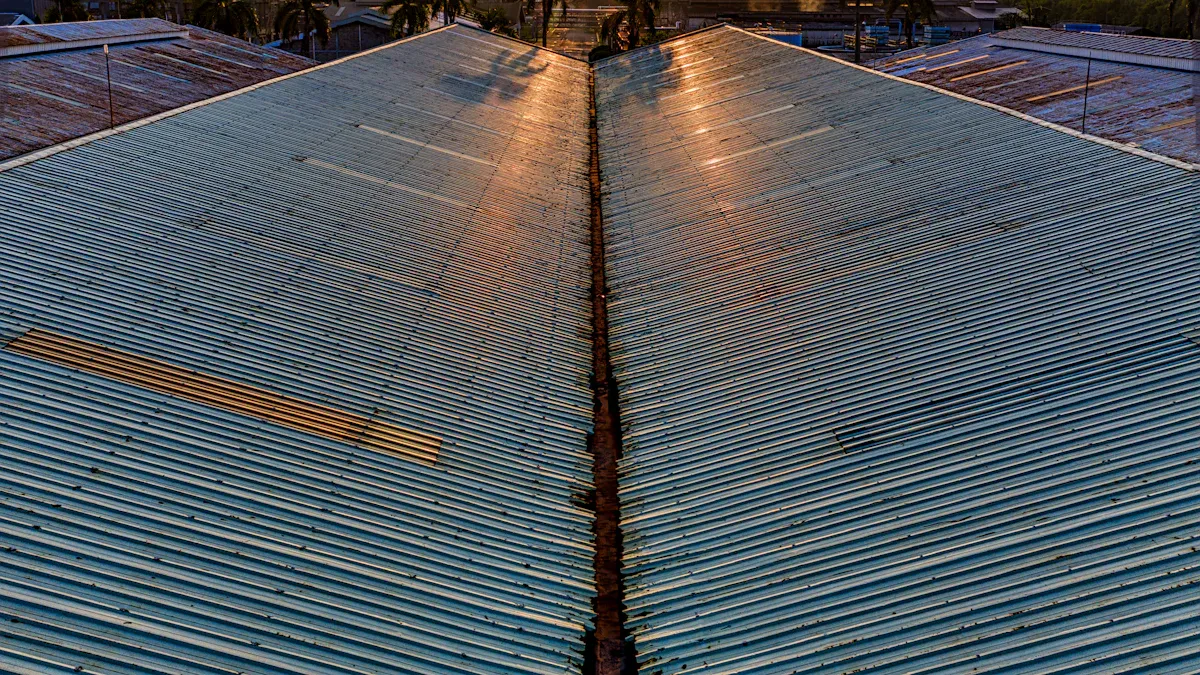
When you choose corrugated metal panels for your roof, you get a long-lasting and durable solution. Steel roof panels can last over 100 years with proper care. The galvanized coating protects the steel from rust and corrosion, making your roof resistant to harsh weather. Many paint systems on corrugated metal roofing come with warranties up to 50 years. Kynar coatings, for example, keep their color and strength even after decades of sun and rain. Thicker steel panels offer more durability, so always check the gauge before buying.
- Steel’s hardness gives your roof strong impact resistance against hail, wind, and fire.
- Galvalume and galvanized layers add extra protection.
- Corrugated metal panels resist cracking, peeling, and warping better than other roofing types.
- You will find that corrugated metal roofing stands up well in tough climates, like Central Texas.
Cost-Effectiveness Compared to Other Roofing
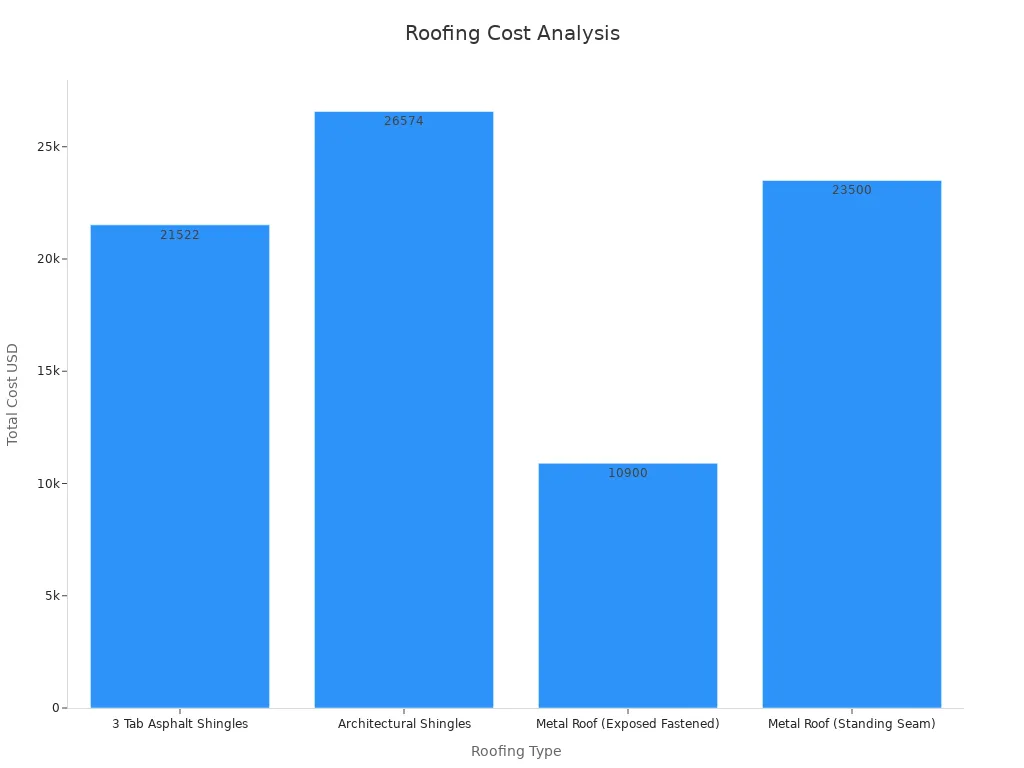
Corrugated metal panels give you real savings over time. While the initial cost of steel roof panels may be higher than asphalt shingles, you avoid frequent replacements. Corrugated metal roofing lasts over 50 years, so you save money on repairs and new roofs.
| Roofing Type | Life Expectancy (years) | Initial Cost (USD) | Replacement Cost (15-20 yrs) | Total Cost (15-20 yrs) |
|---|---|---|---|---|
| 3 Tab Asphalt Shingles | 15 | 8,340 | 13,182 | 21,522 |
| Architectural Shingles | 20 | 10,400 | 16,174 | 26,574 |
| Metal Roof (Exposed Fastened) | 50+ | 10,900 | 0 | 10,900 |
| Metal Roof (Standing Seam) | 50+ | 23,500 | 0 | 23,500 |
Corrugated metal panels are affordable compared to other metal roofing systems. They are lightweight, so you pay less for labor and structure. Corrugated metal roof panels also need less maintenance, which lowers your costs even more.
Energy Efficiency Benefits
Corrugated metal roofing helps you save energy. Steel reflects sunlight, which keeps your home cooler in summer. Studies show that metal roofing systems can lower your energy bills by up to 20%. Corrugated metal panels also help reduce indoor temperatures by as much as 6.2°C.
| Parameter | Value (Galvanized Iron-SCWH) | Additional Info |
|---|---|---|
| Average Thermal Efficiency | 24.20% | Measured during flow rate tests |
| Exergy Efficiency | 18.38% | Quality of energy conversion |
| Indoor Temperature Reduction | Up to 6.2 °C | Cooling effect of the system |
| Economic Savings (Annualized) | 161.58 USD | Cost savings from energy efficiency |
| Lifetime Carbon Reduction | 206,921.09 kg | Environmental impact reduction |
| Carbon Credit Earnings | 4,194.12 USD | Financial benefit from carbon credits |
Corrugated metal panels make your home more energy efficient and environmentally friendly. These advantages of steel roof panels show why many homeowners choose corrugated metal roofing for its effectiveness and savings.
Low Maintenance Requirements
You will find that steel roof panels offer low maintenance for your home. These panels last much longer than traditional asphalt shingles. Most steel roofs last between 50 and 70 years, while asphalt shingles last only 15 to 30 years. The steel coating protects your roof from rust, cracking, and shrinking. You do not have to worry about rot, warping, or mold. This makes steel roof panels a cost-effective and reliable choice.
Contractors often report fewer problems with steel roofs. You only need to do basic inspections and cleaning. Here are some simple steps for low maintenance:
- Inspect your roof once a year for leaks, dents, or corrosion.
- Clean the panels with mild soap and water to keep them looking new.
- Remove snow and ice gently to protect the coating.
- Clear gutters and drains to stop water buildup.
- Remove debris from roof valleys to keep your roof strong.
These easy tasks help you keep your steel roof panels in top shape. You save time and money because you do not need frequent repairs.
Fire and Wind Resistance of Steel Roof Panels
Steel roof panels give your home strong protection against fire and wind. Metal roofs have a Class A fire rating, which is the highest level. This means your roof can protect your home from wind-blown sparks and embers. Steel is also resistant to hail and does not crack or split.
The table below shows how steel roof panels perform in extreme weather:
| Certification/Rating | Details |
|---|---|
| Wind Resistance | Resists wind speeds up to 120 mph when installed correctly. |
| Fire Rating | Class A Fire Rated, protects against fire from sparks and embers. |
| Hail Resistance | UL 2218 Class 4, highest rating for hail impact. |
| Durability and Strength | Strong, durable, lightweight, and does not crack or split. |
| Weather Protection | Four-way interlocking system shields from rain, snow, wind, and hail. |
You can trust steel roof panels to keep your home safe during storms and wildfires. Their durability makes them a smart choice for areas with harsh weather.
Ease of Installation for Homeowners
You can install steel roof panels with simple installation steps. Many homeowners find the process clear and manageable. Guides show you how to measure your roof, install underlayment, cut and place panels, and add flashing. You only need common tools and careful planning.
Manufacturers provide detailed manuals and videos. These resources help you follow each step for simple installation. You do not need special skills to get started. The panels are lightweight and easy installation means you can carry and place them without heavy equipment.
Steel roof panels make roofing projects less stressful. You save on labor costs and finish your project faster. With the right instructions, you can enjoy a new, durable roof that lasts for decades.
Cons of 10 ft. Galvanized Steel Corrugated Roof Panel
Noise Concerns with Corrugated Metal Panels
You may notice that corrugated metal panels can make your home noisier during rain or hail. The sound of water or debris hitting the metal roof often gets amplified, especially if you do not have enough insulation. Poor insulation under corrugated metal roofing can lead to more noise and even higher energy bills. Many homeowners find the sound distracting, especially during storms. Adding insulation or sound-deadening materials can help, but this increases the cost and effort of your roofing project.
Aesthetic Considerations for Residential Use
Corrugated metal panels give your roof a unique look, but not everyone likes the industrial style. Some neighborhoods or homeowners’ associations may not allow corrugated metal roofing because it stands out from traditional shingles. Oil canning, which is a visible waviness in the metal, can affect the appearance of your roof. This issue often happens due to stress during manufacturing or improper installation. Chalking and fading from sun exposure can also change the color of your corrugated roof over time. Dents from hail or falling branches may make your roof look worn out. These disadvantages of steel roof panels can lower your home’s curb appeal.
Note: Oil canning, chalking, and fading are common potential drawbacks of corrugated metal roofing. You can reduce these issues by choosing thicker metal panels and working with skilled installers.
Exposed Fasteners and Leak Risks
Corrugated metal panels often use exposed fasteners to attach the roofing to your home. These fasteners can loosen or wear out over time, which may lead to leaks. A failure analysis of a church roof showed that even with high-quality coatings, installation errors caused rust and coating failure within a few years. If you do not seal the fasteners correctly, water can seep through and damage your roof structure. Edge creep rusting and corrosion at cut edges are other disadvantages of steel roof panels. Scuffing and scratching during installation can expose the metal to moisture, increasing the risk of leaks. You need to check your corrugated roof regularly to catch these problems early.
- Common issues with corrugated metal panels include:
- Leaks from exposed fasteners
- Rust at cut edges
- Scuffing and scratching during installation
- Dents from hail or debris
Proper installation and regular maintenance help reduce these cons, but you should stay aware of the risks when choosing corrugated metal roofing for your home.
Expansion, Contraction, and Warping Issues
You may notice that corrugated metal roofing can change shape when temperatures rise or fall. This happens because metal expands in the heat and contracts in the cold. If you do not install corrugated metal panels correctly, you might see warping, buckling, or even gaps between panels. These problems can lead to distortion and leaks, which are serious cons for any roof.
- Metal roofing panels move with temperature changes.
- Common issues include warping, oil-canning (wavy surfaces), and fastener failure.
- You may hear popping or creaking sounds as the panels shift.
- Larger roofs and areas with big temperature swings have more movement.
You can reduce these problems by using expansion joints and floating fasteners. These allow the corrugated panels to move without stressing the fasteners or seams. Leaving small gaps around fasteners and seams also helps. Steel expands less than aluminum, but you still need to follow good installation practices. The American Society of Civil Engineers has studied these issues and recommends careful design for regions with extreme weather.
Installation Challenges and Skill Requirements
Installing corrugated metal panels on your roof is not always easy. You need special skills and tools to do the job right. If you try to install corrugated metal roofing yourself, you face risks like falls, handling heavy panels, and making mistakes that could cause leaks.
- Professional installers know how to measure your roof, check its condition, and follow safety rules.
- They use the right fasteners and make sure the panels fit tightly.
- DIY installation can void warranties and may not meet building codes.
- Professionals bring experience and can spot problems before they start.
You should think about hiring a pro if you want your corrugated roof to last and protect your home. A good installation can also help your home’s resale value.
Ongoing Maintenance Needs
Corrugated metal roofing needs regular care to stay in good shape. You should check your roof every year for loose fasteners, dents, or signs of rust. Cleaning the panels with mild soap and water keeps them looking new. If you see any gaps or damage, fix them right away to stop water from getting in.
- Inspect for leaks around seams and fasteners.
- Remove debris from the roof and gutters.
- Watch for oil-canning or surface waviness.
- Replace damaged panels or fasteners as needed.
Staying on top of maintenance helps you avoid bigger problems later. Corrugated metal panels are strong, but they still need your attention to prevent distortion and leaks.
Is a 10 ft. Galvanized Steel Corrugated Roof Panel Right for Your Home?
Climate and Weather Suitability
When you choose a 10 ft. galvanized steel corrugated roof panel, you want to know if it will stand up to your local weather. These panels perform well in many climates because they resist wind, rain, snow, and even fire. Regional climate modeling helps experts predict how roofs handle extreme weather, such as hurricanes or heat waves. These models use detailed data to show that steel panels can protect your home during storms and changing weather patterns.
You also benefit from the way these panels shed water and snow. In areas with heavy rainfall or snow, the wavy design helps keep your roof dry and safe. Local weather data shows that homes with metal roofs often have fewer leaks and less damage after storms. If you live in a region with strong winds or frequent storms, you can trust that a 10 ft. galvanized steel corrugated roof panel will help protect your home.
Tip: Reliable local weather data and early warning systems help you plan for extreme events. Choosing a steel roof panel gives you peace of mind in unpredictable climates.
Roof Pitch and Structural Compatibility
You need to check if your roof pitch matches the requirements for a 10 ft. galvanized steel corrugated roof panel. Building codes, such as the International Building Code (IBC), set minimum slope standards for metal panels. For example:
- Standing seam roofs work on slopes as low as 1/4 inch per 12.
- Through-fastened roofs without sealant need a minimum slope of 3:12.
- Through-fastened roofs with lap sealant can go as low as 1/2 inch per 12.
These guidelines mean you can use steel panels on many roof shapes, from low-slope to steep-slope designs. Design manuals, like the MBMA Metal Roofing Systems Design Manual, offer more details on how to install panels for different pitches. You should always measure your roof’s slope before starting your project. If your roof is flat or has a very low pitch, you may need extra waterproofing or a different panel type.
Note: Always follow local building codes and manufacturer instructions to keep your roof safe and long-lasting.
Budget and Cost Considerations
Planning your budget is a key step before installing a 10 ft. galvanized steel corrugated roof panel. You need to think about material costs, labor, and extra items like underlayment, flashing, and gutters. Cost analysis reports show that labor costs depend on your roof’s size, shape, and how easy it is to access. If your roof has many angles or is hard to reach, you may pay more for installation.
You should also set aside 5-10% of your budget for unexpected repairs or changes. Getting quotes from several roofers helps you find the best price. Some homeowners save money by installing panels themselves, but you must weigh the risks and possible loss of warranty. Professional cost estimation services can help you compare prices for materials and labor, making sure you stay within your budget.
A table can help you organize your budget:
| العنصر | Estimated Cost Range |
|---|---|
| Panels (per sq. ft) | $3.50 – $6.50 |
| Labor | $4.00 – $8.00 per sq. ft |
| Accessories | $500 – $2,000 |
| Unexpected Costs | 5–10% of total budget |
Long-term savings also matter. Steel panels last longer and need less maintenance than many other roofing types. You may pay more at first, but you save money over time because you do not need to replace your roof as often.
Desired Look and Curb Appeal
When you choose a new roof, you want your home to look its best. The style and color of your roof can change how people see your house. Market research shows that the right roofing material can raise your property value by 5-10%. Home buyers often look for roofs that are both attractive and energy efficient. Lighter colors reflect sunlight and help keep your home cool. Textured materials add interest and make your house stand out.
Modern trends favor clean lines and simple shapes. Standing seam metal panels are popular because they give homes a sleek, modern look. These panels have straight lines that match many types of architecture. You can pick from many colors and finishes to match your style. Some homeowners use these panels to update older homes, blending new materials with classic designs. A case study of a 1950s home showed that standing seam panels made the house look modern while keeping its original charm.
If you want your home to look unique, a 10 ft. galvanized steel corrugated roof panel can help. The wavy pattern adds texture and catches the light in interesting ways. You can choose a color that fits your neighborhood or stands out. Many people like the bold, industrial look of corrugated metal, but you should check with your homeowners’ association before making a choice. Some neighborhoods have rules about what types of roofs you can use.
Tip: Pick a roof color and style that matches your home’s design. This helps your house look balanced and can make it easier to sell in the future.
Willingness to Maintain Steel Roof Panels
You need to think about how much time and effort you want to spend on roof care. Steel roof panels last a long time, but they still need regular checks. You should look for loose fasteners, dents, or rust at least once a year. Cleaning your roof with mild soap and water keeps it looking new. If you see any damage, fix it right away to stop leaks.
Some people enjoy doing home maintenance. If you like working on your house, you may find it easy to care for a steel roof. Others prefer to hire a professional for yearly inspections and repairs. This can cost more, but it saves you time and keeps your roof in good shape.
Here is a simple checklist for steel roof maintenance:
- Inspect for loose or missing fasteners.
- Clean off dirt, leaves, and debris.
- Check for rust or scratches and touch up paint if needed.
- Make sure gutters and downspouts are clear.
If you want a roof that needs almost no care, you may want to think about other options. Steel panels are strong, but they do need some attention to last as long as possible.
You should choose a 10 ft. galvanized steel corrugated roof panel if you want a roof that lasts long, saves energy, and stands up to fire and wind. Many homeowners like these panels because they cost less, need little care, and hide dents well.
- Corrugated panels work best for those who want a wavy look and easy installation.
- You may notice more noise during storms, but insulation helps.
- Always weigh the pros and cons for your home and talk to a roofing expert before you decide.
التعليمات
How long does a galvanized steel corrugated roof panel last?
You can expect your galvanized steel corrugated roof panel to last 40 to 80 years. The zinc coating protects the steel from rust and weather. Regular inspections and cleaning help your roof last even longer.
Can you install corrugated steel panels yourself?
Yes, you can install these panels if you follow the instructions and use the right tools. Many homeowners find the process simple. If you feel unsure, you should hire a professional for safety and best results.
Do steel roof panels make your home hotter in summer?
No, steel roof panels reflect sunlight. This helps keep your home cooler in summer. You may notice lower energy bills because your air conditioner does not work as hard.
Are corrugated steel roofs noisy during rain?
You might hear more noise from rain or hail on a steel roof. Adding insulation or sound-deadening materials can help reduce the sound. Many homeowners find the noise easy to manage.
What maintenance do steel roof panels need?
You should check your roof once a year for loose fasteners, dents, or rust. Clean the panels with mild soap and water. Remove leaves and debris from gutters. Quick repairs help prevent leaks and keep your roof strong.