
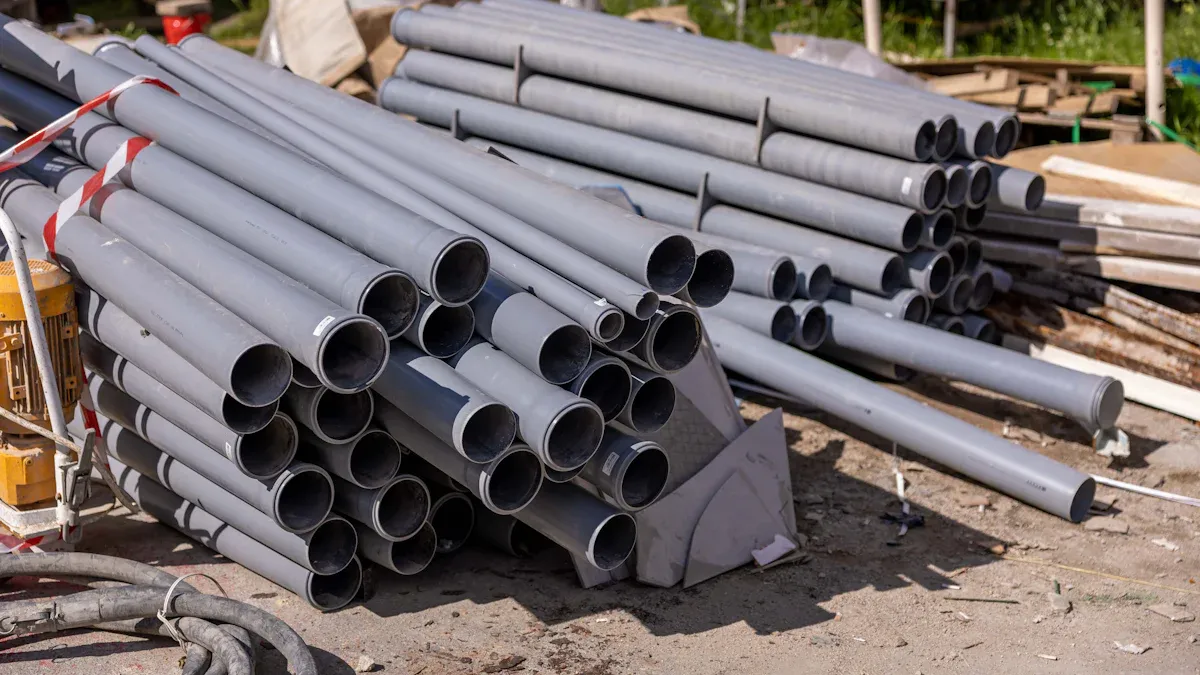
Choosing the right galvanized steel pipe 3/4 for your plumbing helps you avoid leaks and early failures. You need to check the pipe size, look for high-quality materials, and make sure the pipe fits with your existing plumbing. Pay close attention to the pipe’s coating and choose a pipe that resists corrosion in your environment. Use good installation methods because studies have shown that poor installation leads to more failures, especially in smaller pipes. By taking each step seriously, you protect your plumbing from costly repairs and keep your system strong.
Confirming the Right Size of Galvanized Steel Pipe 3/4 for Plumbing
Verifying 3/4 Inch Pipe Size for Your Project
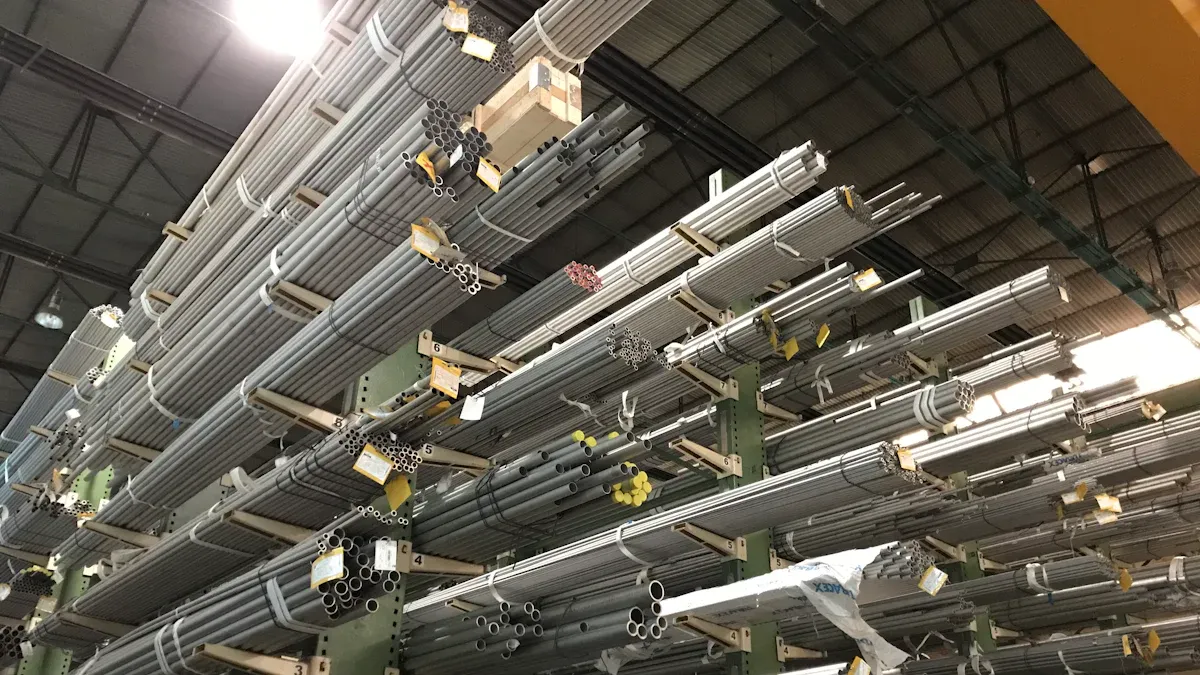
You need to make sure you select the correct size when choosing a galvanized steel pipe 3/4 for your plumbing. Many people think the size refers to the outer diameter, but in plumbing, the nominal size is different from the actual measurements. The 3/4 inch label comes from the Nominal Pipe Size (NPS) system. This system helps you match pipes and fittings correctly.
Here is a helpful pipe sizing chart for a 3/4 inch galvanized steel pipe:
| Nominal Pipe Size (NPS) | Outer Diameter (OD) | Inner Diameter (ID) | Wall Thickness (Schedule 40) | Common Applications |
|---|---|---|---|---|
| 3/4 inch | 1.050 inches | 0.824 inches | 0.113 inches | Water supply, irrigation systems |
You can see that the outer diameter is 1.050 inches, not 3/4 inch. The inner diameter is 0.824 inches. The wall thickness for Schedule 40 is 0.113 inches. Most plumbing projects use Schedule 40 because it handles water pressure well and fits standard fittings. Always check a pipe sizing chart before you buy. This step helps you avoid mistakes and ensures your pipe fits your water supply system.
Tip: Always bring your measurements and a pipe sizing chart when you shop for plumbing supplies. This habit saves you time and prevents costly errors.
Assessing Application and Flow Requirements
You must think about how much water you need to move through your plumbing. The right pipe size affects water flow and pressure. If you choose a pipe that is too small, your water supply may not meet your needs. If you pick a pipe that is too large, you may waste money and space.
A 3/4 inch galvanized steel pipe 3/4 works well for many water supply lines in homes and small buildings. It is common in irrigation systems and branch lines. You should check your water pipe sizing needs by looking at how many fixtures you have and how much water each one uses. Use a pipe sizing chart to compare your needs with the pipe’s capacity.
Here are some steps to help you assess your application:
- List all the fixtures that will use water.
- Check the flow rate needed for each fixture.
- Add up the total flow rate.
- Use a water pipe sizing chart to see if a 3/4 inch pipe can handle the total flow.
If you have a large home or many fixtures, you may need to use a larger pipe for the main line and use 3/4 inch pipes for branches. Always match your pipe sizing to your water supply needs. This practice keeps your plumbing system efficient and reliable.
Note: Water supply systems work best when you match the pipe size to the flow requirements. Undersized pipes can cause low pressure and poor performance.
Evaluating Quality and Standards of Galvanized Steel Pipe 3/4
Identifying Reliable Manufacturers and Certifications
When you select a galvanized steel pipe 3/4, you need to check if the manufacturer meets industry standards. Reliable manufacturers always show their certifications. These certifications prove that the pipe is safe, strong, and ready for use in your plumbing system.
You should look for these important certifications and quality indicators:
- Certified to NSF 61, which means the pipe is safe for drinking water.
- Compliance with lead-free laws, making it suitable for potable water systems.
- Hot dip galvanizing done according to ASTM A153 standards, which gives the pipe strong corrosion resistance.
- Hydrostatic pressure testing at the factory to ensure the pipe will not fail under pressure.
- UL and FM listings, which add extra assurance of quality and reliability.
- Pressure ratings such as 300 psi at 150°F and 150 psi at 300°F, showing the pipe can handle tough conditions.
- Compliance with standards like ASTM A53, API 5L, ASTM A252, ASTM A795, BS1387, and EN10255.
You can trust manufacturers who hold certifications like ISO 9001:2015 from TUV Rheinland. This certification shows the company uses a strong management system and follows safe manufacturing processes. The Philippine National Standard (PNS) certification also proves the pipe meets strict safety and quality rules. Certified manufacturers go through regular audits and re-certifications. This process keeps their products safe and reliable.
Tip: Always check for certification marks printed on the pipe or packaging. These marks help you avoid fake or low-quality products.
Here are some reasons why certifications matter:
- They show the pipe meets quality standards for material and manufacturing.
- They ensure the pipe follows industry codes like ANSI and ASTM.
- They confirm the pipe is tested for safety and performance.
- They prove the pipe is legal for use in your area.
- They guarantee the pipe has the right size and shape for your project.
- They help you avoid product failures and costly repairs.
- Certified pipes are accepted for more projects and jobs.
- Traceability features let you track where the pipe came from and how it was made.
- Independent third-party groups check these certifications, so you can trust them.
Checking Pipe Schedule and Thickness
You need to check the pipe schedule and wall thickness before you buy. The schedule tells you how thick the pipe walls are. Thicker walls mean the pipe can handle more pressure, but the inside diameter gets smaller. This change affects how much water can flow through the pipe.
The outside diameter of a 3/4 inch galvanized steel pipe stays the same, but the wall thickness changes with the schedule. Here is a table to help you compare:
| برنامج | Outside Diameter (mm) | Wall Thickness (mm) | Inside Diameter (mm) |
|---|---|---|---|
| 5S | 26.7 | 1.65 | 23.4 |
| 10S | 26.7 | 2.11 | 22.5 |
| 40 | 26.7 | 2.87 | 20.9 |
| 80 | 26.7 | 3.91 | 18.9 |
You can see that as the schedule number goes up, the wall gets thicker and the inside diameter gets smaller. This change affects water flow and pressure. For most home plumbing, Schedule 40 works well. It gives you a good balance between strength and flow.
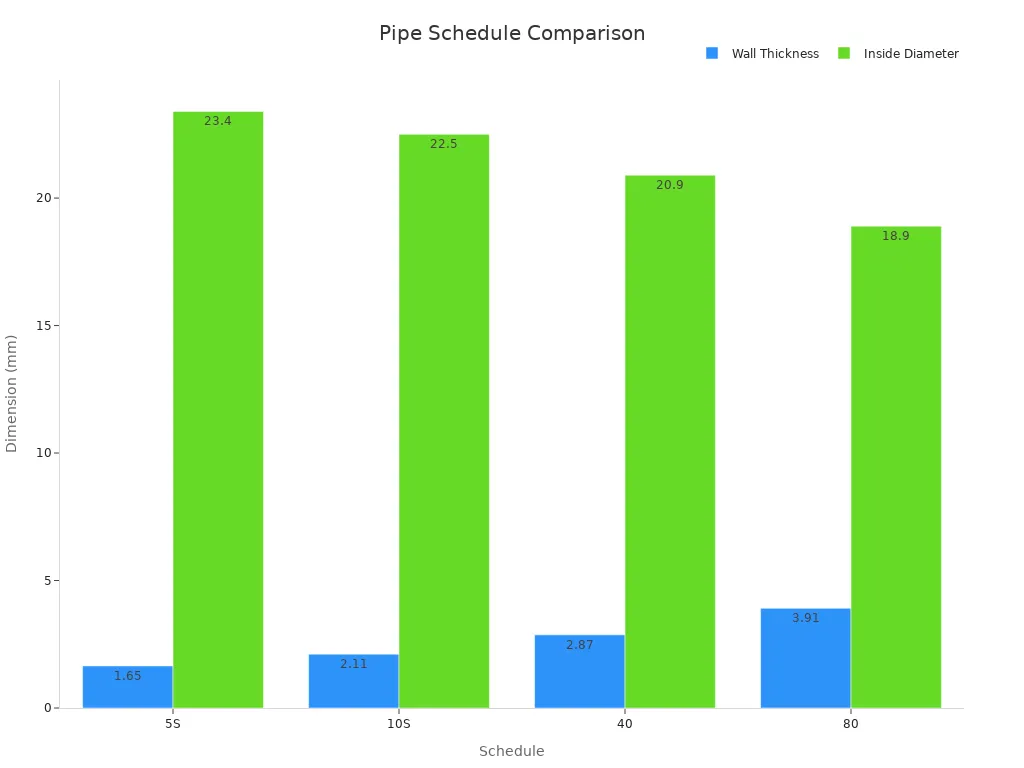
Always match the pipe schedule to your sizing needs and the pressure in your system. If you need a pipe for high-pressure use, pick a higher schedule. For regular water supply, Schedule 40 is usually enough.
Note: Checking the schedule and thickness helps you avoid leaks and pipe bursts. It also makes sure your plumbing meets code and lasts longer.
Ensuring Compatibility with Existing Plumbing Systems
Matching Pipe Threads and Fittings
You need to make sure your new pipe matches the threads and fittings in your plumbing system. If you use the wrong threads, you risk leaks and weak connections. Most galvanized steel pipes use National Pipe Thread (NPT) standards. These threads help create a tight seal in your plumbing system. When you connect a new pipe to an old fitting, always check the thread type and size.
Several studies show that matching pipe threads and fittings reduces leaks in plumbing systems. For example, research at the University of Buffalo tested threaded fire sprinkler pipes. The results showed that NPT threads, when matched and installed correctly, kept water supply joints tight even during stress. Other studies compared threaded and welded joints. Welded joints did not leak, but threaded joints only leaked when the threads did not match or were installed poorly. This proves that you must match threads and fittings to keep your plumbing system safe.
Tip: Always use thread sealant or Teflon tape on threaded connections. This extra step helps prevent leaks in your water supply lines.
Preventing Leaks and Corrosion at Connection Points
Leaks often start at connection points in your plumbing system. You can prevent these problems by checking each joint during installation. Make sure every pipe and fitting is clean before you connect them. Dirt or debris can stop the threads from sealing well. Use a wrench to tighten the connections, but do not over-tighten. Too much force can damage the threads and cause leaks.
Corrosion is another risk at connection points. Galvanized steel pipes have a zinc coating that protects against rust. If you scratch or damage this coating during installation, the pipe can start to corrode. Always handle pipes with care. After you finish, inspect each connection for signs of leaks or rust. If you see water drops or white powder, fix the problem right away.
- Check all connections after turning on the water supply.
- Look for drips or moisture at each joint.
- Tighten or reseal any leaking connections.
A well-matched and carefully installed pipe keeps your plumbing system strong. You avoid costly repairs and keep your water supply safe for your home.
Inspecting Galvanized Coating and Corrosion Resistance in Plumbing
Examining the Zinc Coating Quality
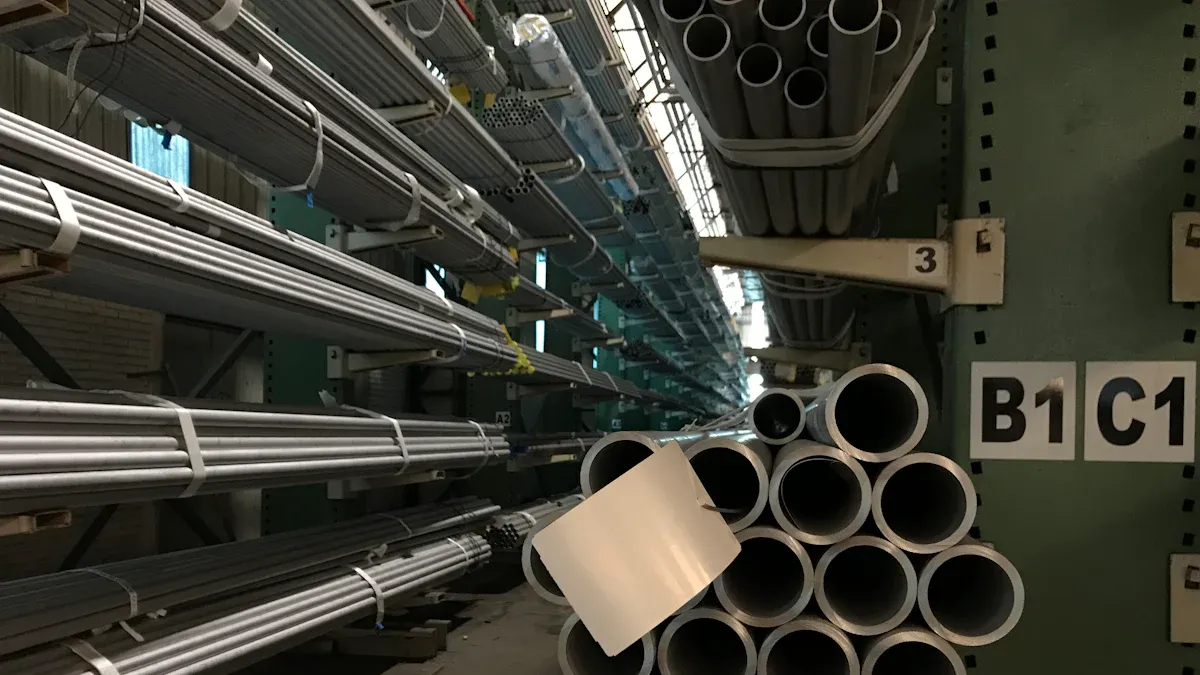
You need to check the zinc coating on your pipe before using it in plumbing. The zinc layer protects the steel from rust and damage. A good coating means your pipe will last longer and work better in your plumbing system. You can use several methods to check the quality of the coating.
- Look for a smooth and even surface. If you see rough spots or flaking, the coating may not protect the pipe well.
- Use a magnetic thickness gauge to measure the zinc layer. The coating should be between 50 and 150 micrometers thick. Thicker coatings usually last longer.
- Check for white rust or wet storage stains. These look like white powder and can show up if the pipe was stored in damp places. If you see a lot of this, the pipe may need repair before you use it.
- Make sure the pipe has marks or tags that show it meets standards like ASTM A123. These marks mean the pipe passed tests for coating thickness and strength.
Here is a table showing common test methods and what they measure:
| Performance Parameter | Typical Value Range | Test Method | Key Influencing Factors |
|---|---|---|---|
| Coating Thickness | 50-150 μm | ASTM A123 | Immersion time, bath temperature |
| المقاومة للتآكل | 50+ years in sheltered environments | ASTM B117 | Coating uniformity, environment severity |
| Adhesion Strength | >3 MPa | ASTM D4541 | Surface cleanliness, cooling rate |
| Impact Resistance | 10-20 Joules | ASTM E23 | Coating ductility, thickness |
Tip: Always ask for pipes with clear certification and test results. This helps you avoid problems in your plumbing later.
Choosing the Right Pipe for Environmental Conditions
You must think about where you will use the pipe in your plumbing system. Different places have different risks for corrosion and damage. For example, pipes buried in soil or used outdoors face more moisture and temperature changes.
- Soil type can affect how fast a pipe corrodes. Some soils have chemicals that break down metal faster.
- High humidity and salty air, like near the ocean, can make pipes rust more quickly.
- Cold weather can cause pipes to crack if water inside freezes.
- Pipes in industrial areas may face chemicals that damage the coating.
A 2018 survey found that most utilities had pipes in soils that could cause corrosion. In these places, you may want to use pipes with thicker coatings or choose materials that resist corrosion better. You should also check the age and condition of existing pipes before adding new ones. Older pipes may need extra protection or replacement.
Note: Always match the pipe material and coating to the environment. This keeps your plumbing safe and reduces the chance of leaks or failures.
Avoiding Installation Mistakes with Galvanized Steel Pipe 3/4
Accurate Measurement and Cutting Techniques
You need to measure and cut each pipe with care to avoid common plumbing mistakes. Even small errors in measurement can lead to leaks or wasted materials. Always use high-quality measuring tools that stay accurate over time. When you transfer measurements, try using tick marks or story sticks for better precision. Remember the rule: measure twice, cut once. This simple habit saves you from costly mistakes.
Using jigs and templates helps you make consistent cuts, which is important for a tight fit in your plumbing system.
Keep your tools calibrated and mark each pipe clearly before cutting. If you skip these steps, you risk uneven cuts or pipes that do not fit. Studies show that regular calibration and careful measurement reduce installation errors and improve the reliability of your plumbing. Environmental factors, like dust or poor lighting, can also affect your accuracy, so always work in a clean, well-lit area.
Here is a quick checklist for accurate measurement and cutting:
- Use reliable measuring tools.
- Double-check all measurements.
- Mark pipes clearly.
- Cut with the right tool for the job.
- Check each cut for smoothness and accuracy.
Proper Joining, Sealing, and Support Methods
Joining and sealing pipes the right way keeps your plumbing leak-free. For galvanized steel, you usually use threaded connections. Always clean the threads and apply thread sealant or Teflon tape before joining. Tighten each connection firmly, but do not over-tighten, as this can damage the threads.
Research shows that threaded joints can leak if not installed correctly. Welded joints are less likely to leak, but you must treat each type of connection with care. Monitoring for leaks after installation helps you catch problems early. In some cases, using specialized tools for alignment and support can make a big difference.
Support each pipe properly to prevent sagging or stress at the joints. Use pipe hangers or brackets spaced at regular intervals. If you install pipes in areas with vibration or movement, add extra supports to keep your plumbing secure.
- In Springfield, Ohio, a plant faced severe leaks and corrosion because of poor installation and lack of maintenance. The failures led to costly repairs and water quality problems.
- Many older buildings in Chicago had to replace all their galvanized pipes after leaks and corrosion caused major water damage.
- Installing galvanized pipes in hot water systems is a common mistake. The zinc coating breaks down quickly at high temperatures, leading to leaks and health risks.
Tip: Never use galvanized steel pipe in dry fire sprinkler systems or hot water lines. These conditions cause rapid corrosion and early failure.
By following these best practices, you protect your plumbing from leaks, corrosion, and expensive repairs.
Consulting Plumbing Professionals When Needed
Recognizing When to Seek Expert Advice
You may feel confident handling small repairs in your plumbing system. Simple tasks like tightening a loose faucet or replacing a washer often do not require a professional. However, some situations call for expert help. If you plan to change your water supply lines or make changes to your drainage, you should contact a licensed plumber. These jobs must follow local codes, and mistakes can lead to expensive repairs.
You should also seek help if you notice major leaks, low water pressure, or signs of corrosion in your plumbing system. Complex installations, such as adding a new water heater or installing leak detection sensors, need special knowledge. Licensed plumbers know how to install these devices correctly. The Department of Energy reports that plumbers can help you choose and install tankless water heaters, which save up to 25% on energy bills compared to traditional models. Homes with leak detection sensors installed by professionals see a 96% drop in water-related insurance claims. These sensors protect your plumbing system by catching leaks early.
Tip: If you feel unsure about a project or do not understand the building codes, always ask a professional. This step can save you time, money, and stress.
Finding Qualified Plumbing Assistance
Finding a skilled plumber for your plumbing system does not have to be hard. Many online directories and industry groups help you connect with trusted professionals. Here are some reliable resources:
- Angi (formerly Angie’s List): Offers vetted plumbers with customer reviews.
- HomeAdvisor: Lists prescreened plumbing contractors and lets you compare costs.
- Best Plumbers: Features top-rated plumbers with detailed profiles and strict vetting.
- PlumbingWeb: Connects you with licensed and insured plumbers.
- Yelp: Shows local listings and customer feedback.
You can also use industry associations like the Plumbing-Heating-Cooling Contractors Association (PHCC) or the Mechanical Contractors Association of America (MCAA). These groups keep high standards for their members. Many reputable companies, such as Benjamin Franklin Plumbing and Len The Plumber, offer online scheduling and clear pricing.
| Resource Type | Name / Platform | Description / Benefit |
|---|---|---|
| General Online Directories | Angi (formerly Angie’s List) | Vetted and reviewed plumbers, detailed profiles, customer reviews, membership benefits. |
| HomeAdvisor | Extensive directory of plumbing contractors, prescreened professionals, user reviews. | |
| Yelp | Popular directory with customer reviews and local plumber listings. | |
| Specialized Plumbing Directories | Best Plumbers | Curated list of top-rated plumbers, stringent vetting based on licensure, experience, and reviews. |
| PlumbingWeb | Connects customers with licensed and insured plumbers, focuses on quality and professionalism. | |
| Industry Associations | PHCC, MCAA | Directories of member plumbers, industry standards and credibility. |
When you choose a plumber, check their license, insurance, and reviews. A qualified professional will help you keep your plumbing system safe, efficient, and up to code.
You can avoid common mistakes in plumbing by following a few key steps.
- Measure pipe dimensions carefully before you buy.
- Choose connectors that match your pipe’s surface.
- Prepare pipe ends by cleaning and smoothing them.
- Use Teflon tape on threaded connections for a leak-proof seal.
- Maintain your plumbing by checking for rust and tightening connections.
| Connector Type | Best Use | متانة |
|---|---|---|
| Special Connectors | Rough pipe surfaces | High |
| Common Connectors | Smooth pipe surfaces | Moderate |
Careful planning and attention to detail help you build a strong plumbing system. If you feel unsure, ask a professional for help.
التعليمات
What is the lifespan of a 3/4 inch galvanized steel pipe?
You can expect a galvanized steel pipe to last 40 to 50 years in most homes. The lifespan depends on water quality and environmental conditions. Regular inspection helps you spot early signs of corrosion.
Can you use galvanized steel pipe for drinking water?
Yes, you can use galvanized steel pipes for drinking water if the pipe meets NSF 61 and lead-free standards. Always check for certifications before you install the pipe in your water supply system.
How do you prevent rust on galvanized steel pipes?
You should keep the pipes dry and avoid scratching the zinc coating. Inspect pipes regularly for white rust or damage. If you see rust, clean the area and apply a zinc-rich paint for extra protection.
What tools do you need to cut and join galvanized steel pipes?
You need a pipe cutter or hacksaw for cutting. Use a pipe threader for threading the ends. For joining, use pipe wrenches, Teflon tape, and thread sealant. Always wear gloves and safety glasses.
Are galvanized steel pipes safe for outdoor use?
Yes, you can use galvanized steel pipes outdoors. The zinc coating protects against rust. In coastal or industrial areas, choose pipes with thicker coatings for better protection. Always check for signs of corrosion over time.