
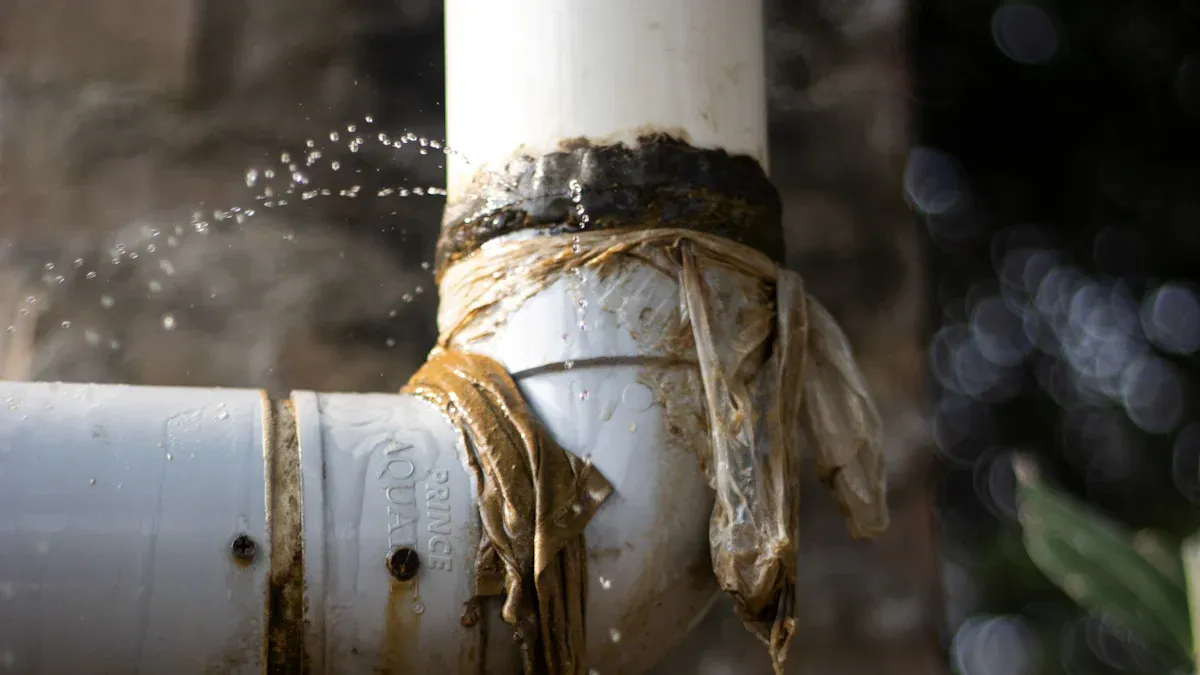
You might think your plumbing is safe, but mixing dissimilar metals like stainless steel and brass in fittings often leads to trouble. Galvanic corrosion stainless steel and brass can cause leaks, with some systems failing just 18 to 24 months after installation. Dezincification attacks brass fittings, especially when water acts as an electrolyte. You will see dezincification weaken fittings, leading to leaks and costly repairs. Dezincification is a hidden threat in systems using dissimilar metals. When dezincification takes over, fittings lose strength fast. Galvanic corrosion stainless steel and brass, paired with dezincification, can ruin your fittings before you expect it. Dezincification does not just stay local; it spreads through fittings and increases the risk of leaks. Homeowners, facility managers, and professionals must watch for dezincification in all fittings. Dezincification in fittings is a warning you cannot ignore. Dezincification, especially in dissimilar metals, puts your entire system at risk.
Galvanic Corrosion Stainless Steel and Brass Explained
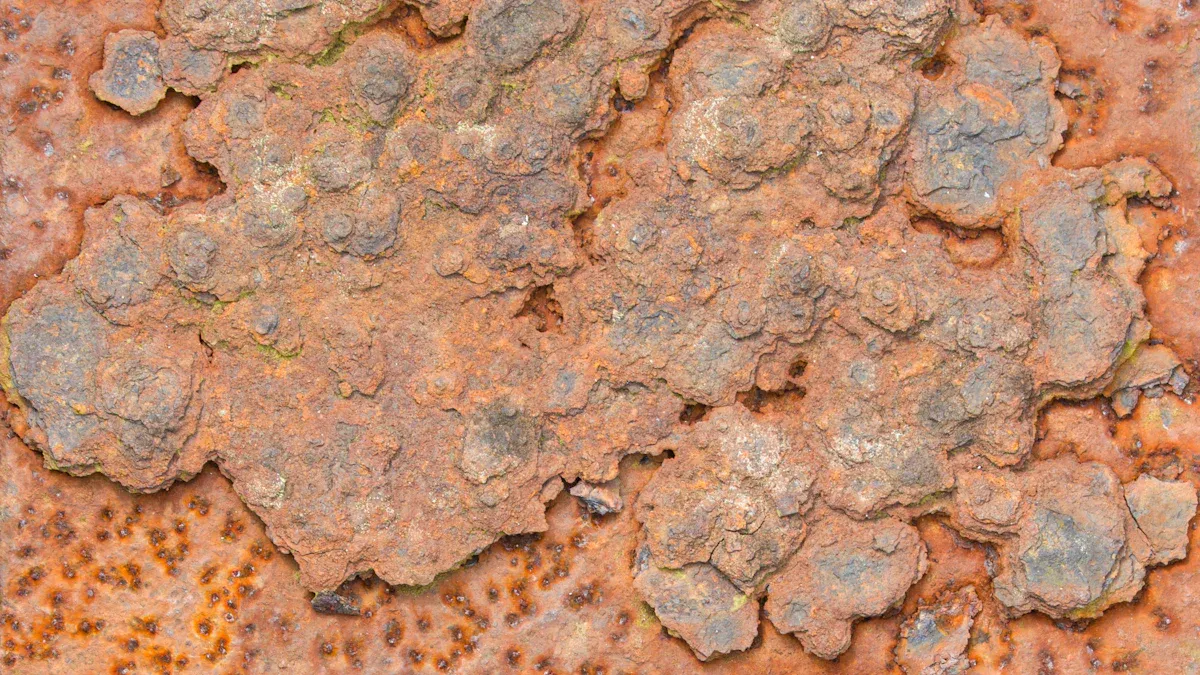
How the Reaction Starts
When you connect stainless steel and brass fittings, you create a risk for galvanic corrosion stainless steel and brass. This happens because these metals have different electrode potentials. When you join dissimilar metals, you set up a small electrical cell. Water or moisture acts as the electrolyte, allowing ions to move between the metals.
- Stainless steel, with a lower electrode potential, becomes the anode. It starts to lose iron ions through oxidation.
- Brass, which contains copper, acts as the cathode. Here, a reduction reaction takes place, using electrons from the stainless steel.
- The movement of ions completes the circuit and enables corrosion.
- The galvanic series helps you predict which metal will corrode faster. In this case, stainless steel corrodes faster than brass.
You should know that dezincification can make this process worse. Dezincification removes zinc from brass, making fittings weak and more likely to fail. If you use dissimilar metals in your system, you increase the risk of both corrosion and dezincification.
Impact of Water, Moisture, and Environment
Water and moisture play a big role in galvanic corrosion stainless steel and brass. When water is present, it acts as the electrolyte that allows the corrosion process to start. If you have fittings in a wet or humid area, the risk goes up. Marine and coastal environments make the problem even worse because salt speeds up corrosion and dezincification.
The galvanic series ranks metals by how easily they corrode. Stainless steel is more noble than brass, so brass corrodes first. The table below shows the risk levels for different metal pairs:
| Metal Pair | Corrosion Risk Level | Notes |
|---|---|---|
| Brass C37700 + 304SS/CF8 | Low to Moderate | Often acceptable indoors; monitor in wet or chloride-rich environments |
| Brass C37700 + 316SS/CF8M | Moderate | Isolation recommended in coastal or marine environments |
If you want good corrosion resistance, you should avoid mixing dissimilar metals in wet places. Dezincification will attack brass fittings faster when water is present, leading to leaks and system failures. Always check your environment before choosing materials for your fittings.
Real-World Failures from Galvanic Corrosion Stainless Steel and Brass
Residential Plumbing Leak Story
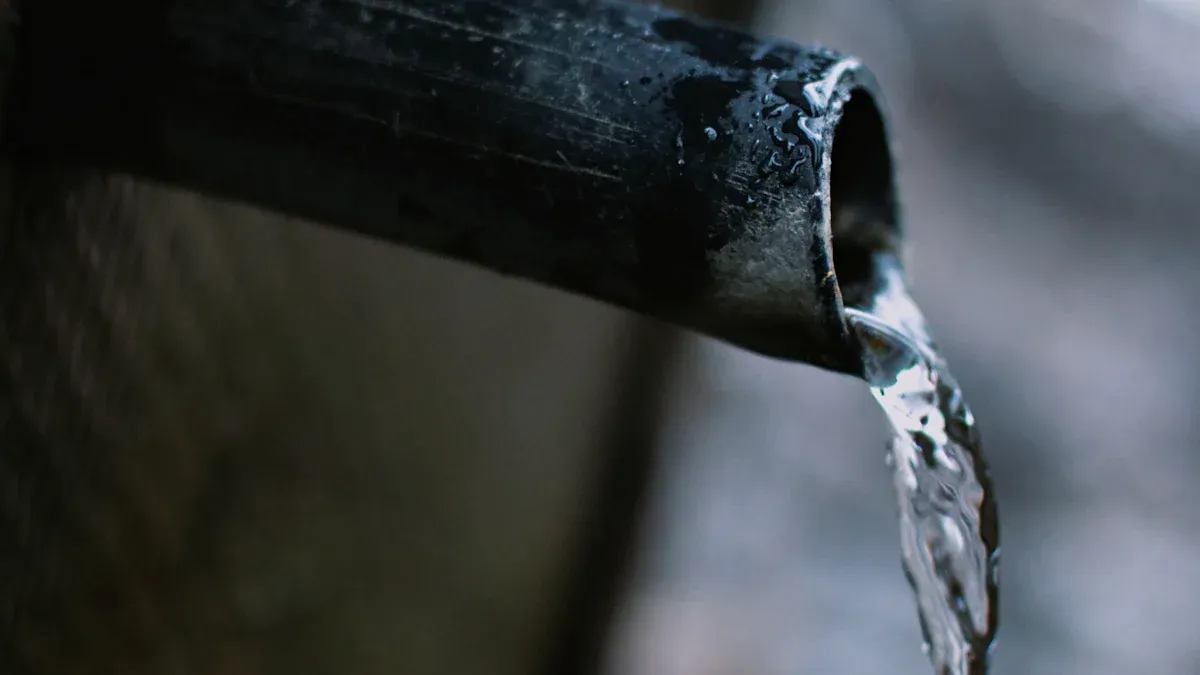
You might think your home’s plumbing is safe, but mixing stainless steel and brass can cause big problems. When you connect these metals, galvanic corrosion stainless steel and brass can start quickly, especially if water is present. You often see leaks at threaded connections, such as where brass valves meet steel pipes. These leaks happen because the metals create an electrochemical cell, which speeds up corrosion.
You may notice early warning signs before a major failure. Look for green or white deposits around your fittings. Discolored water and reduced water pressure can also signal trouble. If you see bluish-green stains at valve sites, corrosion is already happening. Over time, pipe walls thin out, and joints weaken. This leads to pinhole leaks and even pipe separation. Most failures happen at water heater connections, mixed-metal valves, and pipe joints. Dezincification attacks brass fittings, making them brittle and more likely to leak. If you ignore these signs, you risk water damage and expensive repairs.
Tip: Regularly check your plumbing for green or white deposits. Early action can prevent leaks and protect your home.
Industrial System Breakdown Example
In industrial systems, the stakes are even higher. When you use stainless steel and brass together, corrosion can develop over months or years. In desalination plants, for example, you see galvanic corrosion between aluminum brass, titanium, and stainless steel. This process causes localized corrosion, such as pitting, which threatens safe operation. The rate of corrosion depends on the metals, water temperature, oxygen, and flow conditions.
Brass components in seawater environments face severe dezincification. You might see discoloration on fittings, which means corrosion is active. If you use brass in raw or seawater, dezincification can destroy its structure. This leads to leaks and system breakdowns. Even when you use stainless steel screws in aluminum, corrosion can occur at the contact points. You can prevent some of these problems by using insulating materials or stainless steel bushings. However, if you do not separate the metals, you risk rapid failure. In some cases, the corrosion rate increases with temperature, making hot water systems especially vulnerable.
Note: Always avoid using brass fittings in seawater or high-temperature environments. Dezincification and corrosion can cause sudden and costly failures.
Marine Application Disaster Case
Marine environments create the perfect storm for galvanic corrosion. Saltwater acts as a strong electrolyte, speeding up corrosion between stainless steel and brass. In these settings, brass suffers from rapid dezincification, which weakens fittings and can lead to disaster. You might see large corrosion holes, such as a 1.5-inch hole in an aluminum tank caused by a bronze fitting. Rust and pitting often appear on metal surfaces where dissimilar metals touch.
Structural damage from corrosion can be so severe that it threatens the safety of your vessel. In some cases, mast collapse or hull breaches have happened because of unchecked corrosion. Saltwater increases the corrosion rate, especially for brass, which loses its zinc and becomes fragile. Marine-grade stainless steel resists corrosion better, but if you mix it with brass, the brass will corrode first. You can reduce the risk by using insulating materials, protective coatings, or anti-seize lubricants. If you ignore these steps, you may face expensive repairs or even total system failure.
- Severe outcomes in marine systems include:
- Large holes in tanks or hulls
- Rust and pitting on fittings
- Structural failure, such as mast collapse
- High repair costs due to advanced damage
Alert: Never mix brass and stainless steel fittings in saltwater environments. Dezincification and corrosion can destroy your equipment and put lives at risk.
Why Galvanic Corrosion Stainless Steel and Brass Causes Problems
Material Incompatibility
You face serious risks when you connect stainless steel and brass in your system. These metals have different electrochemical properties. When you join them, you create a galvanic couple. The difference in electrode potential between stainless steel and brass drives corrosion. The metal with the lower electrode potential, usually brass, acts as the anode and corrodes faster. Stainless steel becomes the cathode and stays protected. This process speeds up the degradation of brass, especially when water or moisture is present.
- Galvanic corrosion happens when you connect dissimilar metals with different electrode potentials.
- The less noble metal, brass, suffers from corrosion and dezincification.
- Corrosion risk increases with a larger potential difference between the metals.
- The presence of an electrolyte, such as water, makes corrosion more likely.
Brass is only moderately resistant to corrosion. It is very vulnerable to dezincification, especially in acidic or high-chlorine environments. Dezincification of brass removes zinc from the alloy, leaving behind a weak, porous structure. This leads to localized dezincification, which can spread and cause leaks. Stainless steel resists general corrosion better, but it can still suffer from pitting in chloride-rich environments. When you mix these metals, you set up the perfect conditions for corrosion and degradation.
Dezincification of brass is a hidden danger. You may not see it until fittings fail or leaks appear.
Environmental and Installation Factors
Your environment plays a big role in how fast corrosion and dezincification of brass occur. High humidity, temperature swings, and the presence of salts or chemicals all increase the risk. Marine environments, de-icing salts, and fertilizers make corrosion and localized dezincification much worse. Soil contact and stray electrical currents also speed up the degradation of brass.
Improper installation can make things even worse. If you do not use insulating materials or dielectric unions, you allow direct metal-to-metal contact. This contact lets corrosion and dezincification start quickly. Protective barriers like rubber washers or sealants help prevent this. Moisture control, such as good drainage and ventilation, lowers the chance of corrosion and localized dezincification. You should also match fasteners and fittings to the metals in your system to reduce galvanic potential.
Regular inspection and maintenance help you catch early signs of degradation. Look for green or white deposits, which signal corrosion and dezincification of brass. If you see these signs, act fast to prevent leaks and further degradation.
Tip: Always consider your environment and use proper installation practices to protect against corrosion, dezincification, and the degradation of brass fittings.
Lessons to Prevent Leaks and Losses
Identifying Risk in Mixed-Metal Systems
You need to spot risk factors before corrosion and dezincification of brass cause leaks. Galvanic corrosion happens when you connect stainless steel and brass, especially if water or moisture is present. Dezincification and localized dezincification often start at these mixed-metal joints. You can use a simple table to help identify risk:
| Identification Factor | What to Check For |
|---|---|
| Galvanic Series Position | Stainless steel is more noble; brass is more anodic. |
| Presence of Electrolyte | Look for water, condensation, or salt spray. |
| Electrical Contact | Check if metals touch directly. |
| Environmental Context | Watch for marine, coastal, or plumbing systems with moisture. |
| Common Use Cases | Inspect threaded connections, valves, and joints for early signs of dezincification. |
You should also look for early signs of dezincification, such as white or green deposits. Regular visual inspections help you catch corrosion and degradation early. For deeper checks, use ultrasonic testing or corrosion monitoring devices. Galvanic corrosion testing kits and electrochemical tools can show you the extent of corrosion and dezincification of brass.
Best Practices for Material Selection
You can prevent corrosion and dezincification by choosing the right materials. Always select metals close together in the galvanic series. This reduces the risk of corrosion and localized dezincification. Try to keep the cathode (stainless steel) surface area smaller than the anode (brass) area. Coat both metals with protective layers to add corrosion protection. Use galvanic corrosion inhibitors and sacrificial anodes for extra protection. Electrically insulate stainless steel and brass with dielectric materials to stop galvanic current flow and prevent dezincification of brass.
In plumbing and industrial systems, use the same metal throughout if possible. If you must mix metals, use dielectric unions or waterways. Control water quality and use corrosion inhibitors to slow down dezincification and localized dezincification. Good material selection and insulation protect your system from degradation.
Preventive Measures and Maintenance
You must use preventive maintenance to stop corrosion and dezincification of brass before they cause leaks. Set up a regular maintenance schedule. Focus on areas where stainless steel and brass meet. Adjust your maintenance frequency based on humidity, salinity, and chemical exposure. Use non-conductive barriers or coatings to prevent direct contact. Apply protective coatings and install sacrificial anodes to absorb corrosion. Clean fittings with neutralizing agents to reduce oxidation and localized dezincification.
Follow standards like NFPA 70B for preventive maintenance. Remove plant growth and debris to control humidity. Always check for early signs of dezincification and corrosion during maintenance. Proper installation and good alignment help prevent stress and degradation. Educate your team about preventive maintenance and corrosion protection to keep your system safe.
Tip: Preventive maintenance and smart material choices are your best defense against leaks, corrosion, and dezincification of brass.
Real-World Solutions That Worked
You can stop leaks and failures from galvanic corrosion by using proven solutions. Many professionals have found that simple steps can make a big difference. When you use stainless steel and brass together, you must focus on stopping dezincification and keeping your system safe.
- Apply Tef-Gel anti-corrosion lubricant to stainless steel surfaces that touch brass. This lubricant forms a barrier, so metals do not touch directly. You lower the risk of galvanic corrosion and slow down dezincification.
- Use insulating materials, such as stainless steel bushings, to keep metals apart. This method blocks the electrical path that causes dezincification of brass.
- Install zinc sacrificial anodes in systems exposed to water. These anodes corrode first, giving extra protection to brass and stainless steel. You see this solution in marine and underwater equipment, where dezincification can destroy fittings quickly.
- Avoid direct contact between stainless steel and brass whenever possible. If you must connect them, always use a barrier or coating to prevent dezincification.
- In marine shore power systems, use galvanic isolators or isolation transformers. These devices stop stray electrical currents, which can speed up dezincification of brass and other metals.
Regular maintenance is key. You should check for early signs of dezincification, such as white or green deposits. Clean and inspect fittings often. Replace sacrificial anodes during maintenance to keep protection strong. Good maintenance stops small problems from turning into big leaks.
Technical literature and real-world case studies show that these solutions work. You can see fewer leaks, less dezincification, and longer system life when you follow these steps. Dezincification of brass remains a major threat, but you can control it with the right protection and regular maintenance. Always choose solutions that fit your environment and system needs. Dezincification can spread fast, so never skip maintenance or ignore early warning signs.
You have seen how mixing stainless steel and brass can lead to leaks and losses. Dezincification remains a major risk when you use these metals together. Dezincification weakens brass, causing failures in plumbing and industrial systems. Dezincification often starts at joints, especially where water is present. Dezincification can spread quickly, so you must act early. Dezincification makes fittings brittle and unsafe. Dezincification also increases repair costs. Dezincification can be hard to spot until leaks appear. Dezincification is preventable with smart choices. Dezincification risk drops when you select compatible metals. Dezincification will not threaten your system if you use insulation and coatings. Dezincification teaches you to inspect and maintain your systems. Dezincification shows that learning from past failures protects your investments.
FAQ
What is dezincification and why should you care?
Dezincification removes zinc from brass. You should care because dezincification weakens brass fittings. This process can cause leaks and failures in your plumbing or equipment. Dezincification often starts where water touches brass. You can prevent dezincification by choosing the right materials and inspecting your system often.
How can you spot early signs of dezincification?
You can spot dezincification by looking for white or green deposits on brass fittings. Water may look discolored. If you see these signs, dezincification has started. You should act quickly. Replace affected parts to stop dezincification from spreading and causing more damage.
Does dezincification only happen in marine environments?
No, dezincification can happen anywhere water touches brass. You see dezincification in homes, factories, and marine systems. High humidity, salt, and chemicals make dezincification worse. You must check all brass fittings for dezincification, not just those near the ocean.
What steps can you take to prevent dezincification?
You can prevent dezincification by using compatible metals. Install dielectric unions to keep metals apart. Apply protective coatings. Regularly inspect your system for early signs of dezincification. Replace brass parts if you see dezincification. Good maintenance helps you avoid leaks and costly repairs from dezincification.