
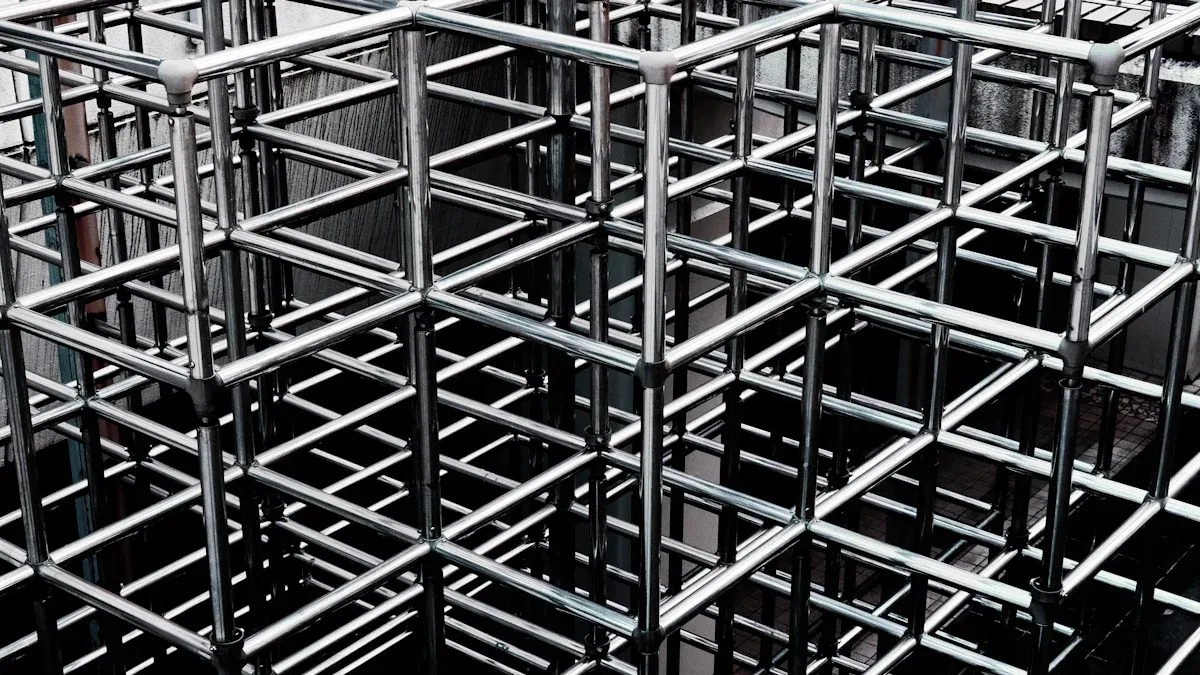
Choosing between carbon steel vs galvanized steel for your project depends largely on the intended use and environment. When considering corrosion resistance, galvanized steel stands out because of its zinc coating that protects against rust and moisture, making it ideal for outdoor construction or areas with high humidity. On the other hand, carbon steel is suitable for indoor projects where corrosion resistance is less critical. Ultimately, your project needs should guide the choice, taking into account the environment, cost, and desired longevity of your construction.
Carbon Steel vs Galvanized Steel: The Key Differences
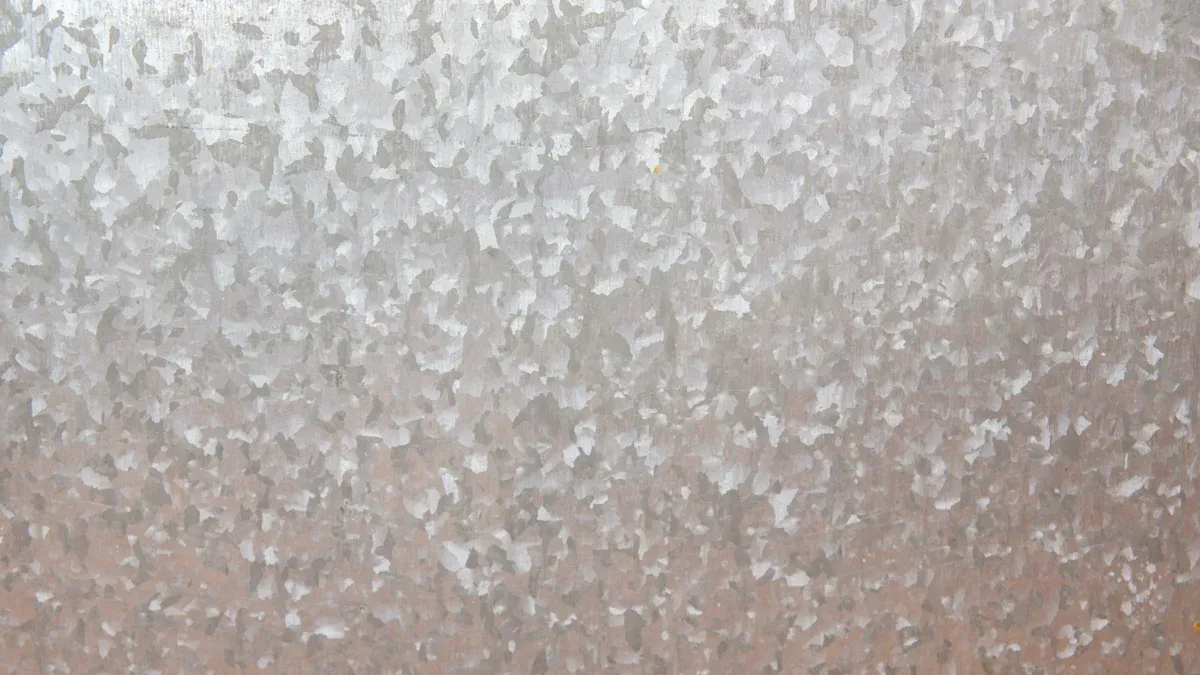
Corrosion Resistance in Carbon Steel vs Galvanized Steel
When you compare carbon steel vs galvanized steel, corrosion resistance stands out as a major difference. Carbon steel is strong and hard, but it rusts quickly when exposed to moisture or air. This makes it less suitable for outdoor construction or places with high humidity. Galvanised steel, on the other hand, has a zinc coating that acts as a shield. This coating protects the steel underneath from rust and oxidation, giving it much better resistance in harsh environments.
Tip: If your project will face rain, snow, or salty air, galvanized steel offers much longer-lasting protection.
You can see the difference in corrosion rates in different environments:
| Environment | Material | Corrosion Rate (µm/year) | Notes |
|---|---|---|---|
| Urban Atmosphere | Carbon Steel | 4–8 | Rusts faster than galvanized steel |
| Urban Atmosphere | Galvanised Steel | ~0.65–0.68 | Zinc coating slows down corrosion 10–30 times |
| Marine Atmosphere | Carbon Steel | 75.8–79.3 | Very high corrosion rate |
| Marine Atmosphere | Galvanised Steel | 4.4–9.4 | Much lower corrosion rate than carbon steel |
Galvanised steel can last 15 to 20 years outdoors, and even longer indoors. In some cases, it can resist rust for over 50 years, depending on the thickness of the zinc layer and the environment. Carbon steel, without any coating, needs regular maintenance to prevent rust, especially in outdoor construction.
Durability and Strength Comparison
You might wonder if the zinc coating on galvanised steel affects its strength. The answer is no for most uses. The galvanization process does not change the mechanical strength of the steel underneath. Both carbon steel and galvanised steel keep similar strength levels, since galvanised steel is just carbon steel with a protective layer.
Here is a quick look at their properties:
| Aspect | Carbon Steel | Galvanised Steel |
|---|---|---|
| Chemical Composition | Iron and carbon alloy | Carbon steel base with zinc coating |
| Physical Properties | Strong, hard, but rusts easily | Good strength, excellent corrosion resistance |
| Manufacturing | Iron and carbon alloyed in a furnace | Carbon steel coated with zinc (hot-dip, spray) |
| Corrosion Resistance | Low without protection | High due to zinc layer |
| Maintenance | Needs frequent care to prevent rust | Needs less maintenance |
The tensile strength of carbon steel depends on its grade. Low-carbon steel can have a tensile strength of 20,300–347,000 psi, while high-carbon steel can reach up to 484,000 psi. Galvanised steel keeps the same strength as the base carbon steel, so you do not lose strength by choosing galvanised steel for your project.
Note: For most construction projects, you can rely on galvanised steel to provide both strength and corrosion resistance.
Cost Considerations for Your Project
Cost effectiveness is another important factor when you choose between carbon steel vs galvanized steel. Carbon steel usually costs less to buy because it does not have a zinc coating. However, you need to think about long-term costs. Carbon steel needs more maintenance, such as painting or rust removal, especially in outdoor construction. Over time, these costs add up.
Galvanised steel costs more at first because of the zinc coating, but it saves you money in the long run. The zinc layer gives you 3 to 5 times more resistance to rust compared to plain carbon steel. This means you spend less on repairs and replacements. For outdoor or high-moisture projects, galvanised steel is often the more cost-effective choice.
Tip: Always consider the total cost over the life of your project, not just the price of the materials.
Maintenance Needs and Longevity
When you choose steel for your project, you need to think about how much work it will take to keep it in good shape. Maintenance needs and how long the steel lasts can make a big difference in your decision.
If you use carbon steel, you must watch out for rust. Carbon steel does not have a protective coating. Moisture and air can reach the metal and cause it to corrode. You will need to check carbon steel often and take steps to stop rust from spreading. This means you may have to paint it, use rust inhibitors, or even replace parts that have rusted too much. In many cases, you will spend more time and money keeping carbon steel in good condition, especially if you use it outside or in damp places.
Galvanized steel gives you an easier job. The zinc coating on galvanized steel acts like a shield. It keeps water and oxygen away from the steel, which helps prevent rust and other damage. Because of this, galvanized steel usually needs less maintenance than carbon steel. You can expect it to last much longer, even in tough environments.
Here are some typical maintenance steps for galvanized steel in industrial settings:
- Regular Inspections: You should check the steel every few months. Look at the outside surfaces, seams, and any places where water might get in. Use both your eyes and special tools to find problems early.
- Cleaning: Once a year, clean the steel. Use brushes or air to remove dust. Wash with water and mild soap if needed. Make sure the steel dries completely to avoid moisture buildup.
- Corrosion Prevention: If you see small scratches or bare spots, touch them up with zinc-rich paint. This keeps the protective layer strong. You can also use rust inhibitors to help the zinc coating last longer.
- Structural Repairs: Fix cracks or holes right away. Use the right sealants or welding methods to keep the steel strong and safe.
If you need to repair the zinc coating on galvanized steel, you have a few options:
- Zinc-Rich Paint: Clean the damaged area, paint it with zinc-rich paint, and check that the coating is thick enough.
- Thermal Spraying: For bigger areas, spray molten zinc onto the steel after cleaning it well.
- Zinc-Alloy Soldering: For small, precise repairs, clean and preheat the area, then apply zinc-alloy solder.
These steps help keep galvanized steel in top shape and protect its corrosion resistance.
When you compare the two, carbon steel needs more attention and care. You must plan for regular inspections, painting, and sometimes replacing parts. Galvanized steel, with its zinc coating, lets you spend less time on maintenance. It also lasts longer, especially outdoors or in places with lots of moisture.
🛠️ Tip: If you want a material that will last a long time with less work, galvanized steel is often the better choice for outdoor or industrial projects.
Choosing between carbon steel and galvanized steel depends on how much time and money you want to spend on upkeep. If you use carbon steel, get ready for more frequent checks and repairs. If you use galvanized steel, you can expect a longer life and less hassle.
Understanding Carbon Steel for Your Project
What Is Carbon Steel?
You use carbon steel in many construction projects because it is strong and versatile. Carbon steel is an alloy made mostly of iron and carbon. The amount of carbon in the steel changes its properties. You find different carbon steel types based on how much carbon they contain. These include low-carbon, medium-carbon, high-carbon, and ultra-high carbon steel. Each type has its own uses and strengths.
Here are the main components and how manufacturers make carbon steel:
- Carbon is the main element that gives the steel its strength.
- Manganese adds more strength and helps remove sulfur.
- Silicon acts as a deoxidizer.
- Sulfur and phosphorus are usually impurities.
Manufacturers use several steps to make carbon steel:
- They melt iron ore with coke and lime in a blast furnace.
- They refine the steel by blowing oxygen to lower the carbon content.
- They shape the steel using rolling or casting methods.
- They may heat treat or surface treat the steel to improve its properties.
You can choose from many carbon steel grades for your project, depending on the strength and flexibility you need.
Key Properties of Carbon Steel Sheet Metal
When you pick carbon steel sheet metal, you get a material that is both strong and easy to work with. The carbon content in carbon steel sheet metal can range from 0.05% to 2.1%. As the carbon content goes up, the steel becomes harder and stronger, but it also gets less flexible and harder to weld.
Here are some important properties of carbon steel sheet metal:
| Property | Typical Value/Range | What It Means for You |
|---|---|---|
| Tensile Strength | ~540 MPa (78,300 psi) | Handles heavy loads |
| Yield Strength | ~415 MPa (60,200 psi) | Resists bending and stretching |
| Hardness (Brinell) | 163 | Good wear resistance |
| Elongation at Break | 10% | Some flexibility before breaking |
| Machinability | 160% (AISI 1212 = 100%) | Easy to cut and shape |
| Thermal Conductivity | 21.9 – 52.0 W/m-K | Transfers heat well |
You can heat treat carbon steel sheet metal to make it even stronger or tougher. This makes it a popular choice for construction, automotive parts, and tools.
Pros and Cons of Carbon Steel
You should know the advantages and disadvantages before you choose carbon steel for your construction project. Carbon steel sheet metal offers many benefits, but it also has some drawbacks.
| Advantages | Disadvantages |
|---|---|
| Strong and durable | Prone to rust and corrosion without coating |
| High and low-temperature resistant | Hard to bend and shape for complex designs |
| Recyclable and environmentally friendly | Needs special tools for cutting and forming |
| Affordable and widely available | May need extra steps for corrosion protection |
| Many carbon steel types for different uses | Some types are less strong than others |
📝 Tip: If you want a material that is strong, affordable, and easy to recycle, carbon steel sheet metal is a smart choice for many construction needs. Just remember to protect it from rust, especially if you use it outdoors.
Understanding Galvanized Steel for Your Project
What Is Galvanized Steel?
You use galvanised steel when you want strong protection against rust. Manufacturers make galvanised steel by dipping regular steel into molten zinc at about 450°C. This process forms several layers on the surface. These layers include iron-zinc alloys and a top layer of pure zinc. The zinc coating acts as a barrier, stopping water and air from reaching the steel. It also works as a sacrificial anode, which means the zinc will corrode first, saving the steel underneath.
- The hot-dip process creates a tough, long-lasting finish.
- The zinc layer gives the steel a shiny, spangled look.
- The process can slightly reduce the steel’s strength and hardness, especially in high-strength types.
- Some steels, like DOMEX, keep most of their strength after galvanising.
You often see galvanised steel in outdoor construction, fences, and even in farm buildings.
Key Properties of Galvanized Steel
Galvanised steel stands out because of its unique mix of physical and chemical properties. The zinc coating gives it excellent corrosion resistance and a long service life. You can see how it compares to carbon steel in the table below:
| Property | Galvanised Steel | Carbon Steel |
|---|---|---|
| Corrosion Resistance | Excellent; zinc coating protects and self-heals | Prone to rust; needs extra protection |
| Durability | High; works well in tough environments | Lower; rusts easily |
| Appearance | Silver-gray, spangled zinc finish | Gray; rusts over time |
| Weight | Slightly heavier due to zinc | Lighter |
| Maintenance Needs | Low; zinc layer repairs itself | High; needs frequent care |
| Weldability | Needs care; zinc fumes can be hazardous | Easier, especially for low-carbon steel |
| Mechanical Strength | Moderate; zinc softens the surface a bit | Often stronger; depends on carbon content |
Galvanised steel sheet is popular for roofing, siding, and other building parts. The zinc layer can last for decades, even in wet or humid places.
🛡️ Tip: The zinc coating on galvanised steel not only blocks rust but also repairs small scratches by spreading over the damaged area.
Pros and Cons of Galvanized Steel
When you pick galvanised steel for your project, you get many benefits, but you should also know the drawbacks.
| Benefits of Galvanised Steel | Drawbacks of Galvanised Steel |
|---|---|
| Easy to bend and shape | No long-term substrate warranties |
| Rust-resistant zinc coating | Zinc layer wears off over time |
| Long lifespan, up to 50 years | Dull look; rust spots may appear |
| Low initial cost, ready to use | Not as available as some alternatives |
| Good for animal sheds | Not ideal for salty, coastal areas |
You can use galvanised steel in many outdoor settings. It works well for fences, sheds, and even farm buildings. The zinc coating keeps rust away for years with little maintenance. However, in coastal areas, salt can break down the zinc faster. The surface may look dull over time, and you might see rust spots if the coating wears off.
⚠️ Note: Always check if galvanised steel is the best fit for your environment, especially if you live near the ocean.
Typical Applications: Carbon Steel vs Galvanized Steel
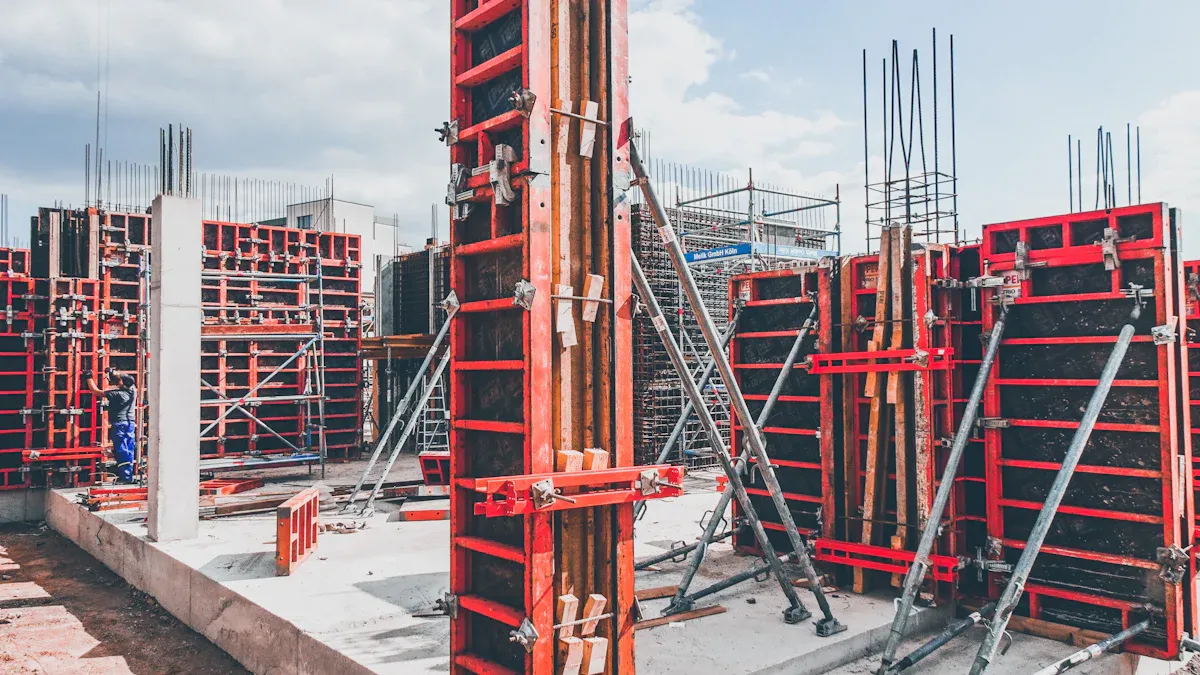
When to Use Carbon Steel
You often choose carbon steel for its strength, flexibility, and cost-effectiveness. This material fits many construction and manufacturing needs. You see it in steel frames, piping, and fixtures because it is durable and easy to shape. In the automotive industry, carbon steel makes up about 40% of vehicle frameworks, including exhaust systems and fasteners. You also find it in machinery, tools, and kitchen cutlery.
Here are some common applications for carbon steel:
- Building structures such as beams, columns, and pipes
- Automotive bodies, suspension parts, and fasteners
- Gears, crankshafts, and springs in machines
- Kitchen knives and cookware
- Storage tanks and welded containers
You can see how different types of carbon steel fit specific uses:
| Carbon Steel Type | Features & Carbon Content | Common Applications in Construction & Manufacturing |
|---|---|---|
| Low Carbon Steel | 0.05% – 0.25% carbon; highly ductile | Structural beams, pipes, automotive bodies, metal furniture |
| Medium Carbon Steel | 0.25% – 0.60% carbon; balanced strength | Gears, axles, railway tracks, machinery parts |
| High Carbon Steel | 0.60% – 1.00% carbon; hard, wear resistant | Cutting tools, springs, industrial tools |
| Ultra-High Carbon Steel | >1.00% carbon; extremely hard | High-wear parts, knives, machinery components |
🛠️ Tip: Choose carbon steel when you need a strong, affordable material for indoor construction or parts that do not face much moisture.
When to Use Galvanized Steel
You pick galvanized steel when you need protection from rust and long-lasting performance. The zinc coating on galvanised steel shields it from moisture and harsh weather. This makes it perfect for outdoor construction and infrastructure projects. You see galvanised steel in bridges, guardrails, and light poles. It also works well in water treatment plants and power stations.
Here are some typical applications for galvanised steel:
- Marine structures like piers and docks
- Bridges and overpasses exposed to weather and de-icing salts
- Coastal buildings and industrial facilities
- Underground tunnels, parking garages, and water tanks
- Fencing, signposts, and lighting poles
You also find galvanised steel in solar panel mounts, agricultural sheds, and cable trays for electrical systems. The zinc coating helps these structures last for decades with little maintenance.
| Use Case Category | Typical Applications and Benefits |
|---|---|
| Structural Frameworks | Columns, beams, roof trusses in buildings and stadiums; strong and corrosion-resistant |
| Infrastructure and Civil Works | Railway platforms, road signposts, guardrails, pedestrian overpasses; withstands harsh weather |
| Prefabricated Buildings | Modular homes, portable classrooms, emergency shelters; quick to install and durable |
| Agricultural & Industrial Use | Livestock sheds, crop storage, greenhouse frames; resists fertilizers and weather |
| Fencing and Perimeter Structures | Security fencing, sports barriers, urban railings; low maintenance |
🌦️ Note: Use galvanised steel for any application where you expect rain, humidity, or exposure to chemicals.
Real-World Project Examples
You can see the benefits of carbon steel and galvanised steel in real projects. The Harley Davidson Museum in Milwaukee used hot-dip galvanised steel for its structure. This choice gave the building long-lasting durability and made maintenance easier. The Niagara Parks Butterfly Conservatory in Ontario used 70 tons of galvanised steel with extra coatings. Since 1997, it has stayed strong and rust-free.
In Southeast Asia, a coastal highway used galvanised steel guardrails. After more than 10 years, these guardrails still look good and need little care. In the automotive industry, car makers use galvanised steel for about 80% of the car body. This gives cars better rust resistance and longer warranties.
You also find carbon steel in bridges, ships, and machinery. Its strength and flexibility make it a top choice for many construction projects. Both materials offer sustainability because you can recycle them easily.
✅ Tip: Look at real-world examples to help you decide which steel fits your project best.
Decision Guide: Choosing the Right Steel for Your Project
Checklist for Selecting Carbon Steel or Galvanized Steel
When you choose between carbon steel and galvanized steel, you need to look at several important factors. Use this checklist to help guide your choice and make sure you are making an informed decision:
- Load Capacity: Check if the steel can handle the weight and stress your project needs.
- Corrosion Resistance: Think about where you will use the steel. Galvanized steel works better in wet or outdoor places. Carbon steel may need extra protection in these settings.
- Cost Effectiveness: Look at both the upfront price and the long-term costs. Carbon steel often costs less at first, but you may spend more on maintenance.
- Maintenance Frequency: Decide how much time and money you can spend on upkeep. Galvanized steel usually needs less care.
- Compliance Standards: Make sure your choice meets local building codes and safety rules.
📝 Tip: Following this checklist helps you in making an informed decision that matches your project’s needs and budget.
Matching Steel Type to Project Requirements
You should match the steel type to your project by looking at the environment, load, and how long you want the structure to last. The table below shows how different steel types fit common project needs:
| Project Requirement | Steel Type | Key Properties & Best Uses |
|---|---|---|
| High load-bearing | Carbon steel (A36) | Strong, weldable; good for beams and heavy structures |
| Outdoor/corrosive setting | Galvanized steel | Zinc coating resists rust; best for fences, poles, and bridges |
| Cost efficiency | Carbon steel | Lower initial cost; works well indoors or in dry environments |
| Long lifespan, low upkeep | Galvanized steel | Lasts longer with less maintenance in harsh conditions |
| Compliance with standards | Carbon steel or galvanized steel | Both can meet codes if you pick the right grade and finish |
You need to define your project’s purpose, environment, and safety needs before making an informed decision. If you want a strong, affordable material for indoor use, carbon steel is a smart choice. For outdoor or humid places, galvanized steel gives you better protection and a longer life.
You should always match your steel choice to your project’s environment. Use galvanized steel for outdoor or corrosive areas, and pick carbon steel for indoor or low-moisture spaces. Before you decide, think about these key factors:
- Corrosion resistance and how long the steel will last
- Upfront cost and future maintenance needs
- Strength and how easy it is to work with
Balancing these points helps you choose steel that keeps your project strong and cost-effective for years.
FAQ
What is the main difference between carbon steel and galvanized steel?
You will notice that carbon steel does not have a protective coating, while galvanized steel has a zinc layer. This zinc layer gives galvanized steel better corrosion resistance, especially for outdoor construction or any application where rust is a concern.
Can you use carbon steel sheet metal outdoors?
You can use carbon steel sheet metal outdoors, but you must protect it from rust. Without a coating, carbon steel will corrode quickly. For most outdoor projects, galvanized steel sheet offers better resistance and longer life.
How do cost considerations affect your steel choice?
You might find that carbon steel costs less at first. However, you will spend more on maintenance and repairs if you use it in harsh environments. Galvanized steel costs more upfront, but its corrosion resistance improves cost effectiveness over the life of your project.
Which steel type is best for my project needs?
You should match your steel choice to your project needs. Use carbon steel for indoor construction or low-moisture areas. Choose galvanized steel for outdoor or corrosive settings. Always consider corrosion resistance, application, and cost effectiveness before making an informed decision.
Are there different carbon steel types and grades?
You can pick from many carbon steel types and carbon steel grades. Each type has different strength and flexibility. You should select the right grade based on your application, load requirements, and the environment where you will use the steel.