
When you heat galvanized steel, the zinc coating behaves differently from the steel underneath. Zinc melts at 787°F (419°C) and vaporizes at around 1665°F (907°C), while the galvanized steel melting point is much higher at 2500°F (1370°C).
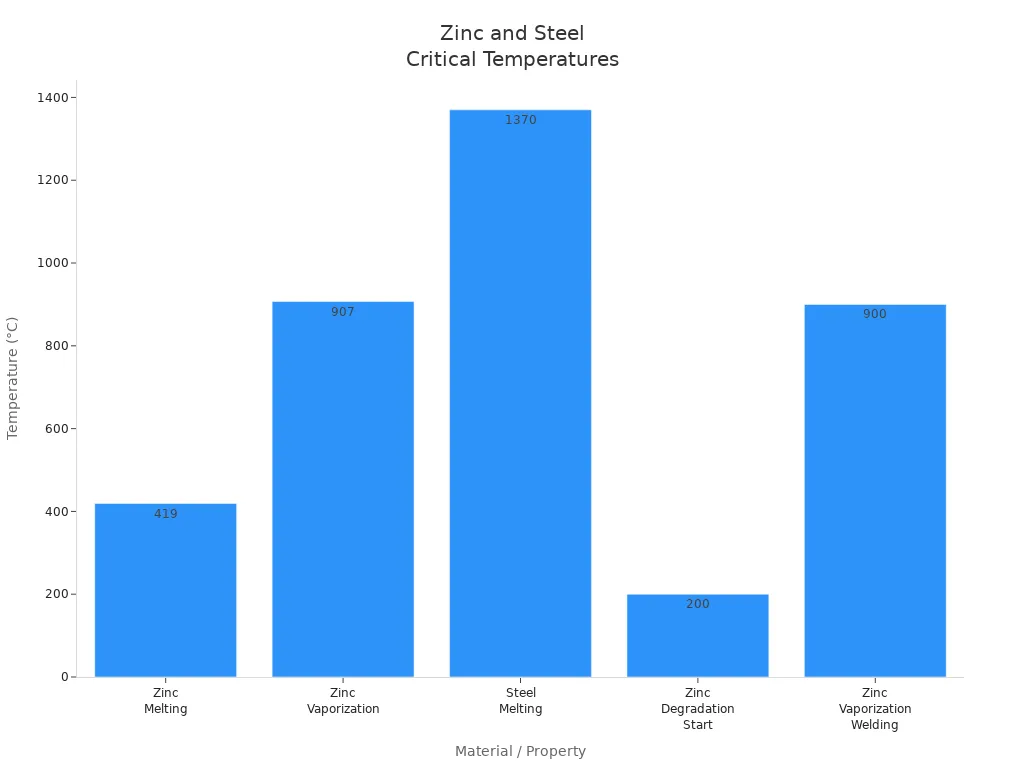
| Material/Property | Temperature (°F) | Temperature (°C) |
|---|---|---|
| Zinc Melting Point | 787 | 419 |
| Zinc Vaporization (Boiling) Point | ~1665 | ~907 |
| Steel Melting Point | 2500 | 1370 |
Zinc vaporizes much sooner than steel melts. You see off-gassing when zinc turns to vapor and releases fumes. This process can cause defects and health risks if you do not control it.
What Is Galvanized Steel?
Zinc Coating Purpose
When you look at galvanized steel, you see a product designed to last. The zinc coating protects the steel underneath in several important ways:
- The zinc coating acts as a barrier, stopping water and oxygen from reaching the steel.
- It serves as a sacrificial layer. If the surface gets scratched, the zinc will corrode first, saving the steel from rust.
- The zinc coating forms a tough outer shell that stands up to harsh environments like marine or industrial areas.
- You get a self-healing effect. If you scratch the surface, the surrounding zinc coating will help protect the exposed steel.
- The zinc coating keeps your steel looking clean and free from rust stains.
- Using a zinc coating saves money over time because it reduces the need for repairs or replacements.
- Zinc coatings are also good for the environment since you can recycle them.
Zinc does more than just cover the steel. It reacts with air and moisture to form a dense, stable layer called zinc patina. This layer slows down corrosion even more. The zinc coating gives you reliable protection and helps your steel structures last longer.
How Galvanized Steel Is Made
You can find several ways to apply a zinc coating to steel, but hot-dip galvanizing is the most common. In this process, you dip steel into molten zinc at about 450°C. This creates a strong bond between the zinc coating and the steel. The structure of galvanized steel includes several layers:
- Iron-zinc alloy layers form at the point where steel and zinc meet. These layers, called gamma, delta, and zeta phases, add toughness.
- On top, you get a layer of almost pure zinc, known as the eta phase. This layer is about 40–50 micrometers thick and provides the main barrier.
- The zinc coating sticks tightly to the steel, so it does not peel or flake easily.
Here is a quick look at the main methods for making galvanized steel:
| Method | Description | Key Features |
|---|---|---|
| Hot-Dip Galvanizing | Steel dipped in molten zinc, then cooled. | Thick, strong zinc coating; spangle finish. |
| Galvannealing | Hot-dip followed by heating to form zinc-iron alloy. | Matte, tough coating; great for painting. |
| Pre-Galvanizing | Zinc coating applied to steel coils at the mill. | Uniform coating; edges may be uncoated later. |
| Electro-Galvanizing | Zinc ions deposited using electricity. | Thin, even zinc coating; less corrosion resistance. |
| Advanced High-Strength Steel | Hot-dip with extra treatments for better surface and strength. | High quality; more expensive. |
The zinc coating’s thickness and structure can change based on the method and the steel’s chemistry. Each method gives you different levels of protection and appearance, but all rely on the power of zinc to keep steel safe.
Galvanized Steel Melting Point vs. Zinc Melting and Vaporization
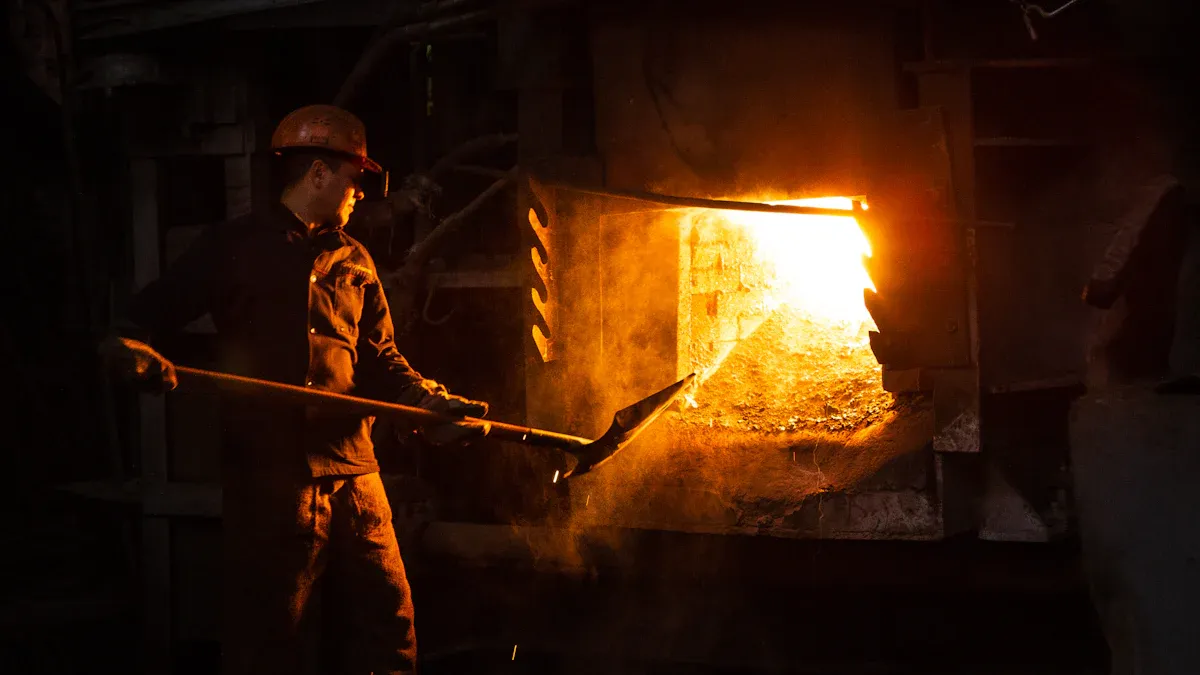
Steel Melting Point
When you work with galvanized steel, you need to know how hot it can get before it melts. The galvanized steel melting point depends on the type of steel used. Most steels melt at very high temperatures, much higher than zinc. Here is a table showing the melting point ranges for different steel grades and the zinc coating:
| Steel Grade | Melting Point Range (°C) | Melting Point Range (°F) |
|---|---|---|
| General Steel | 1370 – 1520 | 2500 – 2770 |
| 1018 Steel | 1480 – 1540 | 2700 – 2800 |
| 303 Stainless Steel | 1399 – 1427 | 2550 – 2600 |
| 316 Stainless Steel | 1375 – 1400 | 2500 – 2550 |
| 4140 Steel | 1425 – 1480 | 2600 – 2700 |
| Low Carbon Steel | 1460 – 1490 | 2660 – 2710 |
| High Carbon Steel | 1370 – 1521 | 2500 – 2770 |
| Zinc Coating | ~419 | ~786 |
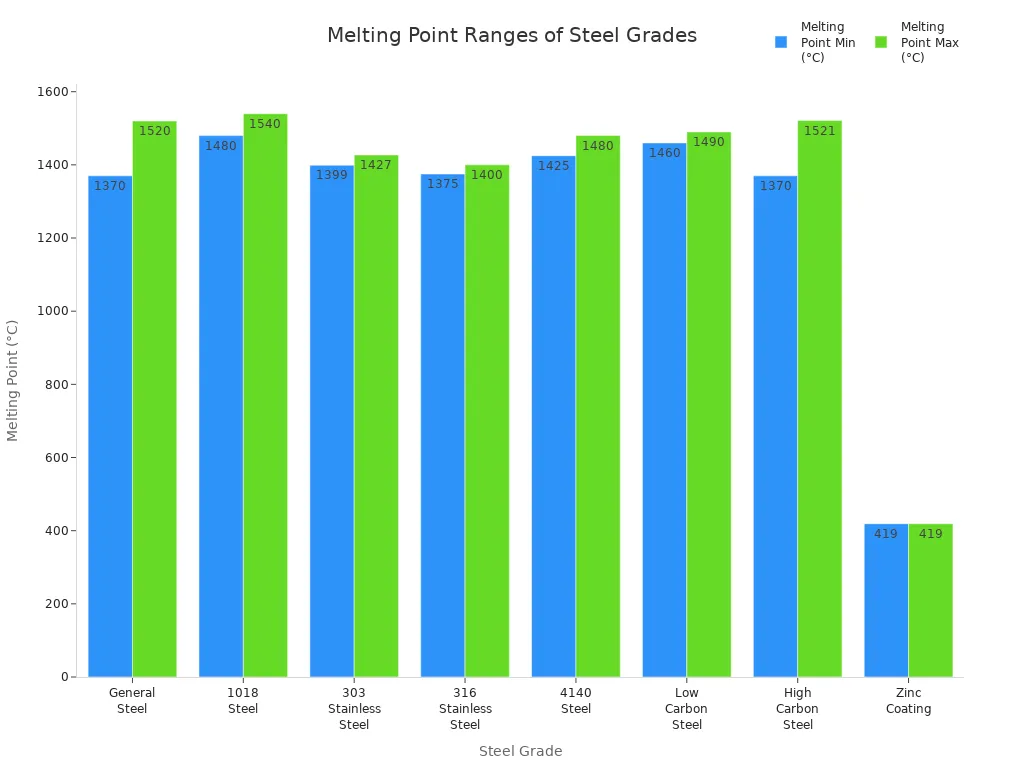
You can see that the galvanized steel melting point is much higher than the melting point of zinc. This difference is important when you heat or weld galvanized steel.
Zinc Melting and Boiling Points
Zinc behaves very differently from steel when you heat it. The melting point of zinc is about 419.5°C (787°F), and its boiling point is around 907°C (1665°F). These numbers come from trusted scientific handbooks:
| Source/Reference | Melting Point (°C) | Boiling Point (°C) |
|---|---|---|
| ThoughtCo Zinc Facts | 419.58 | 907 |
| Encyclopaedia Britannica | 420 | 907 |
| Chemistry Explained | 419.5 | 908 |
Once you heat zinc past its melting point, it turns into a liquid. If you keep heating, zinc will start to boil and turn into vapor at its boiling point. This process happens long before the galvanized steel melting point is reached.
Tip: Always remember that zinc can start to evaporate and release fumes even before it boils, especially at high temperatures.
Why Zinc Vaporizes Before Steel Melts
You might wonder why zinc vaporizes before steel melts. The answer lies in thermodynamics. Zinc has a much lower boiling point than the galvanized steel melting point. As you heat galvanized steel, the zinc coating reaches its boiling point first. At this temperature, the energy is enough to turn liquid zinc into vapor. The enthalpy of vaporization for zinc is high, but the boiling point is still much lower than the temperature needed to melt steel.
As you keep heating, the vapor pressure of zinc rises quickly. This means zinc starts to evaporate and form fumes well before the steel underneath even begins to melt. If you lower the pressure or use special gases, zinc can vaporize even faster. This is why you see zinc fumes during welding or cutting, even though the steel stays solid.
Understanding these temperature differences helps you work safely with galvanized steel and avoid unwanted zinc vaporization.
Zinc Behavior When Galvanized Steel Is Heated
Sequence of Temperature Effects
When you heat galvanized steel, you see a series of changes in both the zinc coating and the steel underneath. Each stage brings new reactions and visible effects. Here is what happens as the temperature rises:
Room Temperature to About 50°C (122°F):
At first, a thin film of water forms on the surface. The zinc reacts with this moisture and air. You get zinc hydroxide, which then combines with gases like carbon dioxide and sulfur dioxide. This creates protective compounds such as zinc carbonate and zinc sulfate. These layers help stop rust and keep the steel safe.50°C to 70°C (122°F to 158°F):
As you heat the steel more, corrosion speeds up. You notice white powdery spots and sometimes yellow-brown pits. These are zinc oxide and zinc hydroxide. The protective layer still works, but you start to see more corrosion products on the surface.Around 90°C (194°F):
The corrosion rate jumps. The zinc oxide layer breaks down. You may see black, bubble-like spots and cracks. The base steel starts to corrode because the zinc can no longer protect it. The corrosion products become loose and can fall off, making the steel even more vulnerable.Morphological Changes:
The look of the corrosion changes as the temperature goes up. At first, you see small grains. Later, you see more porous, rod-like, or bubble shapes. These changes mean the protective layer is weaker and less effective.Overall Progression:
The process starts with water and zinc forming protective compounds. As you keep heating, zinc turns into oxides and hydroxides. When the zinc layer fails, iron oxides form, and the steel underneath begins to rust.
Tip: If you spot white powder or black bubbles on galvanized steel after heating, you know the zinc coating is breaking down.
Zinc Off-Gassing and Vaporization Temperatures
As you continue to heat galvanized steel, the zinc coating faces even more dramatic changes. You need to pay close attention to the temperatures where these changes happen:
Zinc Melting Point:
When you reach about 419°C (787°F), the zinc coating melts. The steel underneath stays solid, but the zinc turns into a liquid. This is the first major physical change you can see.Zinc Off-Gassing:
As the temperature climbs above the melting point, zinc starts to evaporate. Even before it boils, zinc can release fumes. You may notice a white or bluish smoke. This is zinc oxide fume, which forms when zinc vapor meets air.Zinc Vaporization (Boiling Point):
At around 907°C (1665°F), zinc reaches its boiling point. Here, vaporization happens quickly. The zinc coating turns into vapor and leaves the steel surface. The steel itself does not melt until much higher temperatures, so you lose the protective zinc layer long before the steel changes shape.
| Temperature (°C) | Temperature (°F) | What Happens to Zinc? |
|---|---|---|
| 419 | 787 | Melts (liquid zinc forms) |
| 500-900 | 932-1652 | Off-gassing, fume release |
| 907 | 1665 | Vaporization (boiling, rapid loss) |
Warning: Breathing zinc fumes can cause metal fume fever. Always use good ventilation and protective gear when heating or welding galvanized steel.
You can see that zinc reacts to heat much sooner than steel. The zinc coating melts, off-gasses, and finally vaporizes, leaving the steel exposed. If you work with galvanized steel at high temperatures, you must understand these changes to keep both your project and your health safe.
Effects and Risks of Zinc Vaporization
Impact on Steel Properties
When you heat galvanized steel, zinc vaporization changes how the steel behaves. You may notice several effects:
- Zinc vaporizes above 900°C, which leads to zinc loss during welding galvanized steel.
- Too much zinc vaporization can cause hot shortness. This makes the steel brittle and more likely to crack when hot.
- Zinc vapor pressure affects the molten pool during welding galvanized steel. You might see spatter and unstable welds, which lower weld quality.
- Zinc can refine the grain structure, shift transformation temperatures, and promote precipitation hardening. This can make the steel stronger and tougher.
- If you lose too much zinc, the steel can become less ductile and more brittle.
- Zinc also improves corrosion resistance by forming stable oxide layers and acting as a sacrificial anode.
- The thickness of the zinc coating and the galvanizing method change how well the steel resists wear and corrosion.
You need to control the welding process to keep these properties balanced.
Health and Safety Hazards
Welding galvanized steel creates zinc fumes that can harm your health. The main risk is metal fume fever. This illness feels like the flu. You may get fever, chills, nausea, fatigue, and a metallic taste in your mouth. These symptoms usually start a few hours after exposure and go away in a day or two. Inhaling zinc fumes can also cause throat irritation, cough, and headaches.
If you keep breathing zinc fumes over time, you may develop chronic problems. These include asthma, bronchitis, lung damage, and even a higher risk of heart disease. Up to 39% of welders get metal fume fever, and some develop welding-related asthma. Long-term exposure can also cause allergic reactions and increase the risk of lung cancer.
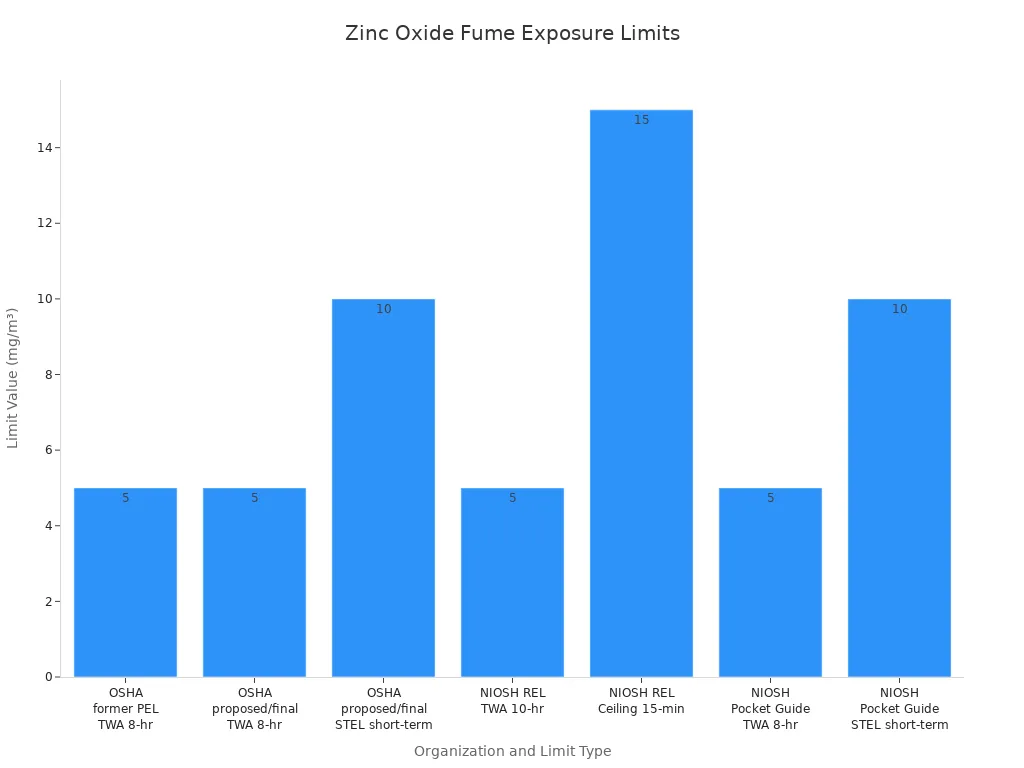
You must follow safety rules to avoid zinc fume inhalation. OSHA and NIOSH set strict limits for zinc oxide fumes:
| Organization | Exposure Limit Type | Limit Value | Time Frame |
|---|---|---|---|
| OSHA | TWA (fume) | 5 mg/m³ | 8-hour |
| OSHA | STEL (fume) | 10 mg/m³ | short-term |
| NIOSH | TWA (fume) | 5 mg/m³ | 10-hour |
| NIOSH | Ceiling (fume) | 15 mg/m³ | 15-minute |
Tip: Always use proper ventilation and personal protective equipment when welding galvanized steel to protect yourself from metal fume fever.
Practical Implications for Welding and Fabrication
When you work with welding galvanized steel, you face special challenges:
- Thin galvanized steel can burn through if you use too much heat.
- Fast welding speeds can trap zinc vapor in the weld, causing porosity and weak spots.
- Spatter from zinc vapor sticks to your parts, making cleanup harder.
- Zinc oxide on the surface can stop the weld from bonding well. You may need to clean or grind the steel before welding galvanized steel.
- Fumes from zinc vapor make it necessary to use good ventilation and safety gear.
- Uneven zinc coatings can lead to inconsistent welds, so you need to adjust your technique.
- Some welding methods, like MIG and flux-cored arc welding, handle zinc better than others.
You must control heat, clean surfaces, and use the right welding method to get strong, safe welds when welding galvanized steel. These steps help you avoid metal fume fever and keep your work high quality.
Safe Handling and Best Practices
Ventilation and Fume Extraction
When you work with welding galvanized steel, you must control zinc fumes to protect your health. Good ventilation is your first line of defense. Local exhaust systems capture fumes right at the source, stopping them from spreading. You can use fume extraction hoods, portable extractors, or fixed systems in your workspace. These systems pull air through filters like HEPA or activated carbon, removing zinc particles before the air returns to the room or goes outside.
| System Type | Description | Benefit |
|---|---|---|
| Source Capture Ventilation | Captures fumes at the origin | Immediate fume removal |
| Local Exhaust Ventilation | Ducted hoods move fumes outside | Safer work environment |
| Portable Fume Extractors | Mobile units for small jobs | Flexible and efficient |
| Stationary Fume Extractors | Fixed for large areas | Ongoing protection |
| HEPA Filters | Capture 99.97% of particulates | Clean air and worker safety |
Tip: Always check that your ventilation system works well and meets safety standards. Regular maintenance keeps the system effective.
Personal Protective Equipment (PPE)
You need the right PPE when welding galvanized steel to avoid zinc fume exposure. Start with a respirator designed for welding fumes. Do not use paper dust masks because they do not block zinc oxide particles. Wear gloves to protect your hands from sharp edges and irritation. Safety goggles shield your eyes from sparks and splashes. A welding helmet, leather jacket, and steel toe boots give you extra protection.
- Wear a respirator approved for welding fumes.
- Use gloves and safety goggles.
- Put on a welding helmet and leather jacket.
- Choose steel toe boots for foot safety.
- Always work in a well-ventilated area.
Note: Wash your hands and face after welding galvanized steel. Never eat or drink in areas where zinc fumes may be present.
Alternatives and Precautions
You can reduce risks by planning your work before welding galvanized steel. If possible, remove the zinc coating from the weld area by grinding. This step lowers the amount of zinc vapor released. After welding, repair the coating to keep corrosion resistance strong. Try to weld before galvanizing the steel to avoid zinc fumes altogether.
Other options include using alternative coatings or joining methods. Nickel plating or aluminum coatings can replace zinc in some cases. Brazing or adhesive bonding may work instead of welding galvanized steel, reducing fume hazards. Always wear PPE and use good ventilation when removing zinc coatings, especially if you use acids or heat.
- Remove zinc coating before welding galvanized steel.
- Use alternative coatings like nickel or aluminum when possible.
- Try brazing or adhesives to join metal without welding galvanized steel.
- Handle acids with care and always follow safety instructions.
- Dispose of chemical waste properly to protect the environment.
Warning: Never rely on myths like drinking milk to treat metal fume fever. The best way to stay safe is to avoid exposure and rest if you feel sick.
You have learned that heating galvanized steel can release fumes and cause weld defects. Understanding melting and vaporization points helps you prevent porosity, spatter, and health risks.
- Always use proper ventilation and protective gear.
- Avoid using galvanized steel for food or high-heat applications.
Remember: Managing temperature and process settings improves both safety and material quality.
FAQ
What happens if you weld galvanized steel without removing the zinc coating?
You will see white smoke and smell metal fumes. These fumes can make you sick. The weld may also have holes or weak spots. Always remove the zinc coating before welding to protect your health and get a strong weld.
Can you melt galvanized steel safely at home?
You should not try to melt galvanized steel at home. The zinc coating releases toxic fumes when heated. These fumes can cause metal fume fever. Always use professional equipment and strong ventilation if you must work with high heat.
How do you know if zinc fumes are present?
You may see white or bluish smoke when heating galvanized steel. You might also smell a sharp, metallic odor. If you feel sick, dizzy, or have a metallic taste in your mouth, stop working and get fresh air right away.
Is it safe to use galvanized steel for cooking or food storage?
You should not use galvanized steel for cooking or storing food. Heating or acidic foods can cause zinc to leach out. This can make food unsafe to eat. Choose stainless steel or food-safe materials instead.
What should you do if you breathe in zinc fumes?
Move to fresh air immediately. Drink water and rest. If you feel sick, call a doctor. Symptoms like fever, chills, or cough may appear a few hours later. Always use proper protection to avoid breathing in fumes.